How to Store Strawberries to Keep Them Fresh 2+ Weeks
Ingredients
Scale
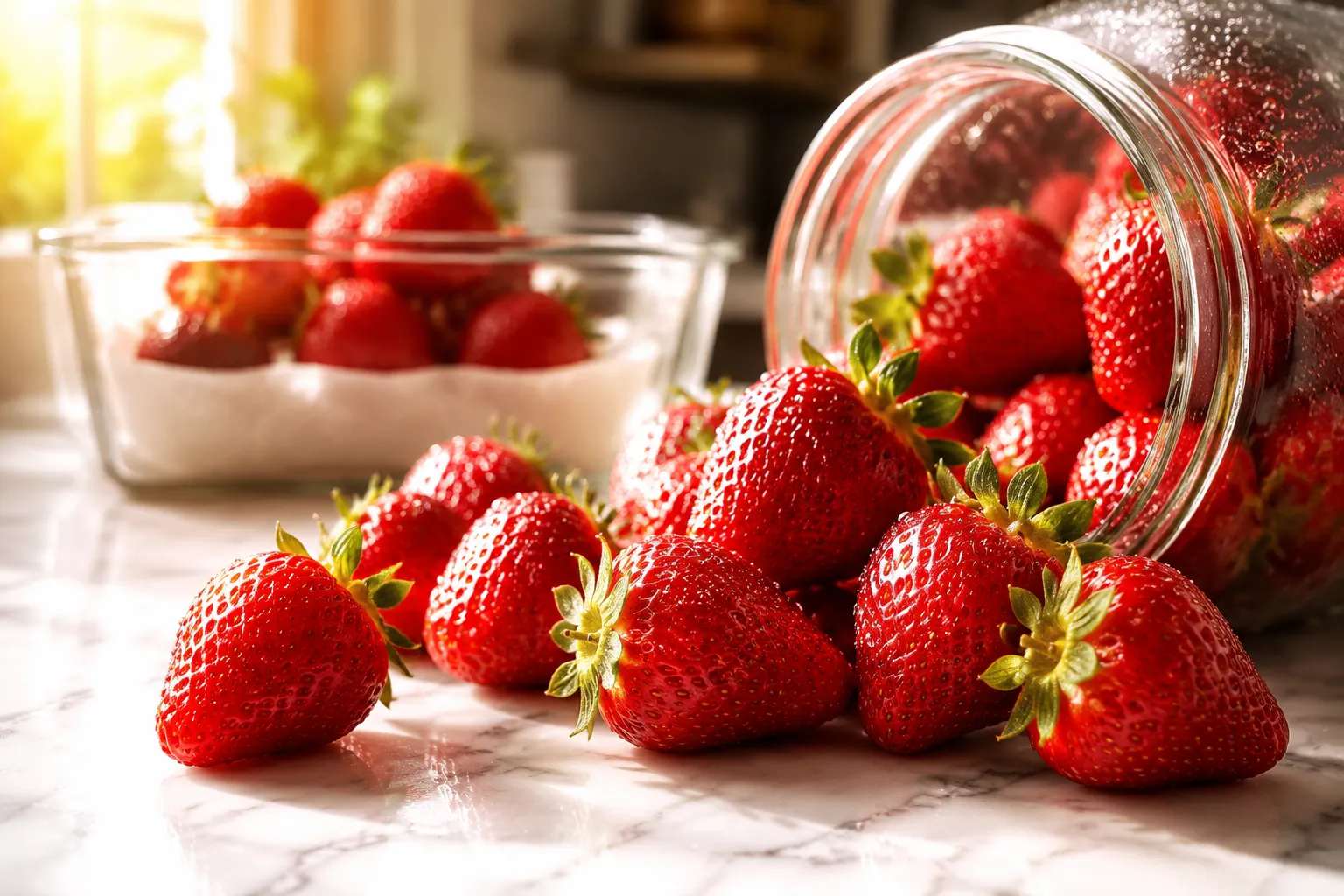
Tired of moldy berries by day three? Here's exactly how to store strawberries so they stay plump, sweet, and fresh for up to two weeks.
How to store strawberries is one of those tiny kitchen skills that can save a whole pint from turning fuzzy and sad by day three. If you have ever opened the refrigerator dreaming of juicy berries for breakfast only to find damp leaves, soft spots, and a sneaky patch of mold, this guide is for you.
The good news: fresh strawberries can last much longer than the flimsy grocery clamshell suggests. With a quick sort, a simple diluted vinegar wash, plenty of drying time, and the right container setup, you can keep berries plump, glossy, and snack-ready for up to two weeks.
Think of this as your complete berry playbook: what to do when you bring them home, when to leave them unwashed, when the counter is fine, and when it is smartest to freeze strawberries for smoothies, sauces, and baking. We will also talk through the exact signs of spoilage, because one questionable berry can quietly take the whole batch down with it.
Strawberries are delicate because they are high in water, thin-skinned, and naturally soft once ripe. That juicy texture is exactly what makes them so lovely in a strawberry shortcake recipe, but it also means they bruise easily and hold onto moisture. Moisture is the big troublemaker here: droplets trapped around the berries create a humid little greenhouse where mold spores can spread quickly. Even one crushed berry at the bottom of a container can leak juice, dampen its neighbors, and start a chain reaction.
The grocery clamshell does not help much. It is designed for transport and visibility, not long-term freshness, so berries are often stacked too tightly with very little absorbent material. The bottom berries carry the weight, condensation collects inside, and any soft berry hides until you discover it too late. The first step in learning how to keep strawberries fresh is to stop treating the clamshell as a storage container and start giving berries a drier, roomier place to rest.
The 30-second version is this: sort the berries, soak them briefly in a solution of 1 part white vinegar to 3 parts cold water, rinse, dry them completely, then refrigerate in a glass container lined with paper towels. Keep the green tops on until you are ready to eat, and do not seal wet berries into anything airtight. If you are wondering how to store strawberries after buying a big flat at the farmers market, this is the method I would use for the best balance of flavor, safety, and longevity.
You do not need special produce gadgets, berry boxes, or expensive liners. A bowl, measuring cup, white vinegar, cold water, clean paper towels, and a lidded glass container will do the job beautifully. The vinegar helps reduce surface mold spores, while the paper towels absorb any remaining moisture in the refrigerator. This is also the method most similar to the popular vinegar wash for berries, but with extra attention paid to drying and airflow.
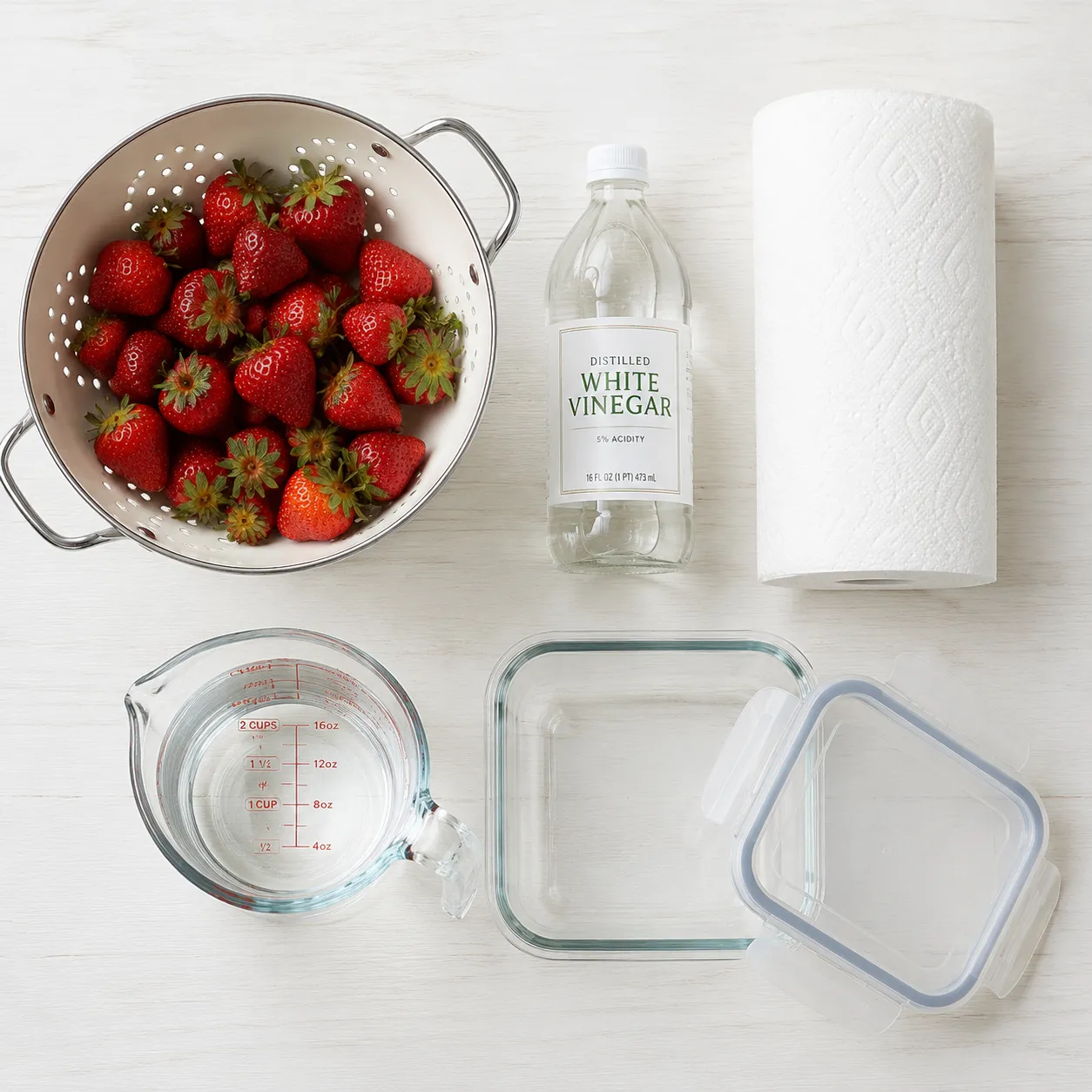
Start by sorting the berries as soon as you get home. Pour them into a colander or onto a clean towel and look for any strawberries that are mushy, leaking, deeply bruised, or showing even a tiny bit of white, gray, or green mold. Remove those immediately; do not tuck them back in and hope for the best. A single damaged berry can speed spoilage across the whole quart, especially in a cold, damp environment.
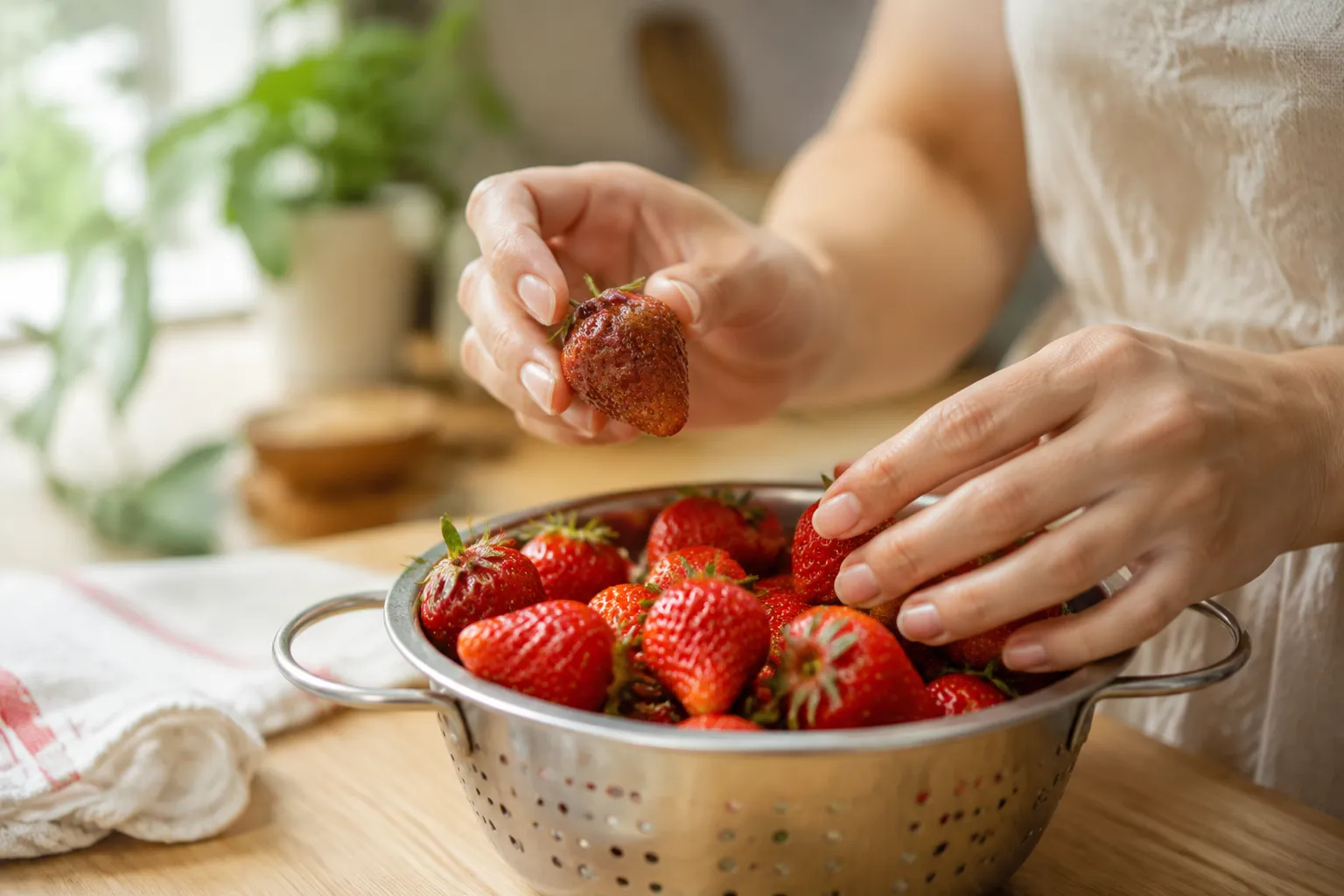
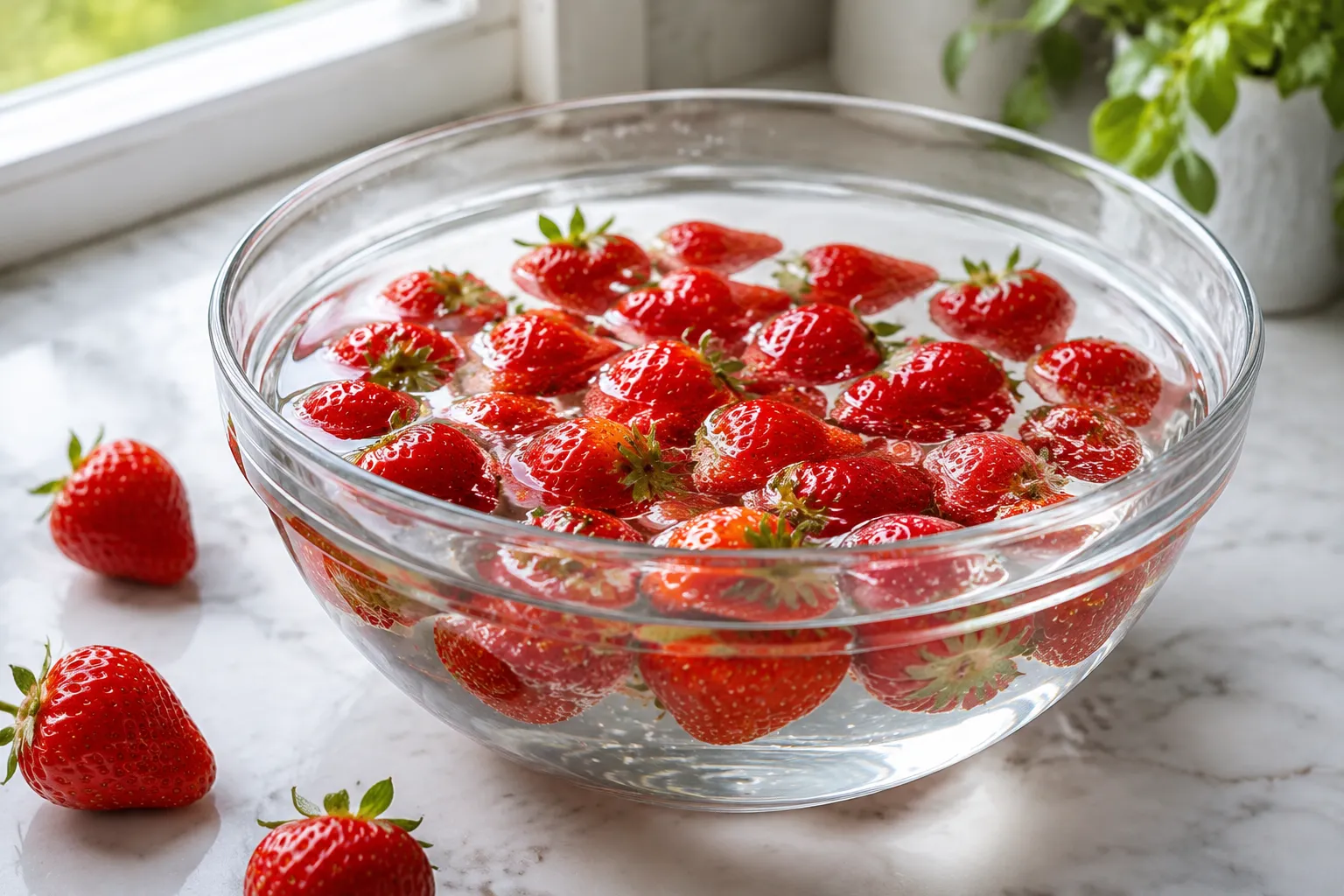
Next, make the vinegar bath. Combine 1 cup white vinegar with 3 cups cold water in a large bowl, then add the strawberries and gently swish them for about 2 to 5 minutes. The solution is diluted enough that it will not make your berries taste sharp, but it helps knock down the surface spores that cause fuzzy patches. After soaking, drain the berries and rinse them well with cool water.
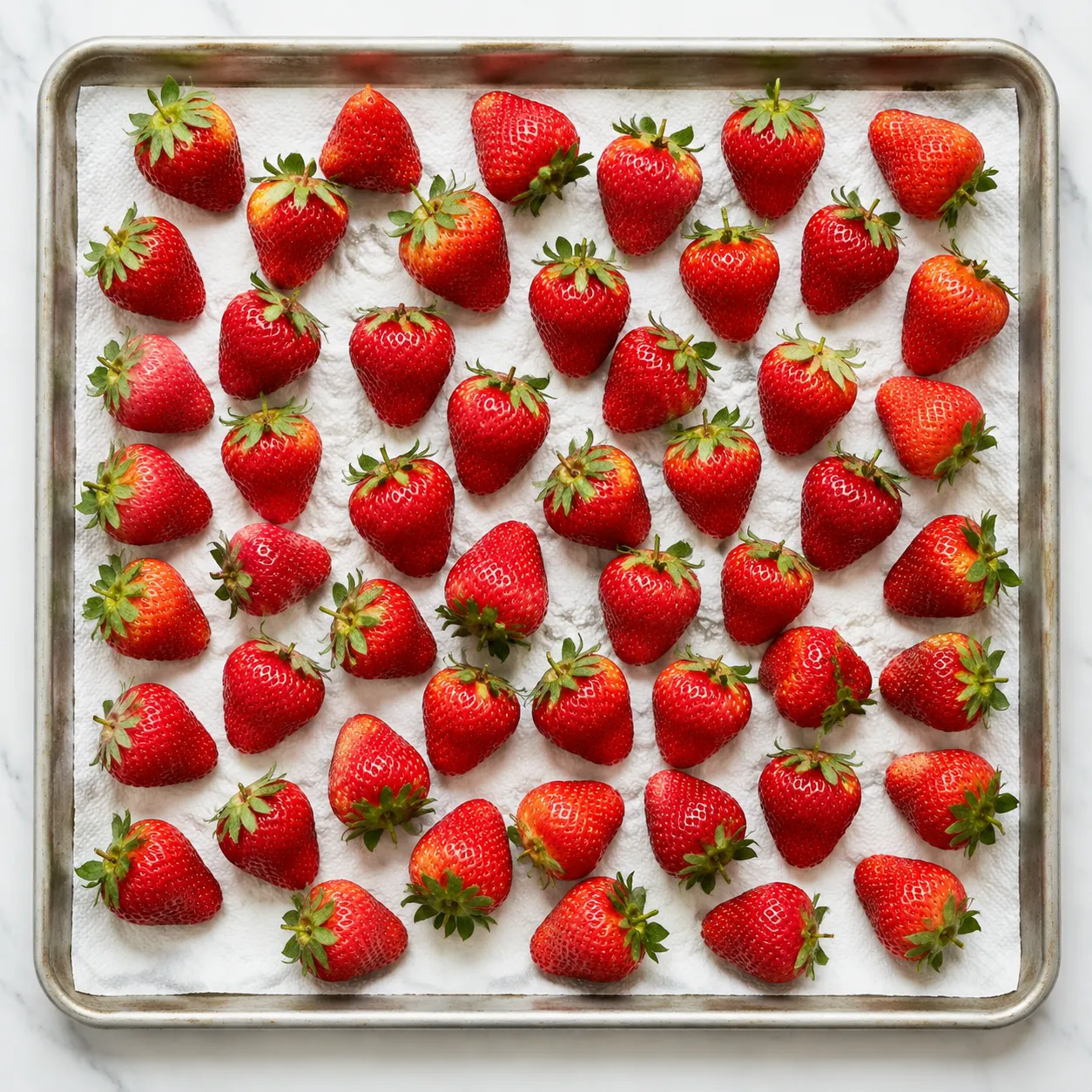
The drying step is where this method wins or fails. Spread the rinsed berries in a single layer on clean paper towels or a towel-lined sheet pan, then let them air-dry until they no longer feel damp. You can gently roll them or pat around the hulls, where droplets love to hide. If you rush this step and close wet berries in a container, the refrigerator will amplify that trapped moisture.
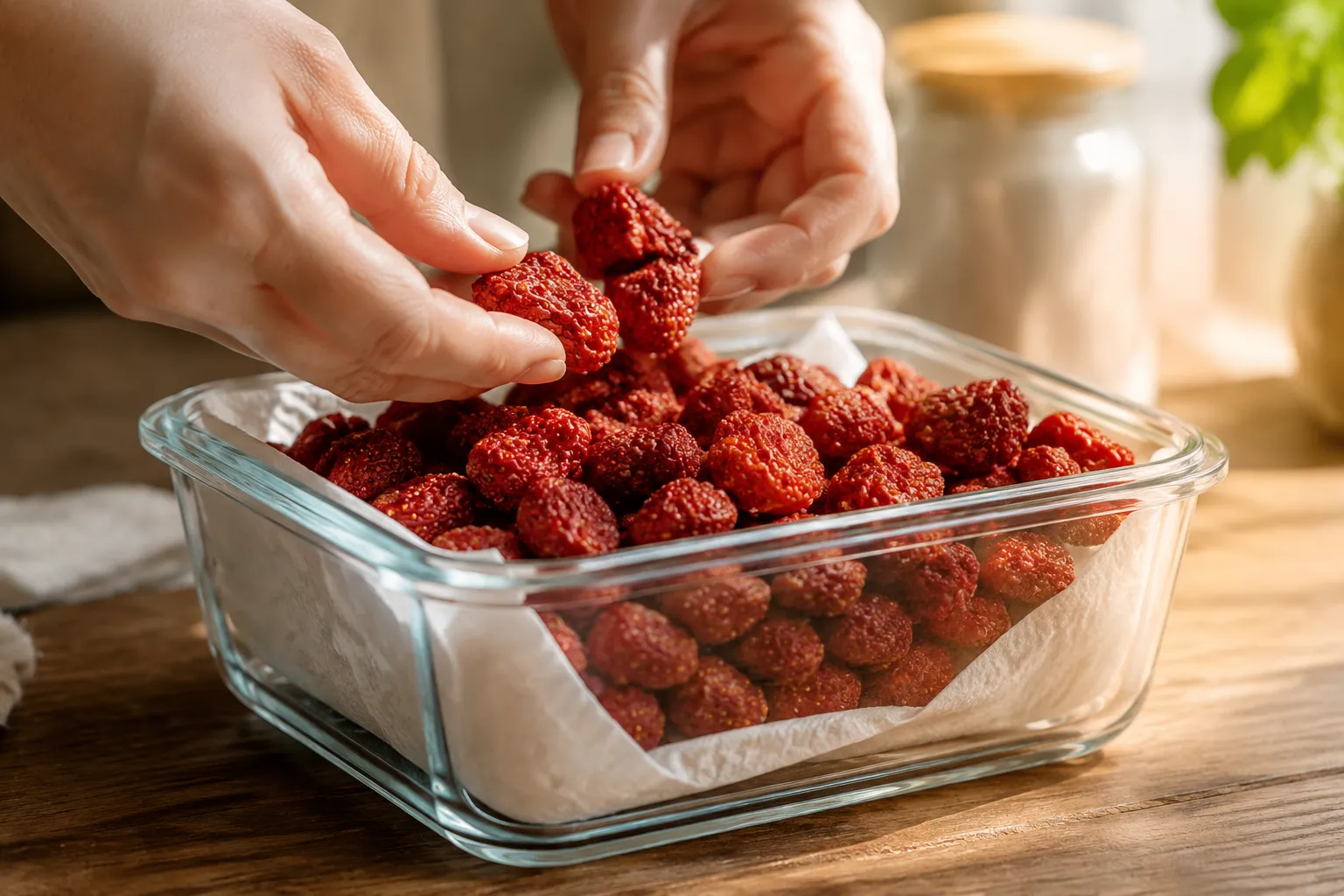
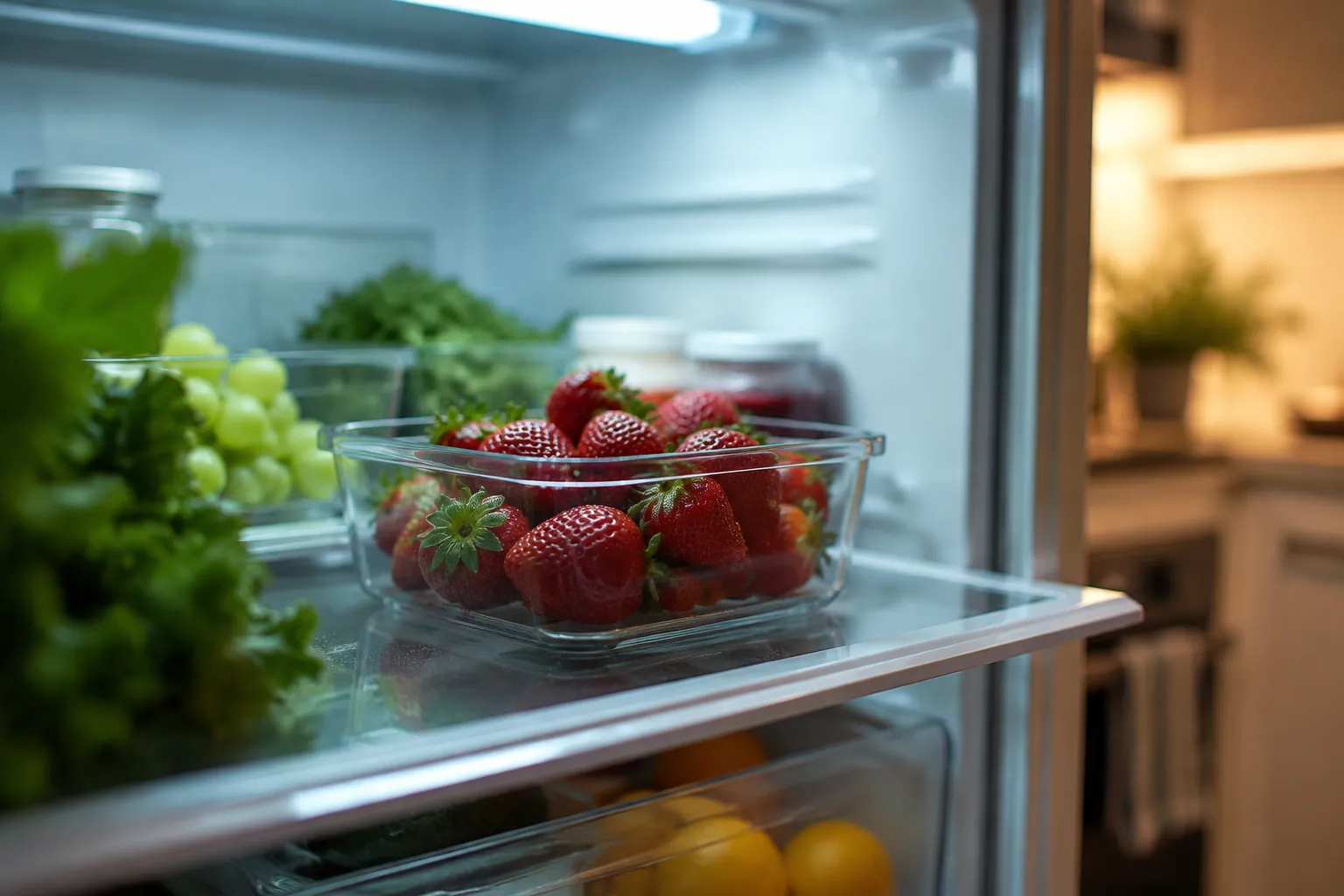
Once dry, line a glass container with a fresh paper towel and add the berries in a loose layer. If you have a lot, use a wider container rather than piling them high, or place a second paper towel between layers. A lid is helpful, but do not pack the fruit so tightly that there is no airflow at all; the goal is protected, not suffocated. For many home cooks, this is the best way to store strawberries because it gives them a clean environment, moisture control, and a little breathing room.
There is one good argument for leaving strawberries on the counter: flavor. Room-temperature berries taste sweeter and smell more floral because cold temperatures dull aroma. If you bought perfectly ripe berries and plan to serve them the same day, especially with whipped cream, pancakes, or a simple dessert board, a few hours on the counter is lovely. Keep them out of direct sunlight and spread them in a shallow bowl instead of leaving them stacked in the clamshell.
Counter storage is not a long-term plan, though. At room temperature, strawberries are usually best within 12 to 24 hours, and they can decline quickly in a warm kitchen. If you wash them, dry them, then leave them out, the clock moves even faster because any lingering moisture encourages spoilage. Serve what you need, then move leftovers into the refrigerator using the paper towel method.
When you have more berries than you can eat fresh, the freezer is your friend. Whole strawberries are convenient for smoothies and compotes, while sliced berries are better for quick sauces, oatmeal, muffins, and pies. Either way, wash and dry them first, then hull the berries only after they are clean. Removing the tops before washing can let water soak into the fruit, which softens the texture.
The trick to avoiding one giant frozen berry brick is to flash-freeze. Arrange hulled whole or sliced berries in a single layer on a parchment-lined sheet pan, making sure they are not touching. Freeze until solid, about 2 hours, then transfer them to a freezer bag or airtight container. If you have ever searched how to freeze strawberries, this is the step that makes all the difference for scooping out just what you need later.
Frozen strawberries are best within 6 months for peak flavor, though they are often safe longer if kept properly frozen. They will soften once thawed, so do not expect the snappy bite of fresh fruit. Use thawed berries in smoothies, jammy sauces, chia pudding, quick breads, or homemade strawberry jam. Once you know how to store strawberries for both fridge and freezer, berry season becomes a lot less frantic and a lot more delicious.
This is the great berry debate, and both sides have a point. The case for washing right away is convenience and mold prevention: the diluted vinegar bath helps remove surface spores, and clean berries are ready for snacking all week. This method is especially helpful when you buy berries in bulk, meal prep lunches, or know your family will grab them straight from the fridge. It also makes it easier to inspect every berry before it disappears into a container.
The case for waiting is moisture control. If you are not going to be meticulous about drying, unwashed berries can last longer than poorly dried washed ones. Strawberries hate being stored wet, and a rushed rinse can do more harm than good. If you are storing berries for just a day or two, you can leave them unwashed, remove any bad ones, and rinse only what you plan to eat.
My verdict: use the vinegar method when you have the time to dry the berries thoroughly, and skip the wash only when you are short on time or using them very soon. The technique is not magic; it is a moisture-management system. Clean the fruit, reduce mold pressure, dry it completely, and give it a lined container in the refrigerator. That combination is what keeps berries bright instead of soggy.
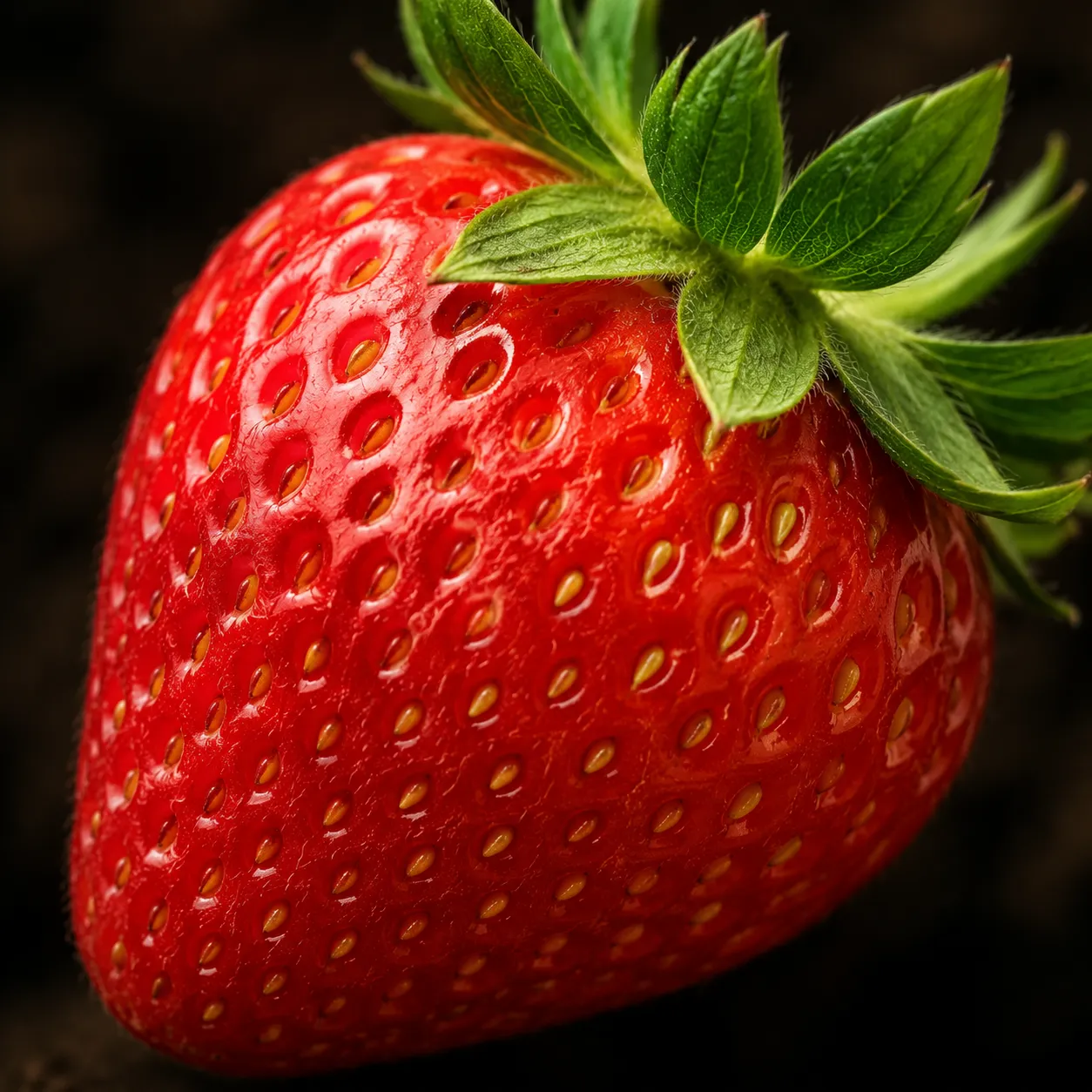
Fresh strawberries should look vibrant, smell sweet, and feel firm but not hard. Mold is the clearest sign they need to go, and it may appear as white fuzz, gray patches, greenish spots, or fuzzy growth around the hull. If one berry is moldy, discard it and inspect the surrounding fruit carefully; if the container smells musty or several berries are affected, it is safest to toss the batch. Mold can spread beyond what you can see on soft, high-moisture fruit.
Softness is a little more nuanced. A slightly soft strawberry with no mold, no off smell, and no leaking juice can still be used the same day in smoothies, sauces, cooked compotes, or baking. Dull color, shriveled skin, sticky liquid, fermented smell, or slimy texture means the berry is past its prime. When in doubt, let your senses guide you: strawberries should smell like summer, not wine, vinegar, or damp cardboard.
Once your berries are clean, dry, and waiting in the fridge, the hard part is not eating them all in one pass. Spoon them over yogurt and granola, slice them into green salads with goat cheese, tuck them into lunch boxes, or serve them with warm biscuits and whipped cream. They are also beautiful stirred into overnight oats, blended into smoothies, or piled onto French toast with a drizzle of maple syrup.
If you are planning dessert, properly stored berries give you a head start. They stay firm enough for shortcakes, tarts, and cake decorating, but still taste juicy and fragrant. Softer berries can be simmered with sugar and lemon into a quick sauce or folded into jam projects. Knowing how to store strawberries means you can buy the good berries when you see them and actually enjoy every last one.