Stone Fruit Guide: Types, Uses & Best Summer Recipes
Ingredients
Scale
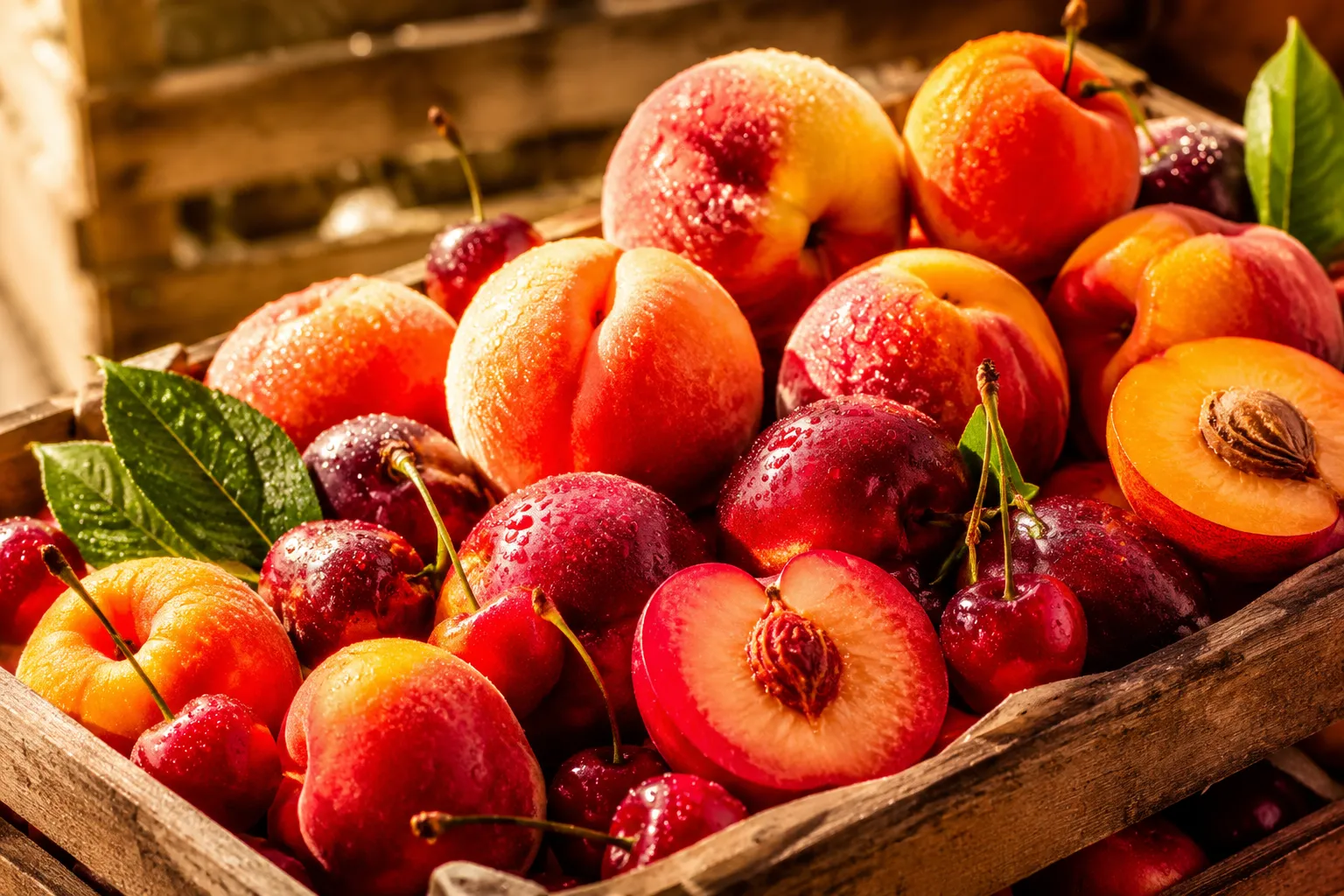
From peaches to cherries, stone fruit is the heart of summer. Here's how to choose, store, and cook with every variety like a pro.
Stone fruit is the juicy, sun-warmed heart of summer—the kind of produce that makes you lean over the sink, let the juice drip down your wrist, and not apologize for it. From fuzzy peaches and glossy nectarines to jammy plums, tender apricots, and ruby-red cherries, these fruits are fragrant, colorful, and wonderfully versatile in both sweet and savory cooking.
This guide is your all-in-one summer companion for understanding what these fruits are, when they are in season, how to choose the best ones, and how to turn them into quick weeknight desserts, market salads, breakfast bowls, and preserves. Think of it as part produce primer, part cooking inspiration, with a simple honey-roasted recipe tucked in to help you use whatever you brought home from the farm stand.
In botanical terms, these fruits are known as drupes: fruits with a fleshy exterior wrapped around a single hard pit or “stone.” That pit protects the seed inside, which is why peaches, nectarines, plums, cherries, and apricots all belong in the same delicious family. The flesh can be soft and melting, firm and snappy, honeyed and floral, or tart enough to make your mouth water. While we often think of them as classic summer fruit, the category is broader than the usual farmers market basket.
The word “drupe” may sound technical, but it is simply the reason these fruits feel so satisfying to eat and cook with. A thin skin, juicy flesh, and hard central pit create that signature combination of fragrance, texture, and flavor. Some varieties release easily from the pit, while others cling tightly, which matters when you are slicing fruit for pies, salads, or the sheet-pan recipe below. Once you know the basic structure, shopping and prep become much easier.
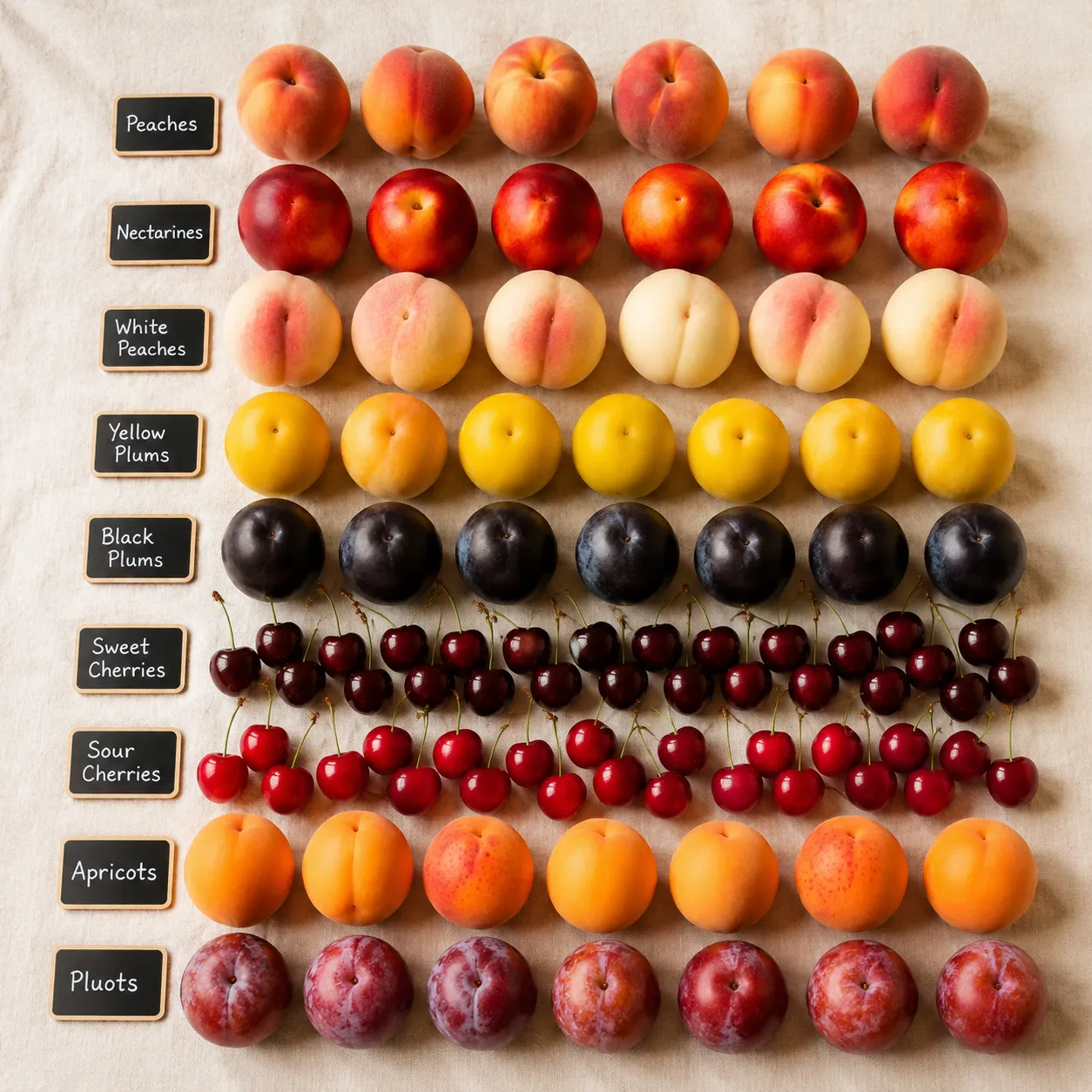
Peaches are plush, fragrant, and often slightly floral, with fuzzy skins and flesh that ranges from pale cream to deep golden orange. Nectarines are closely related but have smooth skins and a slightly firmer bite, making them excellent for slicing into salads or baking into a nectarine cobbler. Both come in yellow and white varieties; yellow tends to be tangier, while white is often sweeter and more perfumed. For cooking, choose fruit that smells sweet at the stem and gives just slightly when pressed.
Plums may be tiny and tart, big and wine-dark, golden and honeyed, or almost candy-sweet depending on the variety. Their skins often carry a gentle tang that balances the lush flesh, which is why they are so good in compotes, cakes, and plum jam. Pluots, a plum-apricot hybrid, usually lean more plum-like in texture but can bring an extra floral sweetness. If you see a variety you do not recognize, buy one or two and taste before committing to a whole bag—the differences are part of the fun.
Sweet cherries are the snackers: glossy, firm, and usually eaten fresh by the handful. Bing and Rainier are two beloved supermarket and farmers market varieties, with Rainier cherries offering a pretty blush-gold color and delicate sweetness. Sour cherries are brighter, softer, and more tart, which makes them prized for pies, sauces, syrups, and a rustic cherry galette. Their season can be brief, so when you spot them, it is worth grabbing enough to pit and freeze.
Apricots are small, velvety, and aromatic, with a flavor that can shift from honeyed to tangy in the same bite. They are more delicate than peaches or plums, so handle them gently and cook them quickly to preserve their perfume. Roasted apricots with honey, thyme, and a pinch of flaky salt are one of the easiest ways to concentrate their flavor. They are also lovely chopped into grain salads, simmered into compote, or folded into buttery cakes.
Although we do not always group them with summer orchard favorites, mangoes, lychees, dates, olives, and even avocados are technically drupes. Mangoes have one long central pit, lychees have a smooth seed inside their translucent flesh, and avocados have a large central seed wrapped in rich green flesh. In everyday cooking, these tropical fruits often live in their own culinary lane, but botanically they share the same architecture. It is a reminder that this category is bigger and more global than a peach basket.
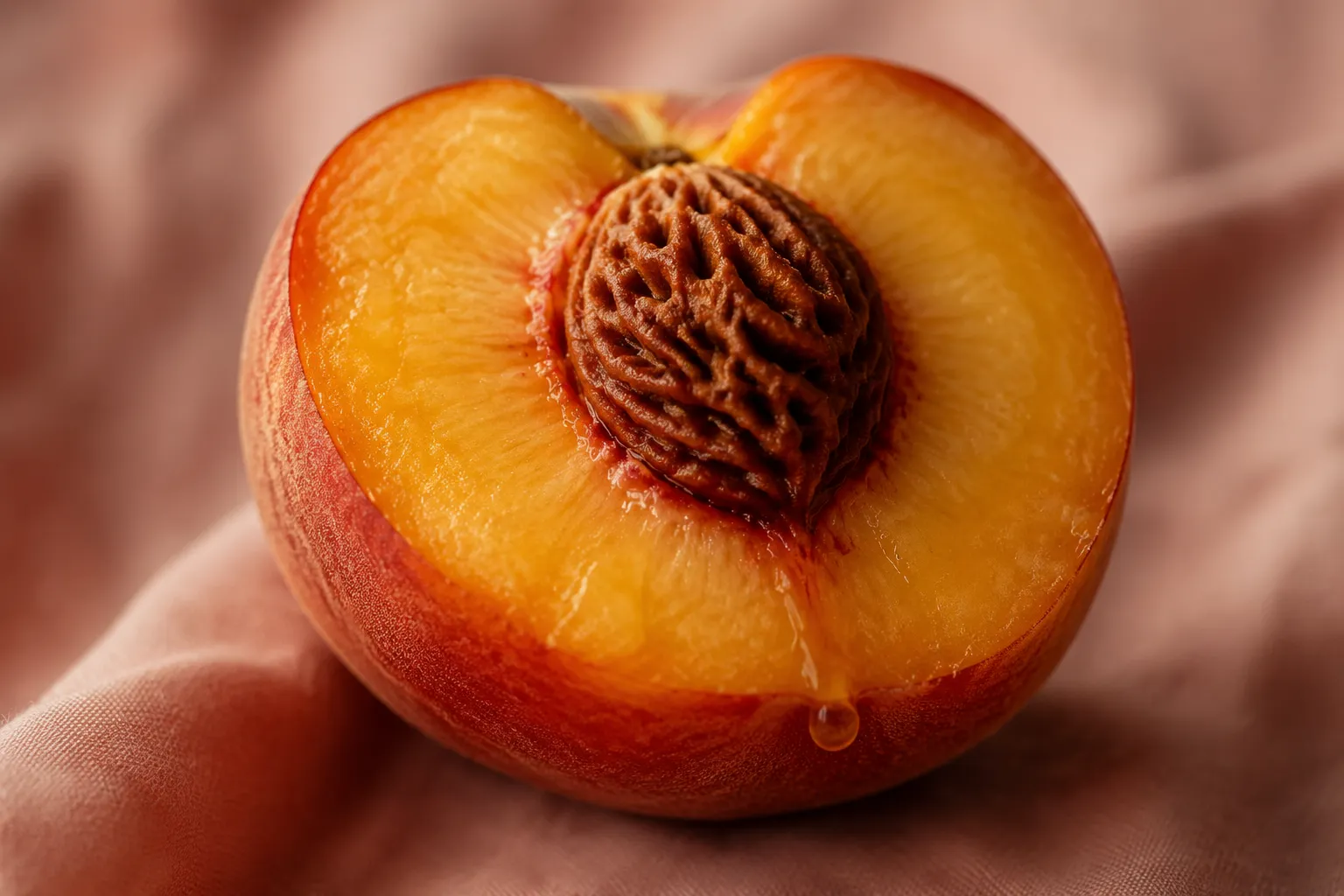
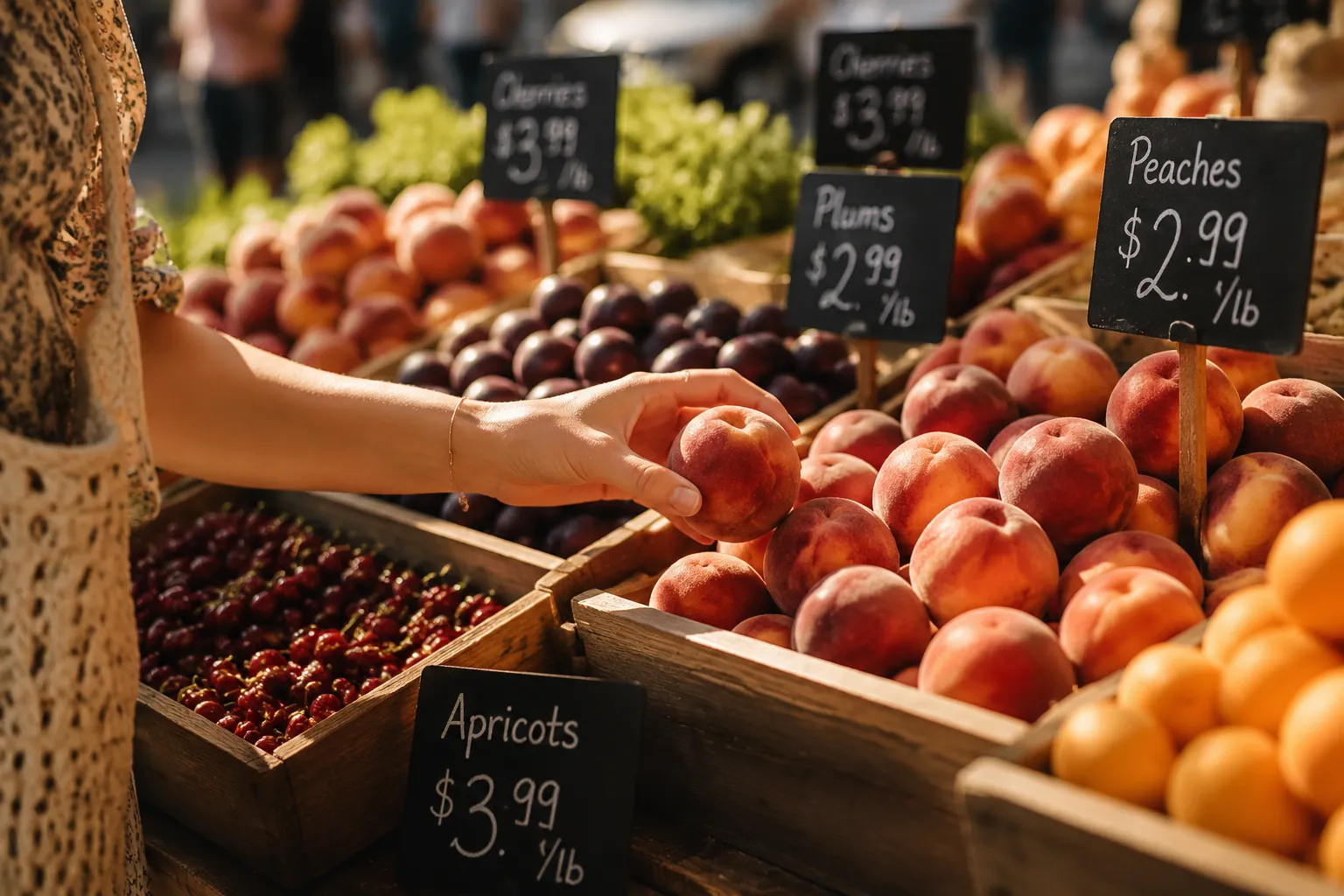
In most of the United States, the season begins in late spring with cherries and apricots, then rolls into high summer with peaches, nectarines, and plums. Exact timing depends on your region and the weather, but June through August is the sweet spot for the most abundant selection. Early-season fruit can be firmer and brighter, while late-summer varieties often taste deeper, more syrupy, and more intensely fragrant. If you love preserving, this is the moment to stock up while prices are better and flavor is at its peak.
Use your senses before you fill your tote. Ripe fruit should smell fragrant near the stem, feel heavy for its size, and give gently under light pressure without feeling mushy. Color can help, but it is not always the whole story: a red blush on a peach may be variety-related rather than a guarantee of sweetness.
If your fruit is firm, let it sit at room temperature, stem-side down when possible, with a little space between each piece. A paper bag can speed things up by trapping ethylene gas, especially if you add a banana or apple. Check daily, because fruit can go from firm to ready faster than you expect during a hot week. Avoid stacking heavy pieces on top of tender apricots or ripe plums, which bruise easily.
Once fruit smells sweet and gives gently, move it to the refrigerator to slow ripening and buy yourself a few extra days. Cold temperatures can dull aroma, so let the fruit sit at room temperature for 20 to 30 minutes before serving if you plan to eat it fresh. Cherries should go into the fridge sooner than peaches or plums, ideally unwashed and loosely covered. Wash just before eating to keep the skins from softening too quickly.
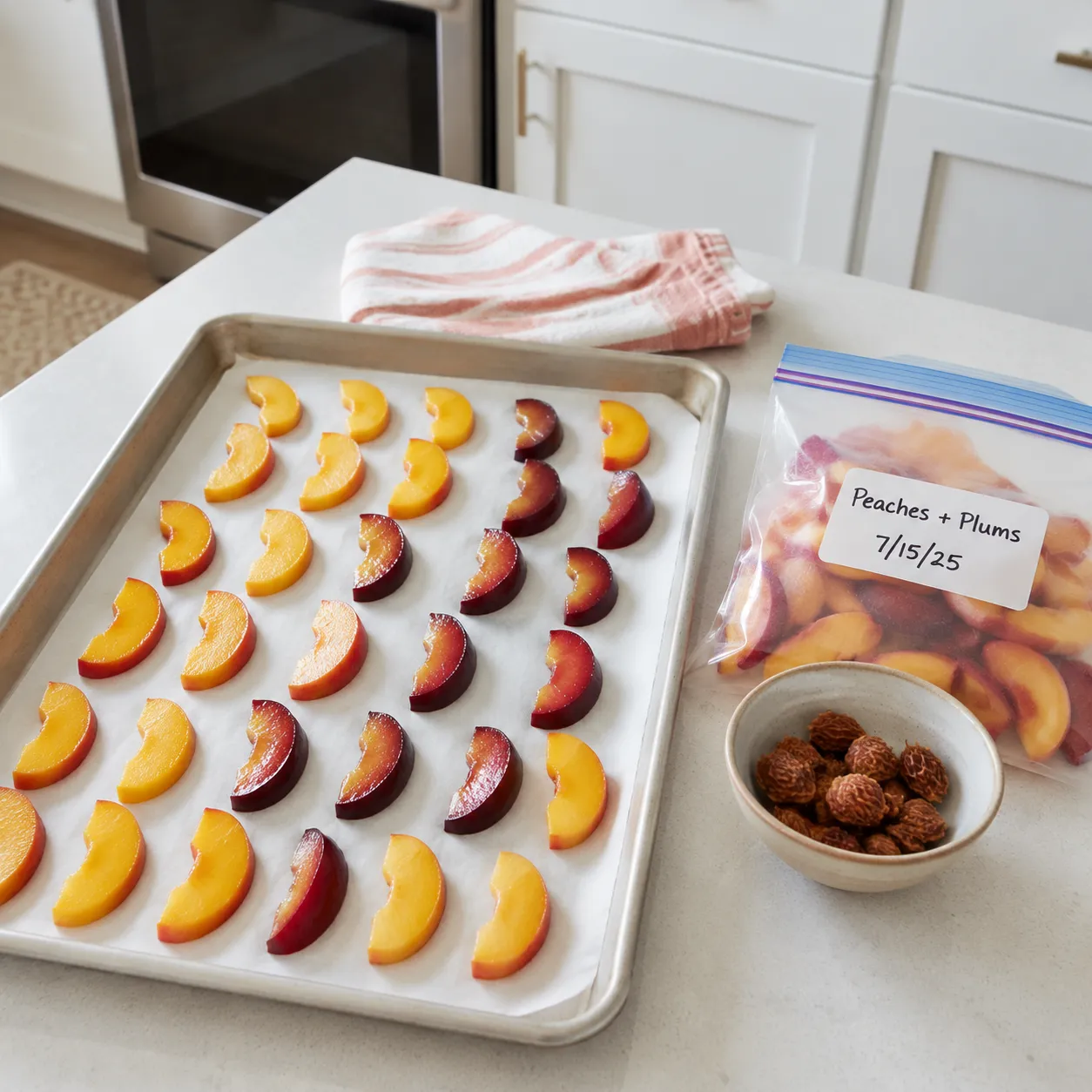
Freezing is the best way to stretch peak flavor into smoothies, muffins, crisps, sauces, and winter breakfasts. Pit and slice ripe fruit, spread it on a parchment-lined sheet pan, and freeze until solid before transferring to labeled freezer bags. This prevents the pieces from clumping into one icy block and lets you scoop out exactly what you need.
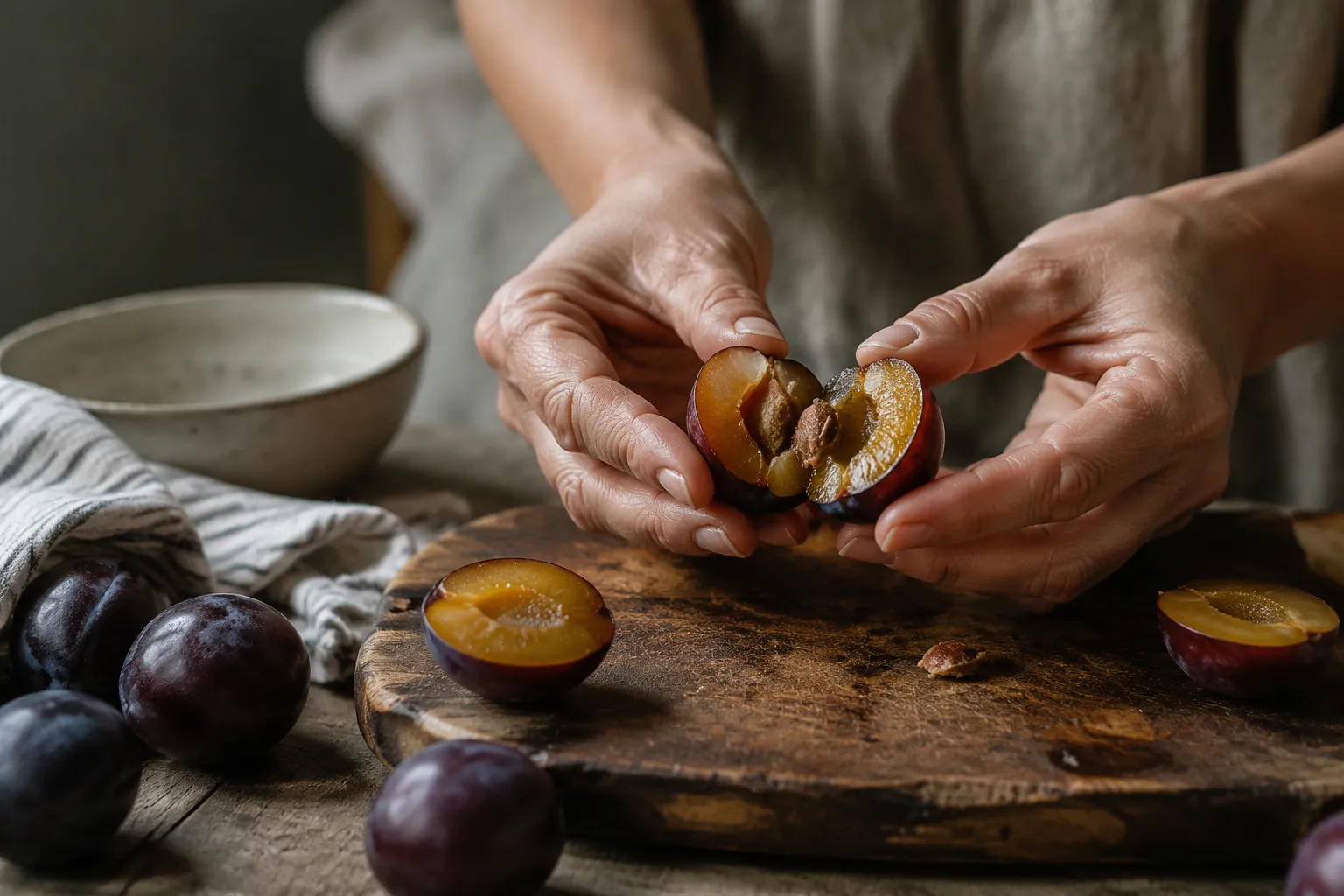
Freestone varieties are the easiest to prep because the flesh separates cleanly from the pit. Run a small knife around the natural seam from stem to tip, cutting all the way to the pit, then gently twist the halves in opposite directions. The fruit should open like a book, and the pit can usually be lifted out with your fingers or the tip of a spoon. This method is perfect when you want neat halves for grilling, roasting, or arranging over yogurt.
Clingstone fruit holds tightly to the pit, so twisting may leave you with torn flesh and frustration. Instead, cut thick cheeks away from the pit, then slice off any remaining pieces with a paring knife. The pieces may be less uniform, but they are perfect for cobblers, salsas, compotes, and quick skillet desserts.
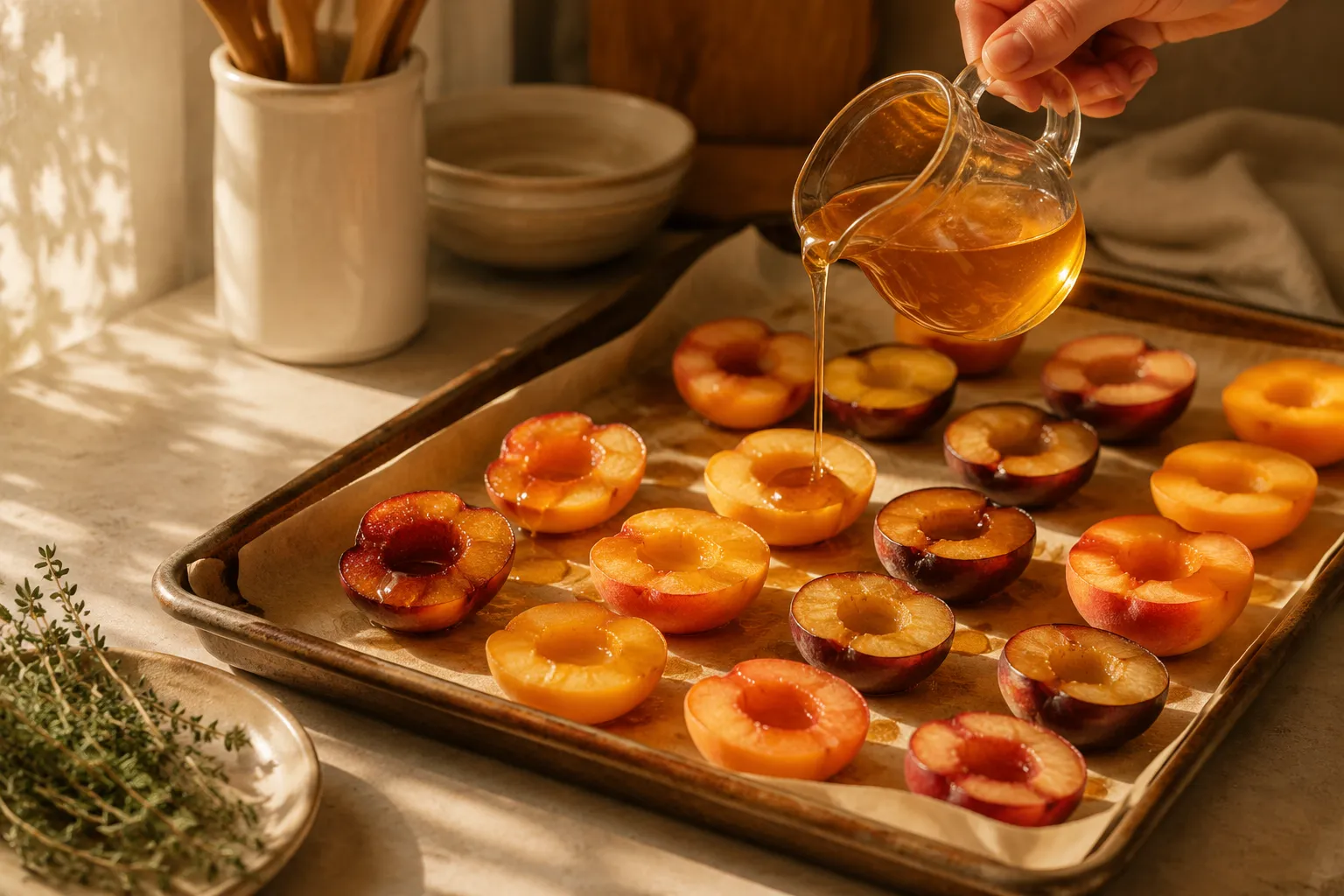
High heat brings out caramelized edges, deepens sweetness, and turns even slightly firm fruit into something lush and spoonable. Grilled peaches are a summer classic for a reason: the smoky char plays beautifully with vanilla ice cream, burrata, prosciutto, or a drizzle of hot honey. Roasting is even more hands-off and works beautifully with mixed fruit, especially when tossed with honey, olive oil, and a pinch of salt. The sheet-pan medley in the recipe card is simple enough for a weeknight but pretty enough for company.
Baking is where juicy orchard fruit really shines, because the heat softens the flesh and turns the juices syrupy. A cherry galette is wonderfully forgiving: fold a rough circle of pastry around sweet-tart filling and bake until bubbling. Cobblers and crisps are even more relaxed, welcoming sliced peaches, nectarines, apricots, or plums under biscuit dough or buttery oat crumble. If your fruit is very juicy, toss it with a little cornstarch or flour to help thicken the filling.
Do not save these fruits only for dessert. Sliced peaches with tomatoes, basil, mozzarella, and good olive oil make a gorgeous summer fruit salad that belongs at every cookout. Chopped nectarines or plums can become a quick salsa with lime, jalapeño, cilantro, and red onion for spooning over fish tacos or grilled chicken. They also pair beautifully with salty cheeses, bitter greens, toasted nuts, pork, duck, and fresh herbs like mint, thyme, and basil.
When you have more fruit than you can eat fresh, simmer it down into something spoonable. Small-batch compote needs only fruit, a little sugar or honey, lemon juice, and a few minutes on the stove. Traditional jams take more attention, but they reward you with jars of concentrated summer flavor. Try plum jam with warm spices, cherry preserves with almond extract, or peach compote spooned over pancakes and pound cake.
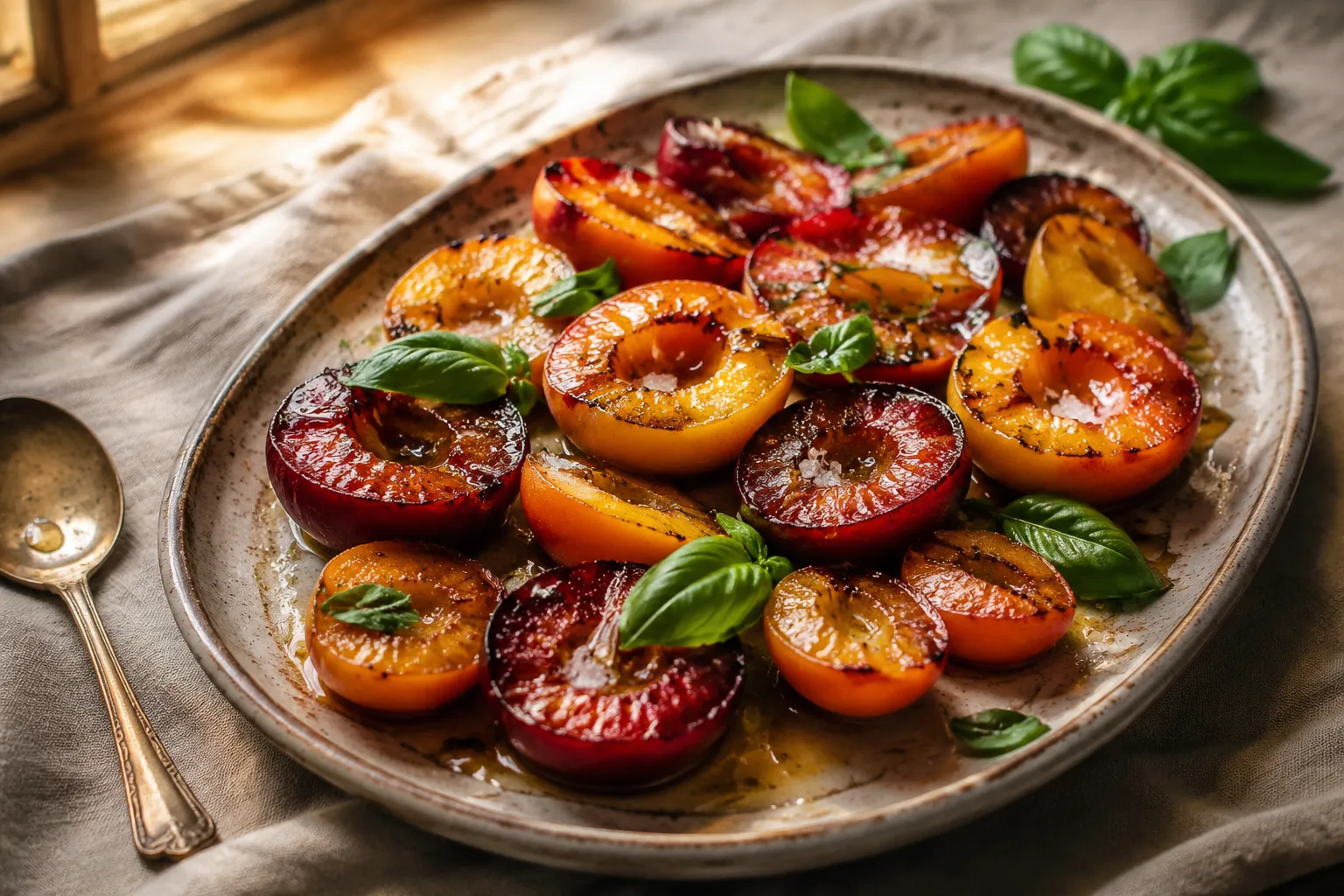
For the fastest no-cook idea, slice a mix of ripe fruit and toss it with lemon juice, a little honey, and a pinch of flaky salt. Add torn mint or basil, then finish with toasted pistachios or almonds for crunch. If you want to make it savory, add cucumbers, arugula, and crumbled feta or goat cheese. This is the kind of flexible bowl that works for brunch, lunch, or a low-effort side with grilled meat.
The recipe card below gives you a simple template for roasting peaches, plums, and cherries until glossy and tender. Honey adds shine, olive oil keeps the fruit from tasting too sugary, and flaky salt makes every bite pop. Serve it warm over Greek yogurt, spoon it onto vanilla ice cream, or pile it beside grilled pork or chicken. Once you make it once, you will start improvising with thyme, ginger, cardamom, lemon zest, or a splash of balsamic vinegar.
A yogurt bowl is one of the easiest ways to turn roasted fruit into breakfast or a cooling afternoon snack. Start with thick Greek yogurt, add a few warm or chilled fruit pieces, then layer on granola, toasted nuts, and a final drizzle of honey. The contrast of creamy, crunchy, tart, and sweet makes it feel special without much effort. Leftover roasted fruit also works beautifully over overnight oats, chia pudding, waffles, or toast with ricotta.
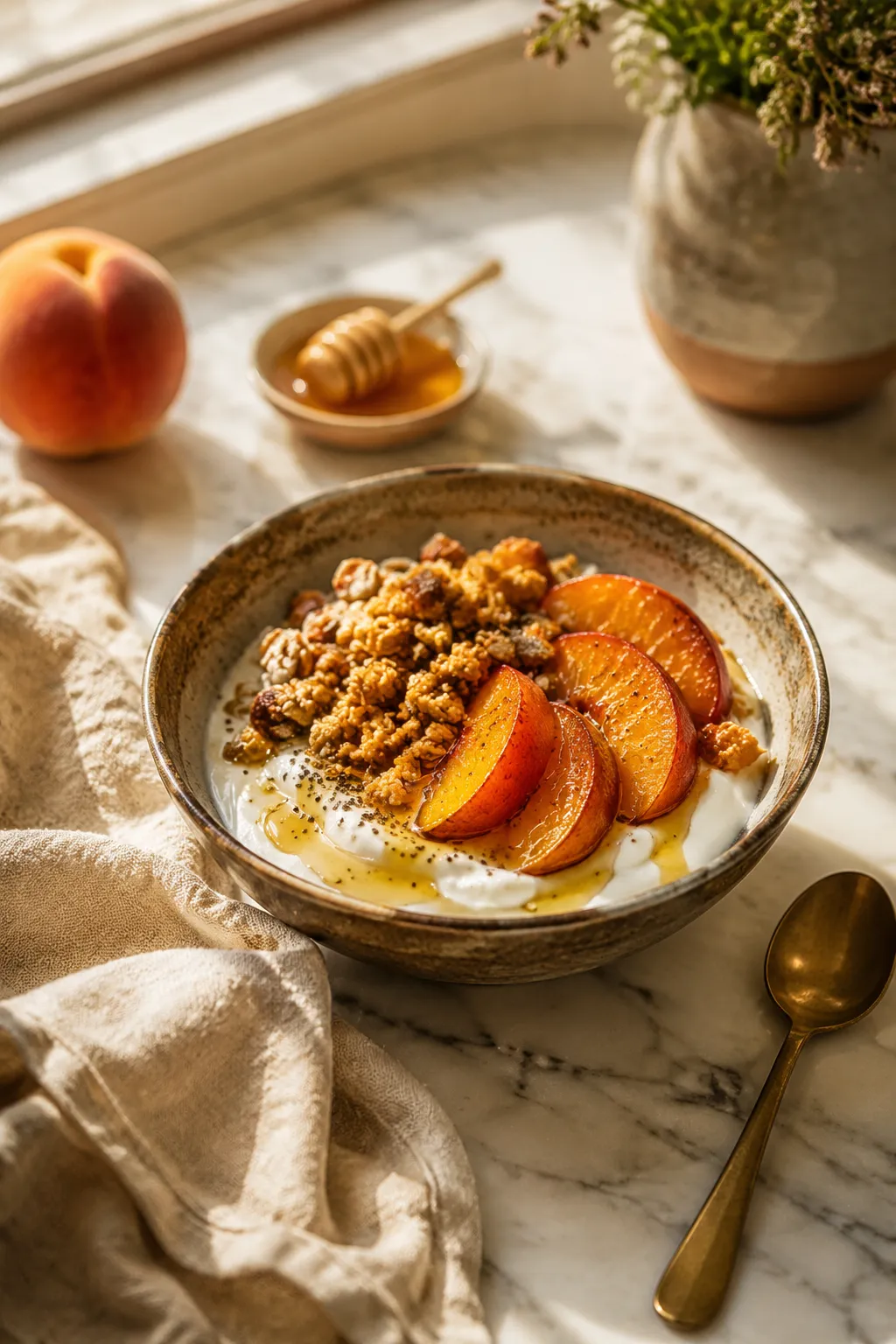
If you are new to cooking with this family of fruits, start with a mixed pan rather than committing to one variety. Peaches bring perfume, plums add tang and color, cherries turn syrupy, and apricots melt into soft golden bites. The method is intentionally easy: cut, pit, drizzle, roast, and finish with basil and salt. It gives you a base that can move from dessert to breakfast to salad topper without feeling like a completely different recipe.
For a dinner-party plate, spoon the warm fruit over whipped ricotta or mascarpone and add toasted almonds. For brunch, serve it with yogurt and granola, or tuck the leftovers into crepes. For a savory twist, pair the roasted fruit with arugula, burrata, prosciutto, and cracked black pepper. This is low-effort summer cooking at its best: colorful, fragrant, and generous.
The best way to learn these fruits is to buy them often during summer and taste across varieties. Choose a few familiar favorites, then add one new plum, apricot, or cherry variety to your basket each week. Notice which ones are best eaten fresh, which ones need heat, and which ones make you want to bake immediately. Before long, you will know exactly what to grab for salads, skillet desserts, jam, and quick snacks.
Whether you are making a bubbling cobbler, a platter of grilled fruit, a quick salsa, or a jar of preserves, this produce family rewards simple treatment. Let ripeness guide you, lean on salt and acid to brighten sweetness, and do not be afraid to mix varieties. When summer is overflowing, a bowl of ripe drupes on the counter is more than just pretty—it is dinner inspiration, dessert waiting to happen, and breakfast for the week.
Use the honey-roasted medley as a starting point and adjust it to match what is ripe, what you are serving, and whether you want the final dish to lean sweet or savory.
Keep unripe peaches, nectarines, plums, and apricots at room temperature until they become fragrant and give slightly when pressed. Once ripe, move them to the refrigerator and use within a few days for the best flavor and texture. Cherries should generally be refrigerated right away, unwashed, and rinsed just before eating.
For longer storage, pit and slice ripe fruit, freeze the pieces in a single layer on a parchment-lined baking sheet, then transfer them to freezer bags with the date written on the label. Frozen fruit is best used in smoothies, baked goods, sauces, compotes, and roasted fruit dishes rather than fresh salads.