Creme Creme Fraiche Recipe: Homemade Crème Fraîche
Ingredients
Scale

Learn how to make rich, tangy homemade crème fraîche with just 2 ingredients, plus tips for thickening, storing, and using it.
Creme creme fraiche is one of those little kitchen projects that feels almost too easy for how luxurious the result is: pour, stir, wait, and suddenly you have a thick, tangy cream that makes soups silkier, berries prettier, and pan sauces taste restaurant-level. This homemade crème fraîche uses just heavy cream and cultured buttermilk, both easy to find in most US grocery stores, and it thickens quietly on the counter while you go about your day.
If you have ever bought a tiny tub of crème fraîche and wondered why it costs so much, this is your sign to make it at home. The flavor is mellow and cultured, the texture is spoonable and glossy, and the whole process requires no cooking, no thermometer, and no specialty equipment. Think of it as the most elegant member of the easy condiment recipes family: simple enough for a weekday, but special enough for a dinner party.
I love keeping a jar in the fridge because it slides easily between savory and sweet. A spoonful finishes tomato soup, roasted vegetables, tacos, baked potatoes, pancakes, and jammy fruit desserts with equal confidence. Once you learn how to make crème fraîche, you will start finding excuses to use it everywhere.
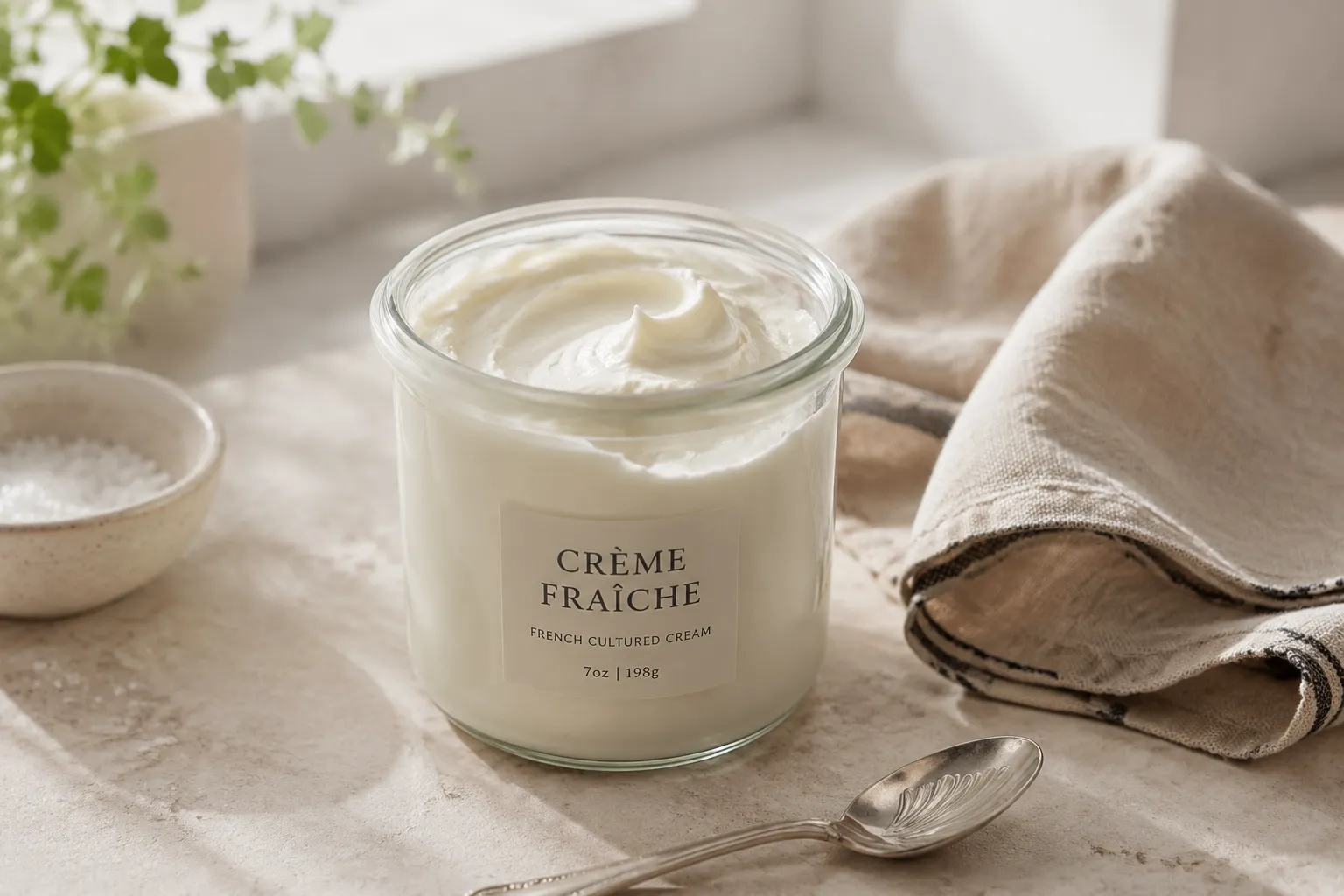
Crème fraîche is a cultured cream with a rich body, a gentle tang, and a soft, spoonable texture. The name is French, but the method is wonderfully practical: cream is combined with a live cultured dairy starter, then left at room temperature long enough for the good bacteria to lightly ferment and thicken it. Compared with plain heavy cream, it has more character; compared with yogurt, it is richer and less sharp. This creme fraiche recipe is designed for home cooks who want that classic taste without hunting for specialty cultures.
The most common comparison is crème fraîche vs. sour cream, and they are related, but not identical. Sour cream is usually more acidic, lower in fat, and more likely to split when stirred into hot liquids. Crème fraîche is higher in fat, rounder in flavor, and famously friendly to warm soups and sauces, which is why it is such a helpful sour cream substitute when you want something smoother and less tangy. If sour cream is bright and direct, crème fraîche is plush, mellow, and a little more refined.
As it rests, the mixture thickens because the cultures in the buttermilk gently acidify the cream. That slow fermentation changes both texture and flavor, giving you a cream that can hold soft peaks on a spoon after chilling. You are not whipping it, reducing it, or adding gelatin; the transformation comes from time and live cultures. It is kitchen chemistry at its coziest.
You only need two main ingredients: heavy cream and cultured buttermilk. Choose regular pasteurized heavy cream if you can find it, though ultra-pasteurized cream often works too; it may simply take a bit longer to set. The cream provides fat, richness, and body, so avoid half-and-half or milk here. For the starter, look for cultured buttermilk with live active cultures, not a powdered mix or a buttermilk-flavored product.
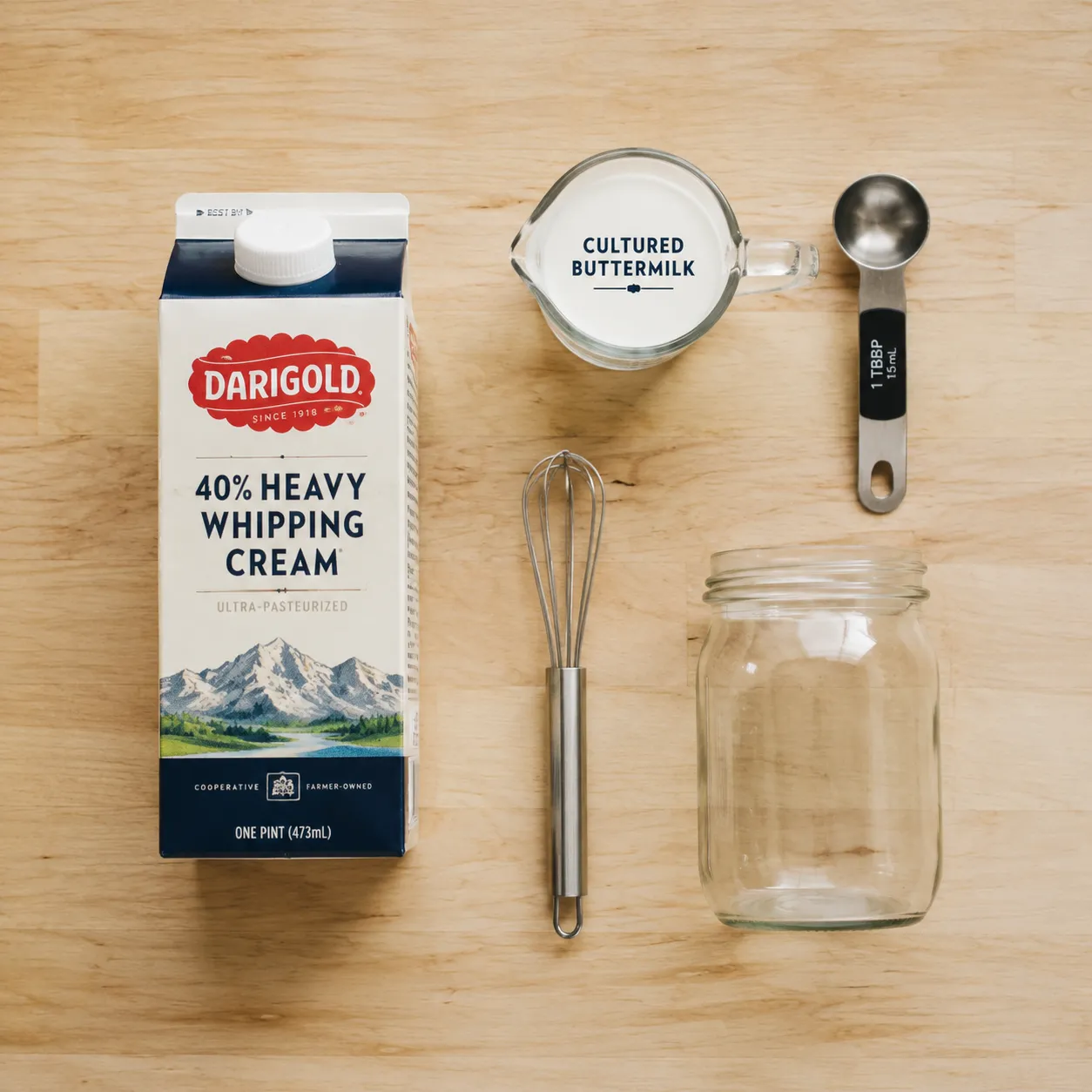
The jar matters more than you might think, mostly because you want it very clean and large enough for easy stirring. A pint-size glass canning jar is perfect for a 2-cup batch, though a small glass bowl with a loose lid or clean towel works as well. You will also need a measuring spoon, a small whisk or spoon, and a breathable cover such as cheesecloth, a clean tea towel, or a coffee filter. The breathable cover keeps dust out while allowing the cultures to do their quiet work.
Because the ingredient list is so short, freshness really shows. Cream that smells sweet and clean will give you the best flavor, while fresh cultured buttermilk gives the recipe a strong start. This is also why homemade sauce recipes built around just a few ingredients can be so satisfying: when each component is good, the finished sauce or condiment tastes far more complex than the effort suggests.
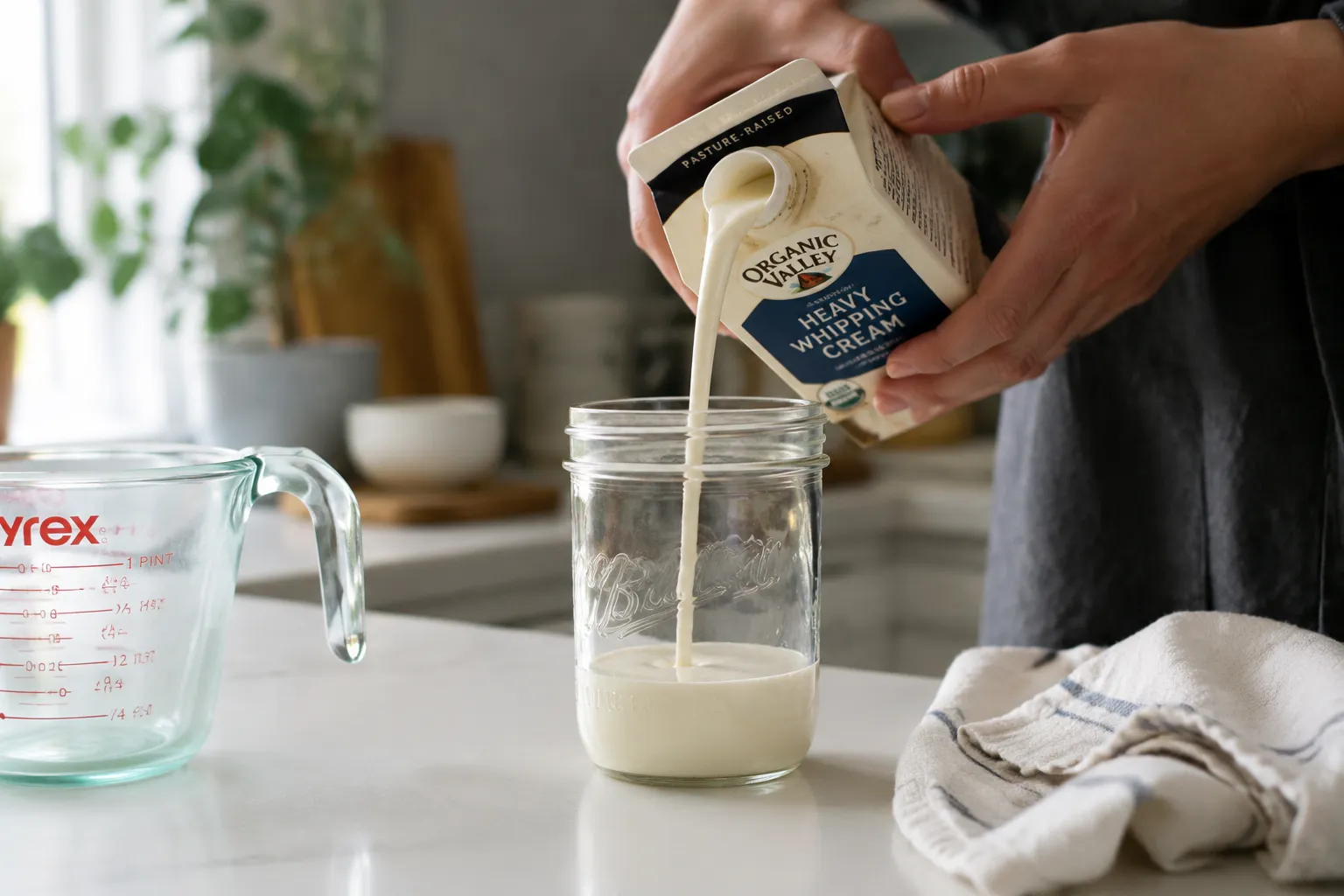
The hands-on part is almost comically brief. Pour the cream into your clean jar, add the cultured buttermilk, and stir until the mixture looks uniform. You do not need to aerate it or whisk vigorously; a gentle stir is enough to distribute the starter throughout the cream. From there, the jar simply needs a warm-ish, draft-free spot to culture.
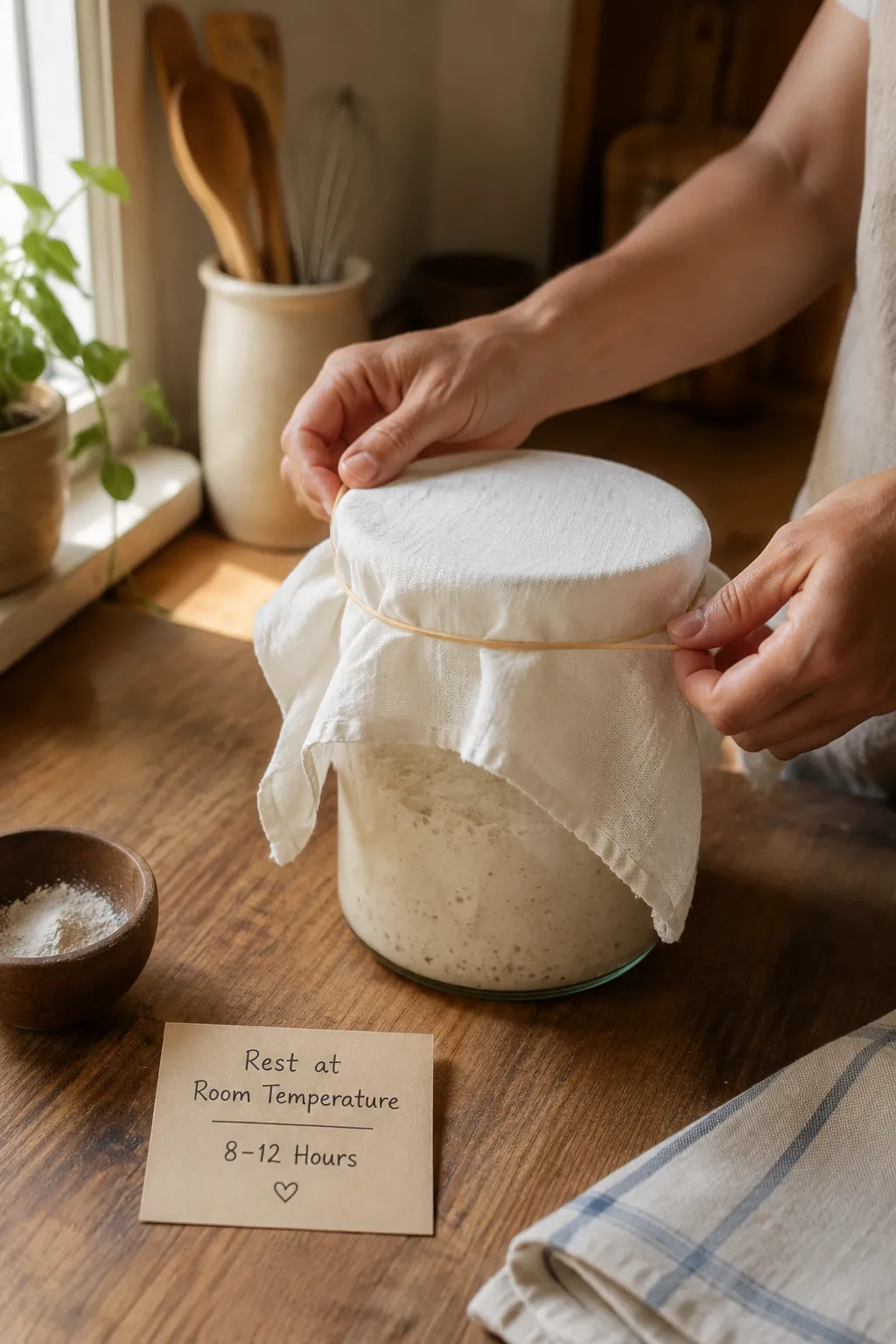
Room temperature is the magic zone, and most kitchens will work beautifully. A comfortable range is about 70°F to 75°F, though cooler rooms may require a longer rest. Cover the jar with a clean breathable cloth and secure it with a rubber band, then leave it undisturbed for 12 to 24 hours. If your kitchen runs cool, the mixture may need closer to 36 hours, but it should never smell harsh, rotten, or unpleasant.
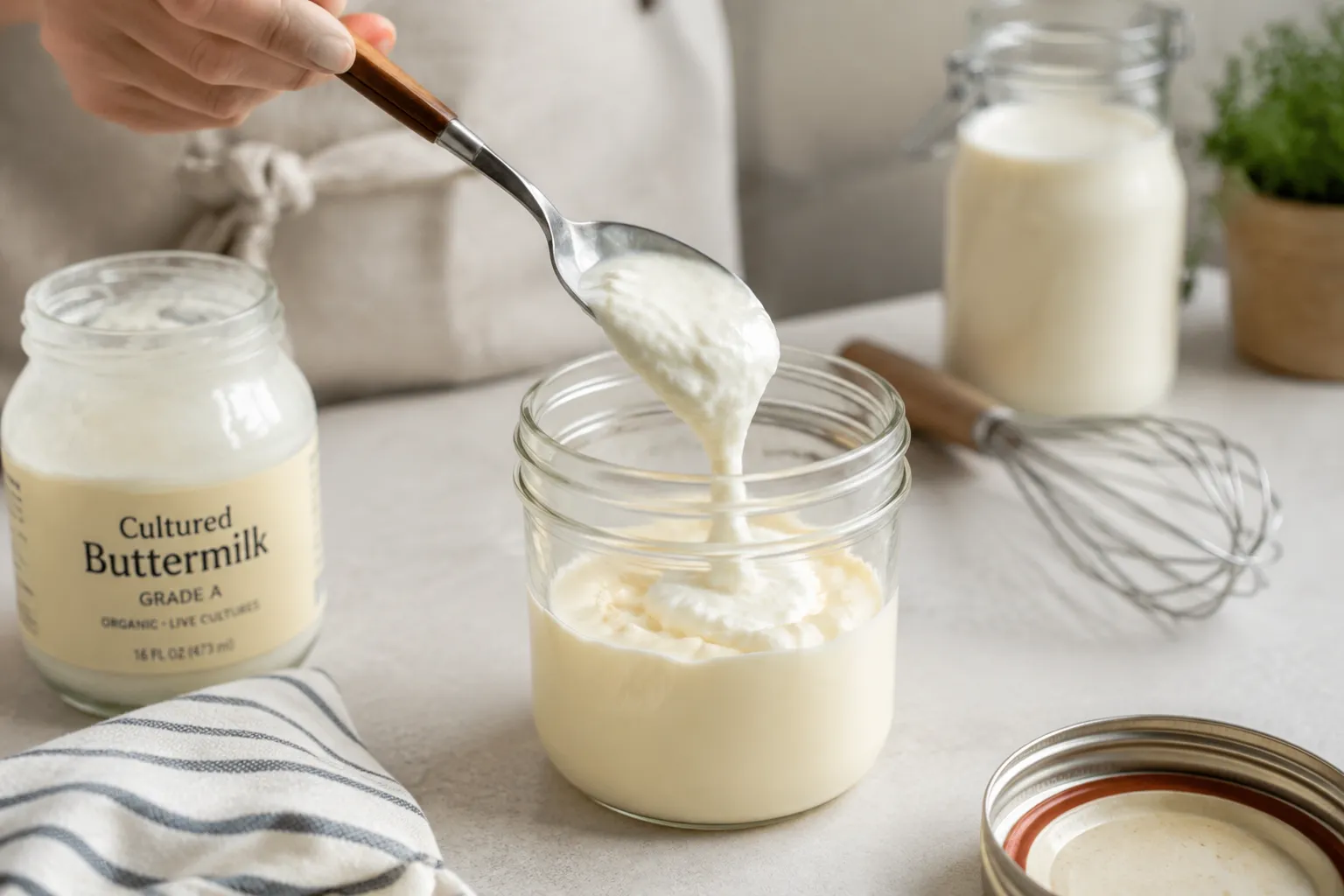
After culturing, the cream should look thicker and slightly set, with a fresh, tangy aroma. It may still seem a little loose at room temperature, and that is completely normal. Stir it gently, cover it with a lid, and transfer it to the refrigerator for several hours before serving. Chilling firms the texture and rounds out the flavor, turning your jar of cultured cream into a silky, scoopable finishing touch.
This is where patience pays off. The texture after the countertop rest is only part of the story; the refrigerator rest helps it become thicker, cleaner-tasting, and more spoonable. If you are making it for brunch, a dinner party, or a special dessert, start it the day before you need it. By the time you open the chilled jar, the creme creme fraiche should have the kind of soft, glossy body that makes you want to drag a spoon through the top just for the swirl.
Finished crème fraîche should be thick enough to mound softly on a spoon, but not as stiff as cream cheese. It may have a glossy surface, gentle ripples, and a consistency somewhere between Greek yogurt and softly whipped cream. If you tilt the jar, it should move slowly rather than pour like milk. The aroma should be clean, creamy, and lightly tangy, never sour in an aggressive way.
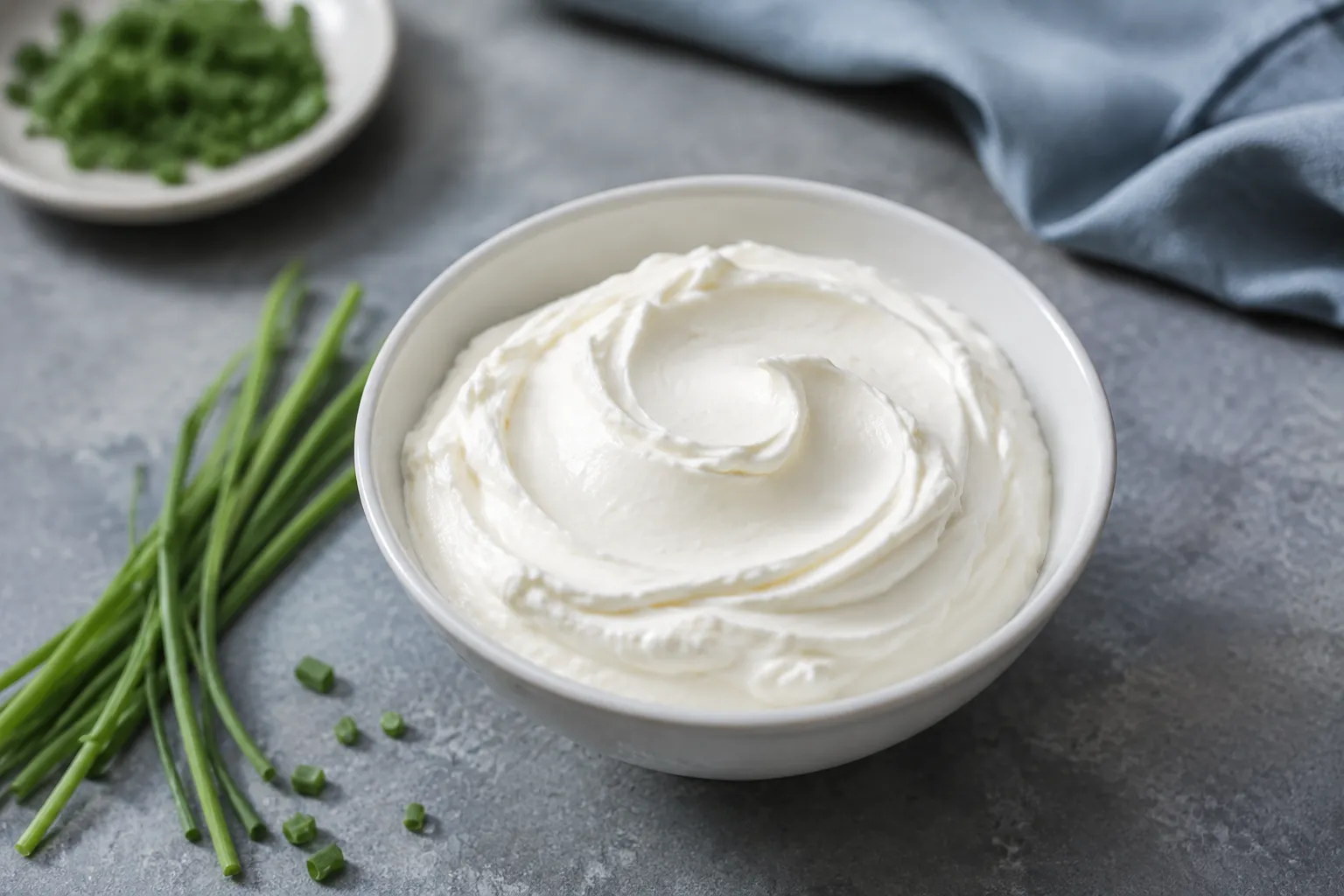
The flavor is subtle but incredibly useful. You get richness first, then a cultured tang that wakes up salty, sweet, smoky, and herb-filled foods. That balance is why chefs love it for finishing dishes: it adds body without taking over. At home, it can make a simple bowl of soup feel layered, or turn sliced strawberries into dessert with nothing more than a drizzle of honey.
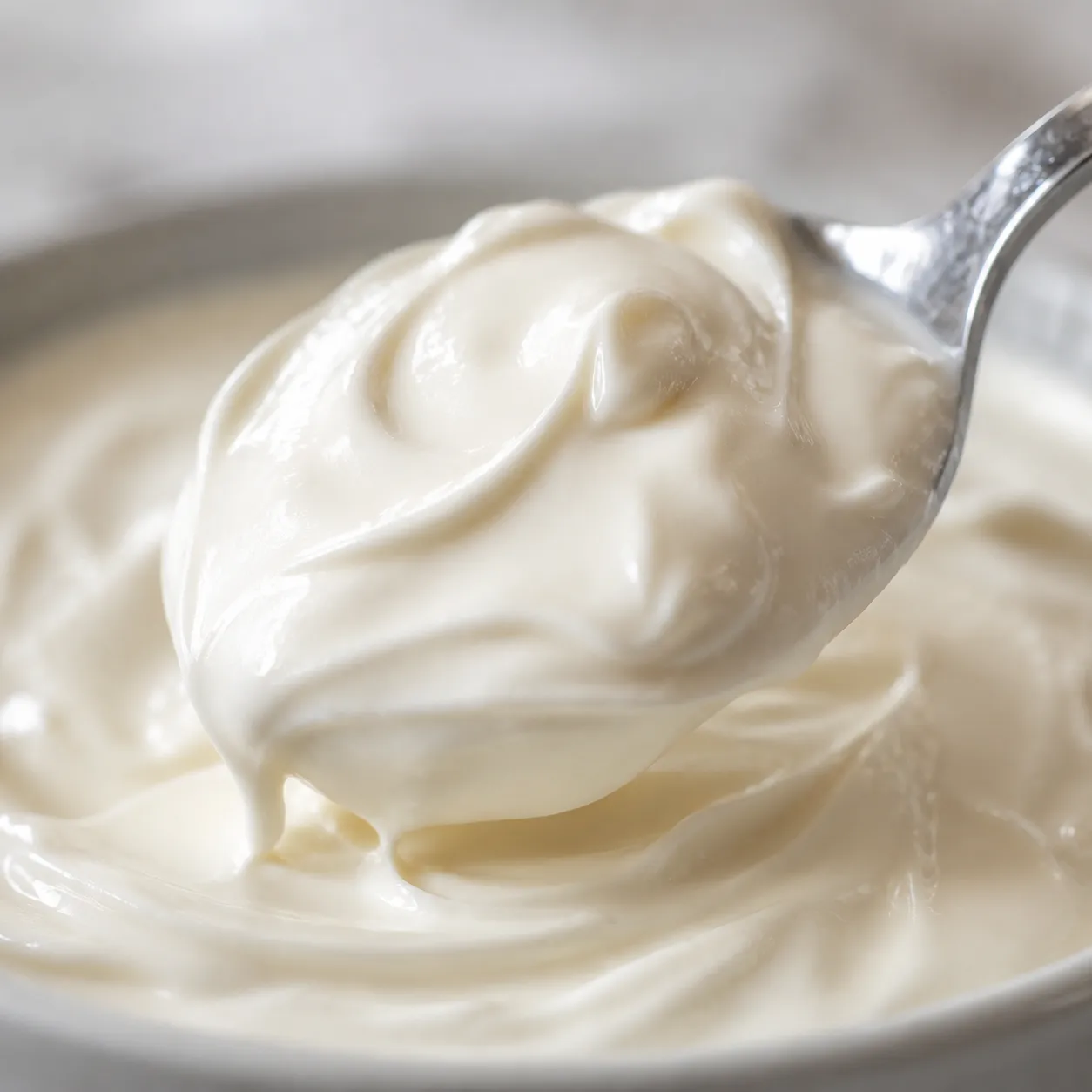
If this is your first time making cultured dairy, trust your senses. It should smell appetizing and fresh, and the texture should look cohesive. A little liquid on top can be stirred back in, much like yogurt. If anything smells off, looks moldy, or has unusual discoloration, it is better to discard it and start again with fresh ingredients.
The easiest way to use crème fraîche is as a dollop. Spoon it over chili, lentil soup, tomato soup, roasted carrots, baked potatoes, tacos, grain bowls, or smoked salmon toast. Its richness softens spice and acidity, while its gentle tang keeps rich dishes from feeling heavy. For a quick savory topping, stir in minced chives, lemon zest, black pepper, and a tiny pinch of salt.
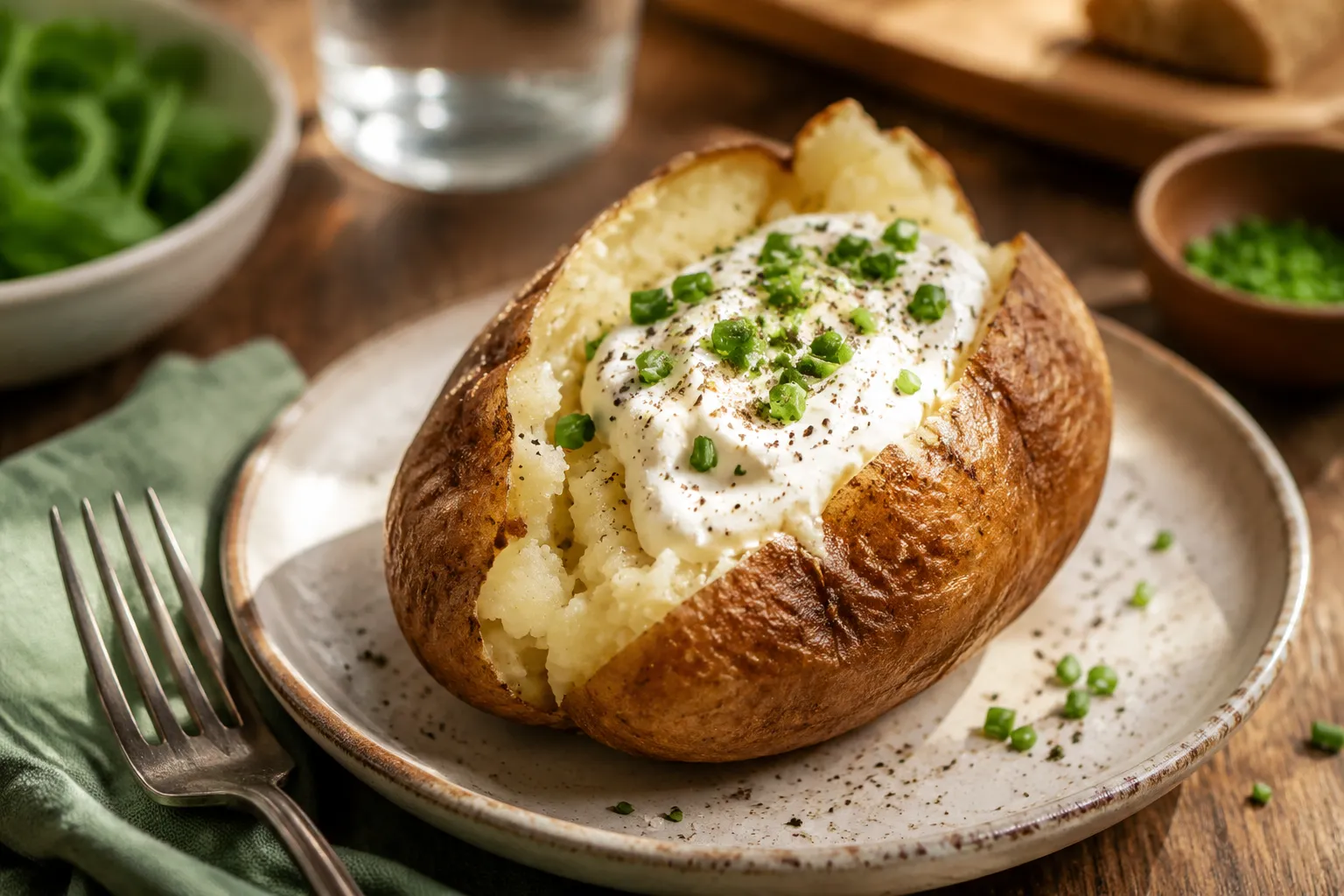
It also shines in sweet dishes. Try it with pancakes, waffles, crepes, granola, roasted peaches, fresh berries, apple cake, or a spoonful of jam. Because it is less sweet than whipped cream and less tart than yogurt, it lets fruit and pastry flavors stay front and center. It is especially lovely for breakfast and brunch recipes, where one jar can move from smoked salmon bagels to berry bowls without missing a beat.
Yes, you can cook with it, and that is one of its best qualities. Stir a spoonful into warm soups off the heat, whisk it into pan sauces, or fold it into creamy pasta sauces for a silky finish. Its higher fat content makes it less likely to curdle than sour cream, though gentle heat is still your friend. If you are adding it to a very hot dish, remove the pan from the heat first, then stir it in slowly.
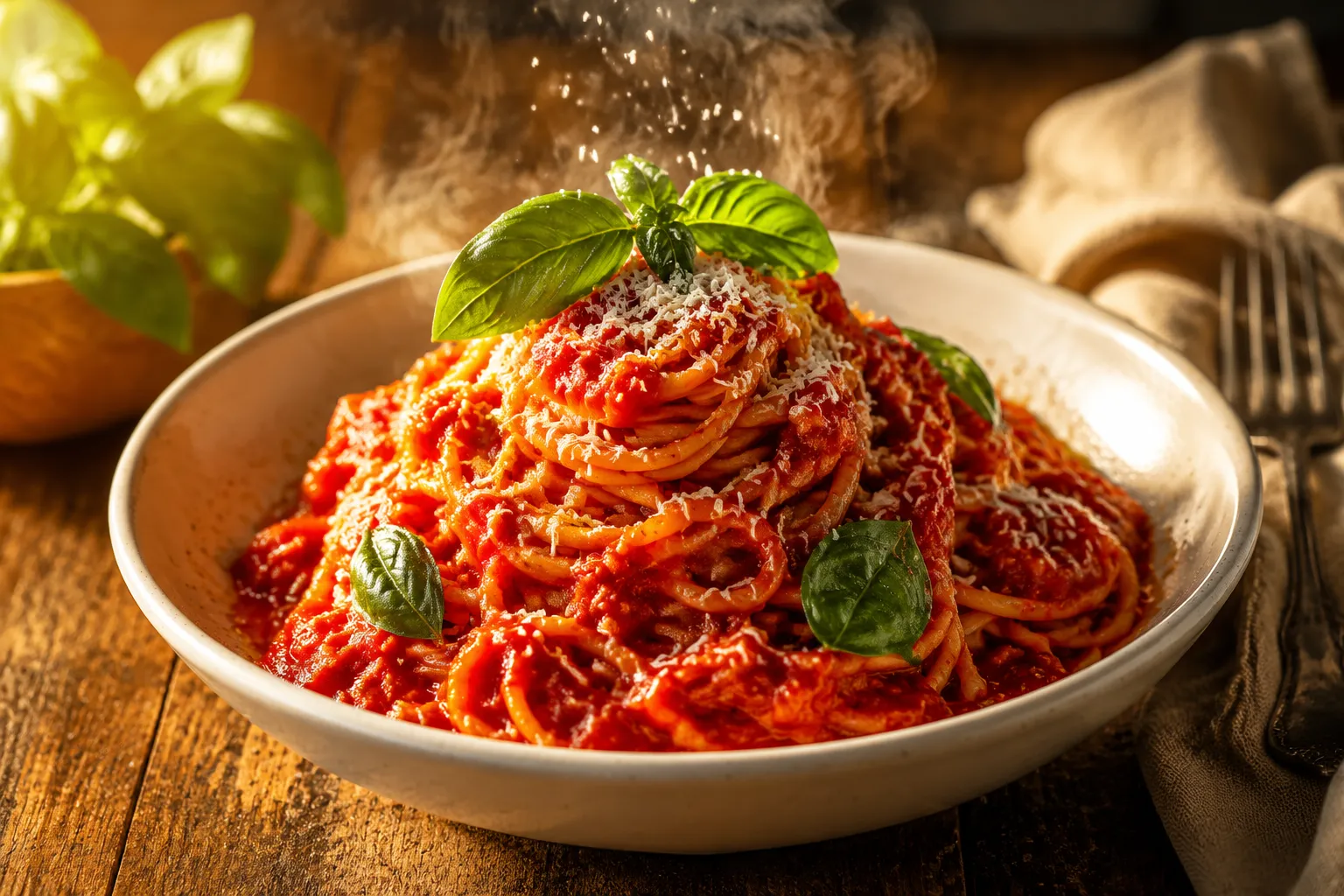
For an effortless dinner upgrade, toss hot pasta with a splash of pasta water, a spoonful of crème fraîche, lemon zest, Parmesan, and plenty of black pepper. It becomes creamy without feeling heavy, and it takes about as long as boiling noodles. You can also spread it under roasted vegetables, swirl it into mashed potatoes, or use it as a cool counterpoint to spicy grilled meats. A jar of creme creme fraiche in the fridge turns small leftovers into something that feels intentional.
Because crème fraîche is both rich and tangy, it pairs beautifully with foods that are smoky, spicy, sweet, or earthy. Think roasted beets with dill, baked potatoes with chives, tacos with pickled onions, or mushroom toast with thyme. It can also stand in where you might normally use sour cream, yogurt, or mayonnaise, depending on the dish. The result is usually softer, silkier, and a bit more elegant.
For a cozy dinner menu, serve it with a pot of soup, a crisp green salad, and warm bread. For brunch, set out a small bowl alongside smoked salmon, scrambled eggs, roasted potatoes, and fruit preserves. For dessert, spoon it over berries with brown sugar or honey, or serve it beside a not-too-sweet cake. Once you understand its personality, this simple cultured cream becomes one of the most flexible finishing touches in the kitchen.
This recipe is the kind of low-effort kitchen staple that rewards you all week. It asks for two ingredients and a little patience, then gives you a jar of homemade crème fraîche that can move from breakfast to dinner to dessert. The process is simple enough for a beginner, but the finished flavor feels special every time. If you love building flavor with small homemade touches, creme creme fraiche belongs in your regular rotation.
Make it once, and you will likely start timing batches around soups, roasted potatoes, fruit desserts, and weekend breakfasts. It is rich without being fussy, tangy without being sharp, and endlessly useful in both sweet and savory cooking. Keep a clean spoon nearby, because the first chilled scoop is usually the moment this humble two-ingredient project becomes a permanent habit.