Acorn Squash Recipes: 15 Easy Ways to Cook It Perfectly
Ingredients
Scale
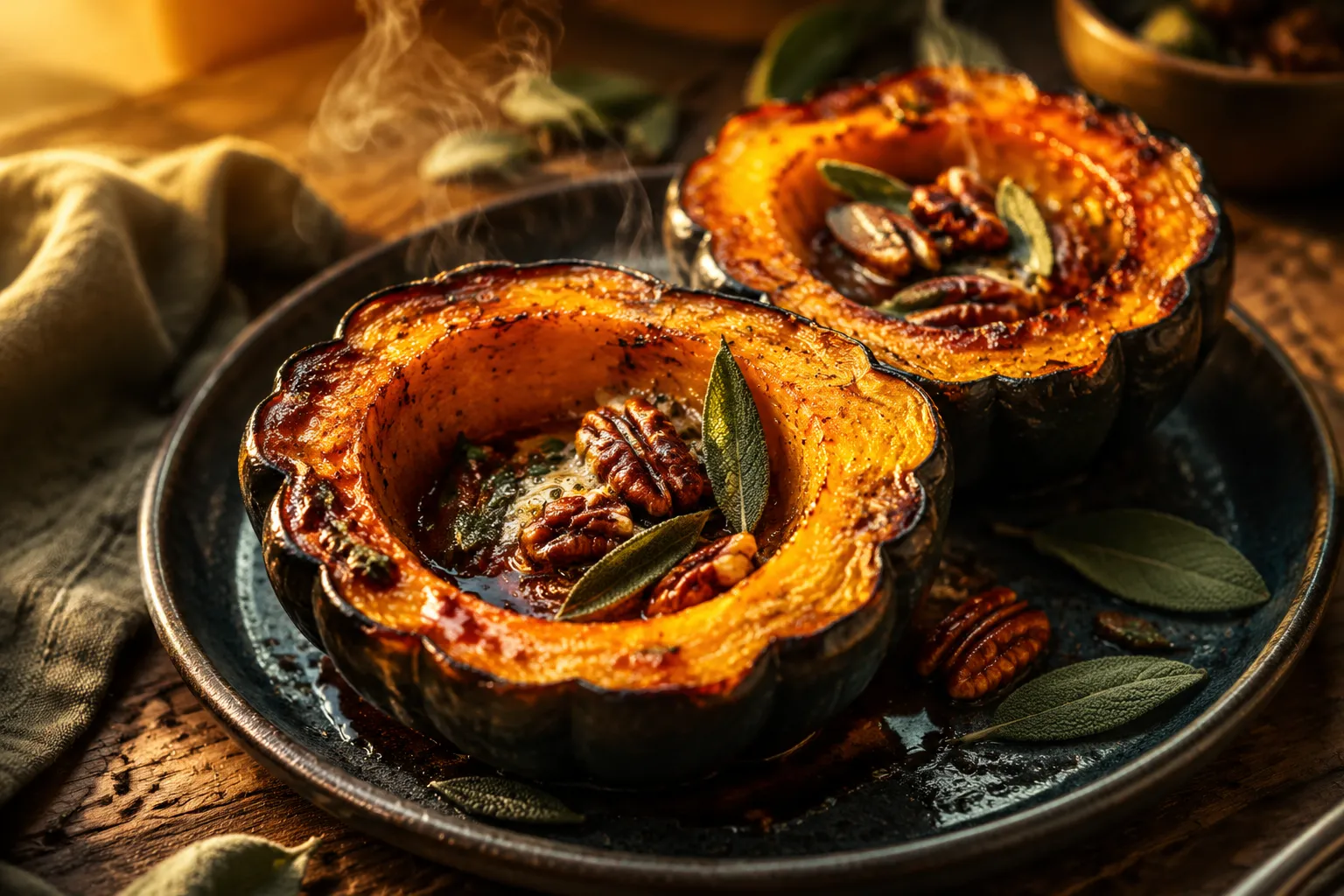
From caramelized roasted halves to a velvety acorn squash soup, these easy recipes turn one humble fall squash into a whole season of cozy meals.
Acorn squash has a mild, nutty sweetness that sits somewhere between pumpkin and butternut, but with a slightly more earthy flavor and tender, scoopable flesh. It is one of the most approachable winter squash varieties because the size is manageable, the seeds are easy to remove, and the skin becomes edible once roasted. That means less peeling, less fuss, and a very pretty presentation right from the oven.
It also plays well with nearly every autumn flavor you already love. Maple syrup, brown sugar, cinnamon, sage, thyme, bacon, parmesan, garlic, toasted nuts, and apple all work beautifully. A simple acorn squash recipe can become a weeknight side, a vegetarian main, or part of a holiday spread with almost no change in technique. If you already enjoy butternut squash recipes, this is the next squash to fold into your routine.
The master recipe here keeps the ingredient list short: acorn squash, butter, maple syrup, salt, pepper, and a little cinnamon if you want a sweeter finish. The butter is browned until nutty and fragrant, then stirred with maple to make a glossy glaze that settles into the squash’s natural little bowl. As it roasts, the edges darken, the flesh softens, and the maple brown butter turns almost caramel-like.
Choose pure maple syrup rather than pancake syrup for the deepest flavor. Kosher salt is important too, because it balances the natural sweetness and keeps the dish from tasting like dessert unless that is what you are going for. Fresh sage, chopped pecans, pepitas, or a shower of parmesan can be added after roasting to steer it sweet or savory. This is one of those acorn squash recipes that works as a base formula, not just a single dish.
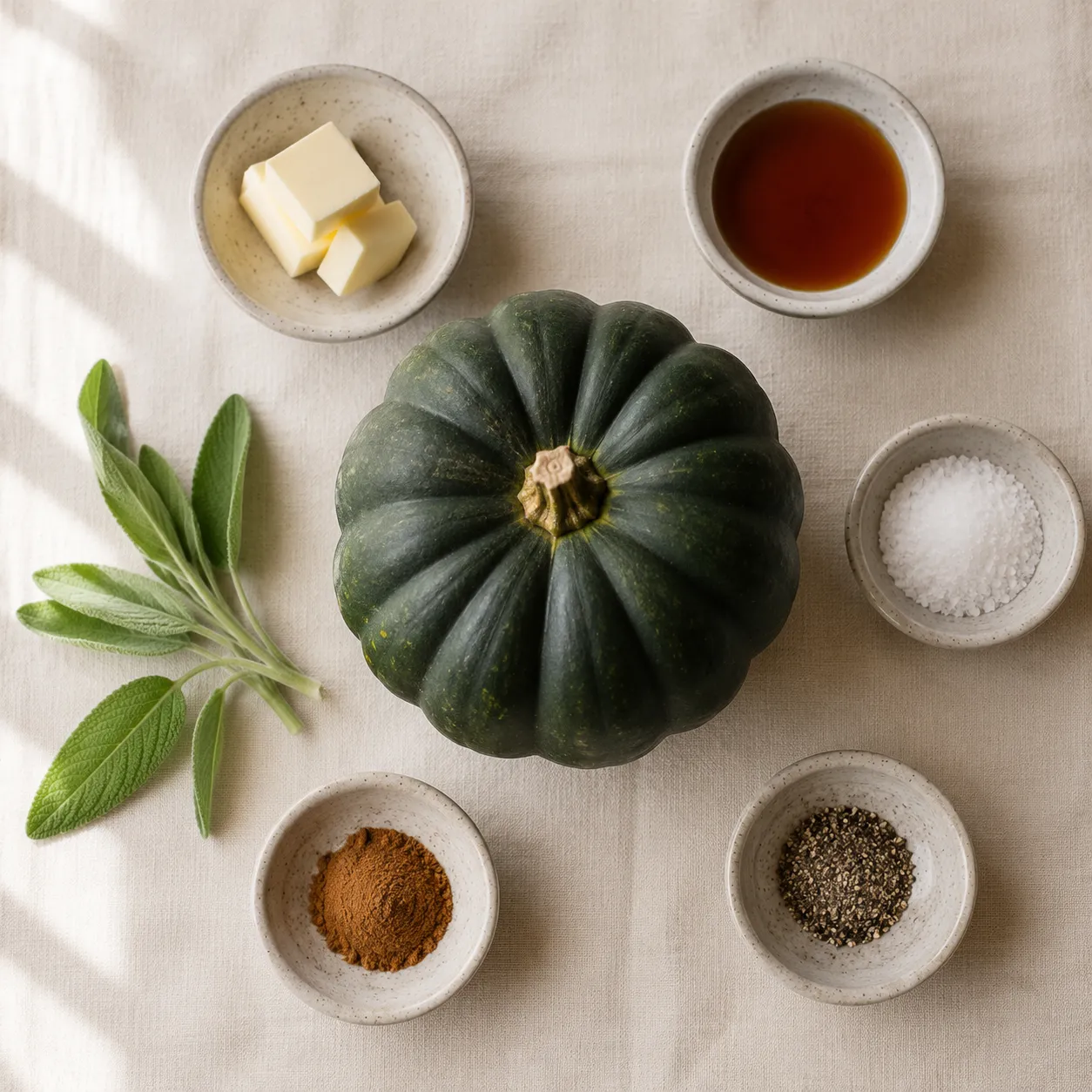
At the store, look for squash that feels heavy for its size with a firm rind and a dull, deep green skin. A small orange patch is fine and often shows where the squash rested on the ground, but avoid squash that is mostly orange, soft, wrinkled, or has sunken spots. The stem should be dry and attached if possible, which usually means the squash has cured well and will last longer on the counter.
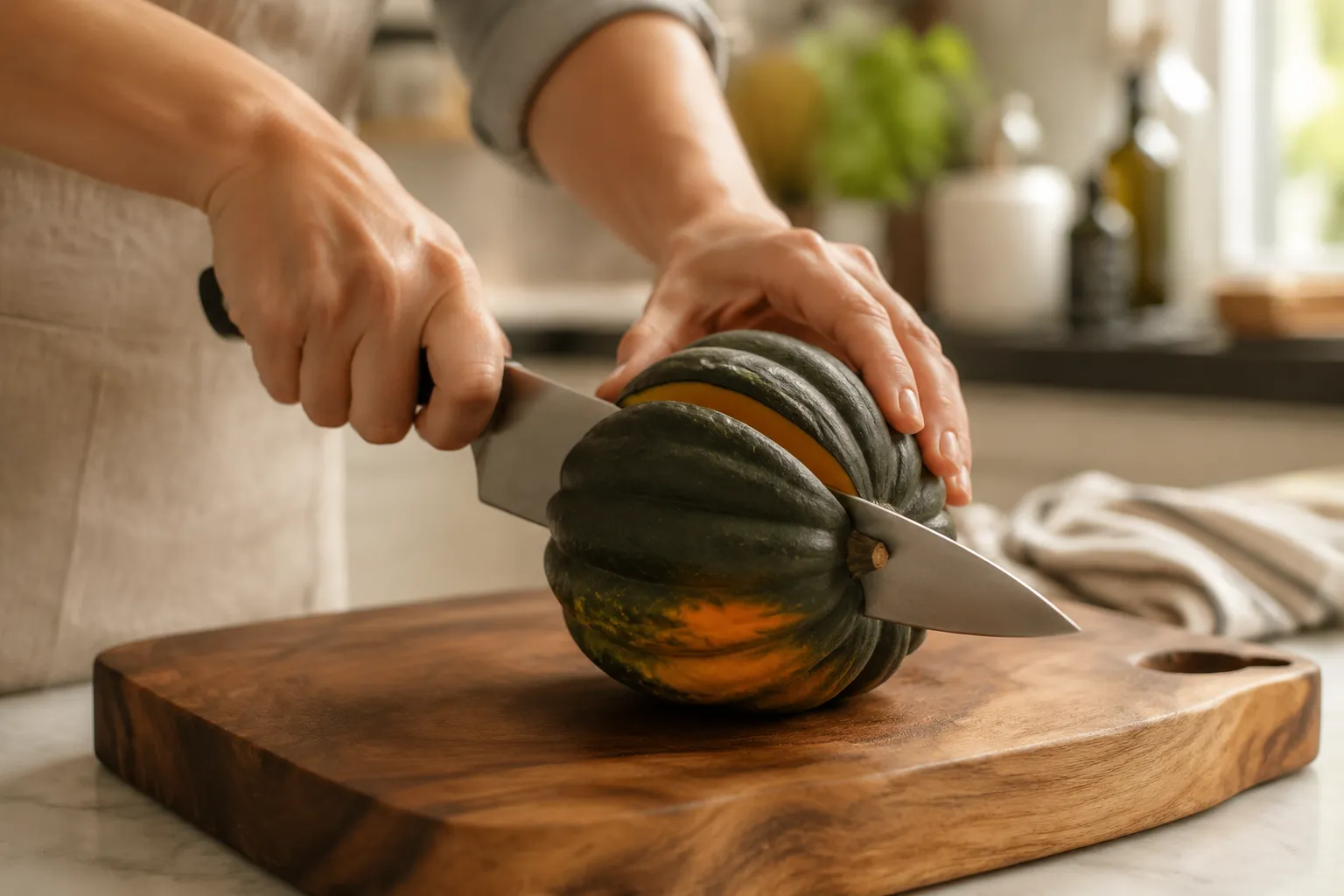
To cut it safely, set the squash on a stable board and use a sharp chef’s knife. If the squash wobbles, slice a very thin piece from one side to create a flat base before cutting through the stem end toward the point. You can also microwave the whole squash for 3 to 4 minutes to soften the rind slightly, then let it cool just enough to handle before cutting.
Once halved, scoop out the seeds and stringy bits with a sturdy spoon. You do not need to peel acorn squash for roasting; the skin softens and helps each wedge or half hold together. This prep step is the foundation of how to cook acorn squash confidently, whether you are roasting, air frying, microwaving, or pressure cooking.
Roasting is the classic method and the one I reach for most often. Cut the squash in halves, wedges, or rings, brush with fat and seasoning, and roast at high heat until the flesh is tender and the edges are deeply browned. This gives you the most flavor because the oven has time to concentrate the natural sugars.
The air fryer is the speedy weeknight option. Slice the squash into thinner wedges or rings, brush with oil or butter, and cook until the edges crisp and the centers turn soft. It is especially good for parmesan-garlic rings or honey-cinnamon wedges when you want the texture of roasted acorn squash without heating the whole kitchen.
The microwave is not glamorous, but it is useful when dinner is already running late. Halves can be microwaved cut-side down with a splash of water until tender, then finished with butter, salt, and herbs. The Instant Pot is another hands-off choice: pressure-cooked squash turns soft and scoopable, perfect for mashing, puréeing, or turning into acorn squash soup.
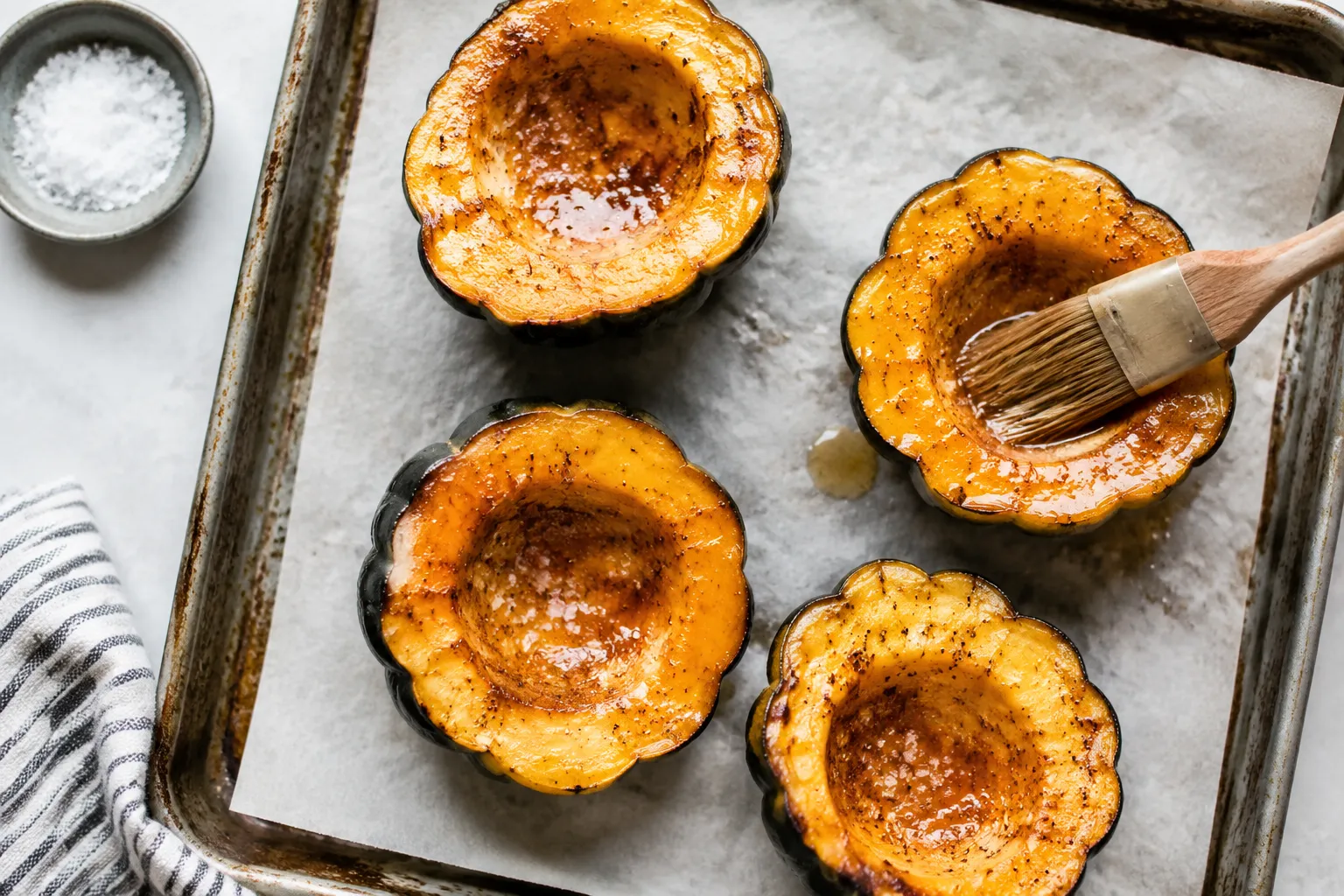
This is the anchor recipe: buttery, glossy, lightly sweet, and holiday-table pretty. Browning the butter first adds a toasted hazelnut note that makes the maple taste richer, while the salt and pepper keep everything grounded. If you are making acorn squash recipes for the first time, start here because it shows off the squash’s natural flavor with almost no effort.
Roast the halves cut-side up so the glaze pools in the center and bastes the flesh as it cooks. Halfway through, spoon some of that buttery syrup over the cut sides to encourage caramelization. When the squash is done, the tip of a knife should slide in easily, and the edges should look bronzed, not pale. Finish with crispy sage, toasted pecans, or a pinch of flaky salt for a restaurant-style touch.
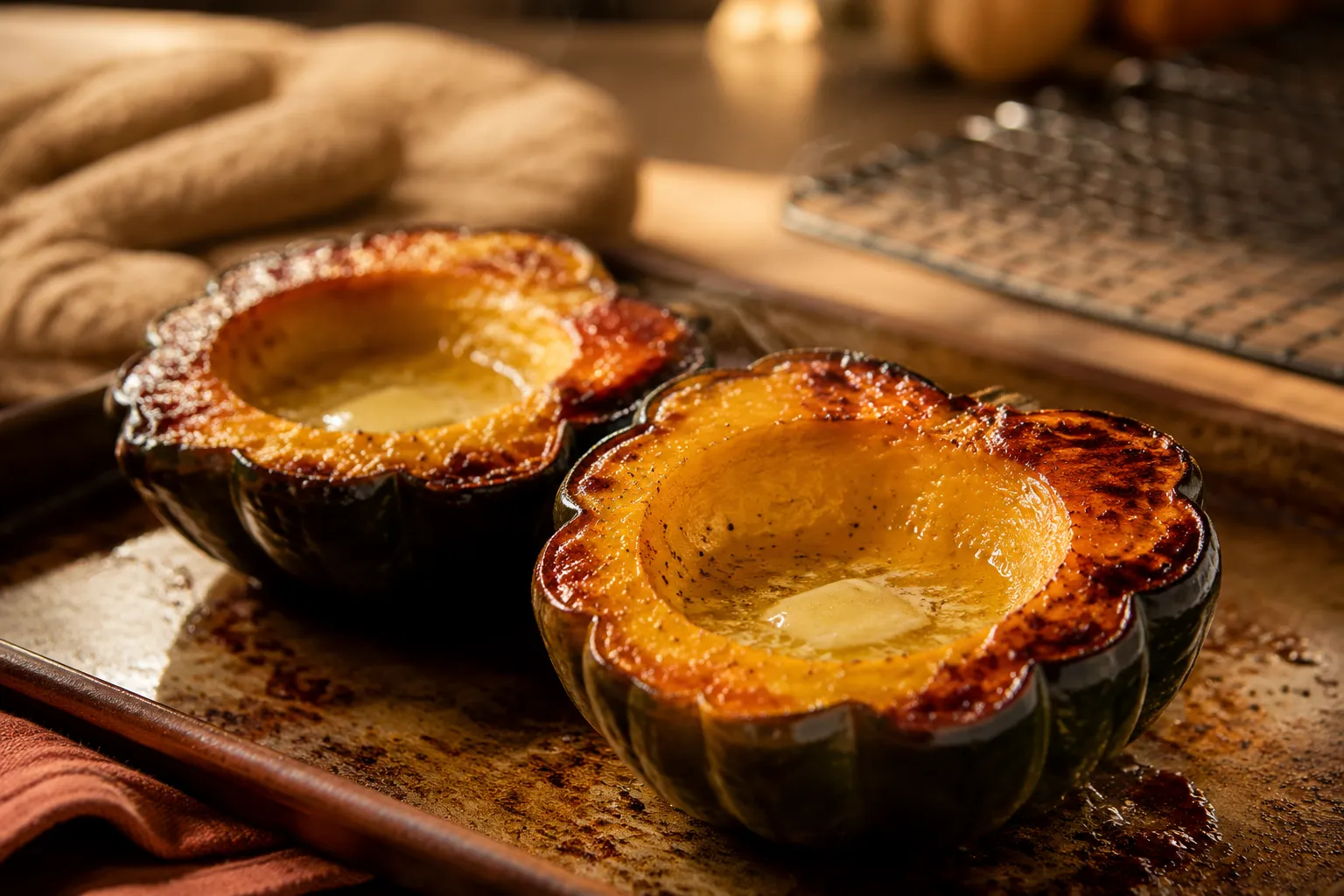
Once you have the basic technique down, there are so many directions to take it. For maple-brown butter roasted halves, keep the recipe exactly as written and add sage and pecans at the end. For honey-cinnamon wedges, cut the squash into half-moons, swap maple for honey, and sprinkle lightly with cinnamon before baking.
For a savory version, make parmesan-garlic rings. Slice the squash crosswise, scoop out the center seeds, brush the rings with olive oil, and season with garlic, parmesan, black pepper, and thyme. They come out tender in the middle with crisp, cheesy edges, making them one of my favorite fall side dishes for roast chicken or pork tenderloin.
For a heartier meal, try stuffed acorn squash with sausage, wild rice, onions, celery, dried cranberries, and herbs. The roasted halves become edible bowls, and the filling can be as rustic or elegant as you like. You can also go vegetarian with farro, mushrooms, kale, walnuts, and goat cheese.
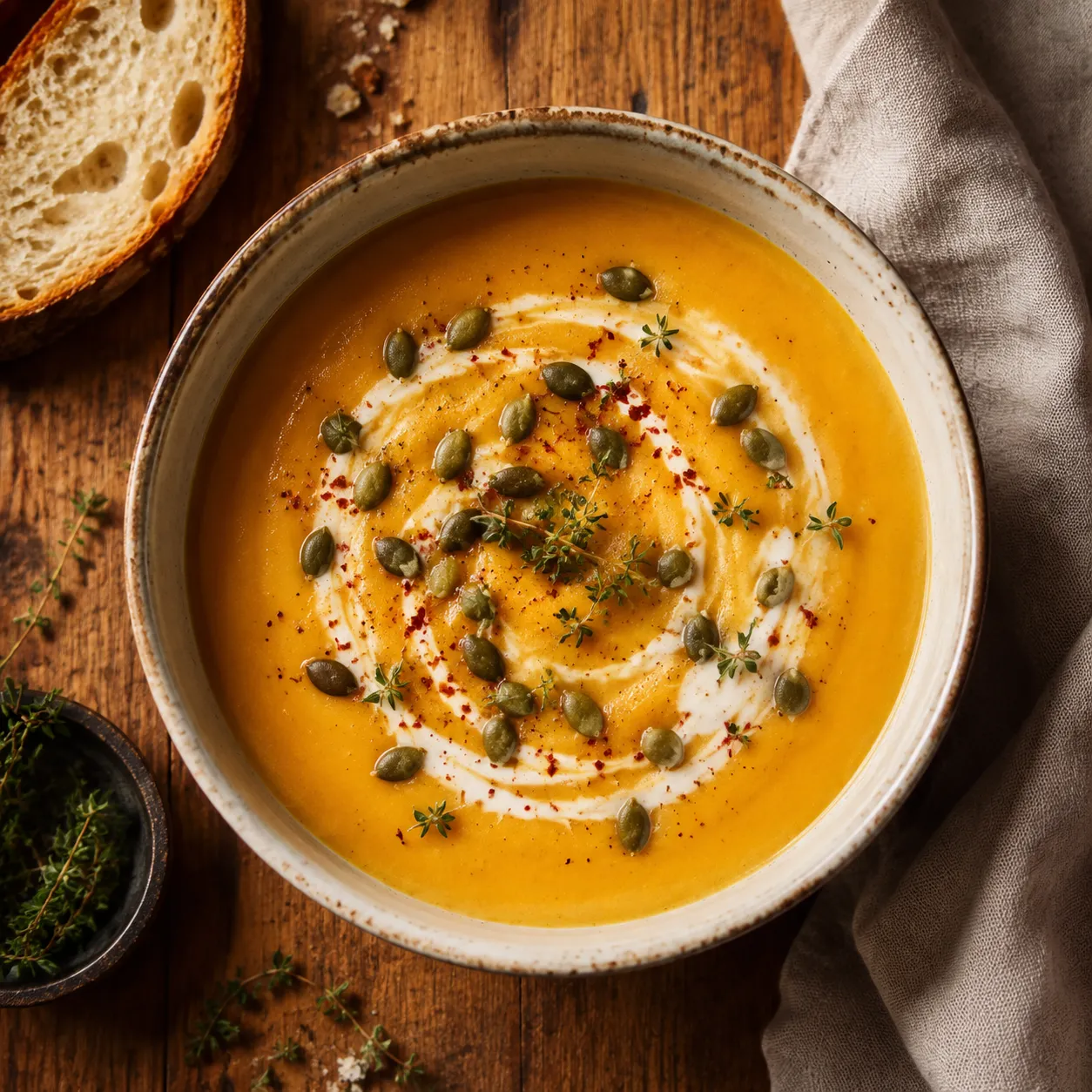
And then there is soup. Creamy acorn squash soup is a beautiful way to use roasted squash flesh, especially when blended with sautéed onion, garlic, broth, a splash of cream or coconut milk, and a pinch of warming spice. It is velvety, golden, and ideal with crusty bread on a chilly night.
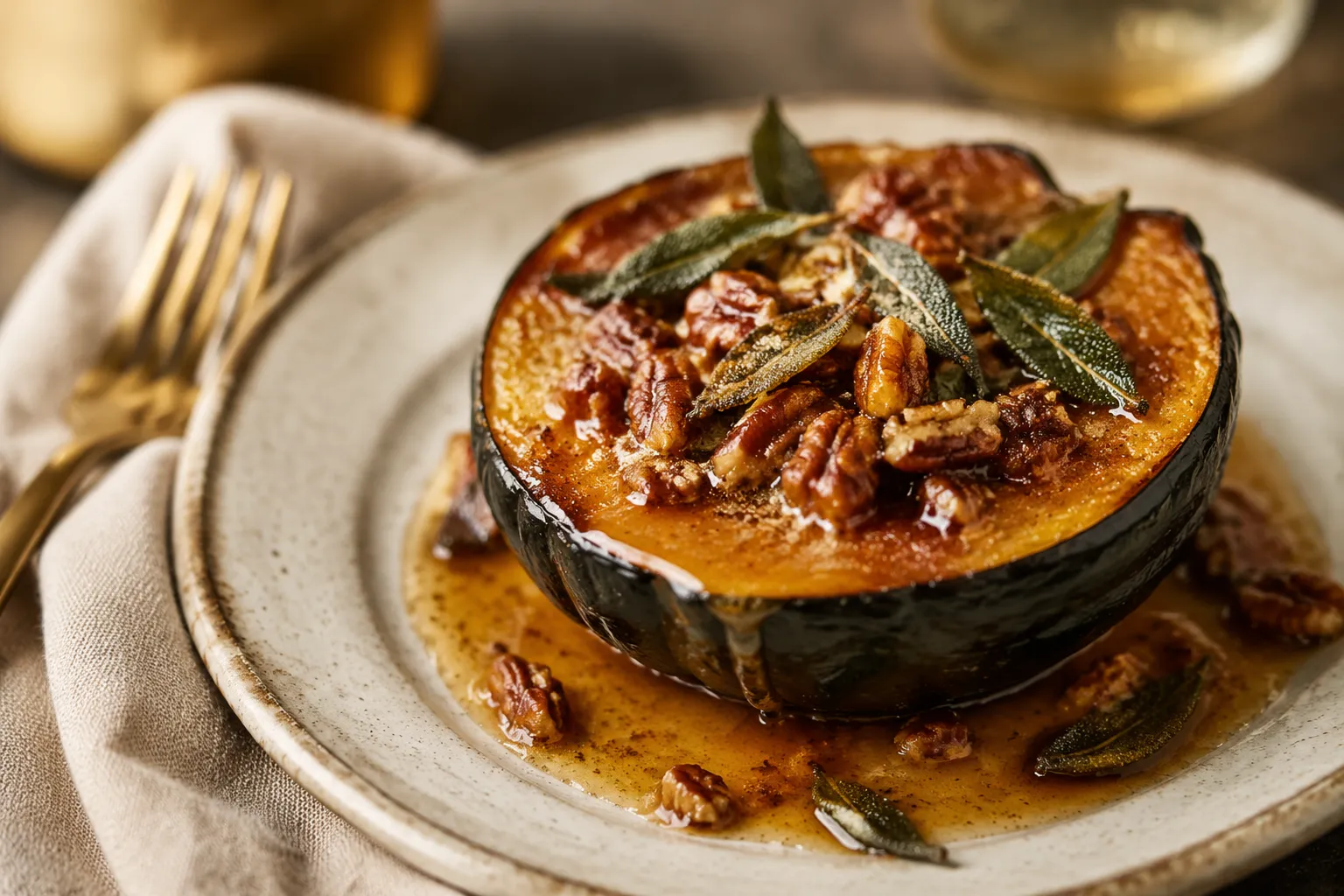
Acorn squash is one of those ingredients that behaves like a blank canvas without being bland. On the sweet side, maple syrup, brown sugar, cinnamon, nutmeg, honey, butter, pecans, walnuts, apples, and dried cranberries all bring out its natural caramel notes. A tiny pinch of cayenne or chili flakes can keep sweet versions from feeling too heavy.
On the savory side, think sage, rosemary, thyme, garlic, parmesan, bacon, pancetta, sausage, miso, tahini, browned butter, and sharp cheeses. Salty ingredients are especially helpful because acorn squash has a gentle sweetness that loves contrast. For weeknights, I often roast wedges with olive oil, garlic powder, smoked paprika, and parmesan; for holidays, I lean into maple brown butter and herbs.
The trick is to pick one main direction and not overload the squash. If you are using maple, pair it with butter, salt, and one herb. If you are using parmesan, pair it with garlic, pepper, and olive oil. Simple pairings help the squash taste like itself, which is the point of the best acorn squash recipes.
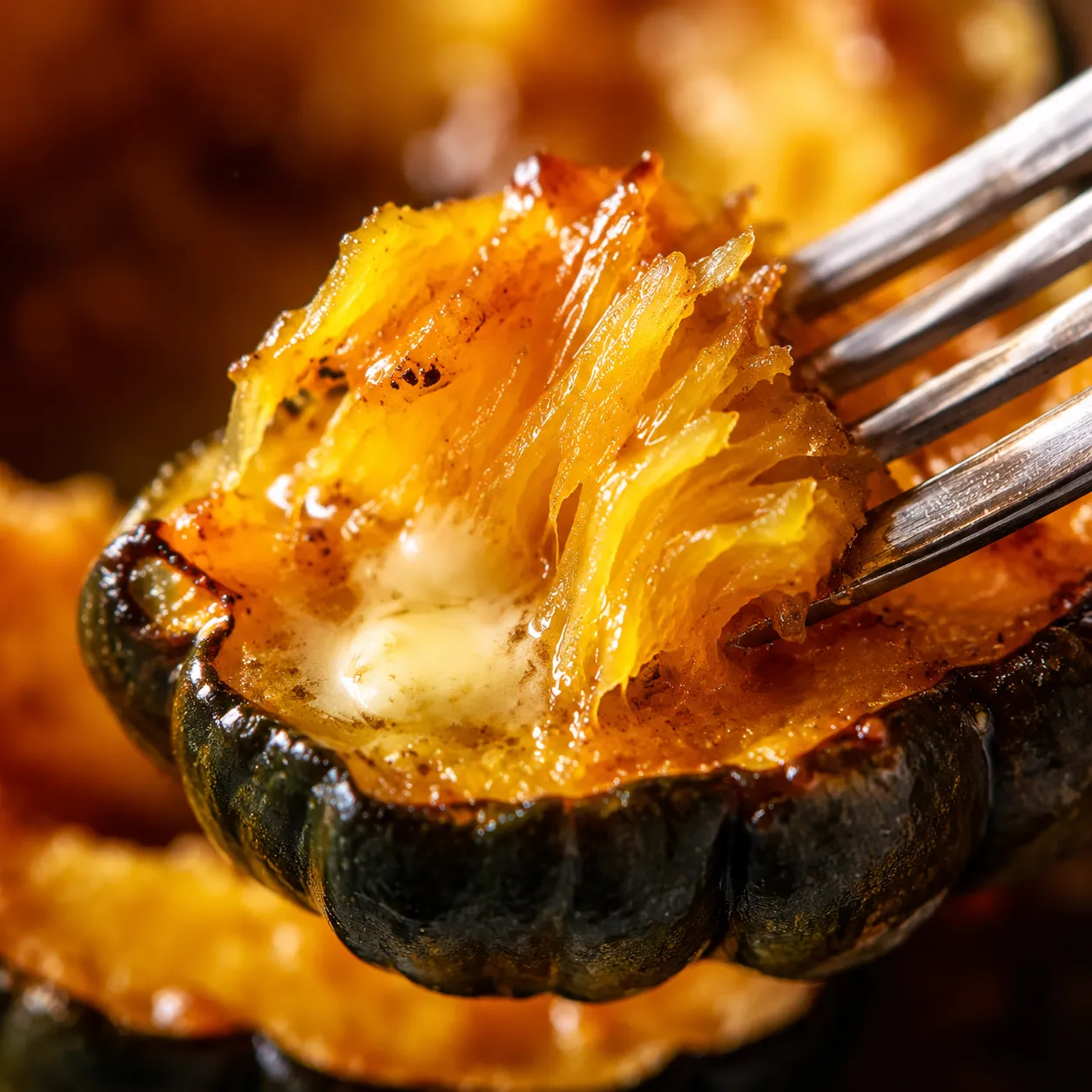
Perfectly cooked acorn squash should be tender all the way through but not collapsed. A fork should slide easily into the thickest part, and the flesh should pull away from the skin in soft, buttery bites. If it still feels firm or squeaky under the fork, give it another 5 to 10 minutes.
Color is another clue. Pale squash may be cooked, but golden brown edges mean you have developed real roasted flavor. If your squash is tender before it is browned, move the pan closer to the top of the oven for a few minutes or broil briefly, watching carefully so the maple does not burn.
For wedges and rings, spacing matters more than you might think. Crowded pieces steam instead of caramelizing, so use a large sheet pan and give them room. That single detail can be the difference between soft squash and the kind of caramelized edges everyone steals from the tray.
Acorn squash fits into both casual dinners and special meals. For an easy weeknight plate, serve maple-roasted halves with rotisserie chicken, pork chops, turkey meatballs, or a big green salad. Savory wedges are wonderful next to salmon, roast chicken, grain bowls, or a simple skillet sausage dinner.
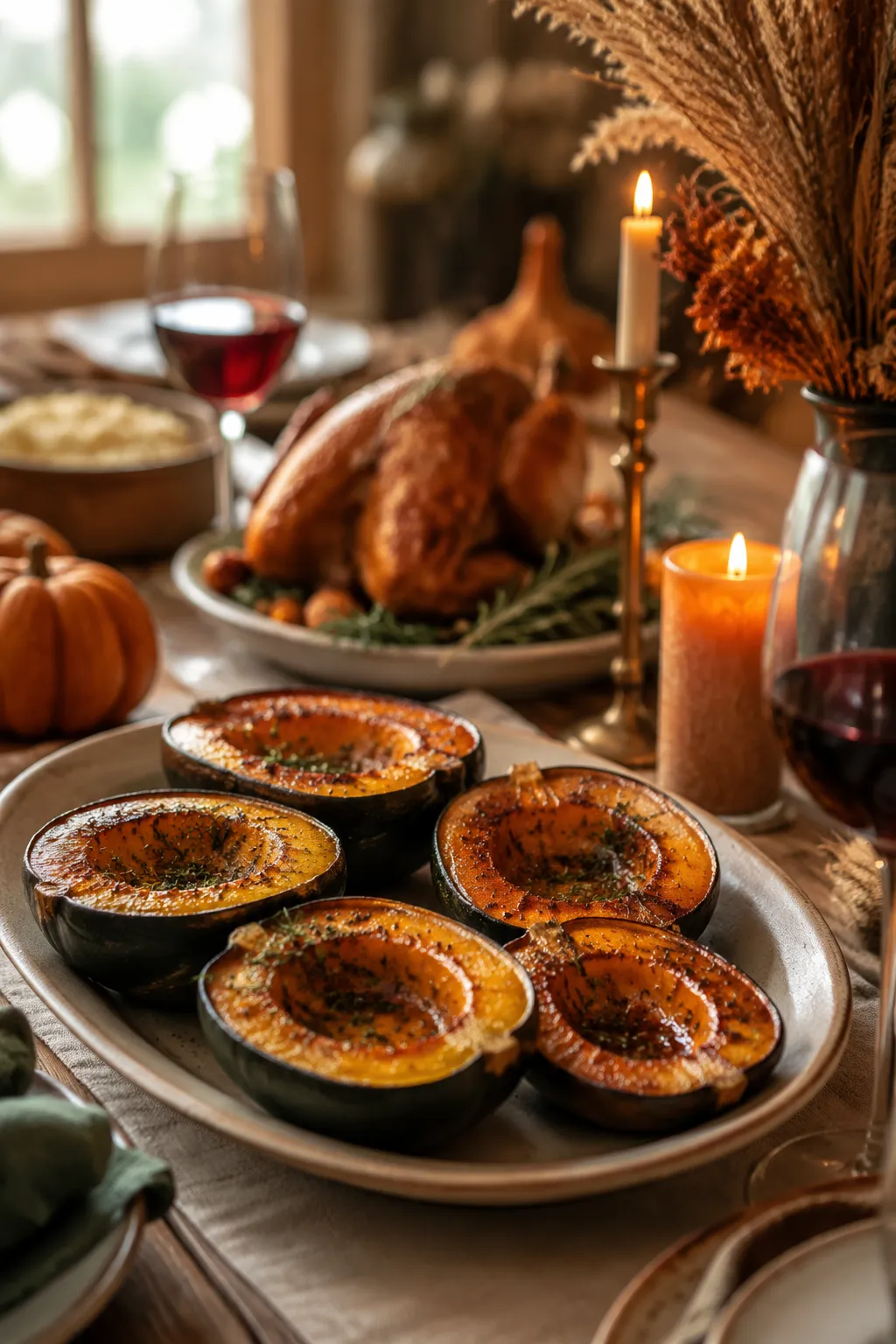
For the holidays, acorn squash brings color and structure to the table without requiring last-minute fuss. It pairs beautifully with turkey, ham, beef roast, herb-roasted chicken, and vegetarian mains like mushroom Wellington or lentil loaf. The halves look gorgeous arranged on a platter with sage, toasted nuts, and an extra drizzle of glaze.
If you are planning a menu, think about contrast. Pair sweet squash with something bright and crisp, like a lemony salad or green beans with vinegar. Pair savory squash with a creamy sauce, mashed potatoes, or cranberry relish. However you serve it, this is the kind of fall side dish that quietly becomes the thing people ask for again.
The best acorn squash recipes are less about complicated steps and more about understanding the squash itself. Give it enough heat, enough seasoning, and enough time for the edges to caramelize, and it will reward you with a buttery, sweet-savory side that feels far more special than the effort required.
Start with the maple-brown butter version, then branch into soup, wedges, rings, and stuffed halves as the season goes on. Once you know the simple prep and cooking cues, acorn squash becomes one of the easiest ways to bring cozy fall flavor to the table.