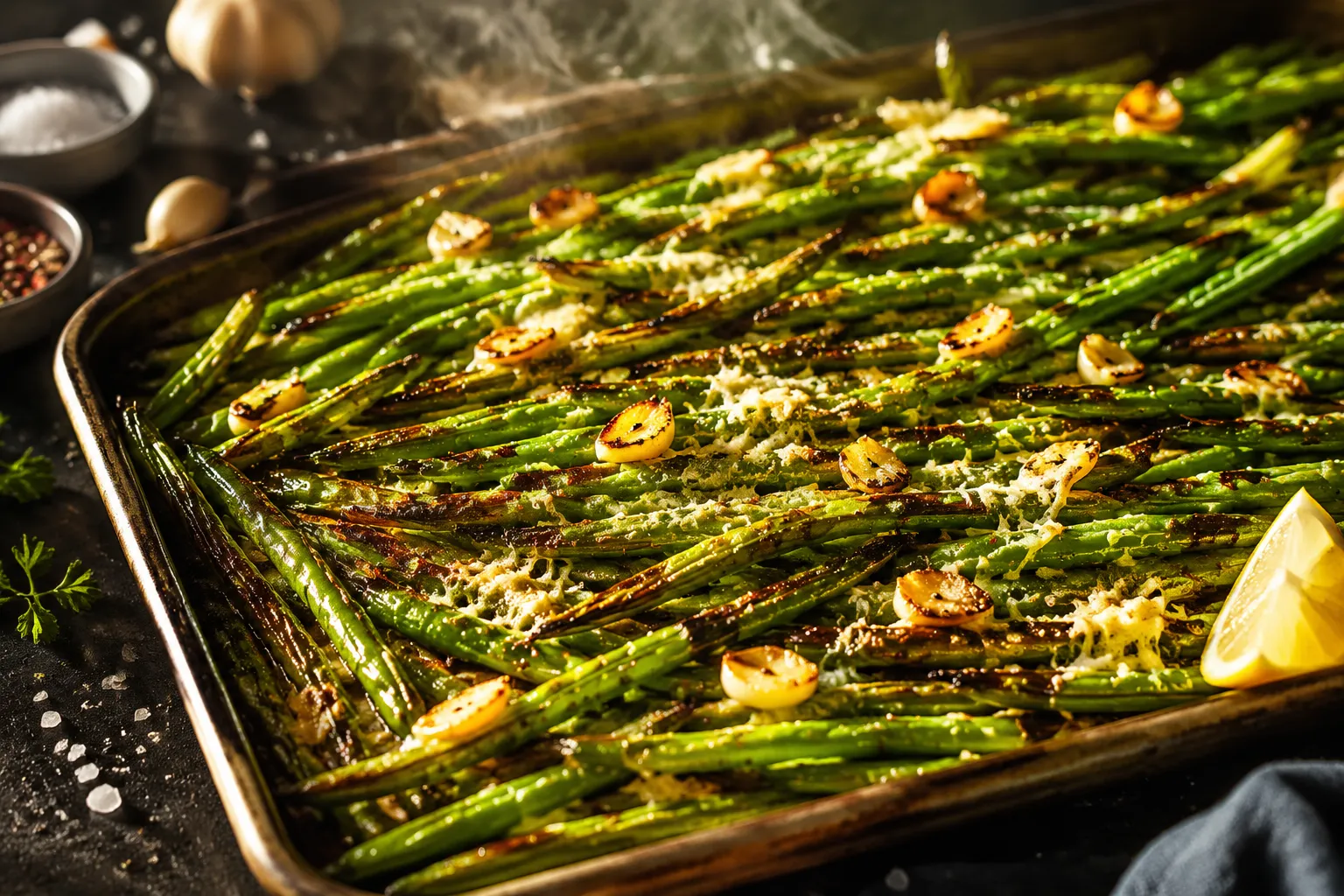
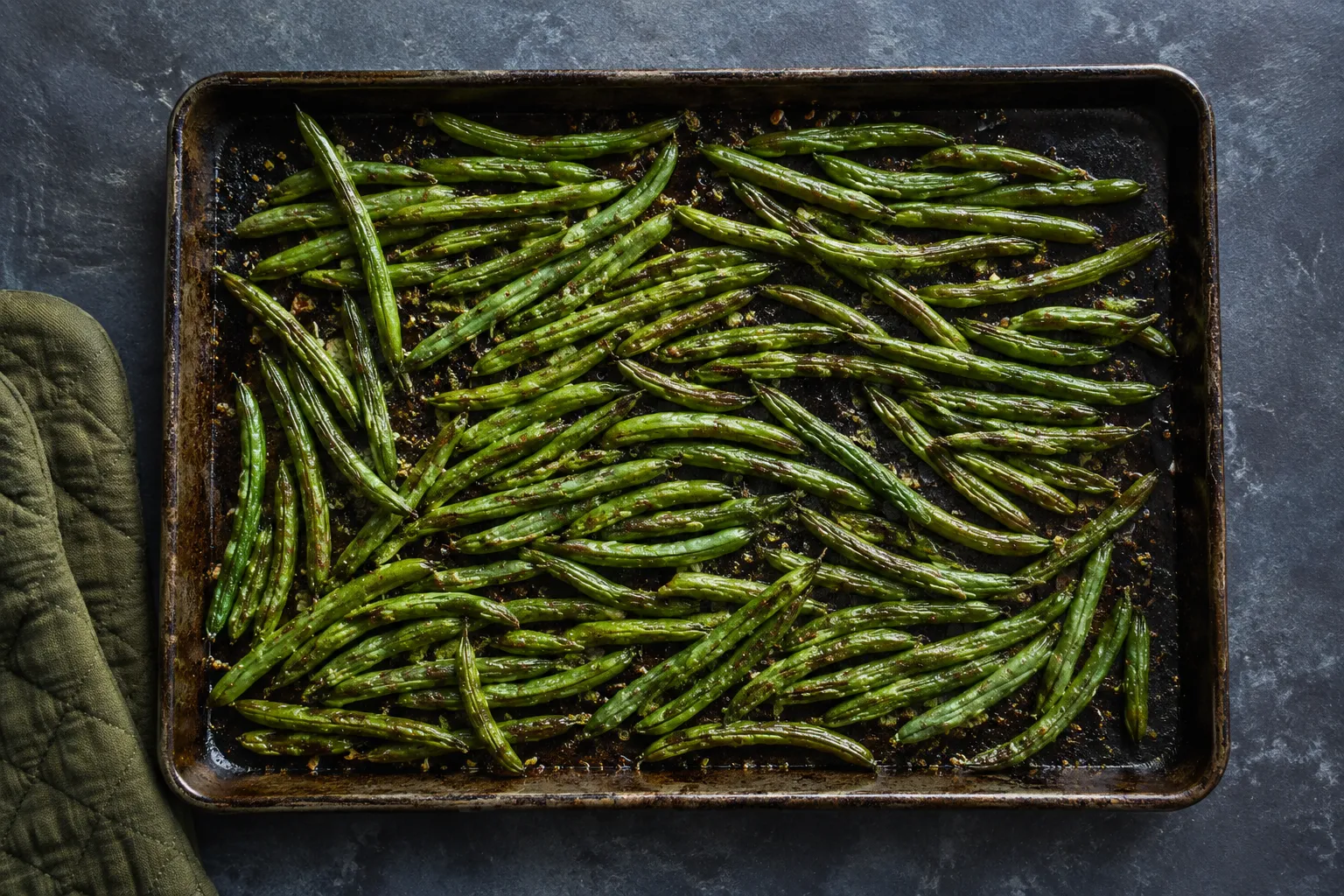
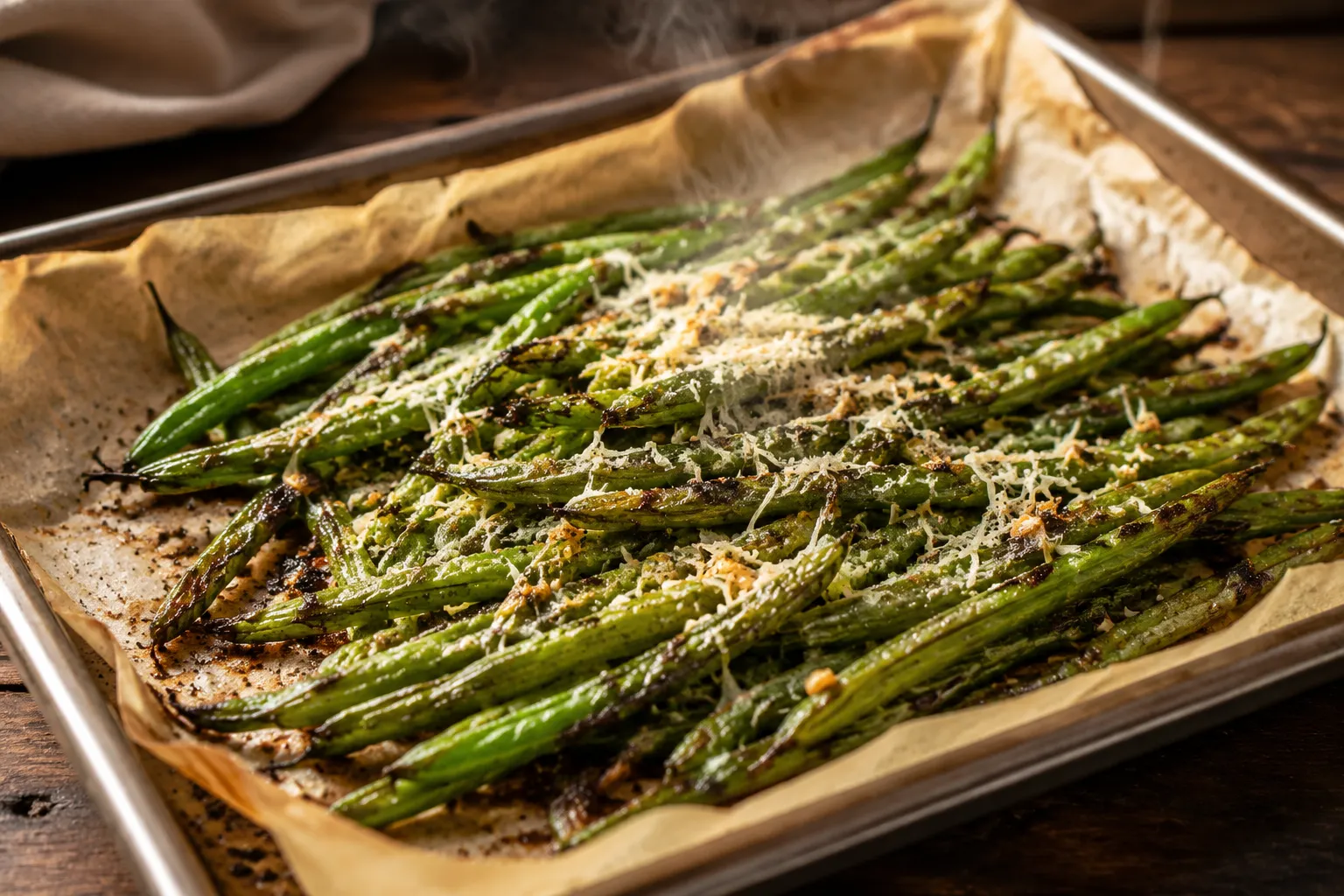
These crispy roasted green beans come out blistered, caramelized, and crave-worthy in just 25 minutes. The hot-pan trick beats stovetop sauteing every time.
Why You'll Love This Recipe
Crispy edges, tender centers in 25 minutes — start to finish, this is faster than most takeout sides.
One sheet pan, minimal cleanup — no babysitting a skillet, no extra dishes piling up.
Naturally gluten-free, low-carb, and dairy-optional — fits almost any eating style without modifications.
Pantry-friendly ingredients you almost certainly already have in the kitchen.
Scales effortlessly from a weeknight side for four to a holiday spread for twelve.
Holds up for meal prep and reheats beautifully when you use the oven or air fryer.
These crispy roasted green beans are the side dish that quietly steals the show. With blistered, caramelized edges and tender centers, they go from raw to crave-worthy in just 25 minutes — no fancy knife skills required, just a hot oven and one smart trick most recipes skip. If you've ever made baked green beans that came out limp, gray, or steamed instead of crisp, the fix is simpler than you think.
The secret is preheating the sheet pan before the beans ever touch it. That blast of heat gives you an instant sear, the kind of restaurant-style char you simply can't get from a cold pan. Add a glug of olive oil, a flurry of garlic, and a shower of parmesan, and you've got a garlic parmesan side dish that pairs with everything from weeknight chicken to your fanciest holiday spread. It's the same technique pros use for blistered shishito peppers or seared scallops, just applied to a humble pound of beans.
I make this version year-round — it's my answer when I want something fast, healthy, and genuinely impressive. Whether you're feeding a busy Tuesday or planning out Thanksgiving side dishes, these are the green beans that get scraped off the platter first. They're naturally gluten-free, low-carb, and stand up to bold seasoning, so they slot into almost any menu without an asterisk. Reader feedback on this one has been wild — even self-proclaimed green-bean skeptics come back for seconds.
Ingredients You'll Need
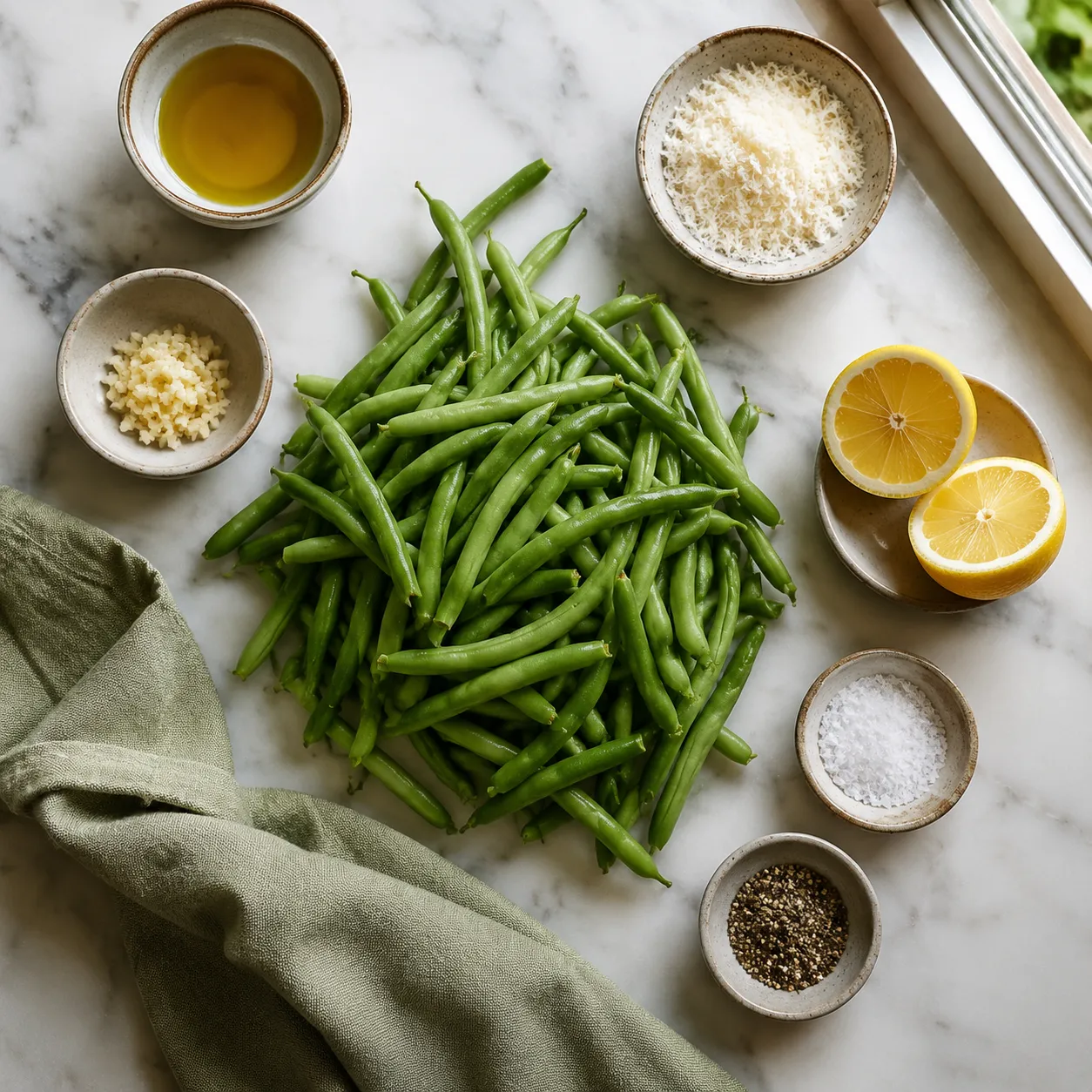
You only need a handful of pantry basics to pull off these roasted green beans, and most are probably already in your kitchen. The star is fresh green beans — look for slim, bright pods that snap cleanly when you bend them in half. Avoid limp or rubbery beans, since they won't crisp the same way no matter how hot your oven runs. A pound feeds four as a generous side, but the recipe scales easily to a double batch across two pans if you're cooking for a crowd.
For fat, reach for a good olive oil with a high smoke point, or swap in avocado oil if you're pushing the temperature toward 450°F. Skip butter for the initial roast since it browns too quickly at this heat and can turn bitter on you. Garlic gets added partway through cooking so the cloves toast rather than scorch, and a finish of grated parmesan plus a squeeze of fresh lemon juice brightens everything up. Kosher salt, cracked black pepper, and that's the whole list. Frozen green beans work in a pinch, though they release more water and need extra time on the sheet pan to compensate — pat them dry first and don't bother thawing.
If you want to play with seasonings, the base recipe takes well to additions: a pinch of red pepper flakes for warmth, smoked paprika for depth, or a few sprigs of fresh thyme tossed in for the last few minutes. Keep the foundation simple the first time so you know what the technique alone delivers, then riff freely once you've got the timing dialed in.
How to Make Roasted Green Beans in the Oven
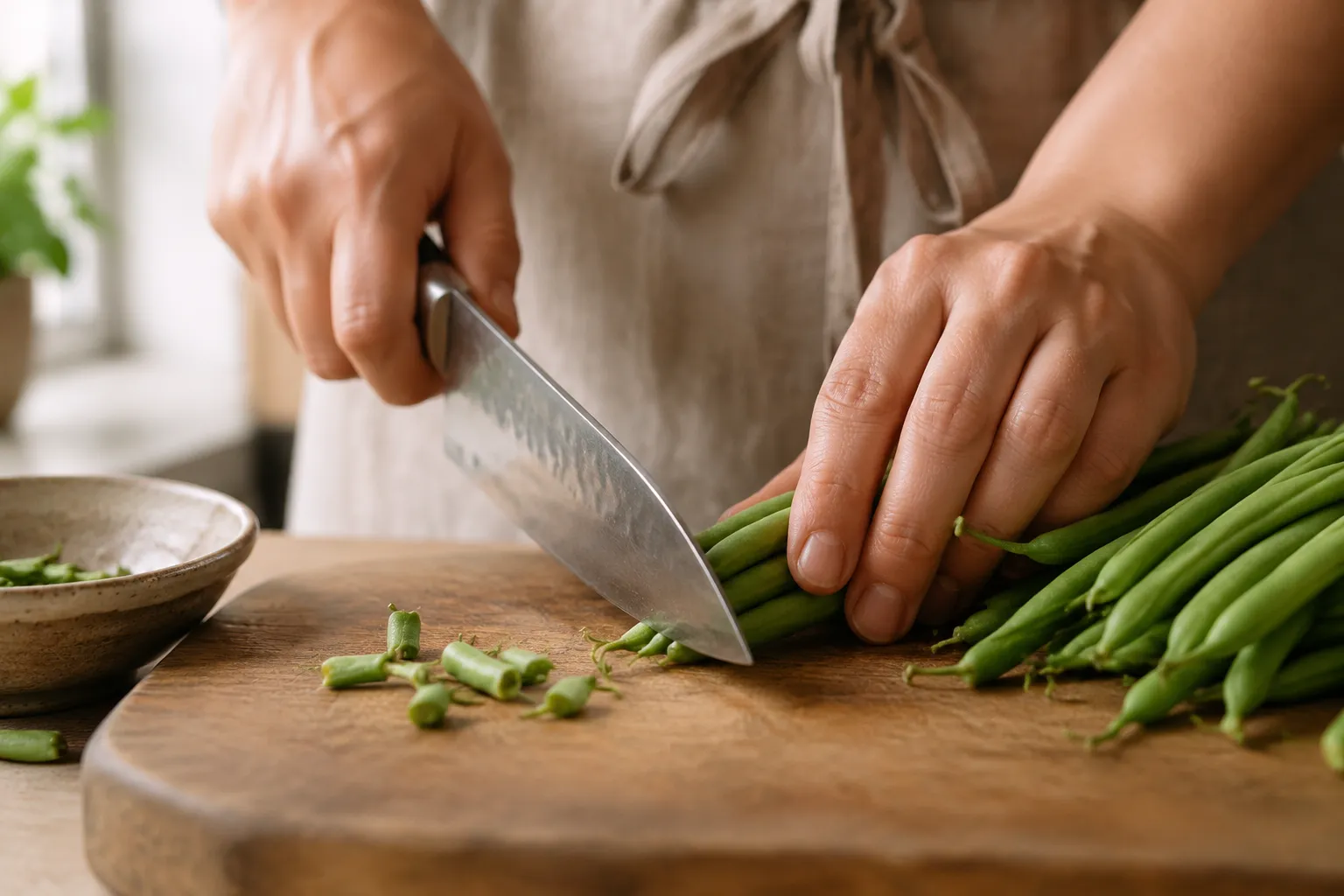
The whole method comes down to high heat, dry beans, and breathing room on the pan. Start by setting your oven to 425°F with a heavy rimmed sheet pan already inside — this preheating step is what separates restaurant-quality results from ordinary baked green beans. While the oven heats, prep your beans so everything's ready to hit the screaming-hot metal the second that pan comes out.
Trim only the stem ends; the tapered tails are tender and fine to leave on, which saves time and looks more rustic on the plate anyway. Rinse the beans in a colander, then dry them thoroughly on a clean kitchen towel — wet beans steam instead of roast, and you'll lose the crispness you came for. This 60-second step makes a massive difference in the final texture.
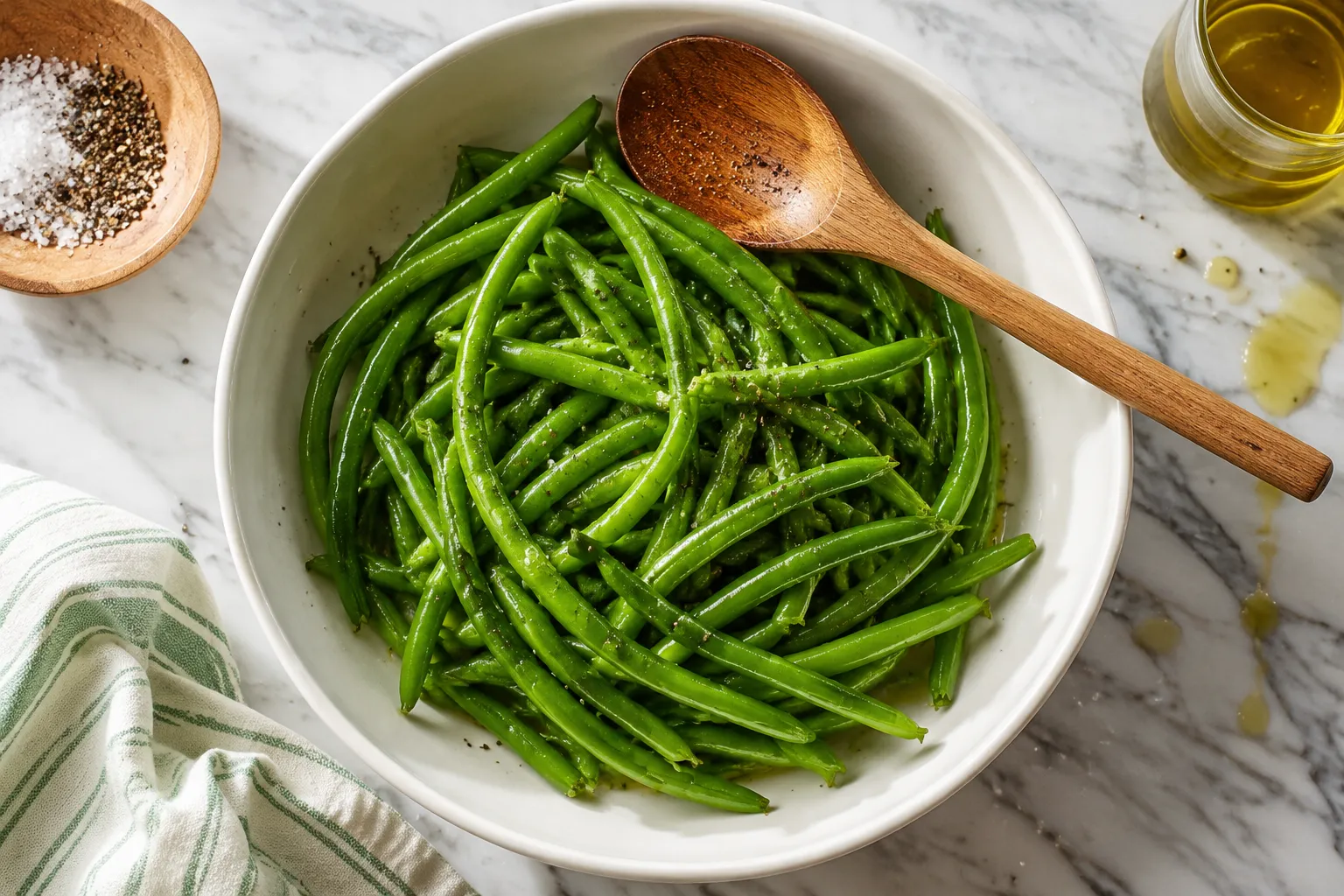
Toss the dried beans with olive oil, kosher salt, and pepper in a large mixing bowl until every bean is glossy and evenly coated. Don't be shy with the oil — under-oiled beans go shriveled and dusty instead of blistered. Carefully pull the hot sheet pan from the oven (mitts on, this is no joke), dump the beans straight onto the pan, and spread them in a single layer with as much room between them as you can manage.
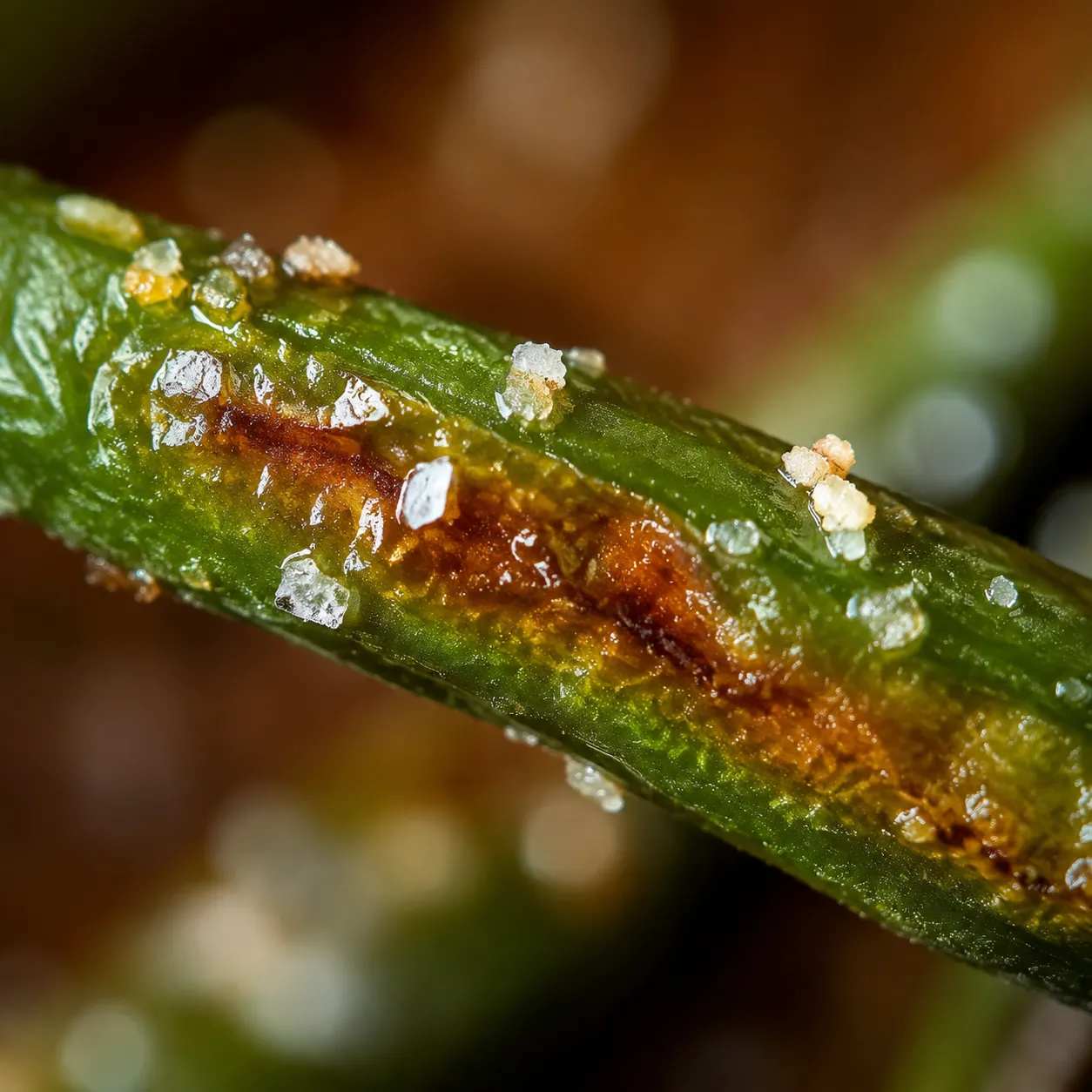
Roast undisturbed for 12 minutes, then pull the pan, scatter the minced garlic over the top, give everything a quick toss with tongs, and return it to the oven for another 5 to 8 minutes. Adding the garlic late means it toasts golden and fragrant without scorching, while the beans pick up those final dark blistered spots that signal deep, sweet flavor.
Right out of the oven, hit the pan with the grated parmesan and a squeeze of fresh lemon juice. Residual heat melts the cheese into salty, golden pockets that cling to the beans. Taste, adjust salt if needed, and serve immediately while the edges are at peak crisp — this is one dish that genuinely doesn't wait. If your beans look pale after the full roasting time, your oven probably runs cool; bump it to 450°F next round and shave off a couple of minutes.
Roasted vs. Sauteed Green Beans: Which Is Better?
I love a good skillet of sauteed green beans, but for sheer flavor payoff, roasted green beans win on most nights. Stovetop sauteing keeps the beans bright green and snappy with a quick sear, which is great when you want fresh crunch in 8 minutes flat and don't want to heat up the oven. Roasting takes a few minutes longer but rewards you with deep caramelization, blistered char, and a natural sweetness that develops as the sugars in the beans concentrate.
Texture is the other big difference between the two methods. Stovetop sauteing gives you uniform tender-crisp beans across the board, while the oven creates a contrast of crackly outside and silky inside that's hard to replicate in a pan. If you're already cooking other roasted vegetables — carrots, brussels sprouts, potatoes, sweet potatoes — you can slide a tray of these in alongside, and the whole sheet pan dinner comes together mostly hands-off. There's also the cleanup math: the stovetop method ties up a burner and leaves you with an oily skillet to scrub, while the oven method needs only a sheet of parchment for a near-zero-cleanup finish. For weeknights when you're already at the stove finishing a protein, sauteing makes sense and saves a dish. For holidays, dinner parties, or any time you want maximum flavor with minimum babysitting, the oven wins by a wide margin.
What to Serve with Roasted Green Beans
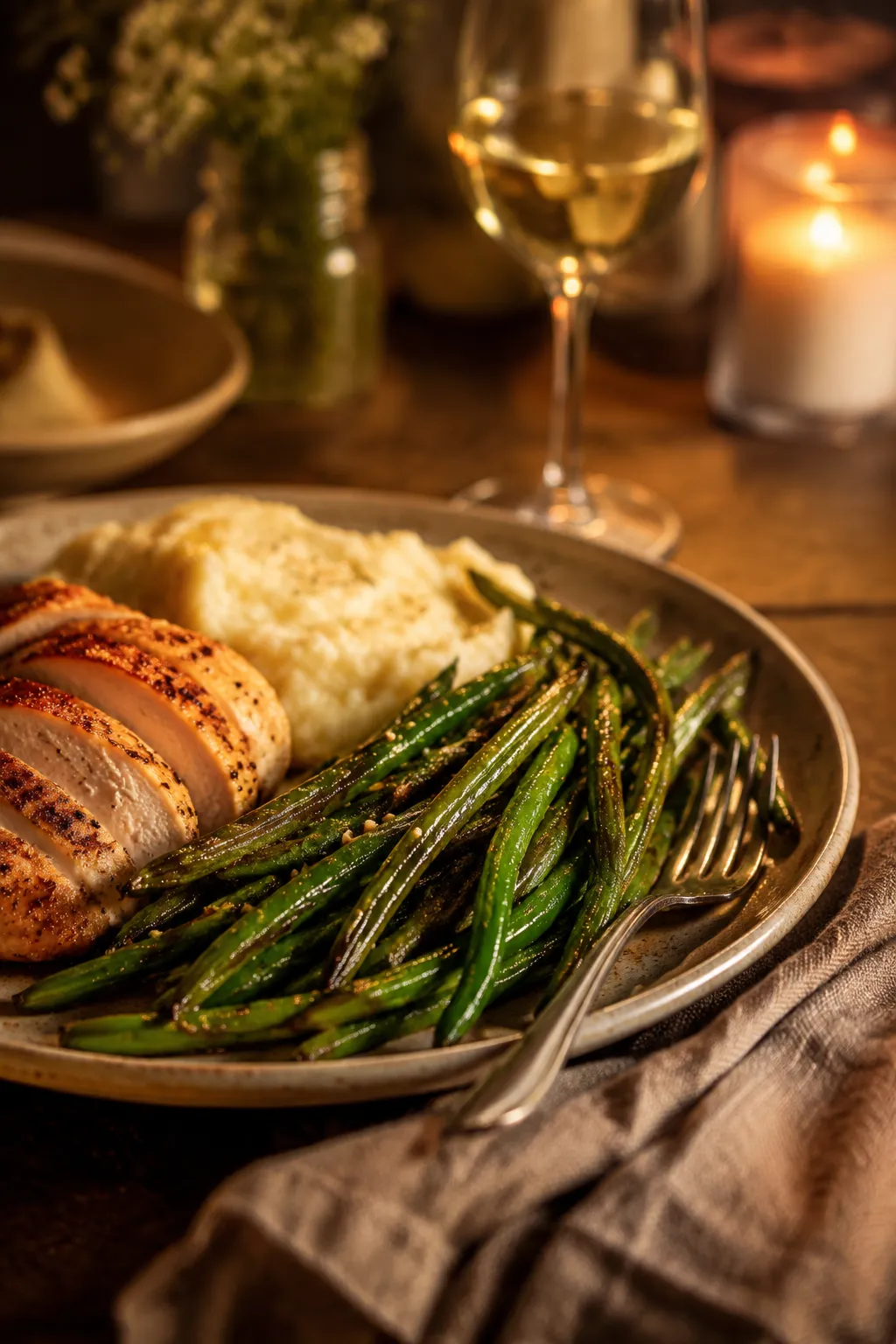
These beans are a true workhorse on the plate, the kind of recipe you come back to once a week without thinking. They pair beautifully with roast chicken, seared steak, baked salmon, pork tenderloin, or even a simple bowl of buttery pasta — basically any protein with a little browning of its own. The lemon and parmesan finish bridges richer mains and lighter ones equally well, so you don't need to swap sides based on what's at the center of the plate. Toss leftovers into a grain bowl with farro and a soft-boiled egg, fold them into an omelet, or chop them into a frittata for a second-day lunch that uses every last bite.
For holiday menus, this recipe is a quiet hero. It holds its texture better than most green-bean casseroles and slots in among easy holiday sides without requiring complicated oven juggling — these roast happily alongside a turkey breast, ham, or prime rib at the same temperature. Build a Thanksgiving plate with mashed potatoes, stuffing, cranberry sauce, and these beans for color, crunch, and a welcome break from heavier fare. They're the kind of dish guests go back for seconds on, which is exactly what you want from a green vegetable when there's pie to save room for later.
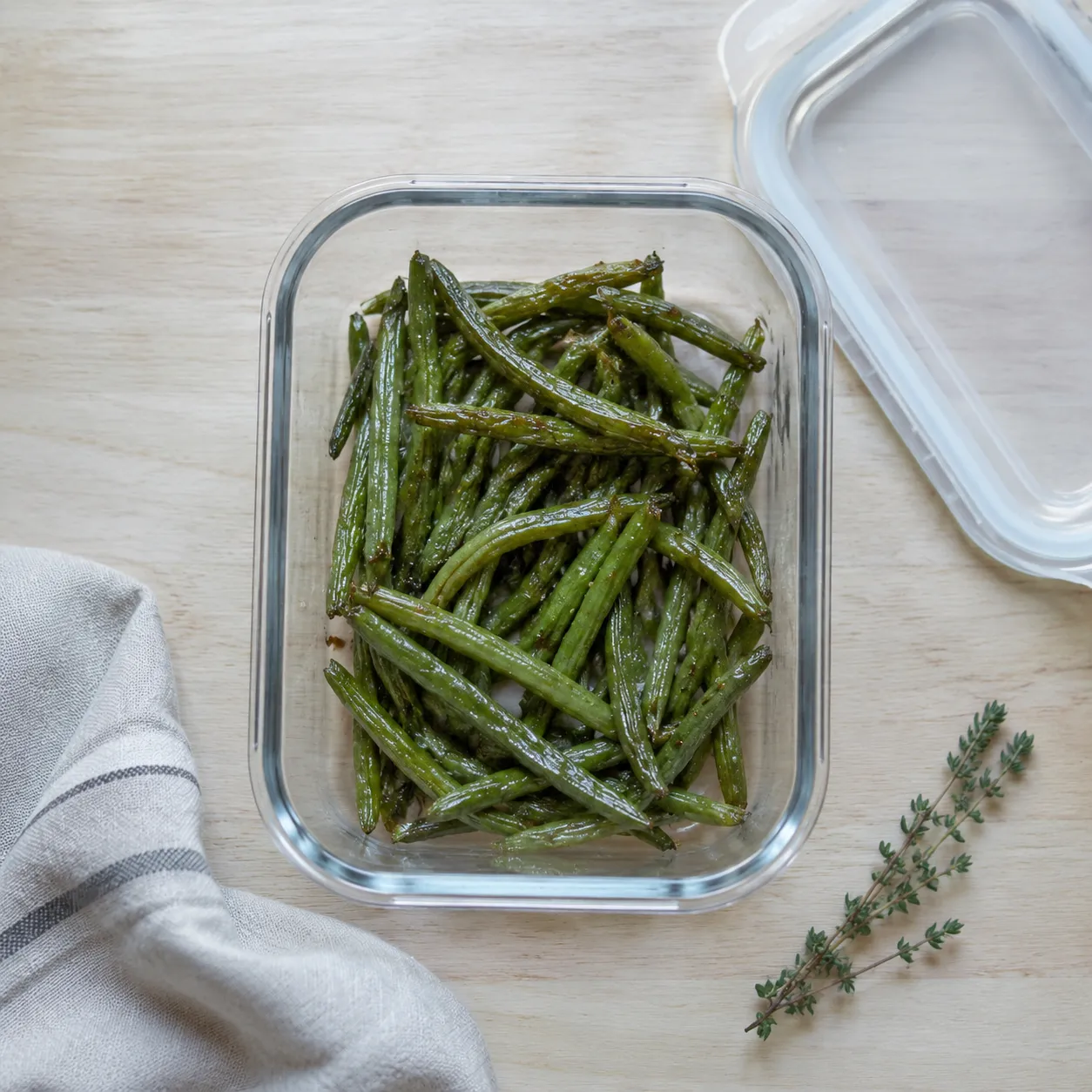
Whether you're meal-prepping for the week ahead or saving leftovers from Sunday dinner, these beans hold up surprisingly well in the fridge. Pop them into a glass container and they'll keep their flavor for several days — just plan to revive that crispness when reheating in a hot oven or air fryer rather than the microwave.
Once you've made these roasted green beans the right way, you'll never go back to plain steamed pods again. The preheated pan trick takes 30 seconds of extra effort and completely transforms the result. Make a batch tonight, watch them disappear, and add this one to your permanent rotation.
💡 Expert Tips
Dry the beans completely before tossing them in oil. Moisture is the number-one enemy of crisp roasting and turns blistered edges into sad, soggy ones in seconds.
Don't crowd the pan. Beans need at least an inch of breathing room each. Pile them up and they steam each other instead of charring.
Roast at 425°F minimum, and bump to 450°F if your oven runs cool. Anything lower produces the soft, gray-green version that nobody is excited about.
Add garlic and parmesan toward the end. Both burn fast at high heat, so layer them in during the last 5 minutes for maximum flavor without bitterness.
Use a dark, heavy sheet pan if you have one. It transfers heat faster than thin aluminum and gives you those signature blistered spots almost on contact with the metal.
🔄 Variations & Substitutions
This recipe is a great template once you've nailed the basics. Swap the parmesan for pecorino, add nuts for crunch, or play with global flavor profiles. The technique stays exactly the same — only the finishing touches change.
Lemon Parmesan: double the lemon zest plus a heavy squeeze of juice for a brighter, almost summery side.
Balsamic and Shallot: drizzle 1 tablespoon of aged balsamic and toss with thinly sliced shallot during the last 5 minutes of roasting.
Spicy Chili Crisp: skip the parmesan and finish with 1 to 2 tablespoons of chili crisp for sweet, savory heat.
Bacon and Almond: roast 2 strips of chopped bacon alongside the beans, then top the finished pan with toasted slivered almonds.
🧊 Storage & Leftovers
Store leftover beans in an airtight glass container in the fridge for up to 4 days. They'll lose some of their initial crunch over time, but the flavor only gets better as the garlic and parmesan settle in overnight. They're genuinely great cold tossed into a salad the next day.
To reheat without sogginess, skip the microwave (it steams them straight back to limp) and use a 400°F oven or air fryer for 3 to 5 minutes. A quick blast under the broiler for the final minute revives the blistered edges almost perfectly. Freezing isn't recommended — the texture suffers significantly on thaw, so make a fresh batch instead when you can.
Frequently Asked Questions
What temperature should I roast green beans at?
Roast at 425°F for the ideal balance of caramelization and tenderness. Lower temperatures like 375°F or 400°F end up steaming the beans rather than blistering them, so you lose the deep, sweet char that makes the recipe special. If your oven runs cool or you want extra char, push it up to 450°F and pull the beans a few minutes earlier. Either way, preheat your sheet pan inside the oven so the beans hit a hot surface and start searing on contact instead of slowly warming up alongside the metal.
Can I roast frozen green beans without thawing?
Yes, you can roast frozen green beans straight from the freezer, but a few adjustments help. First, spread them in a single layer with even more space than usual, since they release extra water as they thaw on the pan. Pat away any visible ice crystals with a paper towel before tossing in oil — this small step encourages browning instead of steaming. Add 5 to 7 extra minutes to the cook time and check for blistering rather than relying on a strict timer. Frozen beans will never quite match the texture of fresh, but they get pretty close with this method.
Why are my roasted green beans soggy?
There are usually three culprits behind soggy beans, and the fix is the same for all of them: more heat, less moisture. First, your beans may have been wet when they hit the pan, so always dry them thoroughly with a clean kitchen towel after rinsing. Second, the pan was probably overcrowded, which traps steam and prevents browning — spread them in a true single layer with breathing room. Third, the oven temperature was too low; nothing under 425°F will give you proper char. Fix any one of these and the next batch will be markedly crisper.
Are roasted green beans healthier than sauteed?
Both methods are healthy ways to prepare green beans, and the differences are smaller than you might think. Roasting typically uses slightly less oil per serving than stovetop sauteing because the oven distributes heat evenly without needing extra fat to prevent sticking. Roasting also develops deeper natural flavor through caramelization, which means you generally need less added salt or butter to make the beans taste good. Sauteing has its own perks: faster cook time, brighter color, and slightly more vitamin retention from shorter heat exposure. Pick the method that fits your meal — both deliver solid fiber, vitamin C, and folate either way.
How long do roasted green beans last in the fridge?
Stored in an airtight container, roasted green beans keep well in the fridge for up to 4 days. The texture softens slightly day by day, but the garlic-parmesan flavor actually deepens overnight, which makes them excellent for meal prep. To bring back the crispness, reheat them in a 400°F oven or air fryer for 3 to 5 minutes — avoid the microwave since it'll just steam them limp again. If you want to plan ahead, you can roast them earlier in the day and reheat right before serving without any noticeable quality loss.