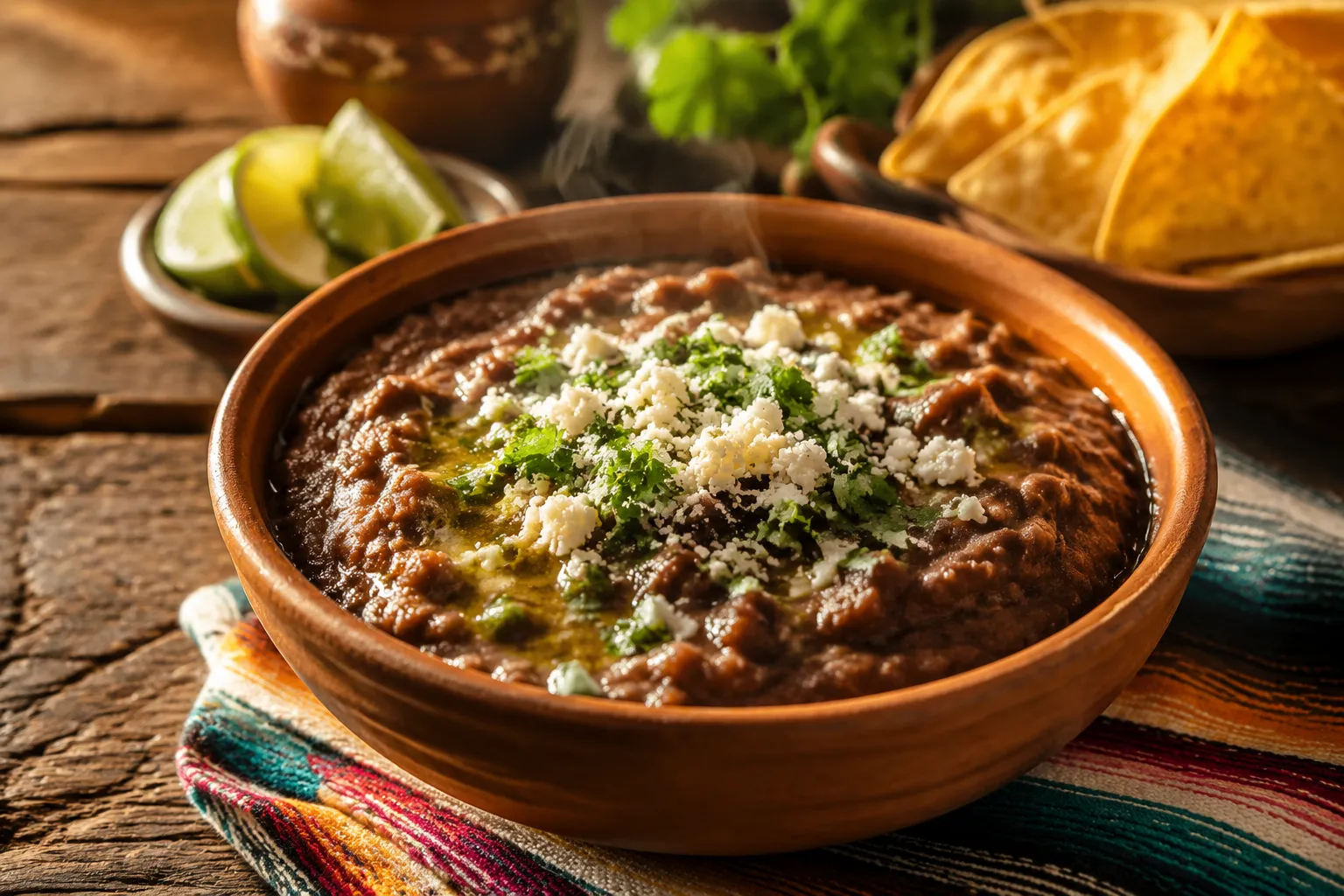
Sopa de Fideo: Authentic Mexican Fideo Soup Recipe
Ingredients
Scale
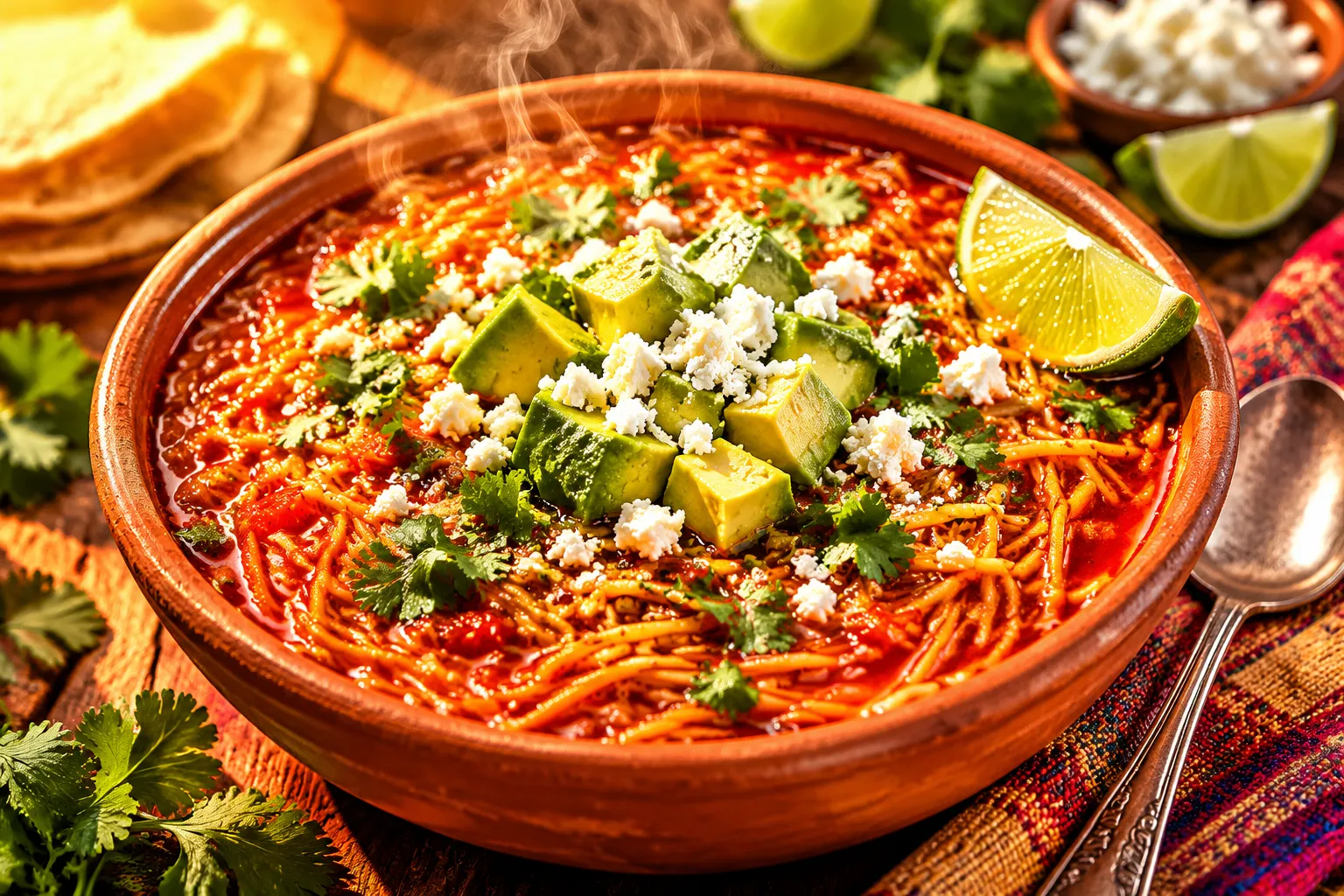
Sopa de fideo is the cozy Mexican noodle soup that taught a generation of cooks how to toast pasta. Ready in 30 minutes, made in one pot, pure comfort.
There's a reason every Mexican grandmother keeps a bag of fideo tucked behind the rice and beans — this humble noodle is the heart of the coziest 30-minute soup in the Latin American kitchen. Sopa de fideo is the dish that taught a generation of cooks how to toast pasta, how to blend a tomato sofrito from scratch, and how to coax abuela-level depth out of nothing more than pantry staples. It's the soup that gets handed to sick kids, college students, new parents, and anyone who needs a bowl of something warm, red, and forgiving.
If you grew up eating this Mexican noodle soup, the smell alone — toasted wheat, simmering tomato, a whisper of cumin — will pull you straight back to your tía's kitchen table. If you didn't, prepare to fall hard. The whole thing comes together in one pot in about half an hour, costs maybe four dollars to make, and tastes like you've been simmering it all afternoon. The trick isn't a long ingredient list or a secret spice; it's the deep amber color you build by toasting dry noodles in oil before any liquid touches the pan.
This recipe leans on the technique my friends' Mexican-American moms have used for decades: dry-toast, fresh-blend, simmer, garnish, eat. No bouillon cubes, no shortcut packets, no apologies. Just a real-deal bowl of caldo with the kind of layered, savory-sweet tomato broth that makes you tilt the bowl chasing the last spoonful.
Fideo (pronounced fee-DAY-oh) is a thin wheat noodle that traveled from the Iberian Peninsula to the Americas with Spanish colonists in the 1500s. The word itself comes from the Catalan "fideus," and you'll find cousins of this pasta in Sephardic Jewish cooking, North African cuisine, and across Latin America. In Mexico, the noodle was adopted into a dish that paired it with the country's beloved tomato base, becoming the everyday workhorse soup it is today. You can find bagged fideo at most US supermarkets in the international aisle, usually under brands like La Moderna or Goya, and at virtually any Mexican grocery store.
The same toasted noodle plays two different starring roles in Mexican kitchens. Brothy, slurp-able sopa de fideo keeps plenty of liquid in the pot and ladles out as a true soup. Fideo seco, on the other hand, simmers down until every drop of broth has been absorbed into the pasta — it eats more like a saucy noodle dish, usually crowned with crema, queso fresco, and slices of avocado. Same ingredients, different finish line. Today we're making the soup version, the one that warms you from the chest out and begs for a torn piece of bolillo to mop the bowl.
Boxed mixes are everywhere, and they're fine in a pinch, but they can't touch a homemade pot. Fresh tomatoes blended with onion and garlic give the broth a brightness and natural sweetness that powdered seasoning just flattens. Toasting the dry pasta in oil — properly, until it smells like buttered popcorn and looks like dark caramel — is the single move that separates a forgettable bowl from a great one. Add real chicken stock, season with intention, and you have a soup that tastes like it has been on the stove since morning, even though it really only took half an hour.
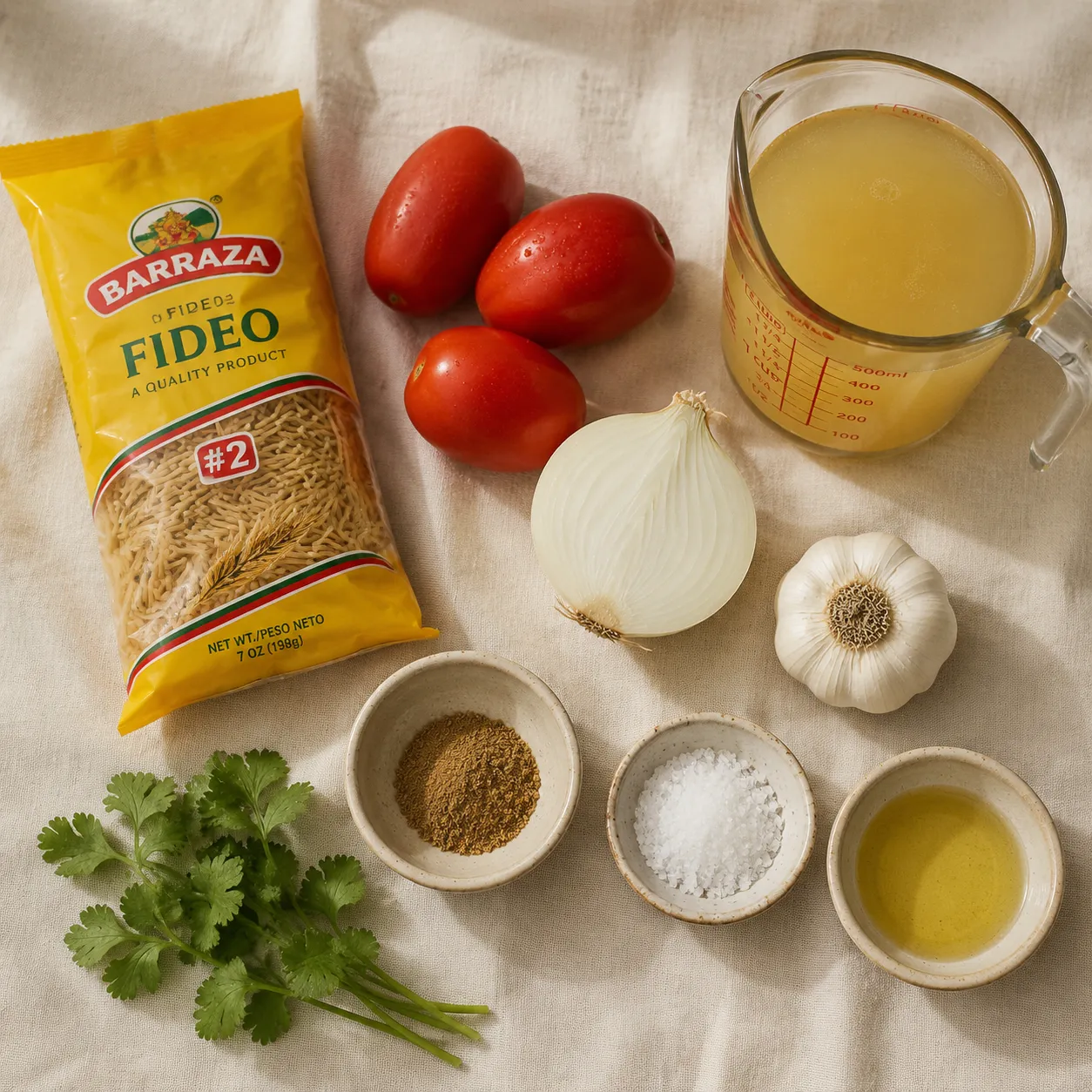
Look for a small yellow or red bag labeled "fideo" or "fideos cortados" in the pasta aisle. The standard cut is roughly an inch long and slightly curled, like tiny commas of pasta. If your store doesn't carry them, toasted vermicelli works beautifully — just snap the strands into one-inch pieces before they hit the pan. Angel hair is your second-best stand-in. Avoid using regular spaghetti unless you're truly stuck; it's thicker and won't soak up the broth the same way, and it tends to leave you with a gluier finish that fights against the silky tomato base.
Three Roma tomatoes, a quarter of a yellow onion, and two cloves of garlic are all you need for the sofrito. Romas have less water and more concentrated flavor than slicers, which means a richer tomato broth and a better-clinging sauce. Some cooks blanch the tomatoes first and slip off the skins; honestly, a high-powered blender pulverizes everything so smoothly that I skip that step nine times out of ten. Salt, ground cumin, and a pinch of black pepper round out the seasoning, and a good homemade chicken broth carries everything home with deeper savoriness than any boxed stock can muster.
The base recipe is pure and minimal, but this soup loves a remix. Shredded poached chicken transforms it into a heartier caldo de pollo with noodles. Diced potatoes or carrots stretch it into a bigger meal that can stand on its own for dinner. A chipotle in adobo blended into the tomatoes adds smoky heat that lingers on the back of your tongue. A spoonful of frozen peas or corn brightens the bowl with color. Whatever you fold in, keep the soul of the dish — toasted noodle, fresh tomato, real stock — front and center.
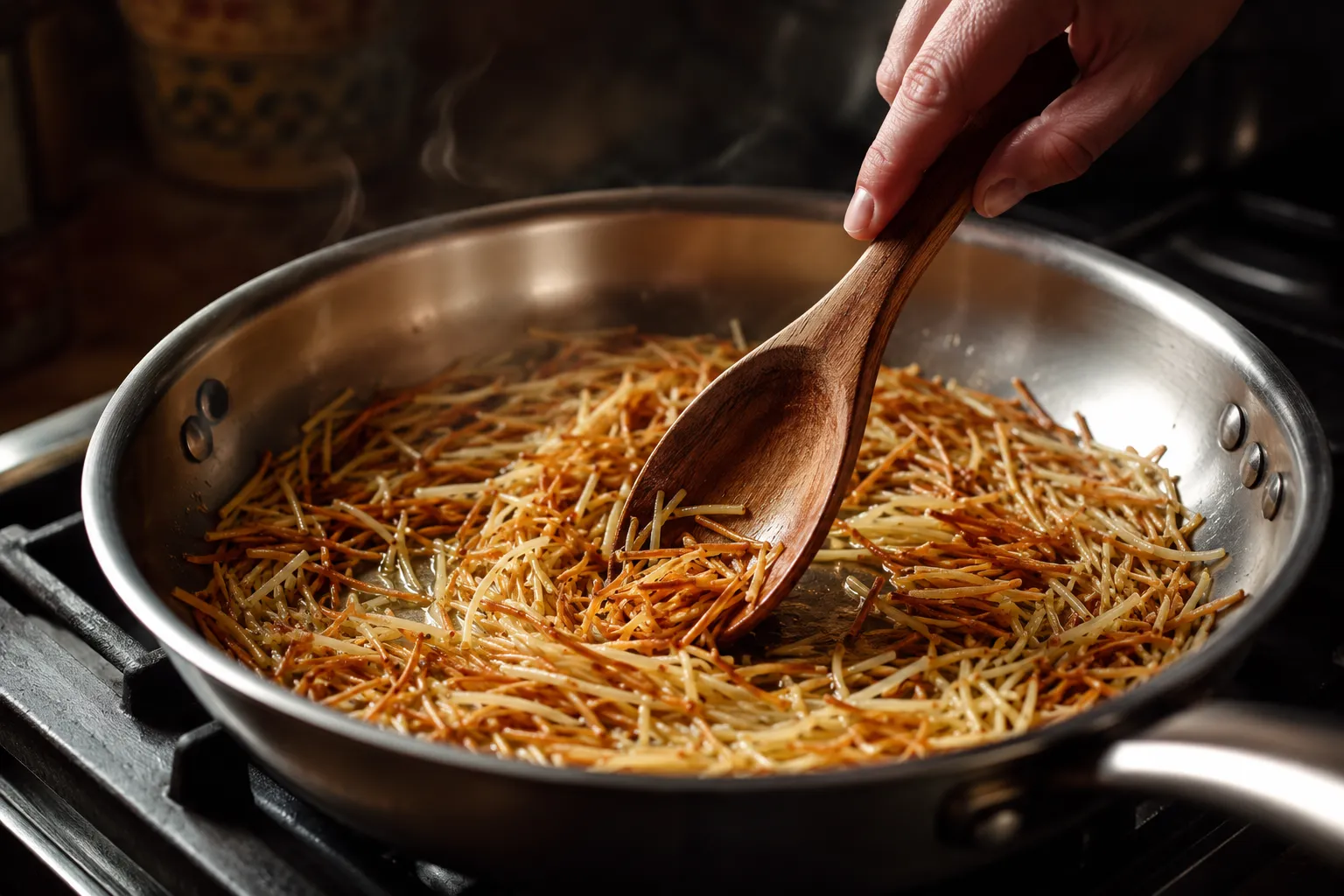
Heat the oil in a wide pot or deep skillet over medium heat, then add the dry noodles in an even layer. Stir constantly with a wooden spoon, watching as they shift from pale wheat to honey to a deep amber pecan color. The whole process takes about five minutes and demands your full attention — pasta goes from perfectly toasted to scorched in roughly thirty seconds, and burnt noodles will turn the whole pot bitter. Pull the pan off the heat the moment everything smells nutty and looks the color of a roasted hazelnut.
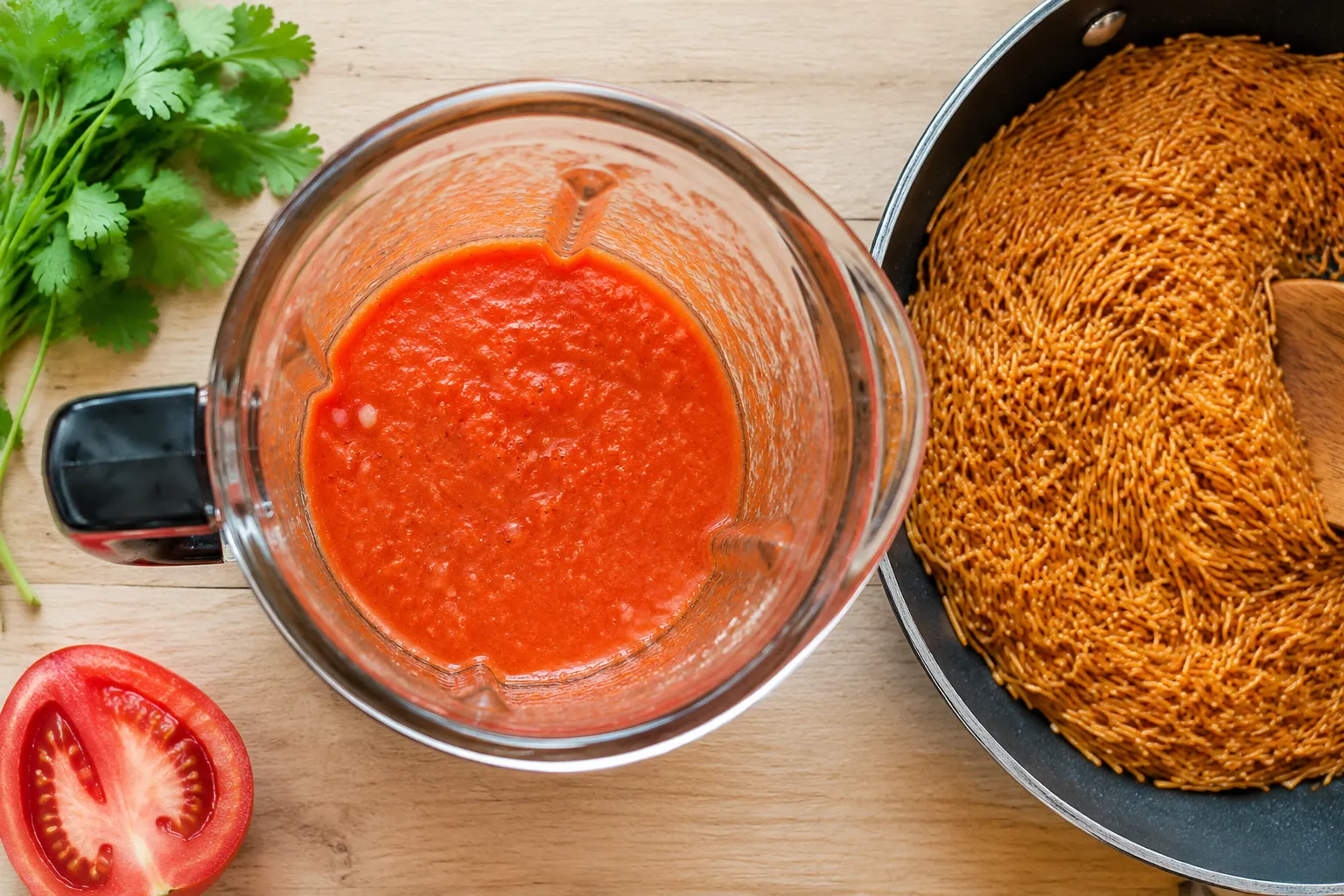
While the pasta toasts, drop the Roma tomatoes, onion, and garlic into a blender with about half a cup of broth. Blend on high until the mixture is completely smooth and a deep, glossy red — about thirty seconds in a powerful machine. There's no need to seed or peel the tomatoes; the blender handles everything. Strain the puree through a mesh sieve if you want a silky texture, or skip the straining for a more rustic, country-kitchen mouthfeel. Both are right, and Mexican grandmothers across the country are split down the middle on this one.
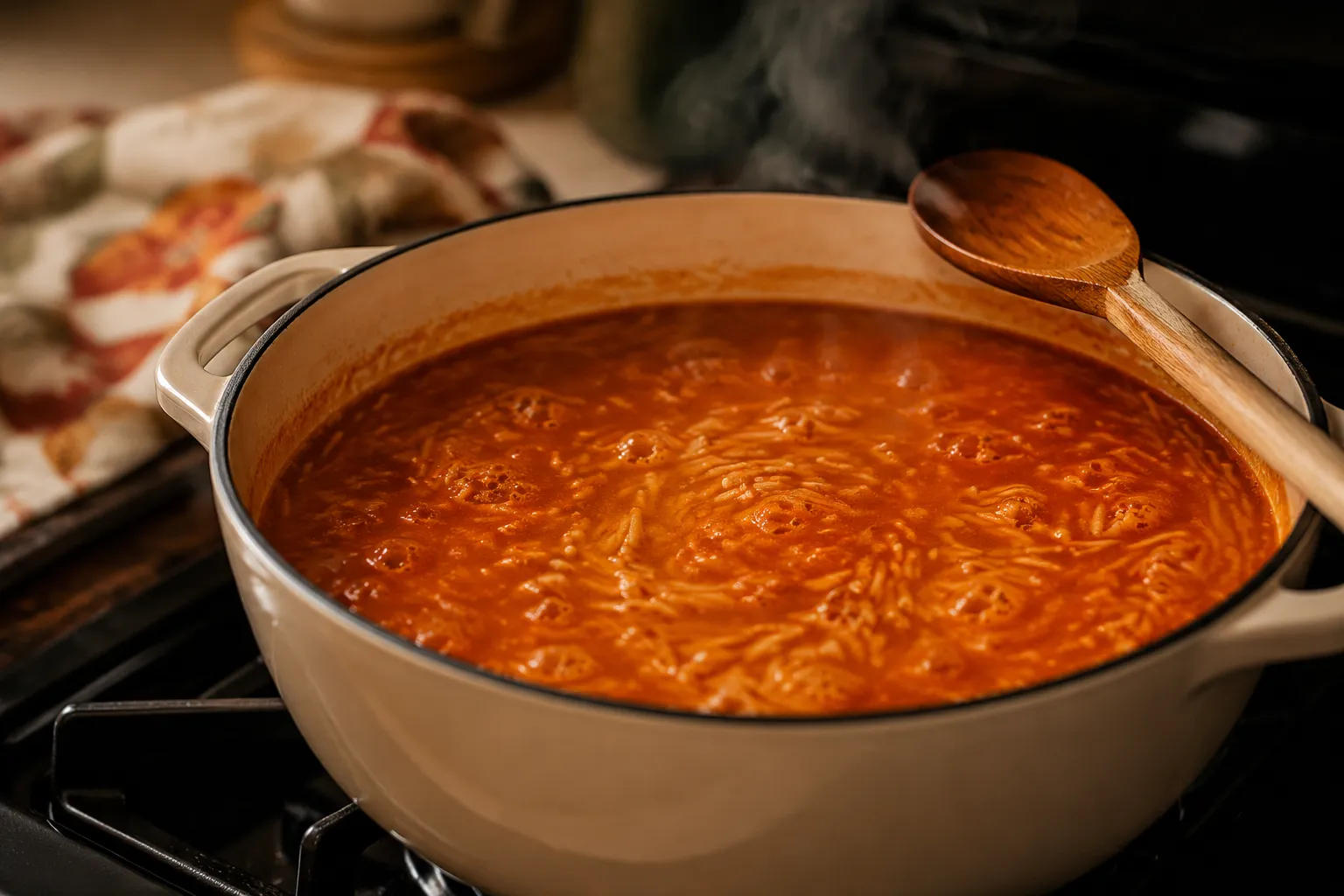
Pour the tomato puree directly into the pan with the toasted noodles. It will sizzle and seize for a moment — that's the sofrito reducing and concentrating against the hot oil, building yet another layer of flavor. Stir for two minutes until the mixture looks darker and slightly jammy, then add the remaining chicken stock, salt, and cumin. Bring everything to a gentle simmer and cook uncovered for about eight to ten minutes, until the noodles are tender but not falling apart. Taste and adjust salt before serving — stock salinity varies wildly between brands, so a final pinch goes a long way.
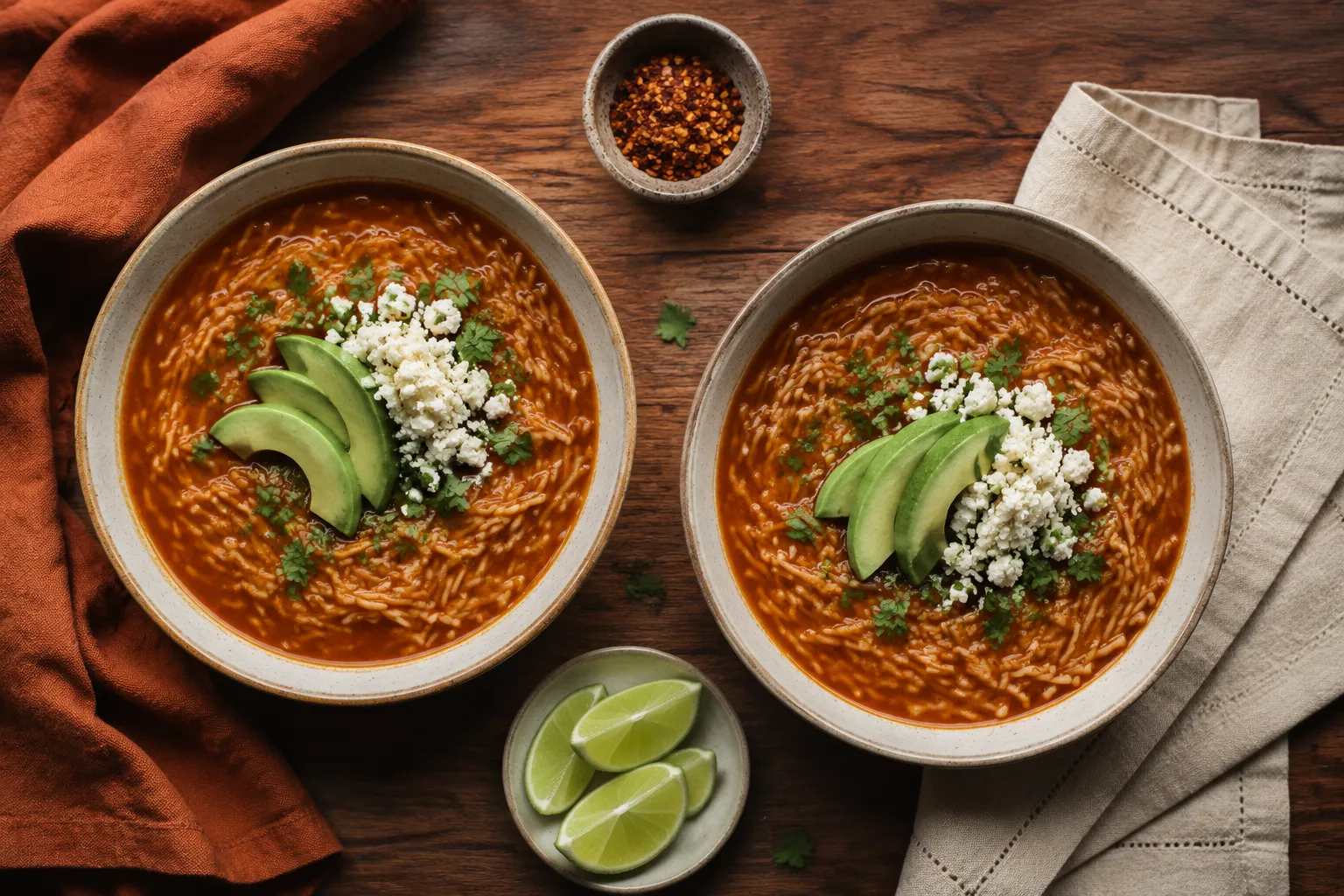
A bowl of this soup almost demands a garnish bar. Diced avocado adds creaminess that balances the acidic broth. A squeeze of fresh lime cuts through the richness and wakes up every other flavor in the pot. Crumbled cotija or queso fresco brings salty contrast, while a handful of chopped cilantro pulls everything together. For heat, a few slices of pickled jalapeño or a drizzle of your favorite hot sauce — Cholula and Valentina are the classics for a reason. Set the toppings out family-style and let everyone build their own bowl exactly the way they want it.
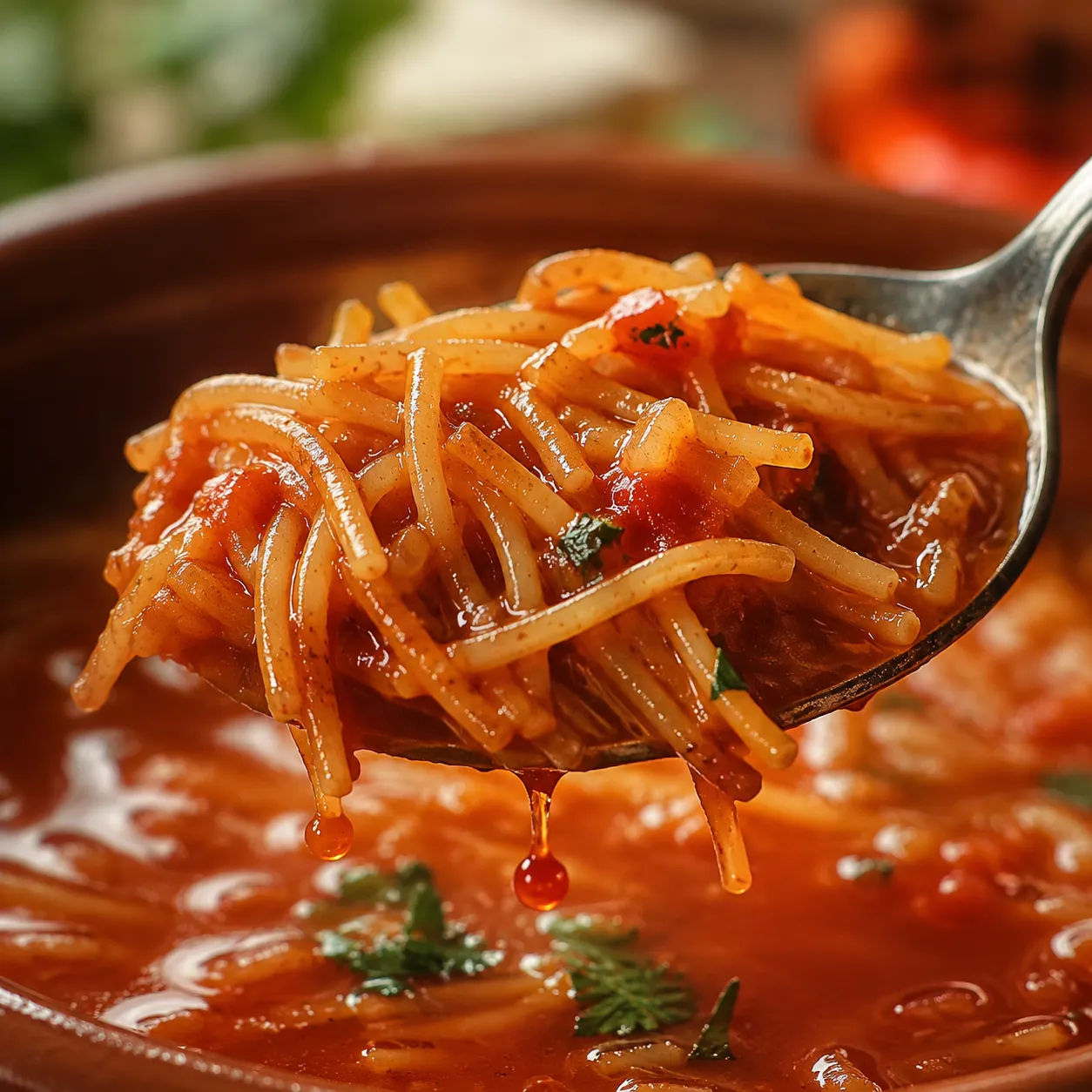
In Mexican households, this soup is rarely the only thing on the table. A simple cheese quesadilla on a flour tortilla, lightly browned in a dry pan, is the most common pairing — perfect for dunking. Crusty bolillo rolls, split and toasted with butter, soak up the last of the tomato broth like sponges. If you want a bigger spread, pair it with a side of Mexican rice, a pile of warm corn tortillas, or even a small platter of garlic bread for a Mexican-Italian mashup that nobody at the table will complain about.
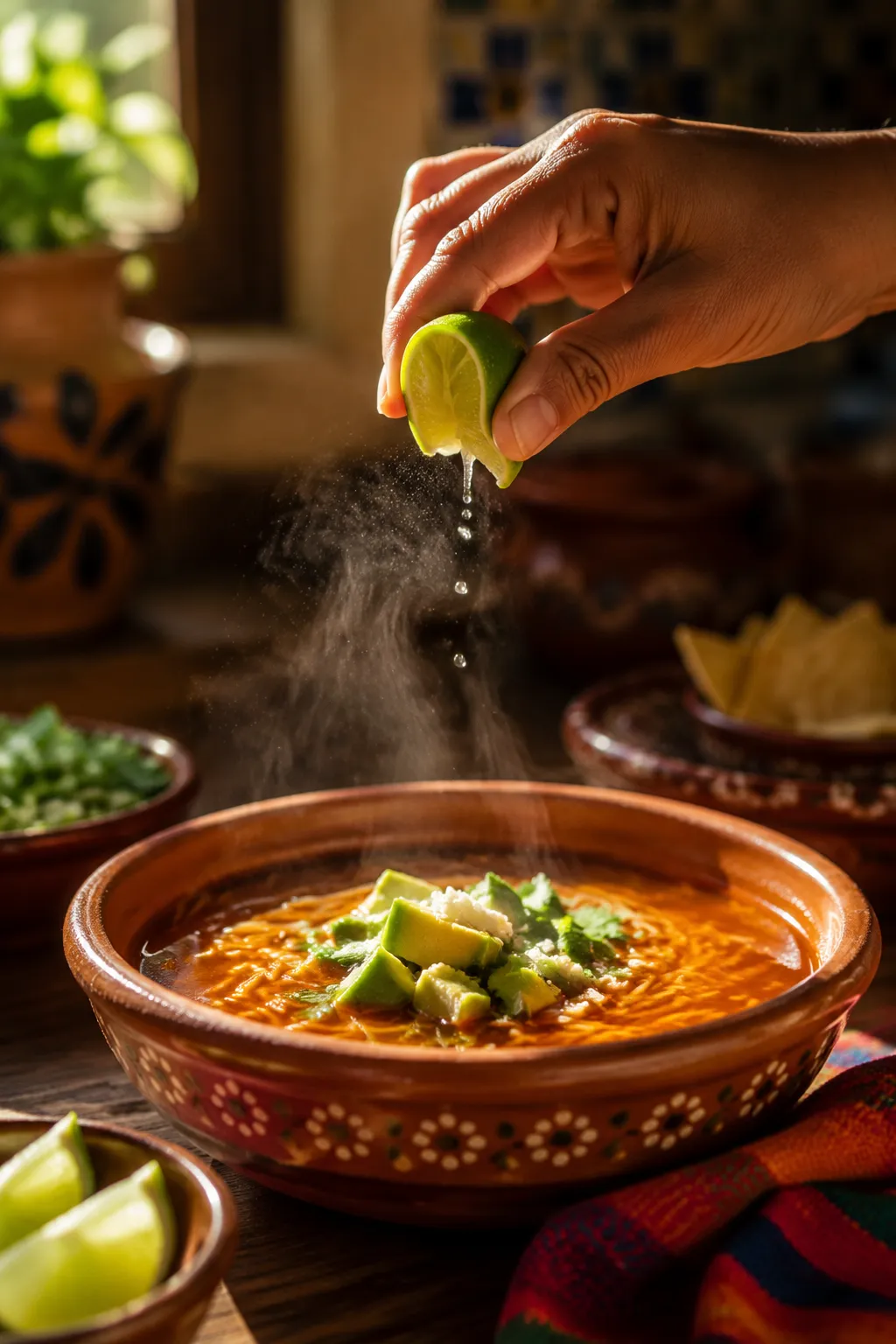
A finishing squeeze of lime is non-negotiable for me. The acid lifts the tomato, sharpens the salt, and makes every toasted strand taste even more pronounced. If you're serving this for a crowd, set out a little dish of lime wedges and let people add their own — the brightness fades quickly once it hits the hot broth, so squeeze just before the first spoonful. A scattering of red pepper flakes or a small pinch of smoked paprika across the top can also bring an unexpected layer of warmth on a particularly cold night.
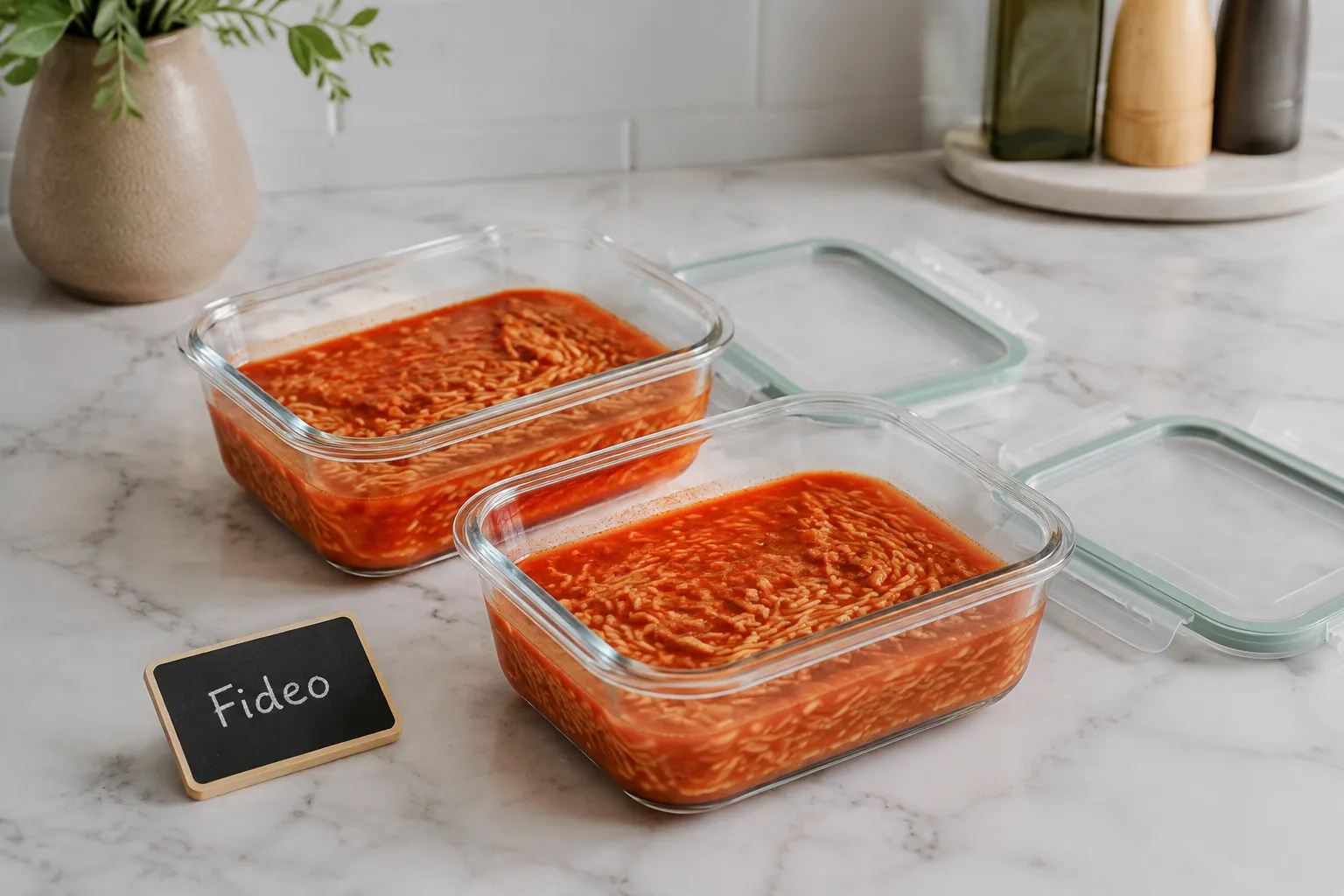
Leftovers, by the way, are a quiet gift. The flavors deepen overnight, the noodles drink up more of that beautiful broth, and tomorrow's lunch will taste like you spent twice as long on it. Pack a thermos for work, ladle a bowl for a sick friend, or freeze single portions for the next time the weather turns. This is the kind of fideo soup recipe that quietly becomes part of your rotation — fast enough for a Tuesday, soulful enough for a Sunday, and generous enough to share with whoever shows up at the door.
The base recipe is delicious as written, but it's also a perfect canvas for whatever's in your fridge or freezer. Here are the riffs Mexican home cooks reach for most often:
Store leftovers in an airtight container in the refrigerator for up to four days. The noodles will continue absorbing broth as they sit, so plan to add a splash of stock or water when reheating to loosen the texture back to a soupy consistency. Warm gently on the stove over medium-low heat, stirring occasionally, until heated through. Microwave reheating works in a pinch — cover loosely and heat in 60-second bursts, stirring between.
For longer storage, freeze in single-serving portions for up to two months. To minimize mushy noodles, you can also cook the broth and pasta separately, freezing only the broth and adding fresh-toasted noodles when you reheat. Thaw overnight in the fridge before warming. Either way, the flavors deepen with time, and a thawed pot of this soup tastes nearly indistinguishable from a fresh batch.