Mexican Soup Recipes: 15 Authentic Bowls to Try Tonight
Ingredients
Scale
From cozy caldo de pollo to brothy shrimp sopa de camarón, these 15 authentic Mexican soup recipes bring bold, comforting flavor to your table.
If you've ever wondered why a single ladle of a good mexican soup can fix a long day faster than anything in your spice cabinet, you're in the right place. From the clear, golden cure-all that is caldo de pollo to the chile-stained richness of pozole rojo, these are the bowls that anchor Sunday lunches, Monday colds, and every cozy night in between. They're built on humble pantry ingredients, finished with lime, cilantro, and crunch, and they taste like they took all afternoon even when they didn't.
This roundup is the cheat sheet I wish I'd had when I started cooking my way through my grandmother's recipe box. You'll find a glossary of fifteen traditional mexican soup names worth knowing, one fully tested featured recipe, and a shrimp variation that's just as easy. Whether you're brand new to this cuisine or looking to deepen your Mexican spice pantry, these bowls will give you confidence at the stove and a lineup of soups your family will actually request again.
A quick note before we dive in: Mexican cooking is regional, generational, and personal. The versions here lean toward the home-style bowls served across central and northern Mexico, the kind passed from tía to niece without much measuring. Treat them as starting points and tweak the chile heat, the salt, and the garnishes until they taste like yours.
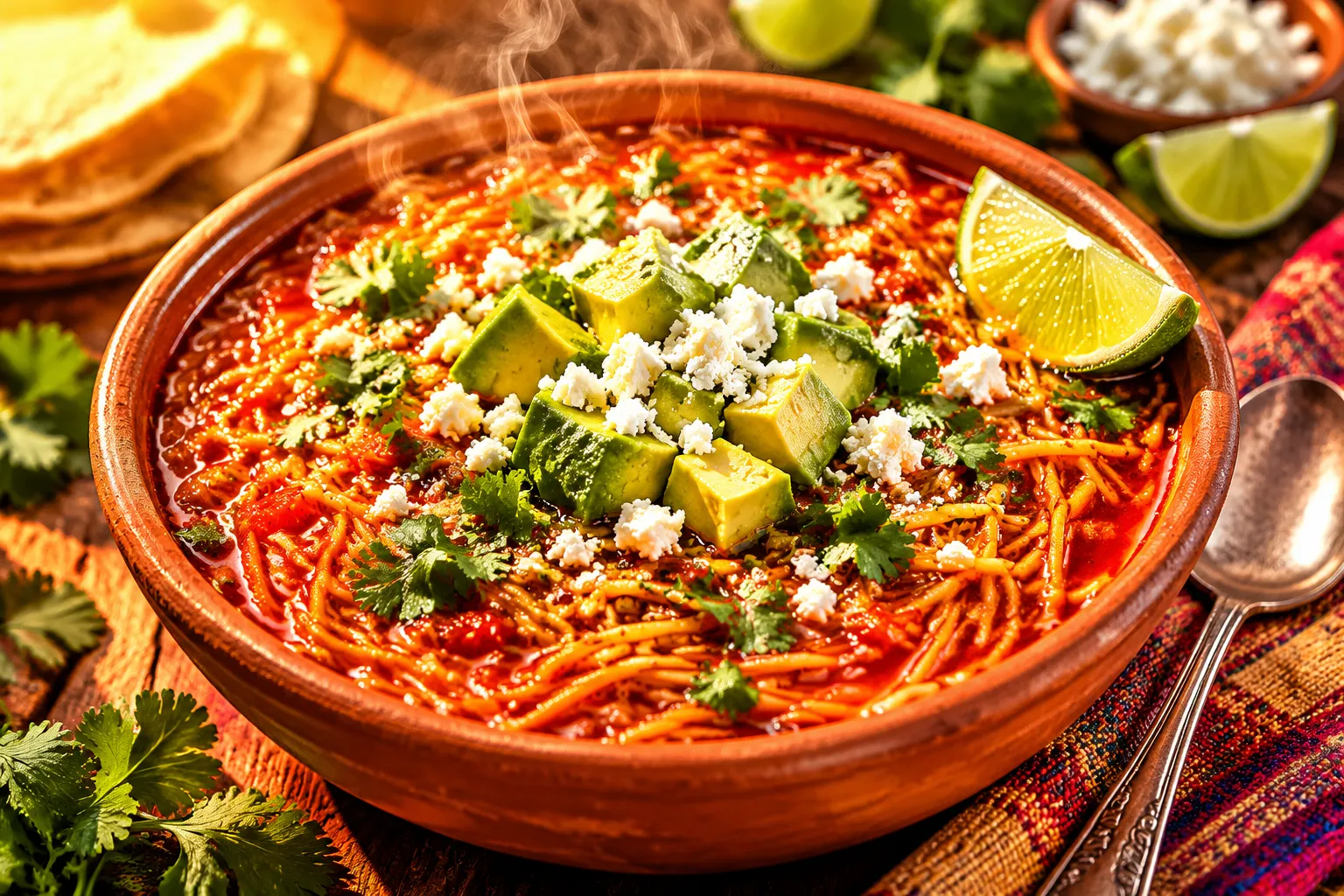
To navigate Mexican soup dishes confidently, it helps to know the vocabulary. Caldo refers to clear, brothy soups built on long-simmered bones and aromatics, like caldo de pollo or caldo de res. Sopa is broader and can mean either a brothy bowl or a thicker, drier rice-and-pasta course (sopa seca), depending on the region. Pozole is its own category entirely: a hominy stew thickened with toasted chile paste and topped with shredded cabbage, radish, and oregano. And then there are showstoppers like menudo and birria that blur every line.
The aromatic backbone of nearly every authentic bowl is the same handful of ingredients. Dried chiles — guajillo, ancho, pasilla, chile de árbol — get toasted and rehydrated into deep, smoky bases. White onion, garlic, ground cumin, and Mexican oregano (which tastes brighter and more citrusy than its Mediterranean cousin) form the base notes. Fresh or fire-roasted tomatoes lend body and color, and a starting cup of homemade chicken broth pulls everything together with savory depth.
What truly sets these bowls apart, though, is the finish. A wedge of lime squeezed over the soup right before eating, a heavy hand of chopped cilantro, sliced radish, diced avocado, crumbled queso fresco, and a tumble of crushed tortilla chips transform a simple broth into something layered and alive. Skip the garnish bar and you've made a fine soup. Add it, and you've made a Mexican one.
Before we get into the featured caldo de pollo recipe, here's a glossary of the fifteen mexican soup recipes I think every home cook should have on their radar. Each one tells a slightly different story about region, season, and family tradition.
If you've never made a Spanish soup like gazpacho or caldo gallego, the contrast is instructive: Spanish bowls lean on olive oil, paprika, and cured pork, while Mexican bowls live and breathe lime, dried chiles, and fresh herbs. Same ancestral roots, very different flavor compass.
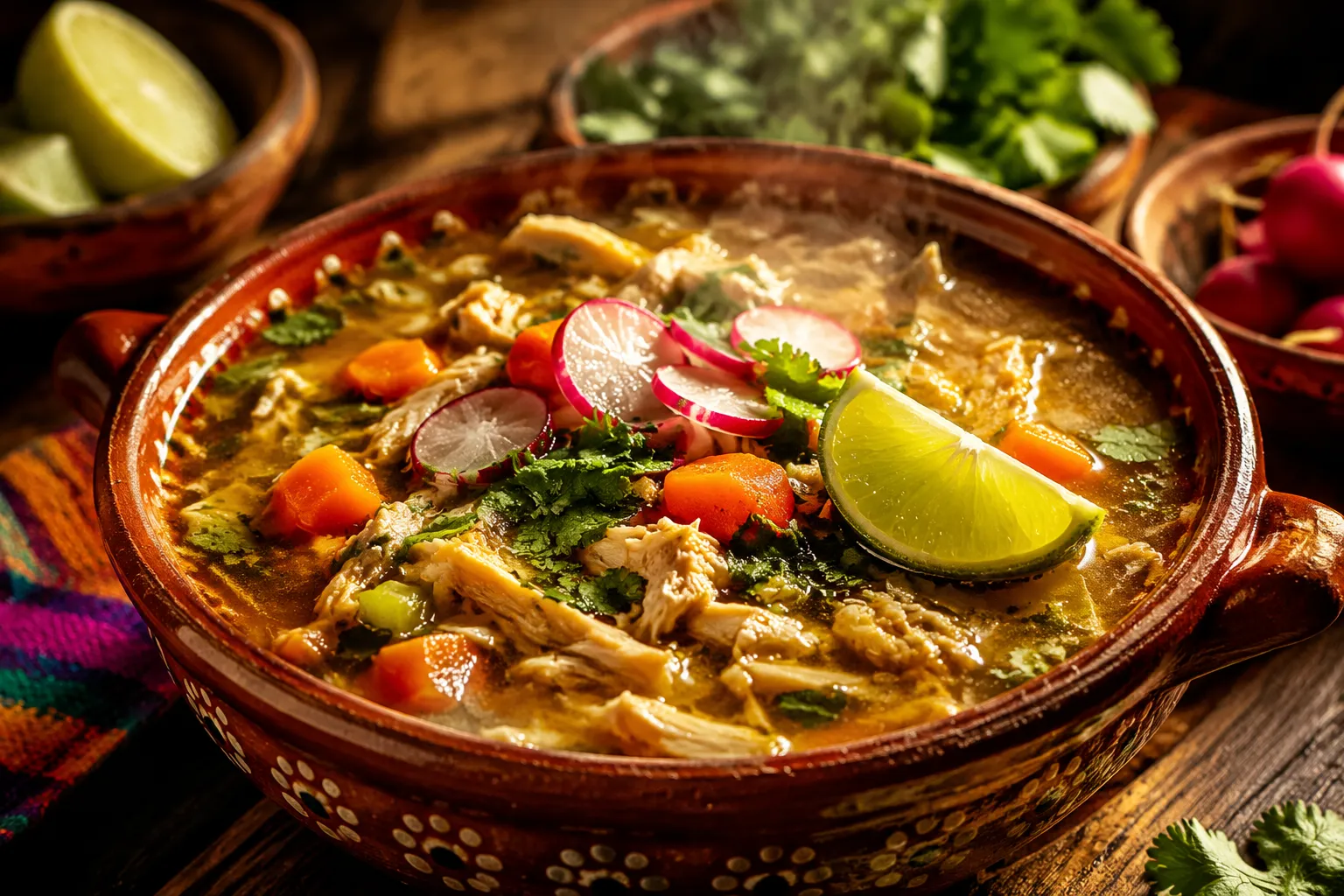
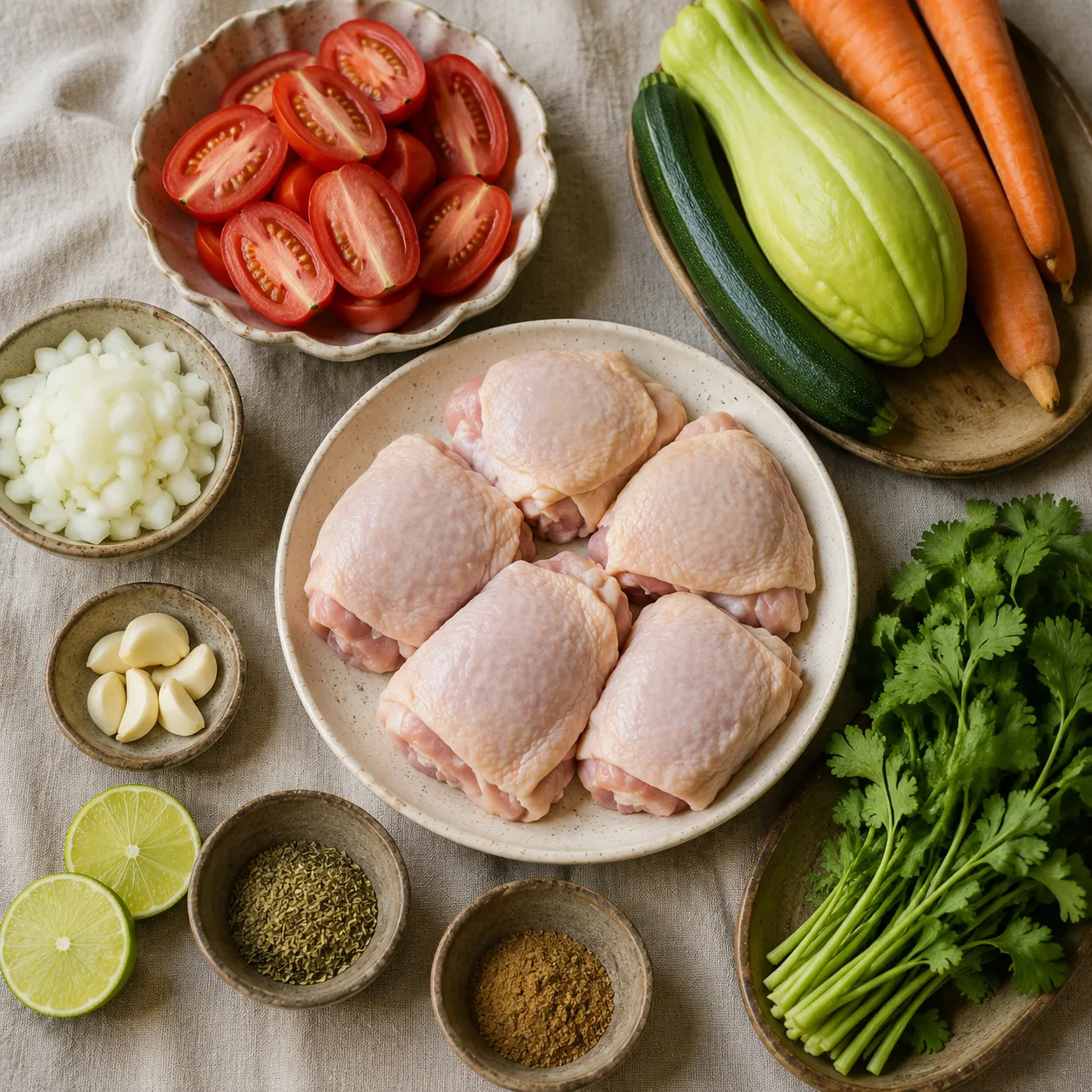
If I could only teach one Mexican soup to a brand-new cook, this would be it. Caldo de pollo is the quiet hero of Mexican kitchens — the bowl mothers make when someone is sniffly, the thing tías serve when family shows up unannounced, the lunch that turns leftover chicken into a pot of gold. The full caldo de pollo recipe lives in the recipe card below, but here's the shape of it so you know what you're getting into.
You'll start with bone-in, skin-on chicken thighs, which give the broth more body and flavor than breasts ever could. Onion, garlic, and Roma tomatoes build the aromatic base. From there, chunks of carrot, zucchini, chayote, and a handful of long-grain white rice go into the pot, along with ground cumin and Mexican oregano. The whole thing simmers for about forty-five minutes, just long enough for the broth to turn a deep, clear gold and the vegetables to soften without disintegrating.
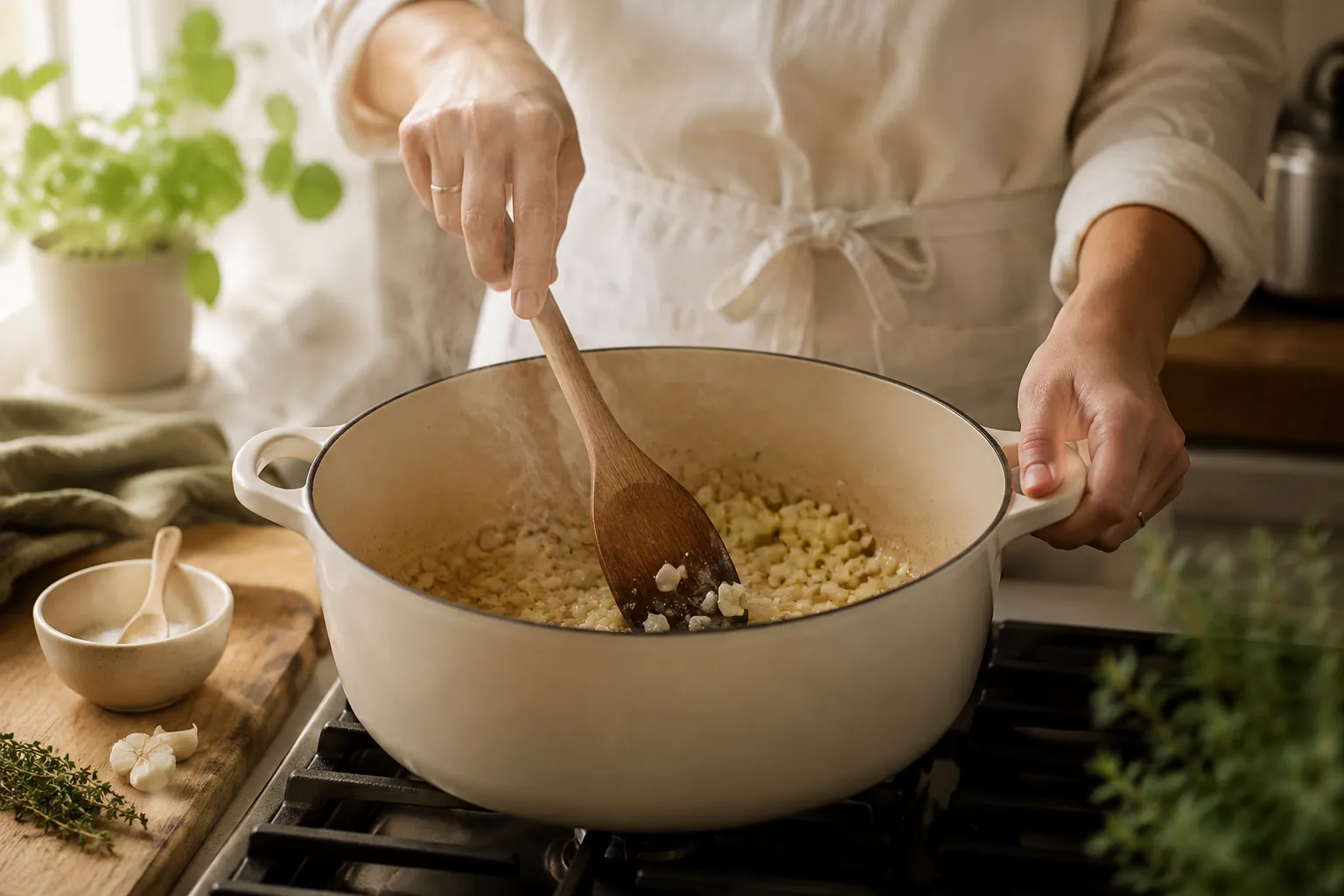
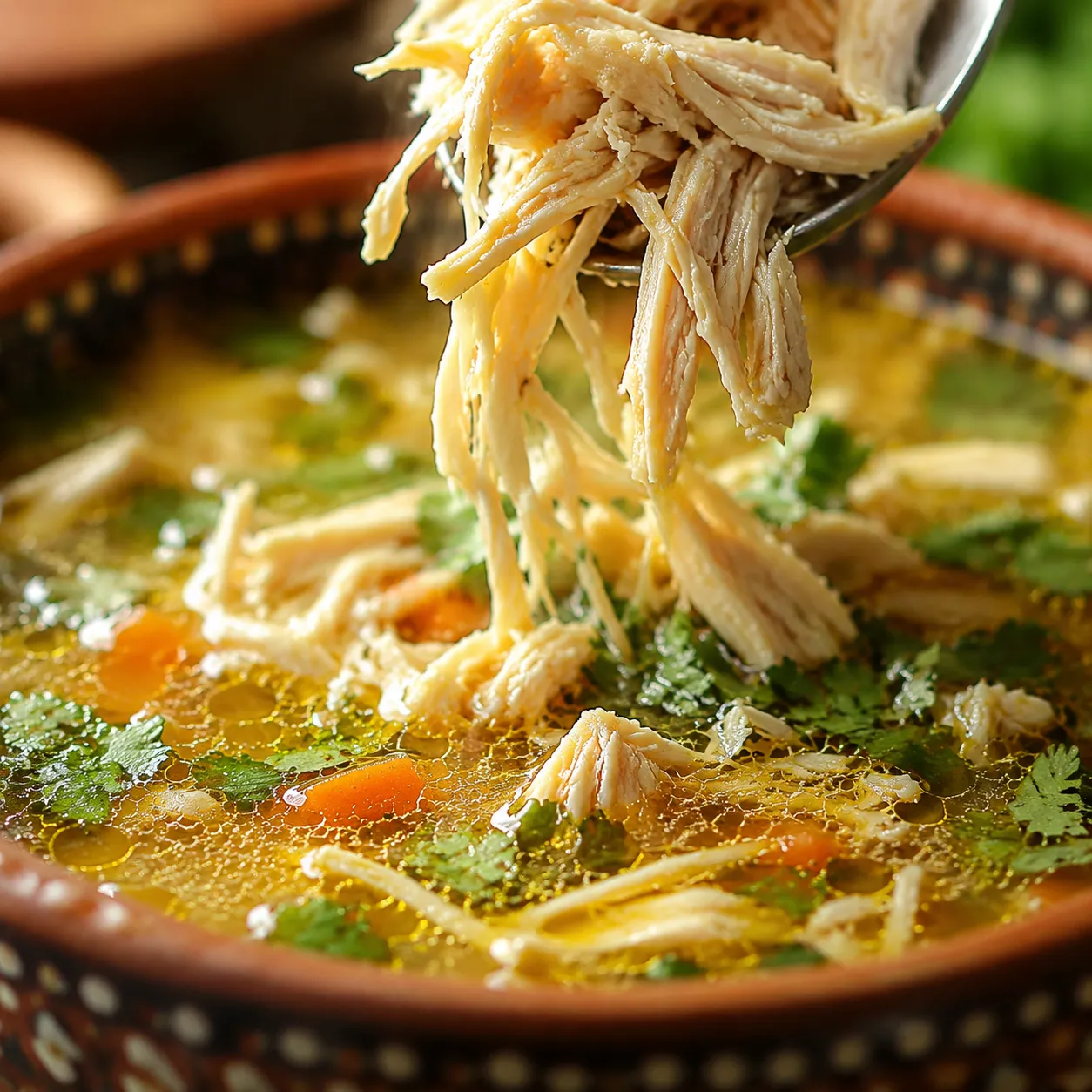
The technique is gentle. You'll sauté the aromatics, brown the chicken just barely, then add water (or a base of homemade chicken broth if you have it), tomato, and seasonings. Skim the foam that rises in the first ten minutes — this is the difference between a cloudy soup and a crystal-clear one. Once the chicken is fork-tender, you'll pull it from the pot, shred it off the bone, and slip it back in to warm through.
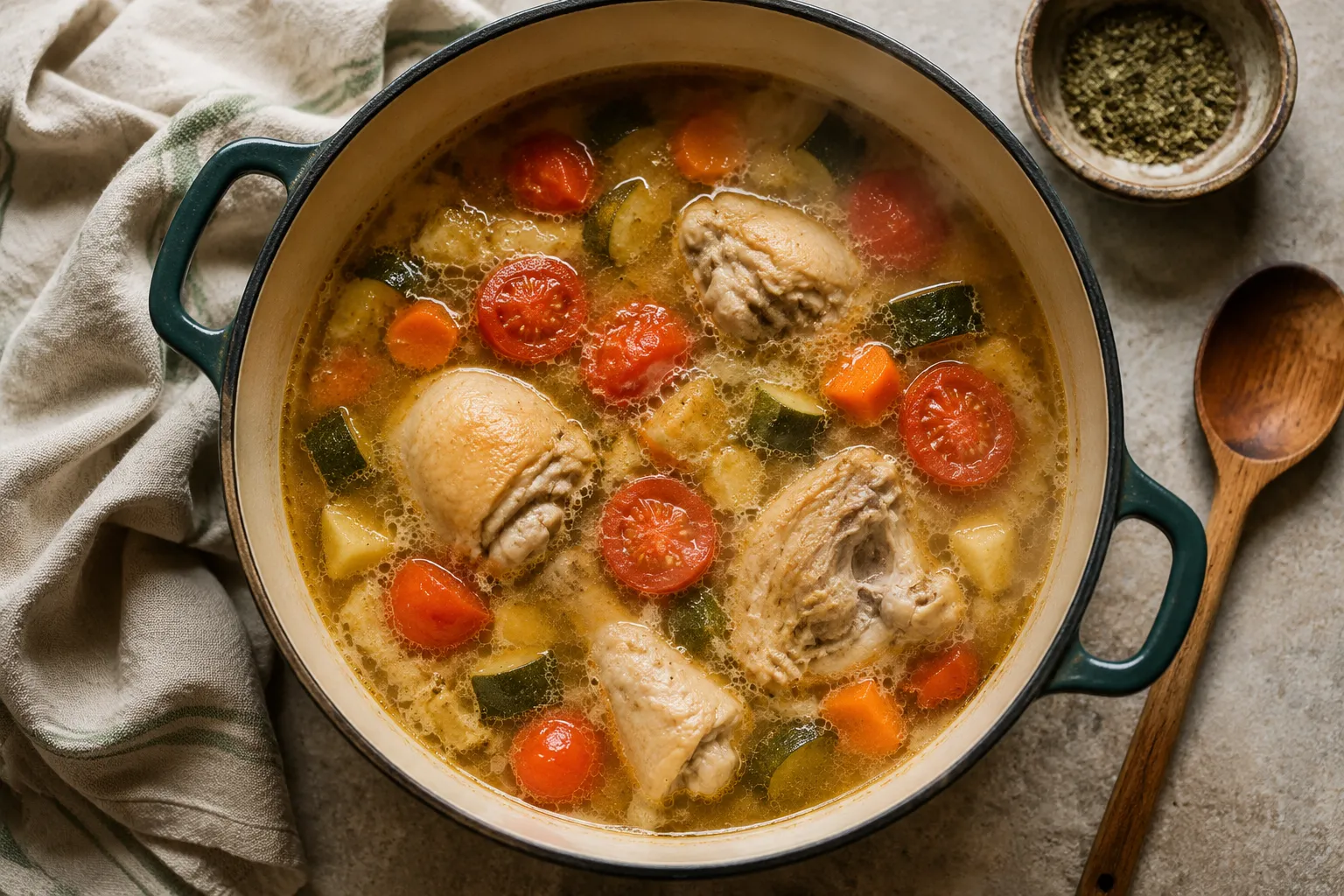
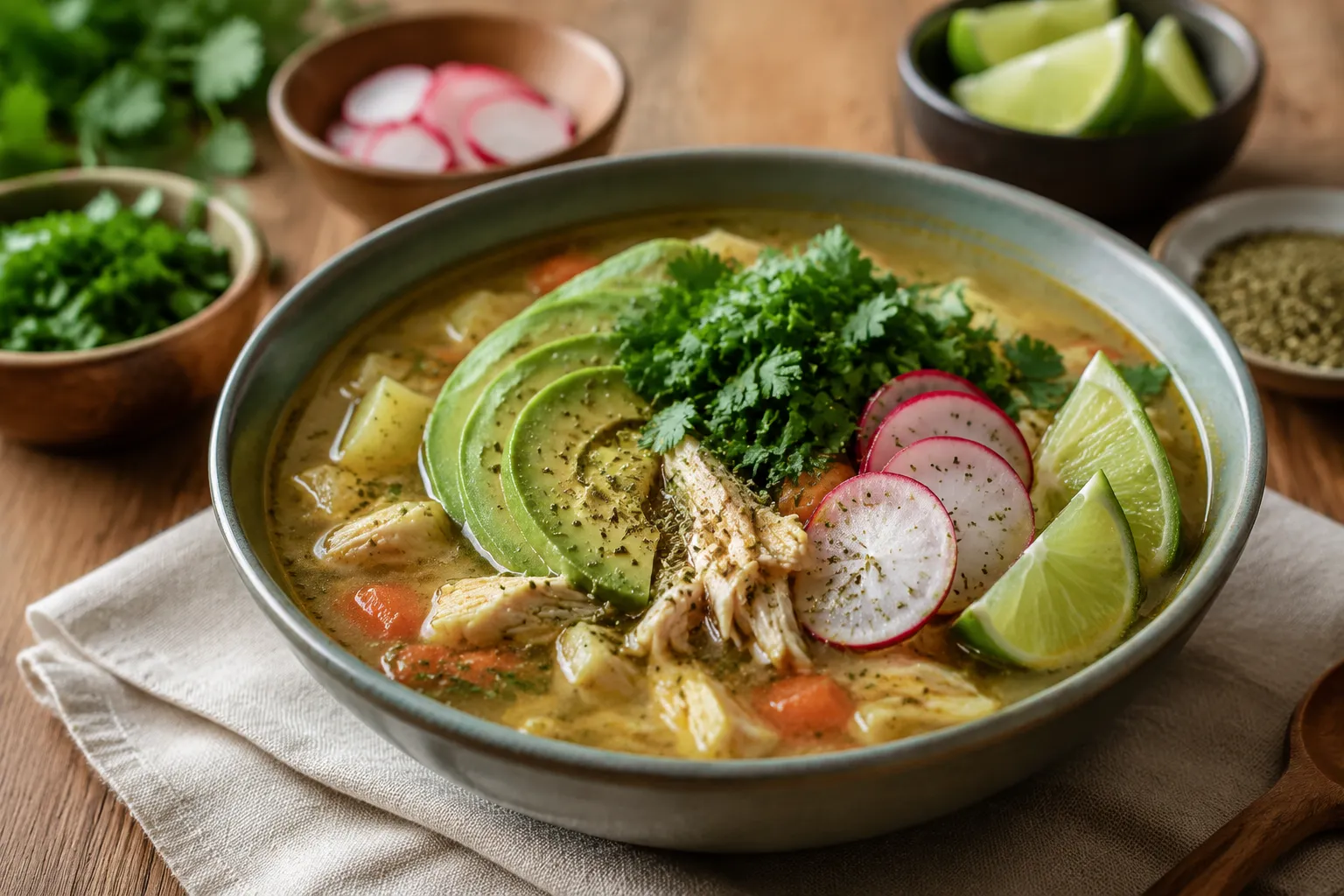
Plate it in deep bowls and let everyone build their own. Lime wedges, chopped cilantro, diced avocado, sliced radish, and warm corn tortillas at the table — that's the move. The recipe scales down to four or up to ten without complaint, and it gets even better the next day.
Once you have caldo de pollo down, the leap to a Mexican shrimp soup is shorter than you'd think. Caldo de camarón swaps poultry for shellfish, adds a smoky guajillo-tomato base, and finishes much faster. It's the bowl I make on Fridays during Lent and any night I want big flavor in under thirty-five minutes.
To build it, toast two or three dried guajillo chiles (stems and seeds removed) in a dry skillet for about thirty seconds per side, then soak them in hot water until soft. Blend with Roma tomatoes, garlic, onion, and a cup of the soaking liquid until smooth, then strain into a pot with more broth and bring to a simmer. Add diced potato and carrot, and simmer until just tender. The base alone is worth bottling.
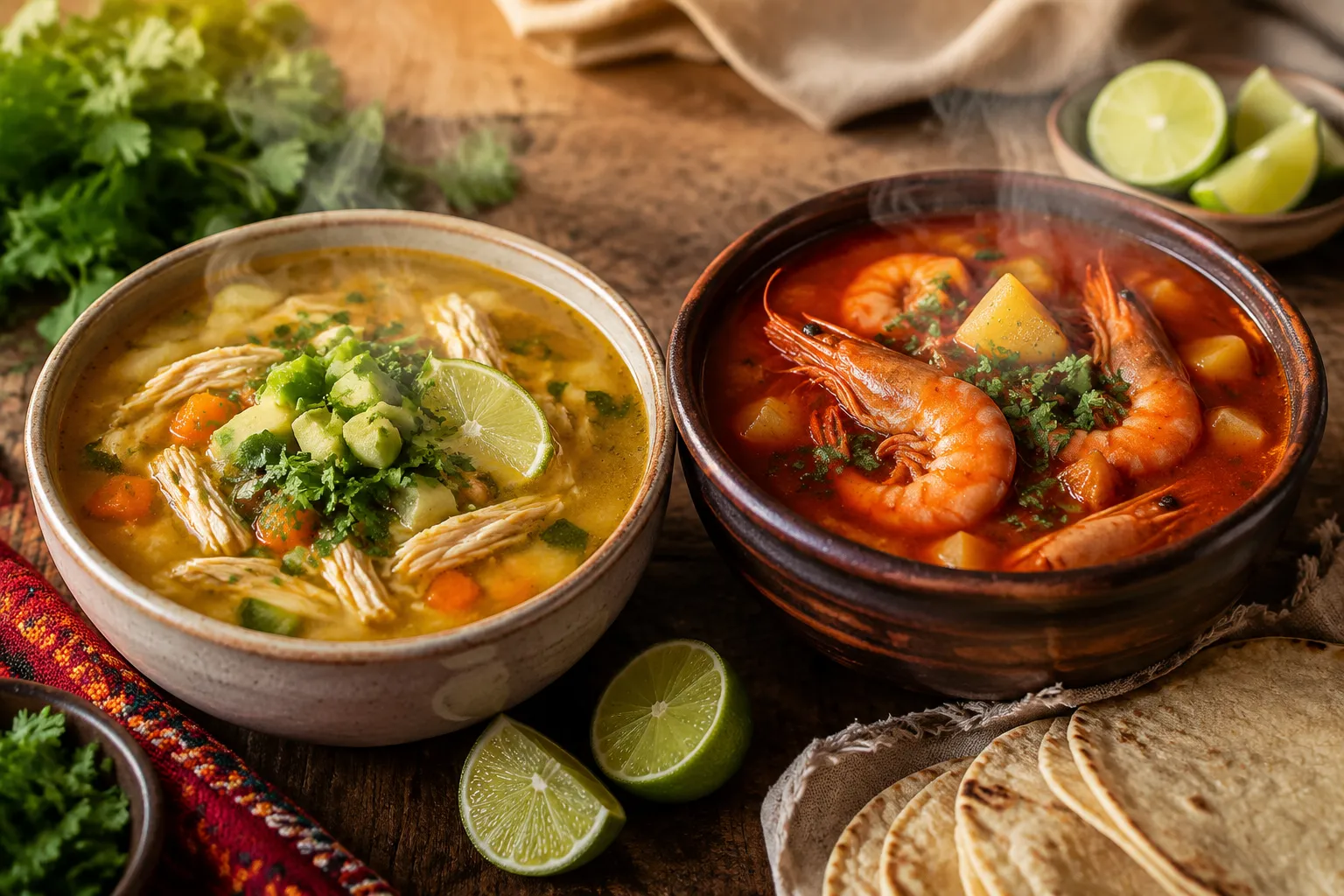
For the seafood, sopa de camarón traditionalists often start with dried shrimp for that unmistakable briny depth, but fresh works beautifully on its own. If you're using prawns or large shrimp, peel and devein them, but reserve the shells. Simmer the shells in your broth for ten minutes before straining — that's the secret to a Mexican prawn soup that tastes like it came from the coast. Add the cleaned shrimp meat in the last three to four minutes only, just until the tails curl and the flesh turns opaque. Any longer and you've crossed into rubbery territory.
The ritual of dressing the bowl is half the joy of these soups. Set out small dishes of diced avocado, sliced radish, chopped white onion, fresh cilantro, lime wedges, and a saucer of dried Mexican oregano so everyone can build their own. A little crumbled queso fresco or cotija on top adds salty contrast, and a few crushed tortilla chips (or thin homemade strips, if you're channeling a tortilla soup vibe) bring crunch.
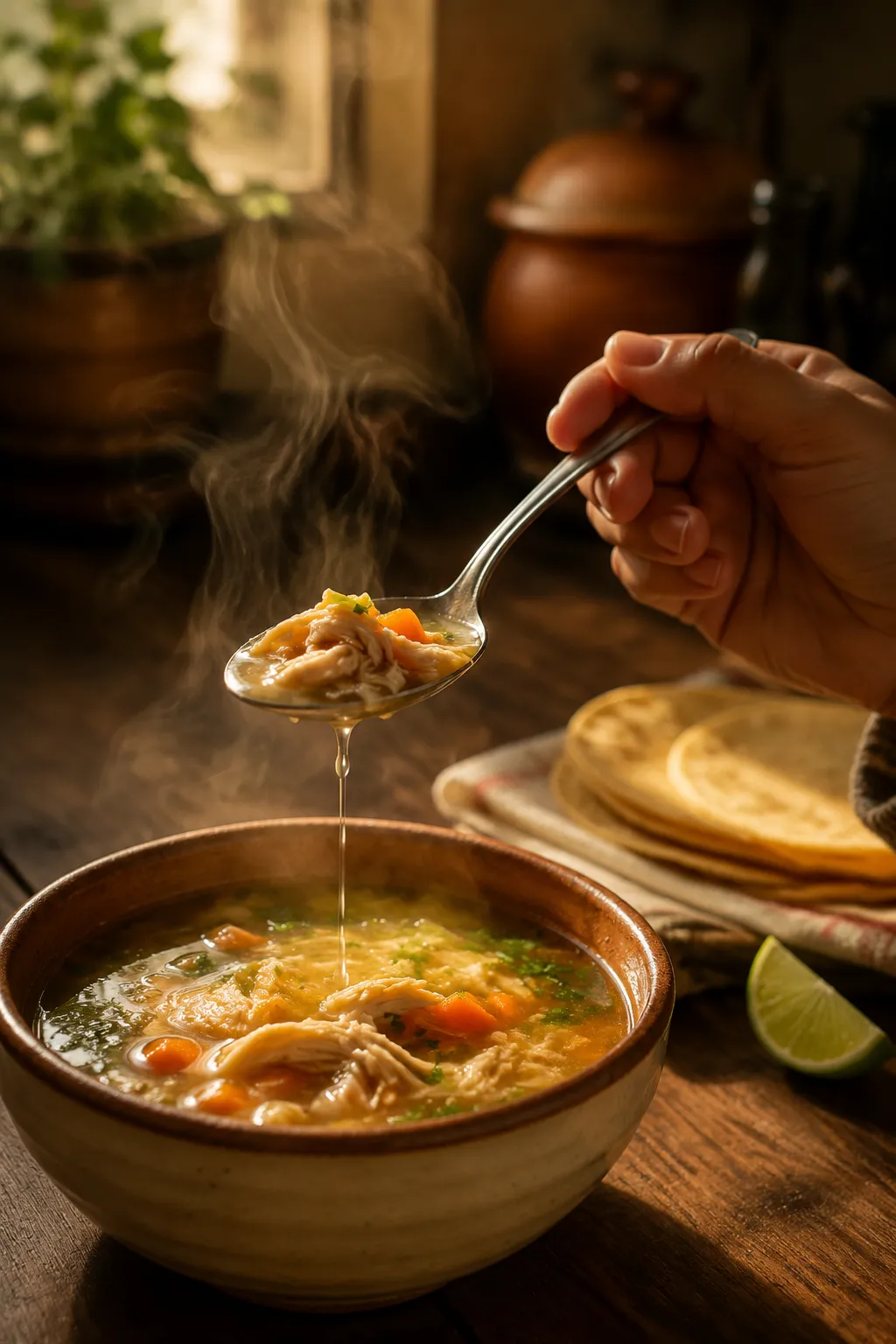
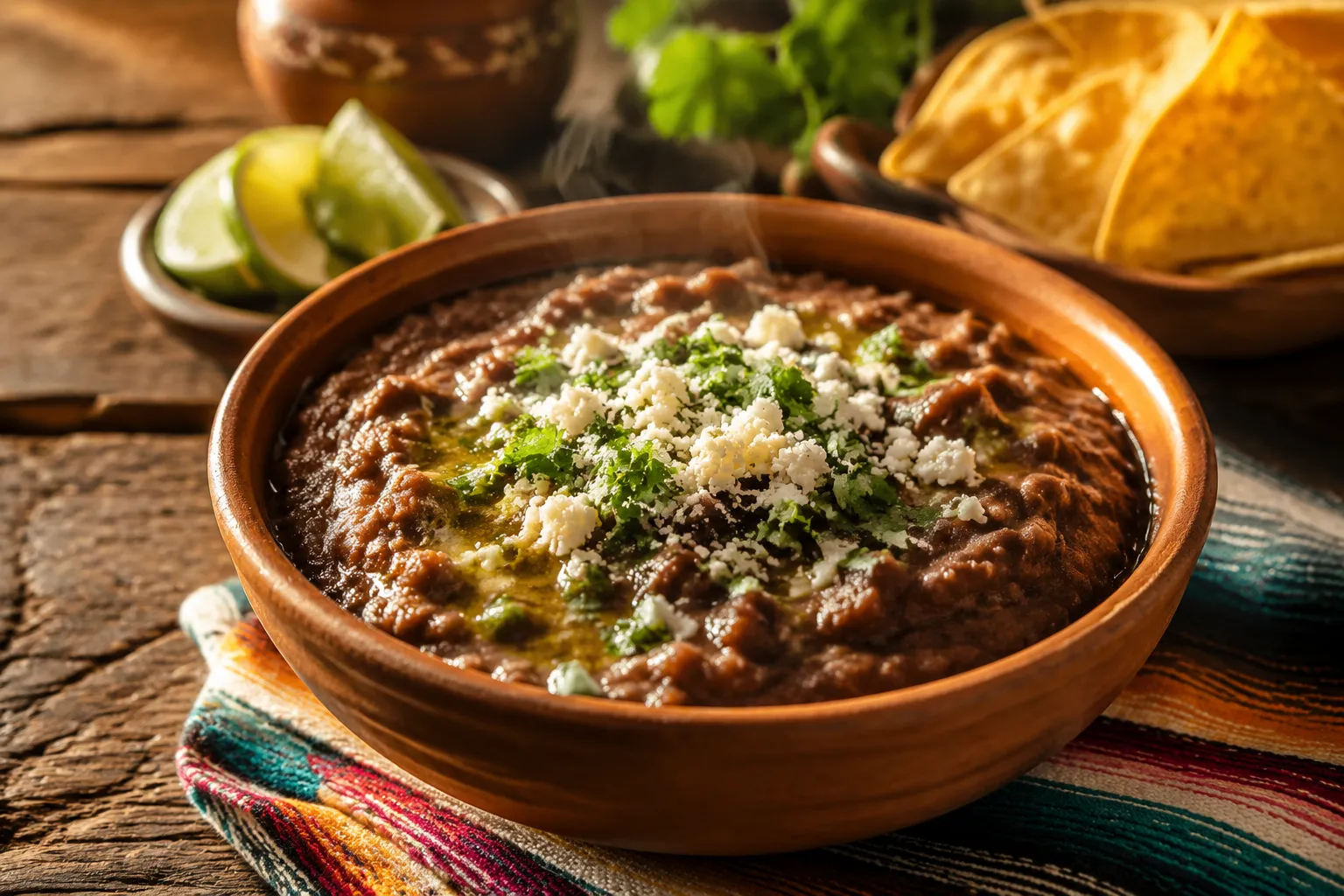
For the table, warm corn tortillas are non-negotiable; flour tortillas or a basket of bolillo rolls are also fair game, and a side of Mexican rice with a small dish of refried beans turns soup night into a full meal. As for drinks, a glass of agua fresca (jamaica, horchata, or tamarindo) is the classic, but a crisp Mexican lager with lime, a hibiscus iced tea, or even a mineral water with a heavy squeeze of lime all work beautifully. Save dessert for something light, like fresh fruit with chile-lime salt or a small flan.
Whichever of these mexican soups you start with, the rhythm is the same: build a flavorful broth, simmer with intention, and finish at the table with bright, fresh garnishes. Make it once and it becomes a recipe; make it three times and it becomes a tradition. I'd love to know which bowl you reach for first.
The featured caldo de pollo is endlessly adaptable, and most of these tweaks work across the broader family of soups in this roundup.
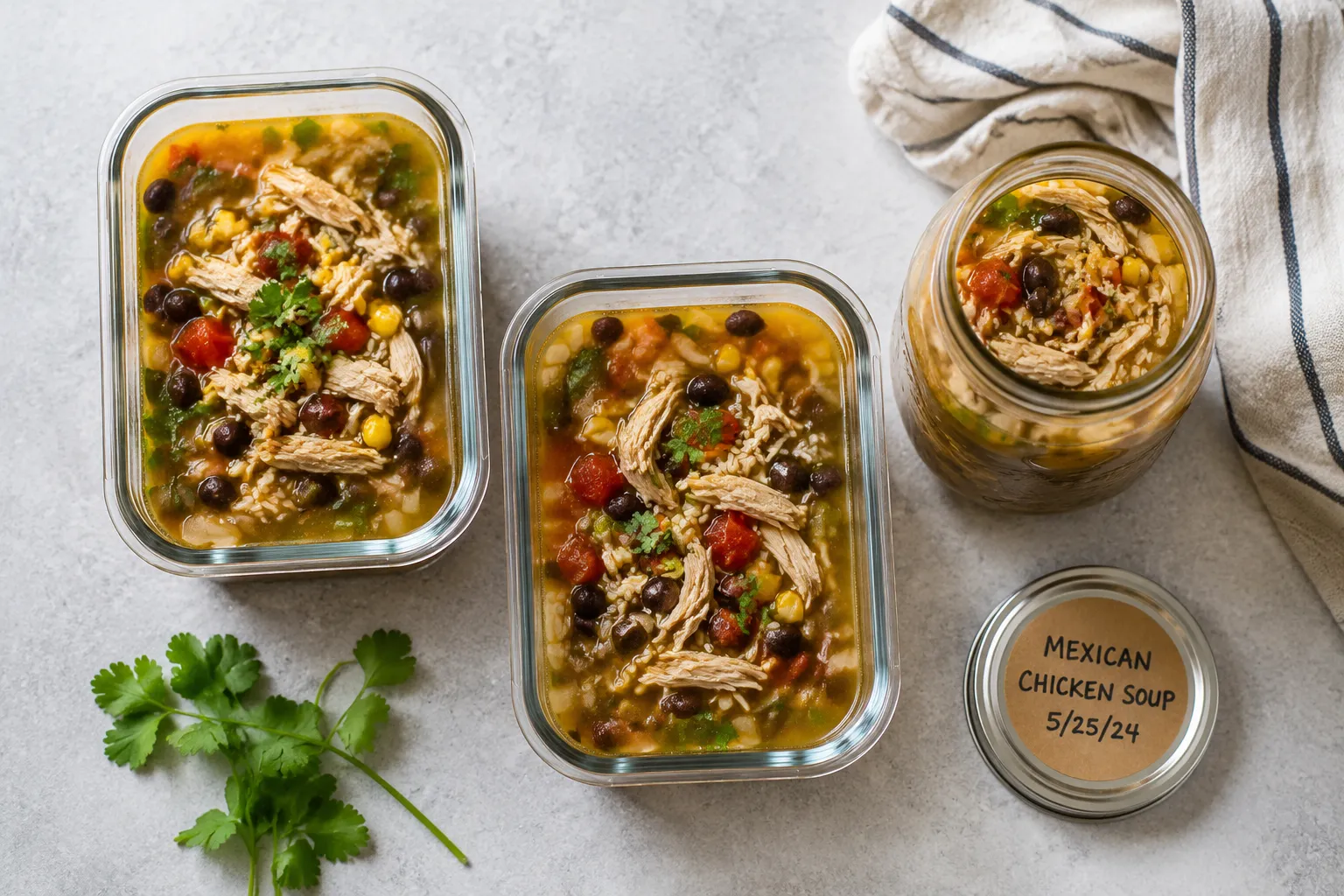
Cool the soup quickly by transferring it to shallow containers, then refrigerate within two hours. It keeps beautifully for up to four days in the fridge and up to three months in the freezer. For best texture, store the broth and chunky add-ins together but keep the rice separate if you're making it more than a day ahead, since rice will continue to soak up liquid and turn mealy. Glass meal-prep containers or wide-mouth mason jars (leave an inch of headspace if freezing) work great for grab-and-go lunches.
Reheat gently on the stovetop over medium-low heat until just steaming — boiling will overcook any chicken or shrimp that's already in the pot. From frozen, thaw overnight in the fridge or warm straight from frozen in a covered pot, stirring often. Always add fresh garnishes (lime, cilantro, avocado, radish) right before serving, since they don't store well once they hit hot broth.