Campanelle Pasta: Easy Brown Butter Parmesan Recipe
Ingredients
Scale
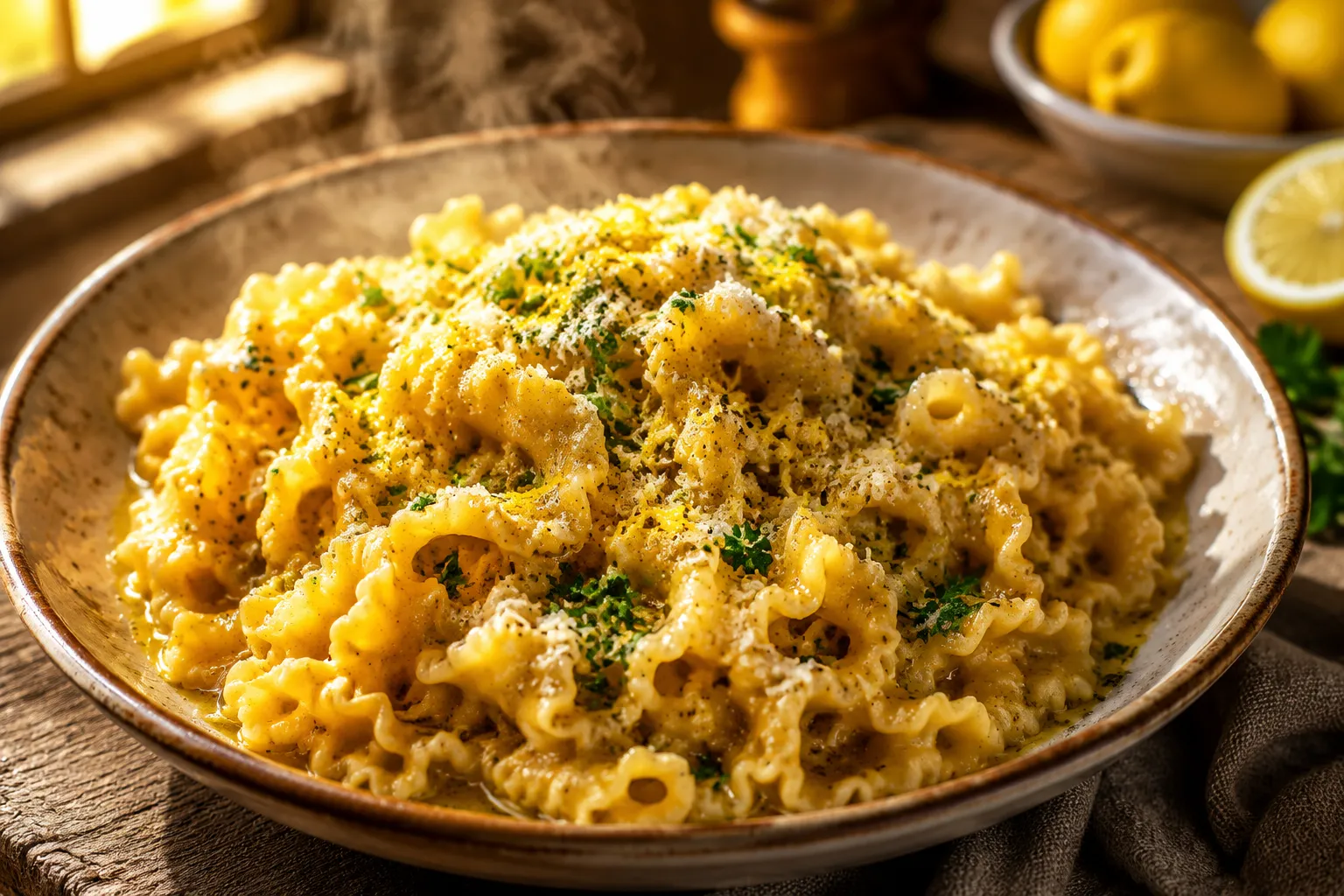
Campanelle pasta is the bell-shaped beauty built to trap sauce in every ruffle. Here is the simple brown butter parmesan recipe that proves it.
Campanelle is the kind of pasta shape that makes dinner feel a little more special before you have even opened the butter. Its fluted, bell-like curls look elegant in the bowl, but the real magic is how those ruffled edges catch glossy sauce, flecks of garlic, and salty shavings of parmesan in every bite.
This easy brown butter parmesan version is simple enough for a Tuesday night and polished enough for a cozy dinner with friends. The sauce is nutty, garlicky, lemony, and silky without needing cream, and it leans into everything this bell-shaped pasta does best. If you have been looking for a new pasta-night staple, this is one of those campanelle pasta recipes that earns a permanent spot in the rotation.
Campanelle pasta is a small Italian shape with a curled cone or flower-like form and a pretty ruffled edge. The name translates to “little bells,” which makes sense the moment you see the shape: each piece looks like a tiny bell or trumpet with frilly edges. It is one of the most charming Italian pasta shapes, but it is not just decorative. Those folds create pockets that hold sauce beautifully, making it especially good with creamy, buttery, chunky, or vegetable-heavy sauces.
You may also see it labeled as campanelli pasta at some grocery stores or specialty markets. The two names refer to the same general shape, with the spelling varying by brand and translation. In the U.S., “campanelle” is the more common package label, while “campanelli” is often used as an alternate Italian plural form. Either way, if the pasta looks like little bells with ruffled rims, you have the right box.
The shape matters because sauce needs somewhere to go. Smooth noodles can be lovely, but a twisted or ridged pasta gives butter, cheese, garlic, herbs, and starchy pasta water something to cling to. In this recipe, the curves hold the brown butter pasta sauce so the bowl tastes rich and cohesive instead of slick or oily. It is the difference between pasta with sauce on it and pasta that tastes fully dressed.
The ingredient list is short, so each piece should pull its weight. Start with 12 ounces of dry pasta, ideally the bell shape this recipe is built around. If you cannot find it, use cavatappi, fusilli, gemelli, or rotini—anything ridged, twisted, or hollow enough to grab sauce. A delicate long noodle will work in a pinch, but it will not deliver quite the same ruffled, sauce-catching bite.
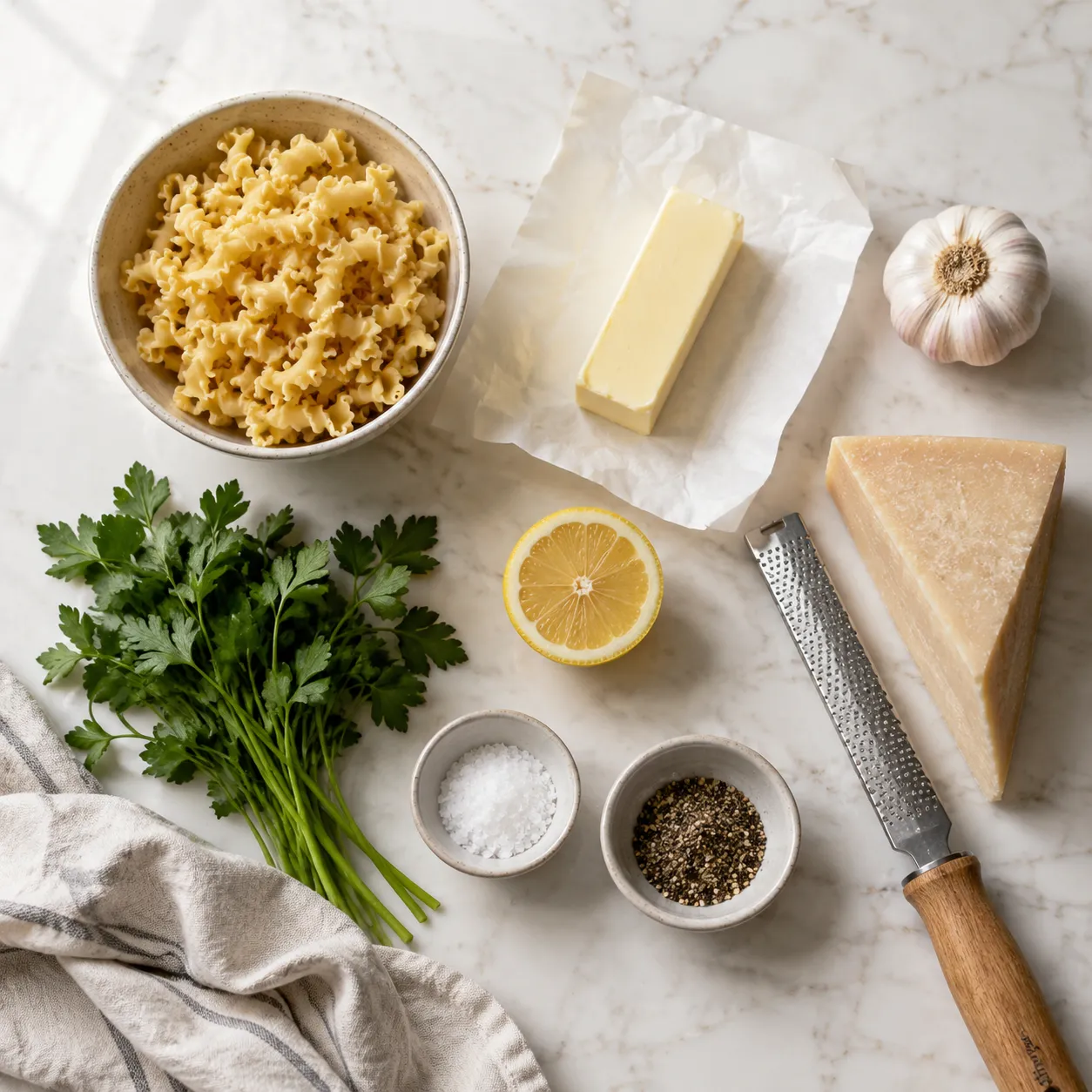
Butter is the backbone of the sauce, and European-style butter is especially wonderful here because it has a higher butterfat content and a fuller flavor. As it melts and foams, the milk solids toast into tiny amber specks that taste like hazelnut and caramel. Garlic goes in after the butter browns so it blooms gently instead of scorching. That timing keeps the sauce fragrant and savory without any bitter edge.
Fresh parmesan is non-negotiable if you want that restaurant-style finish. Pre-grated cheese often contains anti-caking ingredients that can make the sauce grainy, while cheese grated from the block melts into the hot pasta and starchy water more smoothly. A little lemon zest brightens the richness, parsley adds freshness, and black pepper gives the whole bowl a quiet kick. This is homemade parmesan pasta at its simplest: pantry-friendly, but still deeply flavorful.
Begin with a large pot of water and salt it generously. Pasta water should taste well-seasoned because this is your first and best chance to flavor the noodles from the inside out. Once the water is at a rolling boil, add the pasta and stir during the first minute so the curls do not settle together. Cook until al dente, which usually means tender but still pleasantly firm in the center.
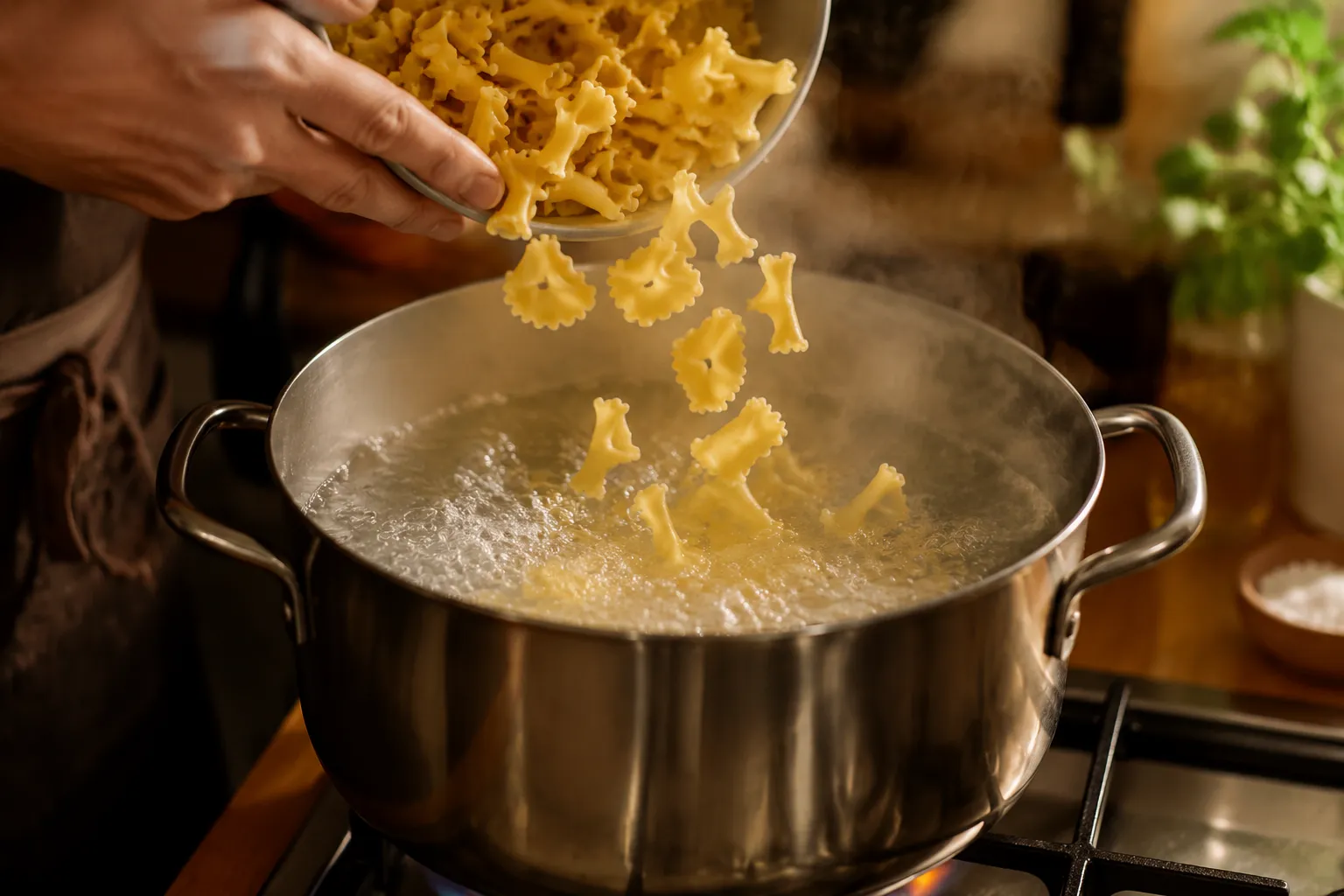
Before draining, scoop out at least one cup of the cloudy cooking water. That starchy liquid is the secret ingredient that turns butter and cheese into a glossy sauce rather than a separated coating. You may not use the full cup, but having it ready gives you control over the final texture. Think of it as pasta insurance.
While the pasta cooks, brown the butter in a wide skillet over medium heat. It will melt, foam, quiet down slightly, and then begin to smell nutty as golden specks form on the bottom of the pan. Swirl the skillet often so the milk solids toast evenly. The moment the butter turns amber and smells like toasted nuts, reduce the heat and add the garlic.
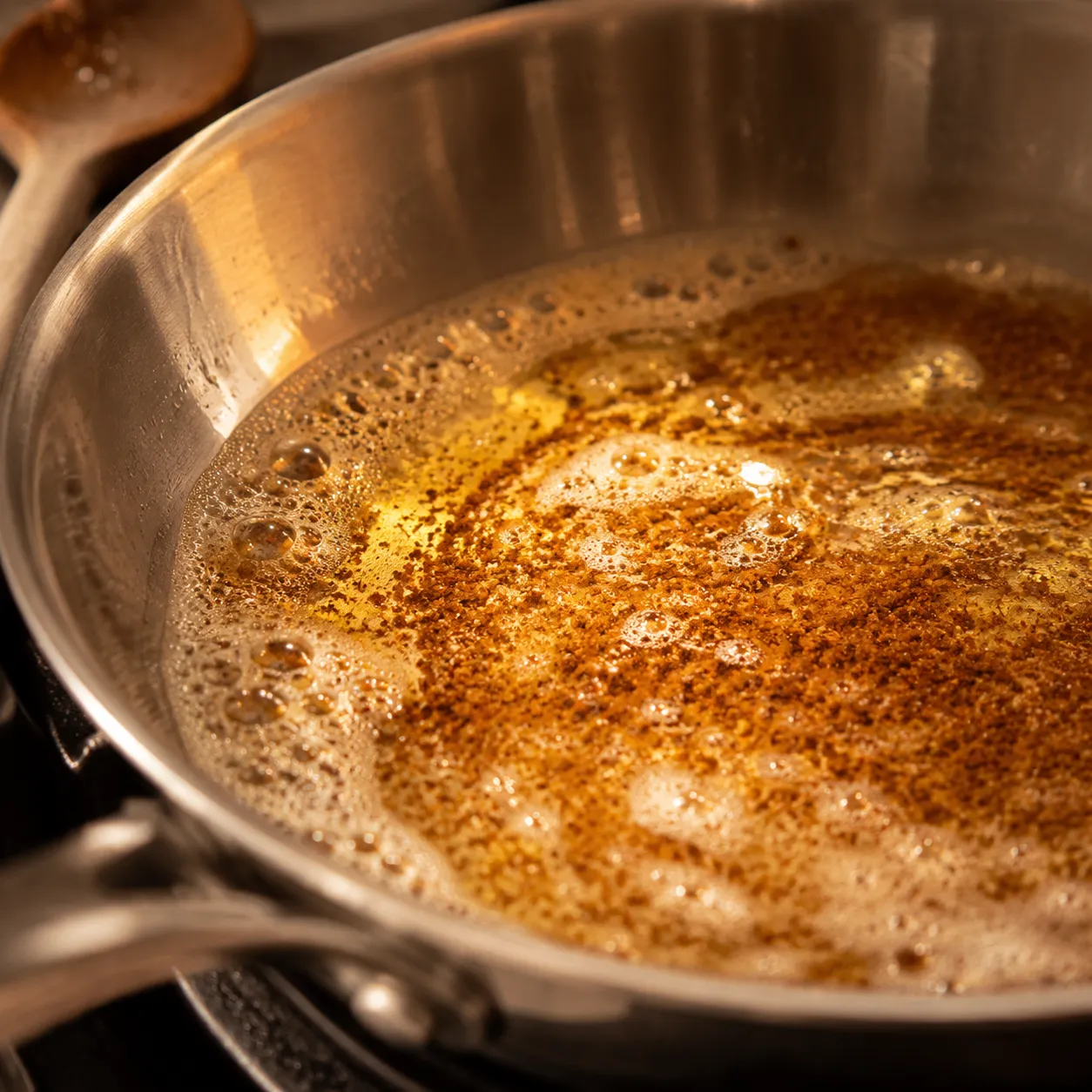
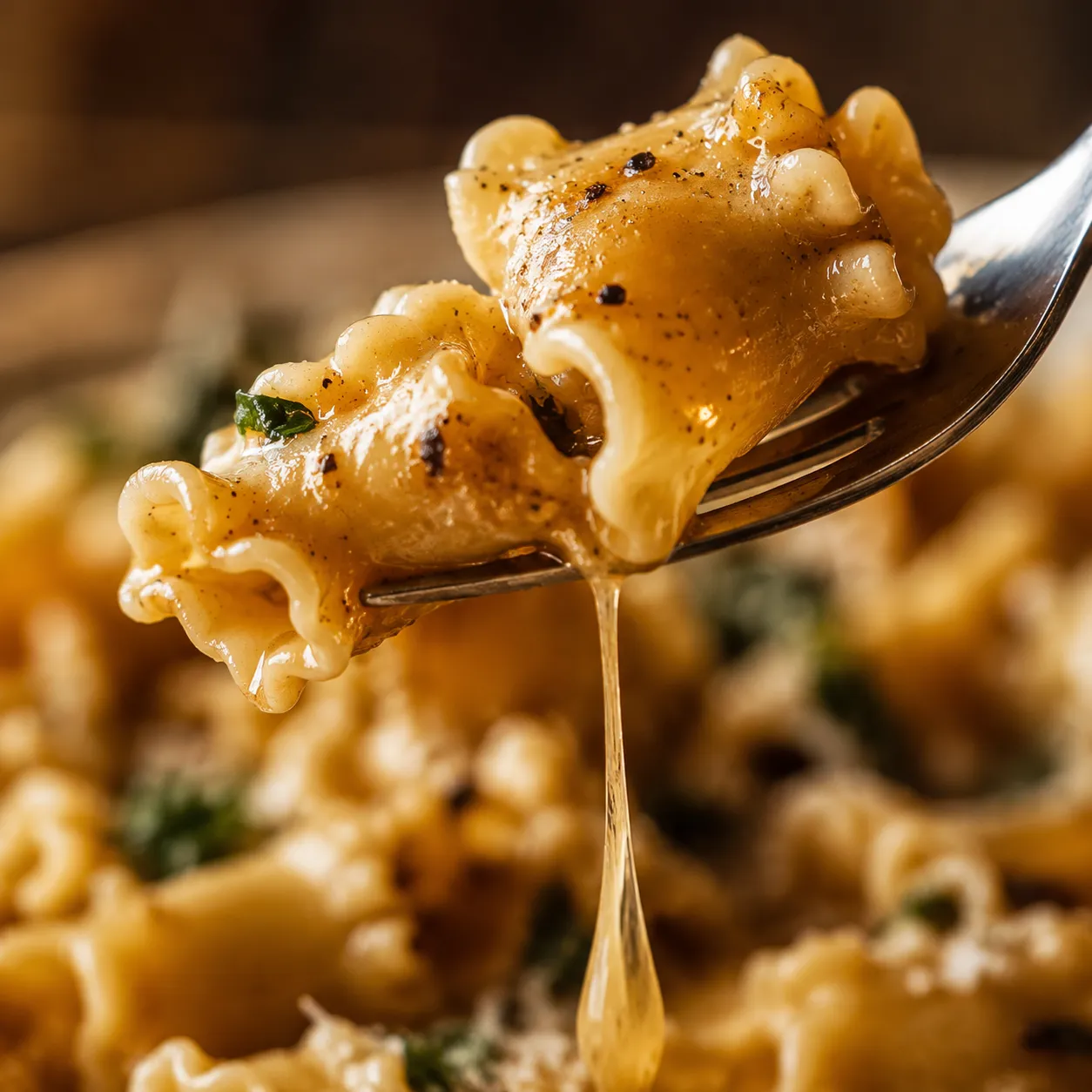
The garlic only needs a short sizzle—about thirty to sixty seconds—because the residual heat of the browned butter is powerful. If it darkens too much, the entire sauce can take on a harsh flavor. Add the drained pasta to the skillet along with a splash of reserved pasta water, then toss with steady, confident motions. The water, butter, and starches begin to emulsify, coating the ruffles in a shiny golden glaze.
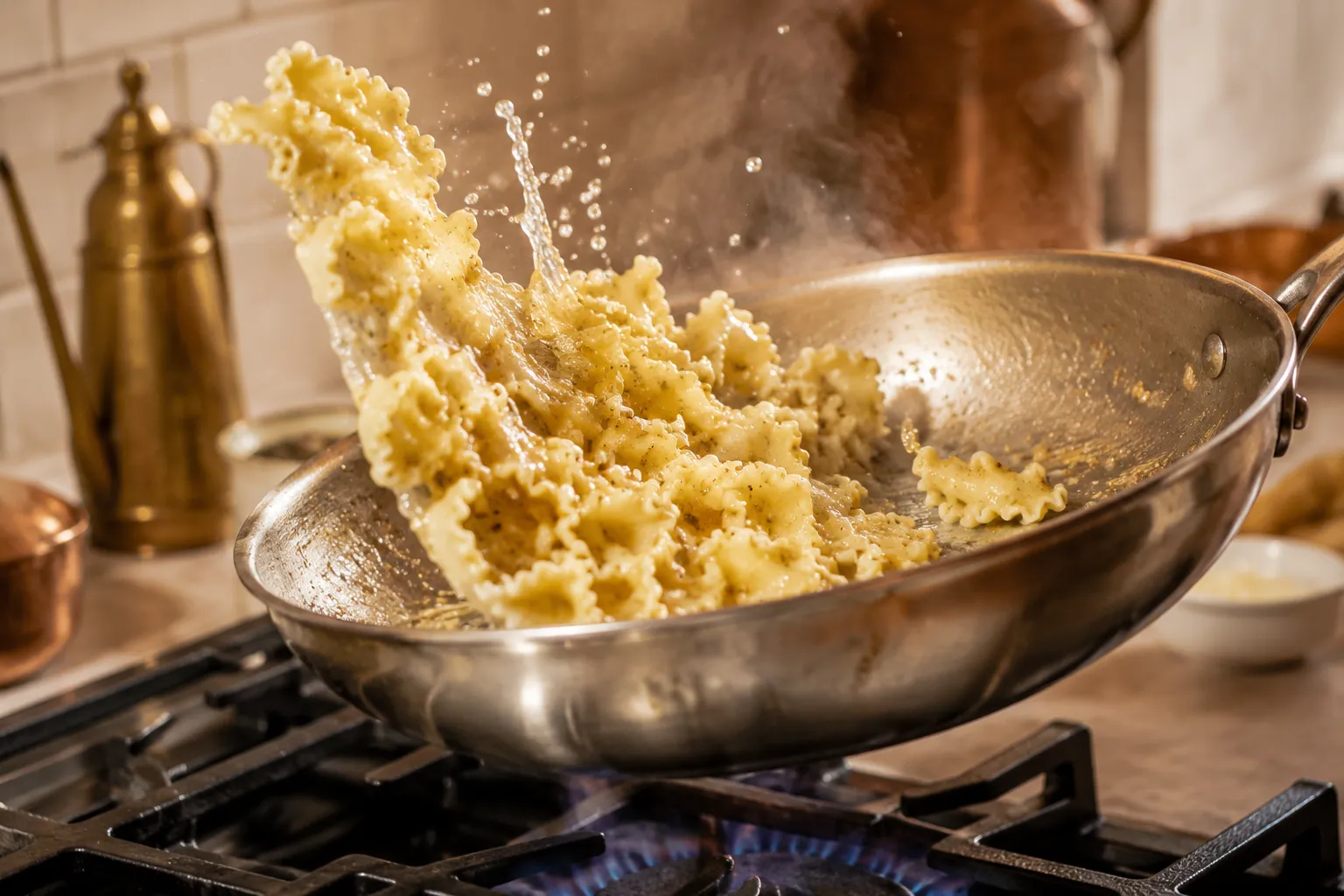
Once the pasta is glossy, turn off the heat before adding the cheese. This small pause matters because parmesan melts best with warmth, not aggressive heat. Sprinkle it in gradually, tossing as you go and adding more pasta water as needed until the sauce looks creamy and fluid. Finish with lemon zest, parsley, and black pepper, then taste before adding more salt since the cheese brings plenty of salinity.
Brown butter is one of the easiest ways to make a short ingredient list taste layered and luxurious. Instead of simply melting butter, you are toasting its milk solids until they become golden, nutty, and fragrant. That flavor pairs naturally with parmesan, which brings salt, umami, and a subtle fruity sharpness. Together, they create a sauce that tastes far more complex than the effort suggests.
The pasta shape is also doing real work. Each ruffle catches the toasted butter solids, minced garlic, and fine shreds of cheese, so the seasoning does not slip to the bottom of the bowl. This is why the recipe feels balanced without cream, flour, or a long simmer. The texture comes from the marriage of hot pasta, starchy cooking water, cheese, and motion.
Lemon zest is the quiet little flourish that keeps the dish lively. It does not make the pasta taste lemony in an obvious way; instead, it lifts the butter and sharpens the cheese. Fresh parsley adds a clean herbal finish, while cracked black pepper cuts through the richness. The end result is cozy, golden, and bright all at once.
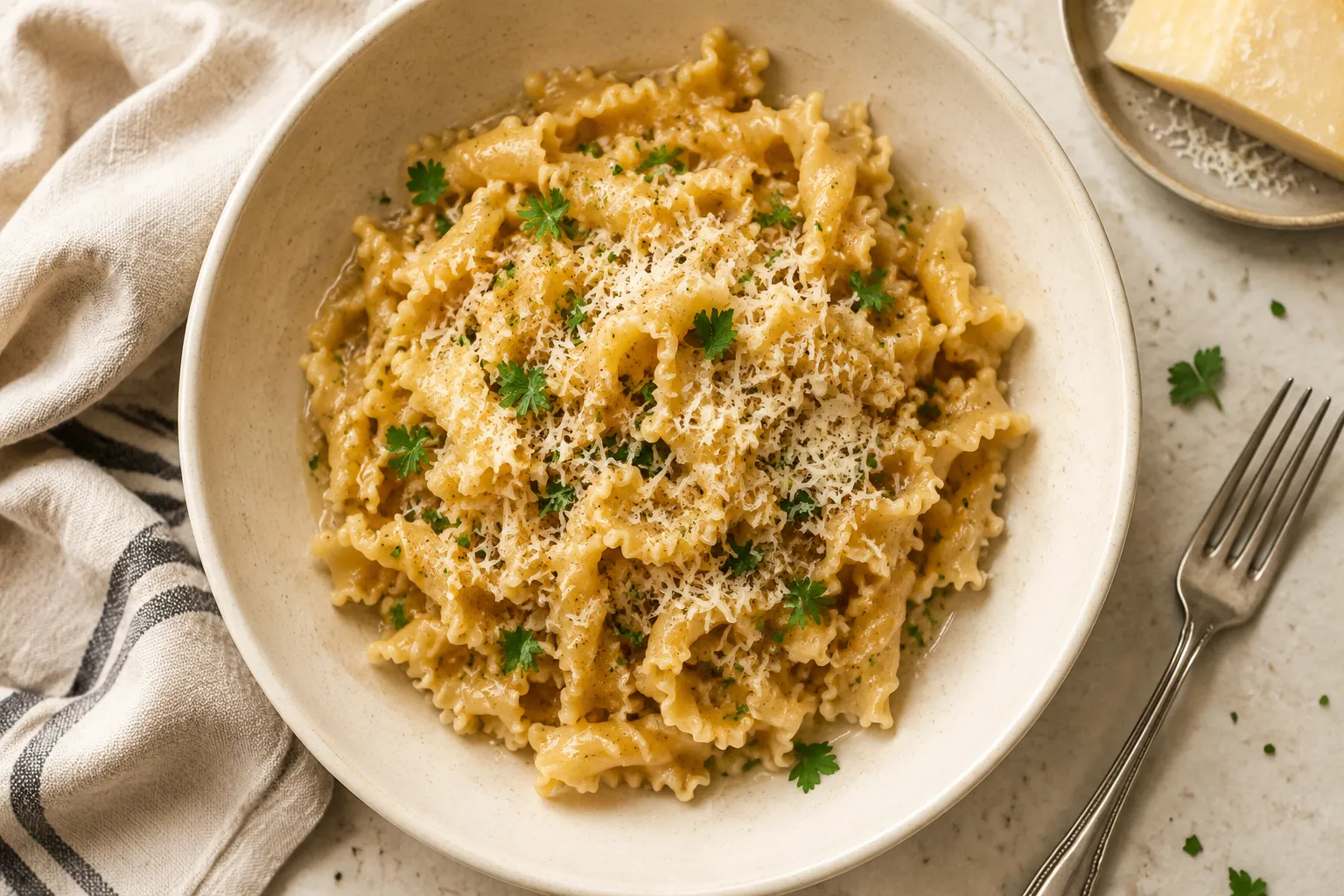
A creamy-tasting pasta does not always need cream. In this recipe, the sauce becomes luscious through emulsification, which is simply the process of bringing fat and water together into one smooth mixture. The fat comes from brown butter, while the water comes from the starch-rich pasta cooking liquid. Tossing helps those ingredients bind, and the cheese finishes the job.
This is why timing and heat control matter more than complicated technique. If the skillet is too hot when the cheese goes in, the parmesan can clump or turn stringy. If the pasta is too dry, the sauce can feel greasy rather than glossy. Keep the heat gentle, add the cheese in small handfuls, and use pasta water a splash at a time until the sauce hugs each piece.
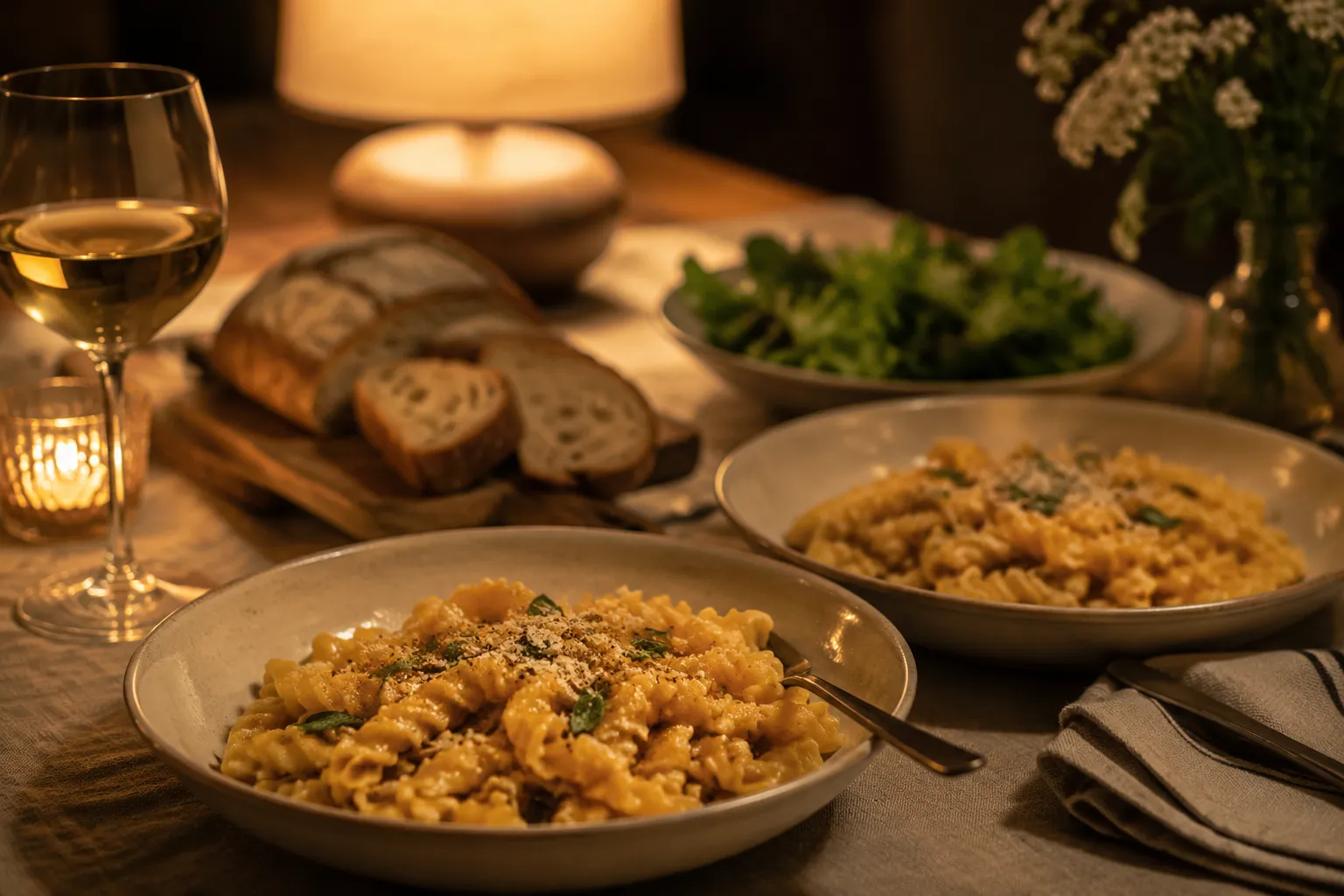
This pasta is rich but not overly heavy, so it plays well with simple sides. A crisp green salad with lemon vinaigrette is lovely, especially if you want something bright next to the nutty sauce. Roasted broccoli, asparagus, or green beans also fit naturally with the parmesan and garlic. If you are serving it as the main event, add crusty bread for swiping up any glossy sauce left in the bowl.
For protein, keep things understated. Seared chicken cutlets, roasted salmon, garlicky shrimp, or crispy prosciutto all work without distracting from the pasta itself. A glass of chilled white wine or sparkling water with lemon makes the meal feel fresh and balanced. This is the kind of dinner that looks relaxed on the table but tastes like you ordered it at a cozy neighborhood trattoria.
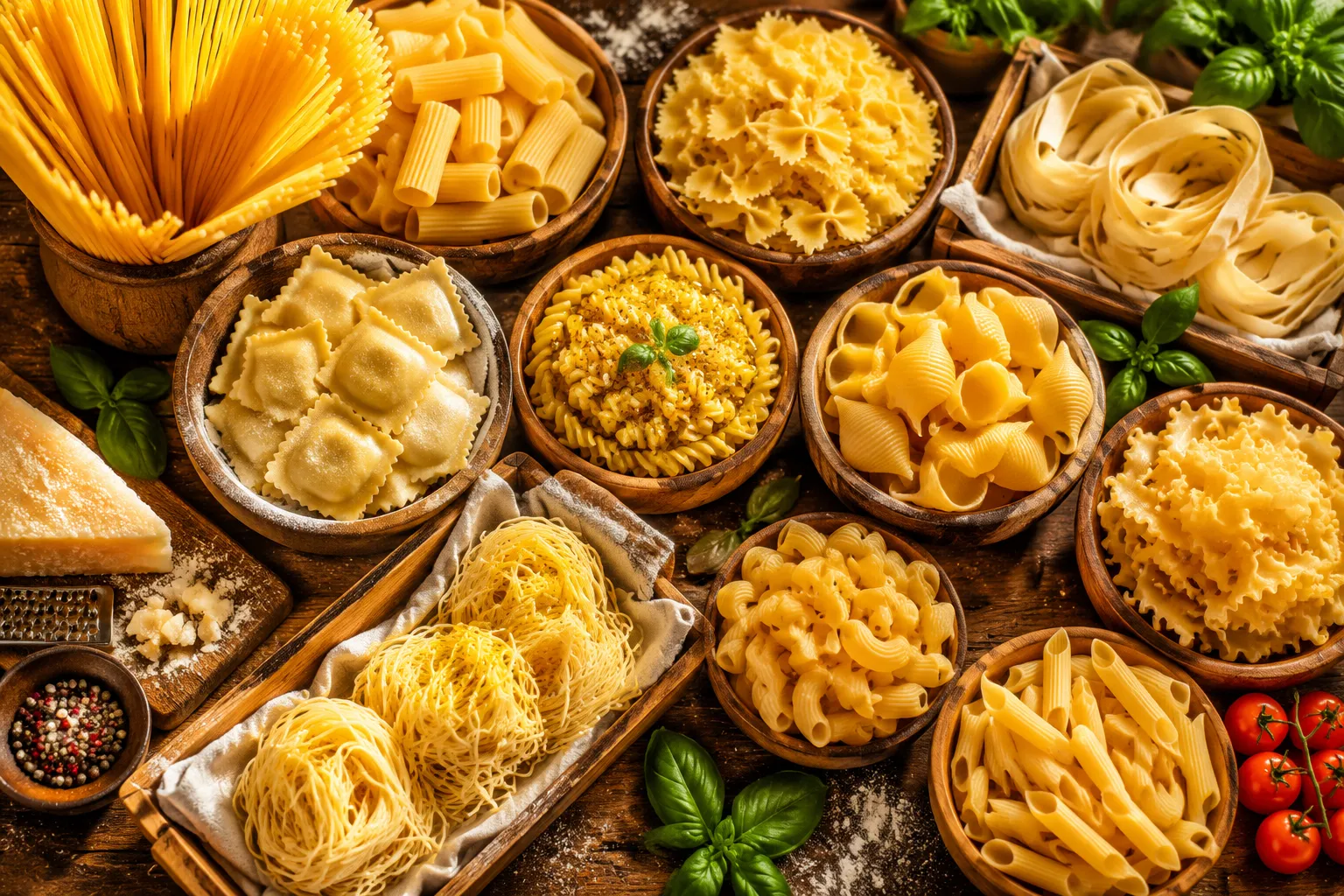
If your store is out of this shape, choose a substitute that shares the same sauce-grabbing personality. Cavatappi is excellent because its spirals and hollow center hold buttery sauces well. Fusilli and rotini are easy-to-find options with plenty of ridges, while gemelli offers a springy twist that works nicely with cheese-based sauces. The goal is to avoid anything too smooth or flat when the sauce is this delicate.
For future bowls, this shape is also wonderful with pesto, sausage ragu, roasted tomato sauces, and creamy mushroom sauces. It can handle chunky add-ins because the curled form traps small pieces of vegetables and herbs. That flexibility is why it belongs in the pantry next to your favorite penne and rigatoni. Once you learn how it behaves, it becomes a go-to shape for quick dinners and weekend sauces alike.
This recipe rewards paying attention to small cues: the smell of the butter, the feel of the pasta, and the look of the sauce as it turns glossy. None of the steps are difficult, but they do move quickly once the pasta is drained. Have the garlic minced, the cheese grated, and the lemon zested before you start browning the butter. A little prep makes the whole dish feel calm and effortless.
If you end up with leftovers, tuck them into a shallow container once cooled and keep a splash of water or broth in mind for reheating. Butter-and-cheese sauces firm up in the fridge, but they loosen nicely with gentle heat and a little moisture. It is the kind of next-day lunch that still feels special, especially with extra parsley and pepper on top. From the first glossy toss to the last forkful, this is a simple pasta that makes a strong case for keeping the little bells in your regular dinner lineup.
Once you have the brown butter parmesan method down, this pasta shape is endlessly adaptable. Keep the same basic sauce technique, then build in vegetables, protein, or a different flavor profile depending on what you have in the fridge.
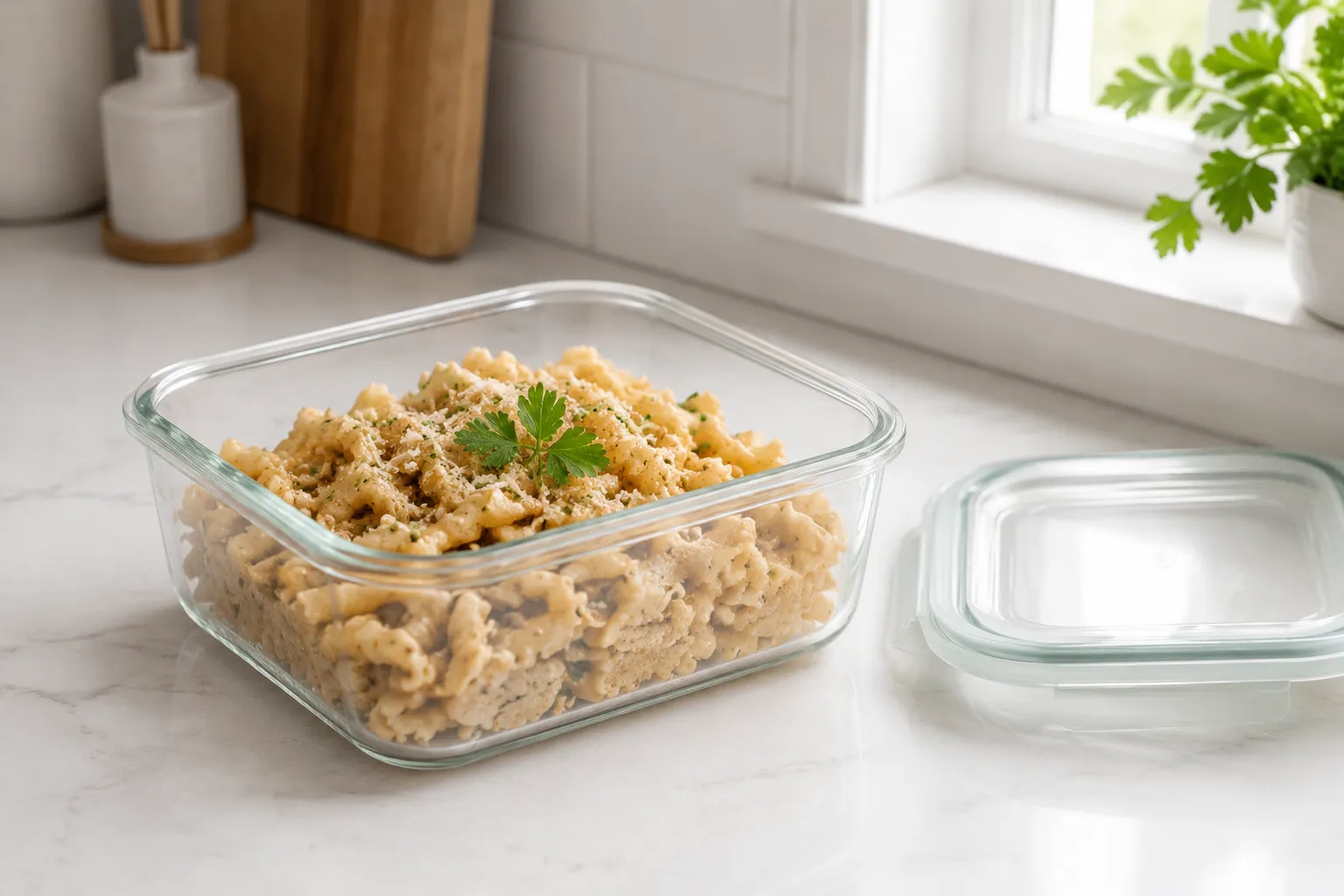
Store leftovers in an airtight container in the refrigerator for up to 3 days. Because this is a butter-and-cheese sauce, it will firm up as it chills; that is completely normal.
Reheat gently in a skillet over low heat or in the microwave at 50% power, adding a splash of water, broth, or milk to loosen the sauce. Freezing is not ideal because parmesan sauces can become grainy after thawing, but the pasta is still safe to freeze for up to 2 months if texture is not your top priority.