Turkey Brine Recipe: Juiciest Thanksgiving Bird Ever
Ingredients
Scale
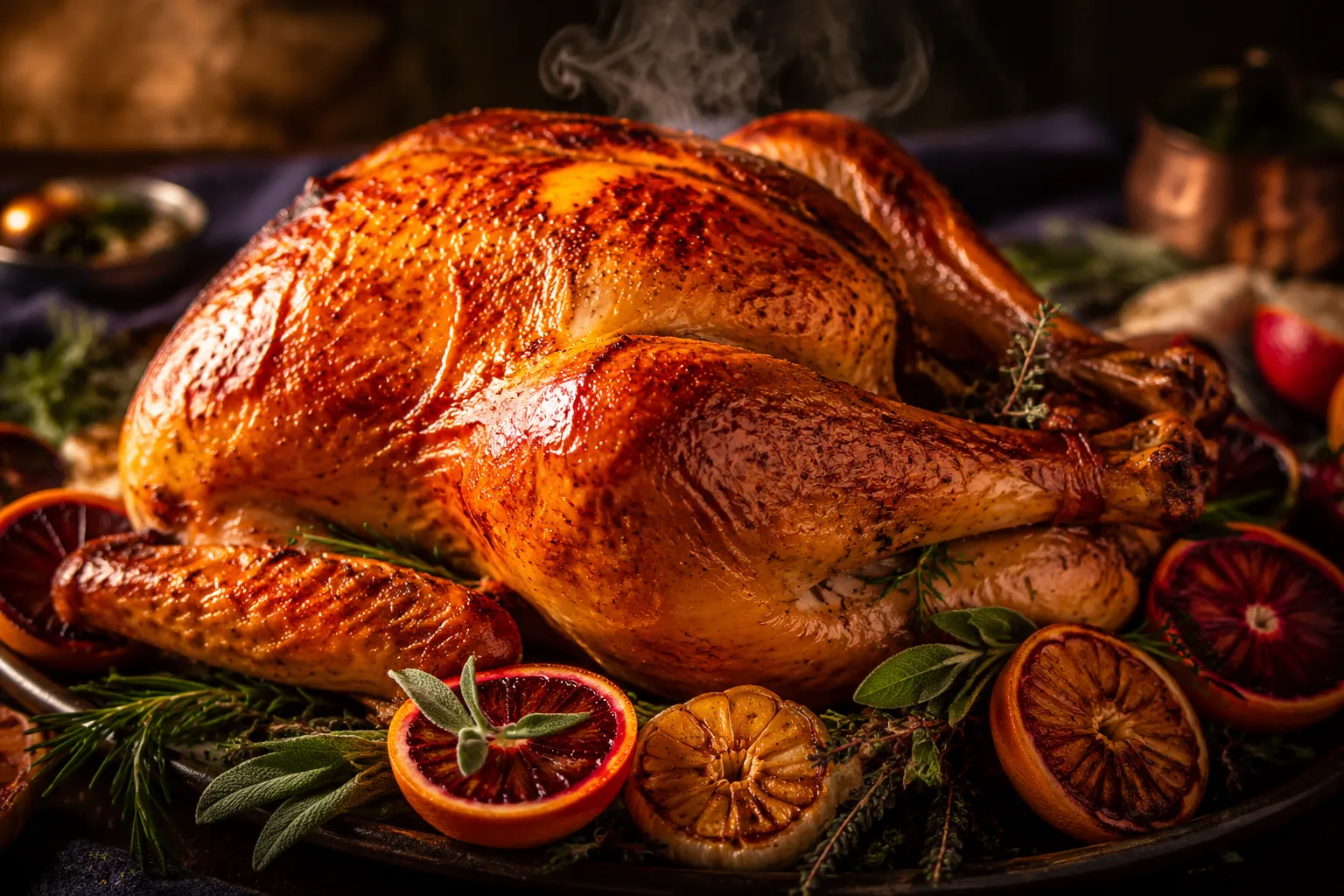
The only turkey brine recipe you'll ever need: a fragrant herb-and-citrus wet brine that locks in moisture and delivers crisp, golden skin every single time.
This turkey brine recipe is the secret weapon I pull out every November, and once you taste the difference, you'll never roast a dry, sad bird again. We're talking deeply seasoned meat all the way to the bone, glassy crackling skin, and pan drippings rich enough to make a gravy that has everyone leaning over the table for seconds. It's the kind of upgrade that takes 15 minutes of hands-on work and pays off for hours.
I've tested this brine on everything from a 12-pound supermarket bird to a 22-pound heritage turkey for a crowd, and the formula holds up. The base is just kosher salt, brown sugar, water, and apple cider, but layered with garlic, fresh rosemary, thyme, sage, citrus, and peppercorns, it tastes like the holiday itself. If you've been wondering how to brine a turkey without buying a 50-gallon cooler or playing freezer Tetris for three days, the same-day quick-chill method below is going to feel like a small miracle.
Whether you're hosting your very first thanksgiving turkey or you've been carving for two decades, brining is the single biggest jump in quality you can make. The science is simple, the ingredients are pantry-friendly, and the results are honestly showstopping. Let's get into it.
Brining is seasoning that goes deeper than skin level. When you submerge a raw bird in salty water, the salt dissolves muscle proteins and rearranges them so they hold onto more moisture during cooking. The result is meat that stays juicy even if you slightly overshoot the oven timer, plus seasoning that's distributed evenly from breast to thigh. A wet brine also gives aromatics a vehicle to travel into the meat, so the herbs and citrus aren't just window dressing.
You'll see plenty of arguments online about wet brine versus dry brine, and the honest answer is that both work. A dry brine (salt rubbed onto the skin) is more hands-off and gives crispier skin, while a wet brine delivers slightly juicier meat and a more pronounced herbal flavor throughout. For a Thanksgiving centerpiece, I prefer this wet brine because the bird absorbs broth, cider, and aromatics at the same time. If you've ever had bland turkey breast that needed gravy to be edible, this fixes that problem permanently.
Expect deeply seasoned meat, a faint sweetness from the brown sugar and cider, and skin that browns into that magazine-cover mahogany when roasted at high heat. The texture is plush and forgiving without being mushy, the way a well-brined chicken thigh feels.
The non-negotiable ratio is 1 cup of kosher salt per gallon of liquid. That's the backbone, and getting it right means the difference between perfectly seasoned and inedibly salty. I always reach for Diamond Crystal kosher salt because the flakes are larger and less dense, but if you only have Morton kosher salt, scale back to ¾ cup per gallon. Table salt works in a pinch at ½ cup per gallon, but the flavor is sharper and less clean.
For aromatics, I use a head of garlic split crosswise, two oranges quartered, a generous bouquet of rosemary, thyme, and sage, plus whole black peppercorns and bay leaves. The garlic mellows into something sweet, the citrus cuts through the rich meat, and the herbs perfume every fiber of the bird. Don't bother chopping anything fine. The brine wants whole, bruised aromatics so the flavor steeps slowly.
Optional but highly recommended: swap two quarts of plain water for unfiltered apple cider, and add ½ cup of brown sugar. The cider adds a subtle orchard sweetness that pairs perfectly with sage, and the sugar helps with browning. If you want to lean savory instead, use vegetable or chicken broth in place of the cider and skip the sugar entirely. This same brine recipe for turkey also works for whole chickens, Cornish hens, and even thick pork loin.
The full play-by-play lives in the recipe card below, but here's the big picture so you understand what's happening at each stage. Start by simmering the salt, sugar, and aromatics in just two quarts of water until the salt fully dissolves and the kitchen smells like Thanksgiving. This bloom step is what separates a so-so brine from a great one, because the gentle heat coaxes oils out of the herbs and citrus peels.
Next comes the part most recipes get wrong: cooling. You absolutely cannot pour a warm brine over raw poultry, because it pushes the meat into the food-safety danger zone. The shortcut here is to add the remaining cold water plus a big bag of ice directly to the hot brine. Within minutes you have a fully chilled solution and you can move on the same day instead of waiting overnight.
Submerge the bird in a food-safe brining bag, large stockpot, or clean cooler with ice packs, making sure it is fully covered. Always brine turkey in a fully thawed state so the salt penetrates evenly. Refrigerate for 12 to 24 hours, no longer. Then comes the most important finishing move: rinse the turkey under cold water, pat it bone-dry with paper towels, and let it sit uncovered on a rack in the fridge for at least 4 hours, ideally overnight. This air-drying step is what gives you that shatteringly crisp skin everyone fights over.
This same brine is my go-to when I'm feeding the smoker, with a couple of small tweaks. For a smoked turkey recipe I cut the brown sugar back to ¼ cup since the smoke itself adds sweetness and the sugar can scorch over long cooks. I also bump up the peppercorns and add a tablespoon of crushed juniper berries when I have them. The result is a smoky, herby bird with that pink smoke ring you brag about.
If you're brining bone-in pieces like turkey legs, thighs, or a spatchcocked half-bird, halve the brine and shorten the soak to 6 to 10 hours. Smaller cuts absorb salt much faster, so the overnight rule for whole birds will leave you with hammy, oversalted meat. Always taste a small piece pan-seared before committing the whole batch to the smoker if you're nervous.
After brining, pat the meat dry and apply a turkey rub recipe with paprika, brown sugar, garlic powder, and a pinch of cayenne. Don't add more salt to the rub, since the brine has already done that work. The rub forms a flavorful bark over the smoke, and the brine keeps the meat juicy underneath even after four or five hours of low-and-slow cooking.
Once your bird is brined and air-dried, the actual roast turkey recipe is wonderfully forgiving. I start at 425°F for 30 minutes to set the skin and kick off browning, then drop the oven to 325°F for the remainder of the cook. Plan on roughly 13 minutes per pound for an unstuffed bird, but always trust your thermometer over the clock.
The only number that actually matters is internal temperature. Pull the turkey when the deepest part of the thigh reads 160°F, because carryover heat will bring it up to a safe 165°F while it rests. The breast usually finishes a little earlier, so I tent it loosely with foil halfway through if it starts pulling ahead. A brined bird is far more forgiving than an unbrined one, but there's still no substitute for an instant-read thermometer.
Resting is non-negotiable. Tent the bird and let it relax for at least 30 minutes (45 is better) before carving, so the juices redistribute back into the meat instead of running onto your cutting board. While it rests, deglaze the roasting pan with stock and a splash of white wine to start a homemade turkey gravy that tastes like it took all day.
A juicy brined bird deserves sides that can keep up. My non-negotiables are buttery mashed potatoes, sage-and-onion stuffing, roasted Brussels sprouts with bacon, a bright cranberry-orange relish, and a basket of warm dinner rolls. The salty richness of the turkey plays beautifully against acidic and sweet sides, so don't be shy with the cranberry sauce or a pickled vegetable on the relish tray.
Don't forget the gravy. Those golden, salty pan drippings from a brined bird are essentially a free flavor bomb. Strain them, skim the fat, and whisk into a quick roux with stock for the silkiest pour-over of your life. If you've never had gravy made from brined-turkey drippings, prepare to be ruined for the canned stuff forever.
For leftovers, my favorites are an open-faced turkey sandwich with melted cheddar and cranberry sauce, a creamy turkey-and-wild-rice soup, and turkey enchiladas with green sauce. The brine keeps reheated meat far juicier than usual, so even day-three sandwiches feel fresh. Keep carved meat in shallow containers with a splash of broth to lock in that just-roasted texture.
Once you've tried this method, plain unseasoned turkey will feel like a missed opportunity. The technique scales from a backyard smoker to a full holiday table, and it transforms even a budget supermarket bird into something memorable. Print the recipe card, prep your stockpot, and get ready for the juiciest holiday dinner you've ever served.
This brine is endlessly adaptable to your menu and your mood. Once you've nailed the base ratio, swap aromatics to match a regional flavor profile or the rest of your holiday table.
Cooked brined turkey keeps beautifully because the salt has already done so much of the moisture-retention work. Carve any leftover meat off the bone within 2 hours of serving, then store in shallow airtight containers in the refrigerator for up to 4 days. Add a splash of broth or pan juices to the container to keep slices juicy when reheated.
For longer storage, freeze portions of carved meat in zip-top bags with a few tablespoons of broth or gravy for up to 3 months. Thaw overnight in the fridge and reheat gently in a covered skillet or 300°F oven so the meat doesn't dry out. The carcass also makes incredible turkey stock — simmer it with onion, carrot, celery, and herbs for 4 hours, then freeze the strained stock in quart containers for soups and risottos all winter.