Sauerbraten Recipe with Rich Ginger Snap Gravy
Ingredients
Scale
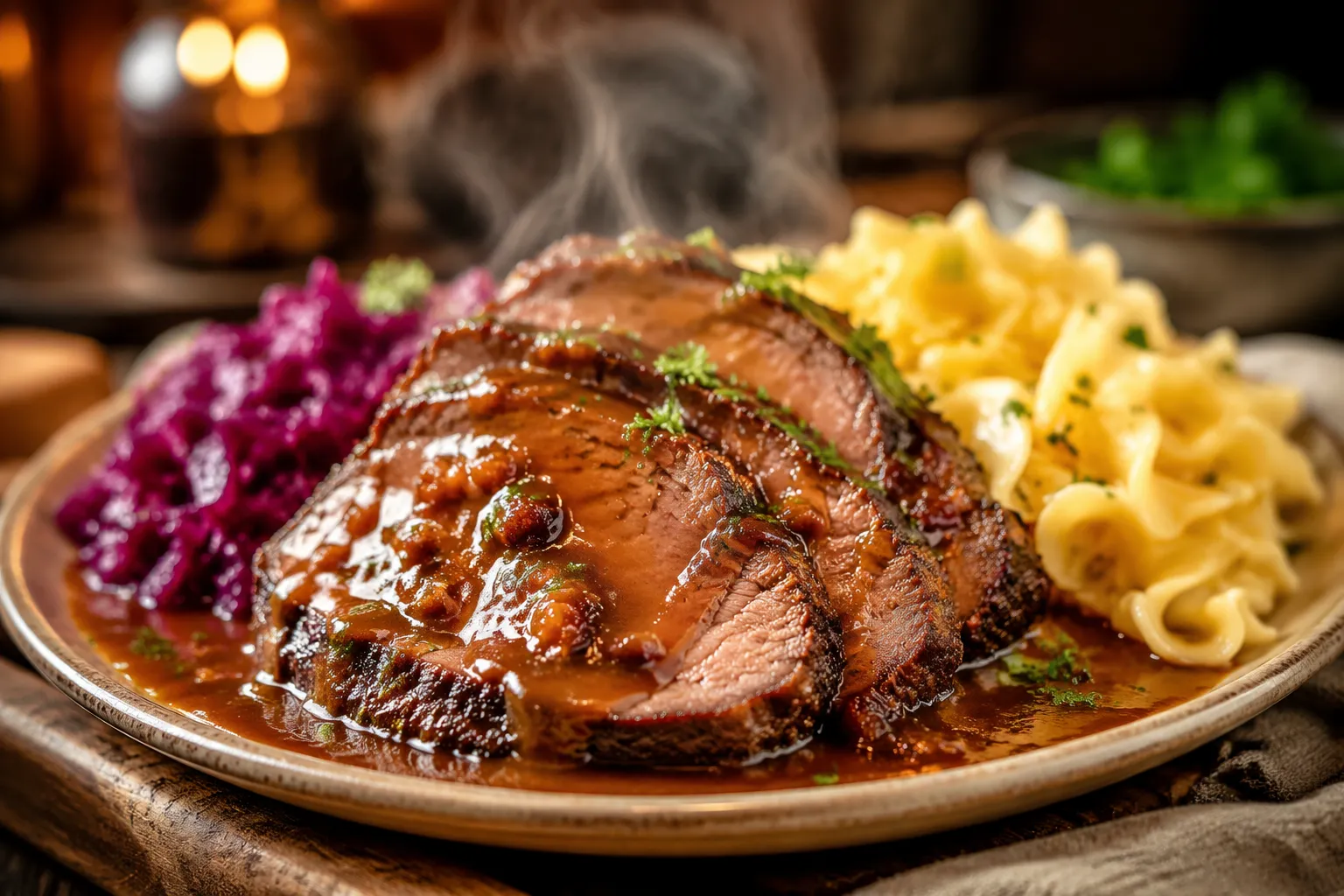
This classic sauerbraten turns an affordable roast into tender German pot roast with a tangy marinade and glossy ginger snap gravy.
This sauerbraten recipe is the kind of cozy, old-world comfort food that makes a slow weekend dinner feel special before the pot even goes into the oven. A humble chuck roast spends a few days in a tangy vinegar-and-wine marinade with onions, carrots, bay leaves, cloves, and peppercorns, then braises until it slices like butter. The finishing touch is a glossy ginger snap gravy that tastes savory, gently sweet, warmly spiced, and just sharp enough to keep every bite interesting.
If you grew up with German pot roast on a Sunday table, this will feel familiar; if you are making it for the first time, the process is easier than it sounds. Most of the time is hands-off, and the long marinade does the heavy lifting for both flavor and tenderness. It is exactly the sort of centerpiece I love for holiday main dishes because you can start it days in advance and finish it without last-minute fuss.
Think of this as a practical, US-grocery-store version of traditional sauerbraten: classic in spirit, streamlined where it helps, and very generous with the gravy. Serve it with red cabbage, spaetzle, buttered noodles, or mashed potatoes, and you have a dinner that tastes like it simmered in a farmhouse kitchen all afternoon.
Sauerbraten is a classic German marinated beef roast, usually made with a tougher cut that becomes tender through a combination of acidic marinating and low, slow braising. The name translates loosely to “sour roast,” which sounds intense, but the finished dish is beautifully balanced rather than puckery. Vinegar gives the roast its signature tang, wine adds depth, and warm spices make the braising liquid smell almost holiday-like. The sauce is traditionally rounded out with sweetness, often from raisins, sugar, or crushed cookies.
The reason this dish is marinated before cooking is both practical and flavorful. Historically, marinating helped preserve meat and soften firmer cuts; in a modern kitchen, it infuses the beef all the way through with savory, aromatic flavor. A 3-to-5-day soak is ideal because it gives the vinegar enough time to season the meat without turning the texture mushy. Turning the roast each day helps every side make contact with the marinade, which matters more than using a complicated ingredient list.
What makes this different from an everyday pot roast is the sweet-sour profile and the finished sauce. A regular American pot roast leans deeply savory with broth, onions, carrots, and herbs, while this German pot roast has a distinctive tang from red wine vinegar and a silky ginger snap gravy that thickens naturally. The cookies may sound unusual if you have never tried them in a savory sauce, but they dissolve into the braising juices and bring spice, body, and a gentle molasses note. It is one of those little traditional touches that makes the dish memorable.
Regional versions vary across Germany, with some recipes using beef, venison, horse meat historically, or different balances of vinegar, wine, sugar, raisins, or juniper. This version uses beef chuck roast because it is easy to find in US supermarkets and has enough marbling to stay tender during a long braise. For anyone searching German food recipes sauerbraten and hoping for something approachable, this recipe keeps the core technique intact while using pantry-friendly ingredients.
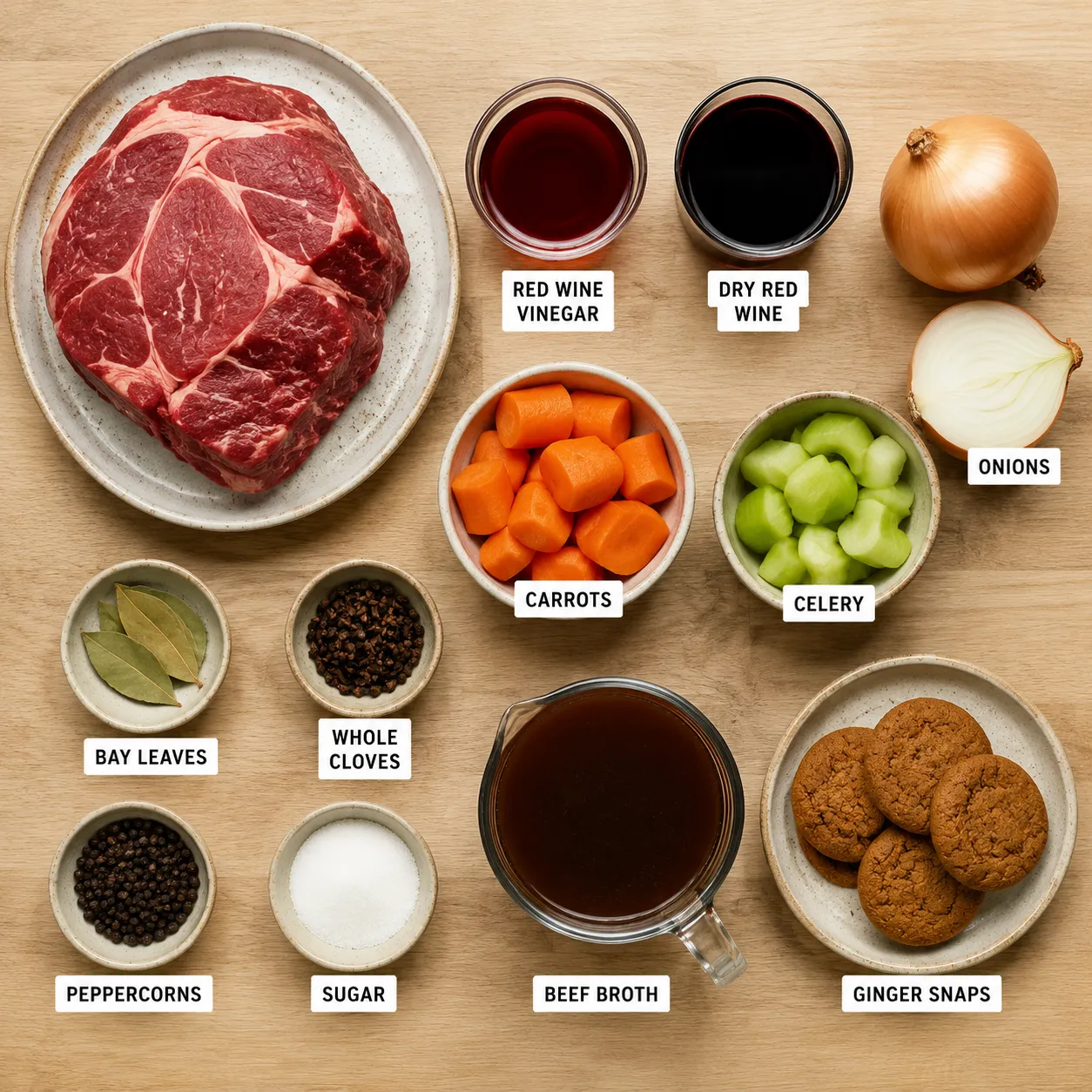
The best cut for this marinated beef roast is boneless beef chuck roast, ideally 3 to 4 pounds with visible marbling. Chuck has connective tissue that relaxes during braising, turning rich and tender instead of dry. Bottom round or rump roast can also work, but those cuts are leaner and need especially gentle reheating and careful slicing across the grain. If you are choosing between a very lean roast and a well-marbled chuck, choose the chuck every time.
The marinade starts with red wine vinegar and dry red wine, then gets layered with onion, carrot, celery, garlic, bay leaves, whole cloves, peppercorns, and a little sugar. Red wine vinegar gives a rounded acidity that feels classic without tasting harsh, while dry red wine brings fruitiness and color. If you do not cook with wine, you can use extra beef broth with a splash more vinegar, though the final flavor will be a little less complex. Whole spices are worth using here because they perfume the liquid without leaving gritty bits in the gravy.
Ginger snaps are the secret to the sauce. Once the beef is tender, the strained braising liquid is simmered and whisked with crushed cookies until it becomes glossy and spoonable. The cookies thicken the gravy the way a roux might, but they also add ginger, cinnamon, sweetness, and a subtle toasted flavor. Use crisp, plain ginger snaps rather than soft molasses cookies; the dry texture breaks down more smoothly and gives you better control over the final thickness.
For US grocery store swaps, look for red wine vinegar near the other vinegars, dry red wine such as Pinot Noir or Cabernet, and boxed beef broth or stock. If whole cloves are hard to find, use a very small pinch of ground cloves, but go lightly because ground clove can quickly dominate. Brown sugar can stand in for granulated sugar, and celery is optional if you have extra carrots or onions instead. The goal is a deeply seasoned braising base, not a fussy shopping list.
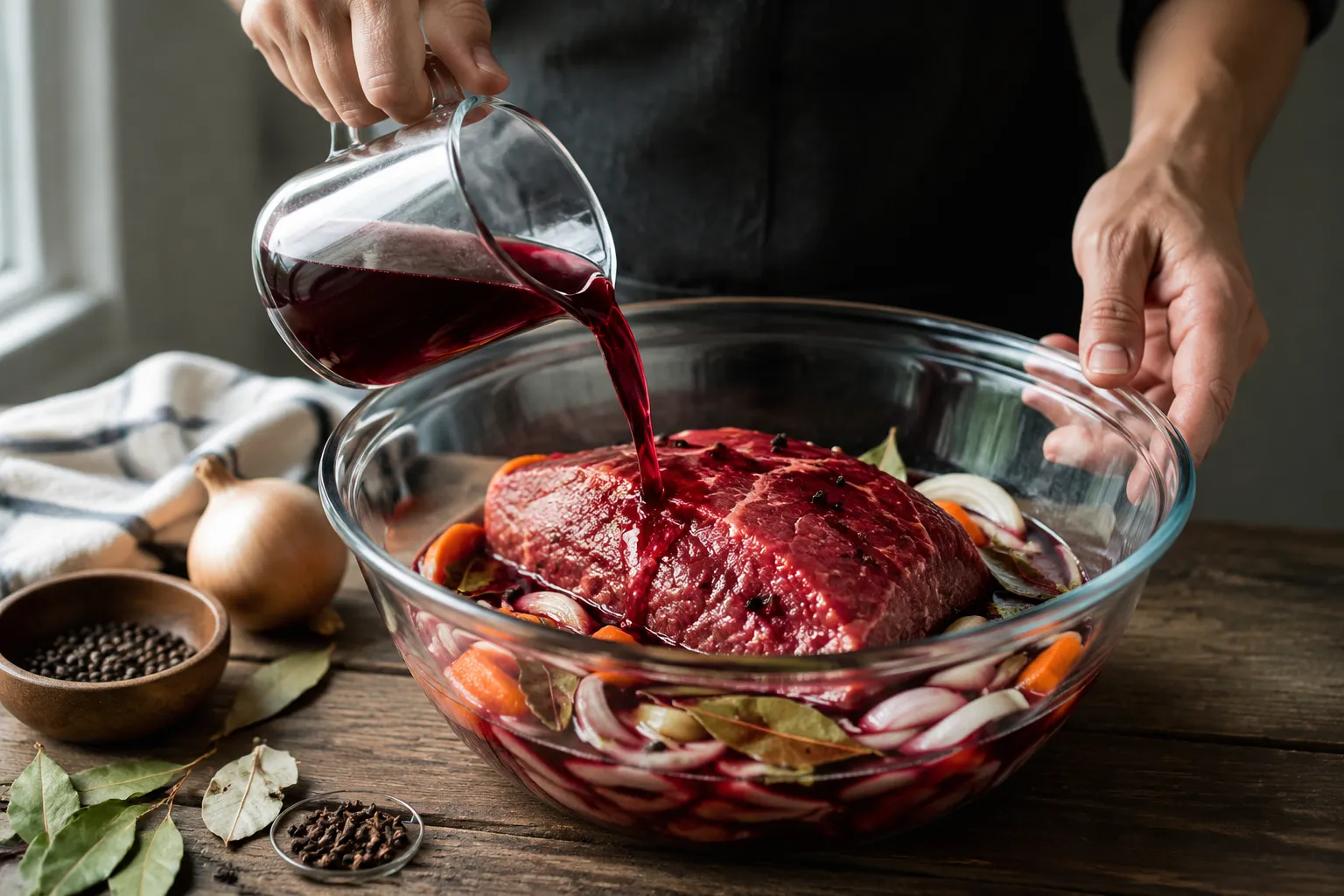
Start by making the marinade and submerging the beef with the vegetables and whole spices. A large glass bowl, stainless-steel pot, or food-safe zip-top bag set inside a dish all work well; avoid reactive aluminum because of the vinegar. Refrigerate the roast for at least 3 days and up to 5 days, turning it once a day so the seasoning reaches every surface. This slow rest is the step that gives the finished dish its unmistakable flavor, so try not to rush it.
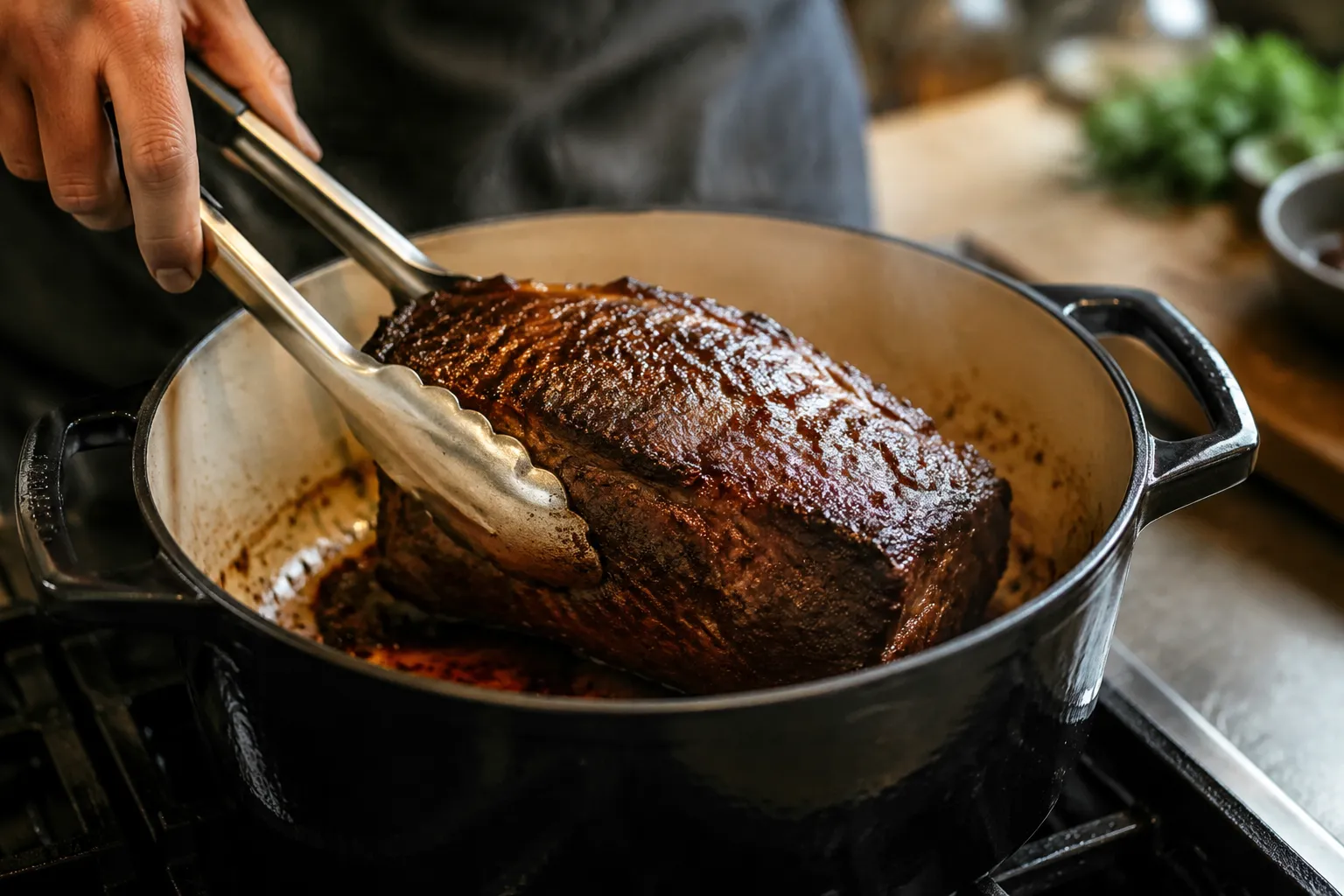
When you are ready to cook, remove the beef from the marinade and pat it very dry. Drying the surface is not optional if you want a deep brown crust; wet meat steams instead of sears. Strain the marinade and reserve both the liquid and the vegetables, discarding any loose whole spices you do not want in the pot. Then brown the roast in a Dutch oven until the edges look caramelized and deeply savory.
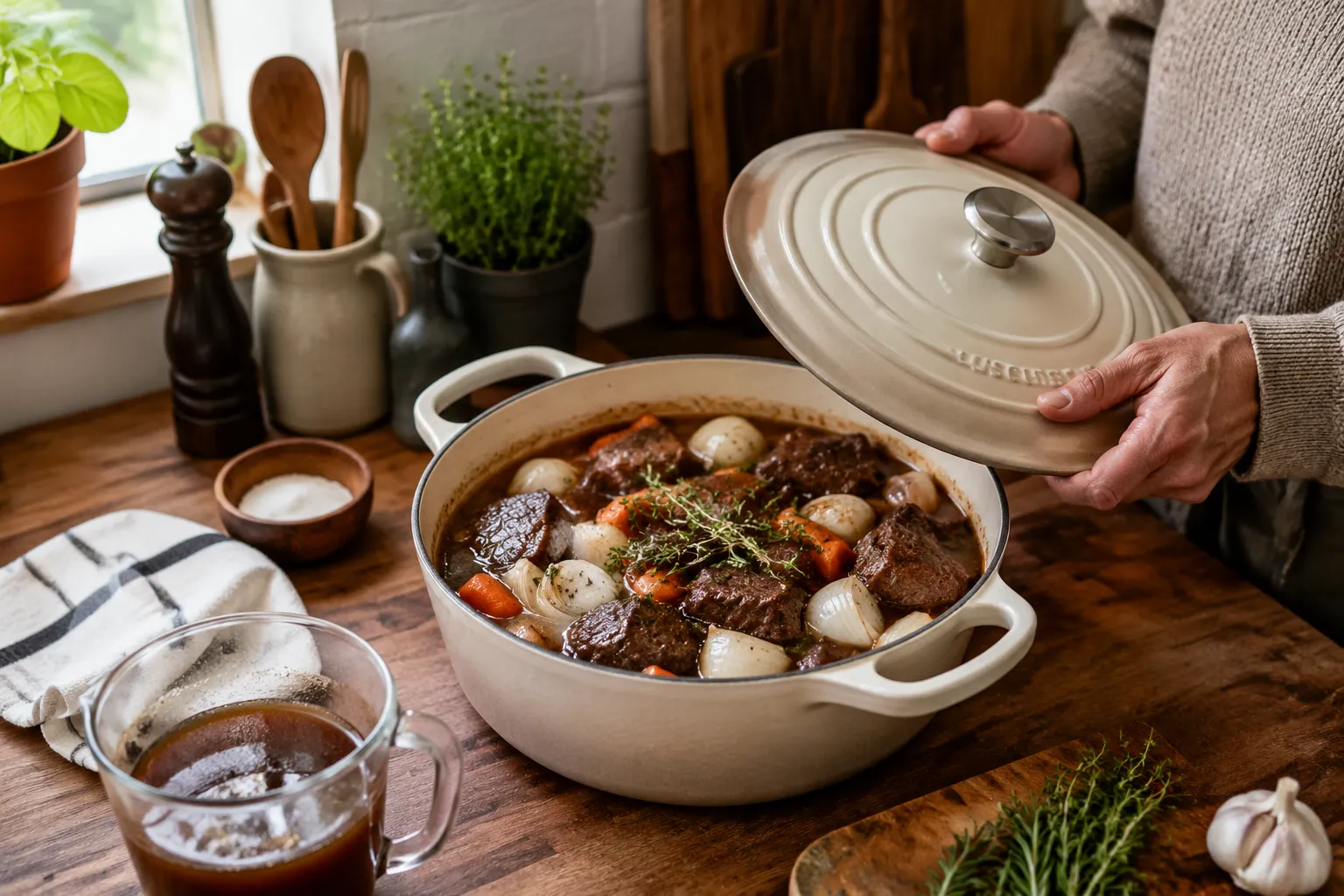
After browning, the reserved vegetables go back into the pot along with the strained marinade and beef broth. The liquid should come partway up the sides of the roast, not completely cover it, so the beef braises rather than boils. Cover the Dutch oven and cook it in a low oven until the meat is fork-tender, usually about 3 hours depending on the size and shape of your roast. If the pot looks dry at any point, add a splash more broth.
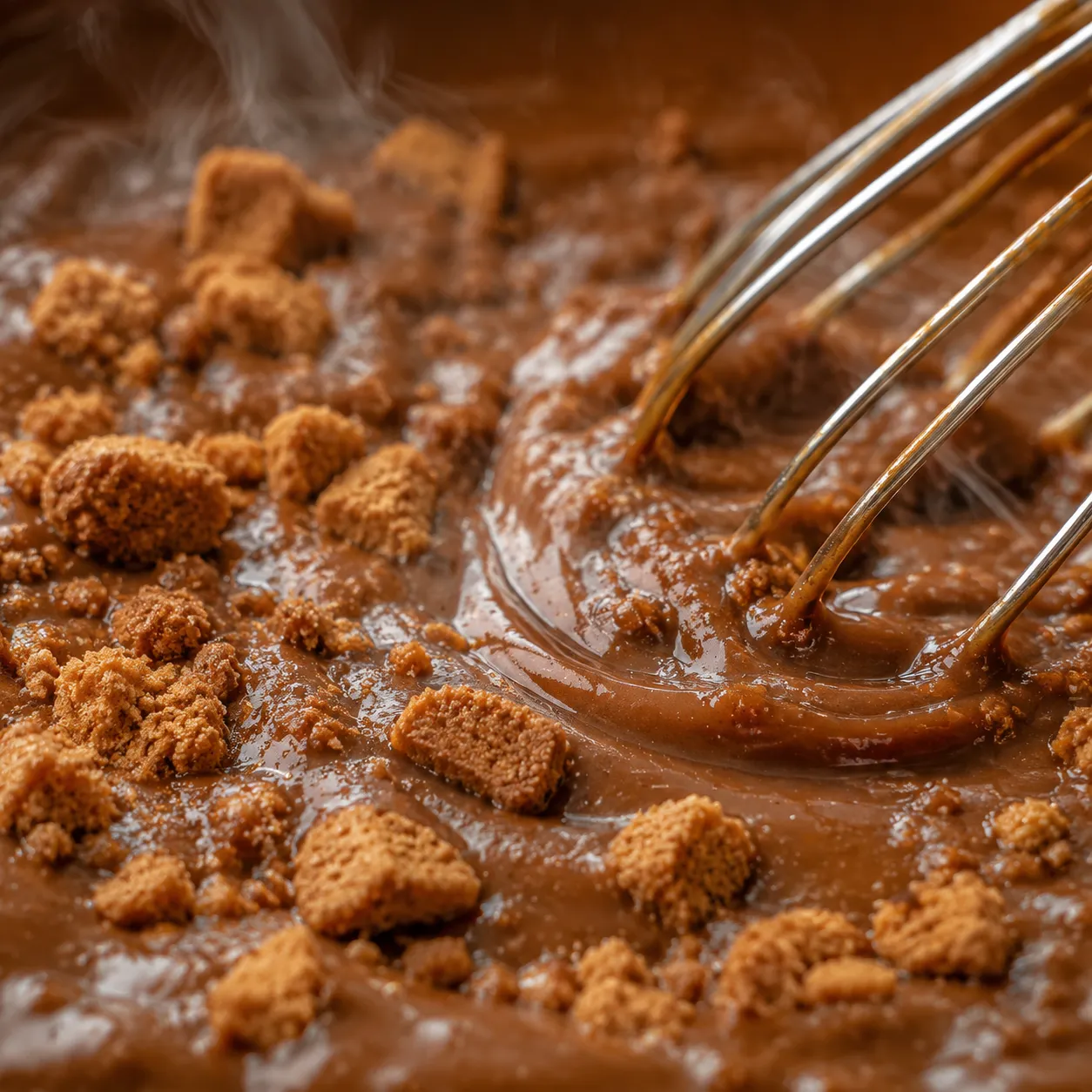
Once the roast is tender, let it rest while you finish the sauce. Strain the braising liquid into a saucepan, skim off excess fat, and bring it to a gentle simmer. Whisk in finely crushed ginger snaps a little at a time, giving them a few minutes to dissolve and thicken before adding more. The sauce should coat the back of a spoon, taste tangy-sweet, and feel velvety rather than heavy.
Slicing matters more than you might think. Let the roast rest for at least 15 minutes, then slice it across the grain into generous pieces. Spoon the hot gravy over the slices right before serving so the meat stays juicy and glossy. This is also one of those braised beef recipes that tastes even better after a short rest, because the sauce settles and the flavors become rounder.
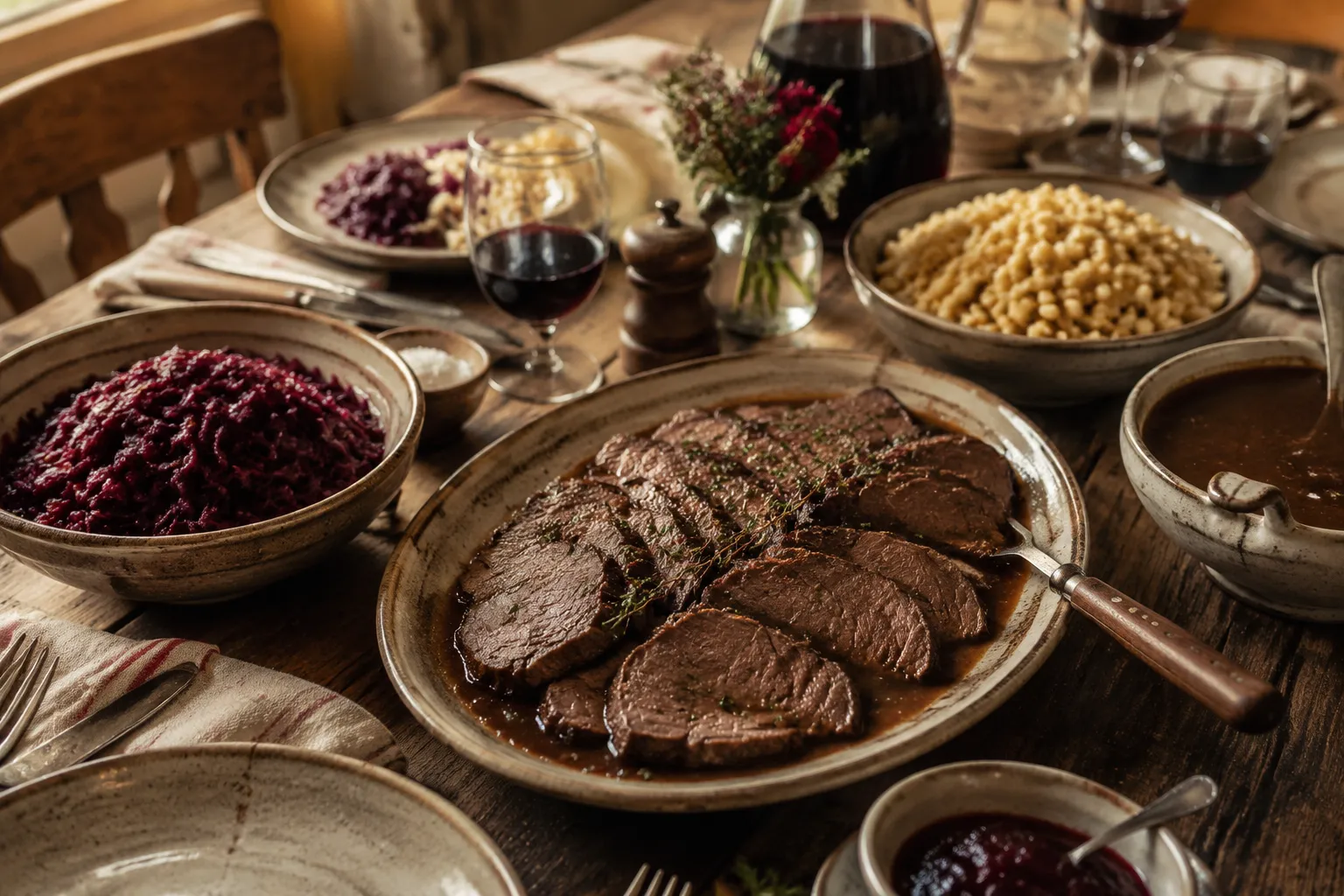
Classic sides make this dinner feel complete. Red cabbage is the traditional bright, tangy counterpoint, and it looks gorgeous next to the deep brown gravy. Spaetzle is another favorite because the little dumplings catch the sauce in every nook. Buttered egg noodles or mashed potatoes are easy American-friendly options that still feel perfectly at home on the plate.
For a holiday table, pair the roast with something creamy, something bright, and something green. Mashed potatoes or potato dumplings bring comfort, braised red cabbage adds acidity, and simple green beans or a crisp salad keep the meal from feeling too heavy. A basket of rye rolls or soft dinner rolls is never a bad idea, especially when there is extra gravy involved. This is the kind of main dish that happily anchors Christmas dinner, Oktoberfest gatherings, or a cold-weather Sunday meal.
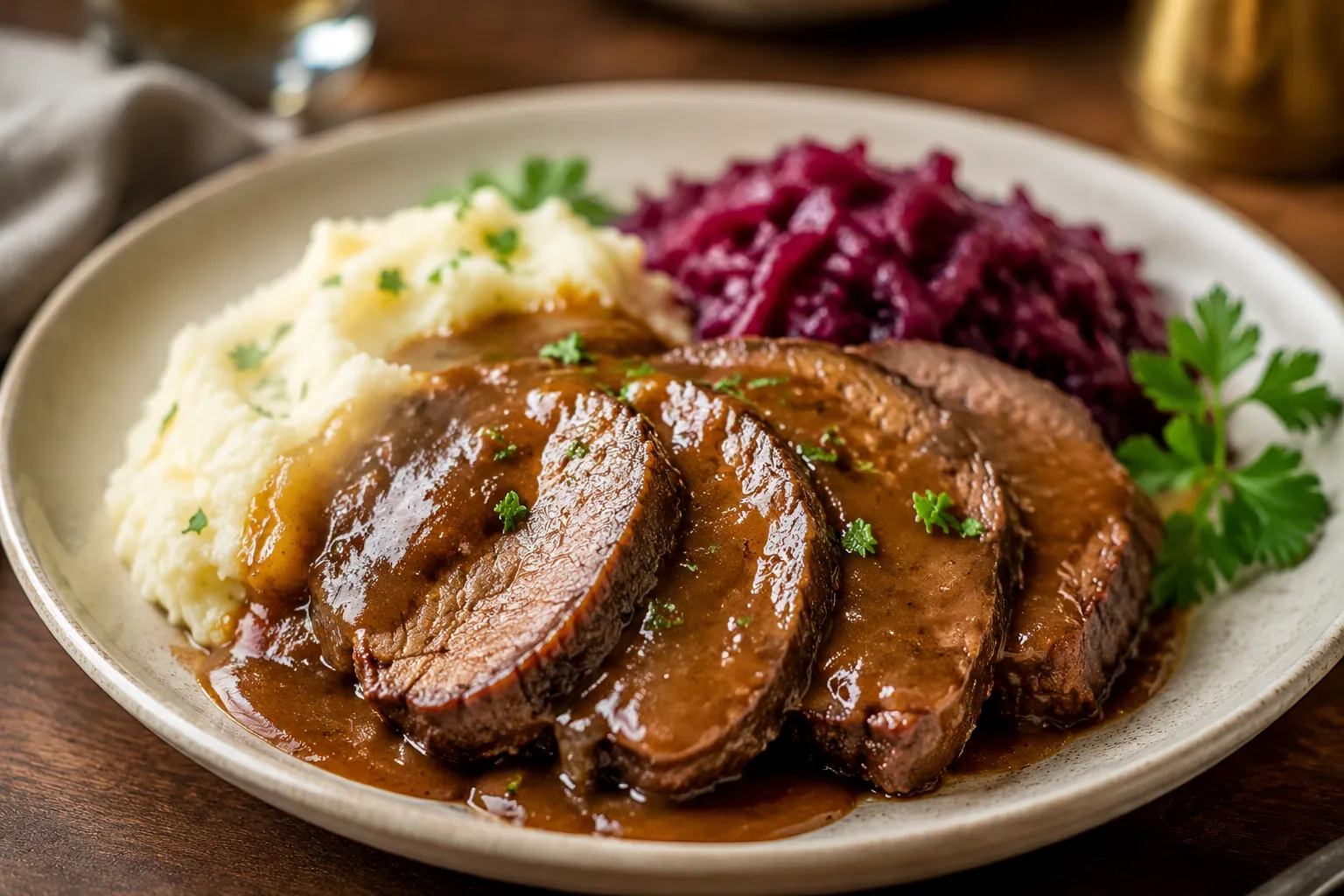
If you want a simpler weeknight-style spread, serve sliced beef and gravy over buttered noodles with roasted carrots or steamed broccoli. The flavors are bold enough that the side dishes do not need to compete. Leftover slices also make an incredible open-faced sandwich on toasted rye with warm gravy spooned over the top. However you serve it, keep extra sauce nearby; everyone will reach for it.
This dish is naturally built for planning ahead because the marinade begins several days before cooking. For a Saturday dinner, start the marinade on Tuesday or Wednesday, braise the roast on Saturday afternoon, and finish the gravy shortly before serving. You can also cook the roast a day ahead, chill it in the sauce, then slice and rewarm it gently for dinner. In many ways, that overnight rest makes the flavors even deeper.
The easiest entertaining timeline is to marinate for 4 days, braise the day before, and store the sliced meat covered with gravy. On serving day, warm everything slowly in a covered baking dish or Dutch oven until the beef is hot and tender. This method saves you from carving at the last minute and gives the sauce time to fully season the meat. It is especially helpful when you are juggling side dishes, guests, and a busy oven.
Because the flavors are bold, you do not need a dozen extras to make the meal feel special. A big platter of sliced beef, a warm bowl of ginger snap gravy, and a few sturdy sides are plenty. If you have been looking for a reliable sauerbraten recipe for guests, this one gives you the best of both worlds: a dramatic finished dish and a calm cooking timeline.
At the table, the first bite should taste savory and beefy, then tangy, then softly sweet and spiced from the gravy. That balance is what separates a good pot roast from something that feels truly traditional. Keep the heat low, give the marinade time to work, and do not skip the cookie-thickened sauce. The result is a tender, deeply flavored roast that earns every bit of its place among classic comfort food dinners.
This recipe keeps the classic tangy-sweet profile, but there are a few easy ways to adjust it based on your pantry and preferences.
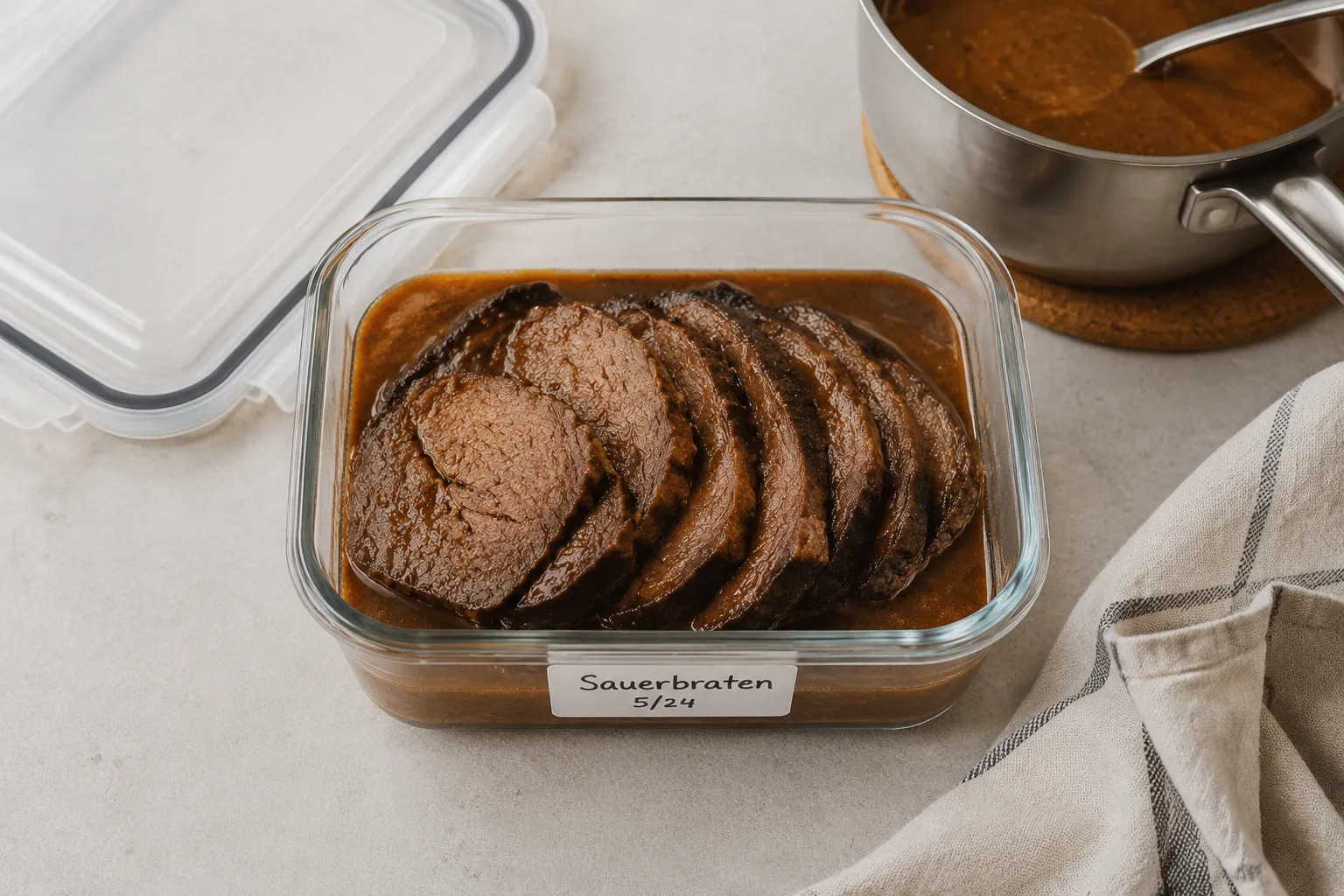
Store leftover sliced roast covered with gravy in an airtight container in the refrigerator for up to 4 days. Keeping the meat nestled in the sauce helps it stay moist and flavorful.
For longer storage, freeze sliced beef and gravy together in freezer-safe containers for up to 3 months. Thaw overnight in the refrigerator, then reheat gently on the stovetop or in a covered baking dish at 300°F until warmed through.