Peruvian Chicken (Pollo a la Brasa) with Green Sauce
Ingredients
Scale
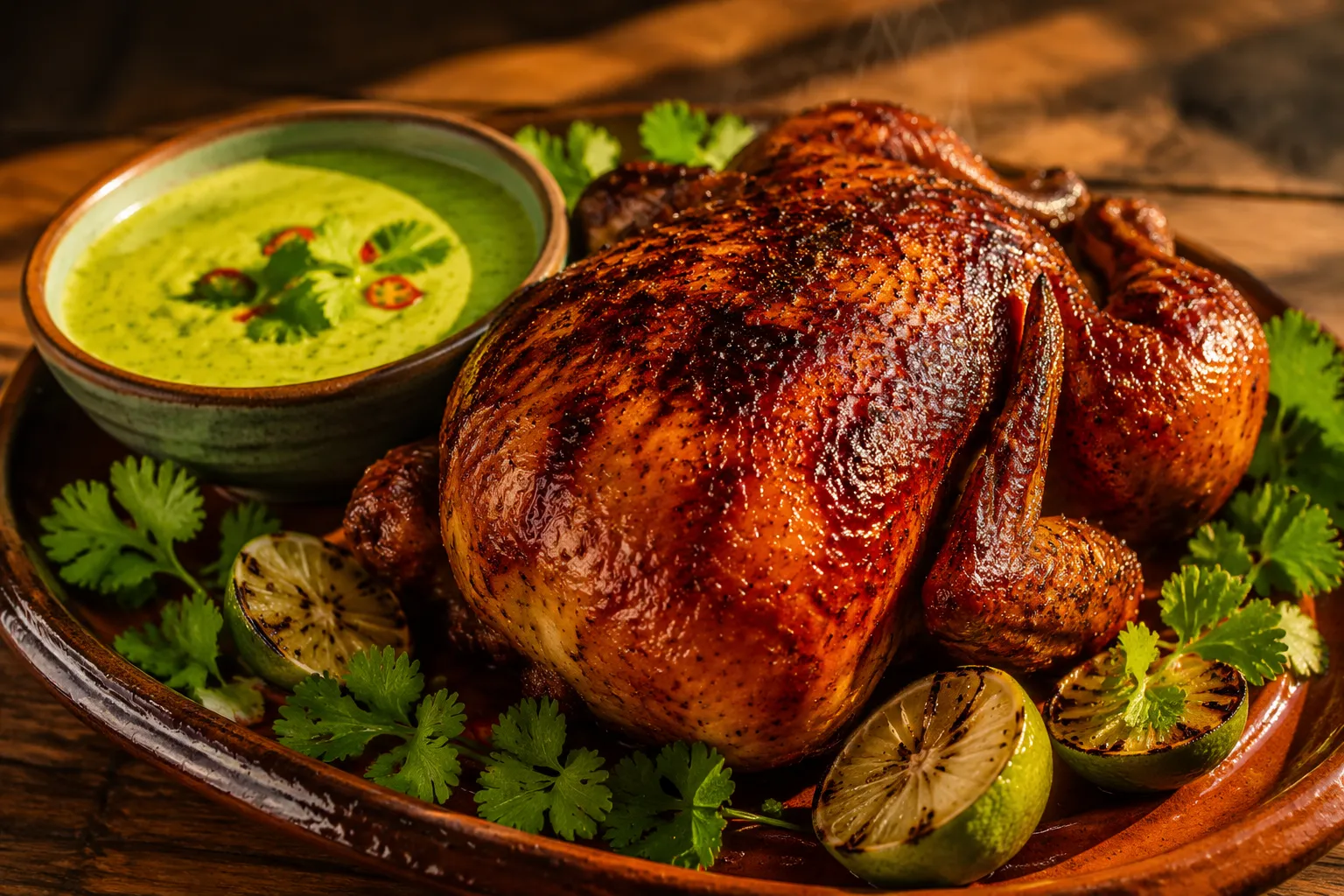
This Peruvian chicken is marinated overnight in a smoky-citrus rub, roasted until the skin shatters, and served with a punchy aji verde green sauce.
If you have ever wandered past a rotisserie shop in Lima or even a bustling Peruvian eatery in the heart of a major US city, you know the smell. It is a heady, intoxicating aroma of wood smoke, cumin, and garlic that draws you in from blocks away. This peruvian chicken is my tribute to that experience, bringing those bold, vibrant flavors into your home kitchen without the need for a specialized charcoal rotisserie. By using a few key ingredients and a specific roasting technique, we can replicate that shatteringly crisp skin and succulent meat that has made this dish a global sensation.
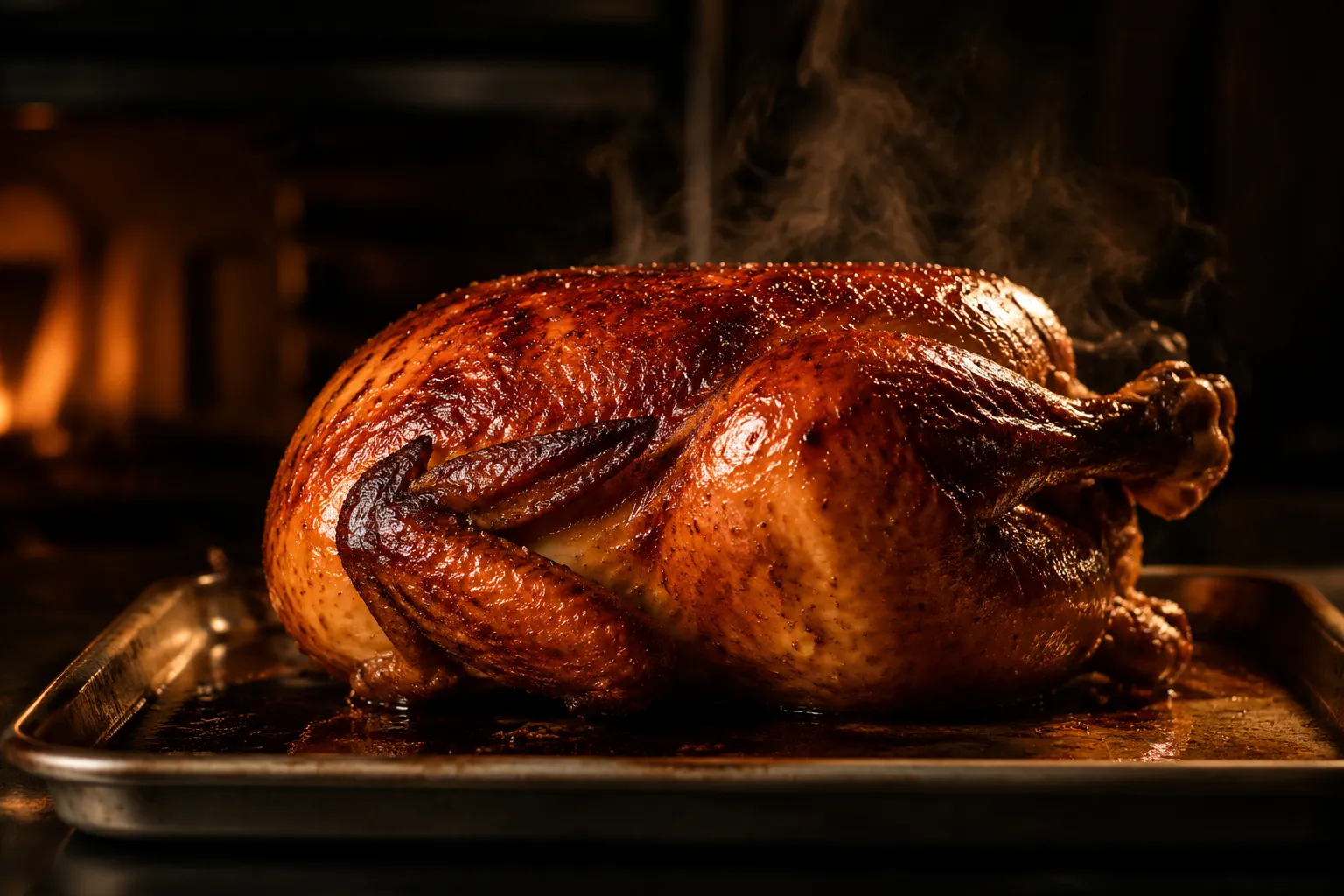
The magic of this recipe lies in the balance of the marinade—a dark, savory slurry of soy sauce, lime juice, and the essential aji amarillo pepper. It is a dish that feels celebratory enough for a Sunday dinner but is surprisingly approachable for a weeknight if you prep the bird ahead of time. When you pull this mahogany-hued masterpiece out of the oven, the kitchen will smell like the best rotisserie shop in the world. Get ready to meet your new favorite way to roast a bird.
To understand why this dish is so beloved, we have to look at its history. Known in its homeland as pollo a la brasa, this style of chicken was actually popularized in the 1950s by Swiss immigrants in Peru. They developed a specialized mechanical rotisserie that could cook many chickens at once over hot coals. Over the decades, it evolved from an elite treat to the most consumed dish in Peru, even surpassing ceviche in daily popularity. It is more than just dinner; it is a cultural icon served at nearly every family gathering.
What distinguishes this from a standard American roast chicken is the depth of the roasted chicken marinade. While a traditional roast might rely on butter and herbs like thyme or rosemary, the Peruvian version uses a complex blend of soy sauce (reflecting Peru's significant Chinese-Peruvian culinary influence, known as Chifa), cumin, and smoke. The result is a skin that is deeply caramelized, almost mahogany in color, with a flavor profile that hits salty, sour, and spicy notes all at once. It is a masterclass in umami that penetrates deep into the meat rather than just sitting on the surface.
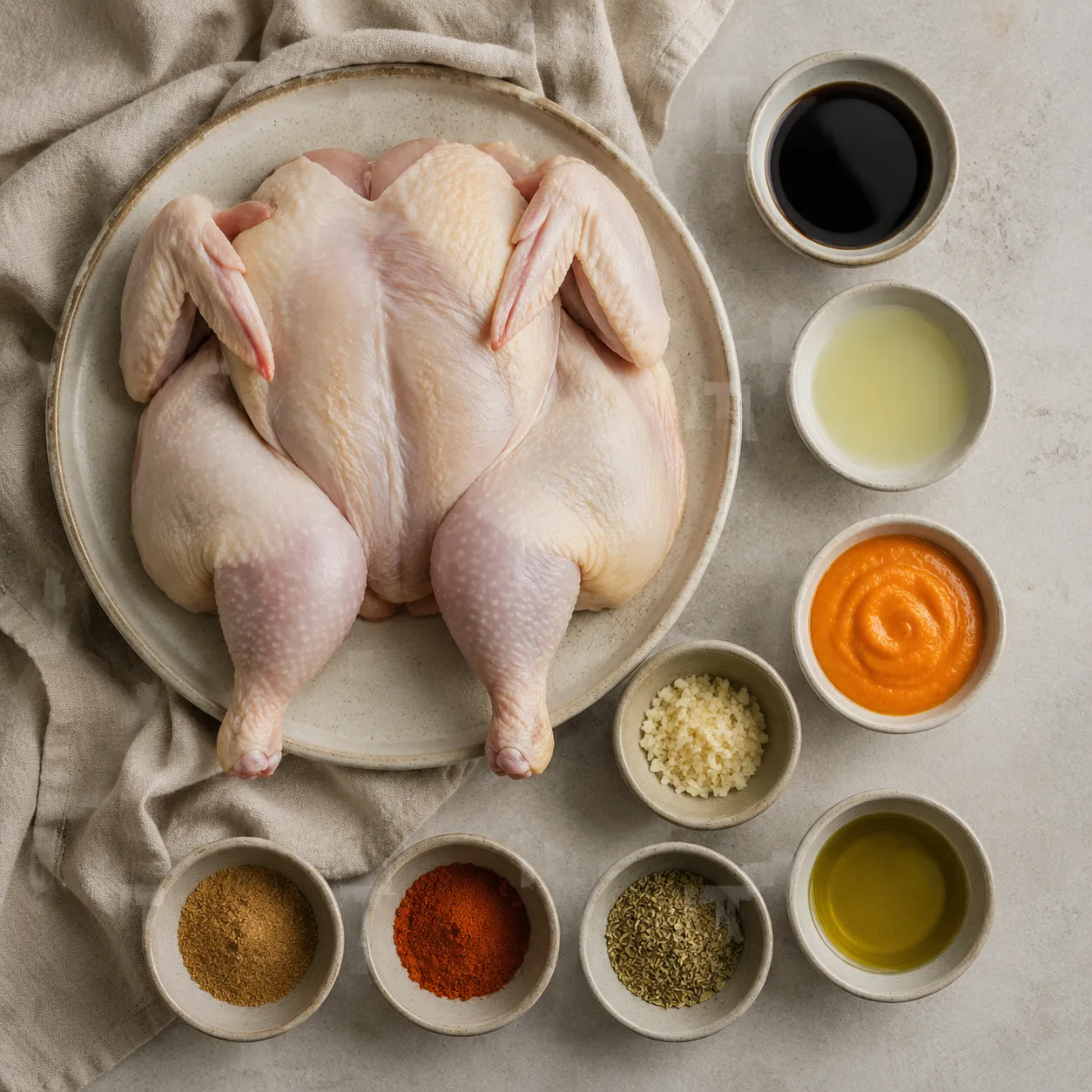
The soul of this peruvian chicken is the marinade, and there is one ingredient you simply cannot skip: aji amarillo paste. This yellow chili pepper is the backbone of Peruvian cuisine, offering a unique flavor that is fruity, almost berry-like, with a manageable medium heat. You can usually find it in the international aisle of well-stocked grocery stores or at any Latin market. If you are absolutely stuck, a mixture of pureed yellow bell pepper and a dash of habanero can mimic the color and heat, but the authentic paste is worth the search for its distinct floral notes.
Beyond the peppers, we lean heavily on pantry staples that do a lot of heavy lifting. Soy sauce provides the salt and the deep color, while fresh lime juice acts as a tenderizer, breaking down the proteins so the meat stays juicy during the high-heat roast. Smoked paprika adds that "cooked over coals" flavor that is hard to achieve in a standard electric or gas oven. We also include a generous amount of garlic and cumin, which are non-negotiable for that authentic street-food aroma. Always use fresh garlic here; the pre-minced jarred stuff lacks the pungent bite needed to stand up to the other bold spices.
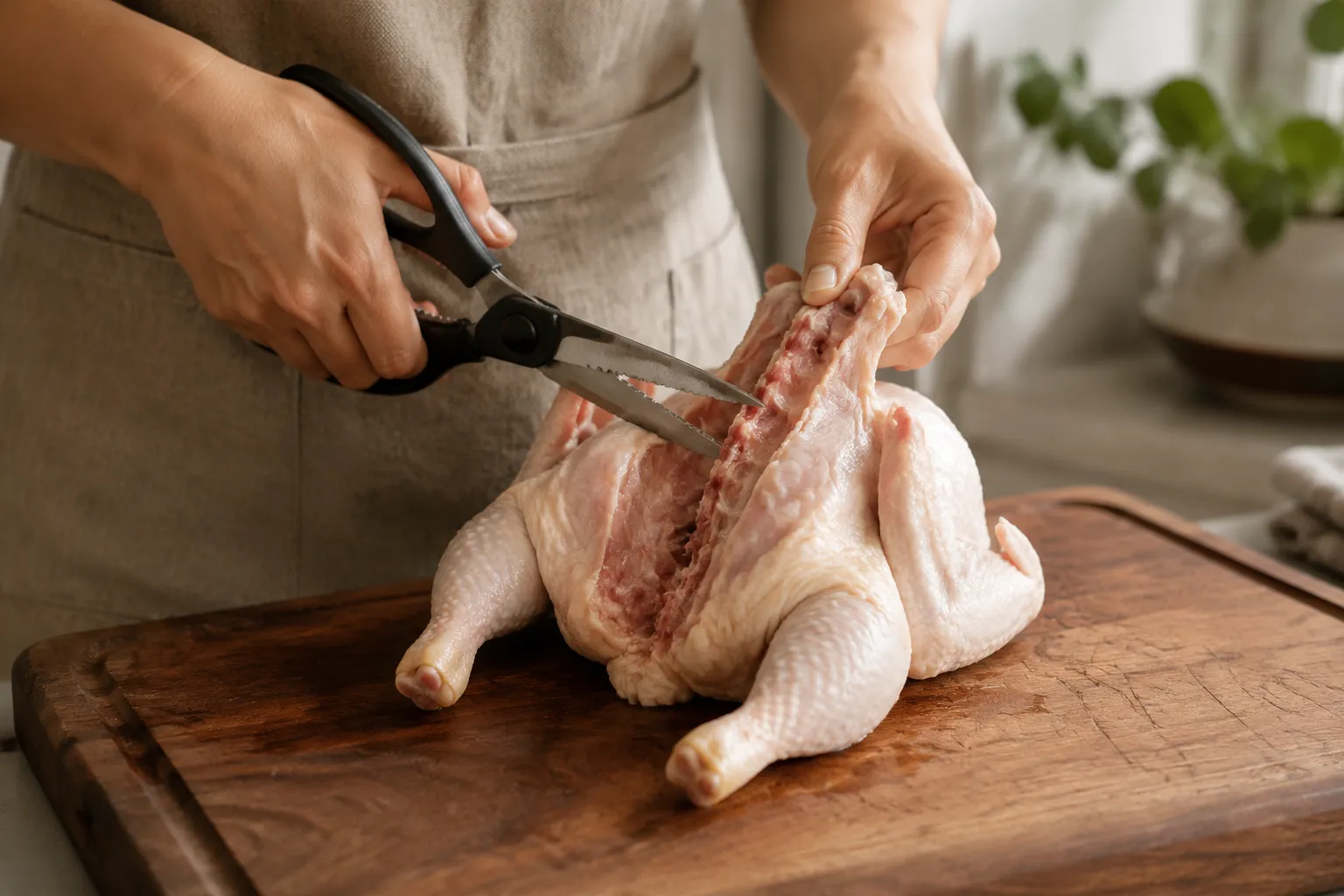
The secret to achieving rotisserie-style results in a home oven is to spatchcock chicken. This involves removing the backbone so the bird can lay completely flat. Not only does this cut the cooking time by nearly 30%, but it also ensures that every square inch of the skin is exposed to the heat. This means no soggy undersides—just 360 degrees of crispy, flavorful skin. If you have never done it before, don't worry; a sturdy pair of kitchen shears makes it a two-minute job.
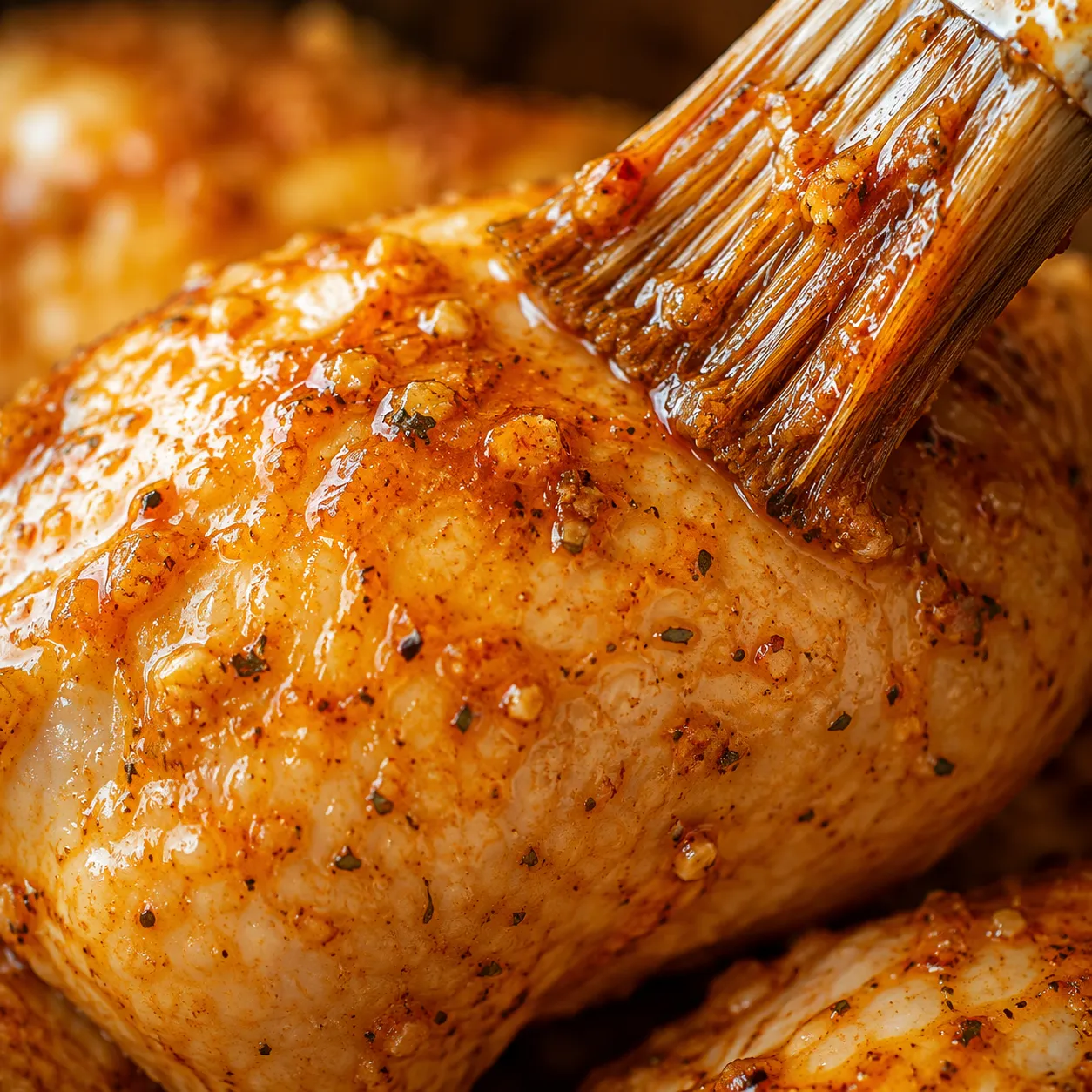
Once the bird is prepped, you want to be aggressive with the marinade. Don't just pour it over the top; you need to get your hands under the skin of the breast and thighs. This creates a pocket of flavor that seasons the meat directly and helps the skin crisp up from both sides. I recommend marinating for at least 6 hours, though overnight is truly the gold standard. This allows the lime juice and salt to deeply season the bird, ensuring that even the thickest part of the breast is flavorful and moist.
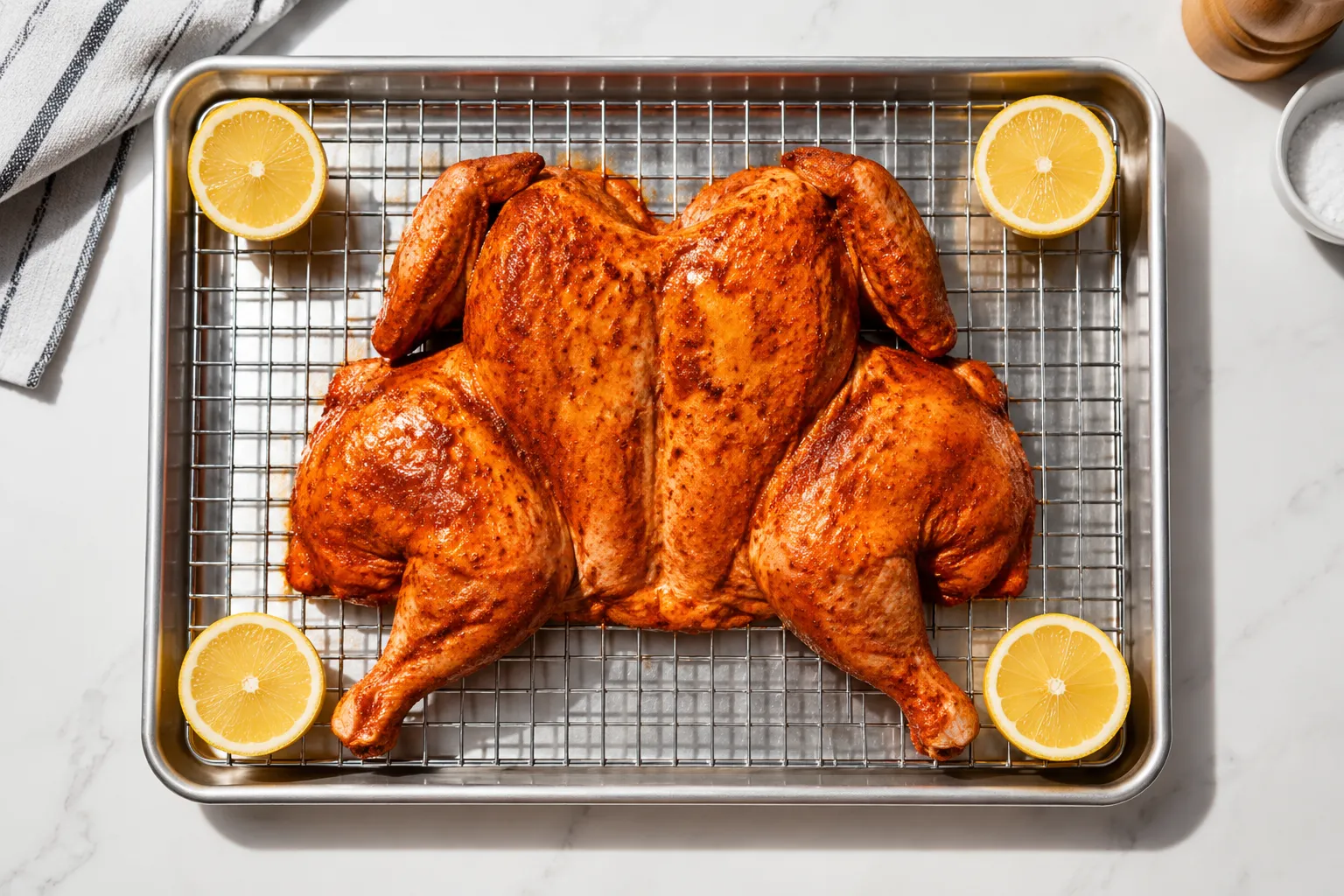
When it comes time to roast, we use a wire rack set over a rimmed baking sheet. This elevated position allows hot air to circulate under the bird, mimicking the constant airflow of a rotisserie. We start at a relatively high temperature to jumpstart the browning process, then let it finish until the internal temperature reaches 165°F. The smell in your house at the 45-minute mark will be absolutely incredible, but resist the urge to peek—every time you open the oven door, you lose the precious dry heat needed for that crackly skin.
After the chicken comes out of the oven, the most difficult part begins: the wait. Resting the chicken for at least 10 to 15 minutes is vital. This allows the juices to redistribute through the meat. If you carve it immediately, all that moisture will end up on your cutting board instead of in your mouth. Use this time to finish up your side dishes or give the green sauce one last pulse in the blender.
You cannot serve peruvian chicken without the iconic aji verde green sauce. In many ways, the sauce is just as famous as the chicken itself. It is a creamy, spicy, and incredibly bright condiment that cuts through the richness of the roasted meat. The base is usually a blend of fresh cilantro, jalapeños, and more aji amarillo, held together by mayonnaise or a mix of mayo and sour cream. It is addictive—don't be surprised if you find yourself dipping everything from fries to carrot sticks into the leftovers.
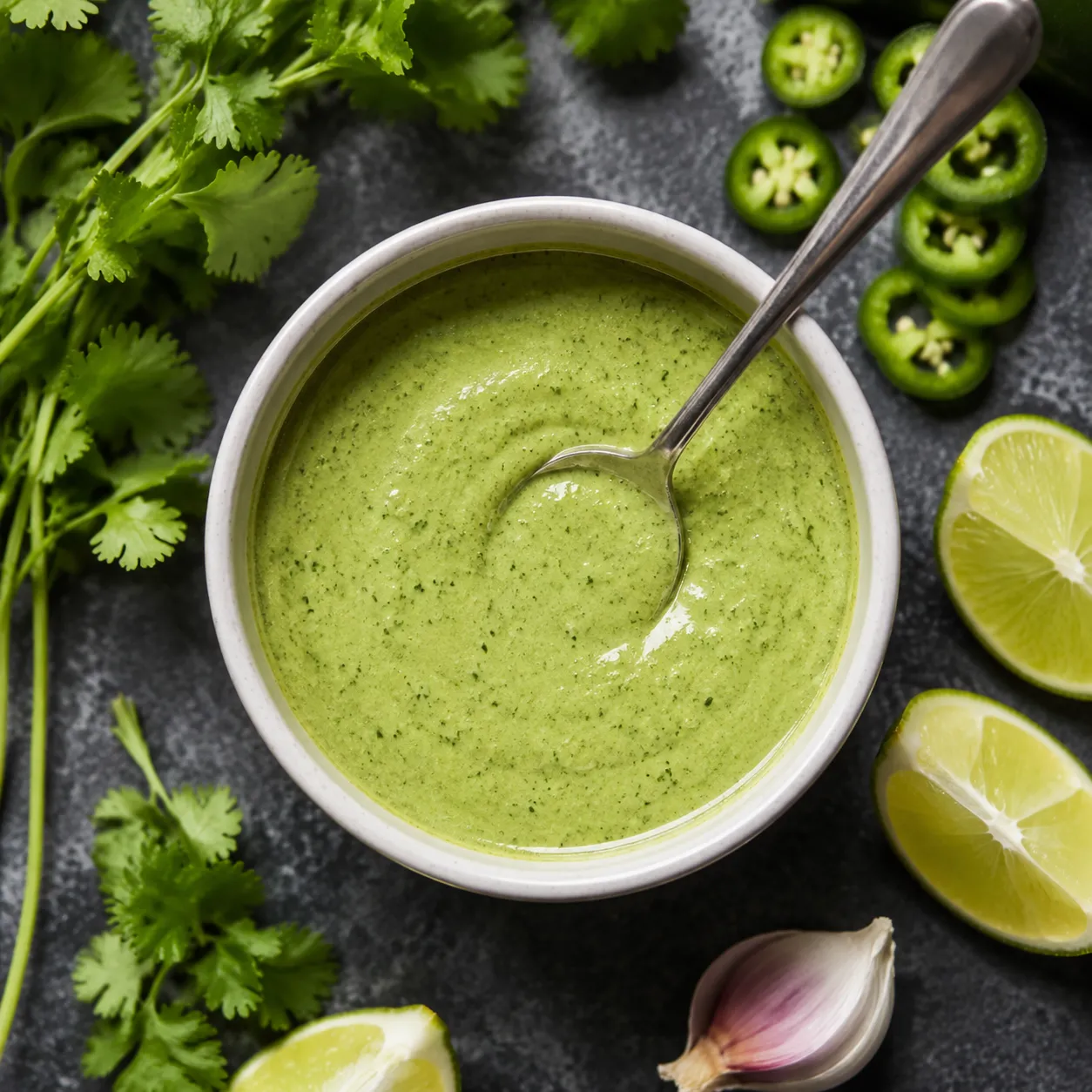
The beauty of making this sauce at home is that you can control the heat. If you prefer a milder sauce, remove the seeds and ribs from the jalapeños before blending. For those who love a kick, leave them in. Some traditional recipes also include a bit of cotija cheese or even saltine crackers to thicken the emulsion, but I find that a simple blend of herbs, lime, and mayo creates the cleanest flavor that lets the cilantro shine. It provides a cooling contrast to the smoky, warm spices of the chicken.
To turn this into a full Peruvian spread, you need the right sides. Traditionally, this chicken is served with thick-cut fries and a simple salad, but I love serving it alongside Peruvian rice. This isn't just plain white rice; it is usually toasted with garlic and sometimes cooked with a bit of cilantro or spinach puree to give it a vibrant green hue (Arroz con Chile). The grains soak up the juices from the chicken and the extra green sauce beautifully.
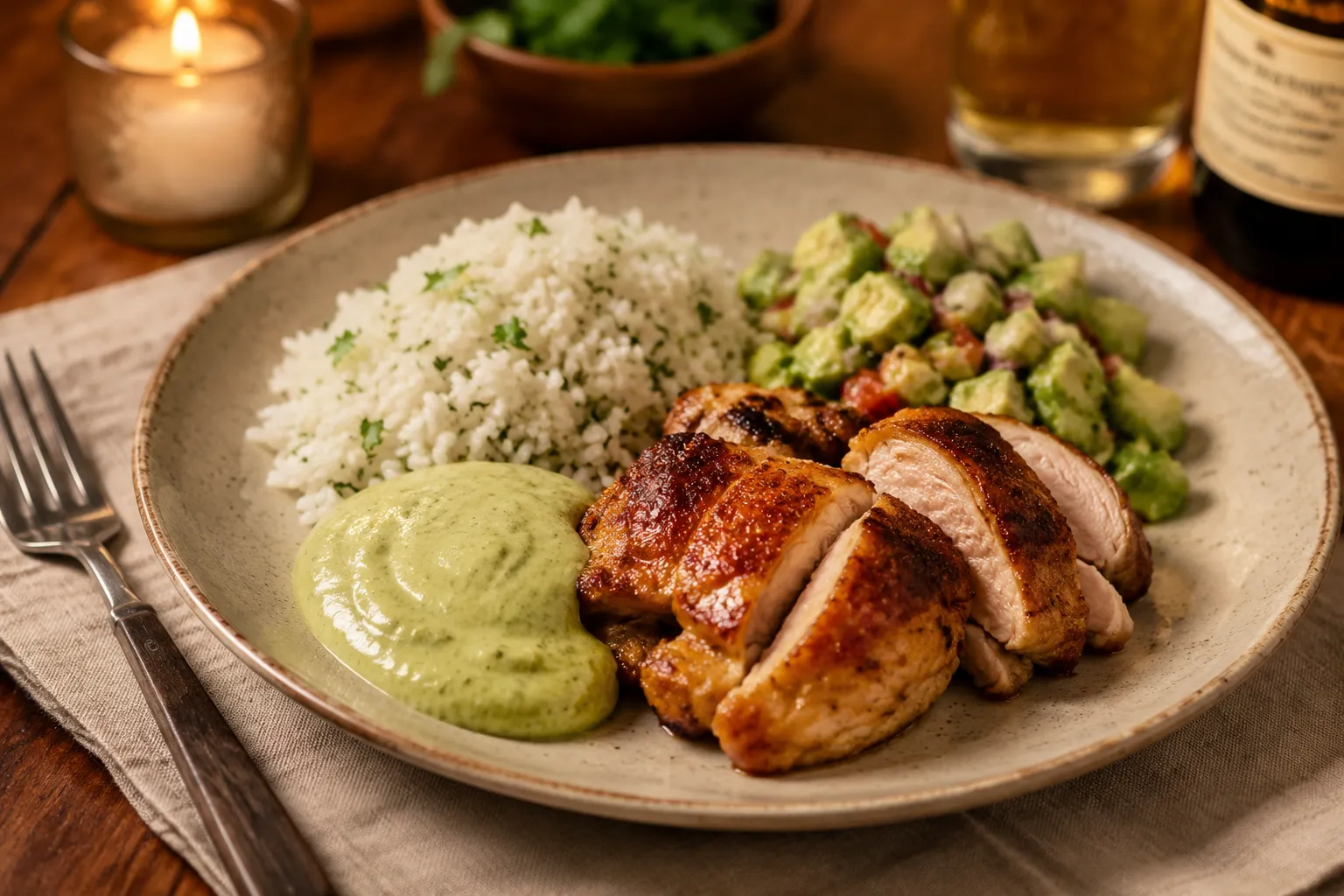
If you want something lighter, a simple avocado and tomato salad with a lime vinaigrette provides a fresh, acidic counterpoint to the meal. No matter what you choose, make sure there is plenty of extra sauce on the table. In my house, we usually end up making a double batch of the aji verde because it disappears faster than the chicken does.
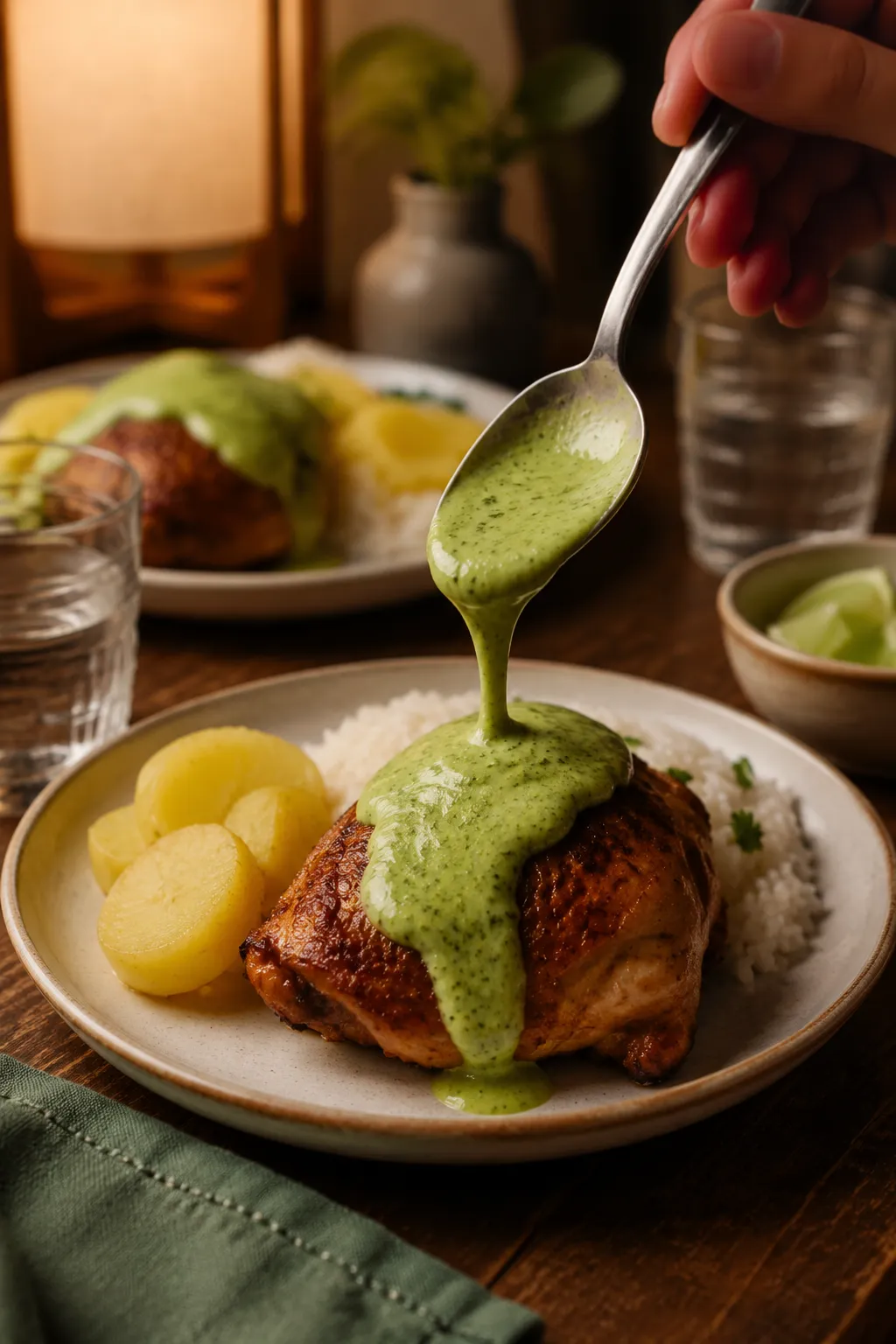
Ultimately, this peruvian chicken is a testament to how a few specific ingredients can transform a humble roast bird into something extraordinary. It is a recipe that rewards patience—the patience to find the right peppers, the patience to let it marinate, and the patience to let it rest. But once you take that first bite of crispy, mahogany skin dipped in that zesty green sauce, you’ll know every minute was worth it. It’s bold, it’s bright, and it’s a guaranteed crowd-pleaser for any occasion.