Fried Plantains: Crispy, Caramelized in 15 Minutes
Ingredients
Scale
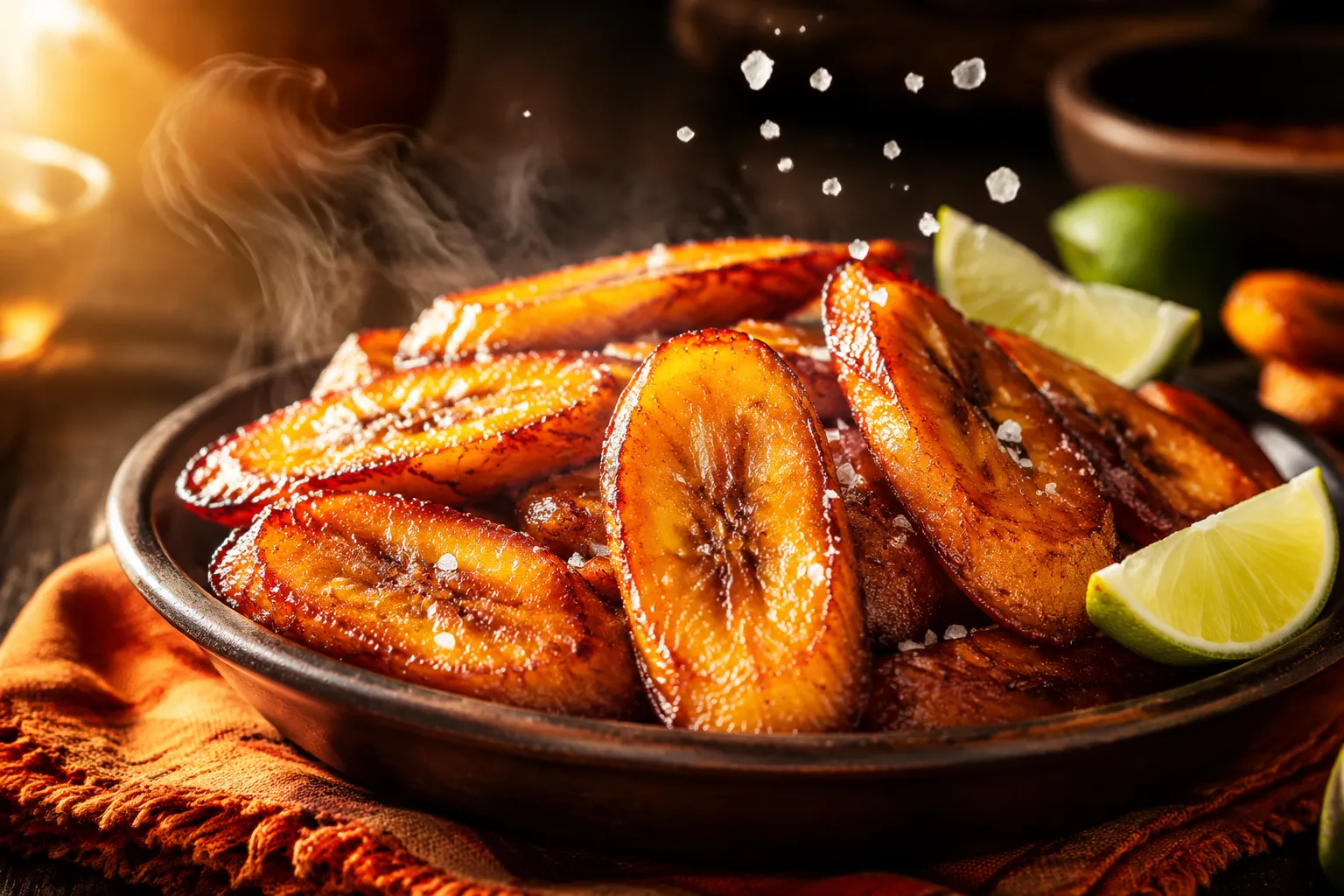
Sweet, caramelized fried plantains with crisp golden edges and tender centers — ready in 15 minutes with just three ingredients.
Fried plantains are the ultimate kitchen magic trick, transforming a starchy, unassuming fruit into a plate of gold-edged, custardy bliss in mere minutes. If you’ve ever sat down at a family-run Caribbean spot and wondered how they get those edges so perfectly chewy and the centers so sweet, you’re in the right place. This recipe is a celebration of simplicity, requiring nothing more than a few ripe fruits and a hot pan to create a side dish that outshines the main course every single time.
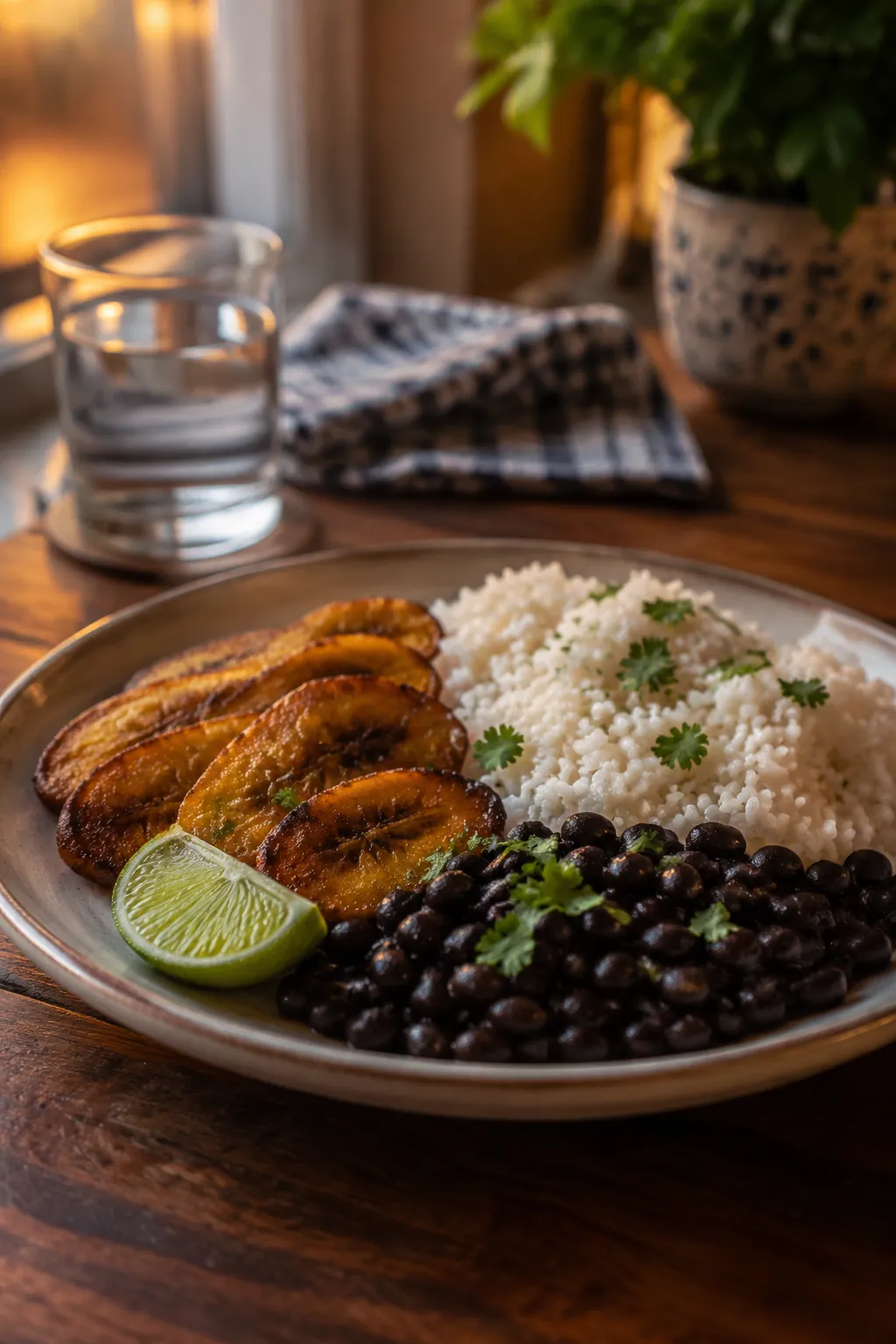
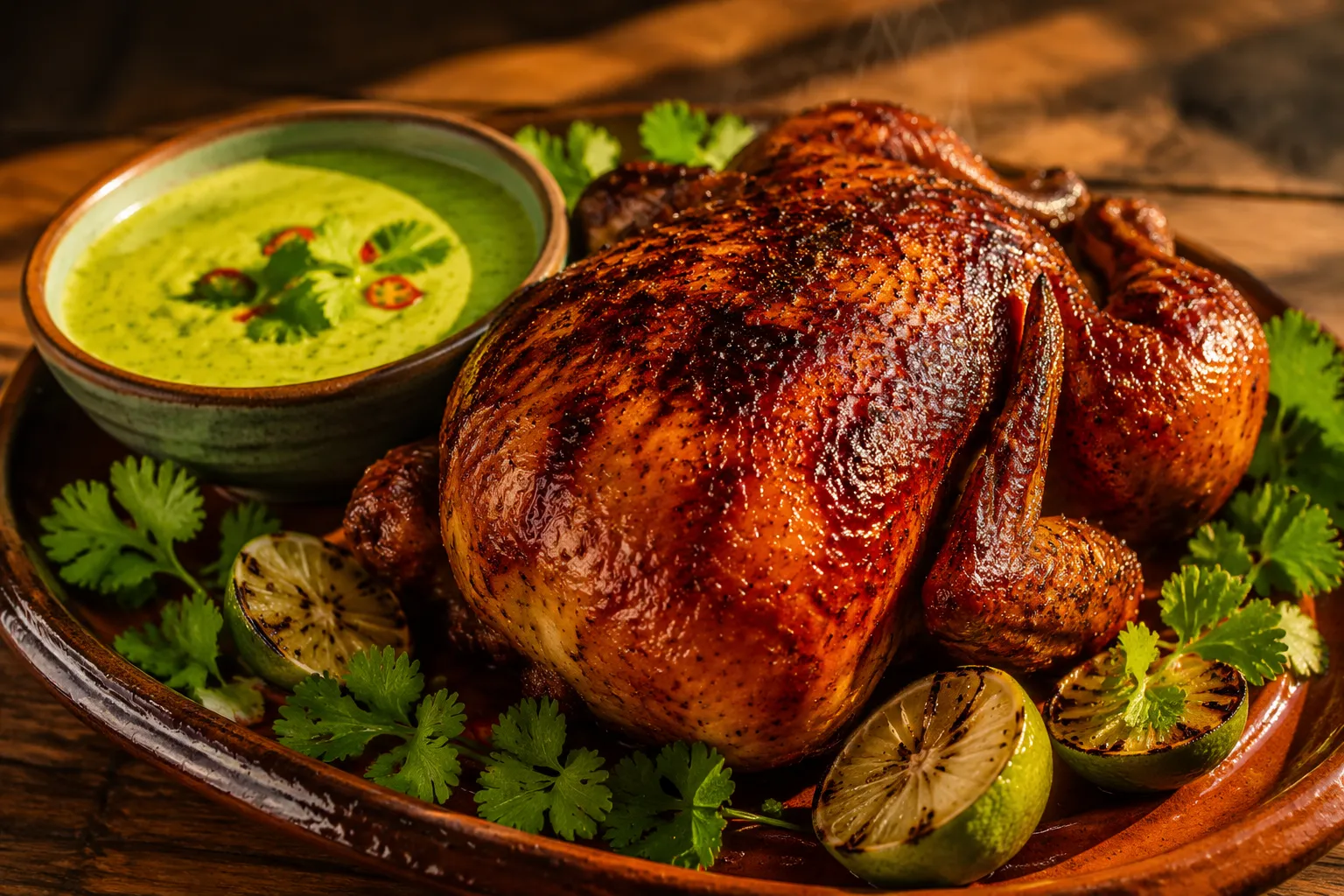
In many cultures, these sweet plantains are more than just a side; they are a daily staple that brings a sense of home to the table. Whether you are serving them alongside spicy jerk chicken, smoky black beans, or even as a decadent topping for your morning oatmeal, the contrast between the caramelized exterior and the meltingly soft interior is addictive. The best part is that you don’t need any fancy equipment or a deep fryer to achieve professional results at home.
To understand why we love these so much, we have to look at what sets them apart from the common Cavendish banana. While they look like giant bananas, plantains are starchier and much lower in sugar when they are green. As they ripen, those starches convert into natural sugars, which is exactly what we want for this specific preparation. In Latin American cuisine, these sweet versions are often called maduros, which literally translates to "ripe ones."
It is important to distinguish between this sweet preparation and the savory, double-fried version known as tostones. While a tostones recipe calls for green, unripe fruit that is smashed and fried until it resembles a thick potato chip, our goal here is caramelization. We want the sugars to bubble and brown, creating a sticky-sweet glaze that forms naturally in the pan. This versatility is why plantains are the backbone of so many Caribbean side dishes, offering a flavor profile for every stage of the fruit's life.
The secret to perfect fried plantains isn't in the frying technique—it’s in the grocery store aisle. If you buy a bright yellow plantain and fry it immediately, it will be somewhat sweet but still slightly firm and starchy. For that true melt-in-your-mouth texture, you need to look for ripe plantains that look like they’ve seen better days. We are talking about skins that are heavily mottled with black spots or even almost entirely black.
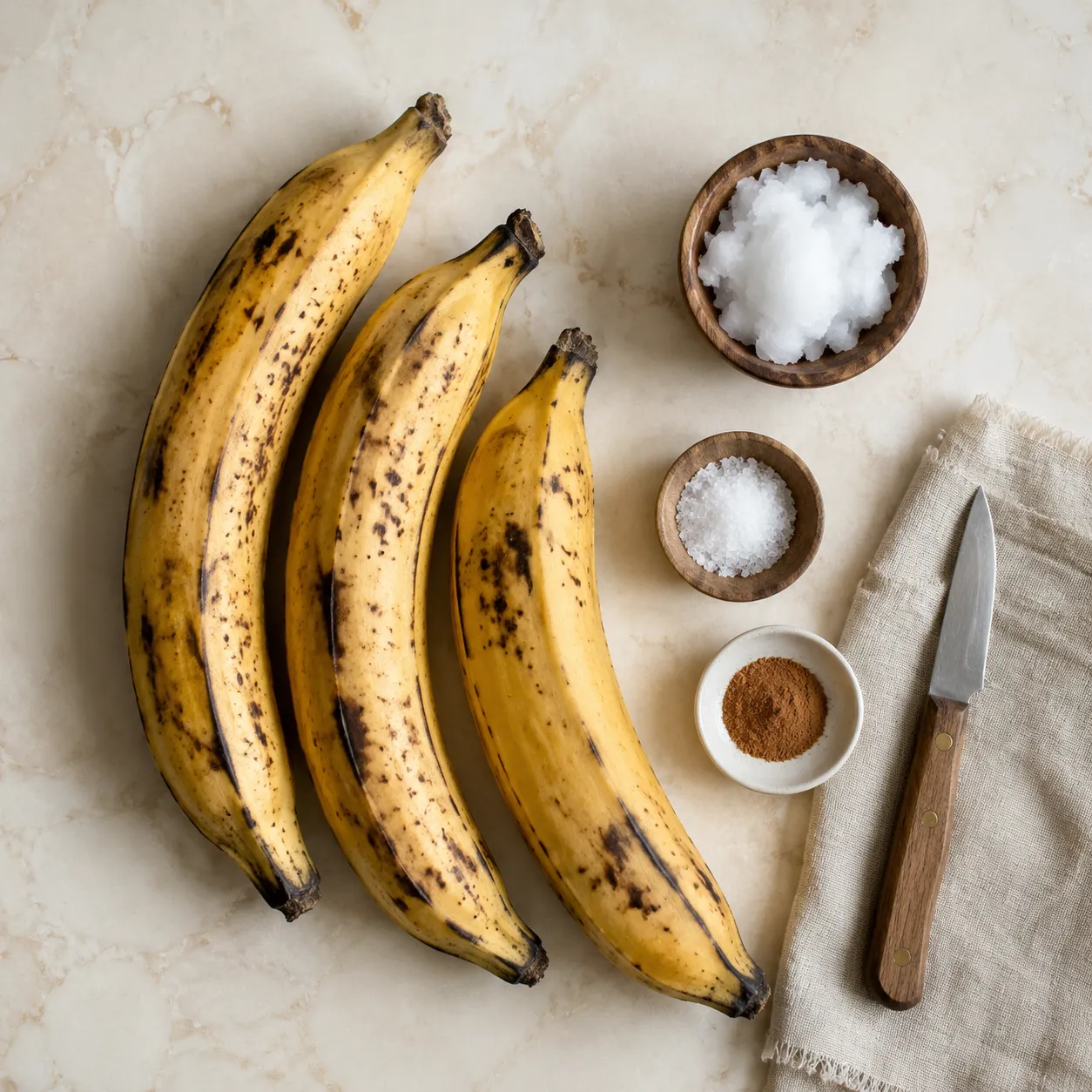
When you press on the skin, it should feel soft, similar to the give of a ripe avocado. If your local market only has green ones, don’t worry; simply leave them on your counter for 5 to 7 days. To speed up the process, you can place them in a brown paper bag with an apple. Once they reach that deep yellow-to-black stage, they are ready to become the sweet plantains of your dreams. Avoid any fruit that feels mushy or has visible mold, but don't be afraid of the black skin—that’s where the flavor lives.
You only need three basic ingredients to make this happen: the fruit, the fat, and a pinch of salt. For the fat, coconut oil is a fantastic choice because its subtle tropical aroma complements the fruit perfectly. However, any neutral oil with a high smoke point, like avocado or canola oil, will work beautifully. You want an oil that can handle the medium-high heat required to sear the sugars without burning the oil itself.
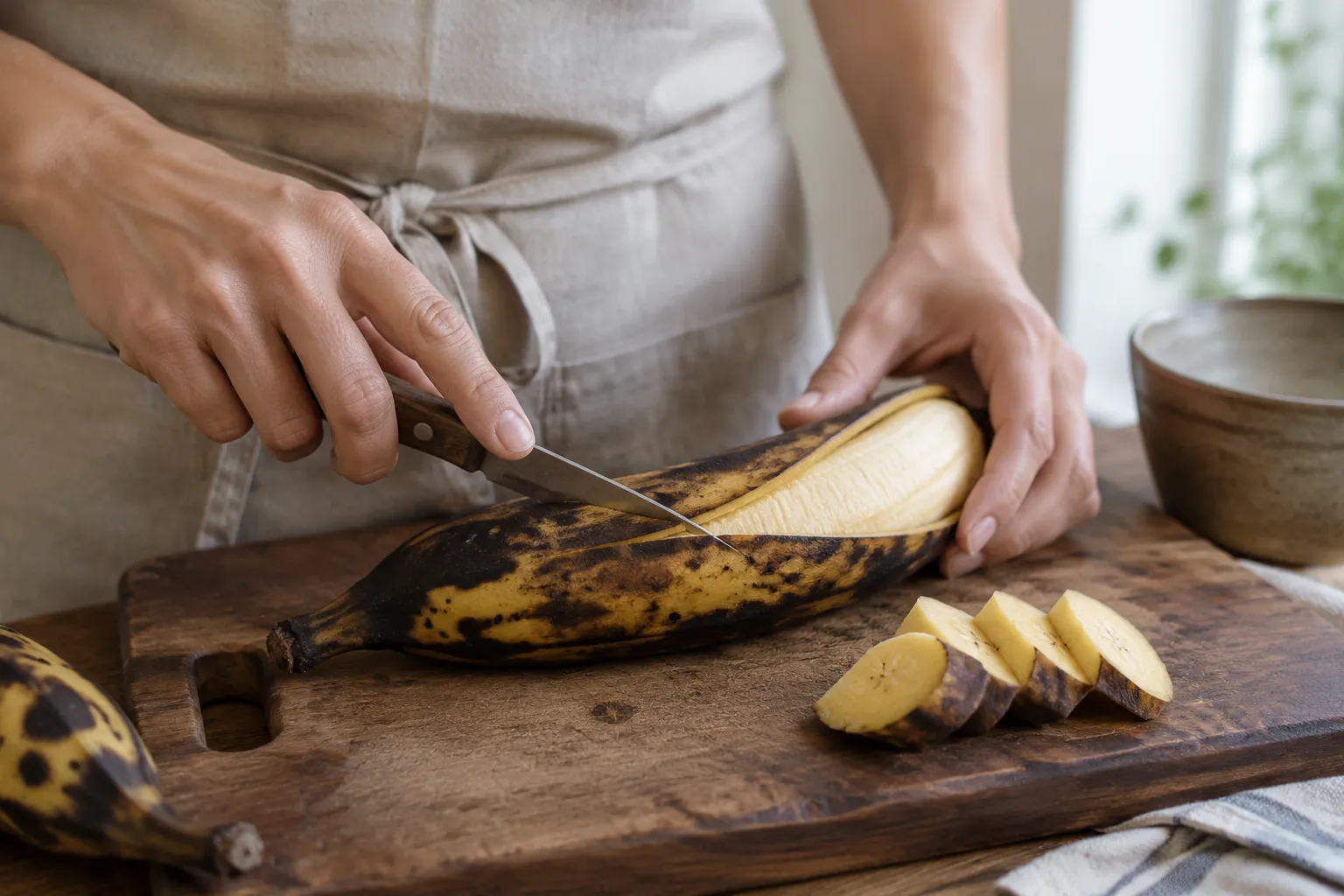
Before you hit the pan, you need to master how to peel plantains. Unlike a banana, the skin of a plantain is thick and fibrous. You’ll want to cut off both ends, then use a sharp knife to score the skin lengthwise along the ridges. Once scored, you can use your thumb to pry the skin away from the flesh. From there, slicing them on a diagonal (a bias cut) is traditional. This increases the surface area, which means more room for that glorious caramelization to occur. Aim for slices about half an inch thick—too thin and they’ll burn, too thick and the center won't soften before the outside is done.
Once your slices are ready, heat your oil in a large skillet over medium heat. You don't need a deep pool of oil; a shallow fry is all that's necessary. When the oil shimmers, add the slices in a single layer, making sure not to crowd the pan. If you add too many at once, the temperature of the oil will drop, and the plantains will absorb the grease rather than searing, resulting in a soggy texture.
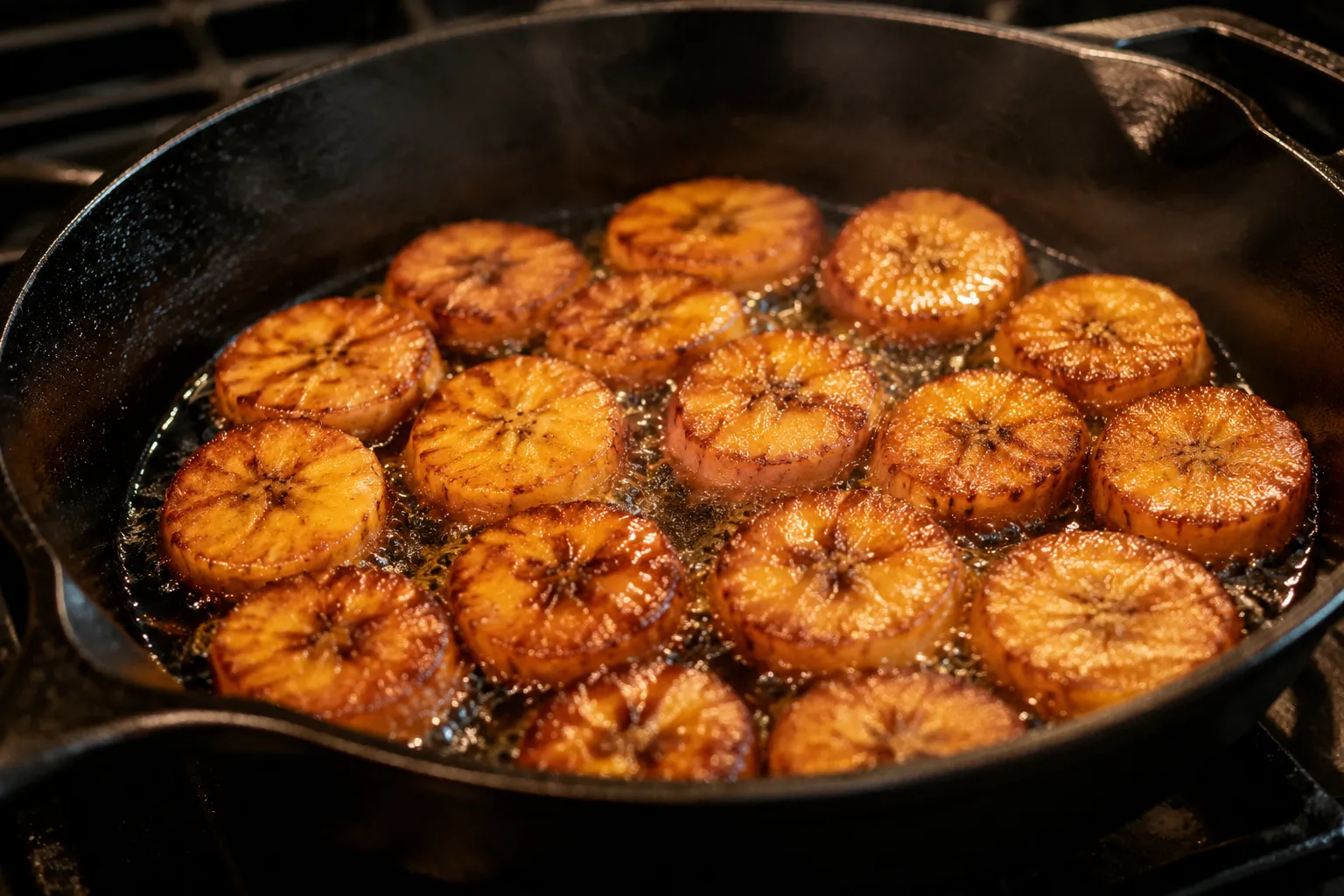
Watch for the edges to turn a deep, golden mahogany. This usually takes about 3 to 4 minutes per side. Because of the high sugar content, they can go from perfectly caramelized to burnt quite quickly, so stay close to the stove. Use a fork or tongs to flip them gently. The second side usually cooks faster than the first. Once they are browned to your liking, move them to a plate lined with parchment paper or paper towels to catch any excess oil.
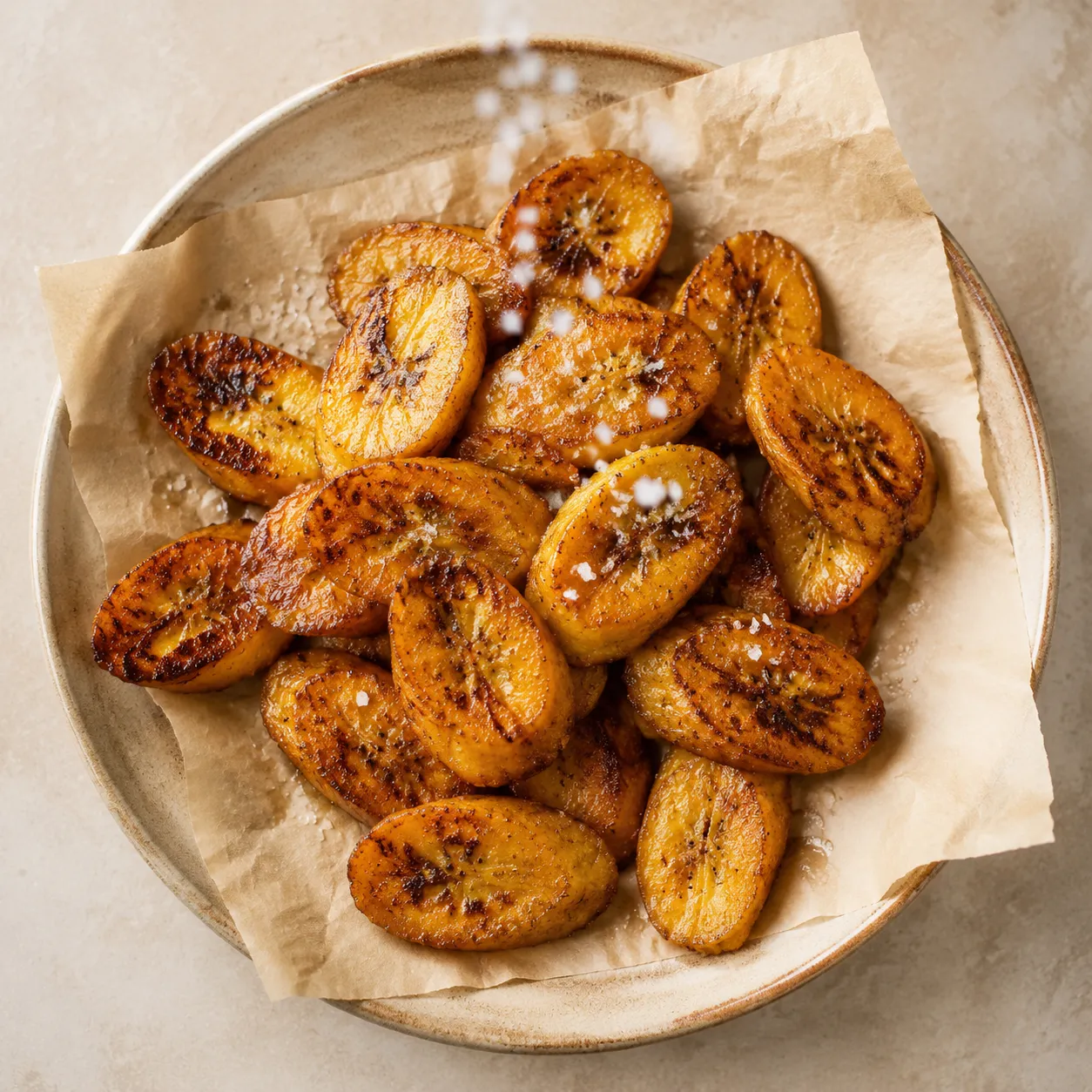
While frying is the traditional method, you can also achieve incredible results with baked plantains. This is a great option if you are cooking for a large crowd and don't want to stand over the stove in batches. To bake them, toss your slices in a bowl with a tablespoon of melted coconut oil and a pinch of salt. Arrange them on a parchment-lined baking sheet and bake at 400°F for about 20 minutes, flipping halfway through.
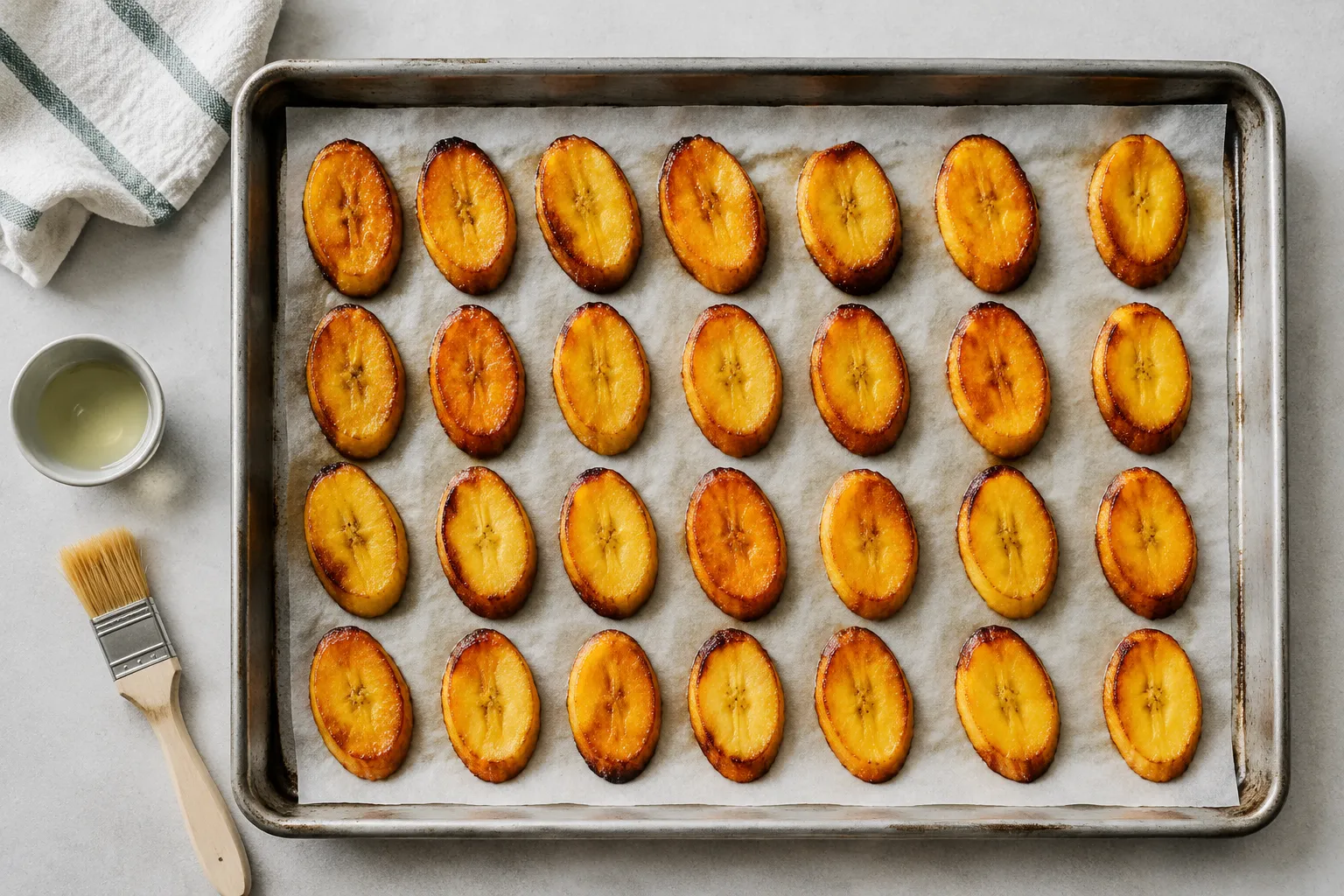
The texture of the baked version is slightly different—less crispy on the extreme edges but very tender and uniform. If you have an air fryer, that works too! Air frying for 8-10 minutes at 380°F gives you a result that sits right in the middle of frying and baking. It’s a versatile fruit that handles heat well, no matter the source. If you’re looking for something even crunchier, you might prefer making plantain chips, which use thinner slices and a lower temperature, but for a dinner side, these thick-cut maduros are king.
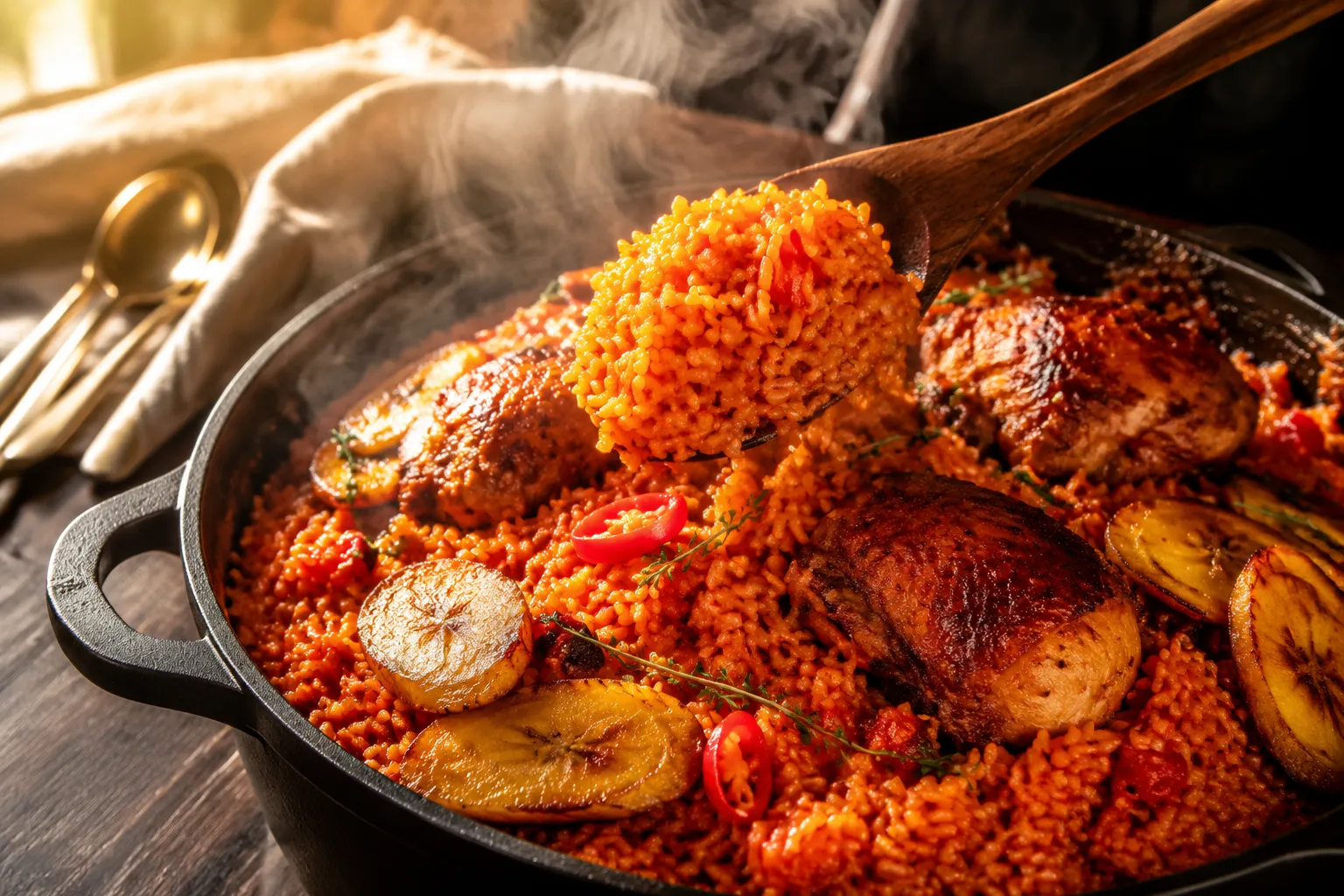
Fried plantains are incredibly versatile. In a traditional Caribbean spread, they act as the sweet counterpoint to salty, savory dishes. They are spectacular alongside a pile of coconut rice and peas, or tucked into a bowl of Cuban black bean soup. The sweetness helps cut through the heat of spicy habanero-based hot sauces or jerk seasonings, providing a cooling balance that keeps you reaching for another bite.
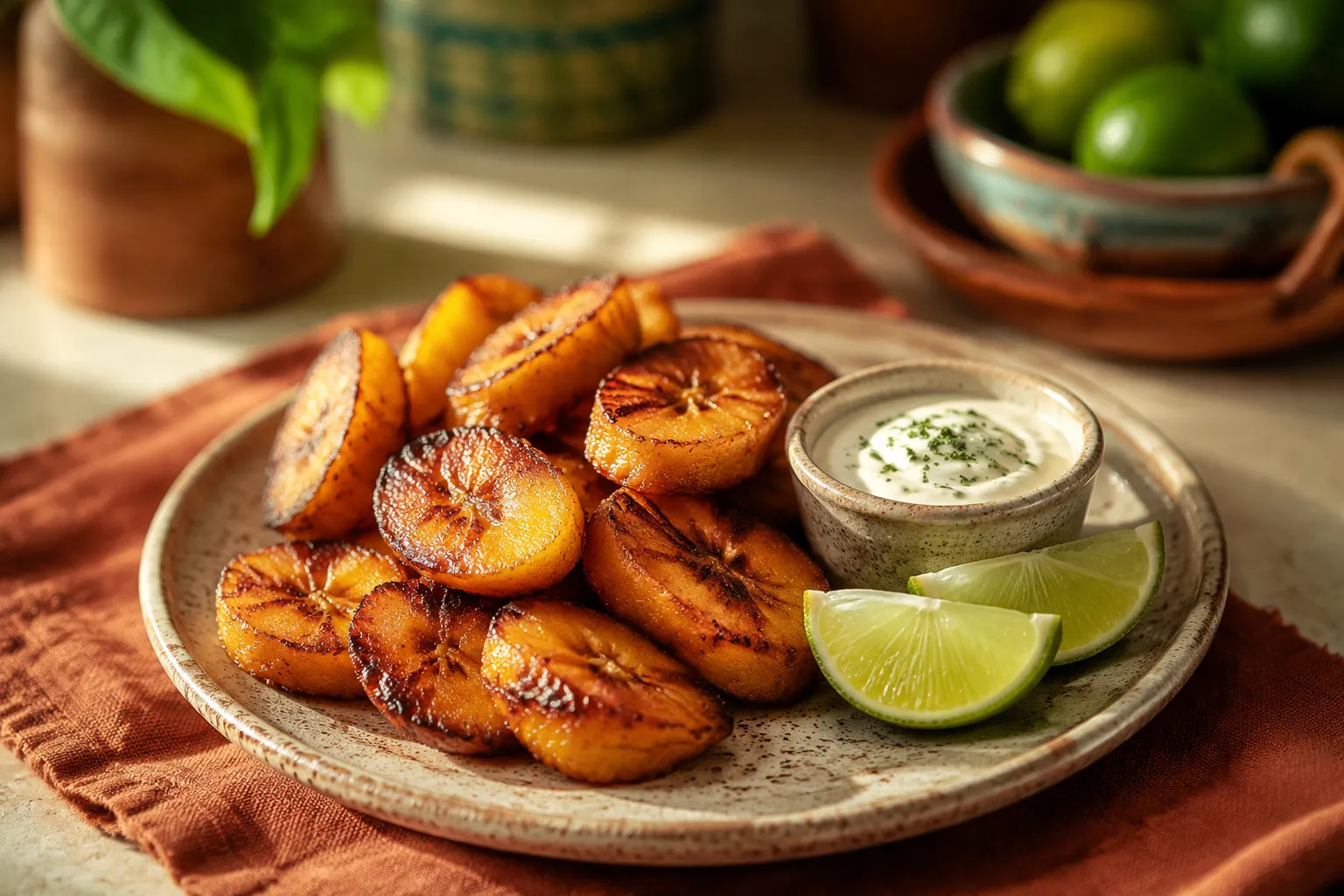
For a modern twist, try serving them with a dipping sauce made of Greek yogurt, lime juice, and a touch of garlic. Or, lean into the dessert side of things by dusting the hot slices with a mixture of cinnamon and coconut sugar. They are best served immediately while the edges are at their peak crispness, but honestly, they are pretty delicious at room temperature too. They bring a vibrant, tropical energy to any meal, making even a simple Tuesday night dinner feel like a vacation.
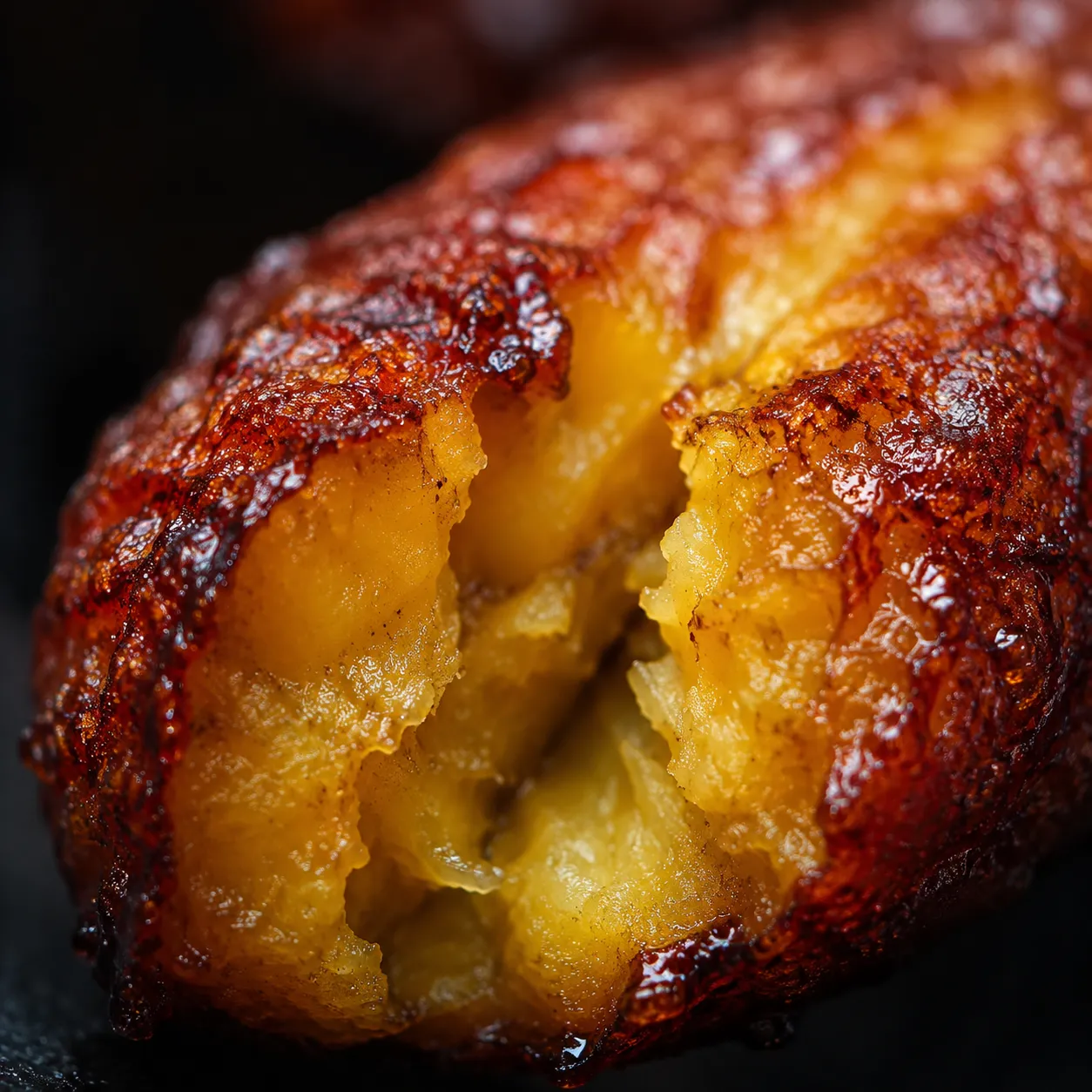
Whether you are a seasoned pro at global flavors or this is your first time bringing this fruit home, the process is rewarding and foolproof. Just remember: wait for the black spots, slice on the bias, and watch for that golden-brown glow. Once you master this simple technique, you'll find yourself grabbing a bunch of plantains every time you pass the produce stand, knowing that a world-class side dish is only 15 minutes away.