Oatmeal Cookies: The Ultimate Soft & Chewy Recipe Guide
4.8 from 12 reviews
0SHARES
Now Playing
Oatmeal Cookies: The Ultimate Soft & Chewy Recipe Guide
0:00
0:00
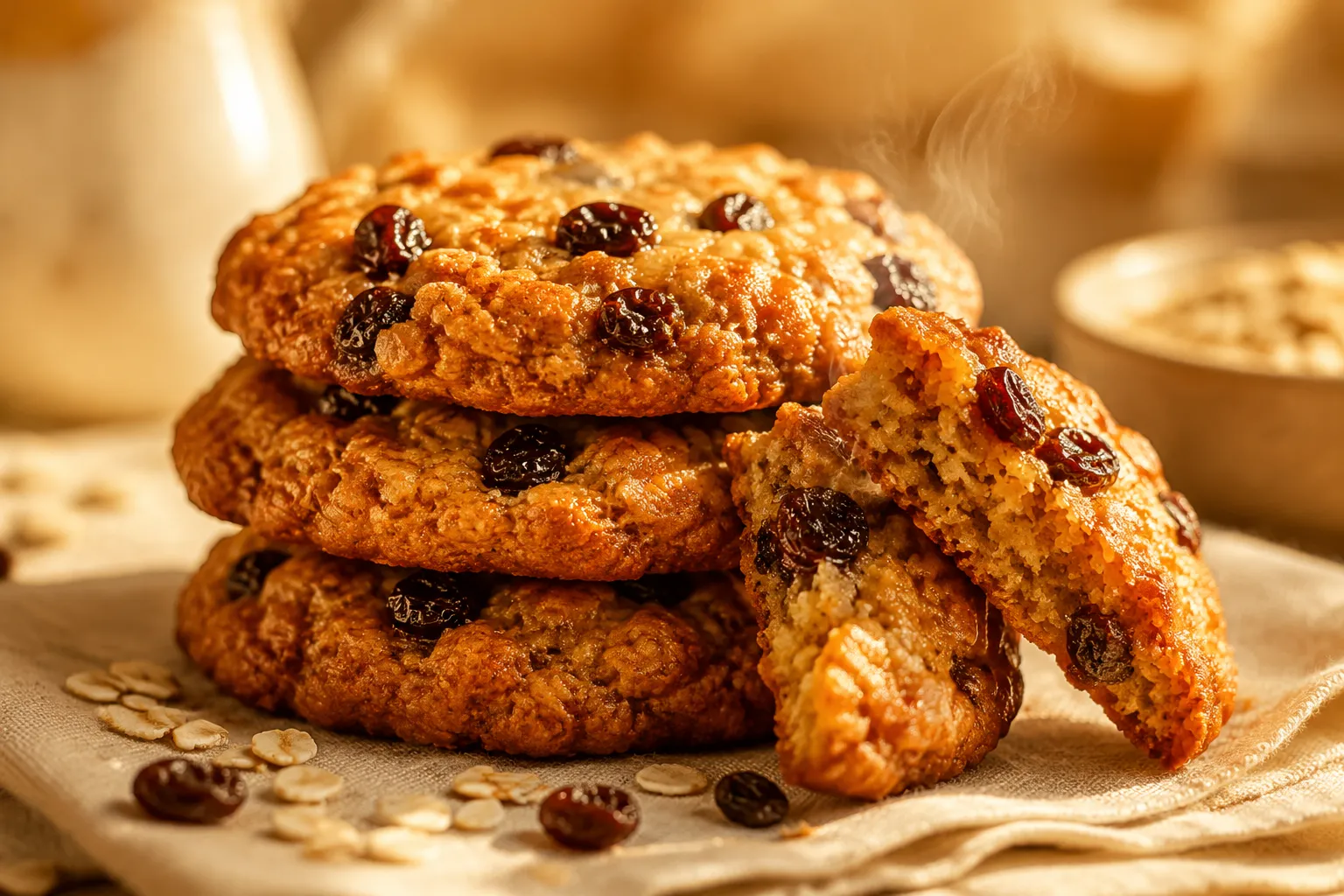
Soft, chewy oatmeal cookies with crisp golden edges and warm cinnamon flavor. One base recipe, endless mix-in variations the whole family will love.
Why You'll Love This Recipe
- Soft centers with golden edges: The brown-sugar-rich dough bakes into cookies that are tender in the middle with just enough crispness around the edges.
- One base dough, many directions: Use raisins, chocolate chips, peanut butter chips, butterscotch chips, nuts, or a combination without learning a new recipe every time.
- Pantry-friendly and practical: Most ingredients are baking staples, especially if you keep old-fashioned oats and brown sugar on hand.
- Make-ahead friendly: The dough chills beautifully and can be frozen in scooped portions for fresh cookies later.
- Comforting, nostalgic flavor: Cinnamon, vanilla, butter, and oats give these cookies that classic homemade taste everyone recognizes.
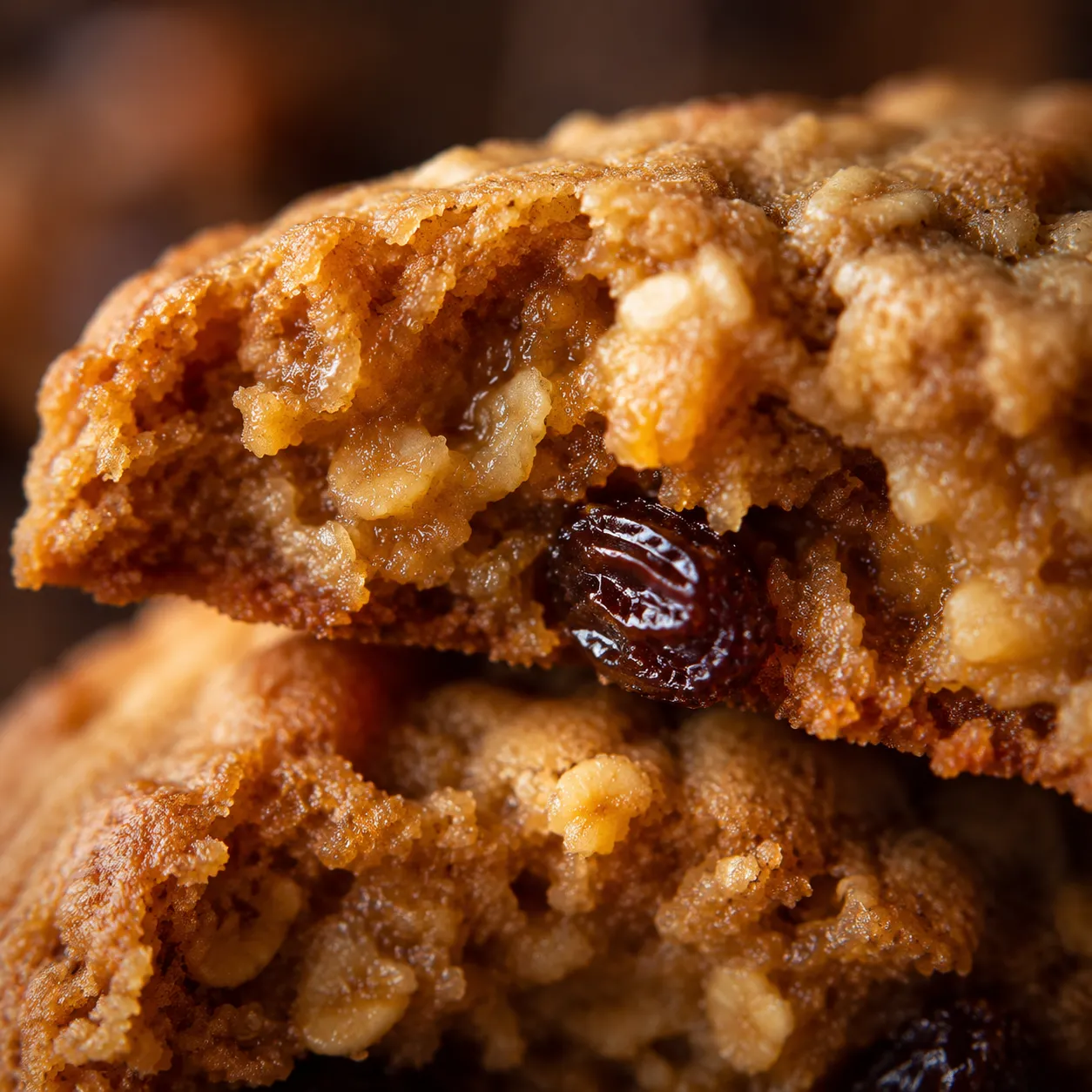
Oatmeal cookies are the kind of cozy, old-school bake that can make a kitchen feel instantly warmer. This recipe leans into everything we love about the classic: buttery dough, plenty of brown sugar, warm cinnamon, crisp golden edges, and centers that stay soft and chewy long after they cool.
What makes this guide especially handy is the base dough. Once you understand the butter, sugar, flour, and oat balance, you can take the same bowl of dough in a dozen delicious directions, from classic oatmeal raisin cookies to peanut butter oatmeal cookies, chocolate oatmeal cookies, and oatmeal butterscotch cookies. It is the recipe I reach for when I want something nostalgic, simple, and just a little bit customizable.
If you have a bag of old-fashioned oats in the pantry and a stick or two of butter on the counter, you are already halfway there. These bake up beautifully for lunchbox treats, bake sales, after-school snacks, holiday cookie tins, or that very specific 9 p.m. craving for something warm with a glass of milk. And yes, we will also talk about oatmeal no bake cookies and how to turn the same flavor profile into easy oatmeal bars for a more slice-and-serve moment.
What Makes This Soft Oat Cookie Recipe Work
The magic starts with texture. Old-fashioned oats bring chew, structure, and those rustic oat ridges that make every bite feel hearty without turning the cookie dry. A generous amount of brown sugar adds moisture and a gentle molasses note, while a smaller amount of granulated sugar helps the edges spread just enough to become lightly crisp.
The butter is softened, not melted, so it can cream with the sugars and trap air in the dough. That creaming step gives the finished cookies lift and tenderness instead of making them greasy or thin. Cinnamon rounds everything out with warmth, and a splash of vanilla makes the dough taste bakery-level even before the mix-ins go in.
Ingredients You'll Need
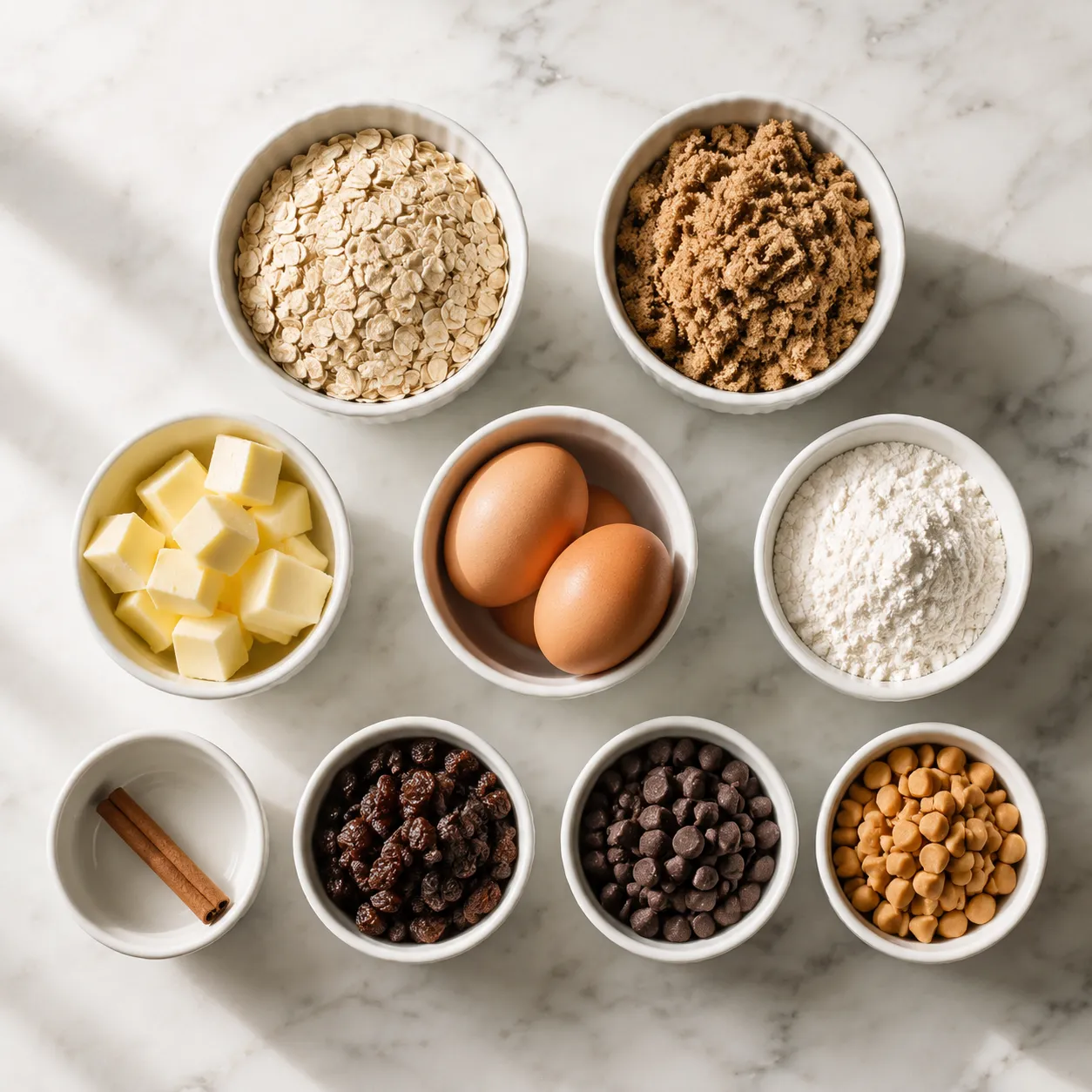
This ingredient list is intentionally simple, but each piece has a job. Butter gives richness, eggs bind the dough, vanilla adds depth, and a measured blend of flour, baking soda, cinnamon, and salt keeps the cookies flavorful and properly structured. The oats are the star, so choose them thoughtfully.
For the best chew, use old-fashioned oats, sometimes labeled old-fashioned rolled oats. They hold their shape during baking, giving you that classic nubby texture. Quick oats can work in a pinch, but they absorb liquid differently and create a softer, more uniform cookie; avoid steel-cut oats here because they stay too firm and chewy in the wrong way.
Brown sugar is another essential ingredient because it keeps the centers moist and tender. Light brown sugar gives a mild caramel flavor, while dark brown sugar makes the cookies deeper, richer, and slightly more molasses-forward. Either works beautifully, so use what you have or choose based on how bold you want the flavor.
For mix-ins, raisins are classic, but the dough is flexible. Chocolate chips melt into little pockets, butterscotch chips add a buttery candy-like sweetness, and peanut butter chips make the whole batch taste like a cookie jar mash-up. If you love extra texture, try adding chopped toasted walnuts or pecans, keeping the total mix-ins around 1 to 1 1/2 cups so the dough still holds together.
How to Make the Best Oatmeal Cookies
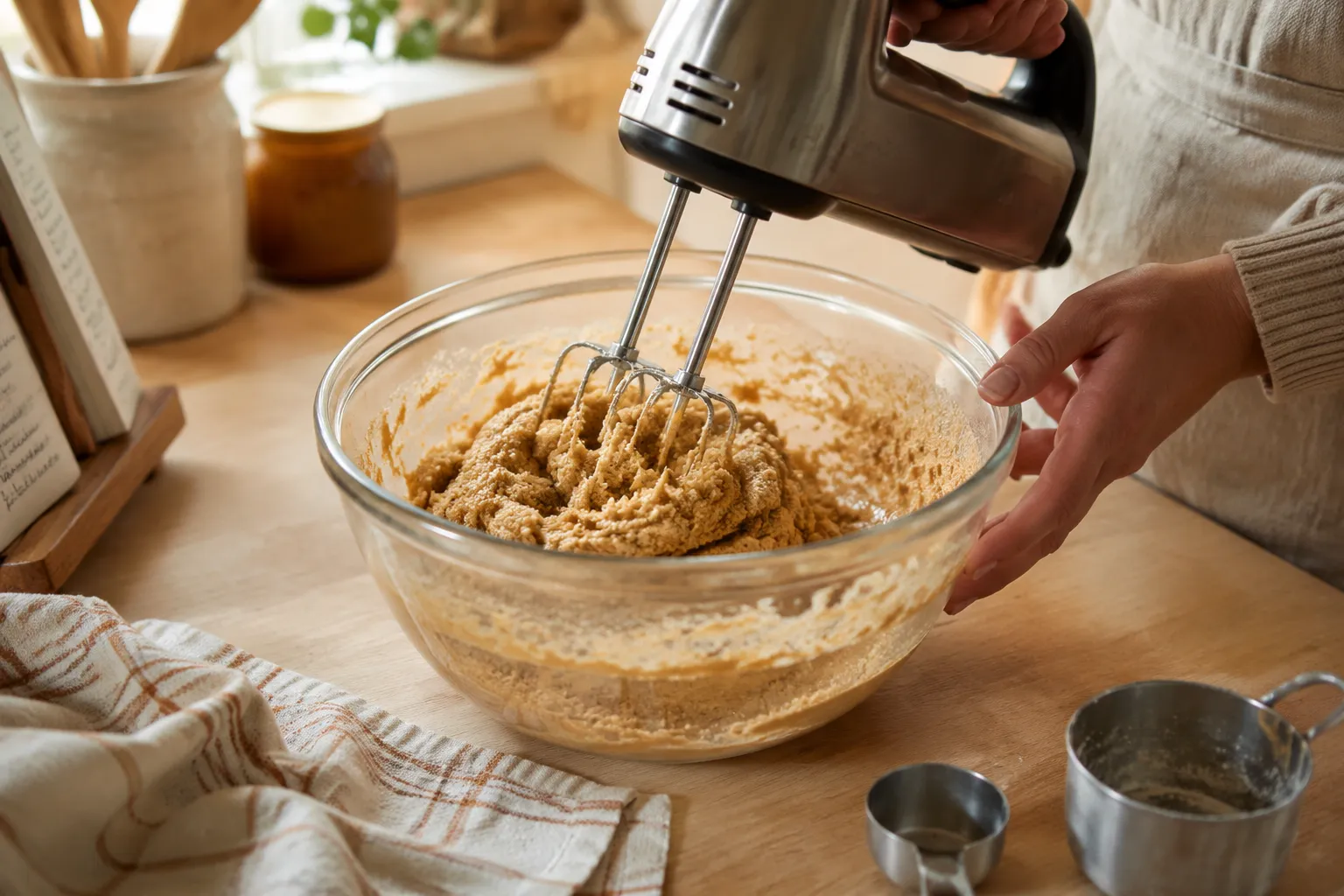
Start by creaming the softened butter with both sugars until the mixture looks lighter and fluffy. This does not need to take forever, but give it a solid 2 to 3 minutes with a hand mixer or stand mixer. You are building the foundation for cookies that puff slightly, settle gently, and stay tender in the middle.
Next, beat in the eggs one at a time, followed by the vanilla. Adding the eggs gradually helps the dough emulsify, which means the fat and liquid come together smoothly instead of looking separated. Scrape down the bowl once or twice so no buttery streaks hide at the bottom.
In a separate bowl, whisk together the flour, baking soda, cinnamon, and salt. This little pause is worth it because it distributes the leavening and spice evenly, helping every cookie bake consistently. Add the dry ingredients to the butter mixture on low speed just until the flour disappears.
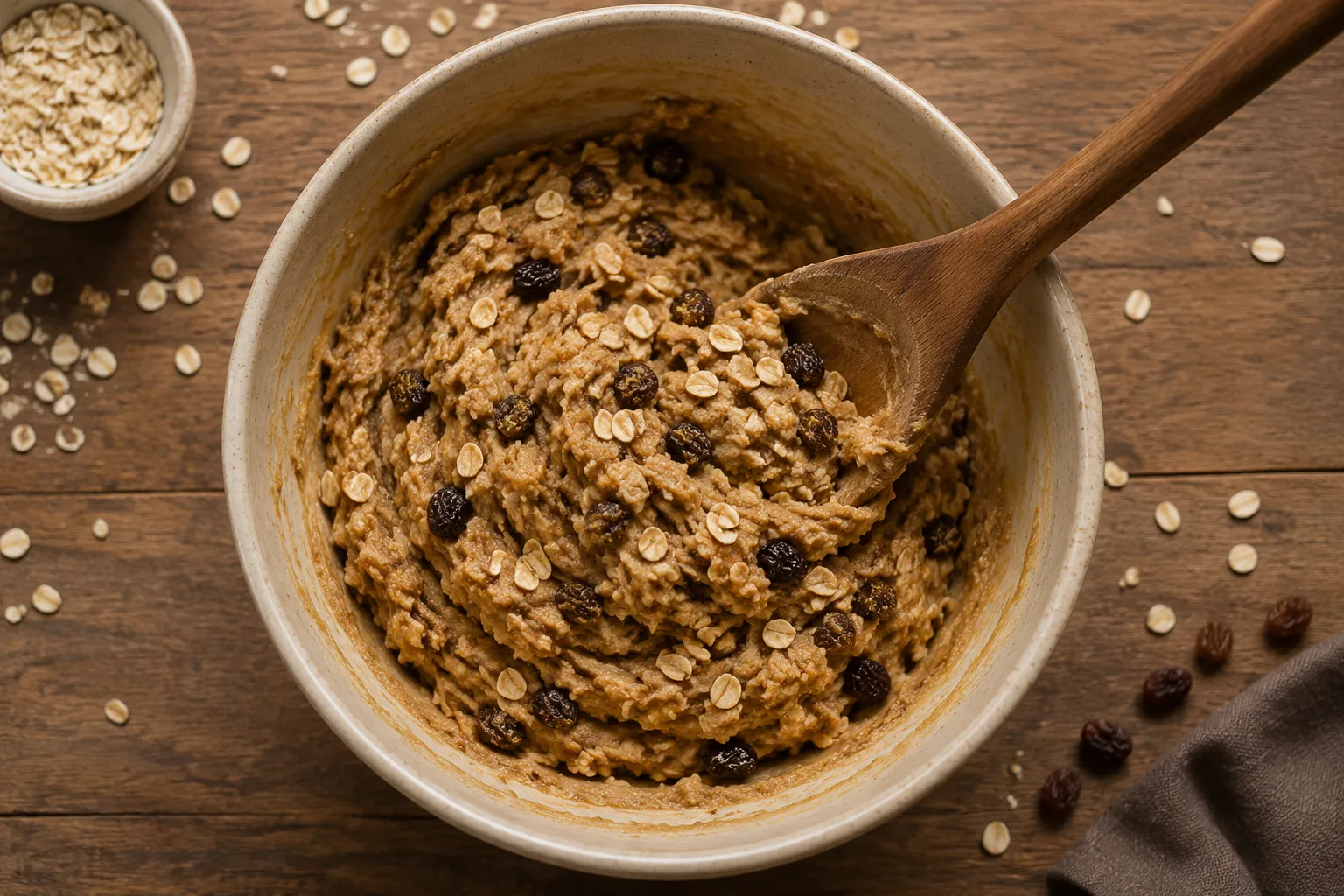
Now fold in the oats and raisins or your chosen mix-ins. The dough will be thick and scoopable, with visible oats throughout. If it feels very soft, that is normal; the oats will continue to hydrate as the dough rests.
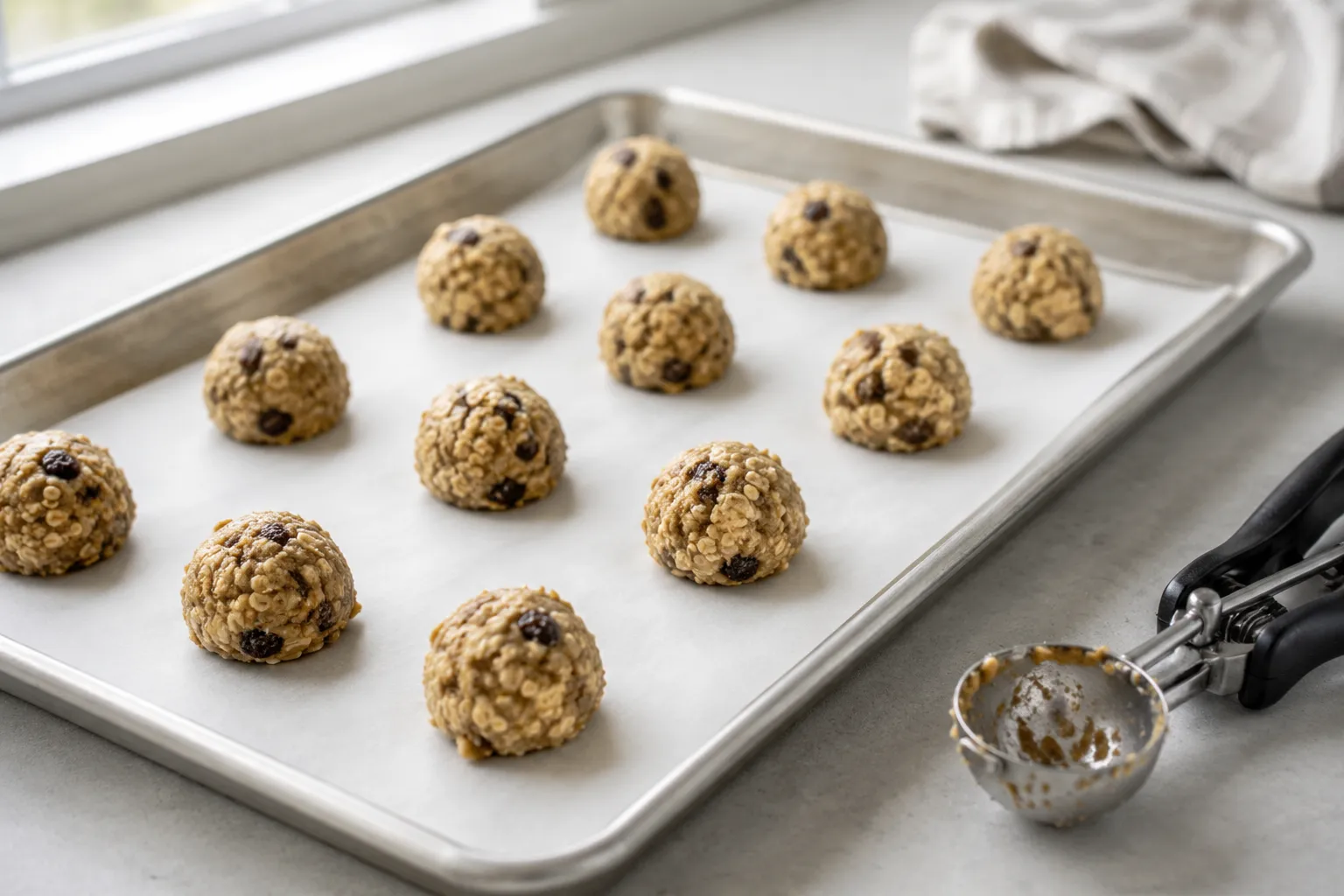
Chilling the dough for at least 30 minutes makes a noticeable difference. The butter firms up, the oats absorb some moisture, and the flavors settle into that caramel-cinnamon place that tastes like a bakery cookie. If you are short on time, even 15 minutes in the fridge helps, but the full rest gives you thicker cookies.
Scoop the dough into rounded balls and place them on a parchment-lined baking sheet with room to spread. A medium cookie scoop makes this easy and keeps the batch consistent, which means the cookies bake at the same rate. If you like a bakery-style look, press a few extra oats, raisins, or chips onto the tops before baking.
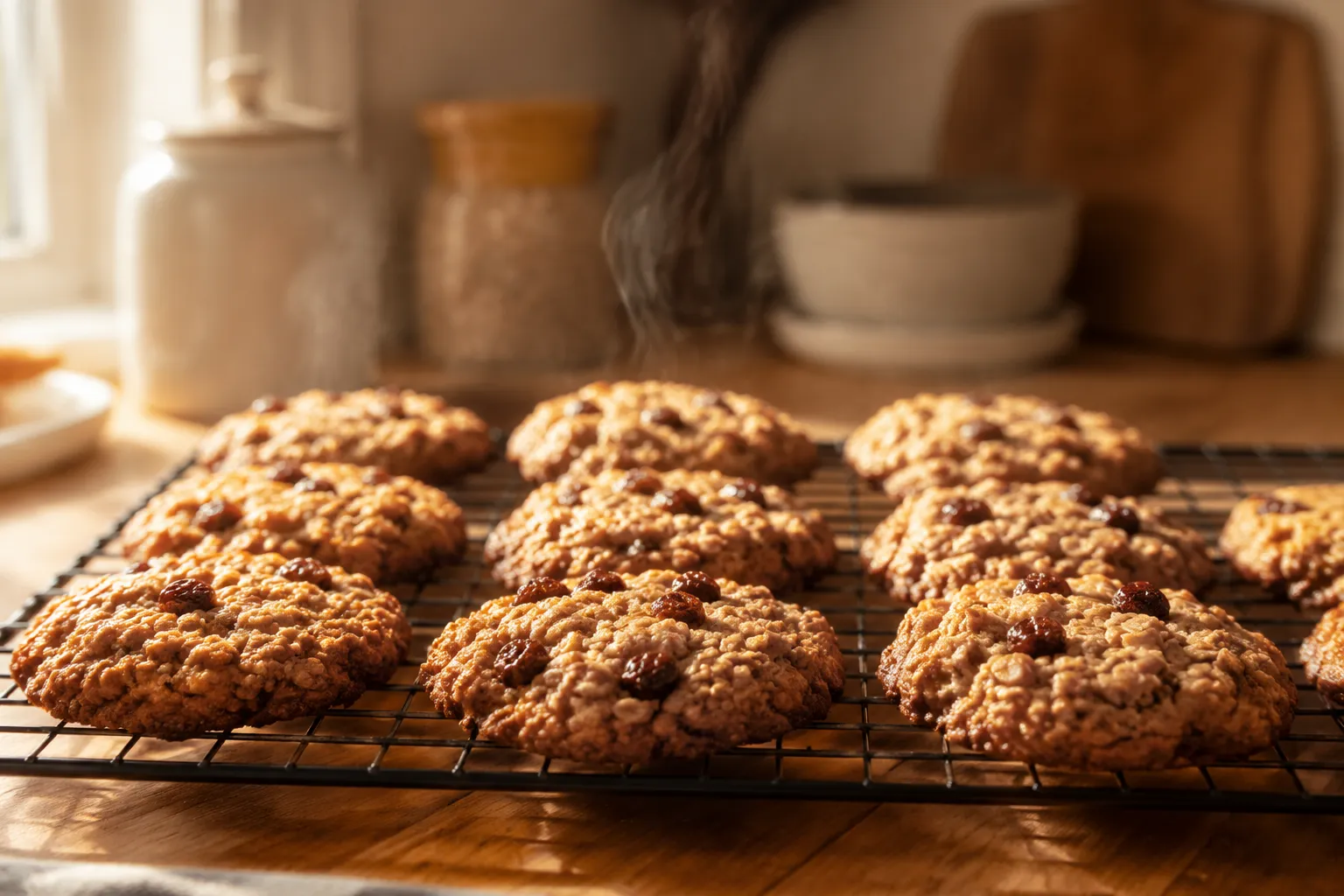
Bake until the edges are golden and the centers look just set. The centers may seem slightly underdone when you pull the pan from the oven, but they will continue to cook from residual heat as they rest on the baking sheet. This is the secret to that soft and chewy texture rather than a crisp cookie all the way through.
After 5 minutes on the pan, move the cookies to a wire rack. They will firm up as they cool while keeping that plush center. If you want the ultimate experience, eat one slightly warm when the edges are crisp and the middle is still tender.
Flavor Swaps from One Base Dough
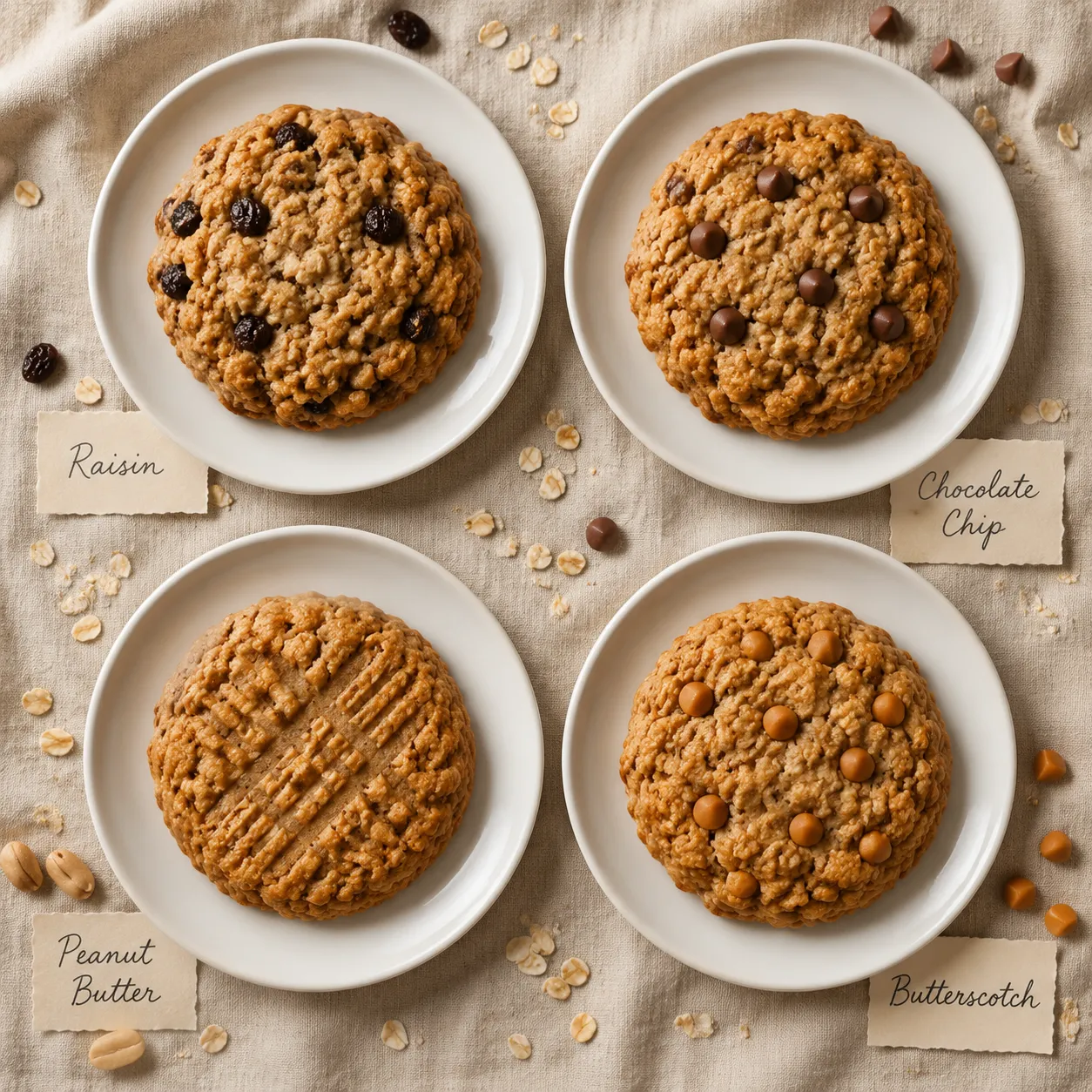
Once you have made the base dough, it becomes a choose-your-own-cookie situation. Raisins are traditional, especially if you soak them briefly in warm water and drain them well before adding them. That simple step plumps them so they bake up juicy instead of dry.
For a chocolate version, swap the raisins for semisweet or dark chocolate chips. The cinnamon still works here, giving the dough a warm background flavor without making it taste spicy. If you prefer a more dessert-like cookie, add a pinch of espresso powder to deepen the chocolate flavor.
For a peanut butter-inspired batch, use peanut butter chips or add a small swirl of creamy peanut butter to the dough. If adding actual peanut butter, keep it modest so the dough does not become too soft or oily. Peanut butter chips are the easiest route because they give that nutty flavor while preserving the base dough texture.
Butterscotch chips are wonderful when you want a sweeter, caramel-forward cookie. They echo the brown sugar in the dough and turn the edges extra golden. A small pinch of flaky salt on top before baking is especially good with this version because it balances the sweetness.
You can also keep the oven off entirely and use the flavor inspiration for no-bake treats. Traditional no-bake versions rely on a boiled mixture of butter, sugar, milk, cocoa, and peanut butter stirred together with oats, then dropped onto parchment to set. They are a different cookie style, but they scratch the same cozy oat-and-cinnamon craving in minutes.
From Cookie Dough to Oatmeal Bars
This dough can easily become a pan of oatmeal bars when you want something faster than scooping individual cookies. Press the chilled dough into a parchment-lined 9-by-13-inch pan, keeping the layer even from corner to corner. Bake until the top is golden and the center is set, then cool completely before slicing so the bars hold their shape.
For oatmeal raisin cookie bars, keep the raisins and add a handful of chopped walnuts if you like a little crunch. The bar format gives you a thicker, chewier bite with golden edges and a soft center, almost like a cookie blondie. It is especially nice for potlucks because you can slice neat squares and stack them easily.
You can also use the same idea as inspiration for oatmeal breakfast bars, especially if you reduce the mix-ins slightly and add nuts or seeds. They are still a treat, not a health bar, but the oats make them feel more satisfying than a plain sugar cookie. A drizzle of melted chocolate or a simple vanilla glaze takes them firmly back into dessert territory.
Serving Suggestions
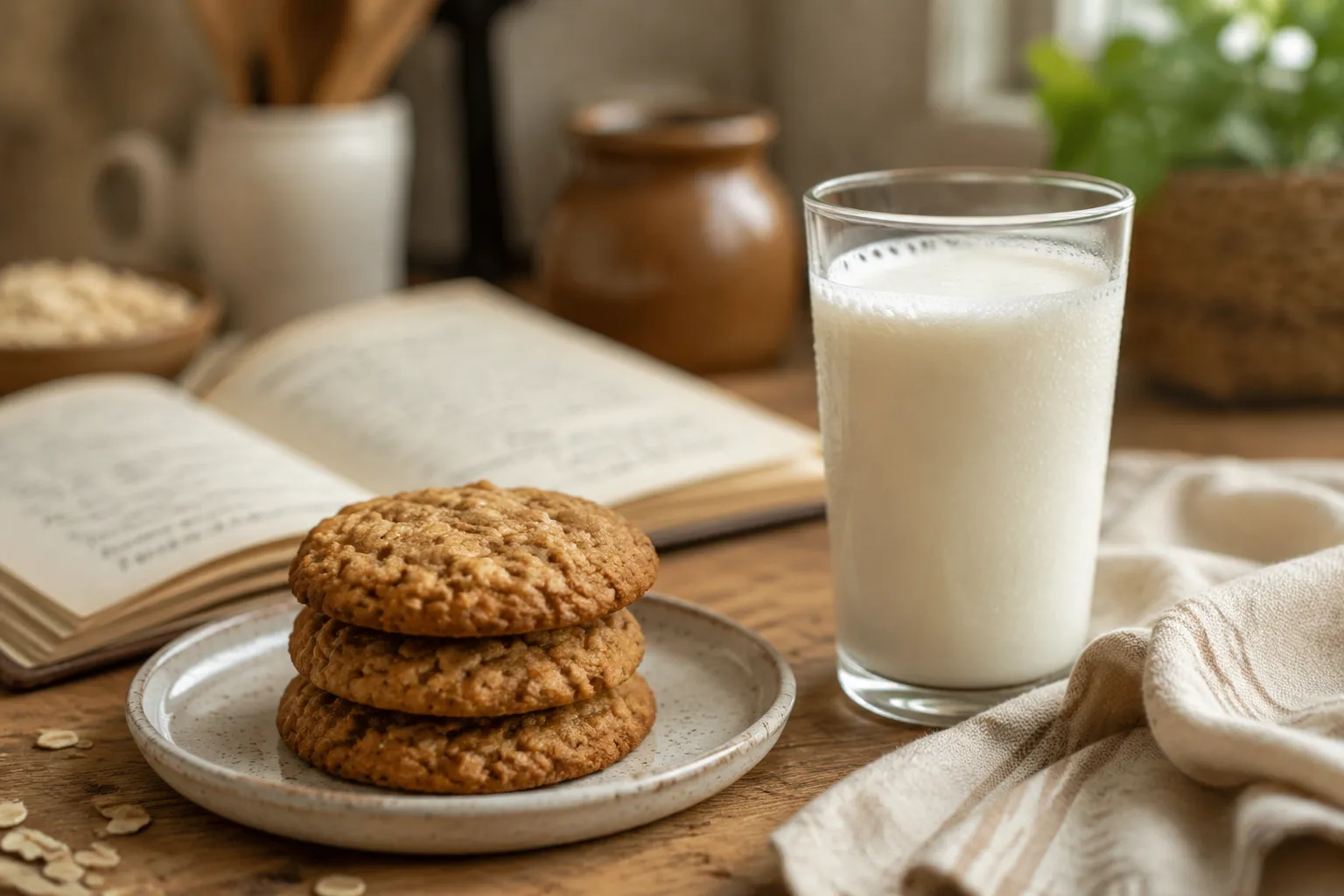
These cookies are at their best with something cold, creamy, or cozy alongside. A glass of milk is the obvious classic, but hot coffee, chai, black tea, or a cinnamon latte all play beautifully with the oats and brown sugar. For dessert, sandwich vanilla ice cream between two cooled cookies and roll the edges in mini chocolate chips.
For a cookie platter, mix two or three versions from the same dough so the tray looks abundant without requiring multiple recipes. A few raisin, chocolate chip, and butterscotch cookies side by side give everyone options while keeping your baking day simple. This is also a great dough to make ahead for holiday cookie boxes because the flavor feels familiar, comforting, and universally loved.
If you are baking for kids, let them choose their own mix-ins and press a few on top before the tray goes into the oven. If you are baking for grown-ups, try toasted pecans, dark chocolate, dried cherries, and a sprinkle of flaky salt. However you customize them, oatmeal cookies are one of those forever recipes that belong in every home baker’s back pocket.
💡 Expert Tips
- Chill the dough: Even 30 minutes helps the oats hydrate and the butter firm up, which leads to thicker, chewier cookies with less spreading.
- Measure flour carefully: Spoon flour into the measuring cup and level it off instead of scooping directly from the bag, which can pack in too much flour and make dry cookies.
- Pull them early: Remove the cookies when the edges are set and golden but the centers still look soft; they finish setting on the hot pan.
- Use a cookie scoop: Even portions bake evenly, so you do not end up with some cookies overdone while others are underbaked.
- Refresh older cookies gently: A few seconds in the microwave brings back that warm, soft texture without needing to rebake the batch.
🔄 Variations & Substitutions
Use the base dough as your master recipe, then change the mix-ins to match the mood, season, or pantry. Keep the total add-ins around 1 to 1 1/2 cups so the cookies stay cohesive and bake evenly.
- Classic raisin: Add 1 cup raisins, or soak them in warm water for 10 minutes and drain well for extra plumpness.
- Chocolate chip: Replace raisins with semisweet, milk, or dark chocolate chips.
- Peanut butter: Use peanut butter chips, or add a modest swirl of creamy peanut butter for a nutty finish.
- Butterscotch: Add butterscotch chips and a tiny sprinkle of flaky salt on top before baking.
- No-bake inspired: For a separate no-oven treat, boil butter, sugar, milk, and cocoa, then stir in oats and peanut butter and let the drops set on parchment.
🧊 Storage & Leftovers
Store baked cookies in an airtight container at room temperature for 4 to 5 days. To help keep them soft, add a slice of sandwich bread to the container; the cookies absorb a little moisture from the bread and stay tender longer.
For longer storage, freeze baked cookies in a freezer-safe bag or container for up to 3 months. You can also freeze scooped dough balls on a sheet pan until solid, then transfer them to a bag and bake straight from frozen, adding 1 to 2 minutes to the bake time.
Frequently Asked Questions
Should I use old-fashioned oats or quick oats?
Old-fashioned rolled oats are the best choice for chewy, classic texture because they hold their shape during baking and give the cookies those hearty oat ridges. Quick oats will work if that is what you have, but they absorb moisture faster and make the cookies softer, denser, and less textured. Avoid steel-cut oats for this recipe; they do not soften enough in the short baking time and can make the cookies unpleasantly hard.
Why did my oatmeal cookies turn out flat?
Flat cookies are usually caused by butter that was too warm, dough that was not chilled, or flour that was under-measured. Make sure the butter is softened but still cool, chill the dough for at least 30 minutes, and use the spoon-and-level method for measuring flour. It is also worth checking that your baking soda is fresh, since expired leavening will not give the dough enough lift.
Can I make oatmeal cookies without baking?
Yes, but no-bake oatmeal cookies are a different style from this baked dough. For a classic no-bake version, boil butter, sugar, milk, and cocoa for the proper amount of time, then stir in oats and peanut butter. Drop the mixture onto parchment and let it set at room temperature. The result is fudgy, chewy, and perfect when you want an oat-based cookie without turning on the oven.
How do I keep oatmeal cookies soft and chewy?
The most important step is to slightly underbake them. Pull the cookies when the edges are golden and the centers look set but still soft, then let them finish on the warm baking sheet for a few minutes. Once cooled, store them in an airtight container with a slice of bread to maintain moisture. Brown sugar also helps, which is why this recipe uses more brown sugar than granulated sugar.
Can I freeze oatmeal cookie dough?
Absolutely. Scoop the dough into balls and arrange them on a parchment-lined baking sheet, then freeze until solid. Transfer the frozen dough balls to a freezer bag or airtight container and label with the date and baking temperature. Bake straight from frozen whenever a craving hits, adding 1 to 2 extra minutes to the usual bake time. There is no need to thaw first.
Oatmeal Cookies: The Ultimate Soft & Chewy Recipe Guide