Cream Pie Recipe: Classic Old-Fashioned Sugar Cream Pie
Ingredients
Scale
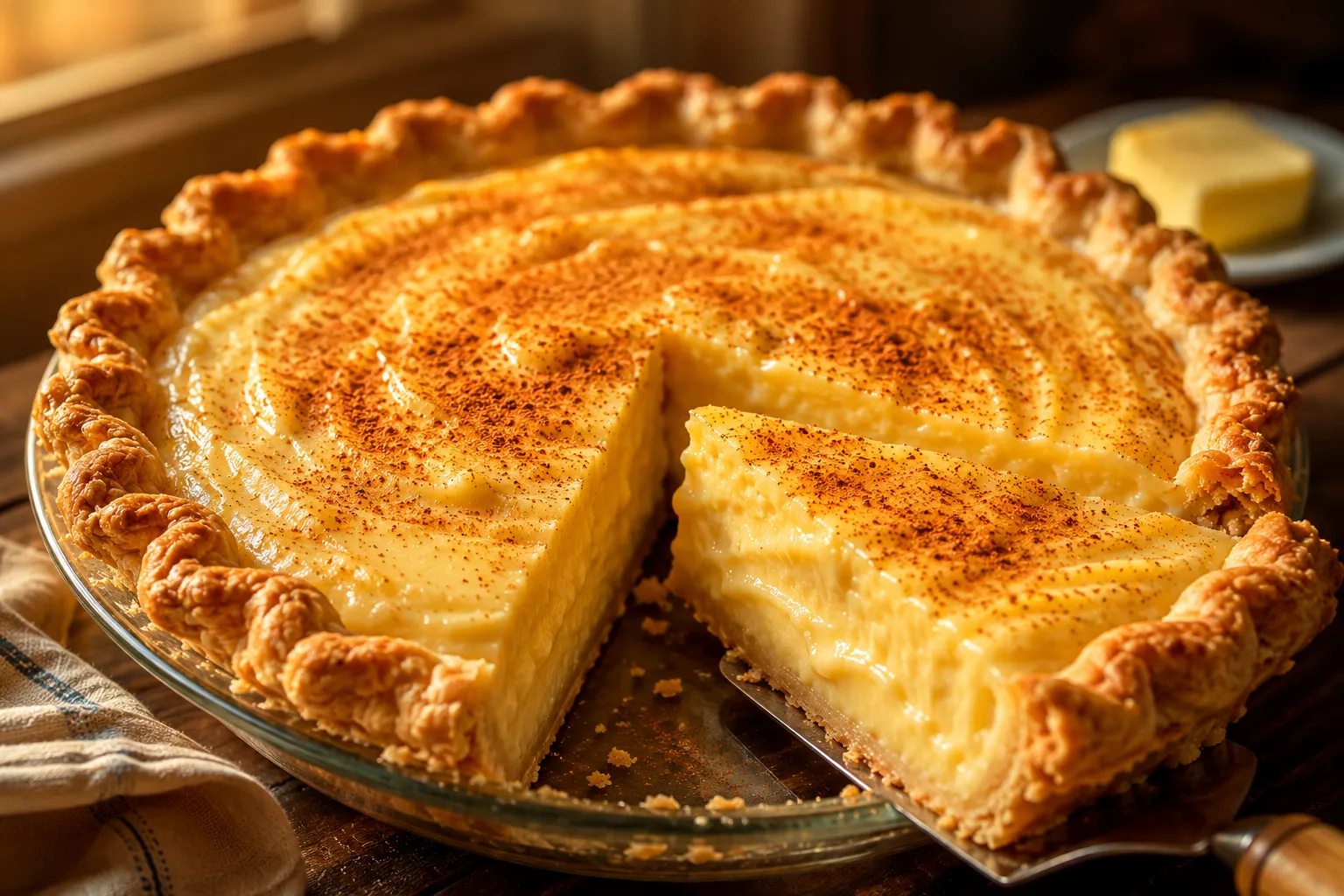
A silky, vanilla-kissed cream pie with a flaky golden crust and that nostalgic old-fashioned sugar pie filling that sets up just right every time.
This cream pie recipe is the kind of dessert that quietly steals the show at every Sunday supper, holiday spread, and weeknight craving for something sweet and nostalgic. It's the pie my grandmother made when she didn't have fresh fruit, didn't have eggs, and didn't have time to fuss — just milk, cream, sugar, butter, and a whisper of vanilla, all coaxed into a glossy custard that sets up like a dream inside a deeply golden crust.
If you've never had a true old-fashioned sugar cream pie — sometimes called Hoosier sugar pie because Indiana claims it as a state treasure — you're in for something special. The filling is eggless, silky, and just barely sweet, with a soft caramel-vanilla edge from the butter and a snowfall of fresh nutmeg on top. It's the kind of pie that makes people pause mid-bite and ask what exactly they're eating.
I've made this pie dozens of times, troubleshot every kind of disaster (runny middles, lumpy filling, weepy crusts), and landed on a method that works beautifully every single time. Below you'll find the full ingredient breakdown, a foolproof stovetop technique, plenty of variations, and answers to every question I've ever been asked about getting that classic American cream pie just right.
Most modern cream pies lean on a pile of egg yolks for their custard, but the old-fashioned cream pie tradition takes a different path: cornstarch does the thickening, and the result is a cleaner, brighter dairy flavor with a glassier, more set texture. Think of it as the cousin of pastry cream, but built for slicing.
This particular version uses a generous splash of heavy cream alongside whole milk, which gives the filling a luxurious mouthfeel without tipping into heaviness. A full two teaspoons of vanilla and a final flurry of nutmeg keep things warm and aromatic. And because there are no eggs to scramble, the filling is forgiving — even a distracted baker can pull this off.
The pie sits in the lineage of Hoosier sugar pie, the kind of pantry-bakery classic born in Amish kitchens in the 1800s. It's deeply rooted in American baking history, but it tastes shockingly modern: silky, balanced, and never cloying.
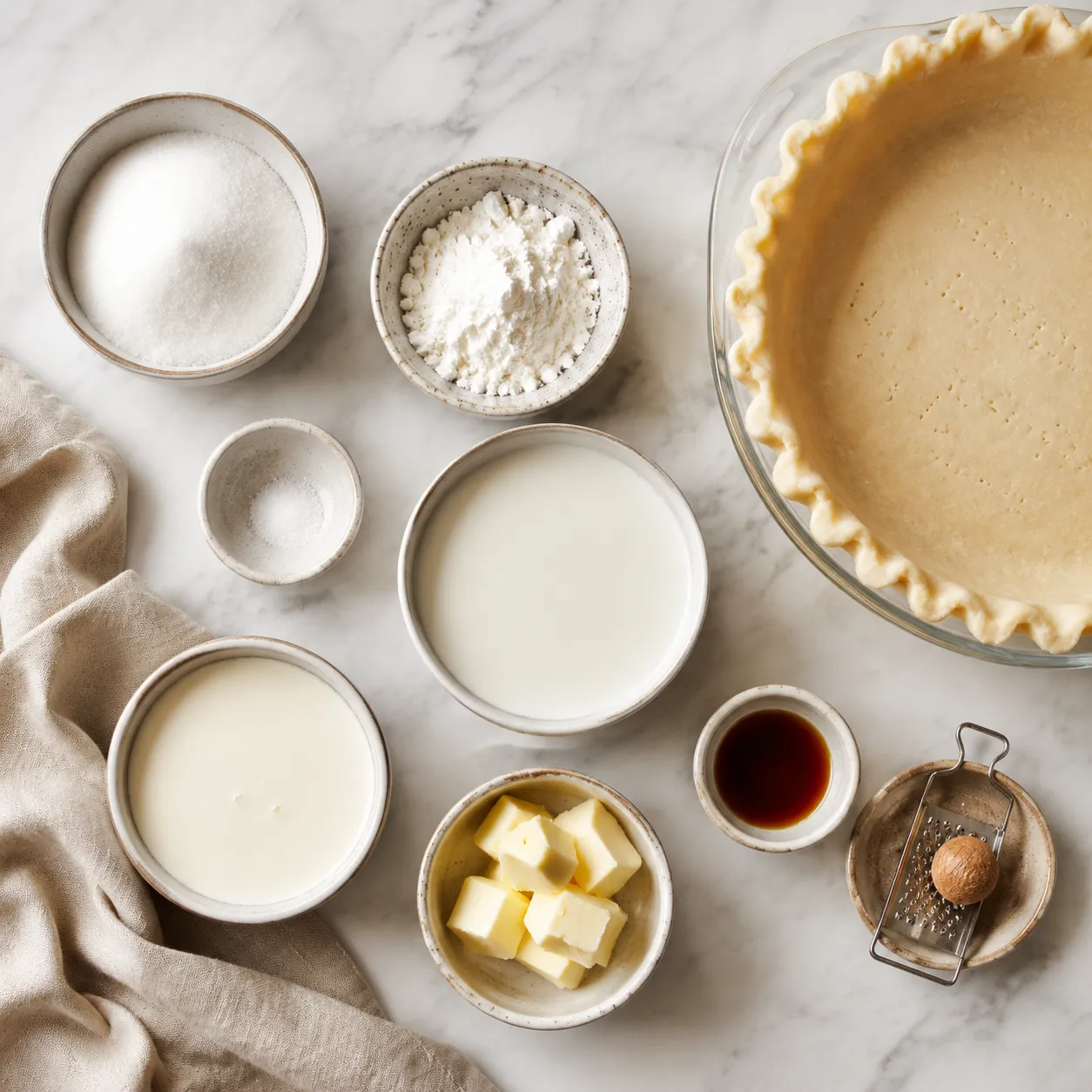
The beauty here is in the simplicity. You almost certainly have everything in your kitchen right now, and what you don't have is at every grocery store on the corner.
You need one 9-inch pie crust, blind-baked until deeply golden. A homemade pie crust made with cold butter (and maybe a tablespoon of vodka in the dough) gives you the crispest, most shatter-prone shell, but a good store-bought all-butter crust will work in a pinch. The key is full blind-baking — a soggy bottom is the enemy of a great cream pie.
Granulated sugar, cornstarch, kosher salt, whole milk, heavy cream, unsalted butter, and pure vanilla extract. That's it. Skip the low-fat milk; the dairy fat is what gives this vanilla custard filling its signature satin texture and prevents the filling from tasting thin or chalky.
Freshly grated nutmeg is traditional and non-negotiable in my kitchen. A cloud of softly whipped cream is wonderful, especially if you're serving the pie at a holiday table. A drizzle of caramel or a few flakes of sea salt are modern touches that don't feel out of place.
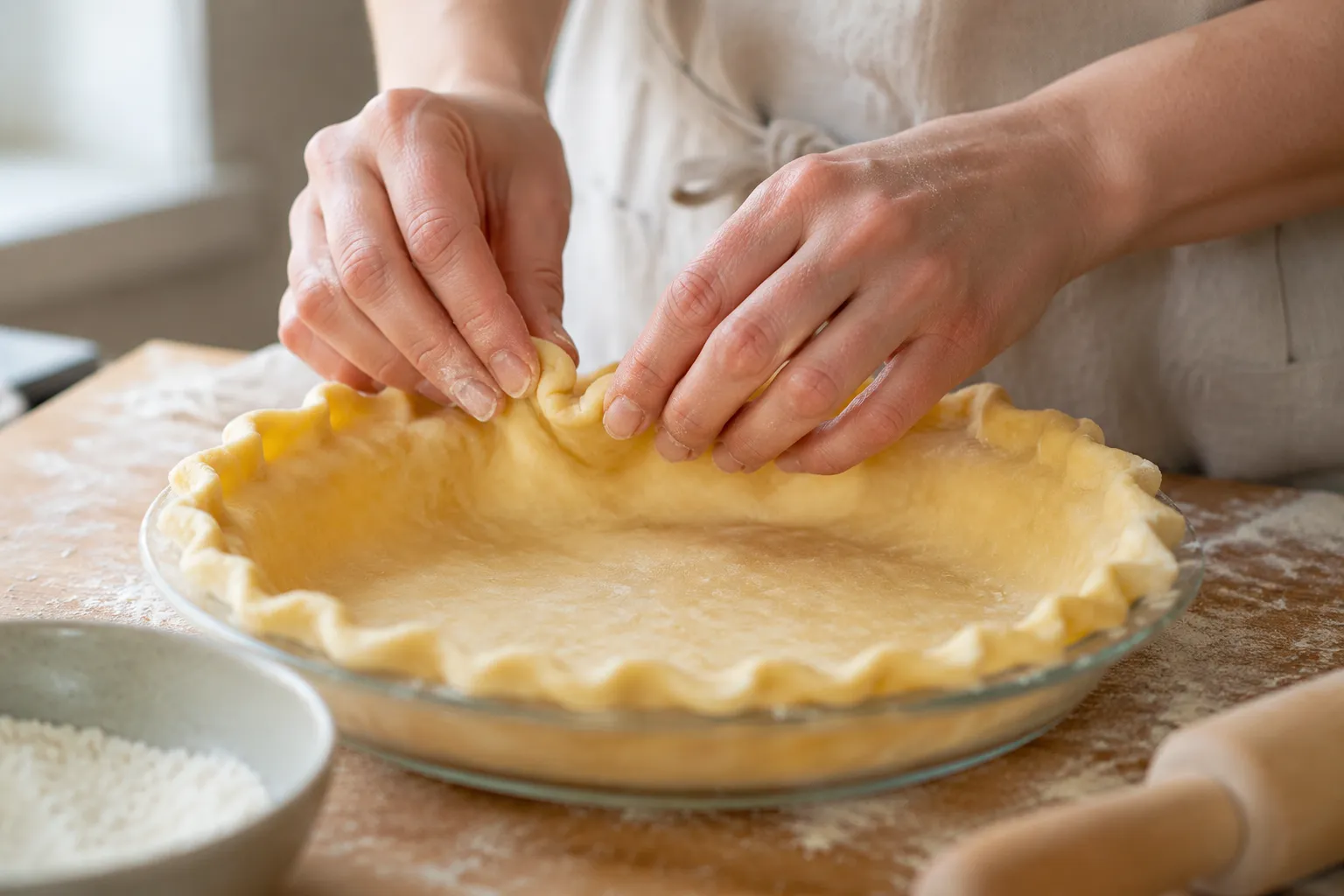
The full numbered method lives in the recipe card below, but here's a walkthrough so you know what to expect at each stage.
Roll your dough into a 12-inch round, ease it into your pie plate without stretching, and crimp the edges high to give yourself a generous wall for filling. Line with parchment, fill with pie weights or dried beans, and bake at 400°F until the edges are set. Remove the weights and bake again until the bottom is dry, golden, and shatter-crisp. A fully baked flaky pie crust is the foundation of everything that comes next.
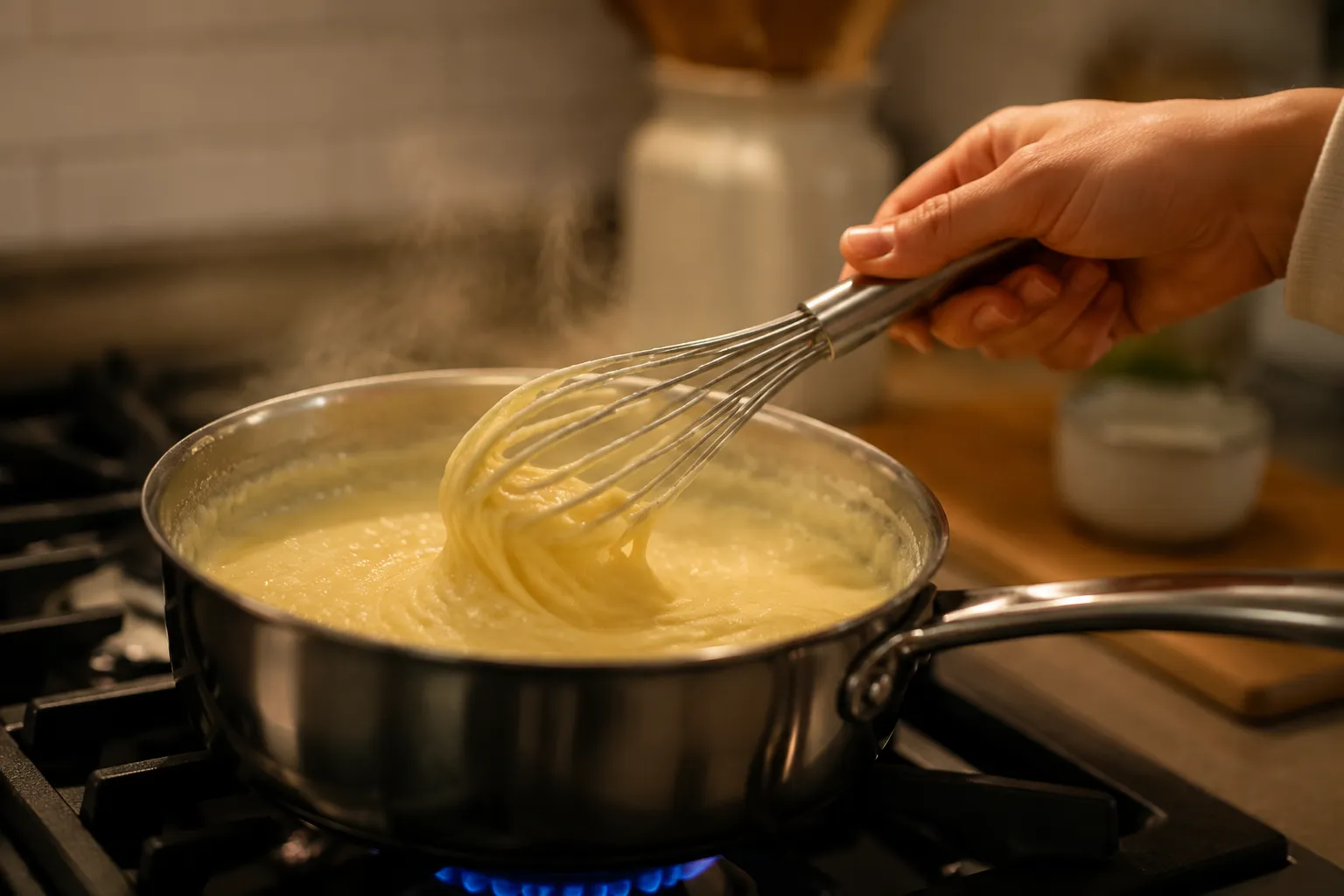
Whisk the sugar, cornstarch, and salt together in a heavy saucepan, then slowly stream in the milk and cream while whisking. Cook over medium heat, whisking constantly, until the mixture thickens into a glossy pudding and bubbles lazily across the surface — this is the moment the cornstarch fully activates. Off the heat, swirl in the butter and vanilla until silky.
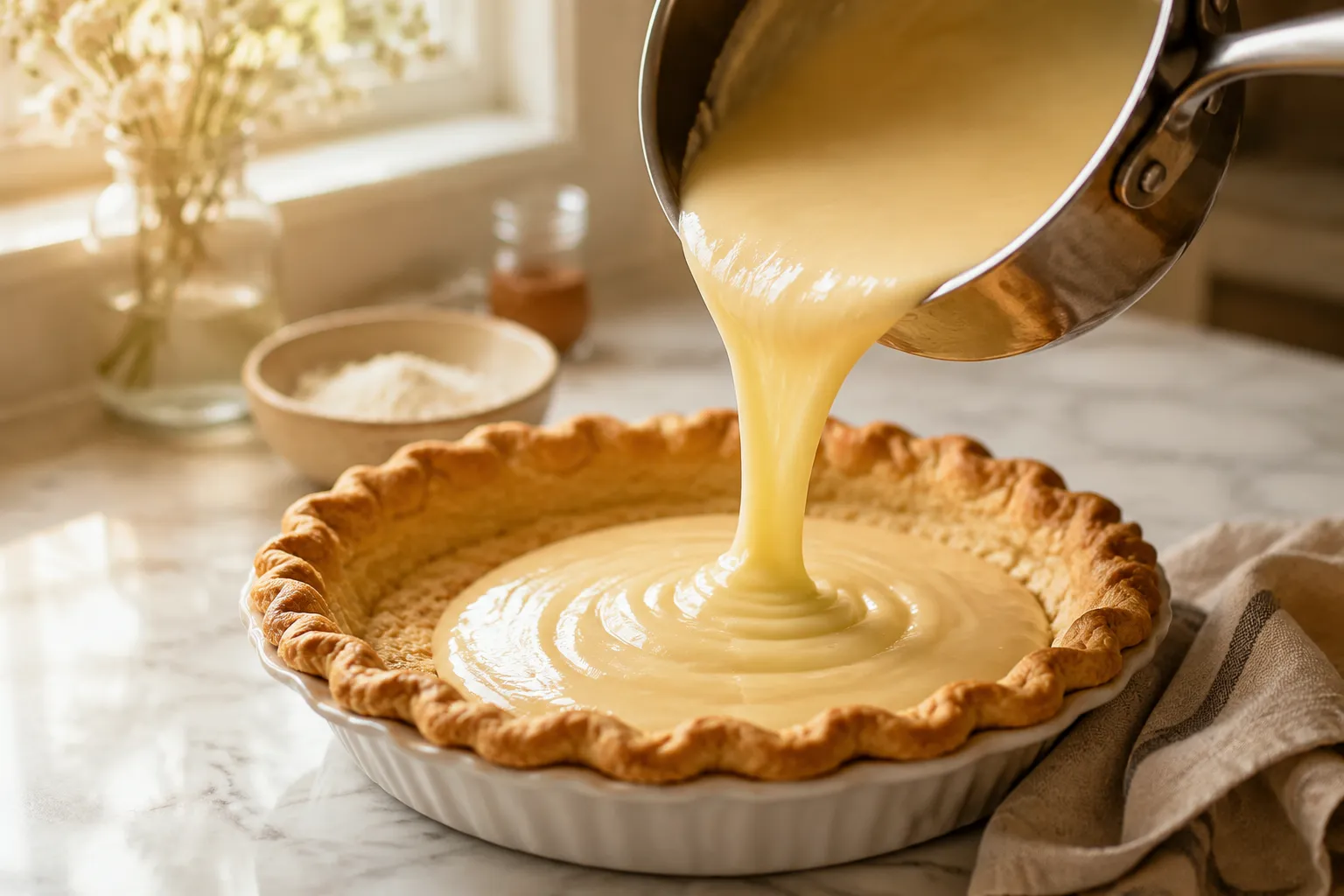
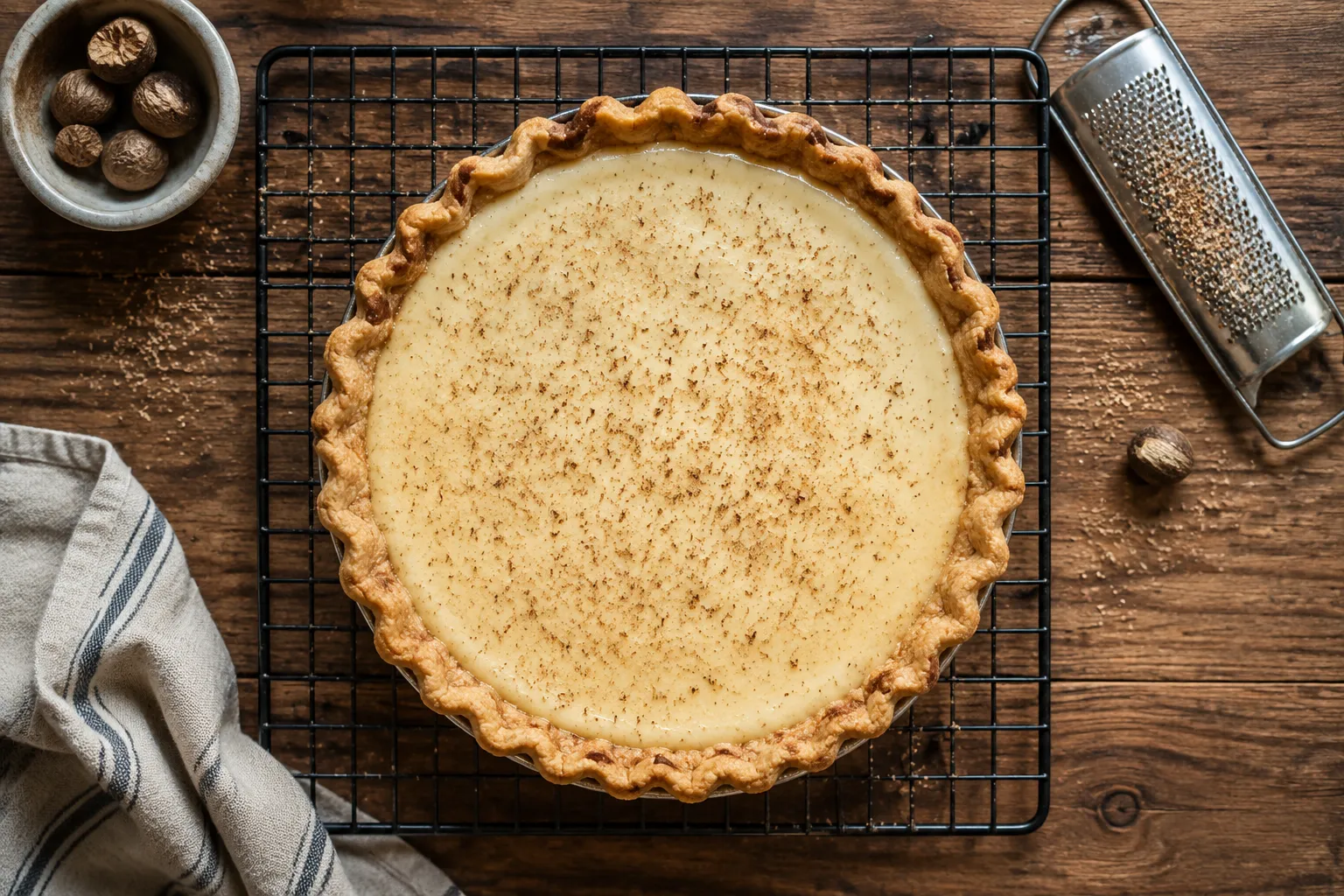
Pour the hot filling into the cooled, blind-baked crust and smooth the top. A short stint in a hot oven gives the filling that signature lightly caramelized top, and a generous dusting of nutmeg goes on while the pie is still warm so it bonds to the surface. Then comes the hardest part: a full four hours in the refrigerator. Don't rush it.
Cornstarch is finicky. It needs to reach a true boil — not a simmer, not a wisp of steam, but actual lazy bubbles — to fully thicken and lose its raw, starchy taste. Pull the pan too early and you'll end up with a soupy filling that never sets. Cook it too long over high heat and the starch can break down and weep.
The fat from the butter and cream coats the starch granules and gives the finished cream pie its glossy, almost lacquered surface. That's also why you add the butter off-heat: you want it to emulsify in, not boil out. If you're new to stovetop custards, this method is a great starter project before tackling more advanced easy cream pie recipes that involve tempering eggs.
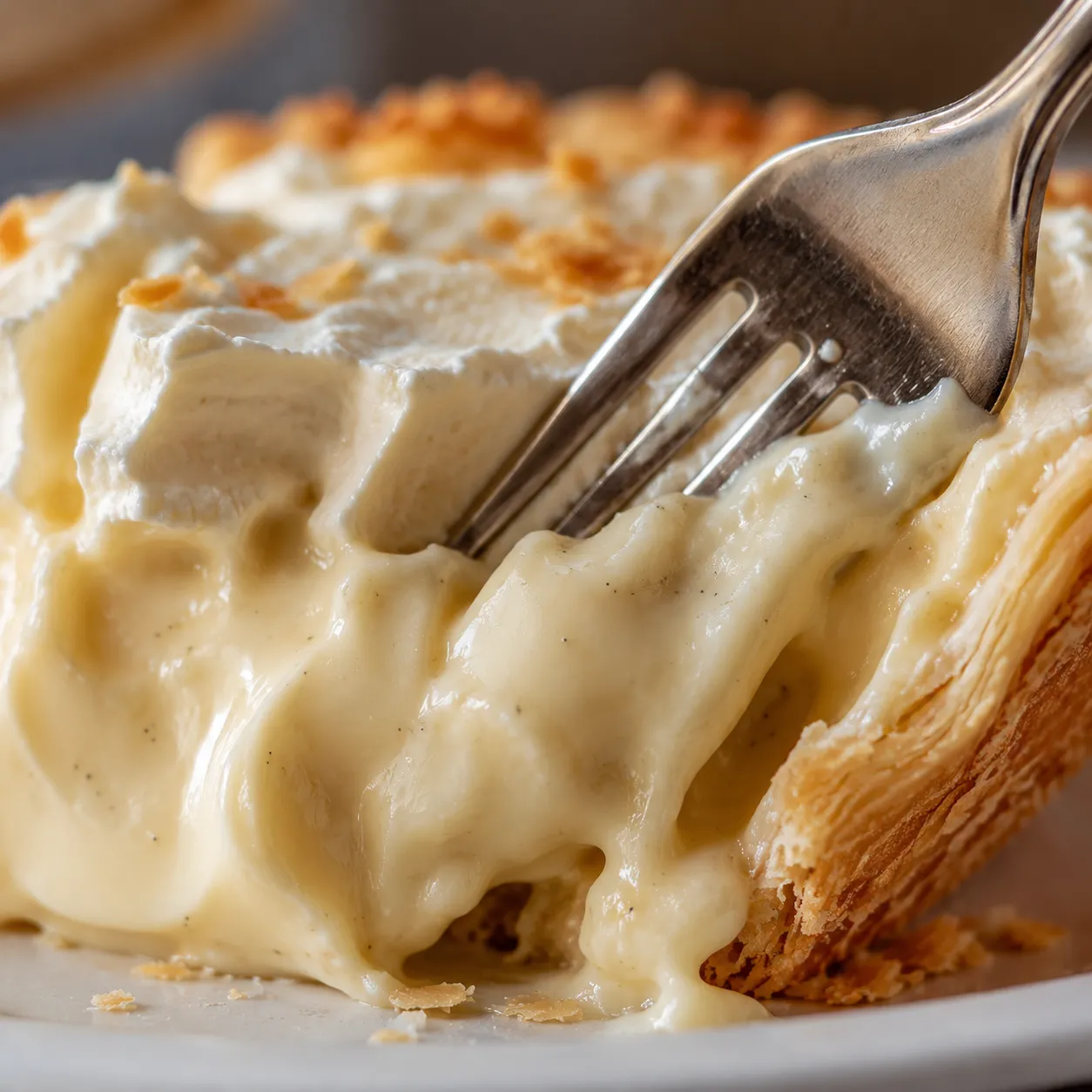
I love this pie cold, straight from the fridge, with a tall mug of strong coffee or a small glass of bourbon. The cool, silky filling against the warm spice of nutmeg is, frankly, addictive. For a more dressed-up moment, pipe rosettes of lightly sweetened whipped cream around the border and grate fresh nutmeg over the top right before serving.
It also plays beautifully alongside seasonal fruit — macerated strawberries in spring, sliced peaches in summer, a spoonful of cranberry compote in winter. If you've ever loved Hoosier sugar pie at a farmstand or church potluck, this is the home version that delivers the same nostalgic flavor with a slightly cleaner, more modern technique.
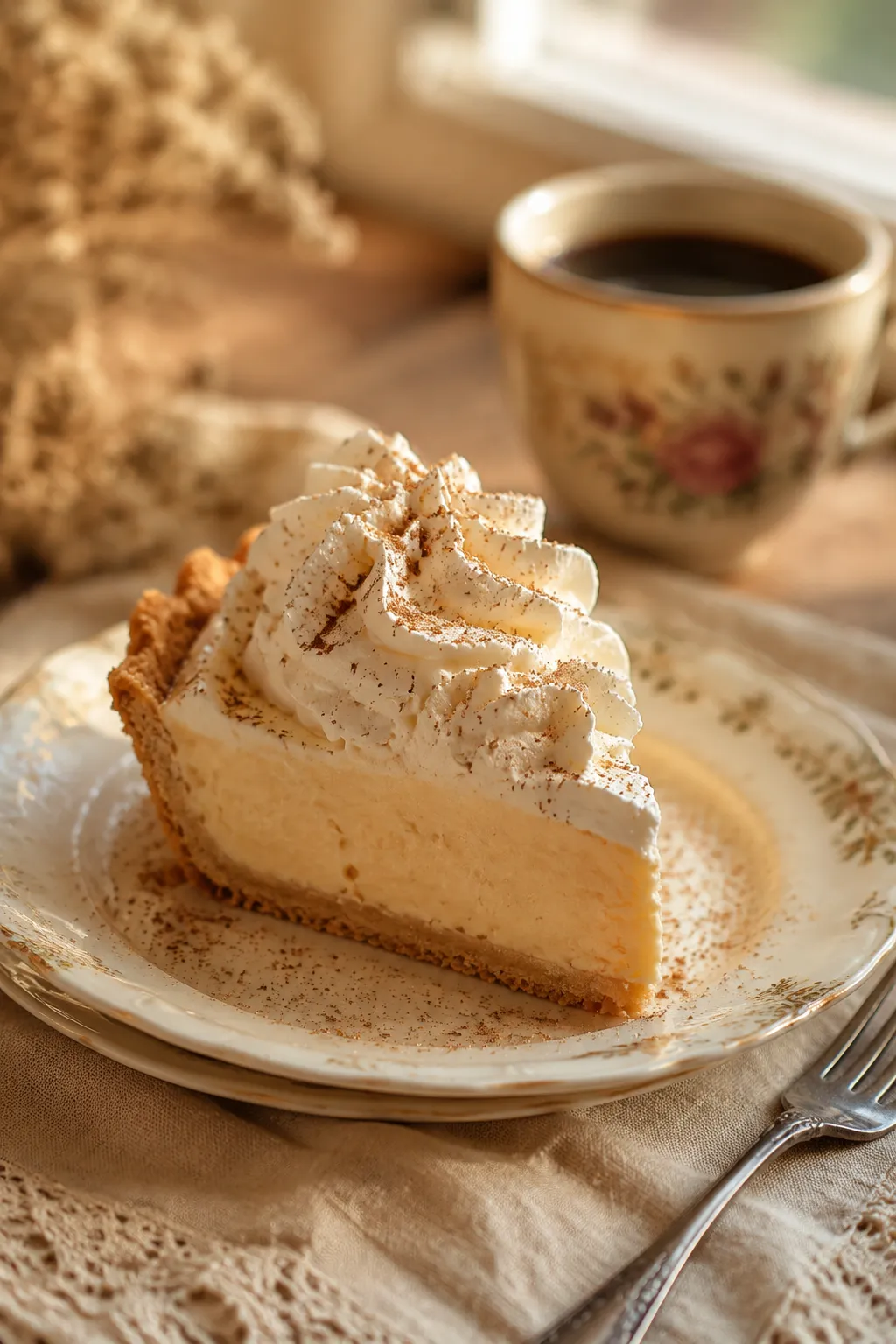
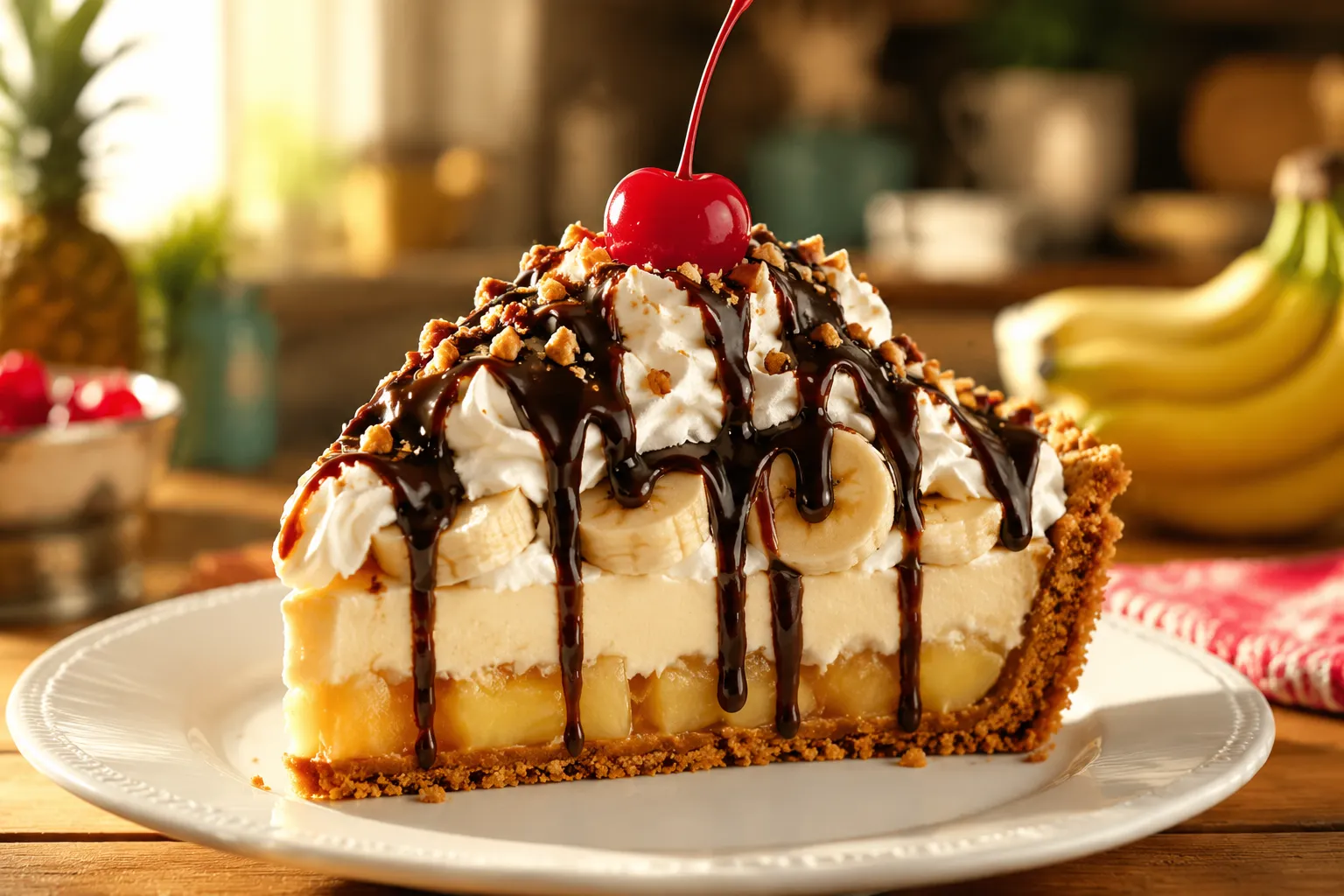
And once you've nailed this base recipe, the door opens to all kinds of riffs — coconut, banana, chocolate, even no-bake cream pie variations that skip the oven entirely on hot summer days. More on those just below.
One slice of this old-fashioned cream pie and you'll understand why it's been quietly winning blue ribbons at county fairs for over a century. It's humble, it's simple, and it's exactly the kind of dessert worth memorizing.
Once you've mastered the base sugar cream pie, the recipe becomes a launching pad for all kinds of beloved American classics. Swap, stir in, or layer to your heart's content.
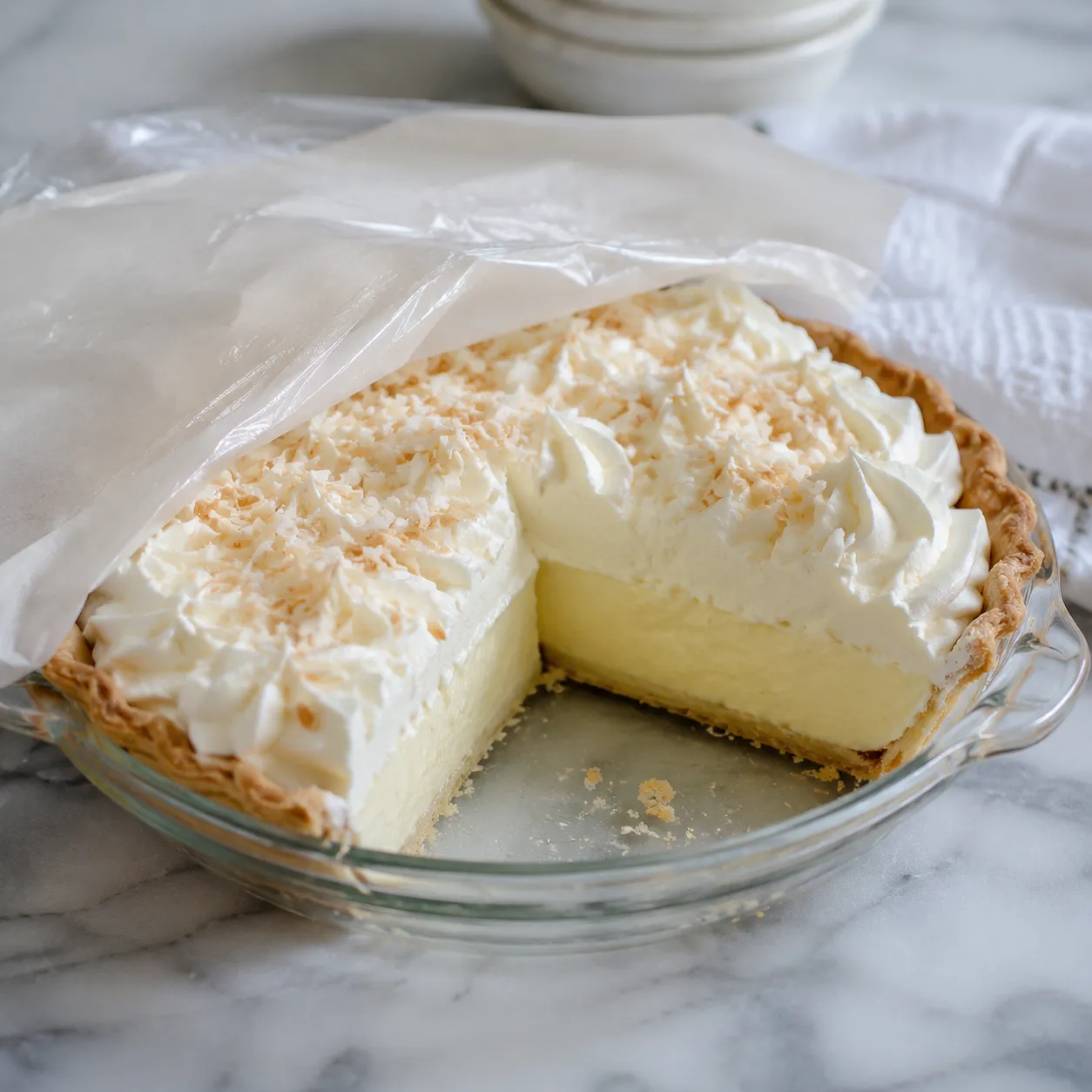
Cream pie is a refrigerator dessert, full stop. Cover the cooled pie loosely with plastic wrap or a domed lid and store in the fridge for up to 4 days. The crust will soften slightly over time, but the filling stays beautifully silky. Always keep it chilled — dairy-based fillings shouldn't sit at room temperature longer than 2 hours.
For longer storage, you can freeze individual slices on a parchment-lined tray until firm, then wrap tightly and freeze for up to 1 month. Thaw overnight in the refrigerator (never the counter) and add fresh whipped cream and a dusting of nutmeg just before serving to revive that bakery-fresh look.