Miso Paste: Ultimate Guide, Substitutes & Easy Recipes
Ingredients
Scale
Miso paste is the umami secret behind Japan's most craveable dishes. Here's what it is, how to pick the right type, and easy ways to use it tonight.
Miso paste is one of those small-but-mighty ingredients that can turn a very ordinary Tuesday dinner into something layered, savory, and restaurant-good. It brings salt, body, gentle sweetness, and that deep, hard-to-name umami flavor that makes you keep going back for one more bite.
If you have ever bought a tub for miso soup and then wondered what else to do with it, you are in exactly the right place. Think of this as your friendly, no-stress guide to choosing a type, finding a smart miso paste substitute when you need one, and using the same 5-minute sauce on noodles, vegetables, salmon, tofu, grain bowls, and more.
At Forty Flavors, we love ingredients that work hard without making dinner complicated, and this one absolutely earns its place next to your favorite Asian pantry staples. Once you understand the differences between white miso, yellow miso, and red miso, you can cook with it confidently instead of letting that tub linger in the back of the fridge.
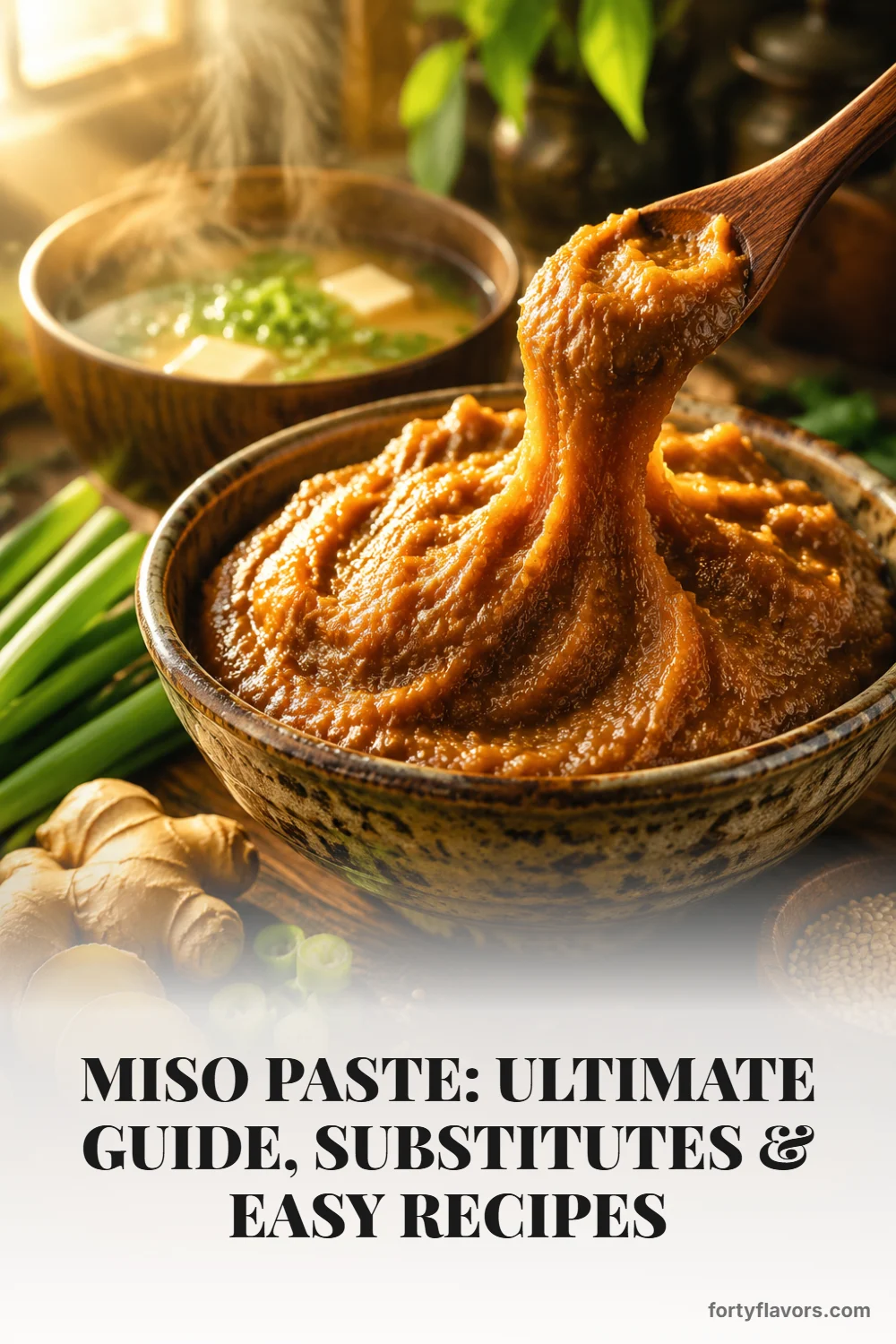
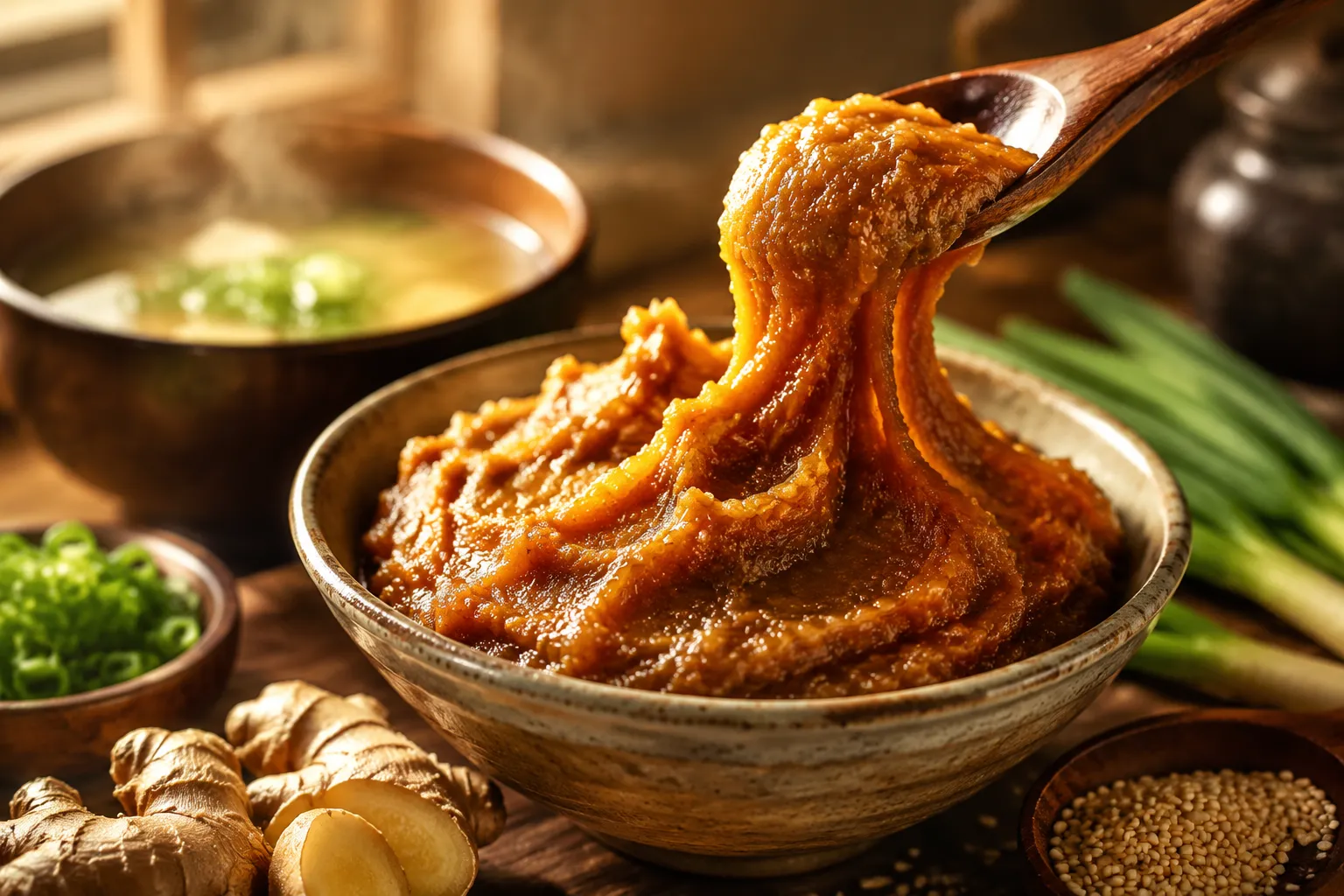
Miso is a thick, salty, fermented seasoning traditionally made from soybeans, koji, salt, and time. Koji is a cooked grain—often rice or barley—that has been inoculated with a special culture, and it helps transform humble fermented soybeans into something deeply savory, aromatic, and complex. The mixture ages for weeks, months, or even years, depending on the style, which is why one spoonful can taste mellow and sweet while another tastes bold, earthy, and almost smoky.
Texture-wise, it usually looks like a dense nut butter, though some varieties are smoother and others have a pleasantly rustic grain. The flavor sits somewhere between salty broth, toasted nuts, aged cheese, and a whisper of sweetness, depending on the color and fermentation time. That balance is what makes it so versatile: it can disappear into a soup base, cling to roasted vegetables, or become the backbone of a glossy glaze.
The magic is not just saltiness; it is depth. A small spoonful can make a quick pan sauce taste simmered, help a vegan broth feel full-bodied, or round out an acidic dressing so it tastes finished. It is one of the simplest ways to build flavor fast without pulling out a dozen spices.
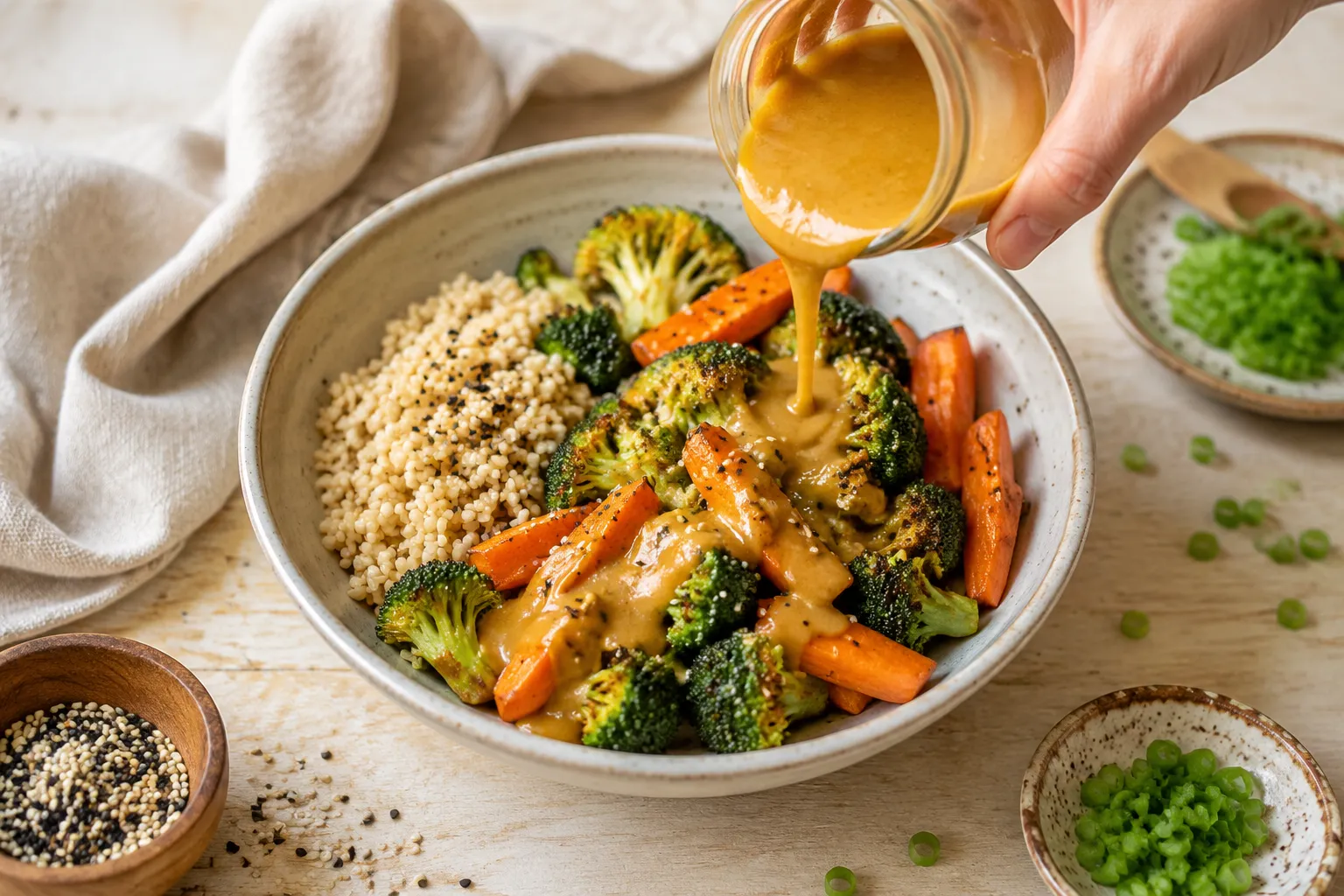
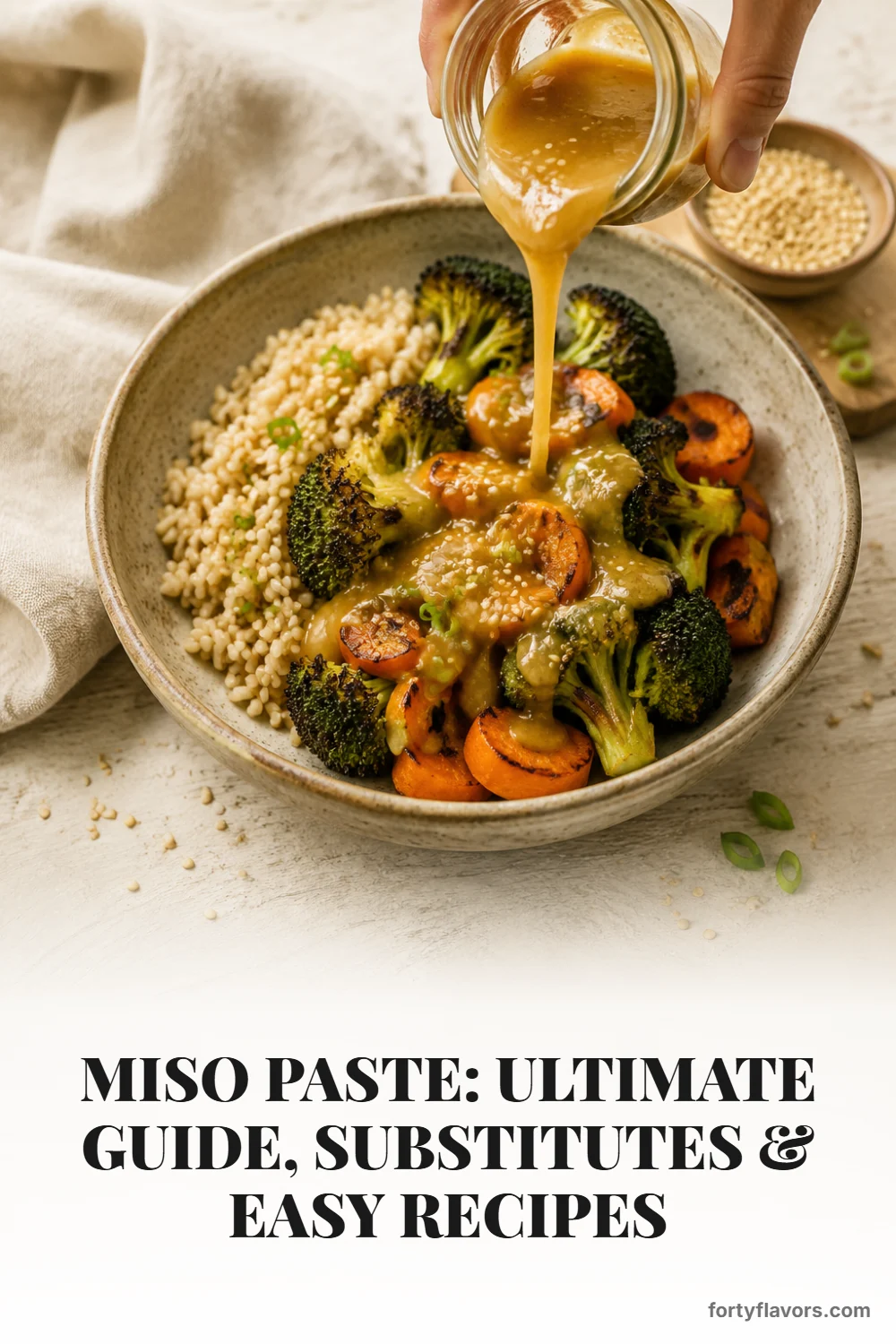
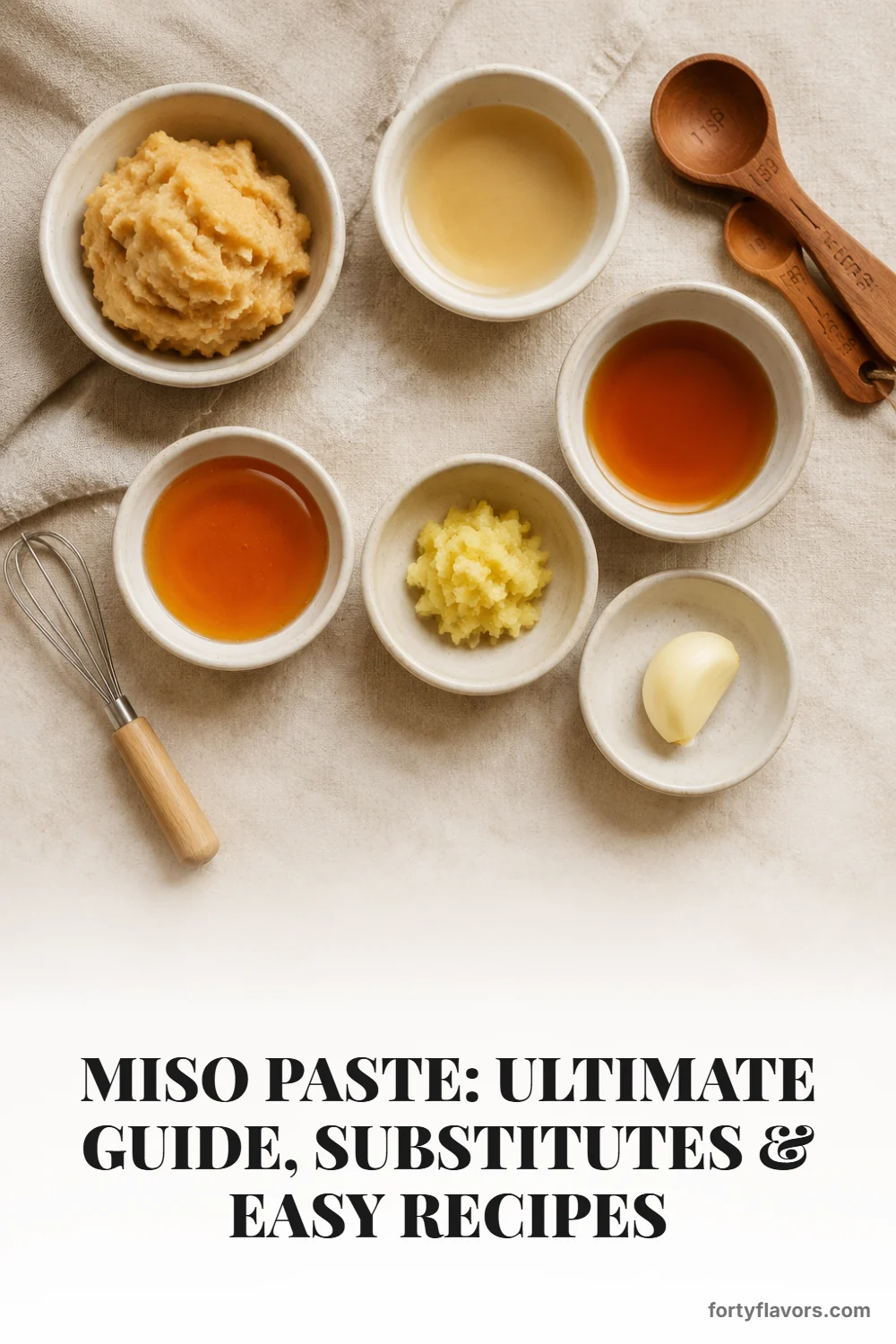
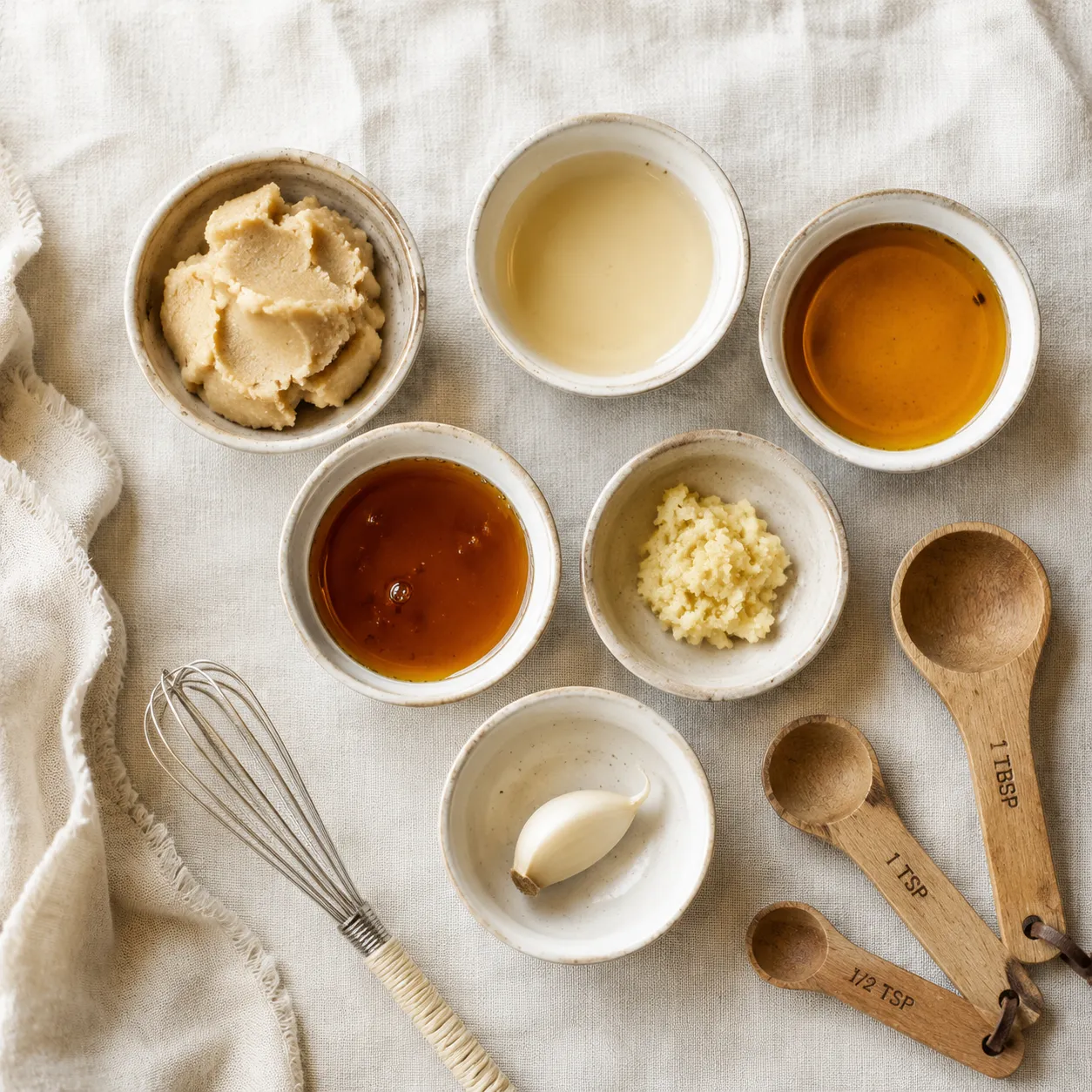
The easiest way to start cooking with this ingredient is to whisk up one jar of all-purpose sauce. For the master recipe, you will need white miso, rice vinegar, toasted sesame oil, maple syrup or honey, fresh ginger, garlic, and warm water. These are simple ingredients, but together they create a sauce that tastes bright, savory, nutty, and just sweet enough to balance the salt.
White miso is the best choice here because it is mellow, creamy, and lightly sweet, making it forgiving for first-time cooks. Rice vinegar adds lift, toasted sesame oil brings a roasted aroma, and ginger gives the sauce that fresh sparkle you want on grain bowls or grilled proteins. Maple syrup or honey is not there to make the sauce sugary; it simply smooths the edges and helps it cling beautifully to roasted vegetables.
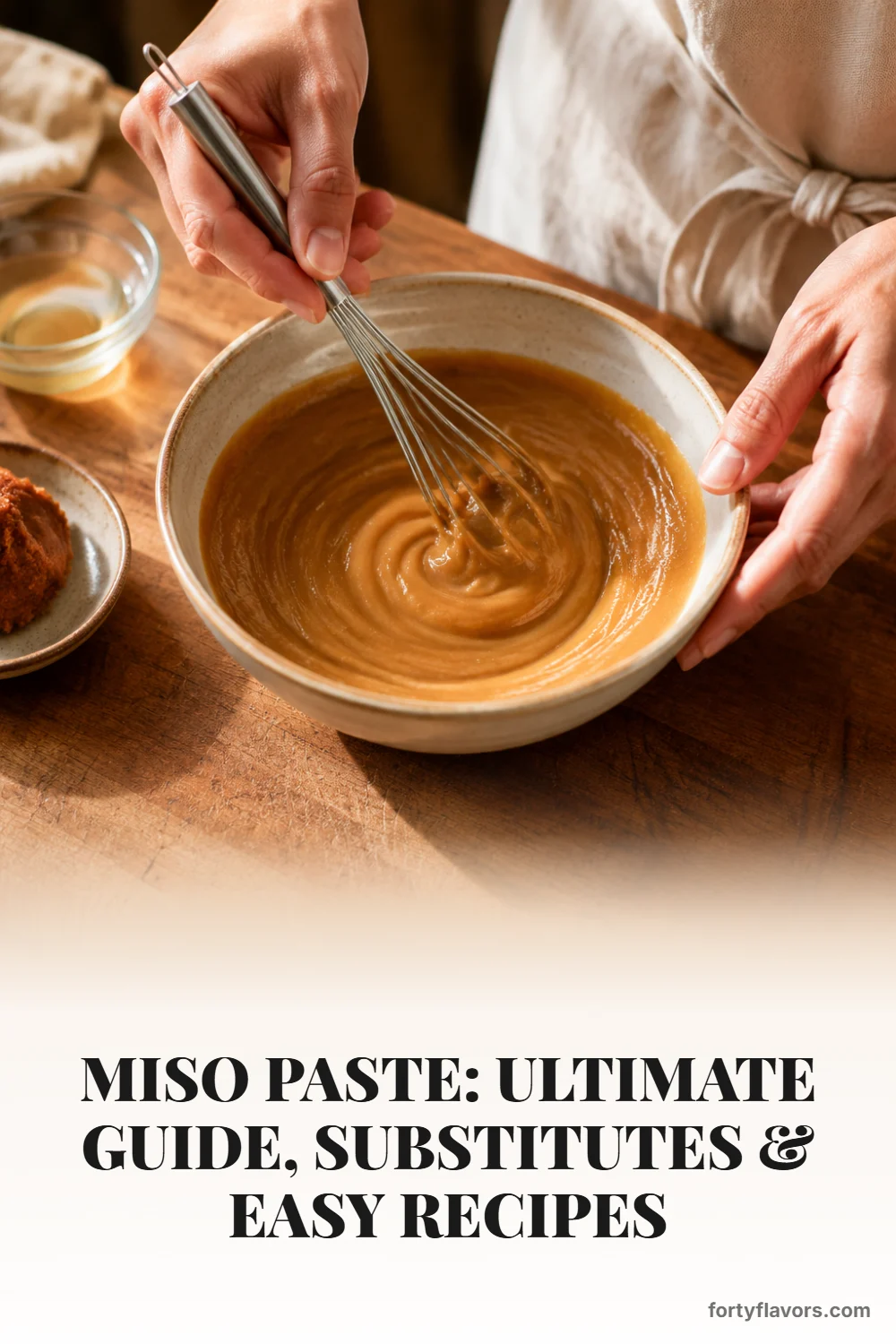
If you love sesame ginger dressing, this sauce lives in the same delicious neighborhood but has more savory backbone. It can be thinned into a pourable dressing, left thicker for dipping cucumbers and dumplings, or brushed onto salmon and tofu before broiling. Keep the warm water close by and add it gradually, because the sauce moves from spoonable to drizzle-ready quickly.
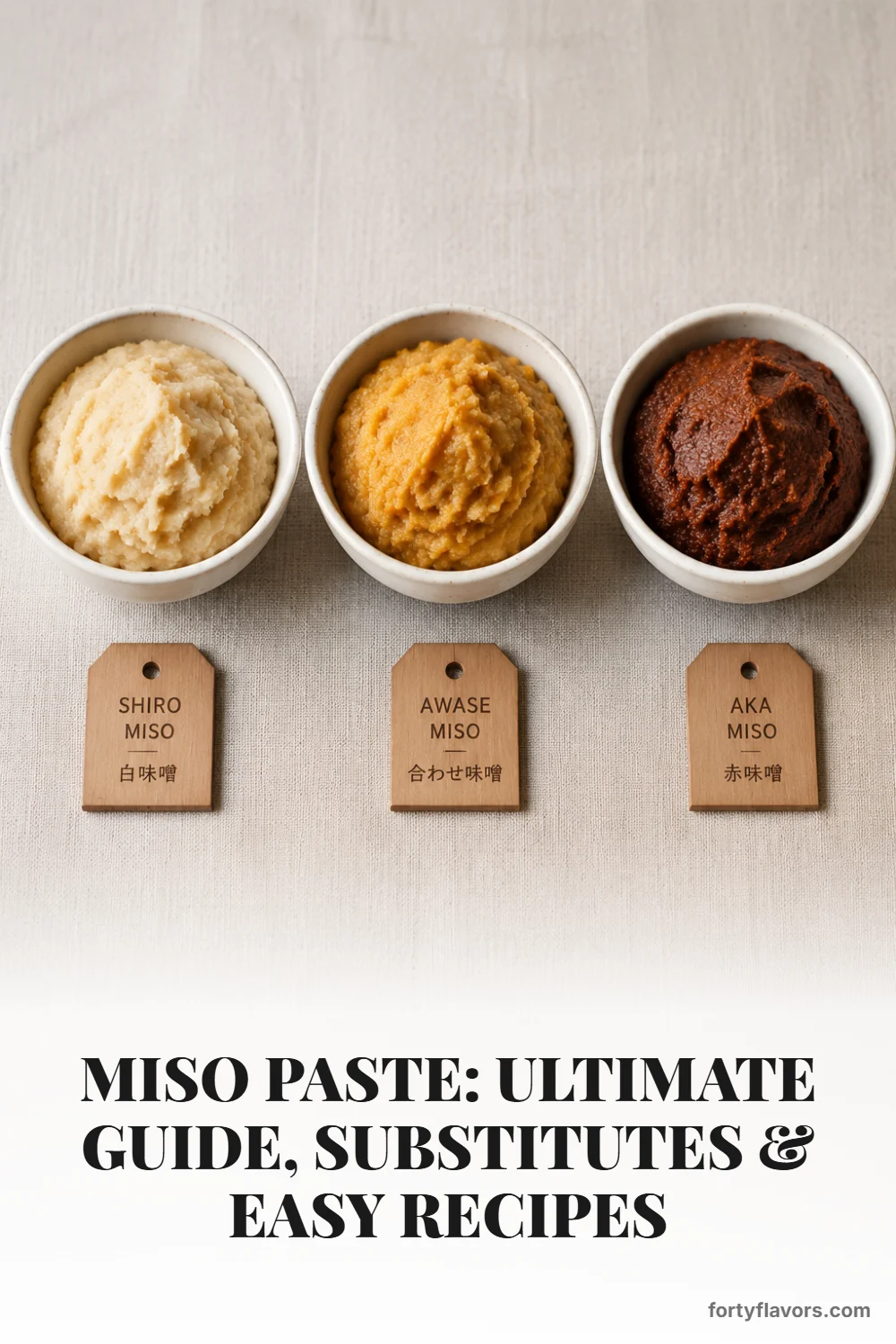
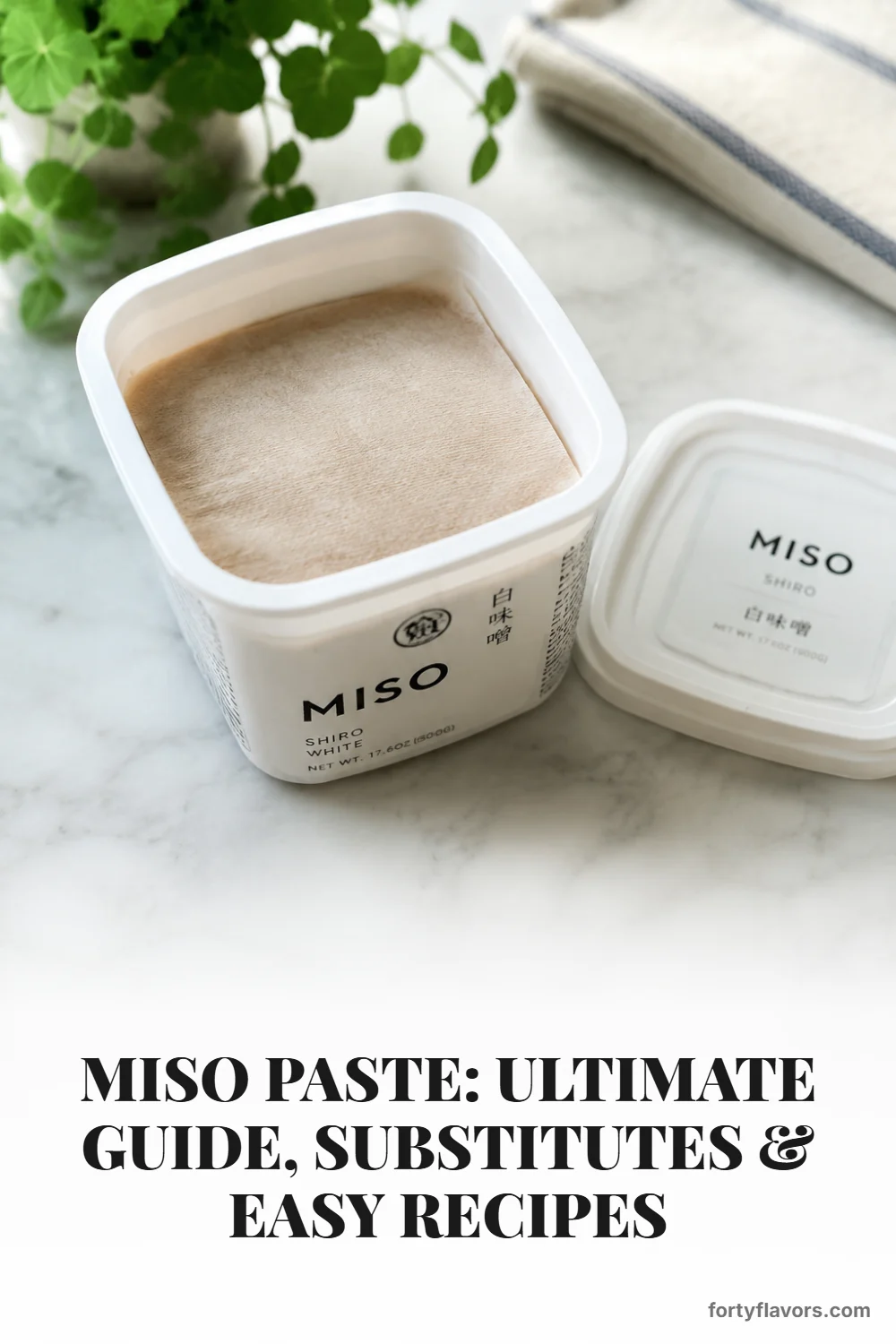
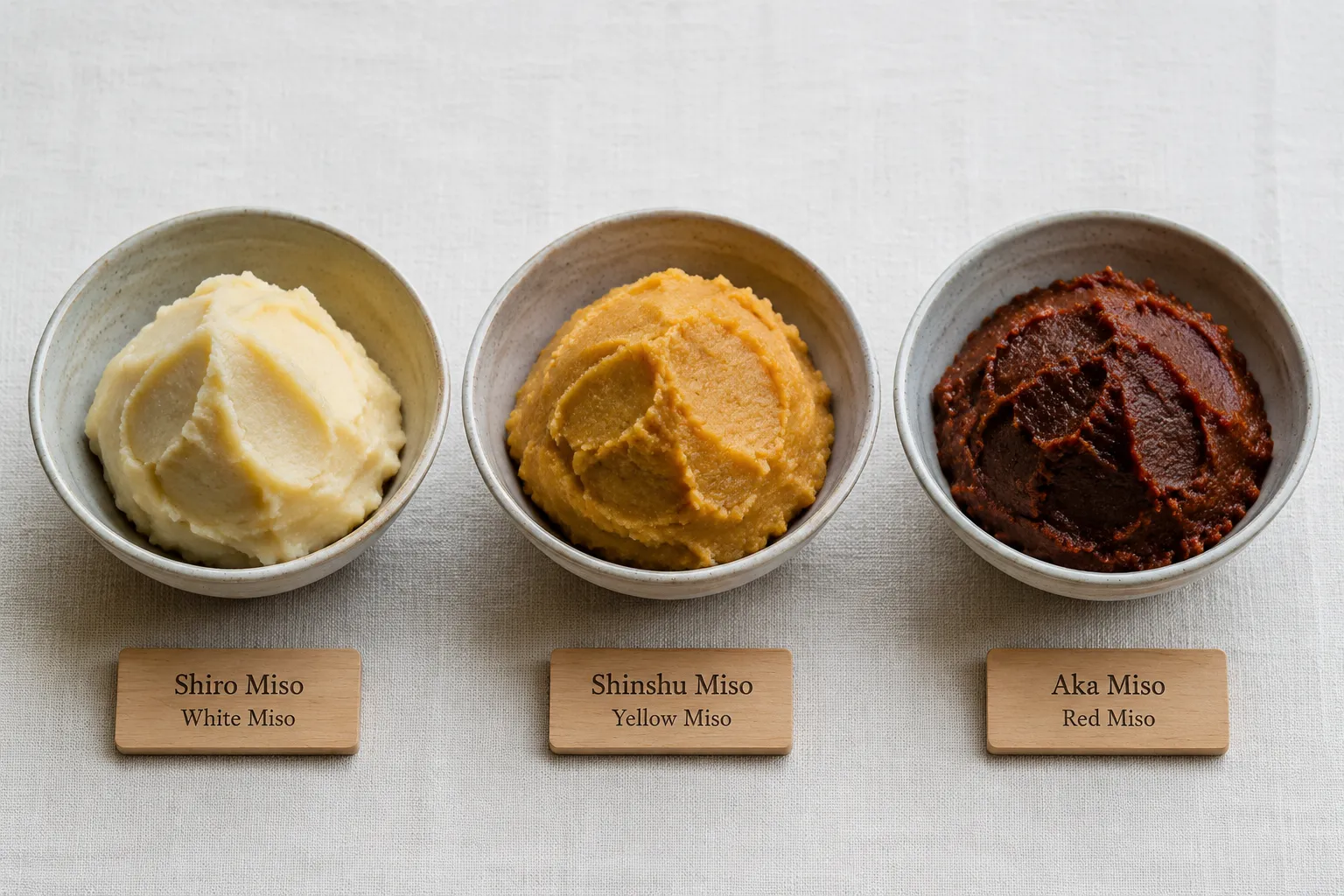
Color is the easiest first clue when you are staring at the refrigerated shelf. White miso, also called shiro miso, is usually pale cream to light beige and ferments for a shorter time, giving it a gentle, slightly sweet flavor. It is lovely in dressings, quick soups, vegetable glazes, mashed sweet potatoes, buttered corn, and creamy sauces where you want savoriness without too much intensity.
Yellow miso, sometimes labeled shinshu or awase depending on the blend, sits in the middle. It is saltier and more assertive than shiro miso but still friendly enough for everyday cooking. Use it when you want a sauce or broth with a little more backbone, especially for noodles, mushrooms, chicken, or roasted squash.
Red miso is the deepest and boldest option, with a longer fermentation time and a darker mahogany color. It tastes saltier, earthier, and more pungent, so a little goes a long way in braises, hearty ramen, rich marinades, and grilled meats. If you are buying your first tub, start with white; if you already love savory fermented flavors, add yellow next and save red for recipes that can handle its power.
The closest quick swap is equal parts soy sauce and tahini. Soy sauce brings the salinity and fermented character, while tahini adds body and a creamy, slightly nutty texture that helps mimic the way miso melts into sauces. If you are looking for a soy sauce substitute for allergy or gluten reasons, choose tamari or coconut aminos as your salty element, then adjust the sweetness and acidity to taste.
Korean doenjang is another excellent option if you have it. It is also made from fermented soybeans, but it is usually chunkier, stronger, and more rustic, so start with a little less than the recipe calls for and taste as you go. Doenjang is especially good in soups, stews, and marinades where its bolder personality has room to spread out.
Fish sauce, dashi, anchovy paste, mushroom powder, or a splash of concentrated vegetable stock can all help when your main goal is depth rather than exact flavor. For vegan cooking, try tahini plus tamari, nutritional yeast plus salt, or a spoonful of blended soaked mushrooms for savory body. None is a perfect one-for-one match, but each can rescue a dressing, broth, or glaze when the tub is empty.
The best rule of thumb is to treat miso like a finishing flavor or a sauce base rather than a spice to aggressively boil. In dressings, whisk it with vinegar or citrus first so it loosens, then stream in oil and sweetener until the texture turns glossy. This method makes a silky sauce for slaws, cold noodles, cucumbers, rice bowls, and crunchy cabbage salads.
For marinades and glazes, pair it with something sweet and something aromatic. Honey, maple syrup, brown sugar, or mirin help it caramelize, while garlic, ginger, scallions, and chili paste keep the flavor lively. Brush the mixture over salmon, chicken thighs, eggplant, tofu, mushrooms, or sweet potatoes, then roast or broil until the edges turn lacquered and golden.
Soups and broths are the classic home for this ingredient, but it is important to add it gently. Whisk a spoonful with a little warm broth in a separate bowl, then stir that slurry back into the pot off the heat so the flavor stays rounded and fragrant. For ramen, it can be combined with dashi, stock, sesame oil, and chili crisp for a quick broth that tastes far more complex than the time invested.
Do not overlook sweets, either. In cookies, caramel, banana bread, brownies, and butterscotch sauce, the salty fermented depth acts a little like browned butter or salted caramel. It makes chocolate taste darker, vanilla taste warmer, and nutty desserts taste more grown-up without announcing itself too loudly.
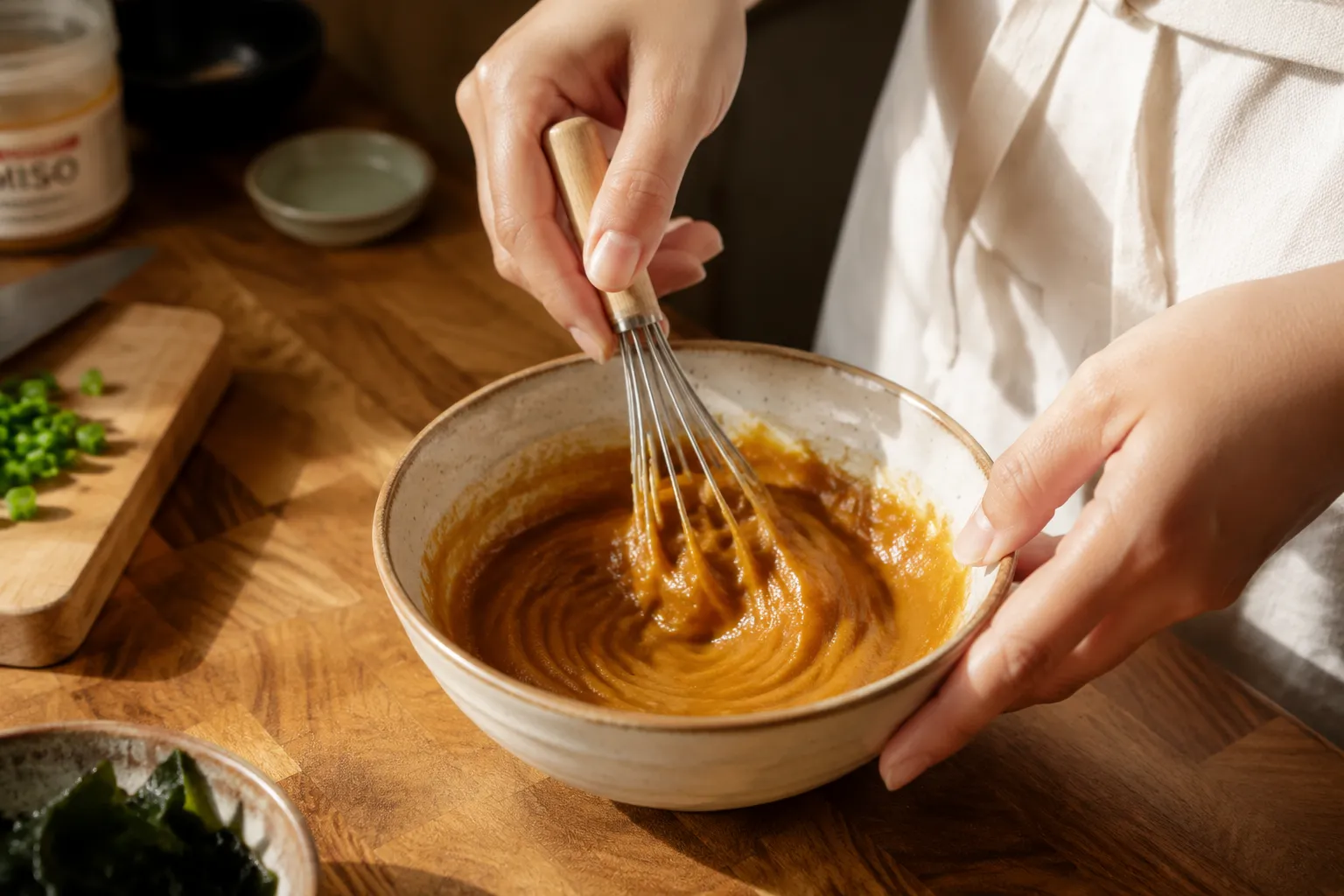
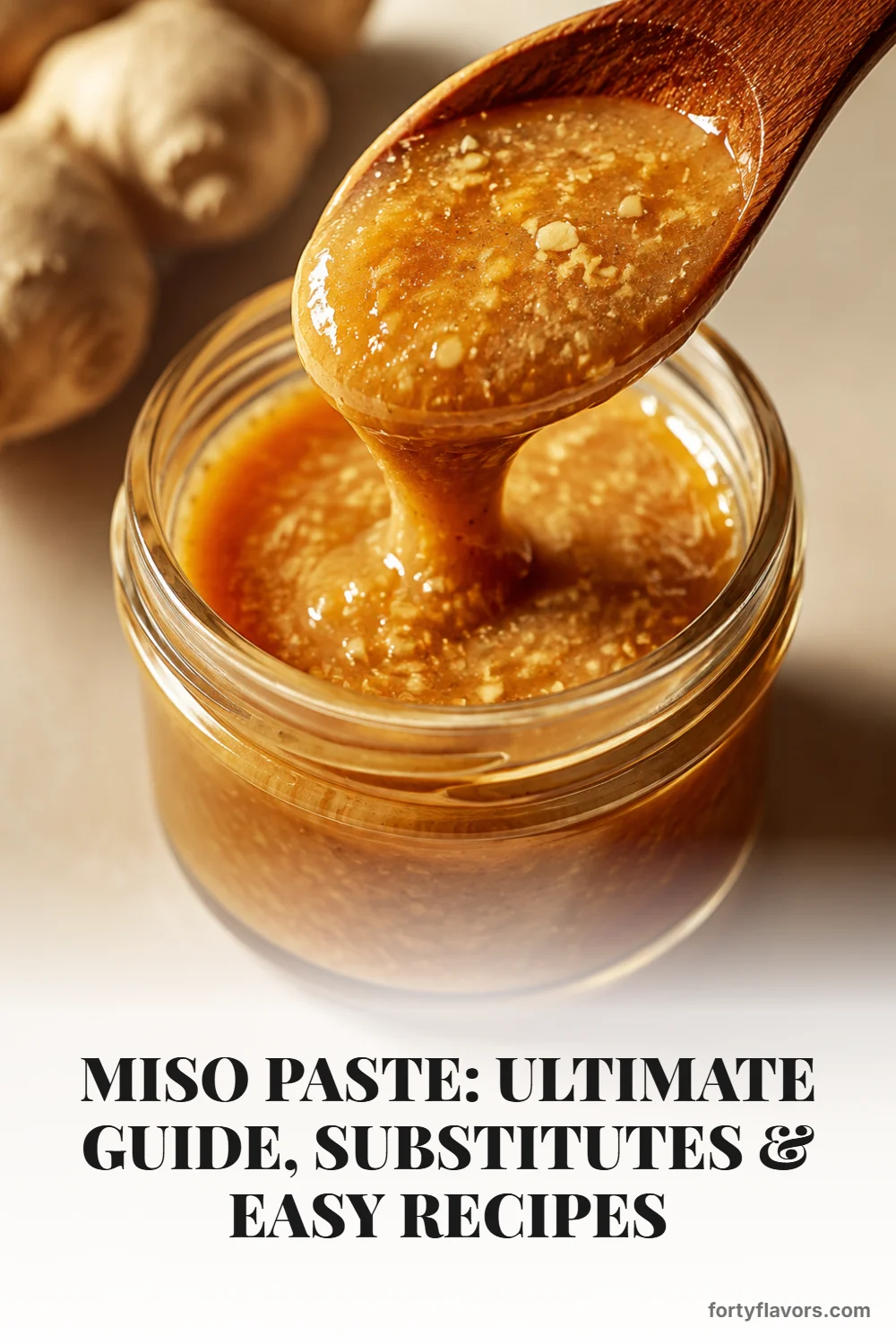
Start with the 5-minute all-purpose sauce in the recipe card below. It is the jar I want in the fridge when dinner is half-decided: spoon it over roasted broccoli, toss it with soba noodles, thin it for salad greens, or use it as a quick marinade for tofu. The consistency is flexible, so you can make it creamy and dip-like or loose enough to drizzle from a spoon.
Miso butter is another low-effort, high-reward move. Mash softened unsalted butter with a small spoonful of white or yellow miso, then melt it over steamed corn, roasted carrots, baked potatoes, sautéed mushrooms, or warm dinner rolls. The butter carries the savory flavor beautifully, and suddenly a very simple vegetable tastes like something from a cozy izakaya.
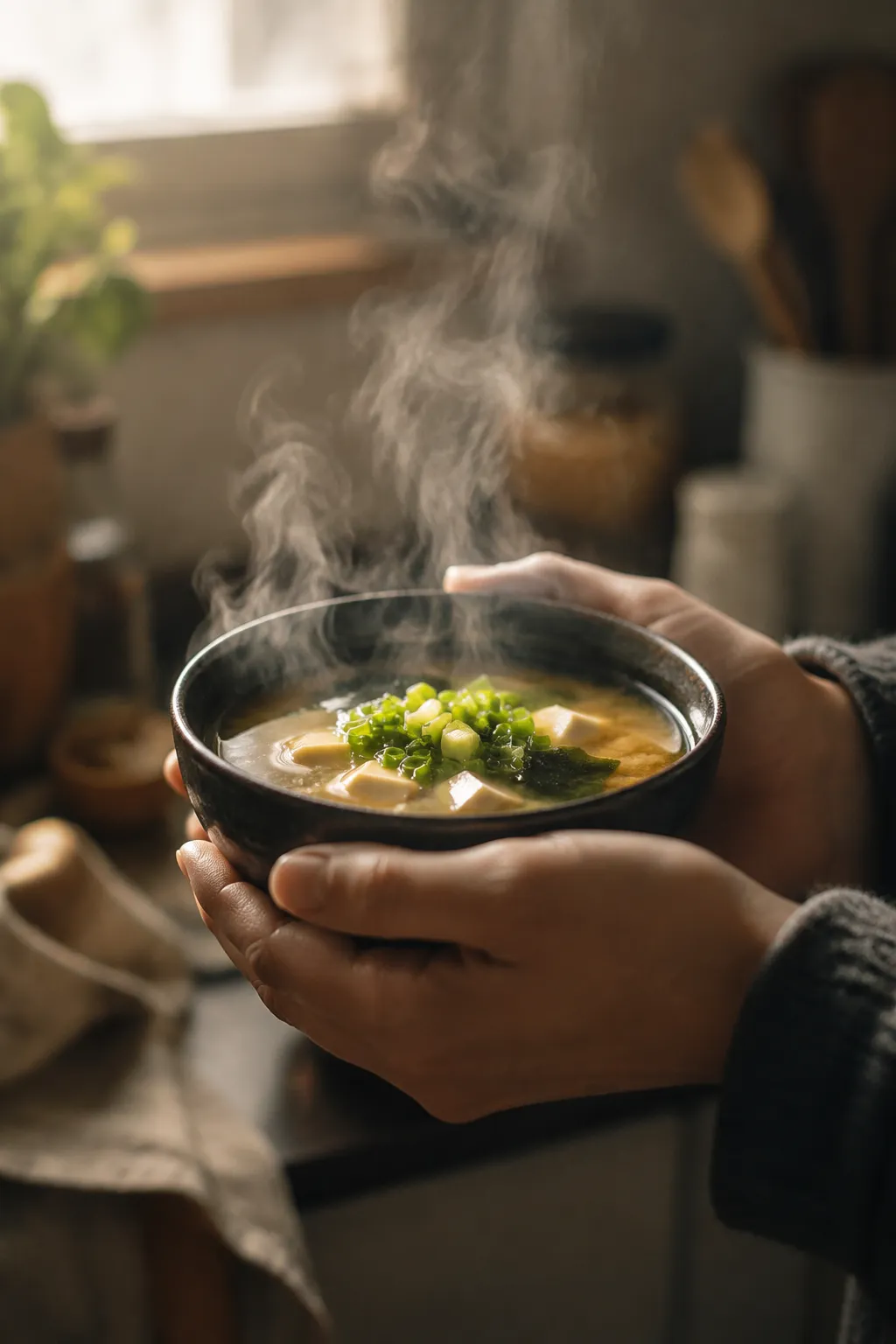
For a 15-minute soup, warm dashi or light vegetable broth with tofu, wakame, and scallions, then whisk the seasoning in at the end. The result is delicate, soothing, and fast enough for lunch, but it still has that classic miso soup comfort. Add rice, mushrooms, greens, or noodles if you want to turn it into a fuller meal.
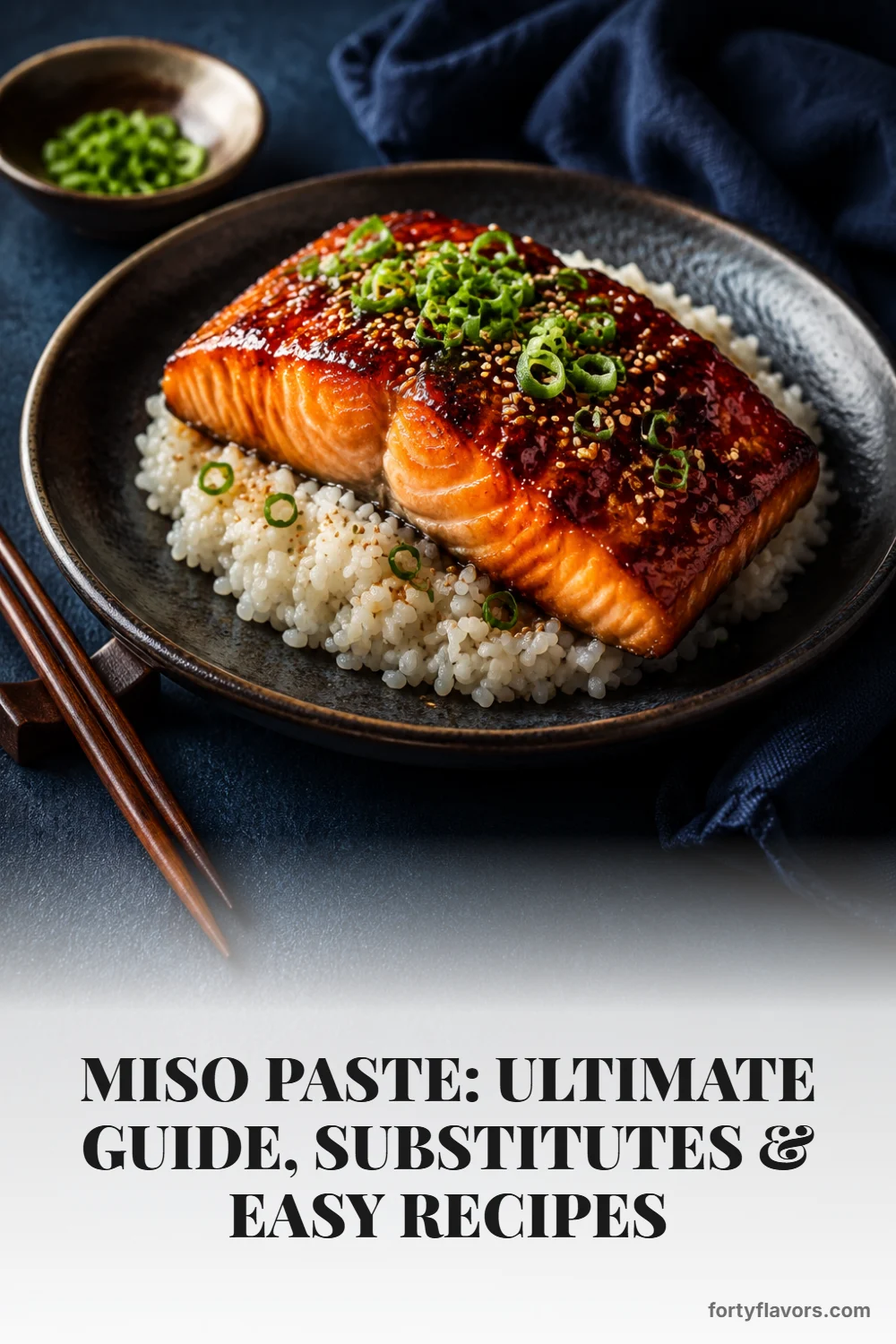
For a main dish, make miso-glazed salmon or tofu by combining the master sauce with a touch more sweetener, brushing it over the protein, and broiling until caramelized. Serve it over steamed rice with sliced scallions, sesame seeds, and quick cucumbers. These are the kinds of recipes with miso paste that feel special but still fit into a weeknight rhythm.


Once you have a jar of sauce ready, the fastest dinner is a bowl: rice or noodles, something roasted, something fresh, and a generous drizzle. Try brown rice with roasted carrots, broccoli, avocado, cucumbers, and sesame seeds, or toss soba noodles with shredded cabbage, edamame, herbs, and lime. The sauce is bold enough to pull simple components together without needing a long list of extras.
It is also wonderful with crisp vegetables and snacky plates. Serve it as a dip for cucumbers, snap peas, radishes, steamed dumplings, or grilled shrimp. If you are making lettuce wraps, a spoonful stirred with a little extra water becomes a quick finishing sauce that adds salt, tang, and richness all at once.
For family-style meals, put the sauce on the table the same way you would a vinaigrette or chili oil. Let everyone spoon it over grilled chicken, roasted tofu, jammy eggs, rice, or greens. The flavor is savory enough for adults but mellow enough, especially when made with white miso, to win over curious eaters who are new to Japanese pantry ingredients.
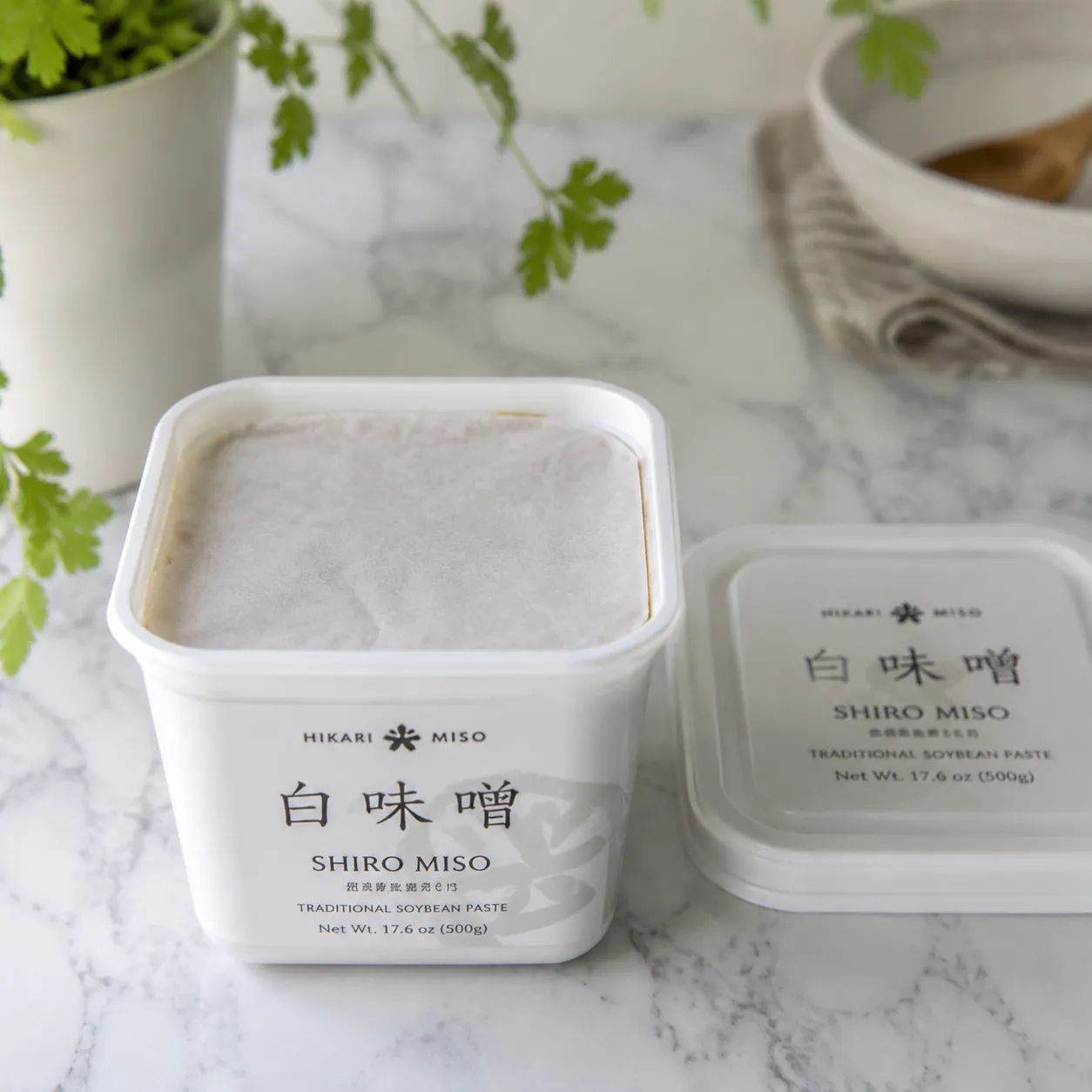
Look for miso in the refrigerated section at many supermarkets, Asian markets, natural food stores, and Japanese grocers. The ingredient list should be short and clear: soybeans, rice or barley koji, salt, and perhaps alcohol used as a preservative. If you need gluten-free miso, check the label carefully because barley-based varieties are common.
For the most flexible first purchase, choose a small tub of white or mellow yellow miso. It will work in the master sauce, light soups, dressings, glazes, and even baking experiments without overwhelming the dish. If the store offers several brands, choose one with a pleasant aroma and a color that looks even, moist, and glossy rather than dry or crusted around the edges.
After you get it home, think of it as a flavor-building staple rather than a single-use ingredient. A teaspoon can deepen a pan sauce, a tablespoon can season a whole sheet pan of vegetables, and a few spoonfuls can anchor a soup for four. That is a lot of dinner potential from one humble tub.
There is a reason this ingredient has been loved for generations: it offers comfort and complexity in the same spoonful. Whether you are whisking a quick sauce, finishing a broth, or brushing a glaze over salmon, it gives food that savory “how is this so good?” quality with almost no extra work.
Start small, taste often, and let the flavor guide you. Once you have made one jar of the all-purpose sauce and one warm bowl of soup, you will start seeing possibilities everywhere—from roasted vegetables to noodles to the last little pat of butter melting over rice.
After opening, keep miso tightly covered in the refrigerator. Press parchment or plastic wrap directly against the surface if you want to reduce oxidation, then secure the lid well. It can keep for many months, often up to a year, though the color may darken and the flavor will deepen over time.
The 5-minute master sauce should be stored in a clean jar in the refrigerator and used within about 5 to 7 days. It may thicken as it chills, so whisk in a teaspoon or two of warm water before serving to bring it back to a pourable consistency.
Hover any image and hit “Pin it” to save it to your Pinterest boards.