Fried Chicken Recipe: Crispy, Juicy Southern-Style
Ingredients
Scale
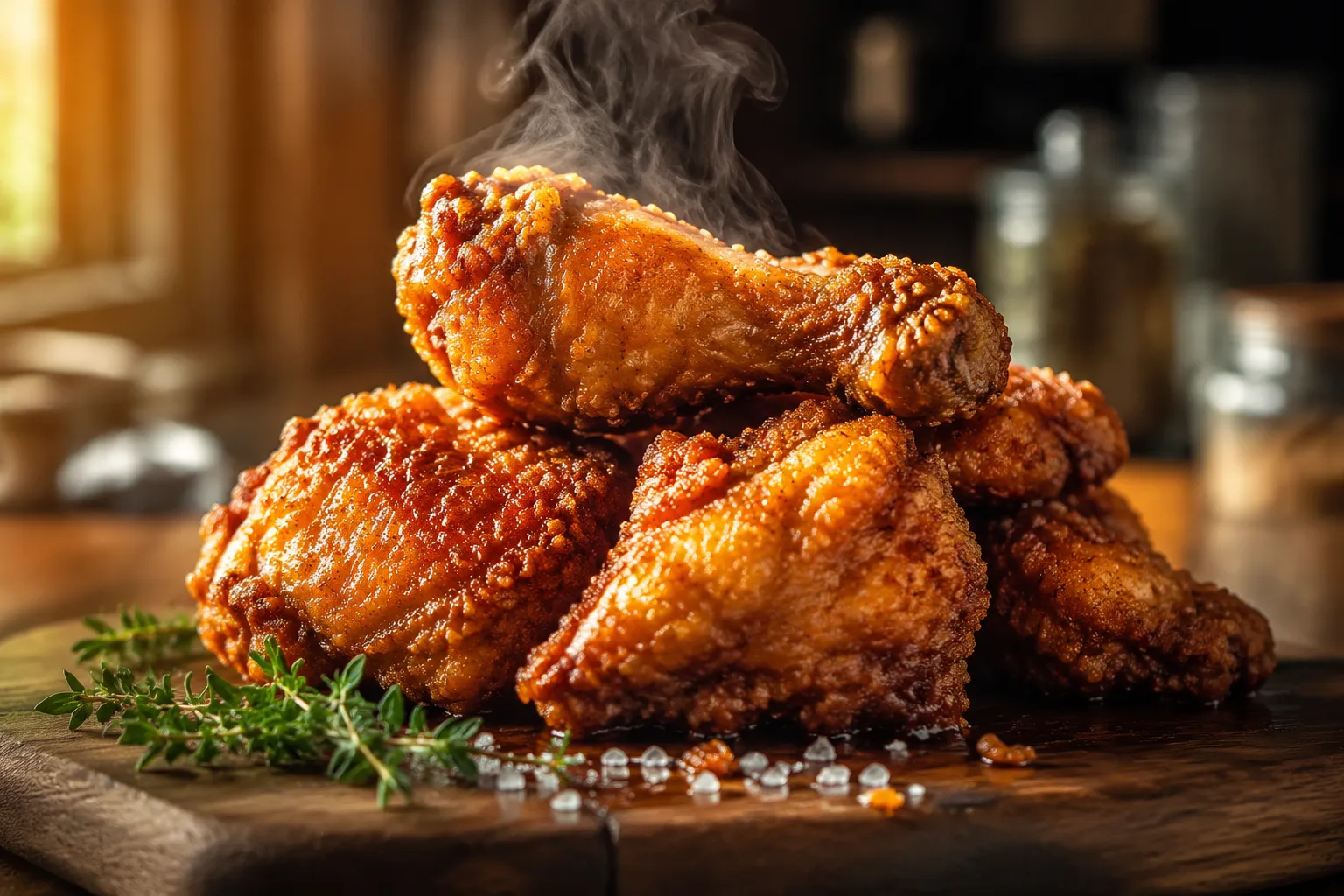
The only fried chicken recipe you'll need: buttermilk-brined, double-dredged, and fried to deep golden perfection with a crackly crust and unbelievably juicy meat.
There's a moment, right when you bite into a great piece of fried chicken, when the crust shatters under your teeth and a hot, savory cloud of steam rolls off the meat. This fried chicken recipe is the one I make when I want that exact moment in my own kitchen, no road trip to a Nashville hot chicken joint required. The crust is craggy, deeply golden, almost sandy with crunch. The meat inside is tender and juicy, seasoned all the way through, with just enough cayenne hum to keep things interesting.
I've made this homemade fried chicken what feels like a hundred times — for Sunday suppers, summer cookouts, and that one rainy Thursday when I needed comfort food and nothing else would do. What finally made it foolproof was nailing three things: a long buttermilk brine, a cornstarch-spiked flour dredge, and patience with the oil temperature. Get those right and you'll be rewarded with classic chicken that beats any takeout bucket and earns its place at any holiday table.
If you've been hunting for an easy chicken dinner that actually feels special, this is it. The hands-on time is short, most of the recipe is just waiting for the brine to do its quiet work, and the payoff is enormous. Let's get into the details.
The beauty of this fried chicken recipe is how few specialty ingredients it actually requires. You probably already have most of the spice rack lineup, and the rest is one quick stop at any grocery store. Quality matters more than quantity here, especially when it comes to the chicken itself, so grab the best bird your budget allows.
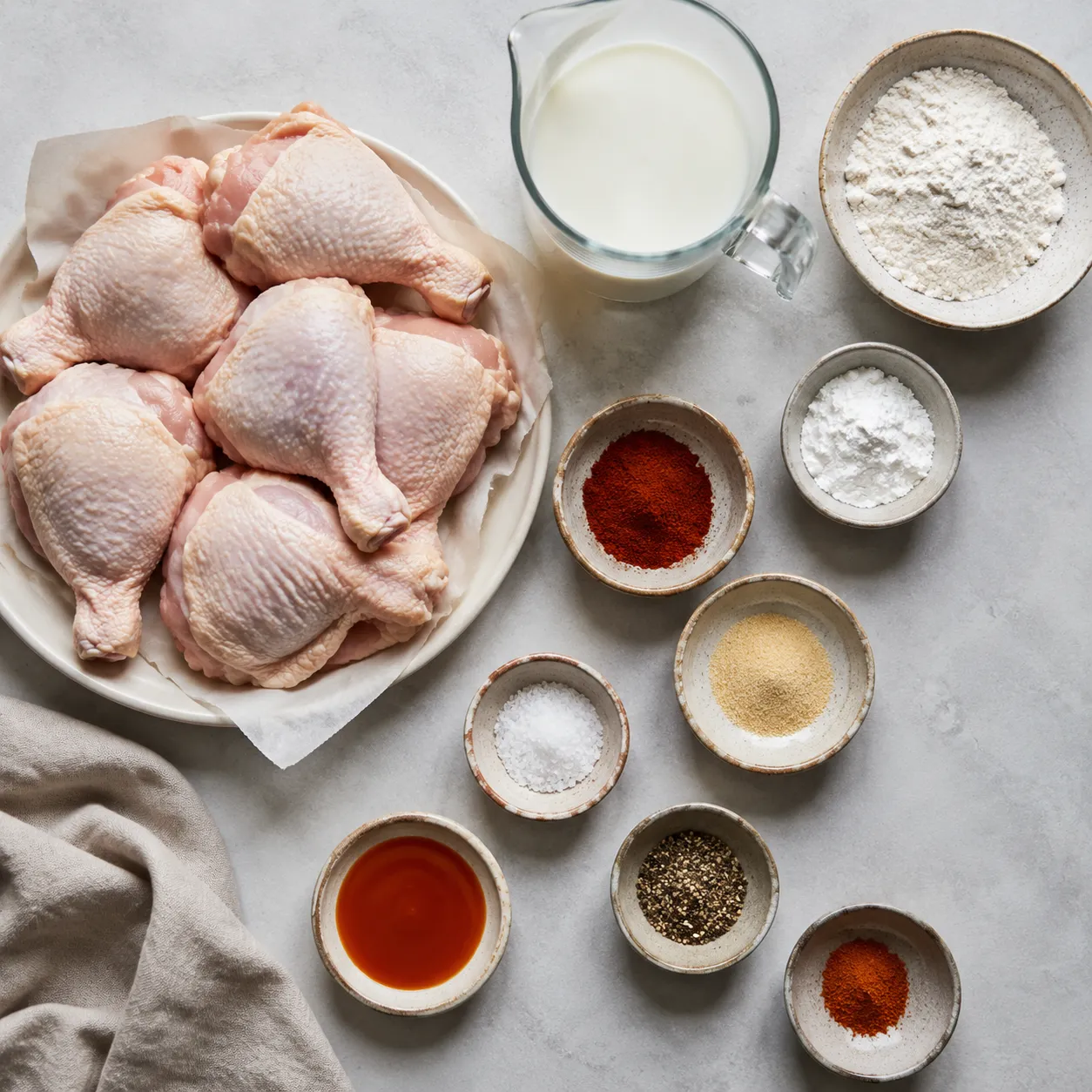
Bone-in, skin-on chicken is non-negotiable for proper southern fried chicken. The bone insulates the meat as it fries, keeping it juicy, while the skin crisps into the most addictive part of the whole bird. I like a mix of thighs, drumsticks, and breasts cut in half so they cook in roughly the same time. If you're working with whole breasts, slice them across into two smaller pieces — a giant breast will burn on the outside long before the middle hits a safe temperature.
Real cultured buttermilk is the engine of this recipe. Its lactic acid gently tenderizes the meat and seasons it from the inside out without ever making the chicken taste sour. I add a tablespoon of hot sauce (Crystal or Frank's, your call) plus a generous pinch of salt — that combination wakes up the flavor without making the chicken aggressively spicy. If you only have plain milk on hand, stir in a tablespoon of lemon juice or white vinegar per cup and let it sit five minutes to curdle into a quick substitute.
The dredge is where personality happens. All-purpose flour is the base, but I cut it with a quarter cup of cornstarch — that single tweak is the difference between a thick, bready coating and a crispy chicken coating that shatters like glass when you bite in. Paprika, garlic powder, onion powder, kosher salt, plenty of cracked black pepper, and a teaspoon of cayenne build a savory, slightly smoky flavor with a gentle warm hum at the back of the throat. Don't skip the cornstarch and don't skimp on the salt; both are doing serious work.
Don't let the steps intimidate you. The active cooking happens in two short windows — dredging and frying — with a long, hands-off marinating stretch in between. I like to start the brine the night before so dinner the next day is mostly assembly.
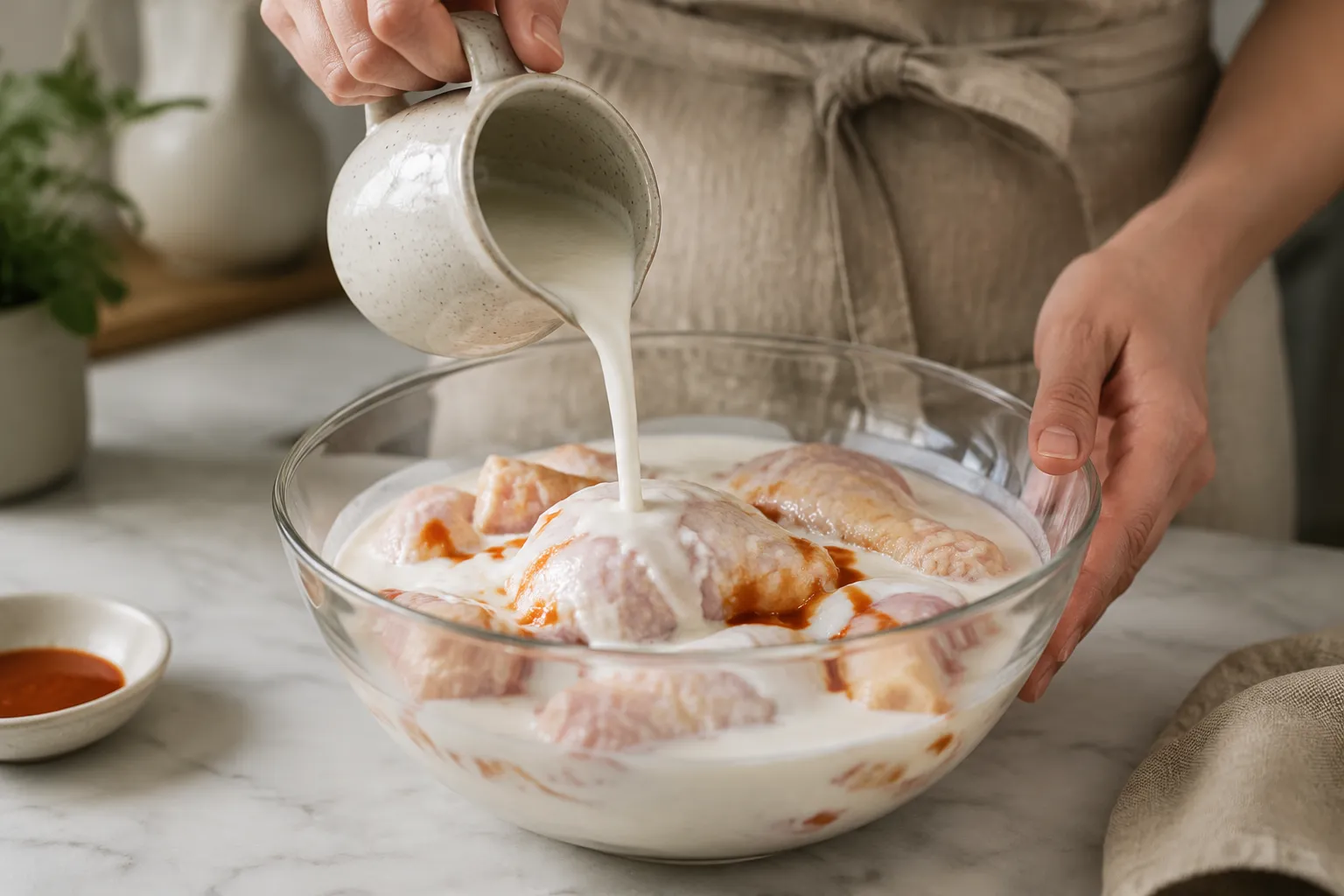
Whisk the buttermilk with hot sauce and a teaspoon of salt in a large bowl, then add the chicken pieces and submerge them completely. The buttermilk brine does double duty here, both tenderizing and seasoning. Cover and refrigerate for at least four hours, ideally overnight. Longer is better up to about 24 hours total; after that the meat starts to turn mushy from too much acid contact.
While the oil heats, build a tidy assembly line. In a wide shallow bowl, whisk the flour, cornstarch, paprika, garlic powder, onion powder, salt, pepper, and cayenne until evenly tinted with red-orange spice. Drizzle two tablespoons of the buttermilk marinade into the seasoned flour and rake it in with your fingers — those clumpy little flour bits become the most craggy, golden craters on the finished crust.
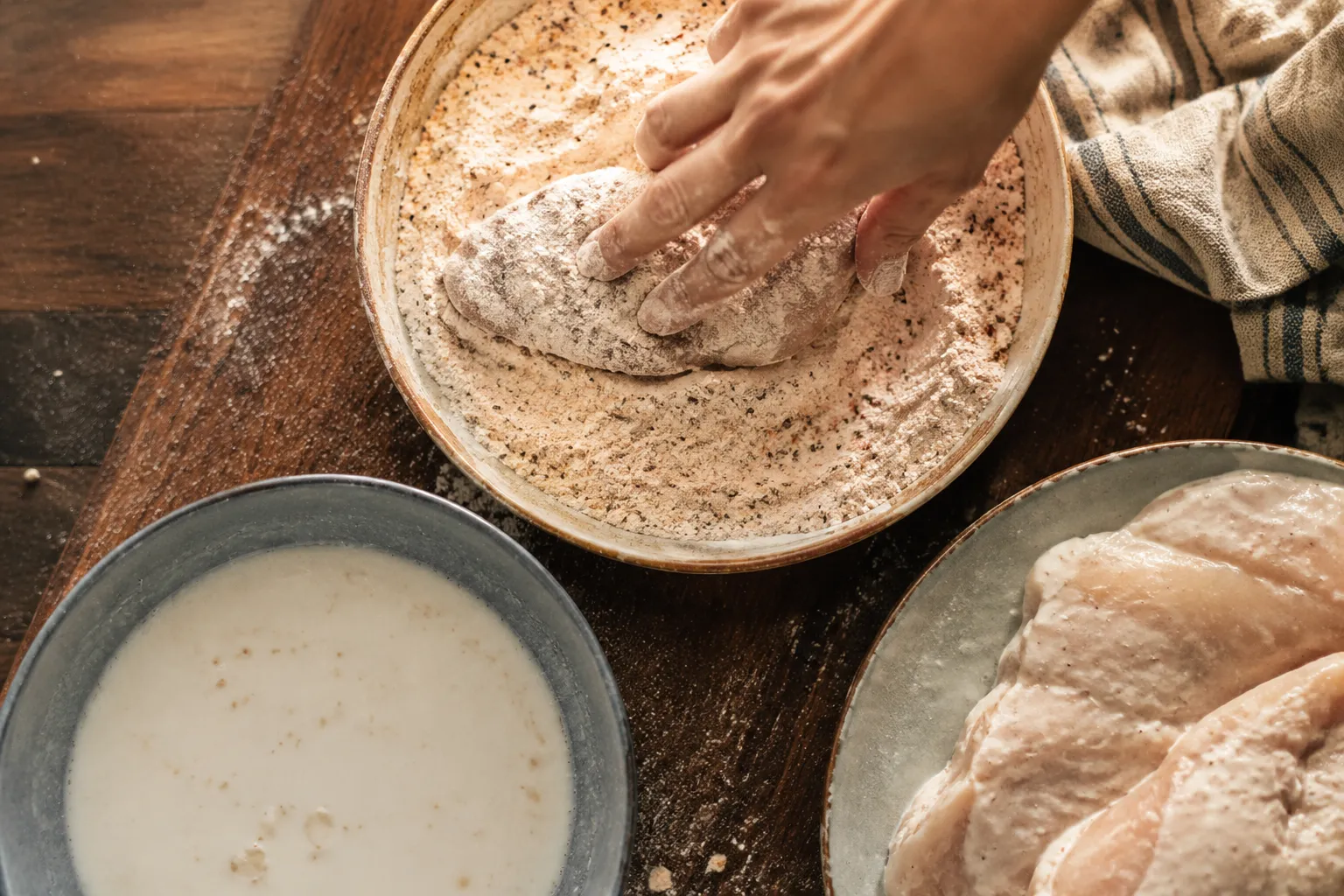
Lift each piece of chicken from the buttermilk, letting the excess drip off but keeping the surface wet. Press it firmly into the seasoned flour, turning to coat every nook and cranny. Then dip it back into the buttermilk for a brief second bath, return it to the flour, and press again. This double dredge is the secret to a thick, fortified crust that survives the hot oil and stays shatteringly crisp long after the chicken comes out of the pan.
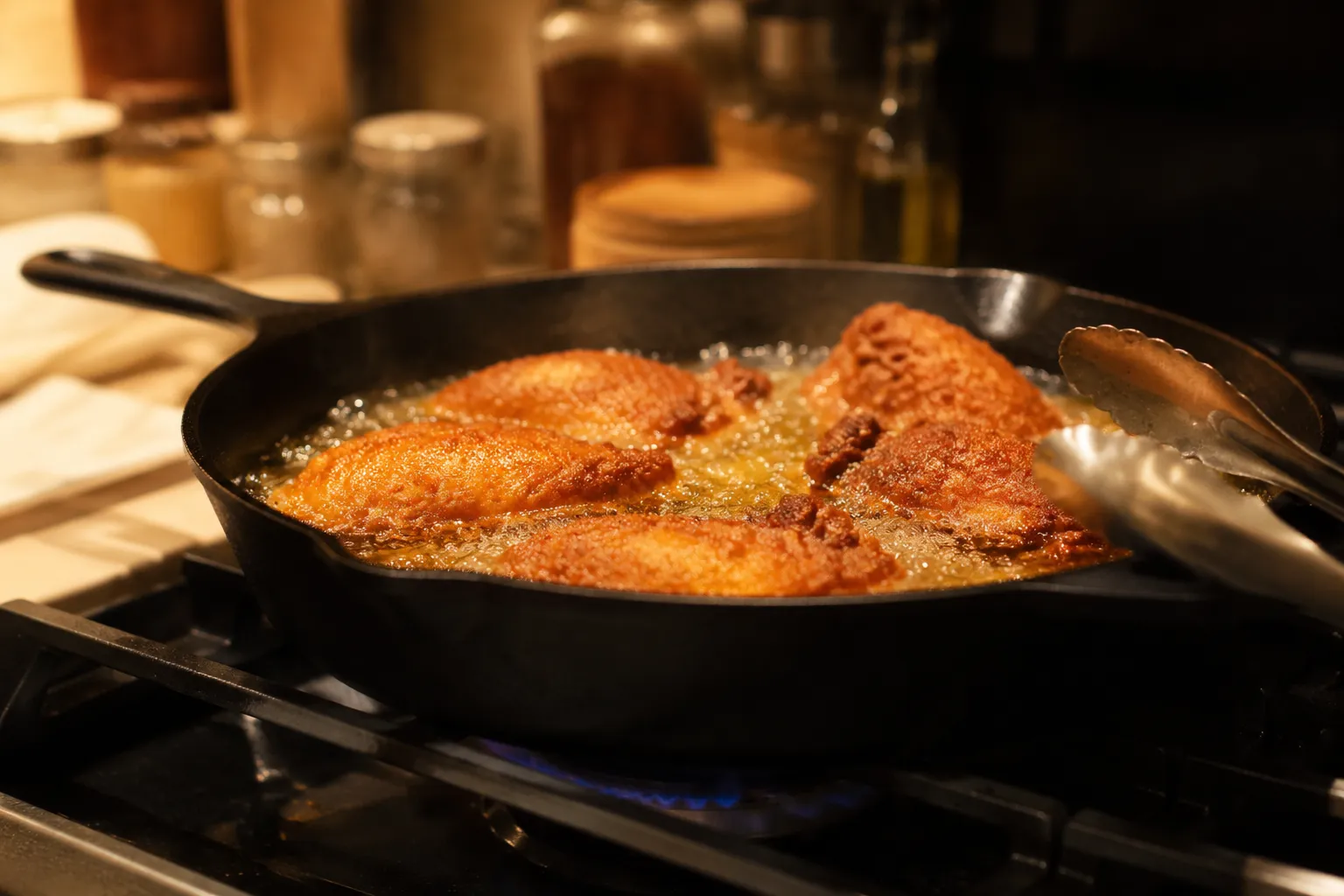
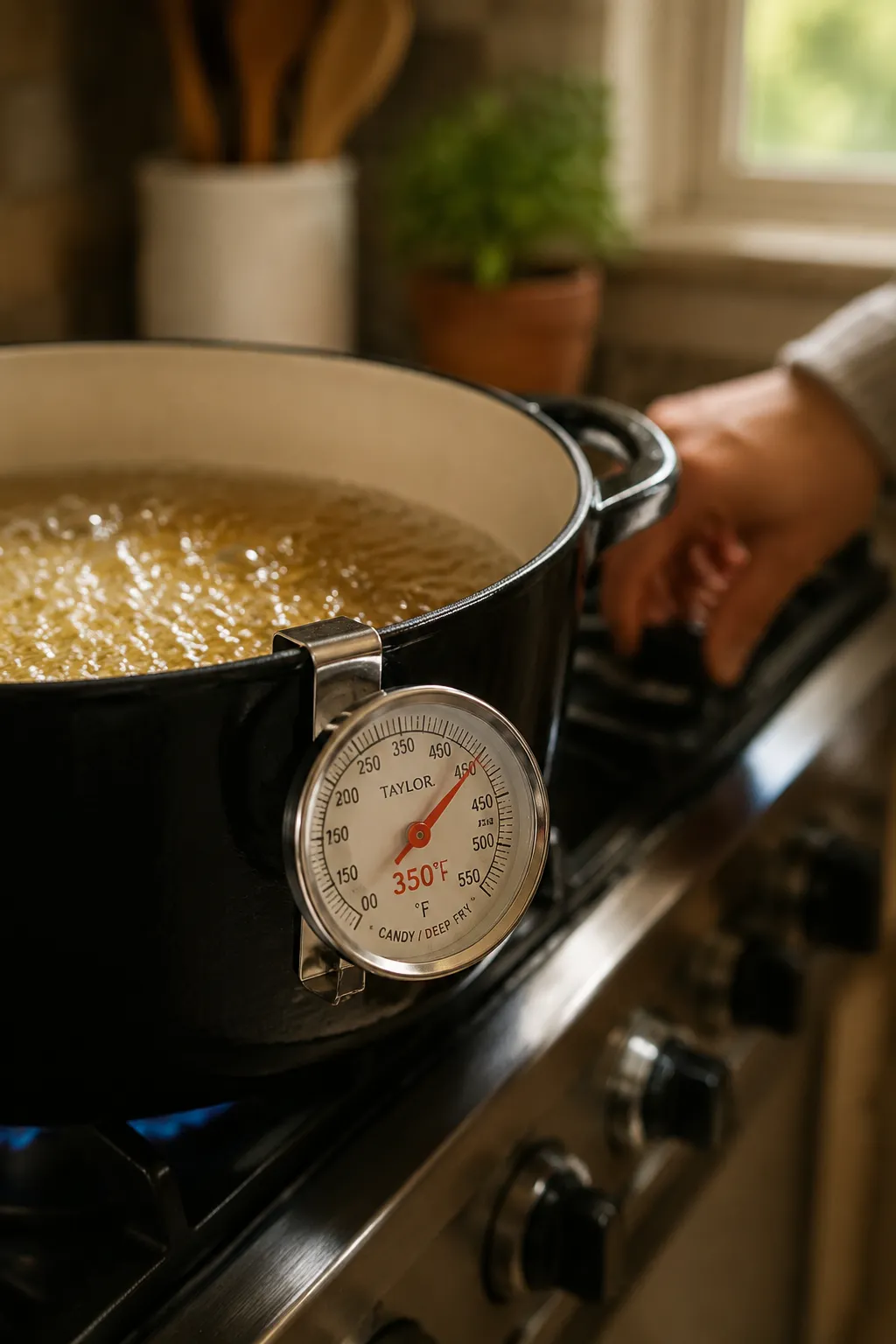
Pour two inches of peanut or vegetable oil into a heavy Dutch oven or large cast iron skillet and heat to 350°F. Slip the chicken in skin-side down, working in batches so the pan never crowds. The oil will drop to about 325°F when the cold chicken hits — that's perfect. Maintain it there by nudging the burner up or down. Fry dark meat 12 to 14 minutes and white meat 10 to 12 minutes per batch, flipping halfway through, until the crust is deeply golden and an instant-read thermometer reads 175°F in thighs and 165°F in breasts.
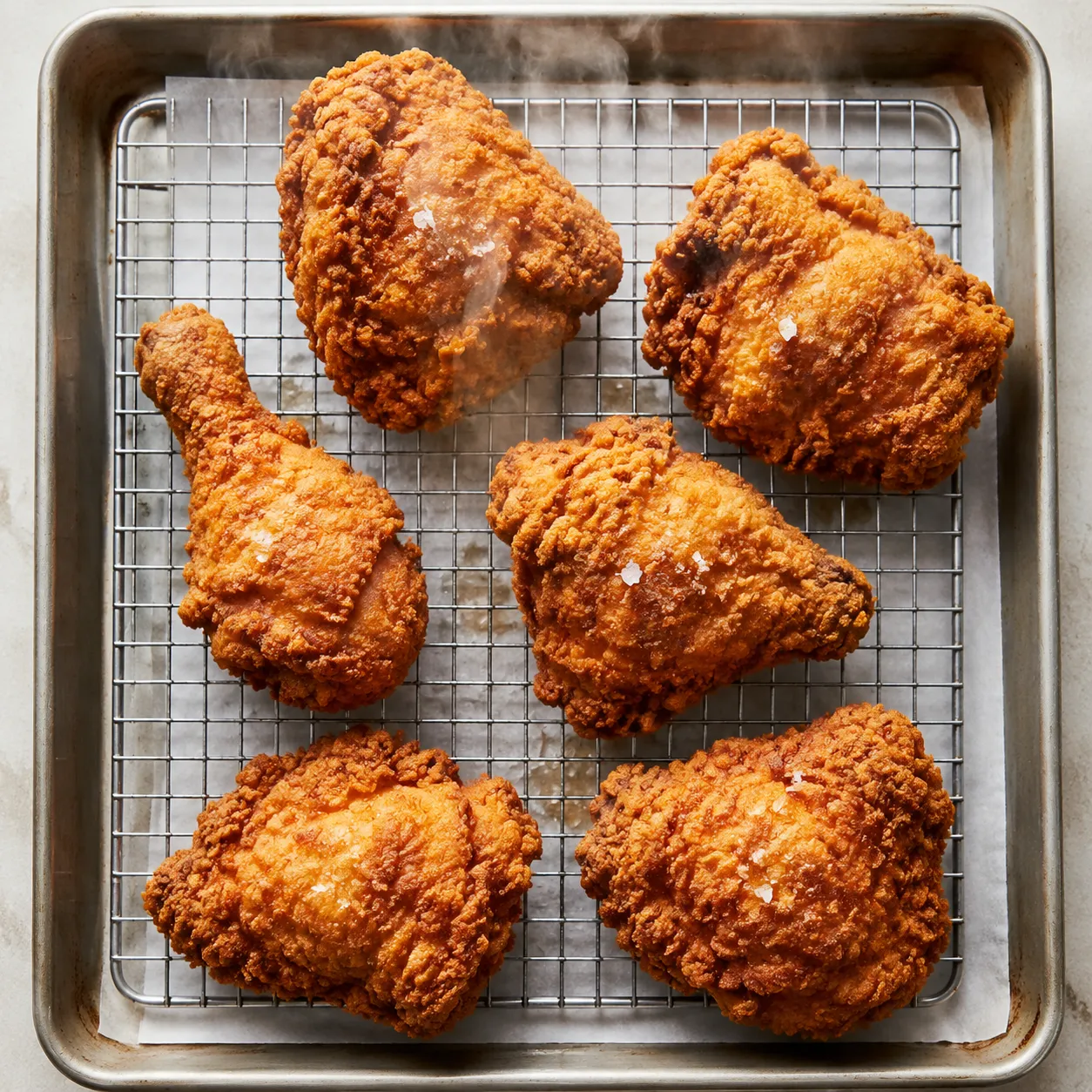
Transfer finished pieces to a wire rack set over a sheet pan — never paper towels, which will trap steam and turn the bottom crust soggy in minutes. Sprinkle with a little flaky salt while the chicken is still hot from the oil. Let it rest at least five minutes so the juices redistribute and the crust firms up to its final, glassy crunch.
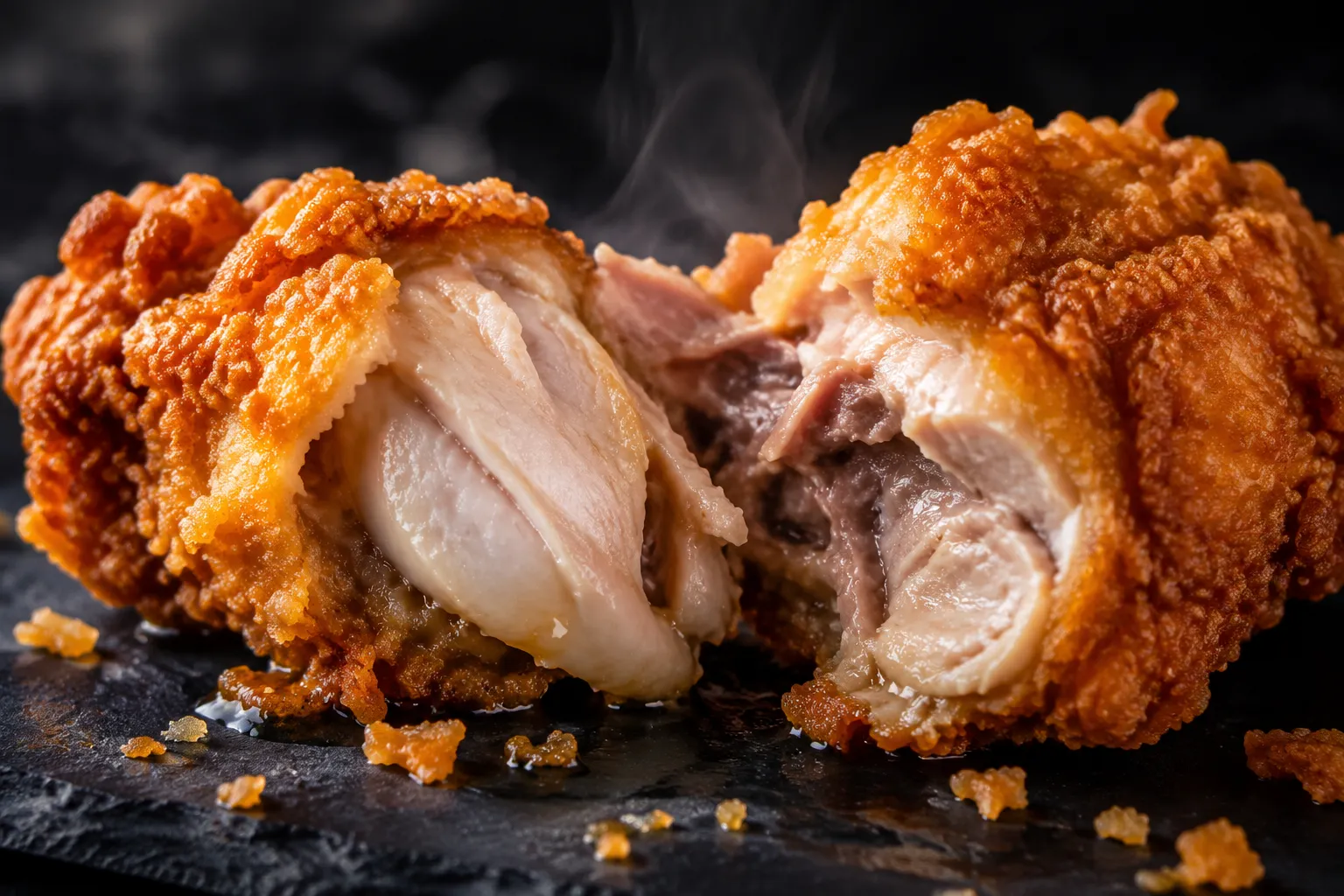
Tear a piece open and you'll see why this fried chicken recipe is worth the wait — the meat steams and glistens, salty and tender all the way to the bone, with a coating so loud you can hear it from the next room.
A platter of golden, freshly fried birds deserves a proper Southern spread. I lean classic for Sunday dinners and lighter when it's hot out, but honestly, almost anything in the side dish family makes a happy plate. The goal is to balance the richness of the crust with something bright, something starchy, and something cold to drink.
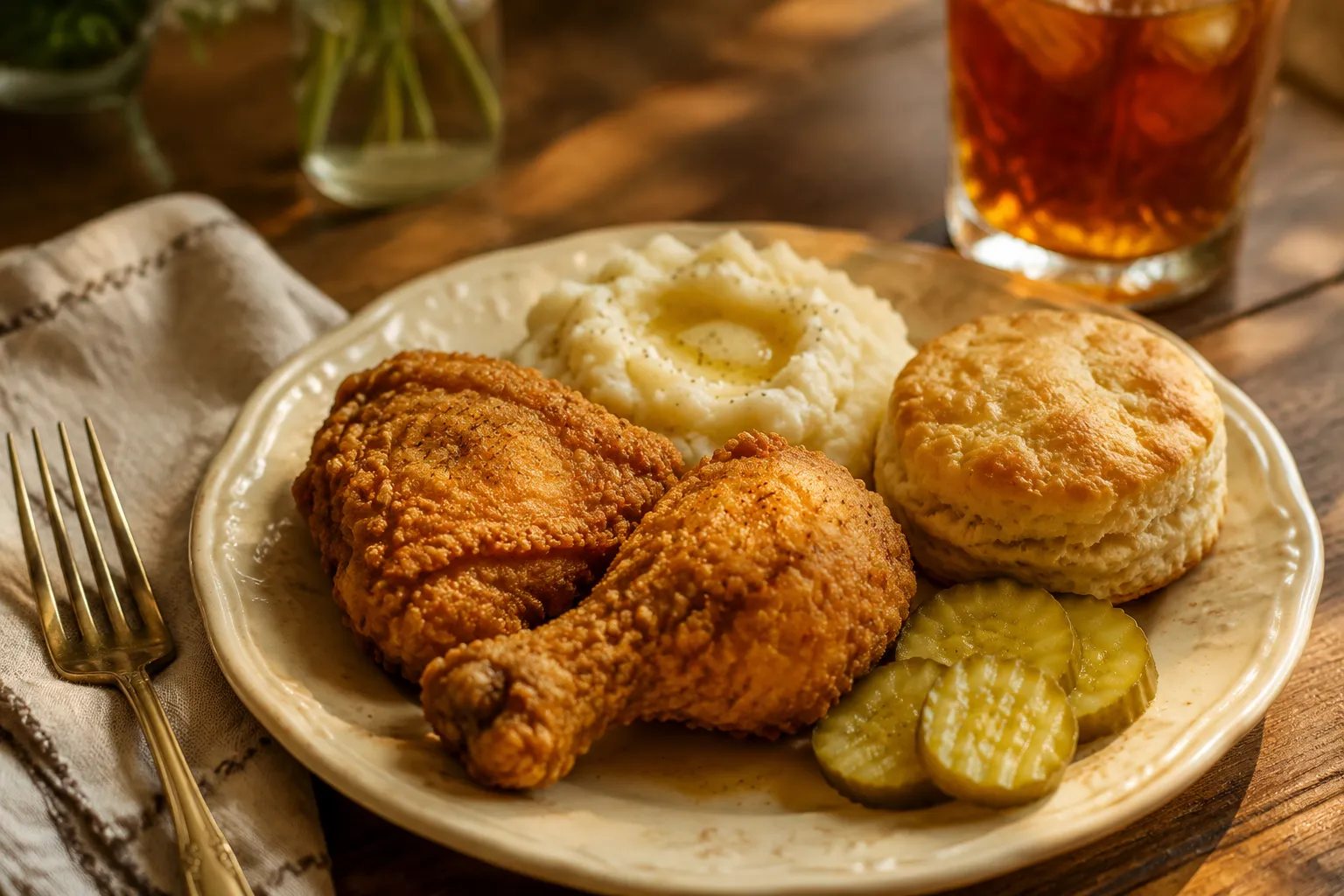
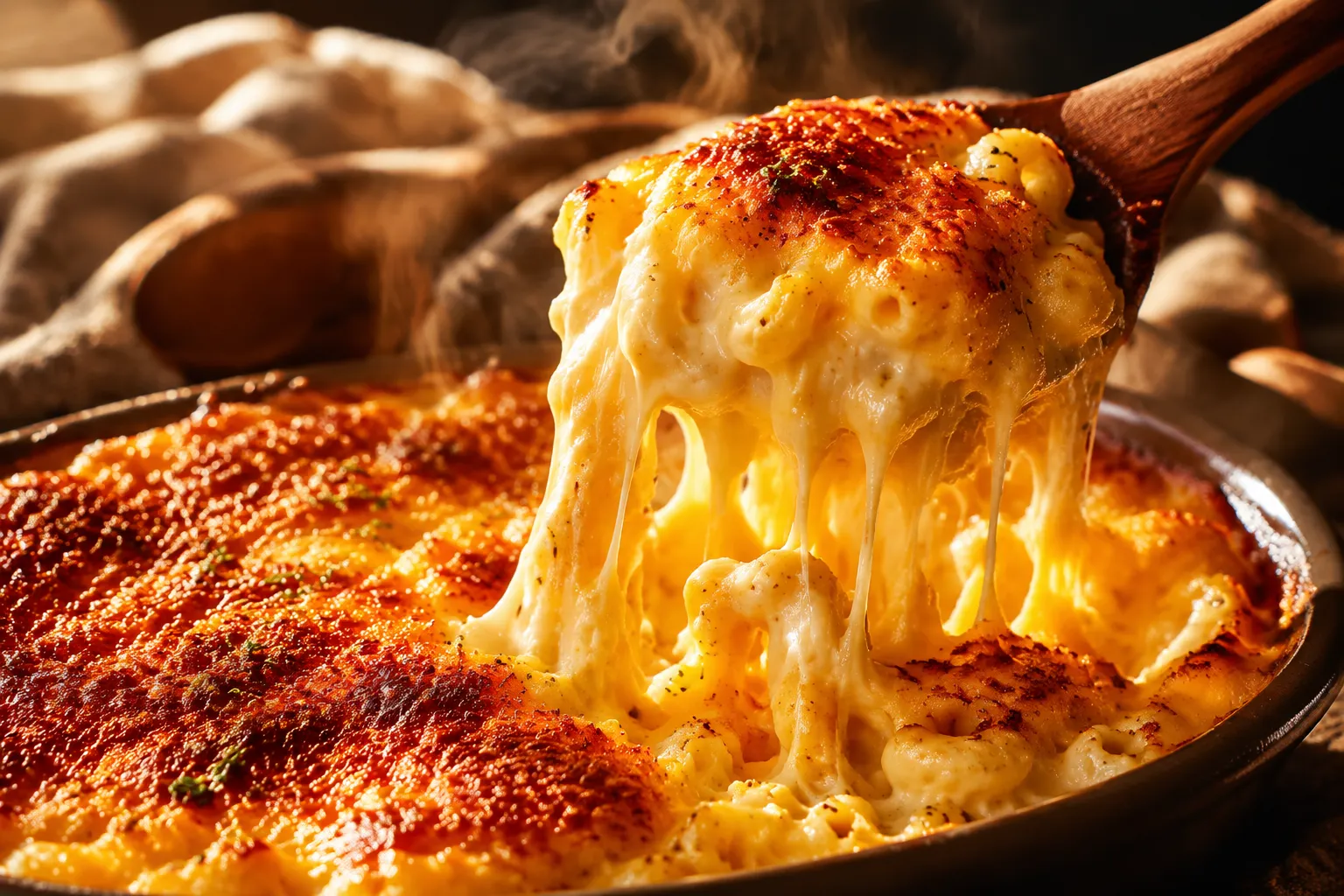
Buttery mashed potatoes with pan gravy, fluffy buttermilk biscuits, and creamy coleslaw are the holy trinity. Add corn on the cob, baked mac and cheese, or stewed collard greens and you've built a meal worth dressing up for. Don't forget bread-and-butter pickles or pickled okra somewhere on the table for that bright, vinegary cut against the rich crust.
On warm nights, a chopped salad with a sharp vinaigrette, grilled corn salad, or watermelon-feta-mint salad keeps the plate feeling fresh. A simple cucumber-tomato salad with red onion and dill is one of my favorites — the acidity makes the chicken taste even more savory, and it cuts the richness without filling you up.
Hot honey is having a long, well-deserved moment, and it absolutely belongs on this chicken. So does a sharp homemade ranch, comeback sauce, garlic aioli, or a quick honey-mustard whisked together in 30 seconds. For a Nashville-style finish, stir a little of the hot frying oil with cayenne, brown sugar, and smoked paprika and brush it straight onto the crust as the chicken comes out of the pan.
Whether you're making this for a lazy Saturday or building a proper Sunday feast, the rhythm of pulling crispy fried chicken out of a hot pan, golden and steaming, never gets old. The single biggest favor you can do yourself is buy a clip-on thermometer and trust it — that one piece of equipment turns this fried chicken recipe from intimidating into routine. If you'd rather skip the deep frying altogether, scroll down to the variations section for a reliable oven fried chicken adaptation that gets impressively close to the real thing.
This recipe is endlessly adaptable once you've nailed the basic technique. Use the same buttermilk brine and seasoned flour for any of these spin-offs.
Refrigerator: Cool fried chicken to room temperature, then store in a single layer in an airtight container with paper towels between layers. Keeps 3-4 days. To reheat, place pieces on a wire rack over a sheet pan and bake at 400°F for 12-15 minutes until heated through and re-crisped. The microwave will work in a pinch but the crust softens noticeably, so save it for emergencies.
Freezer: Freeze cooled chicken on a sheet pan until solid, then transfer to a freezer bag for up to 3 months. Reheat from frozen at 375°F for 25-30 minutes on a wire rack until the internal temperature hits 165°F. Skip thawing — going straight from freezer to oven keeps the crust crisp instead of letting it turn mushy as it defrosts.