Country Fried Steak Recipe with Creamy Pan Gravy
Ingredients
Scale
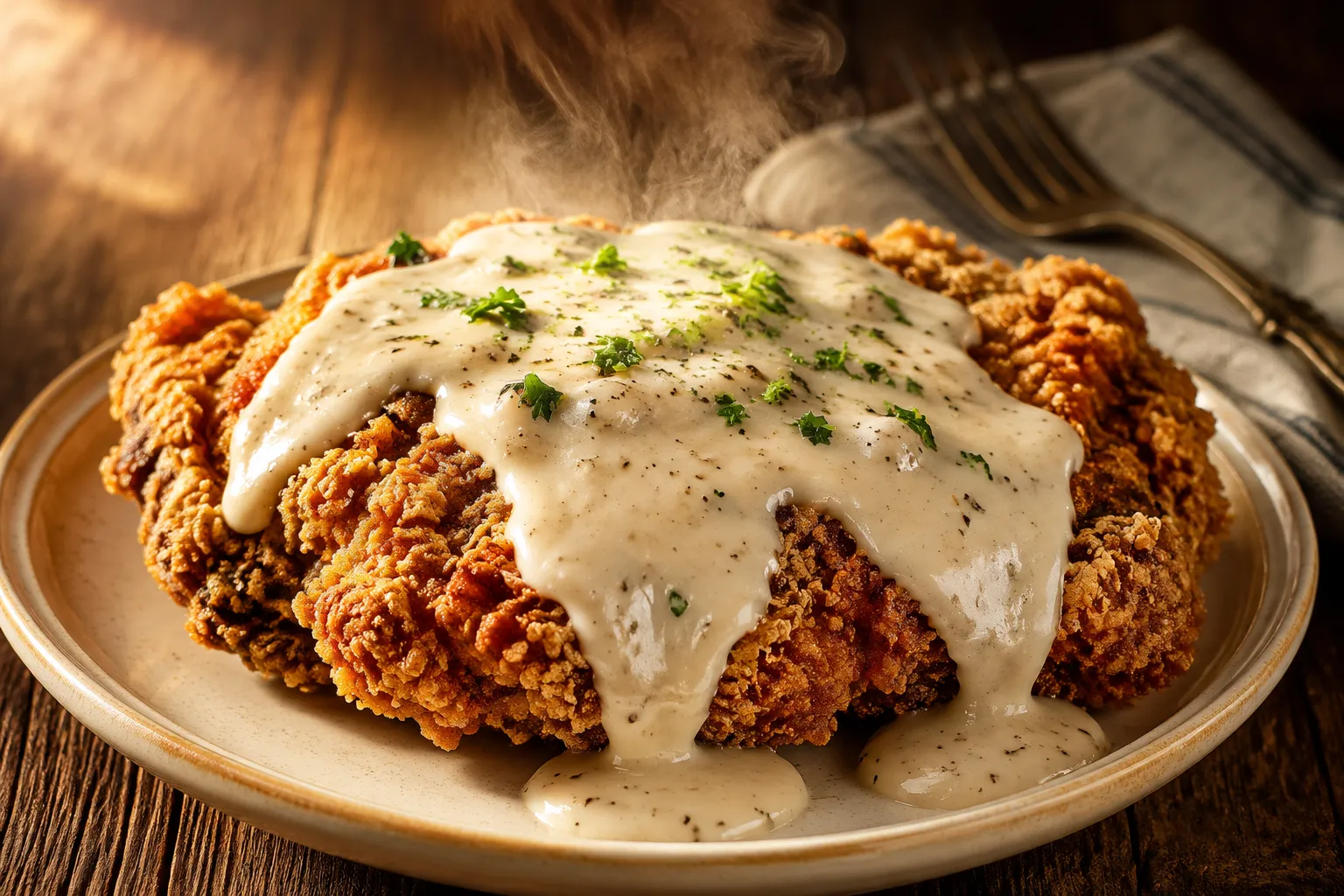
Crispy on the outside, fork-tender inside, and smothered in peppery cream gravy, this country fried steak recipe is the ultimate Southern comfort dinner.
If you grew up eating Sunday dinners that doubled as a hug, this country fried steak recipe is the one you've been hunting for. We're talking a shatter-crisp golden crust, fork-tender beef underneath, and a ladle of peppery cream gravy spooned over the top until everything goes glossy. It looks like a roadside diner plate, but it comes together on a regular Tuesday in about thirty minutes flat.
I cut my teeth on this dish at a tiny truck-stop diner in East Texas where the cook double-dredged every steak and cracked black pepper into the gravy until it looked like the night sky. That's the version I'm chasing here: real Southern comfort food, the kind that calls for a second biscuit and a slow afternoon. The technique is simple, but a few small choices — a buttermilk soak, a double dredge, the right oil temperature — separate diner-quality from sad-and-soggy. Get those right and you're golden, literally and otherwise.
The good news? You don't need fancy equipment. A cast-iron skillet, a meat mallet, and three shallow bowls do the entire job. Whether you call it country fried or chicken fried, the goal is the same: crisp crust, tender meat, silky gravy, dinner on the table fast enough to make a weeknight feel like a holiday.
These two get used interchangeably so often that even Southern cooks argue about it at family reunions. Both start with breaded, pan-fried steak made from cube steak, both go into hot oil, and both end up smothered in something rich. The technical difference comes down to the gravy on top.
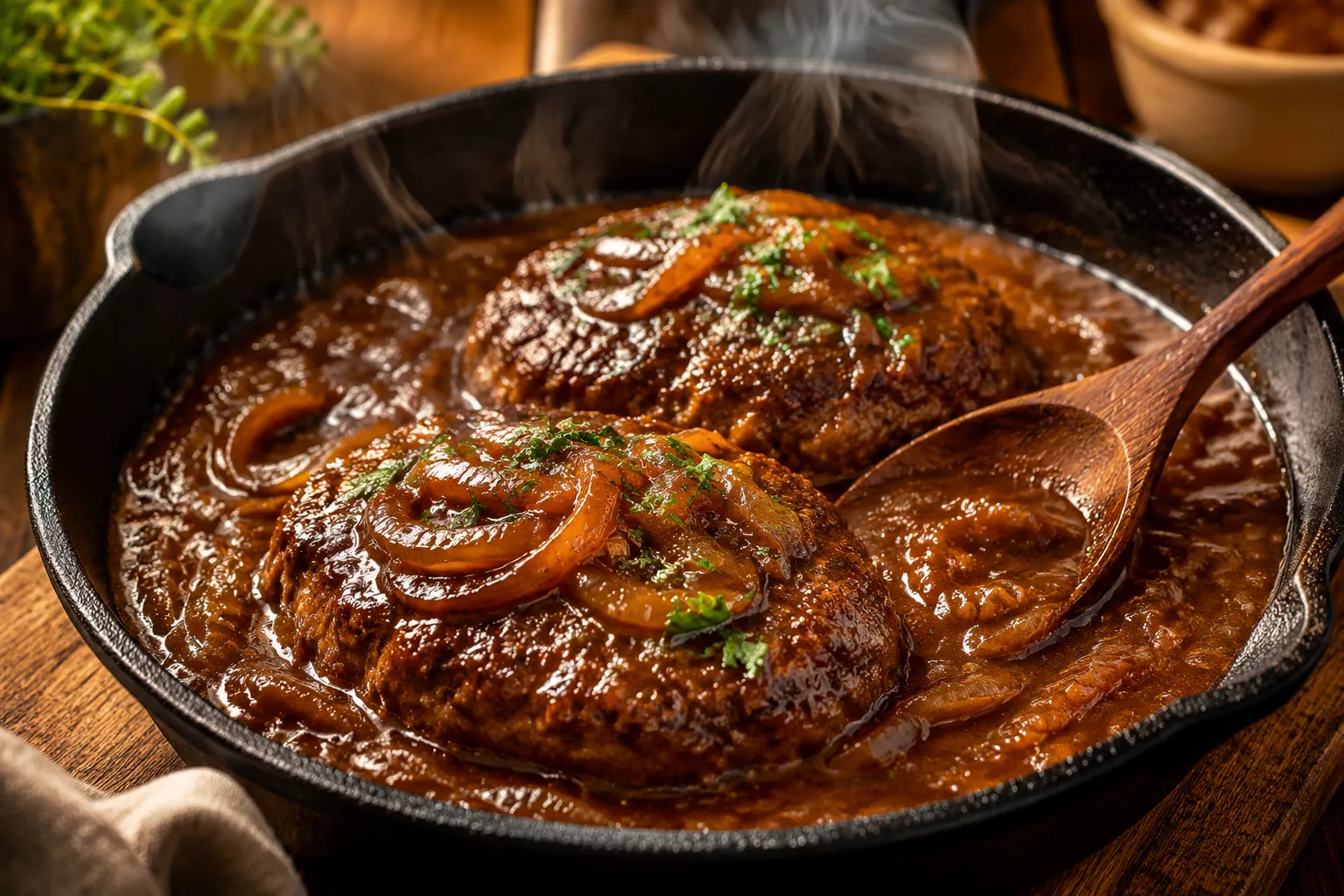
Traditional country fried steak gets a brown gravy made from beef drippings and broth, sometimes with sweet sautéed onions tucked in. Chicken fried steak — the version made famous by Texas roadhouses — wears a creamy white pepper gravy, the kind you'd ladle over biscuits without a second thought. Today's recipe walks the line: a deeply browned crust like classic country style, finished with the white peppery cream sauce most home cooks crave. Plenty of modern chicken fried steak recipes use exactly this combination, which is precisely why the names blur together in home kitchens and on diner menus alike.
If you're a strict purist, swap the milk gravy for a quick brown gravy made with beef broth and a splash of cream and you've got the truly traditional plate. Either way, you're in good Southern company.
You'll find most of this list already living in your pantry, which is part of why this dish has stuck around for a hundred years. The line-up is short, but every component does real work — there's nothing here just for show.
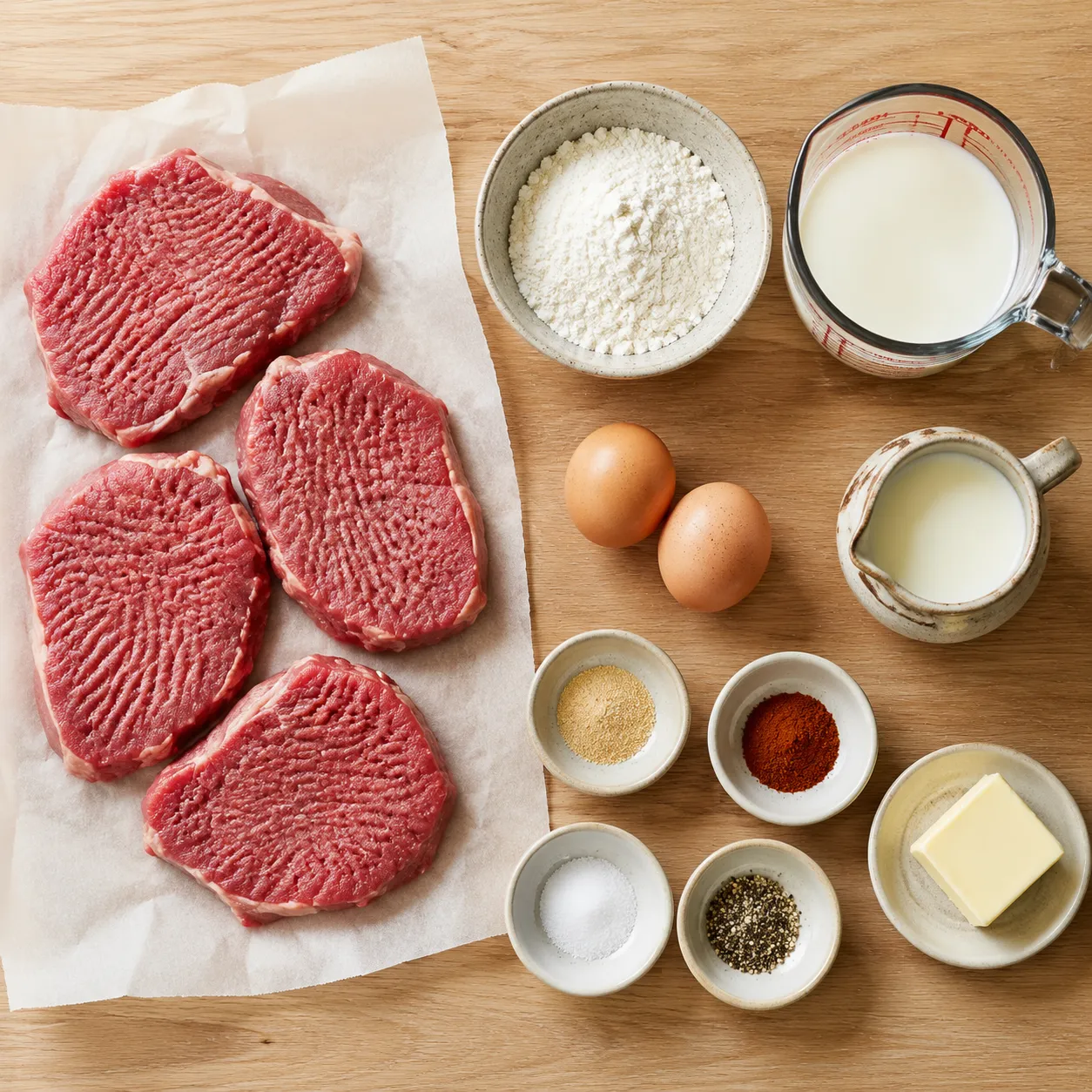
Cube steak is top round or sirloin that's been run through a mechanical tenderizer at the butcher counter, which is what gives it that distinctive cross-hatched surface. The pre-pounded texture matters more than people realize: it cooks fast, stays tender, and most importantly it grips the breading like Velcro. If your butcher only stocks whole top round, ask them to tenderize it for you. Or if you're curious about how to tenderize cube steak yourself at home, a meat mallet under plastic wrap and a few firm whacks is genuinely all it takes — three minutes of work for a measurably better dinner.
The buttermilk dredge is doing two jobs at once. The acid quietly tenderizes the beef while you prep the rest of the station, and the thick, tangy coating helps the seasoned flour cling in dramatic, craggy layers. Don't skip the egg in the wash either — it's the structural glue that keeps the breading from sliding off the moment things hit the oil. Real cultured buttermilk is worth seeking out, but a quick milk-and-vinegar substitute works in a pinch when you need it.
Garlic powder, onion powder, smoked paprika, kosher salt, and a generous hand of cracked black pepper season both the flour and, later, the gravy. Smoked paprika is my one small upgrade from the old-school formula. It hands you a whisper of bacon-y depth without changing the soul of the dish, and it tints the crust a richer amber once it hits the oil.
Treat this like assembly-line cooking. Set up your station first, fry second, build the gravy third. Once oil is in the pan you won't have time to measure spices or hunt for missing ingredients, so corral everything before you turn on the heat.
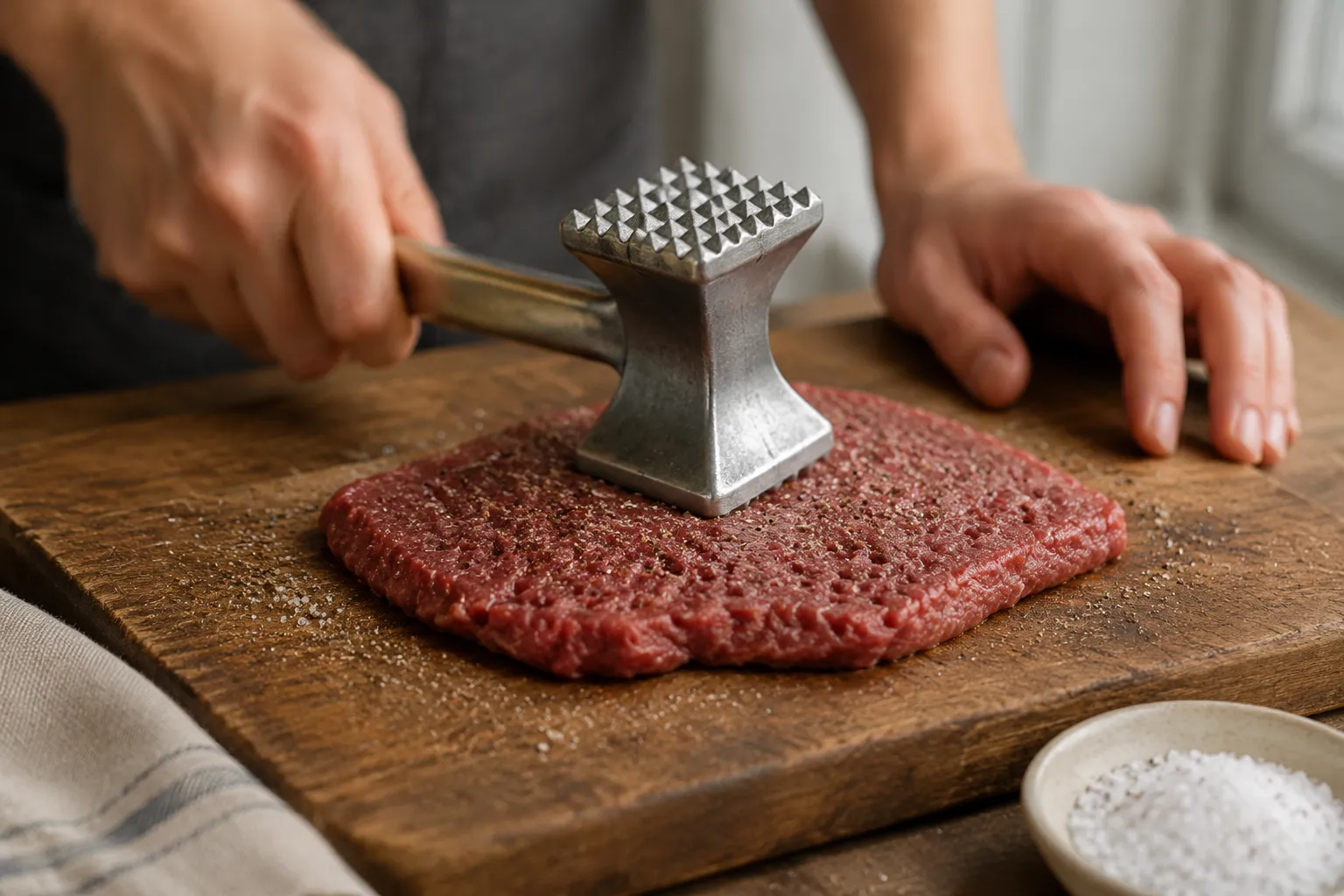
Pat each cube steak completely dry — wet meat is the number one reason breading slides off later. Sprinkle salt and pepper directly onto the meat and give each one a few extra taps with a meat mallet, especially around the thicker edges. You're not pulverizing them; you're just evening the thickness so they cook in the same amount of time and the breading has a flatter surface to grip onto.
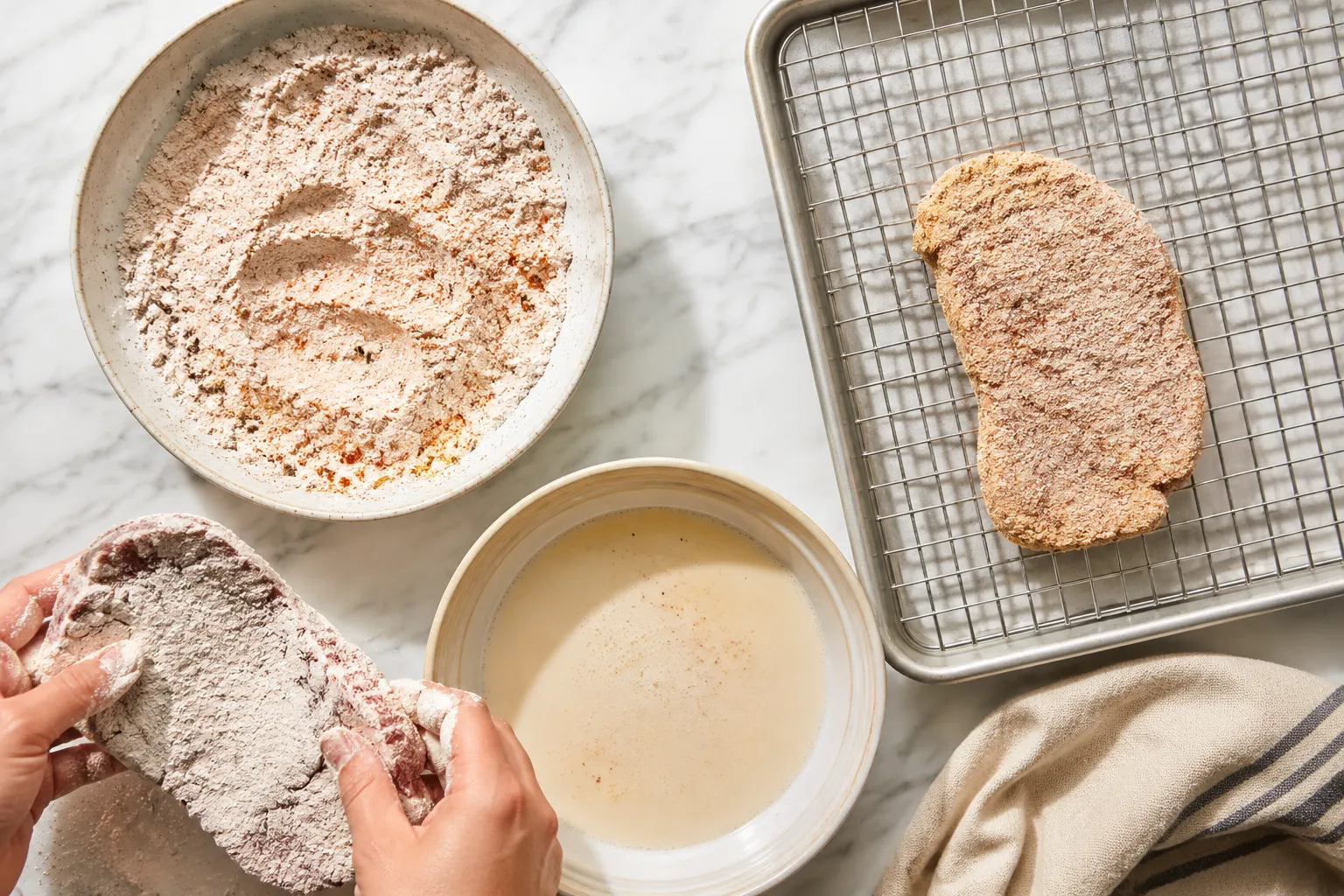
Use three shallow bowls or pie plates: seasoned flour, buttermilk-egg wash, and a second bowl of seasoned flour for the all-important second coat. Press each steak firmly into the first flour, dunk it in the buttermilk wash, then press hard into the second flour. The double dredge is what creates those shaggy, blistered ridges that crisp into stained-glass shards in the oil. Single-dredged steaks taste fine; double-dredged steaks make people stop talking mid-sentence.
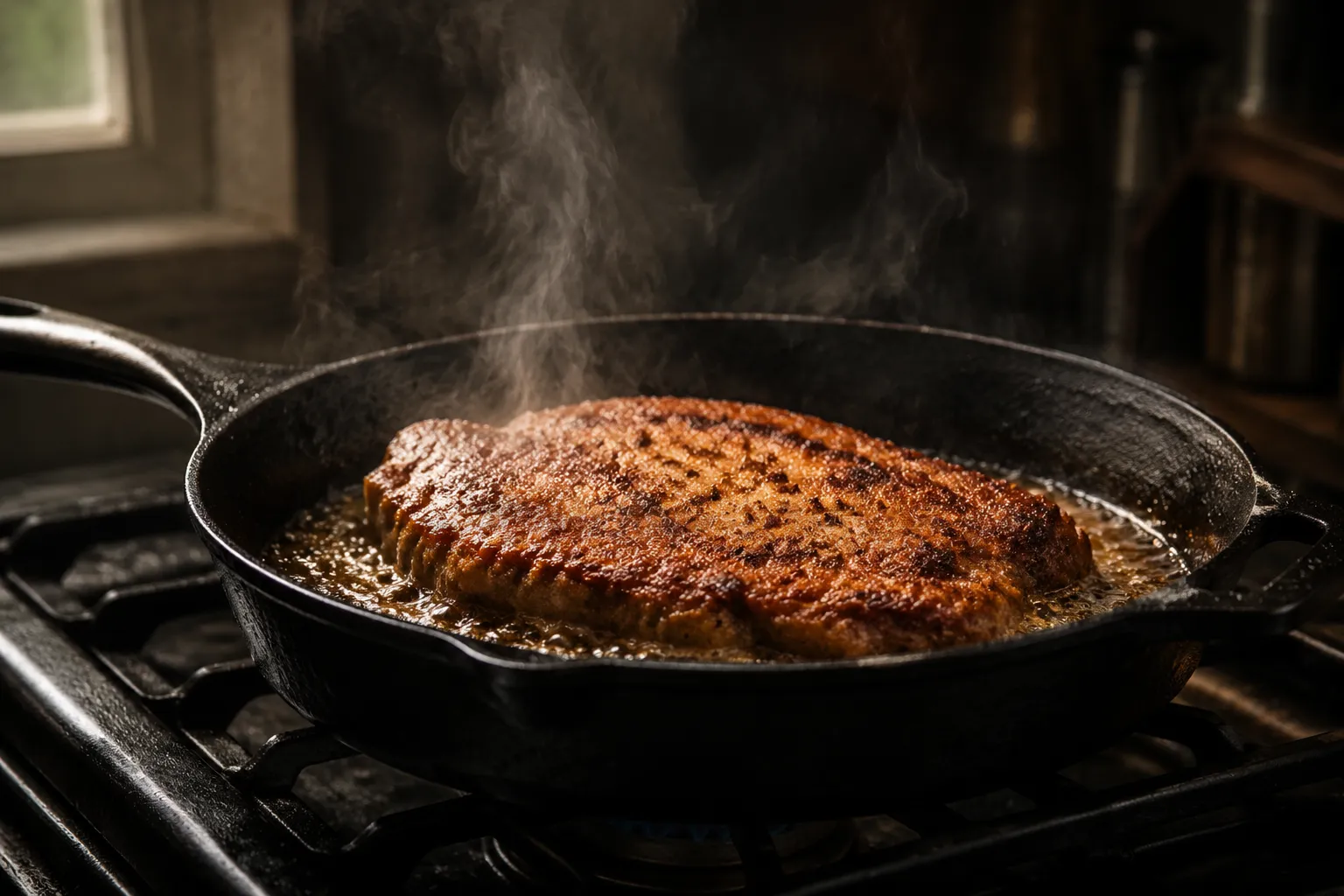
Pour about a quarter inch of vegetable oil into a heavy cast-iron skillet and heat it to 350 to 360°F. Lay the steaks in gently, away from you, and don't crowd the pan — fry two at a time so the oil temperature stays steady. You're looking for three to four minutes per side, until the crust is deep amber and audibly crisp when you tap it with tongs. Resist the urge to peek and flip too early; the crust needs uninterrupted contact with the oil to set properly.
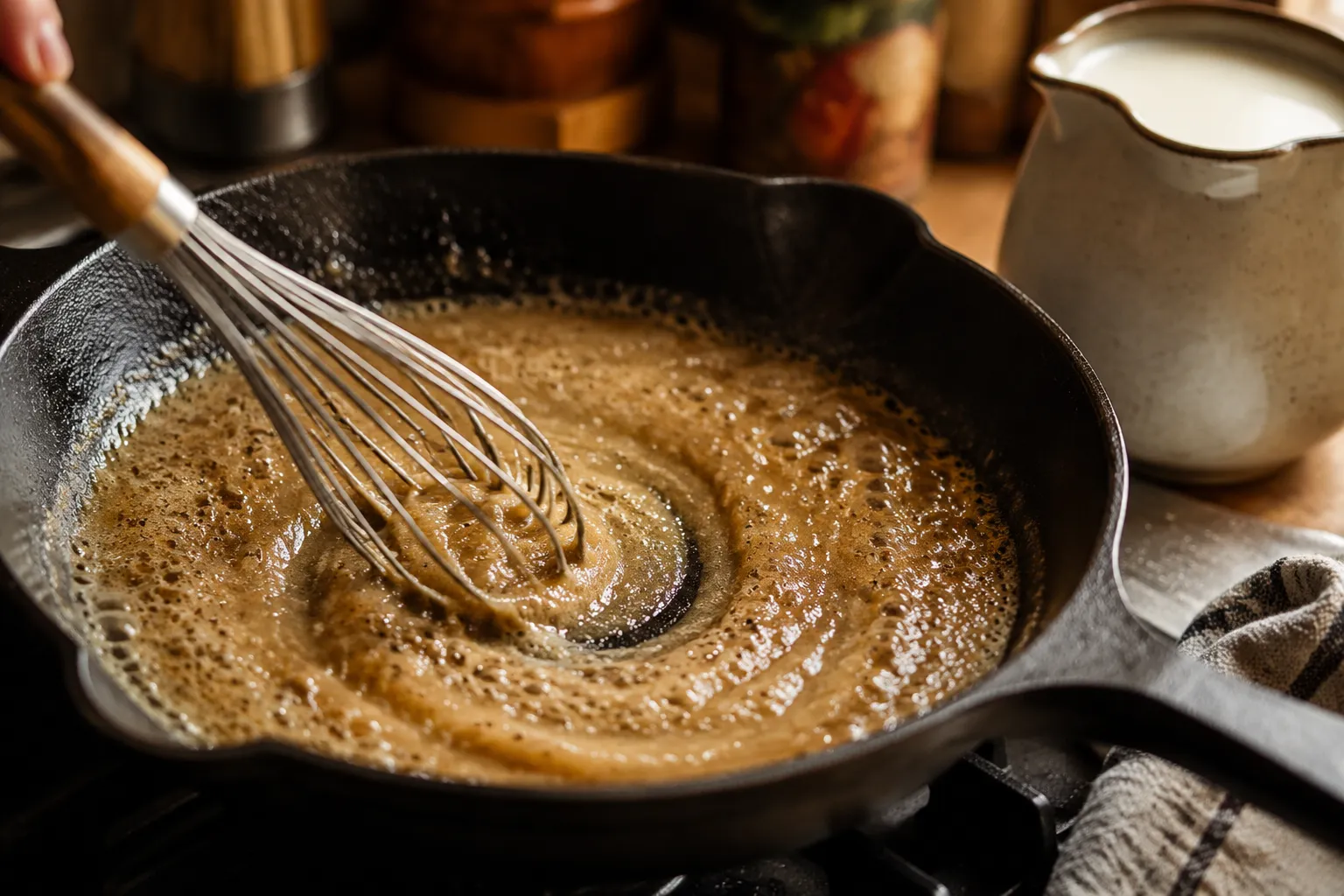
This is where the magic happens. Pour off all but three tablespoons of the dark, flavorful drippings, leaving the crispy brown bits stuck to the pan. Whisk in flour and cook the roux for a full minute until it smells nutty, then stream in cold milk while whisking nonstop. Season with extra salt and an aggressive amount of cracked black pepper, then simmer until it coats the back of a spoon. This homemade country gravy is the soul of the whole plate, and the browned fond clinging to the bottom of the skillet is what makes it taste like something you'd drive across town for.
A plate this rich wants sides that either echo the comfort or cut against it. Both directions work beautifully, and the choice usually comes down to what's already in the fridge and how hungry the table is.
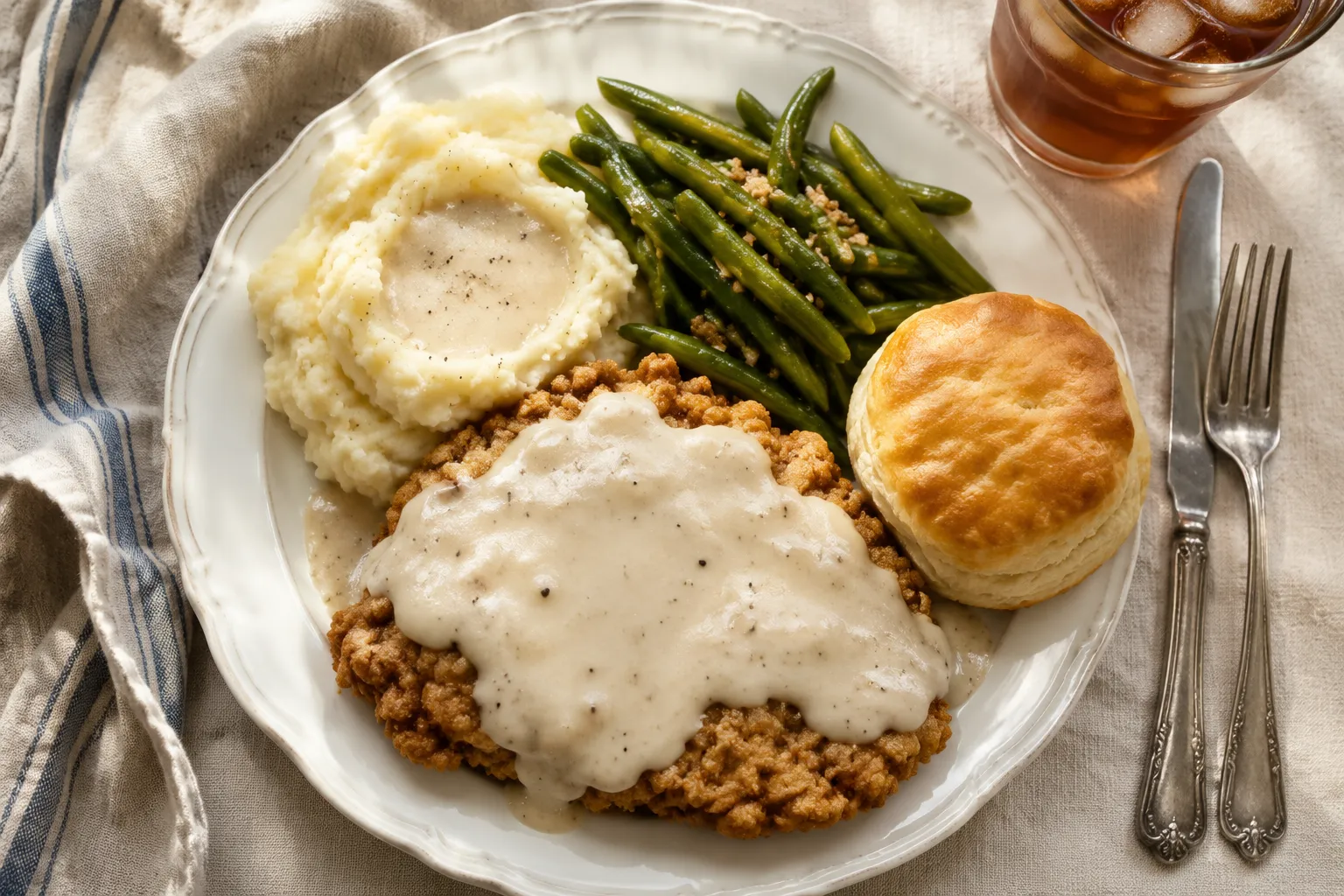
For the full Southern Sunday treatment, pile on a scoop of creamy mashed potatoes (with extra gravy in the well), a stack of warm buttermilk biscuits, and a wedge of skillet cornbread for sopping up every last drop. Slow-simmered Southern green beans with a little smoky bacon are the classic vegetable on the side, and they balance the richness of the steak with a welcome touch of vinegar bite. A glass of sweet tea or strong black coffee finishes the picture.
If you want something lighter, a sharp vinegar slaw, a wedge of iceberg with buttermilk dressing, or quick-pickled cucumbers all do the trick. The acid resets your palate between bites, which means you'll keep going back for more without feeling weighed down. Even a simple side salad with a tangy vinaigrette pulls its weight here.
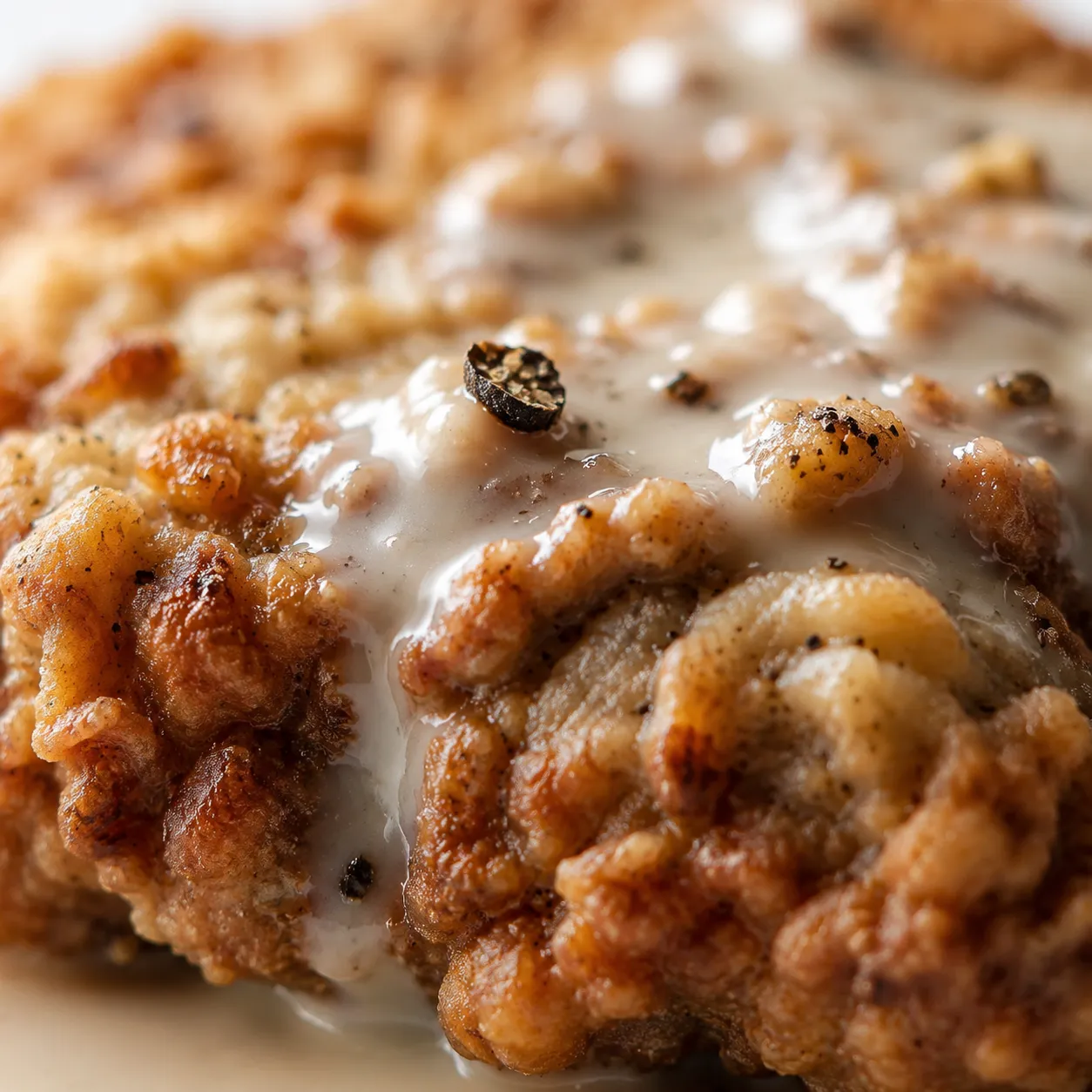
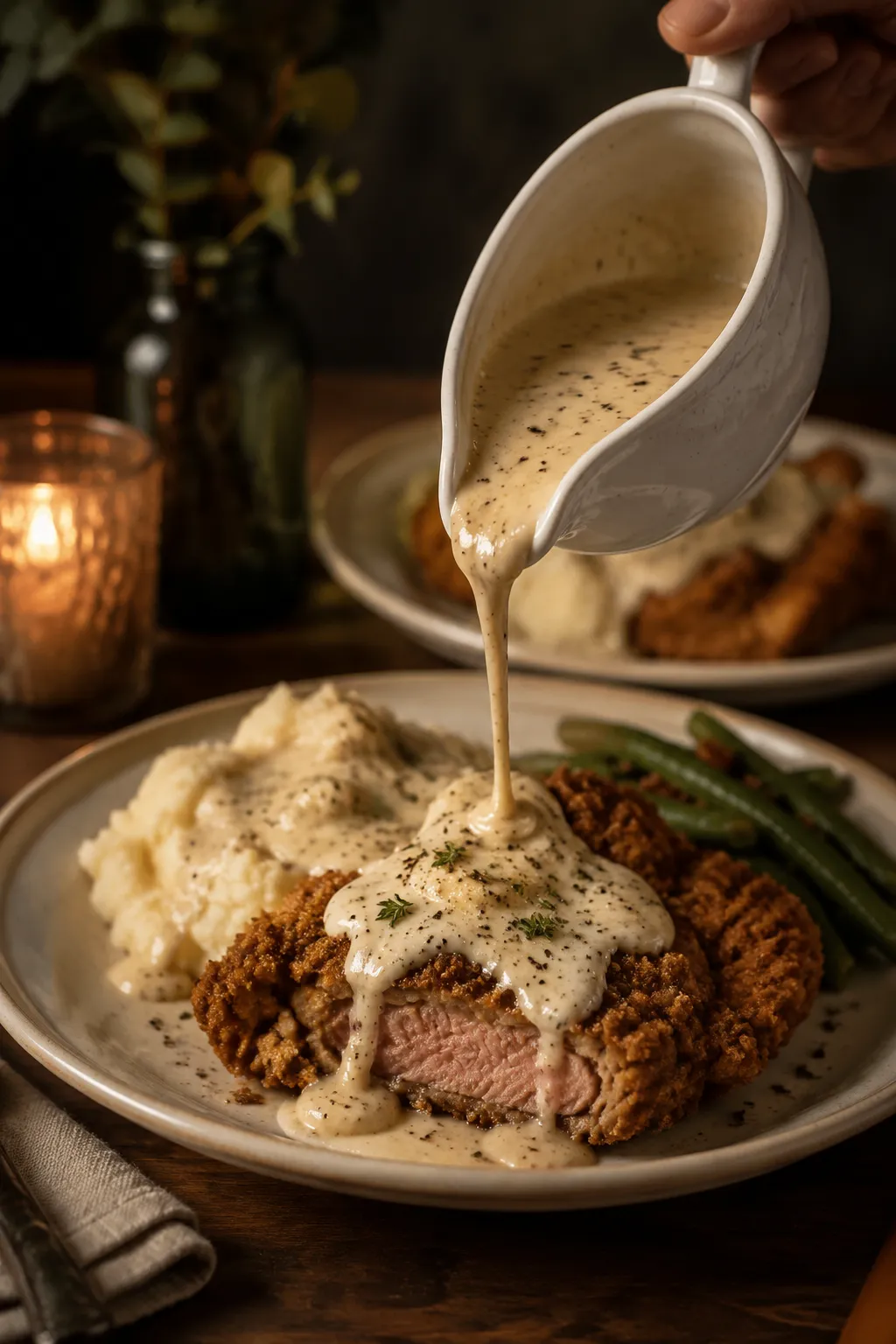
This country fried steak recipe is the kind of dinner that turns a regular weeknight into something worth lingering over. Cut into the steak, watch the gravy run down into the potatoes, and pretend you're at a corner booth with vinyl seats and a bottomless coffee mug. It's old-school, it's a little extravagant, and after one bite you'll understand exactly why this plate has been on every diner menu in America for the better part of a century.
Once the double-dredge technique is in your hands, this recipe becomes a flexible blueprint you can spin in a dozen directions to suit your pantry, your mood, or whoever's coming to dinner.
Leftovers keep beautifully when stored properly. Place cooled steaks on a paper-towel-lined plate, cover loosely, and refrigerate for up to 3 days. Store the gravy separately in an airtight container — it'll thicken in the fridge but loosen right back up with a splash of milk on the stovetop. For longer storage, freeze fully cooled fried steaks in a single layer on a sheet pan, then transfer to a zip-top bag for up to 2 months. Freeze the gravy flat in a freezer bag for easy thawing.
To reheat without sacrificing the crust, skip the microwave entirely. Arrange the steaks on a wire rack set over a sheet pan and warm them in a 375°F oven for 8 to 10 minutes, or until heated through and crisp again. An air fryer at 350°F for about 5 minutes works just as well. Reheat the gravy gently in a saucepan over low heat, whisking in milk a tablespoon at a time until it pours like a ribbon. Then assemble fresh and you'll swear they were just fried.