Braised Beef Shank Recipe: Fall-Apart Tender in One Pot
Ingredients
Scale
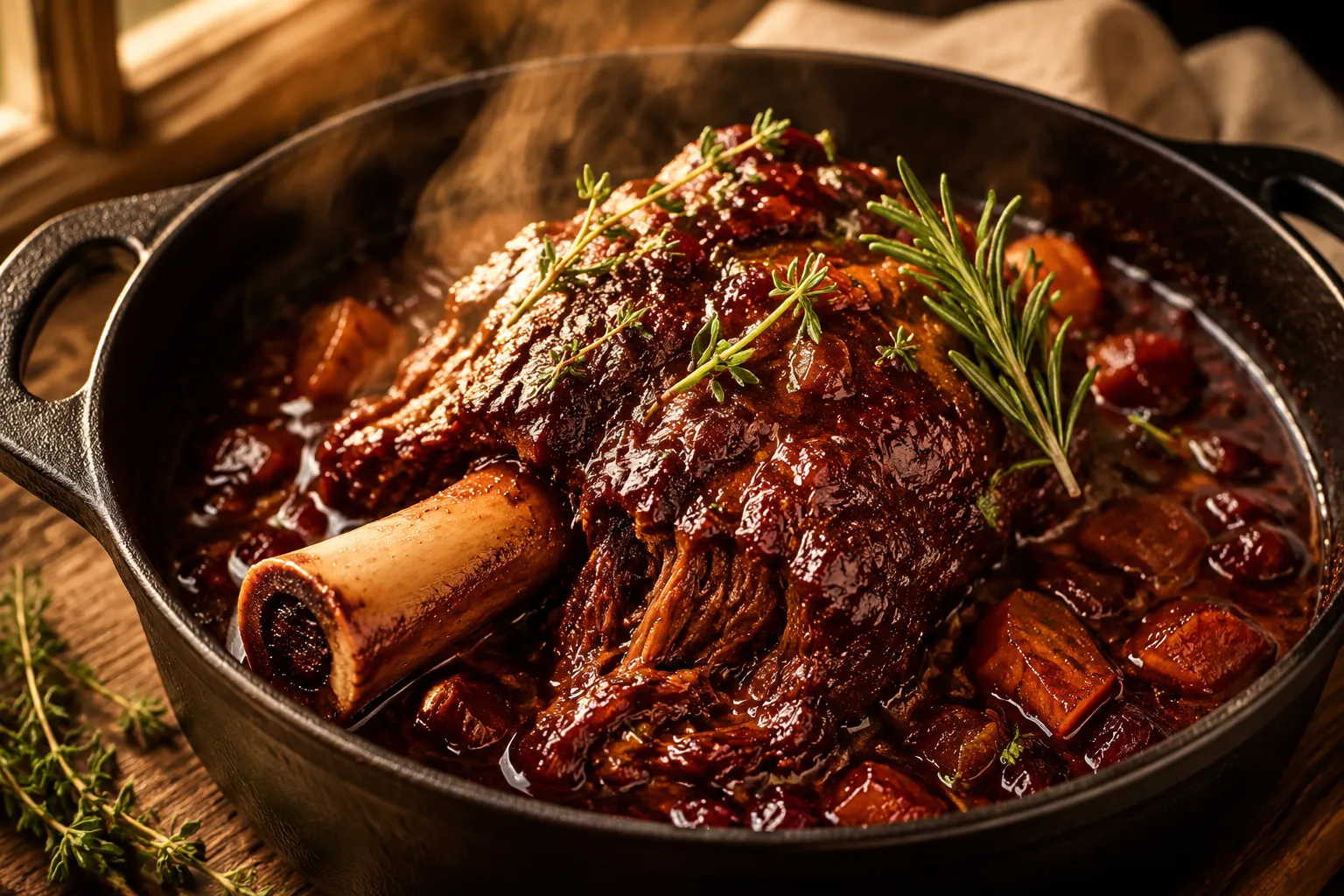
A slow-braised beef shank recipe that transforms a humble, marbled cut into fork-tender meat swimming in deeply savory red wine gravy.
This beef shank recipe is the kind of low-effort, high-reward dinner that makes you feel like you've actually accomplished something on a slow Sunday afternoon. The cut itself is humble — a tough, marbled cross-section from the leg of the steer, threaded with collagen and centered on a knob of glorious bone marrow. Left to its own devices, it would chew like an old leather belt. But coaxed slowly in a covered pot with red wine, aromatics, and time, it transforms into spoon-tender meat swimming in the kind of glossy, mahogany-colored gravy you'd expect from a candlelit bistro.
I started cooking shanks years ago when good chuck roast prices crept up at my local market, and I have not looked back. They're inexpensive, criminally underused, and the marrow alone is worth the price of admission. If you've ever ordered osso buco at a restaurant and wondered how a single piece of meat could possibly cost forty dollars, this is your chance to make essentially the same dish at home for a fraction of the price.
What you'll get over the next few hours is a one-pot, mostly hands-off braise built on classic French technique — sear, sweat, deglaze, simmer — with no trickery and no specialty equipment beyond a heavy enameled pot. Pour yourself a glass of whatever red you're cooking with, settle in, and let me walk you through it.
Beef shank is a cross-cut from the front or hind leg of the cow, typically sold bone-in with a beautiful round of marrow at the center. Because the leg is in constant use during the animal's life, the muscle is dense and packed with connective tissue — which sounds like a problem until you realize that connective tissue is collagen, and collagen melts into silky gelatin when it's cooked low and slow with moisture. That's the whole magic trick of this cut, and it's why a bargain-bin piece of beef can taste like something out of a Michelin kitchen.
You'll often see this same anatomical cut, sliced cross-wise from veal, sold as osso buco — "bone with a hole" in Italian. Beef shank is essentially the grown-up, more economical cousin: bigger pieces, deeper beefy flavor, and a price tag that hovers around half what veal costs. The cooking method is nearly identical, and in my opinion the marrow payoff is even better.
When shopping, look for shanks that are roughly 1.5 to 2 inches thick with a generous ring of marrow visible in the center bone. Avoid pieces that look gray or dry around the edges — you want a deep, rich red color and visible marbling running through the muscle. Most full-service butcher counters will cut them to order if your grocery doesn't carry them prepackaged.
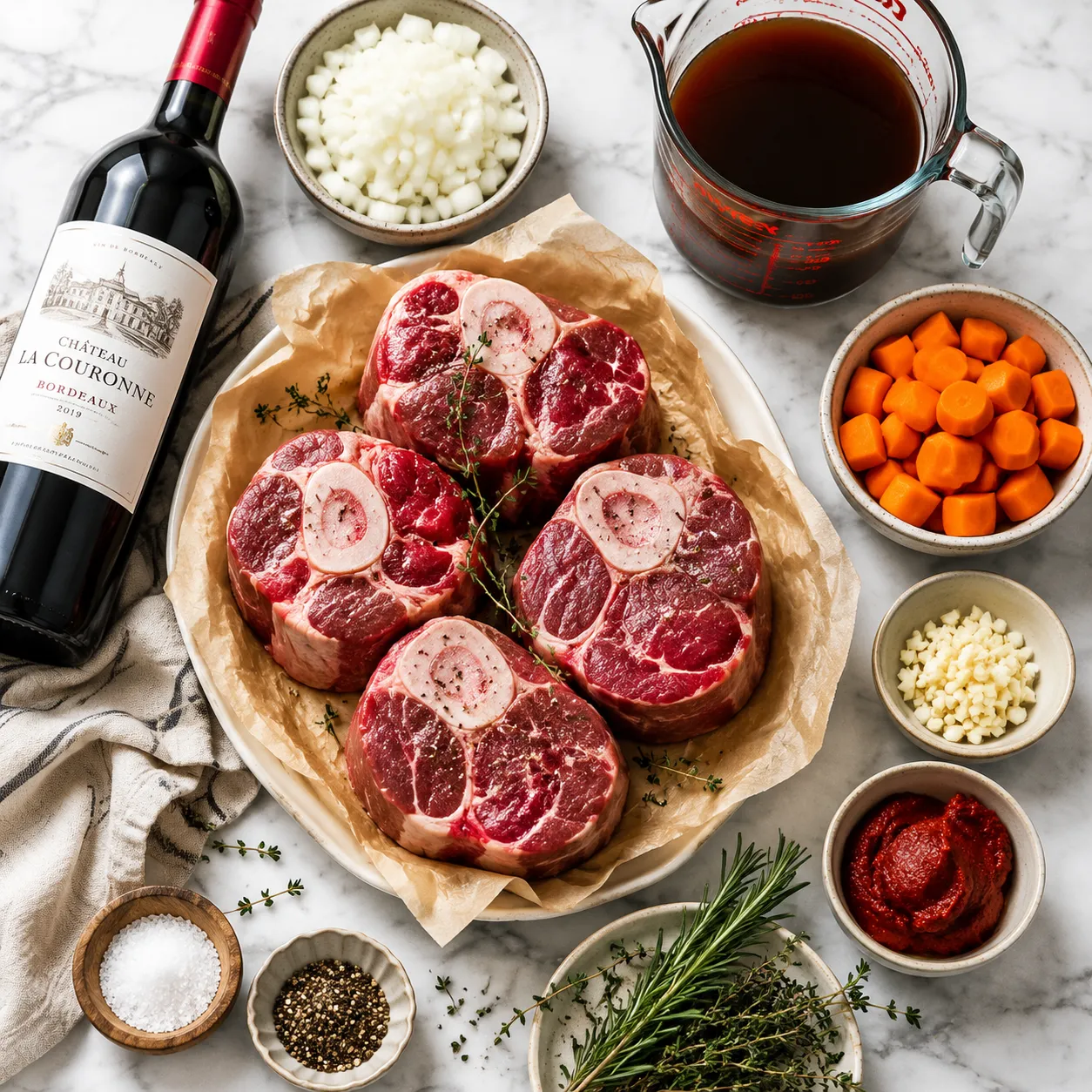
The ingredient list is short and the components are the kind of pantry-and-produce staples you probably already keep on hand. Bone-in shanks are the obvious star — I plan on one shank per person, give or take. The aromatics are classic mirepoix territory: yellow onion, carrots, and garlic, with a couple celery ribs if you want to round it out. Tomato paste is non-negotiable for me; that two-tablespoon dollop adds depth, color, and just enough acidity to keep the sauce from feeling heavy on the palate.
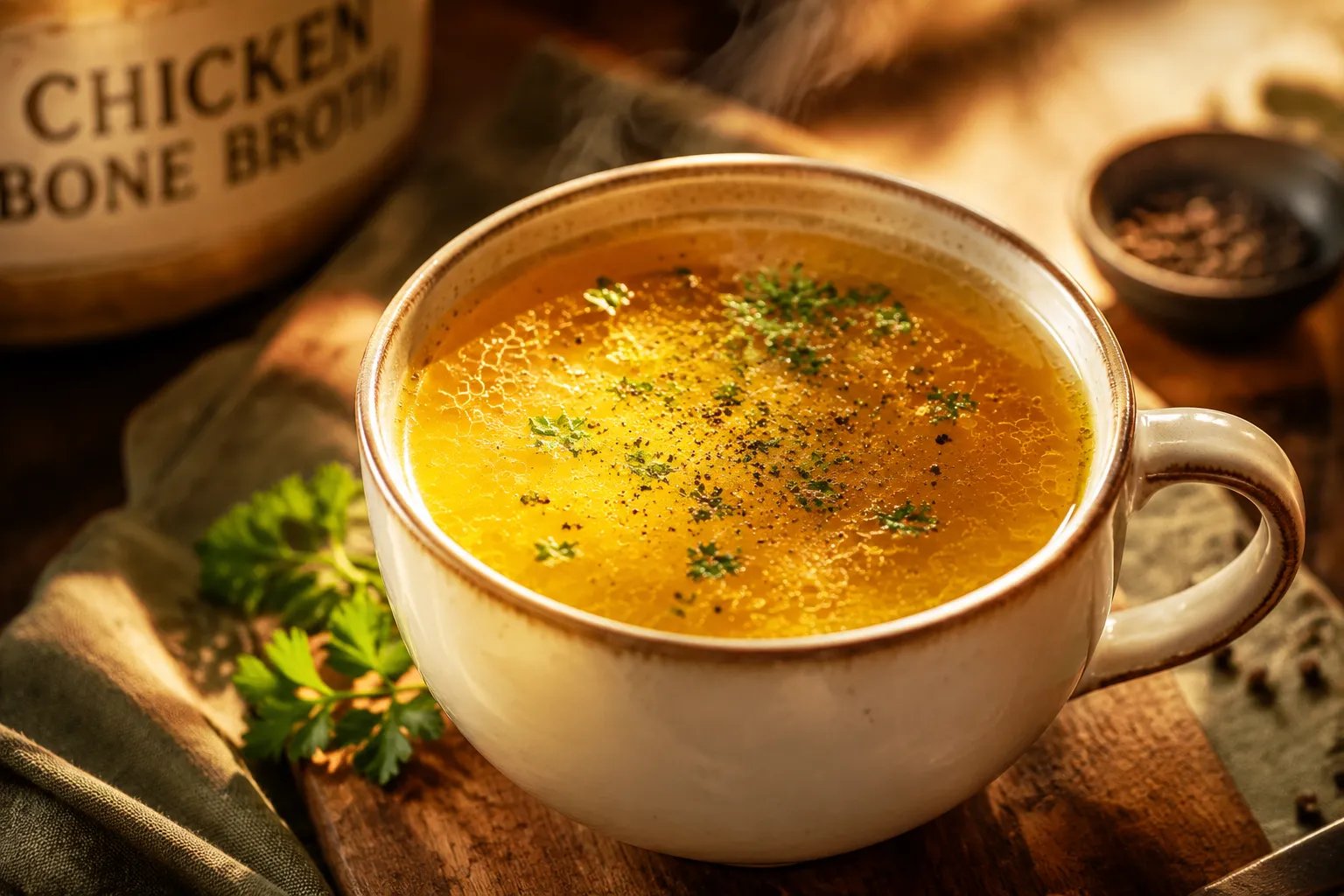
For the braising liquid, you want a dry red with some backbone — Cabernet Sauvignon, Merlot, or a basic Côtes du Rhône all work beautifully. Skip anything labeled "cooking wine" and skip anything sweet. The wine reduces and concentrates, so its character ends up amplified in the final sauce. Pair the wine with good beef stock (homemade beef bone broth is a dream here if you have any stashed in the freezer), fresh thyme and rosemary, a couple bay leaves, and plenty of salt and pepper.
This is, at its heart, a textbook Dutch oven braising session, and the technique is the same one you'd use for a red wine beef stew or a classic pot roast. The differences are scale, time, and the marrow factor. A reliable beef shank recipe lives or dies on three things: a deep sear, a slow oven, and enough patience to leave the lid alone for the duration.
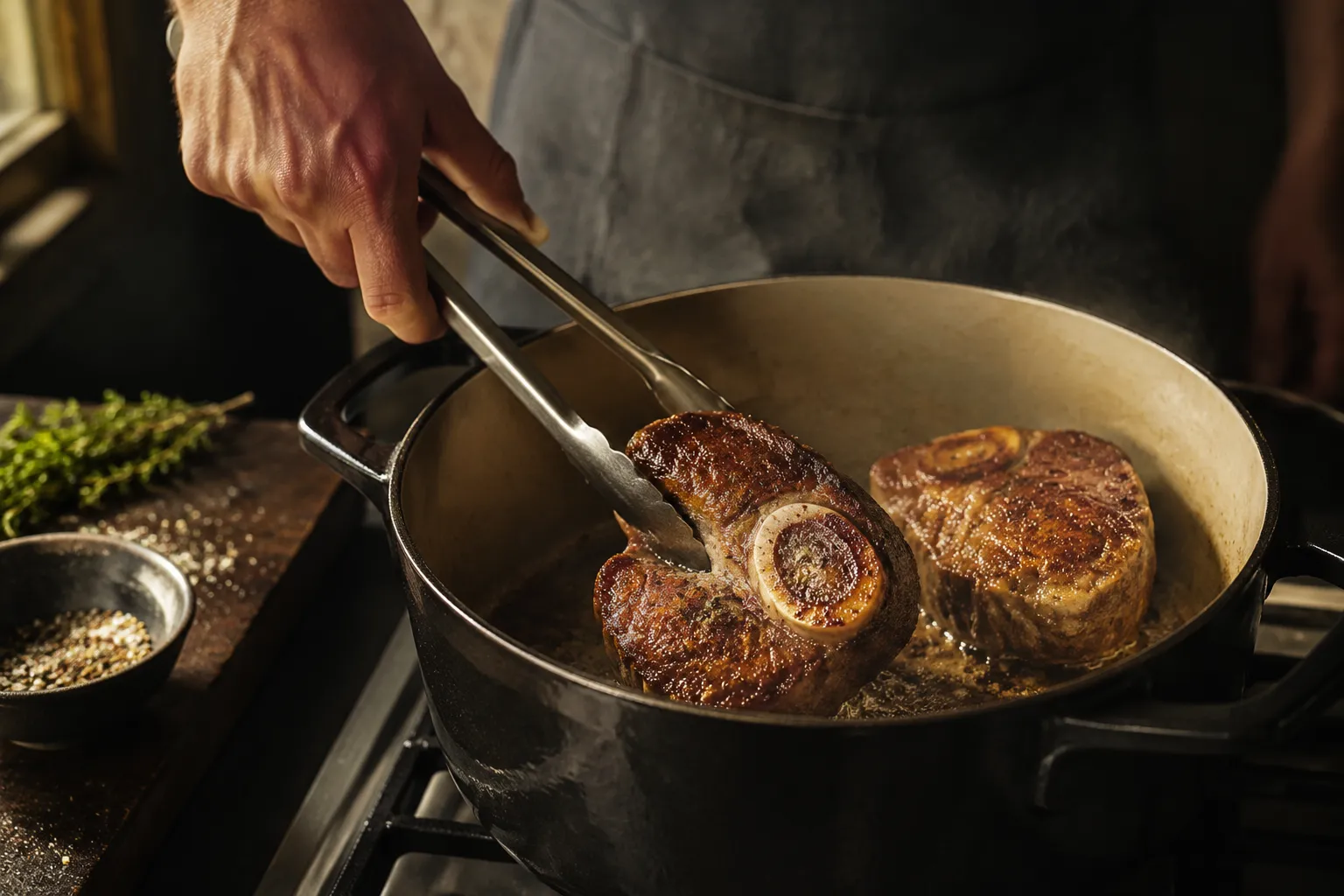
Start by patting the shanks bone-dry with paper towels and seasoning them aggressively with salt and pepper — every surface, top and sides. Heat a few tablespoons of neutral oil in a heavy 5-7 quart pot over medium-high until it's just starting to shimmer, then lay the shanks in without crowding. Don't touch them. Let each side develop a deep, mahogany-brown crust before flipping, about 4-5 minutes per face. This step is non-negotiable — it's where the lion's share of your final flavor comes from.
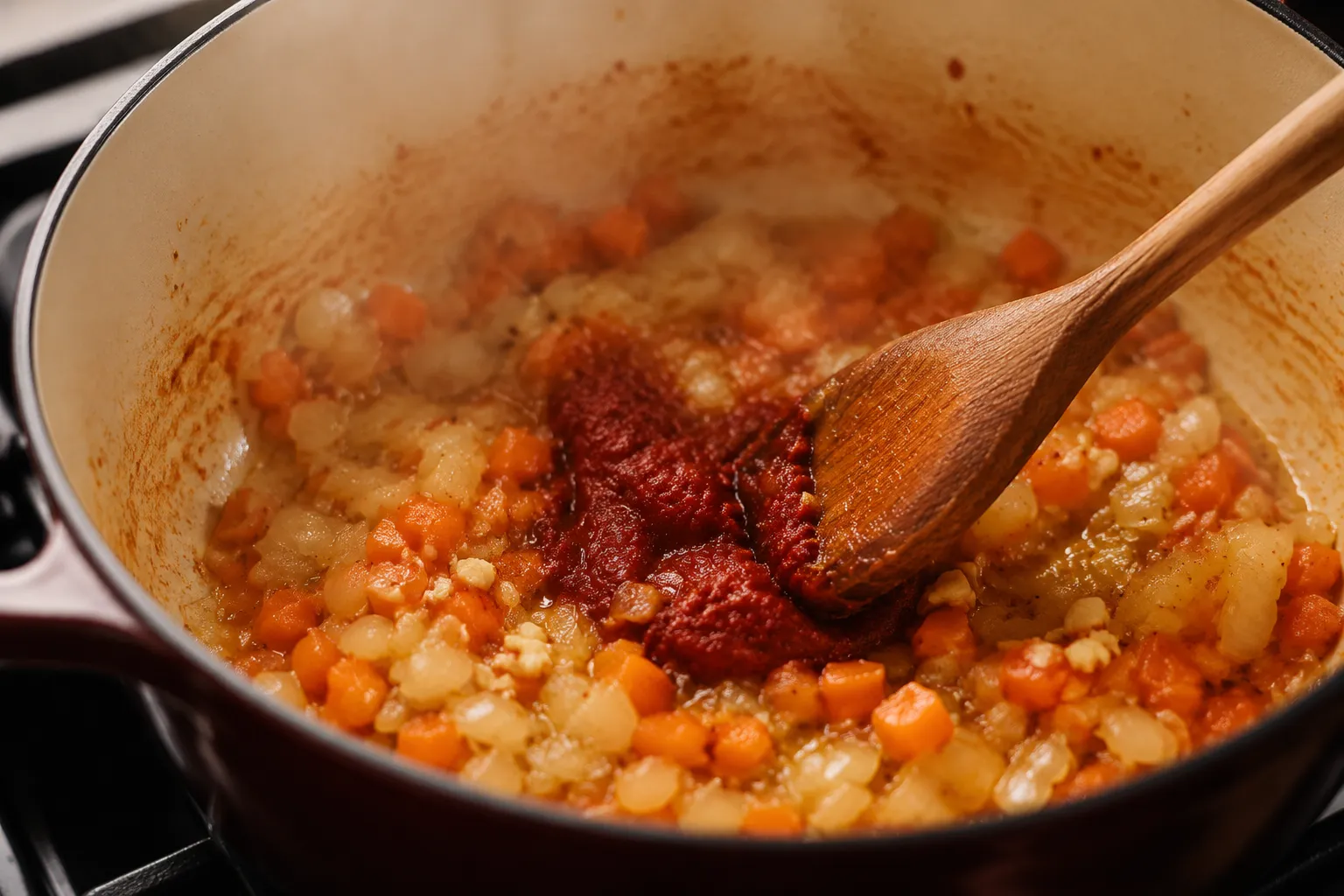
Pull the seared shanks to a plate and drop the heat to medium. Add the diced onion, carrots, and a pinch of salt to the same pot, scraping up the browned bits as the vegetables release their water. After about eight minutes, when the onions are translucent and starting to take on color, stir in the minced garlic and tomato paste. Cook the paste until it darkens a shade and smells almost caramelized — this brick-red color is what gives the gravy its body and depth.
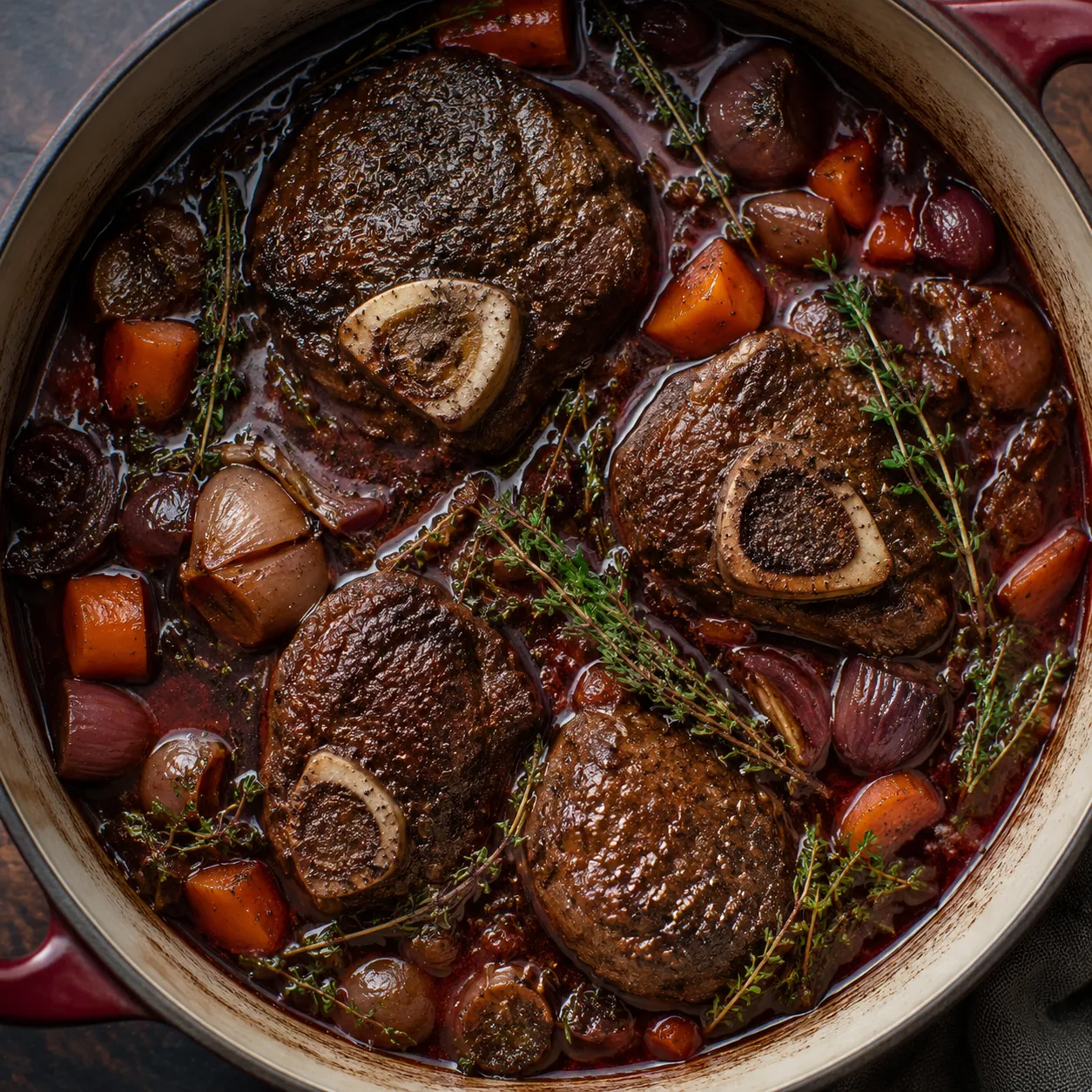
Now pour in the red wine and let it bubble hard for two or three minutes to burn off the harsh alcohol bite, scraping the bottom of the pot constantly. Add the broth, herbs, and bay leaves, then nestle the shanks back in — they should be about two-thirds submerged. Bring everything to a bare simmer, clamp the lid on, and slide the pot into a 325°F oven for 2.5 to 3 hours, until the meat surrenders to a fork with absolutely zero resistance.
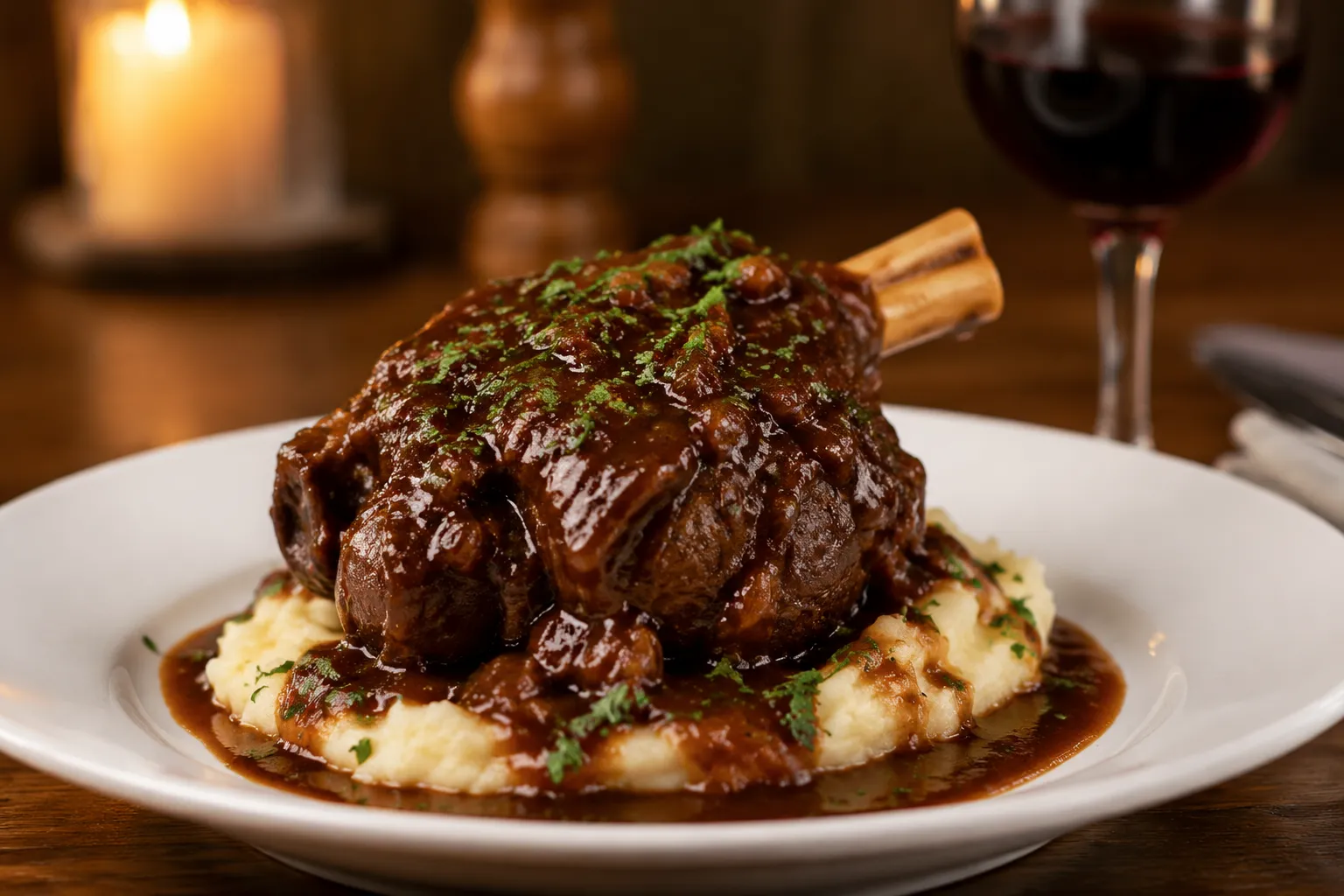
When the timer goes off, carefully transfer the shanks to a plate and tent with foil while you finish the sauce. Pull out the herb stems and bay leaves, then simmer the braising liquid uncovered on the stovetop for 5-10 minutes until it reduces into a glossy, lip-coating gravy. Taste, adjust the salt, and return the shanks to the pot to warm through. That's it — the hard part was just waiting.
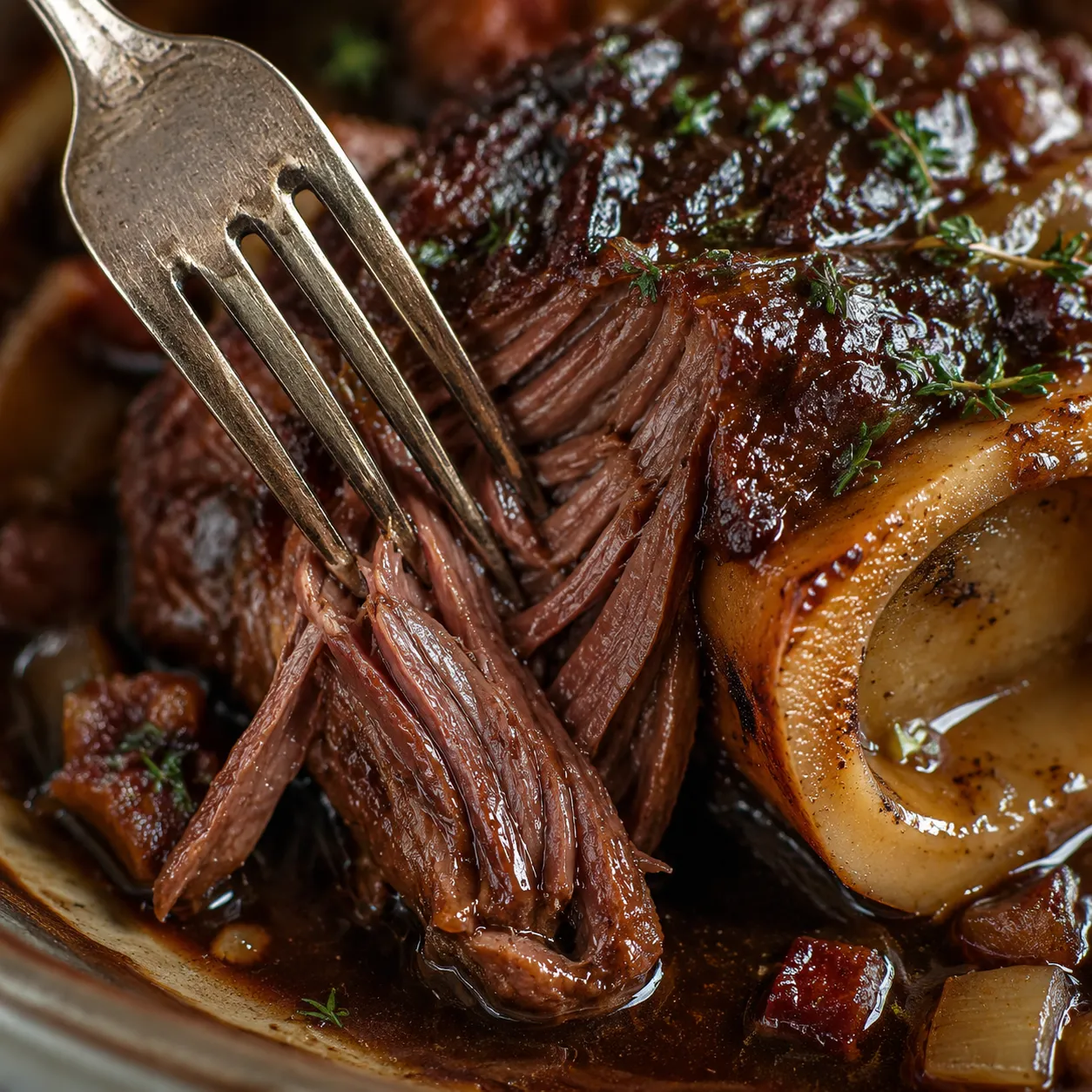
This is comfort food at its richest, and it deserves a starchy, sauce-catching partner. My default is a generous mound of buttery mashed potatoes side, the kind whipped with cream and a knob of butter until it's almost a sauce itself. The gravy pools into the divots and the whole plate becomes one continuous, glorious bite.
Buttered egg noodles are a close second — especially the wide pappardelle-style ones — and they have the added benefit of cooking in about ten minutes flat. For something a little more rustic, try creamy polenta or a slab of toasted sourdough. Speaking of bread, a crusty loaf is mandatory in my house, because nobody wants to leave that gravy stranded in the pot.
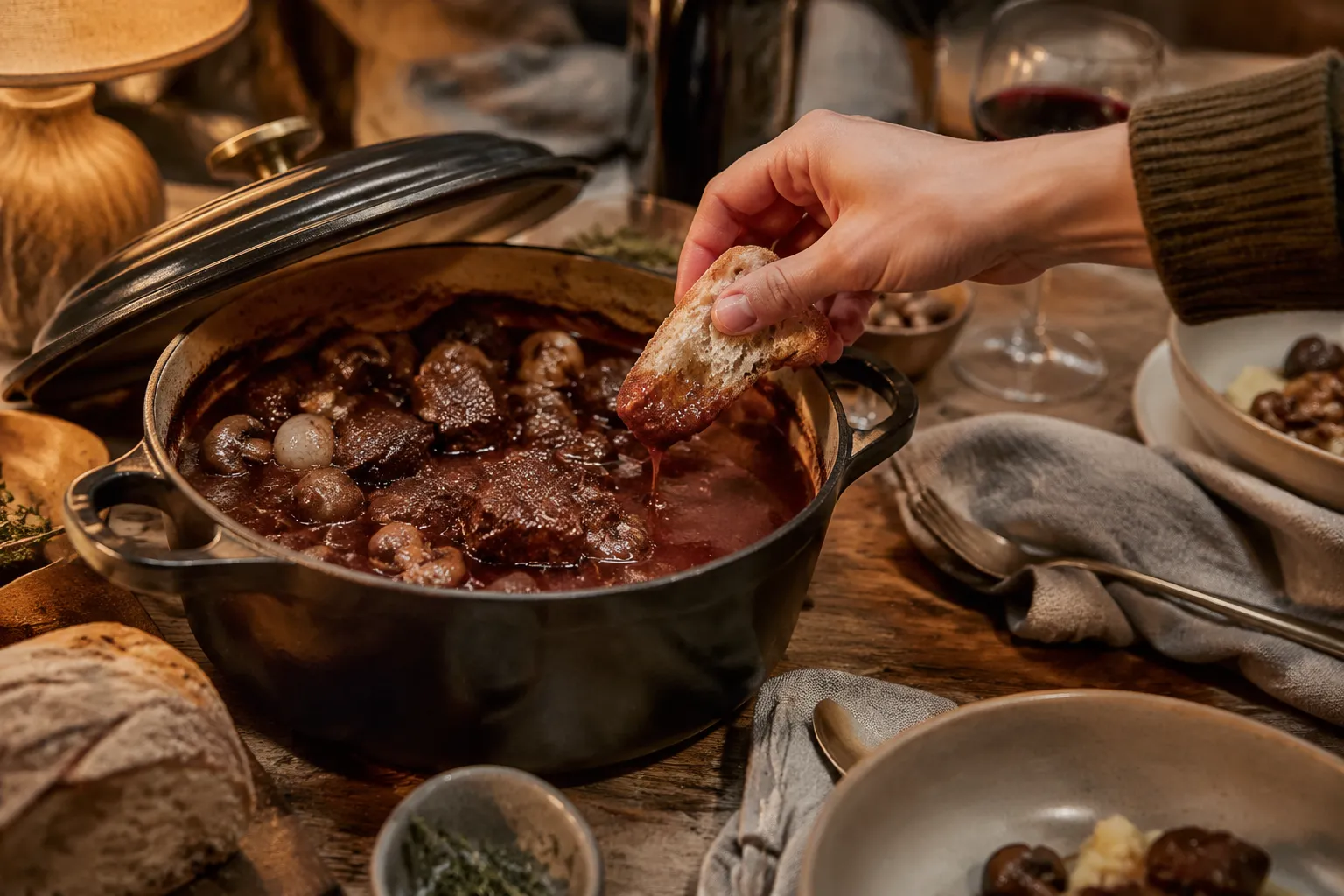
If you want to balance the richness with something green, a sharp arugula salad dressed with lemon and good olive oil cuts through the heaviness beautifully. Roasted Brussels sprouts or honey-glazed carrots also work nicely, especially if you're cooking for a holiday-leaning crowd. And don't forget the marrow itself — scoop it out with a small spoon and spread it on toast like savory butter. It's the best part of the whole meal.
Like most braised dishes, this one is arguably better the day after — the gelatin sets into the sauce overnight and the flavors mellow into one cohesive thing. If you want to spread the work out for a dinner party, do the entire braise a day ahead, cool the pot, refrigerate, and gently reheat covered at 325°F until everything is warmed through and bubbling at the edges. Slice and plate just before guests sit down.
If you're more of a set-it-and-forget-it cook, this beef shank recipe converts beautifully to a slow cooker pot roast style preparation. Sear the shanks and build the base on the stovetop as written, then transfer everything to a slow cooker and cook on low for 7-8 hours. The Instant Pot also works wonderfully — 50 minutes at high pressure with a 15-minute natural release will get you to the same fork-tender finish in a fraction of the time.
This is the kind of dish that turns a quiet Sunday into a small celebration. The house smells incredible for hours, the sauce becomes the stuff of legend, and you end up with at least one container of leftovers that will save your Monday from a sad desk-lunch fate. Tuck this beef shank recipe into your back pocket for any night that calls for something deeply, unapologetically comforting — it'll never let you down.
This recipe is a great template you can riff on depending on what's in your pantry and what mood you're in. The core technique stays the same; just swap the supporting flavors to take it in a totally new direction.
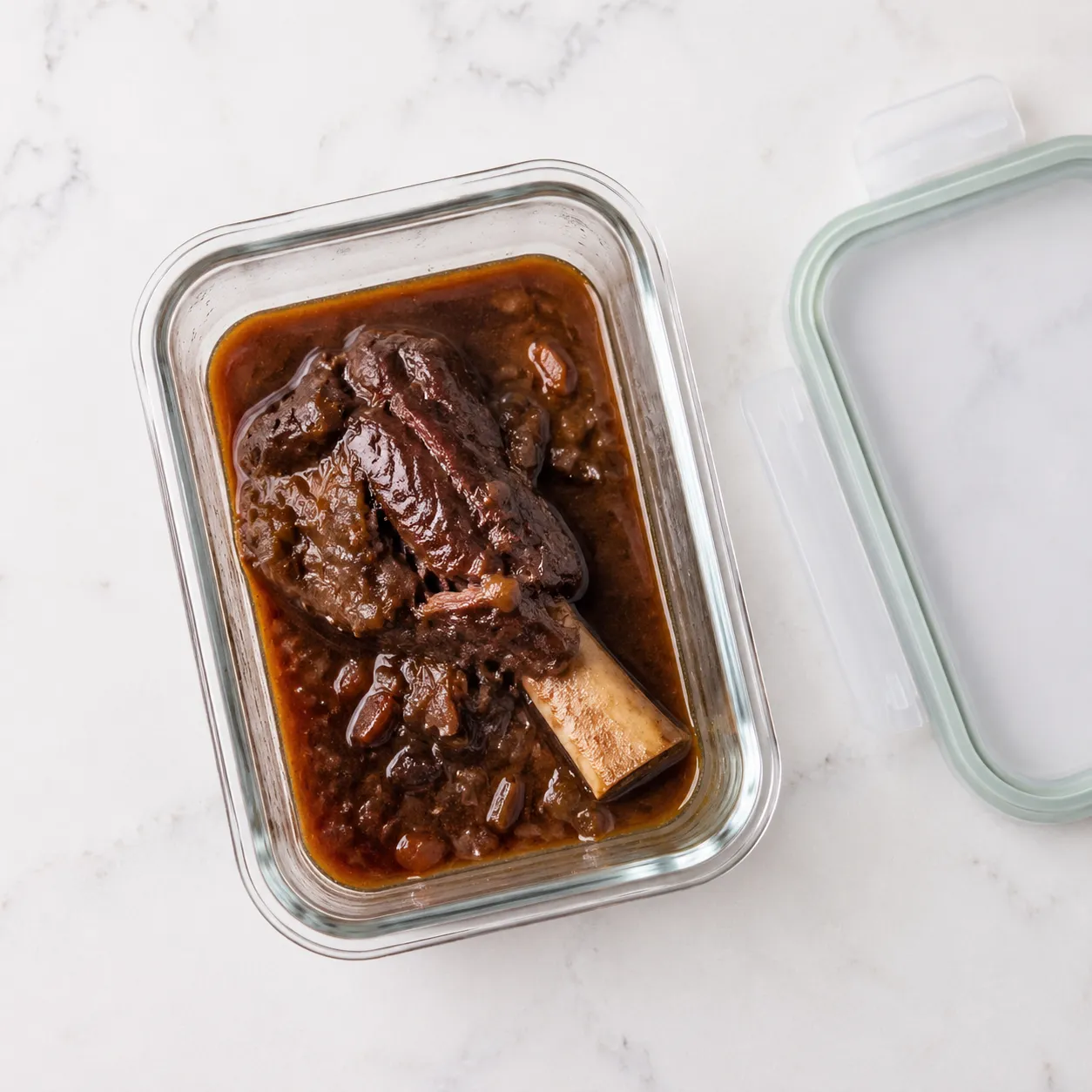
Leftover braised beef shank keeps beautifully in the refrigerator for up to 4 days. Store the meat fully submerged in its gravy in an airtight container — the sauce both protects the meat from drying out and lets it absorb even more flavor overnight. To reheat, transfer to a covered pan over low heat with a splash of broth or water to loosen the sauce, and warm gently until heated through. Skip the microwave when possible; it tends to make the meat fibrous and the sauce greasy.
For longer storage, freeze the meat and sauce together in airtight containers or heavy-duty freezer bags for up to 3 months. Cool completely before freezing, then thaw overnight in the fridge before reheating on the stovetop. The gelatin-rich sauce freezes and reheats remarkably well, often tasting even better than day-one — a true freezer meal MVP.