Tagliatelle: The Ultimate Guide to Italy's Silky Ribbon Pasta
Ingredients
Scale
Tagliatelle is the silky, golden ribbon pasta from Bologna that drinks up sauce like nothing else. Here is how to cook it perfectly every time.
Tagliatelle is the kind of pasta that makes a weeknight dinner feel like a candlelit trattoria meal. Wide enough to hold a proper sauce, delicate enough to twirl gracefully, and golden from eggs, this ribbon pasta has a silky bite that feels special without being fussy.
This guide walks you through the whole process: what makes the pasta unique, how to mix and roll the dough, how to cook it to that perfect al dente texture, and which sauces flatter it best. If you have ever made fresh egg pasta dough and wondered how to turn it into something restaurant-worthy, this is the place to start.
We are keeping the base recipe classic and approachable: flour, eggs, salt, a little olive oil, and semolina for dusting. From there, you can dress the finished ribbons with a simple butter-parmesan emulsion, a long-simmered ragu, or bright seasonal vegetables.
Tagliatelle is a flat, long ribbon pasta traditionally associated with Bologna and the Emilia-Romagna region of northern Italy. It is made with egg-rich dough, rolled thin, and cut into ribbons typically around 6 to 8 millimeters wide. That width matters: it gives the pasta enough surface area to catch sauce while staying tender and elegant on the fork.
The Bologna origin story is wonderfully specific, as many beloved Italian food stories are. Local legend connects the pasta to the golden hair of Lucrezia Borgia, though the more practical truth is that this shape evolved because it pairs beautifully with the region’s rich sauces and fresh eggs. Either way, it remains one of the most iconic fresh pasta shapes in Italian cooking.
If you have ever searched pappardelle vs tagliatelle, the difference is mostly width and feel. Pappardelle is broader and more rustic, often served with hearty game or mushroom sauces, while fettuccine is a close cousin from central Italy and tends to be a touch narrower or thicker depending on the maker. These distinctions can feel subtle, but once you cook them side by side, the texture and sauce cling are noticeably different.
You can make this recipe with freshly cut ribbons or use a good dried version in a pinch. Fresh egg pasta is more tender and cooks quickly, while dried nests have a firmer chew and are excellent for pantry dinners. Both are useful, but homemade tagliatelle gives you that delicate, satiny texture that is hard to beat.
The ingredient list is beautifully short, which means quality makes a real difference. Use 00 flour if you can find it; it is finely milled and creates a smooth, supple dough. All-purpose flour also works well, especially if you are making pasta at home for the first time and want to use what is already in the pantry.
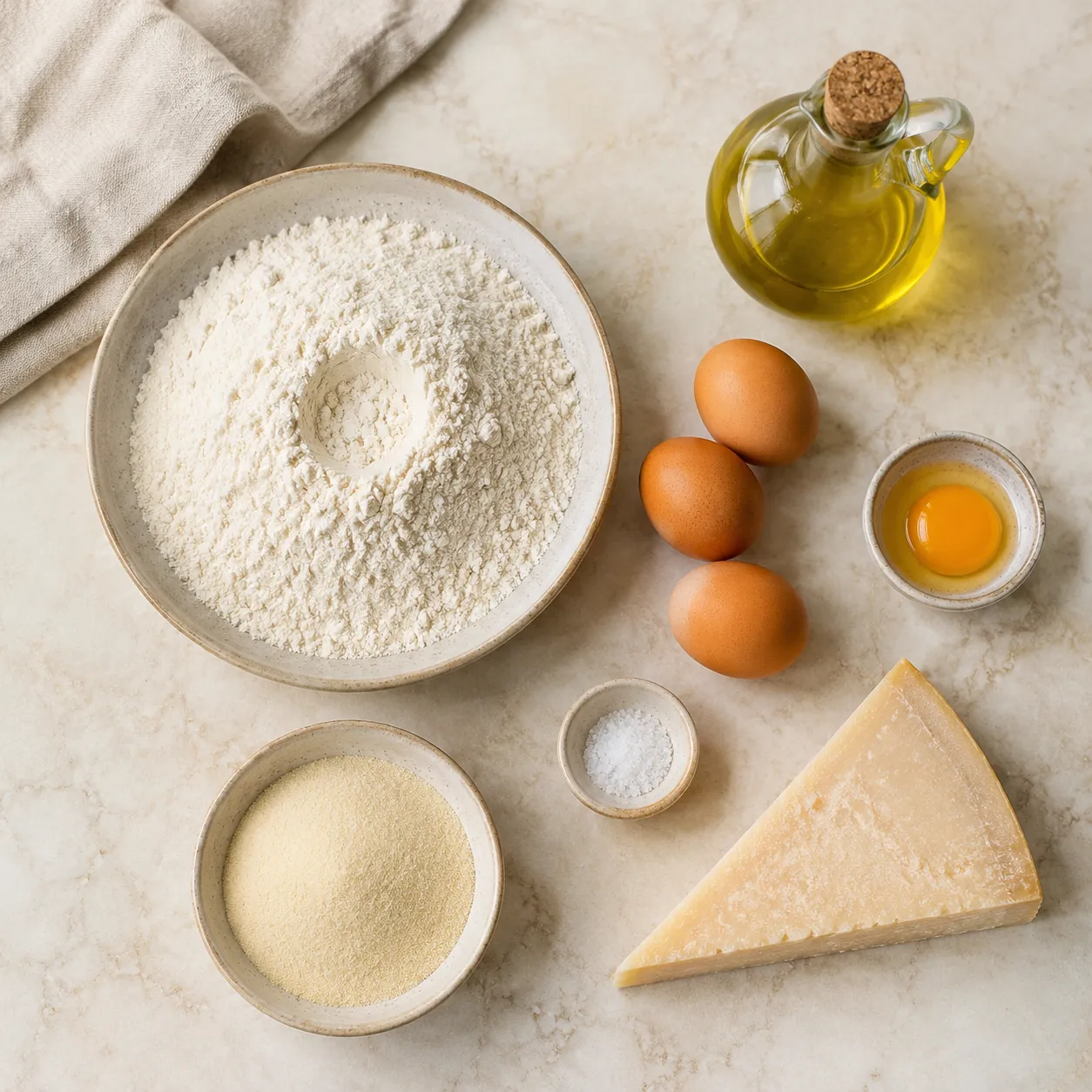
Eggs are the heart of this dough, giving the ribbons their golden color, structure, and richness. I like three whole eggs plus one extra yolk for a dough that feels plush without becoming sticky. A teaspoon of kosher salt seasons the pasta from within, and a tablespoon of olive oil adds just enough flexibility to make the dough easier to roll.
Semolina flour is not mixed into the dough here; it is used for dusting. Its sandy texture helps keep the cut ribbons and nests from clumping together, especially if you are letting them rest before cooking. If you do not have semolina, use a little extra flour, but dust lightly so the cooking water does not become overly cloudy.
For the simple finishing sauce, you only need butter, finely grated Parmesan, pasta water, black pepper, and a little lemon zest if you want brightness. Think of it as a blank canvas that lets the pasta shine. It is also a lovely gateway to lemon butter pasta if you want a fresher, spring-like version.
Start by making a flour well on a large wooden board or clean countertop. Crack the eggs and extra yolk into the center, add the salt and olive oil, then use a fork to slowly whisk the eggs while pulling in flour from the inner walls of the well. This method keeps the dough controlled and prevents a runny egg escape across the counter.
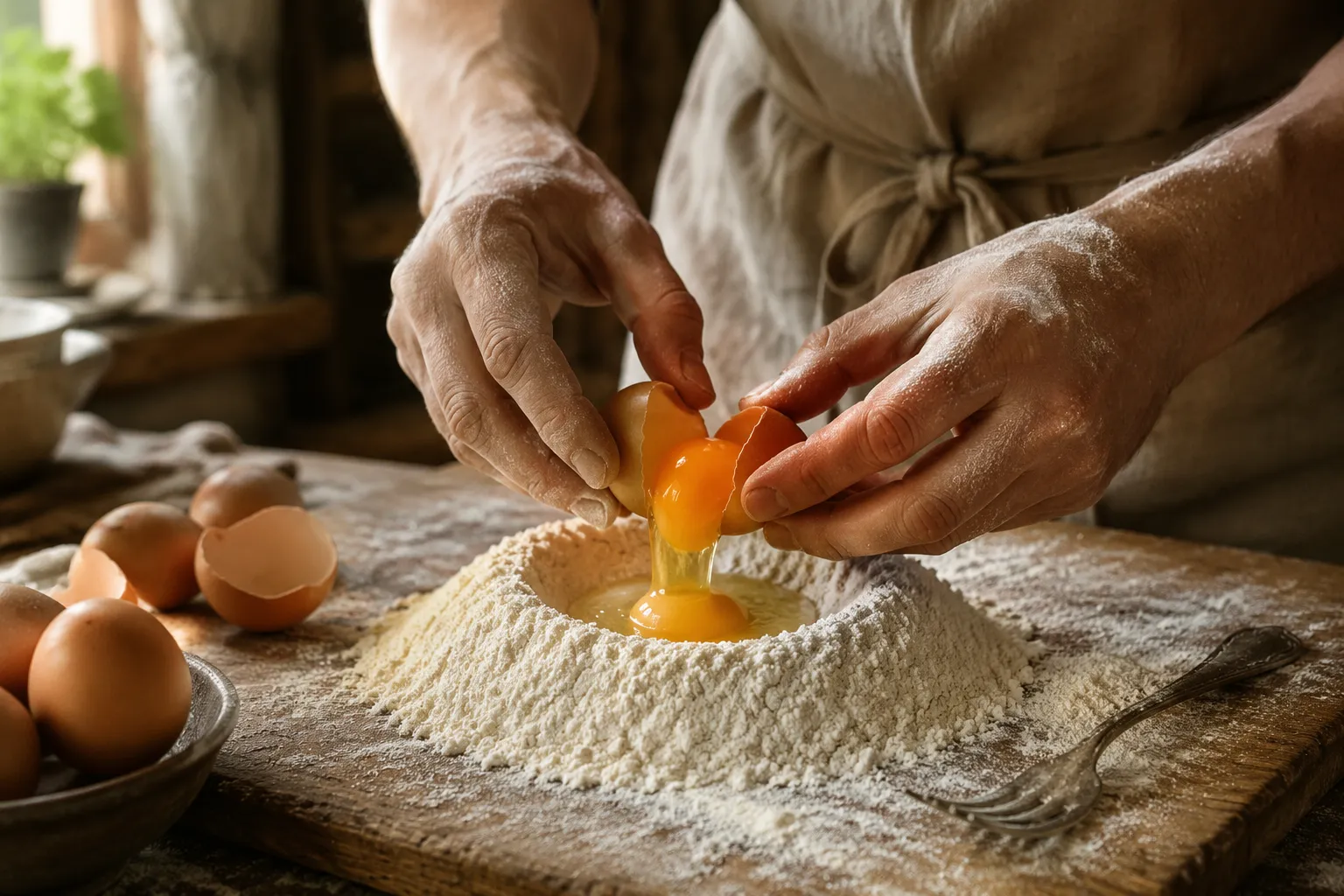
Once the mixture becomes thick and shaggy, switch to your hands and knead until the dough feels smooth, elastic, and slightly tacky but not sticky. This usually takes 8 to 10 minutes by hand. The dough may look dry at first, but give it time before adding extra liquid; eggs hydrate flour slowly as you knead.
Resting is not optional here. Wrap the dough tightly and let it sit at room temperature for at least 30 minutes so the gluten relaxes and the flour fully hydrates. This makes rolling easier and helps prevent the sheets from snapping back.
When you are ready to roll, divide the dough into four pieces and keep the unused pieces covered. Flatten one portion into a rough rectangle, dust it lightly, and pass it through the widest setting of a pasta machine. Fold it like a letter and pass it through again a few times to create a smooth, even sheet.
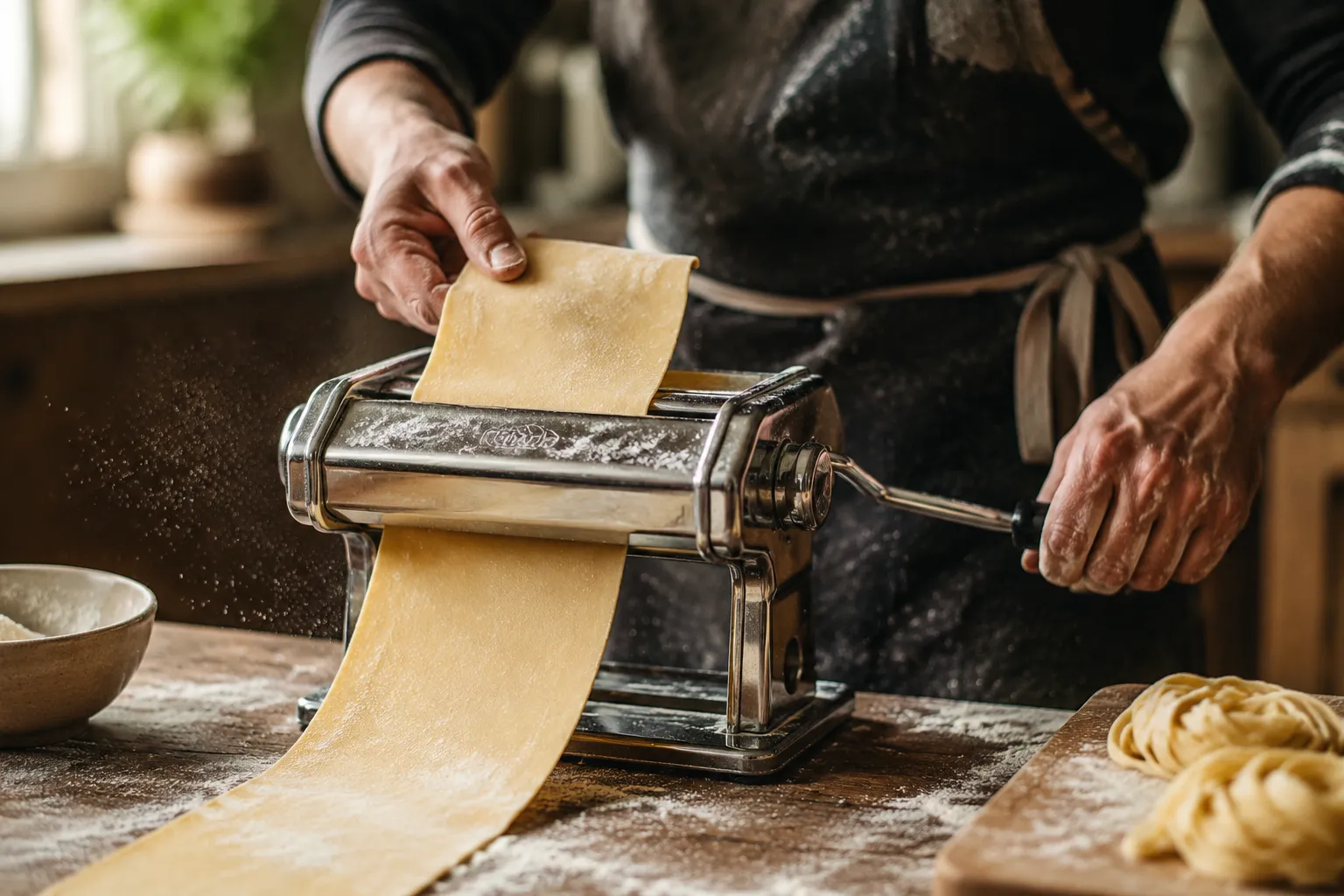
Continue rolling through progressively thinner settings until the sheet is thin enough to see the shadow of your hand through it. If you are following a homemade pasta tutorial without a machine, the same principle applies: use a long rolling pin, rotate often, and keep gentle, even pressure. For a deeper technique breakdown, learning how to roll pasta sheets is the skill that changes everything.
Let each sheet rest for a few minutes until it feels lightly leathery rather than wet. Then dust with semolina, loosely fold, and slice into ribbons about 1/4 inch wide. Shake the strands apart with your fingers and form them into loose nests so they stay airy.
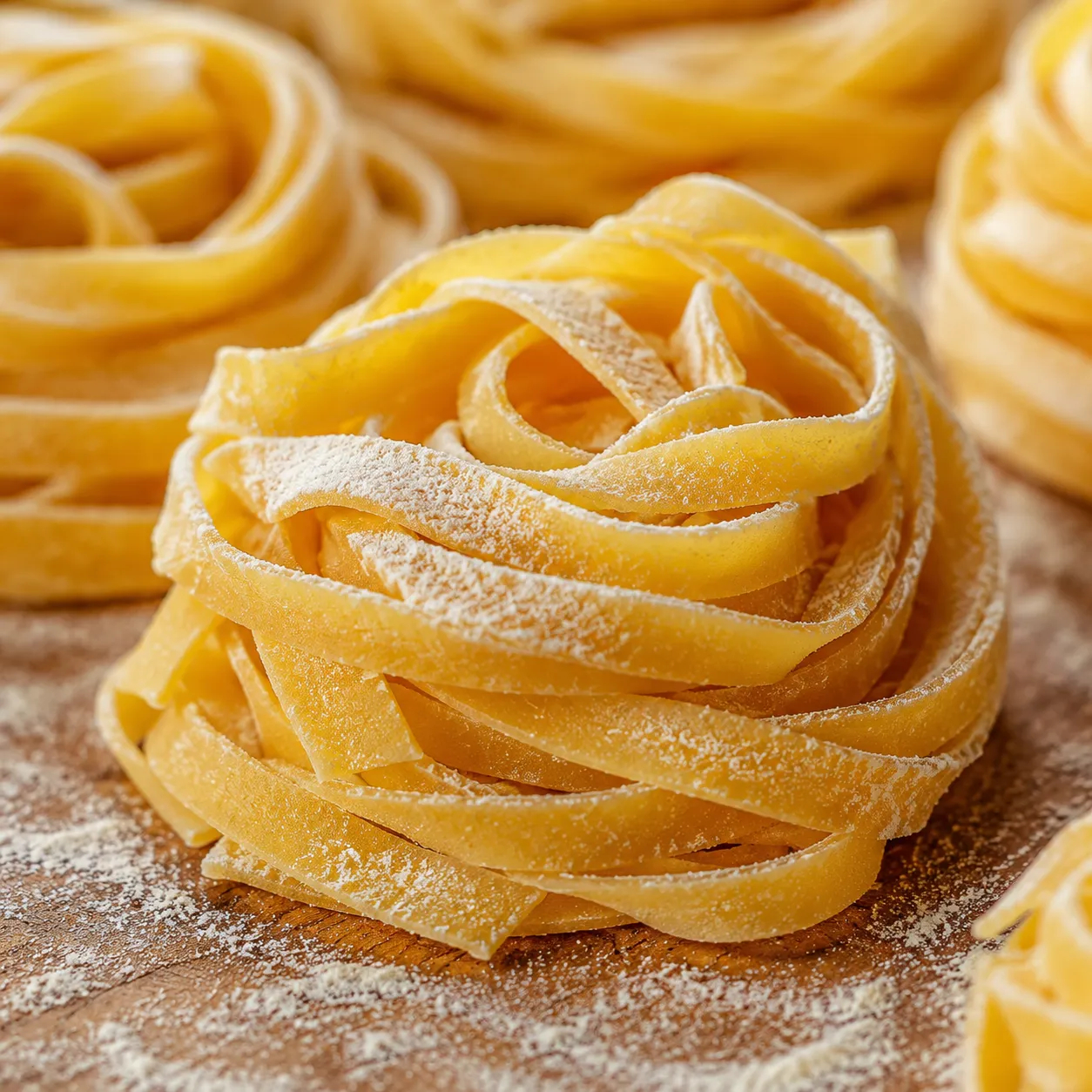
Cooking fresh pasta is fast, so have your sauce ready before the nests hit the water. Bring a large pot of water to a rolling boil, salt it generously, and cook the ribbons for 2 to 4 minutes depending on thickness. Pull them just before they reach al dente, because they will finish in the pan with sauce.
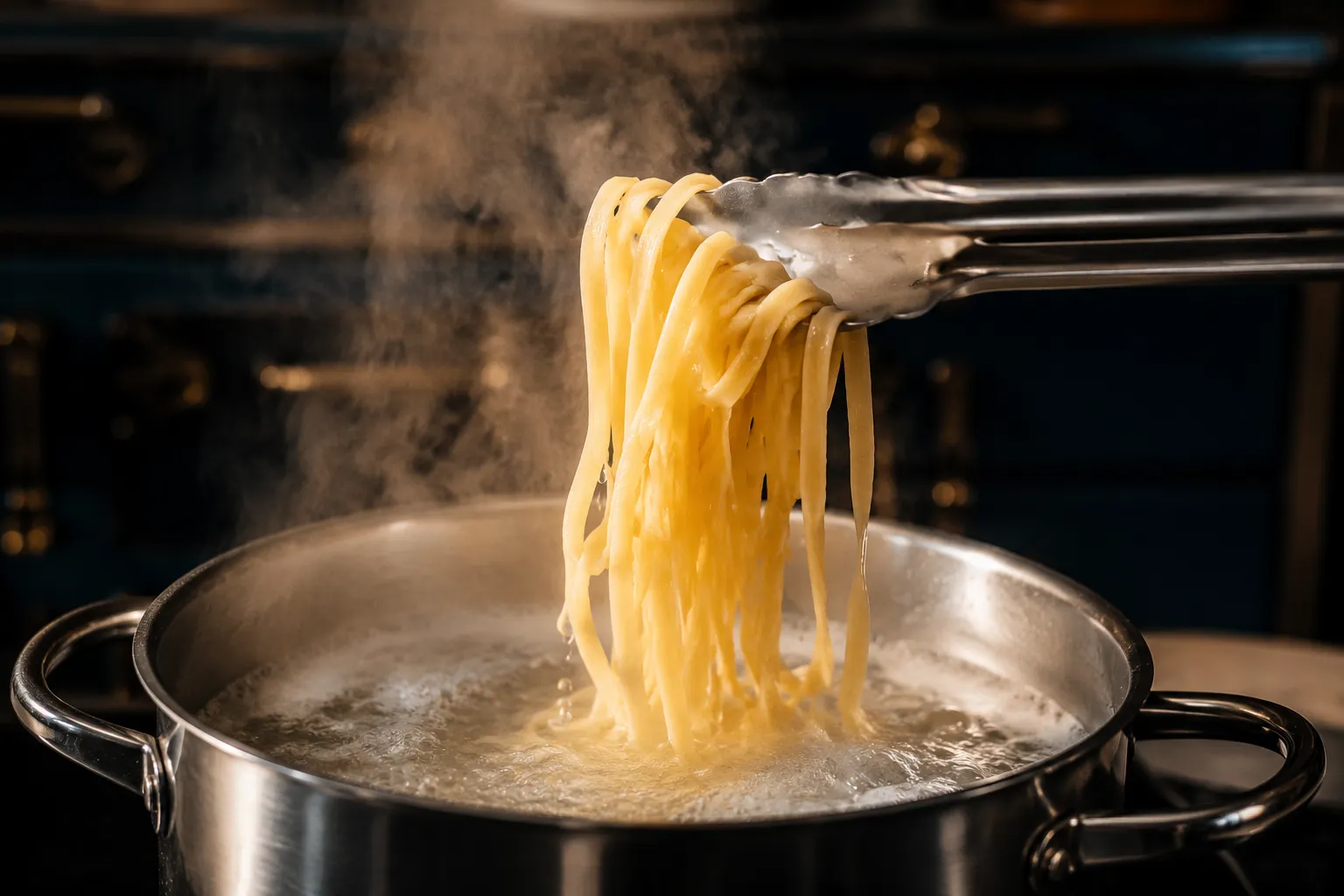
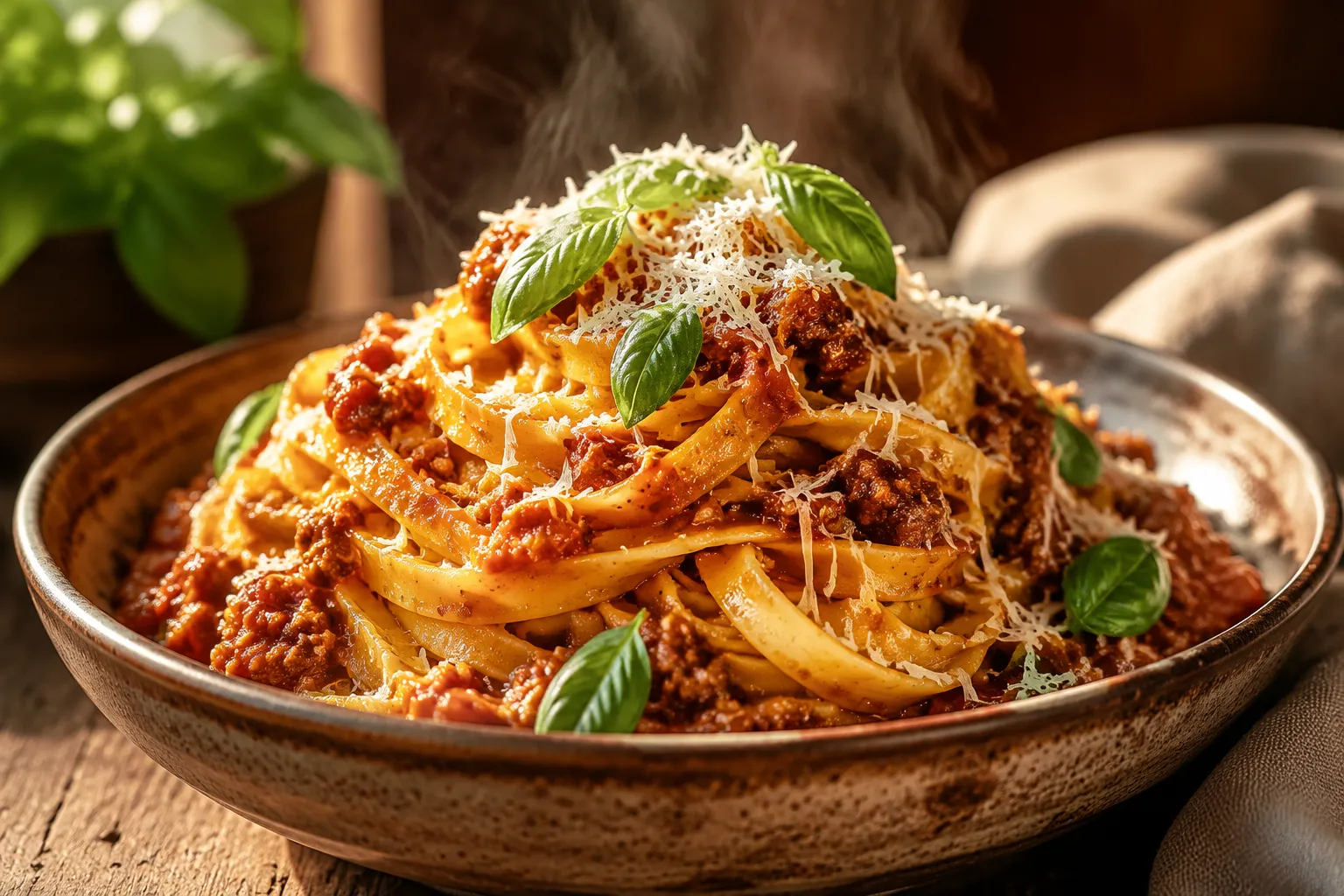
The most famous pairing is ragu alla Bolognese, and for good reason. A slow-cooked meat sauce from Bologna is rich, savory, and thick enough to cling to every ribbon without drowning the pasta. If you already have a favorite bolognese sauce recipe, this is exactly where to use it.
For something lighter, toss the cooked ribbons with butter, Parmesan, lemon zest, and a splash of starchy water until glossy. The sauce should emulsify into a silky coating, not pool at the bottom of the bowl. This is the version I make when I want dinner to feel elegant in under an hour.
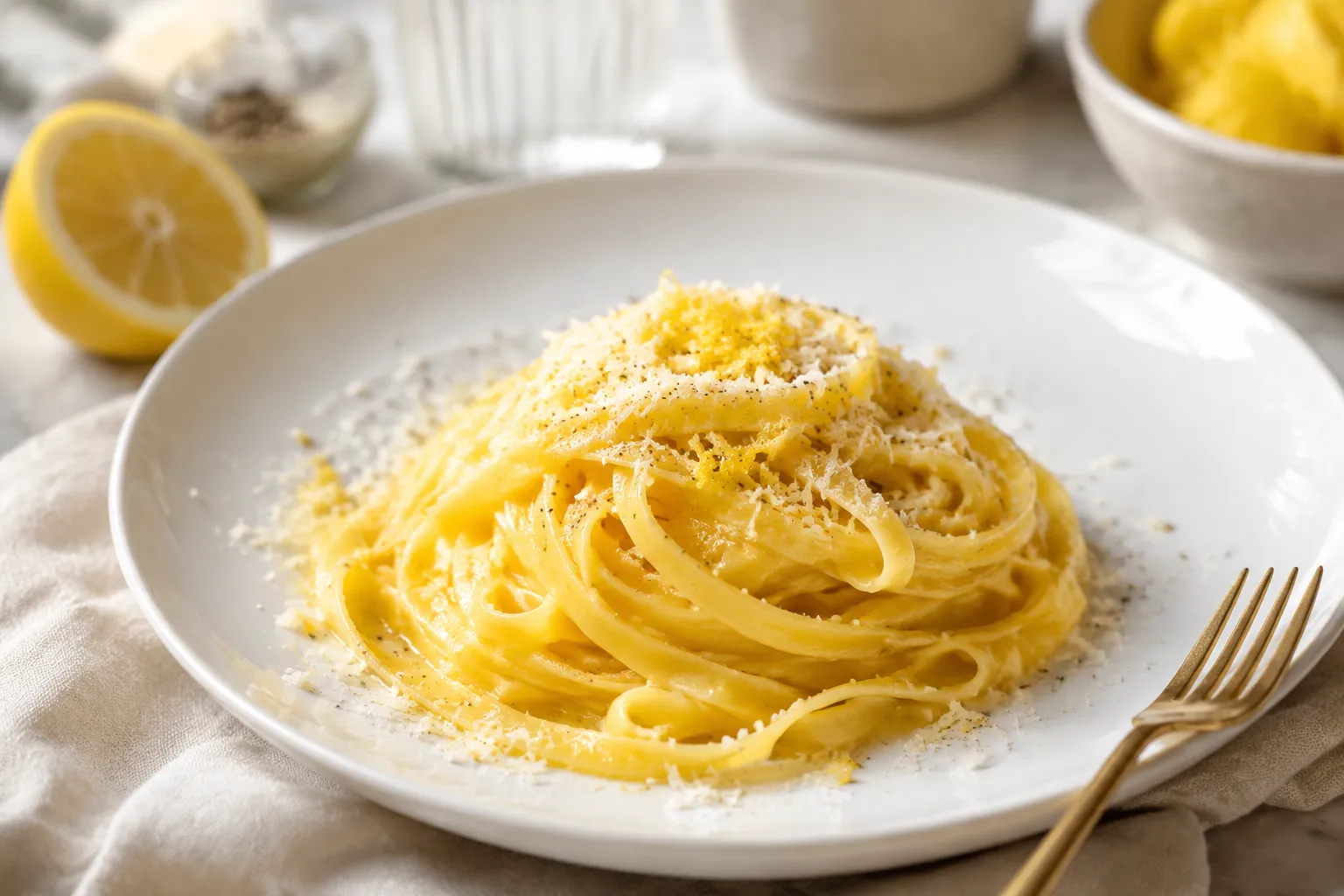
Mushrooms are another natural match for this shape, especially when browned deeply in butter with sage, thyme, or garlic. Wild mushrooms bring earthiness, while cremini or baby bella mushrooms keep the recipe budget-friendly. Finish with Parmesan and a few cracks of black pepper, and it tastes like autumn in a bowl.
In summer, keep things quick with blistered cherry tomatoes, basil, olive oil, and a little garlic. The warm tomatoes burst into a loose sauce that catches on the ribbons without feeling heavy. These easy tagliatelle dishes recipes are less about strict rules and more about balancing the richness of fresh pasta with sauce that complements its texture.
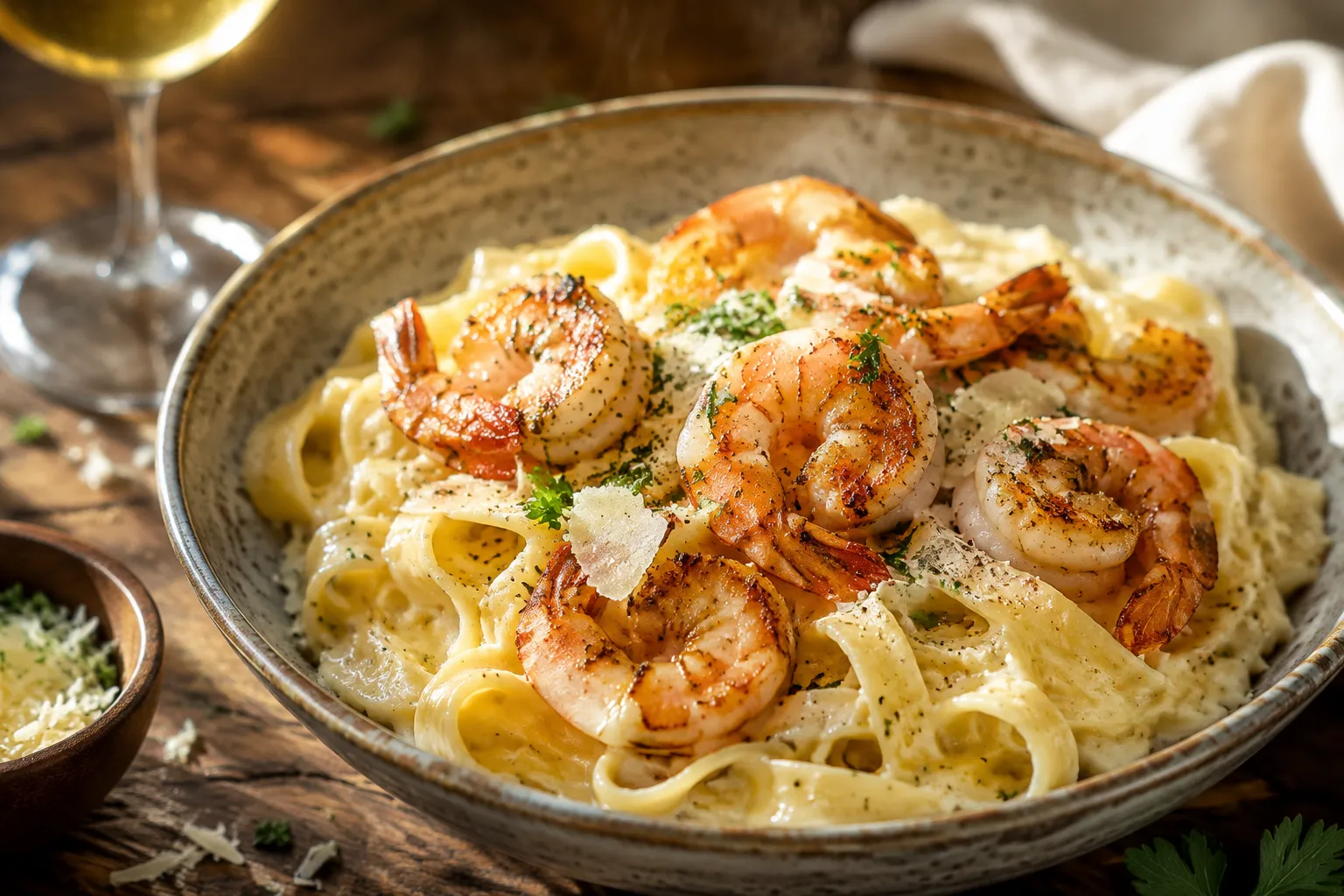
You can also use the same dough and technique for a creamy chicken pasta, a shrimp and garlic skillet, or a simple peas-and-prosciutto dinner. The key is to match sauce weight to noodle width: delicate but generous, glossy but not watery. When in doubt, finish everything together in a wide pan with a little pasta water and cheese.
The final toss is where good pasta becomes memorable. Transfer the noodles directly from the pot into a skillet of warm sauce, bringing along a little starchy water. Toss over gentle heat until the sauce turns glossy and coats each strand.
For a butter-parmesan finish, melt butter in a wide skillet, add the hot ribbons, and splash in a few tablespoons of pasta water. Sprinkle in finely grated Parmesan off the heat, tossing constantly so the cheese melts into the sauce instead of clumping. Add more water a spoonful at a time until the pasta looks shiny and fluid.
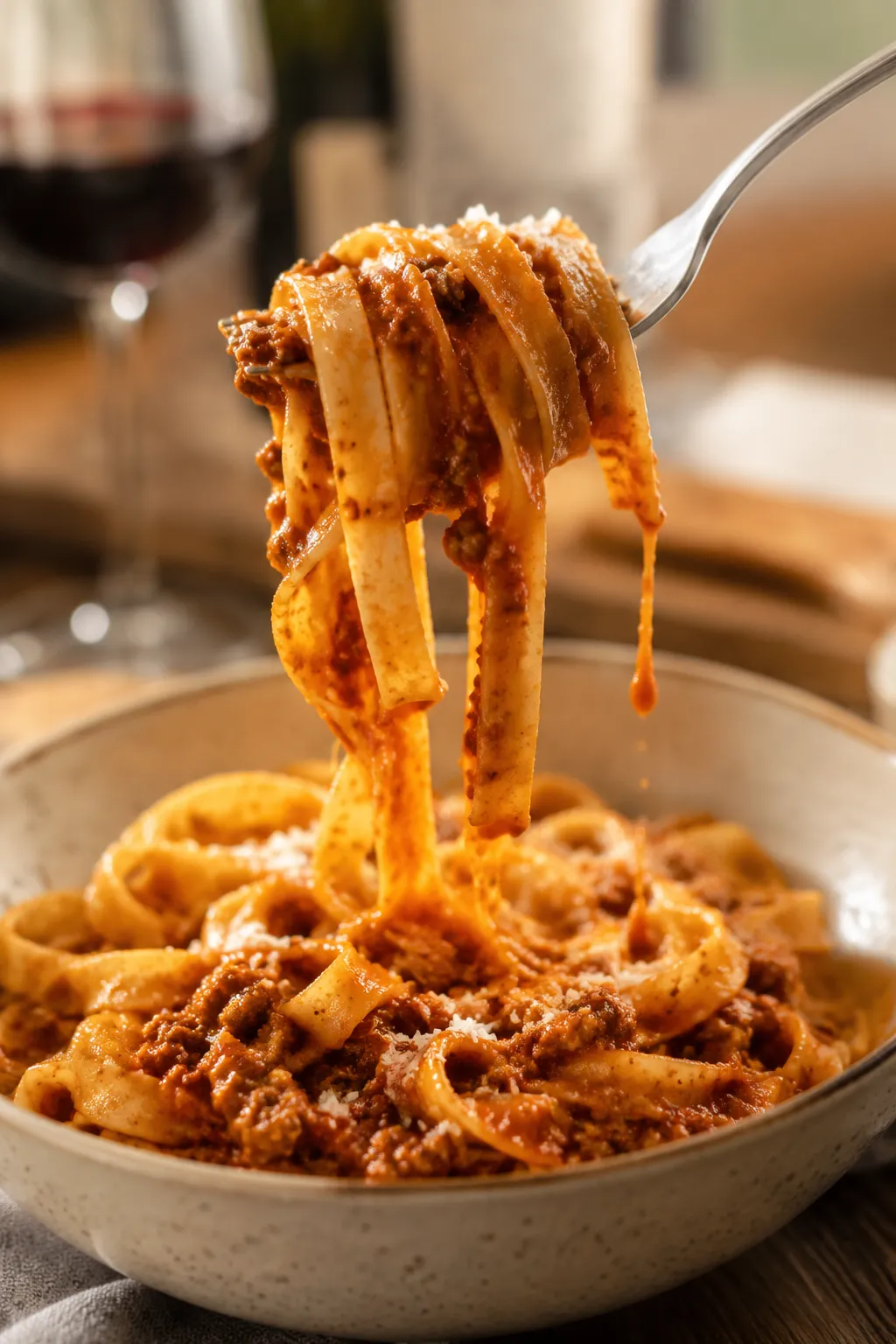
Seasoning at the end matters just as much as seasoning the water. Taste before serving, then adjust with salt, pepper, lemon zest, or more cheese. A drizzle of good olive oil can soften sharp flavors and add a lovely sheen.
Serve immediately in warm shallow bowls, twisting the ribbons with tongs into loose nests. This shape cools faster than chunky baked pasta, so timing is part of the pleasure. Bring the bowls to the table while the sauce is still steaming and the Parmesan is just beginning to melt.
Because the pasta is rich with eggs, simple sides work best. A crisp green salad with lemony vinaigrette, roasted asparagus, garlicky broccolini, or bitter greens all bring freshness to the plate. Crusty bread is welcome for swiping up sauce, especially if you are serving a ragu or mushroom butter.
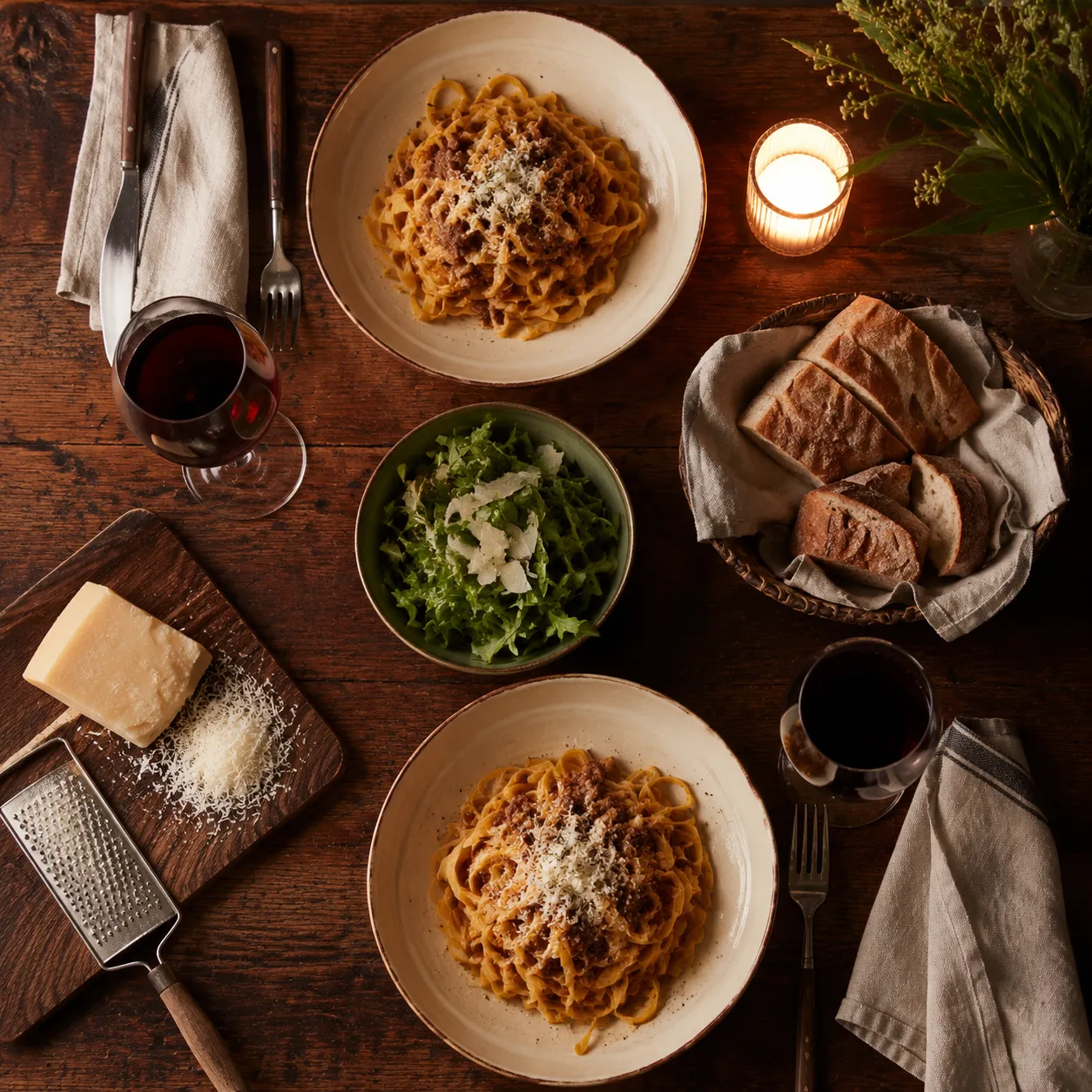
For wine, look to the sauce. A meat ragu loves Sangiovese, Barbera, or another medium-bodied red with enough acidity to cut the richness. Lemon and butter versions are beautiful with Pinot Grigio, Vermentino, or a lightly oaked Chardonnay.
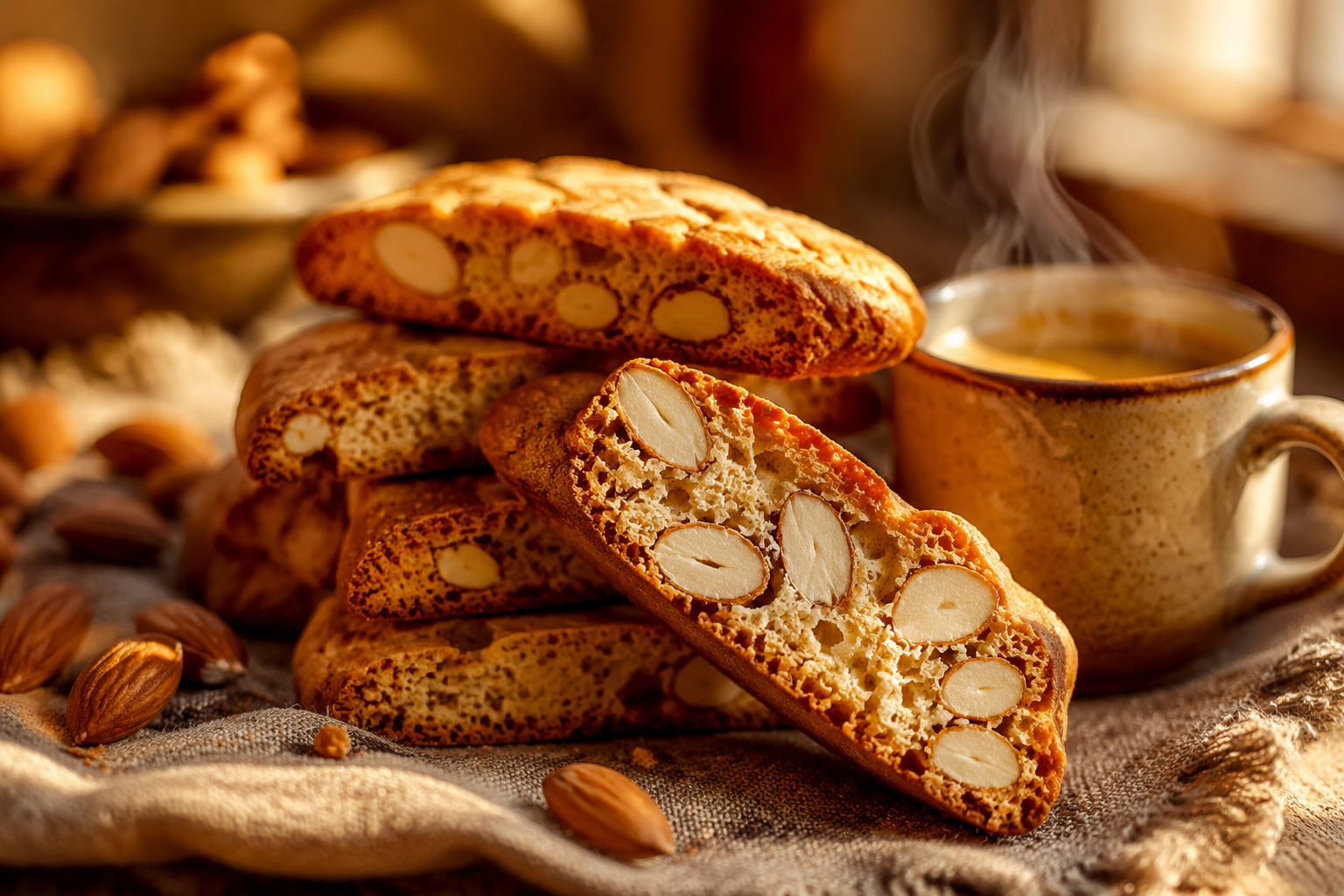
If you are building a full Italian menu, start with olives, marinated artichokes, or a small plate of prosciutto and melon. Follow the pasta with a simple dessert like panna cotta, affogato, or biscotti and espresso. The meal feels generous, but the cooking stays focused and doable.
Once you understand the dough, the rolling, and the final saucing, this recipe becomes less of a project and more of a rhythm. A little flour, a few eggs, and a quiet half hour at the counter can turn into one of the most satisfying dinners you will make all year.
Fresh cut pasta can be dusted with semolina, shaped into loose nests, and refrigerated on a tray for up to 24 hours. Cover lightly with a clean towel or plastic wrap so it does not dry out too aggressively, but avoid sealing it while damp or the ribbons may stick together.
For longer storage, freeze the nests on a parchment-lined sheet pan until firm, then transfer to a freezer bag for up to 1 month. Cook directly from frozen in boiling salted water, adding an extra minute or two as needed. Cooked pasta is best eaten right away, but leftovers can be refrigerated for up to 3 days and reheated gently in a skillet with a splash of water or broth.