

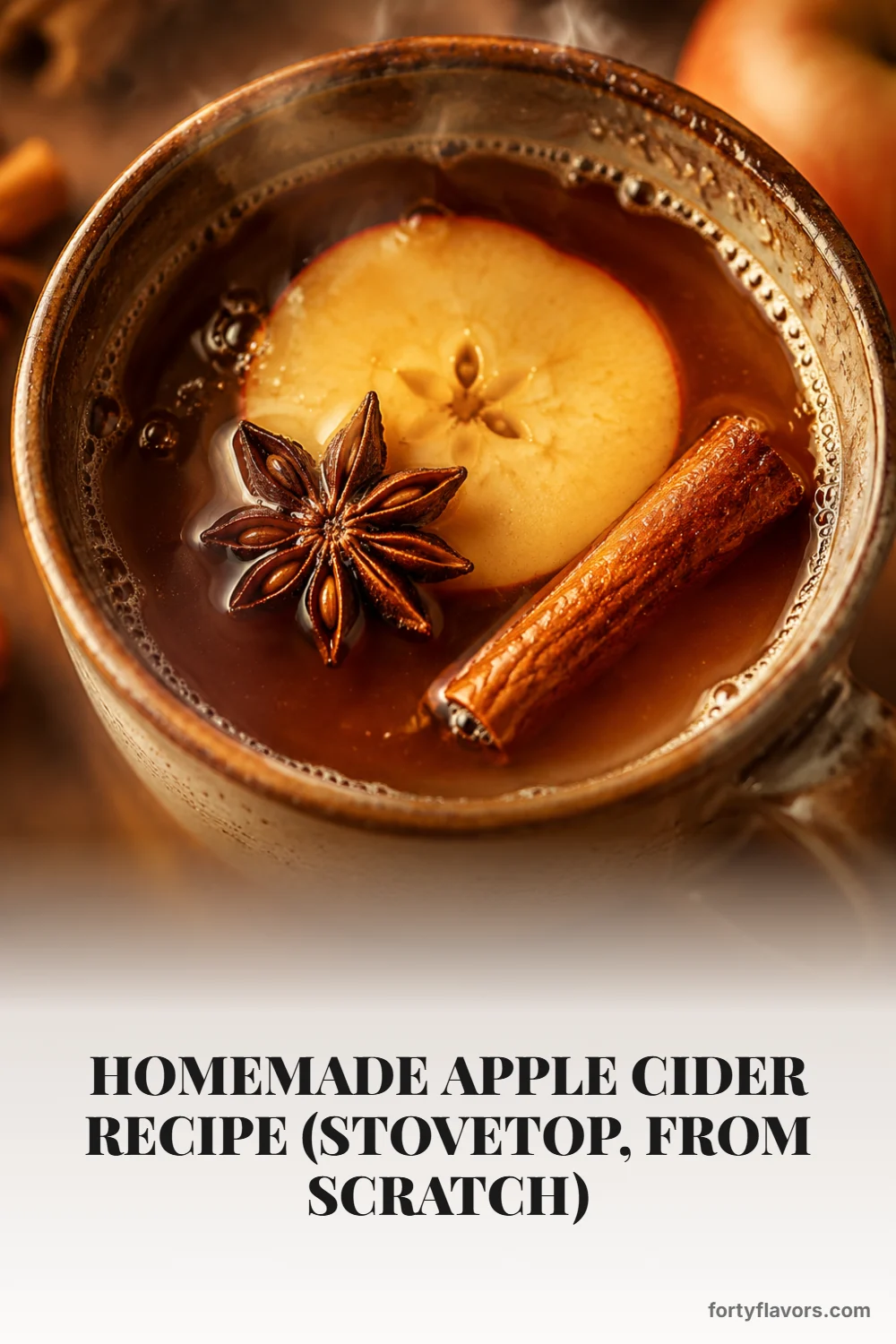

Homemade Apple Cider Recipe (Stovetop, From Scratch)
Ingredients
Scale
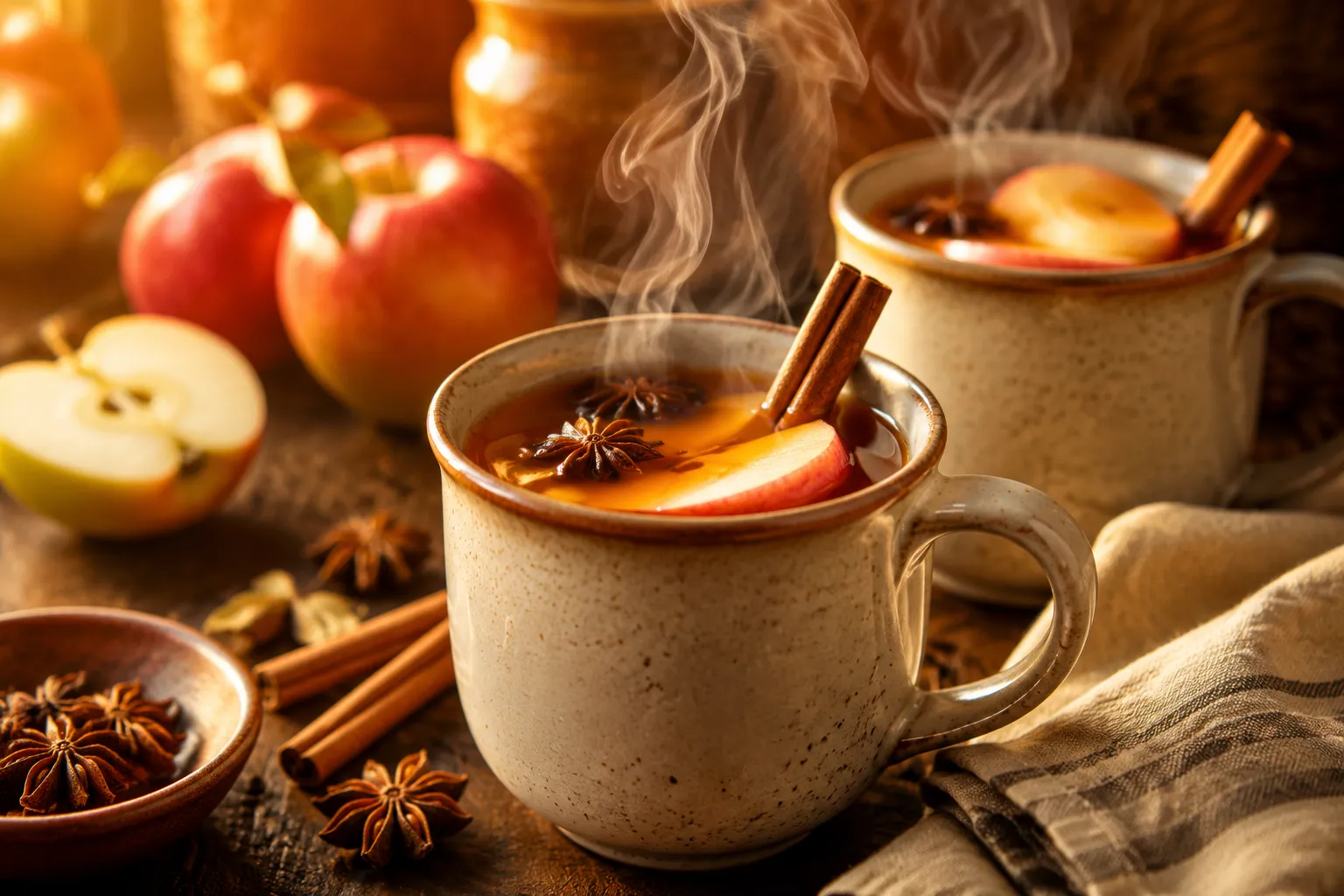
Real homemade apple cider made from whole apples and warm spices, simmered low and slow until deeply golden, fragrant, and ready to ladle into mugs.
Apple cider made from whole fresh apples is one of those kitchen projects that feels wildly cozy but is, thankfully, very forgiving. You do not need a juicer, a press, or a basket of perfect orchard fruit; a big pot, a knife, and a little patience will get you a deeply amber, warmly spiced drink that tastes like fall in a mug.
This homemade apple cider simmers low and slow with orange, cinnamon sticks, cloves, allspice, and star anise until the apples collapse into a fragrant mash. After straining, you get a clear, golden cider with real fruit flavor, gentle spice, and just enough sweetness to round everything out.
I love making a batch before guests arrive because the whole house smells like an autumn candle in the best possible way. Serve it hot in mugs, chill it for a crisp afternoon drink, or use it as the base for party punches and cozy fall drinks all season long.
The biggest difference between fresh cider and apple juice is texture, processing, and flavor. Store-bought apple juice is typically filtered until clear, pasteurized for shelf stability, and sometimes sweetened so it tastes consistent from bottle to bottle. Cider, by contrast, is closer to the fruit: cloudier, fuller-bodied, and more seasonal, with a flavor that changes depending on the apples used.
In this stovetop apple cider method, the apples are simmered with water instead of pressed raw, which makes it extra approachable for home cooks. The peels, cores, and flesh all contribute color, pectin, fragrance, and a round orchard flavor that you just do not get from a carton. Think of it as a rustic, from-scratch version of the cider you might sip at a farm stand after apple picking.
Fresh cider is not the same as hard cider, which is fermented and alcoholic. This recipe is family-friendly as written, though it can certainly become the base for a spiked mug later. If you love the deeply spiced profile of mulled apple cider, you are already halfway there; this version starts with whole fruit, then layers in warm whole spices from the beginning.
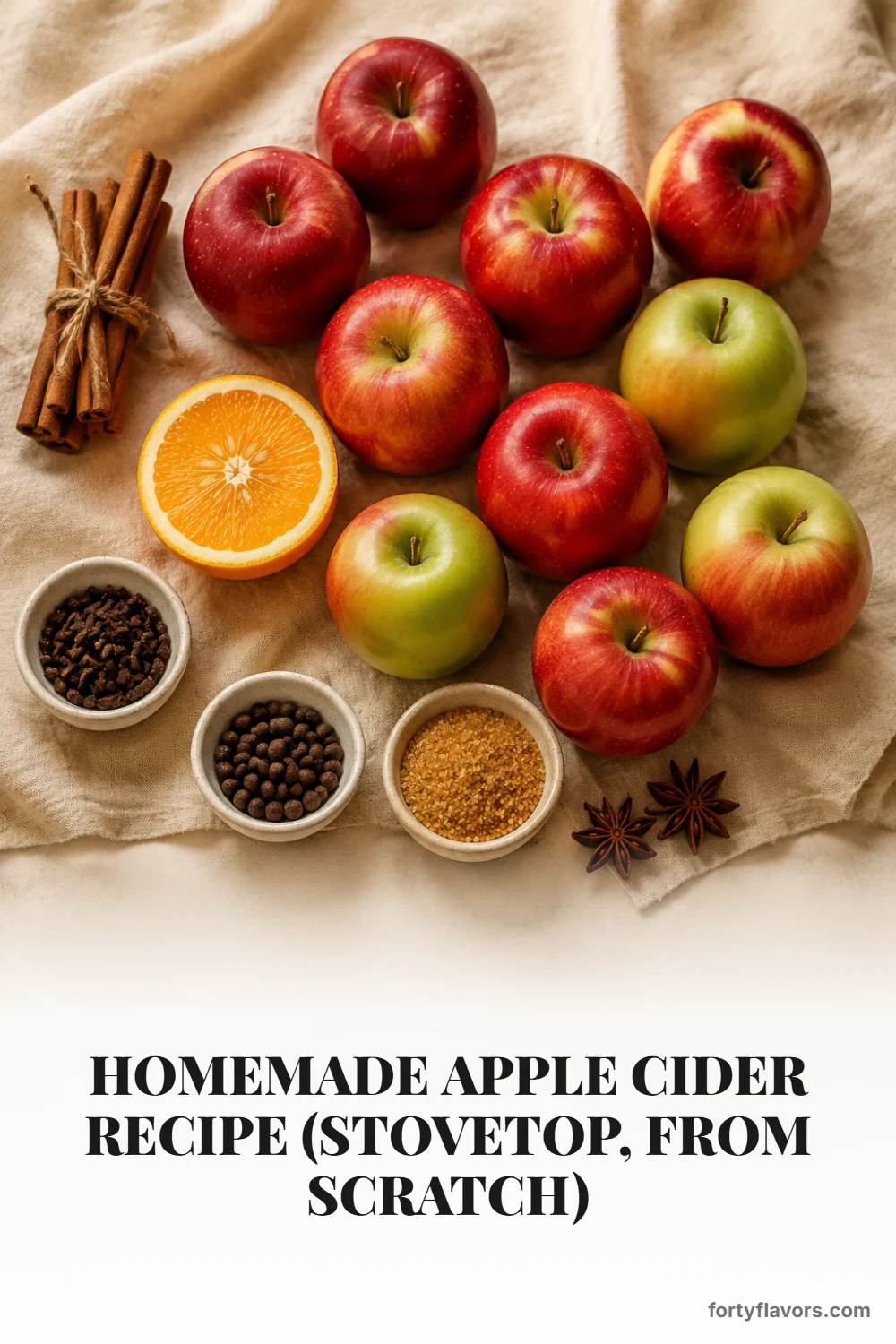
The best flavor comes from mixing sweet, tart, crisp, and aromatic apples. Honeycrisp, Fuji, Gala, and Pink Lady bring natural sweetness and perfume, while Granny Smith, McIntosh, Braeburn, or Jonathan apples add brightness and structure. If you use only very sweet varieties, the finished drink can taste flat; if you use only tart ones, you may feel tempted to add too much sugar.
Use what looks good at the market, and do not worry if a few apples are slightly bruised. As long as they are not spoiled, simmering is a beautiful way to turn imperfect fruit into something special. The key is to include several varieties so the finished cider tastes layered rather than one-note.
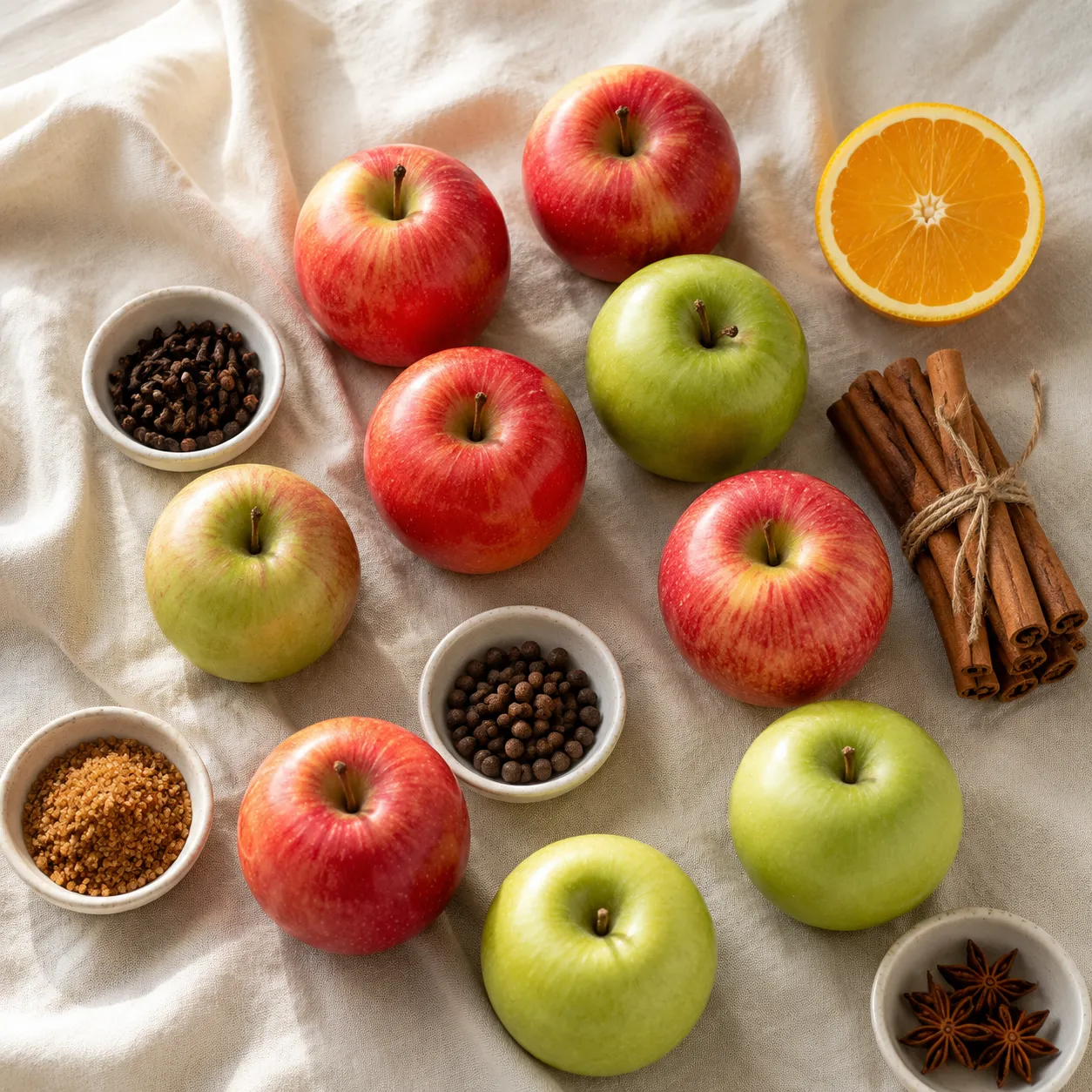
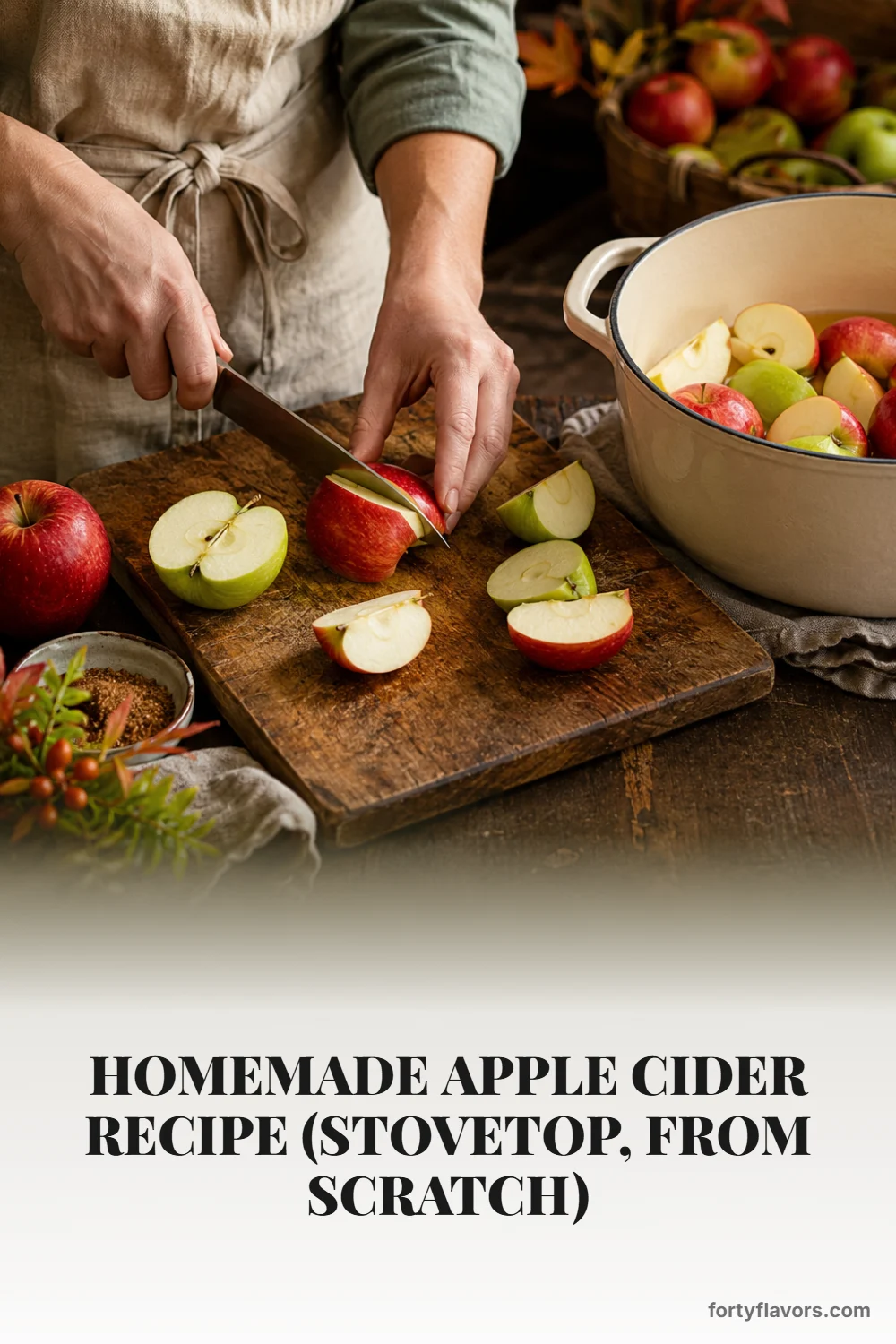
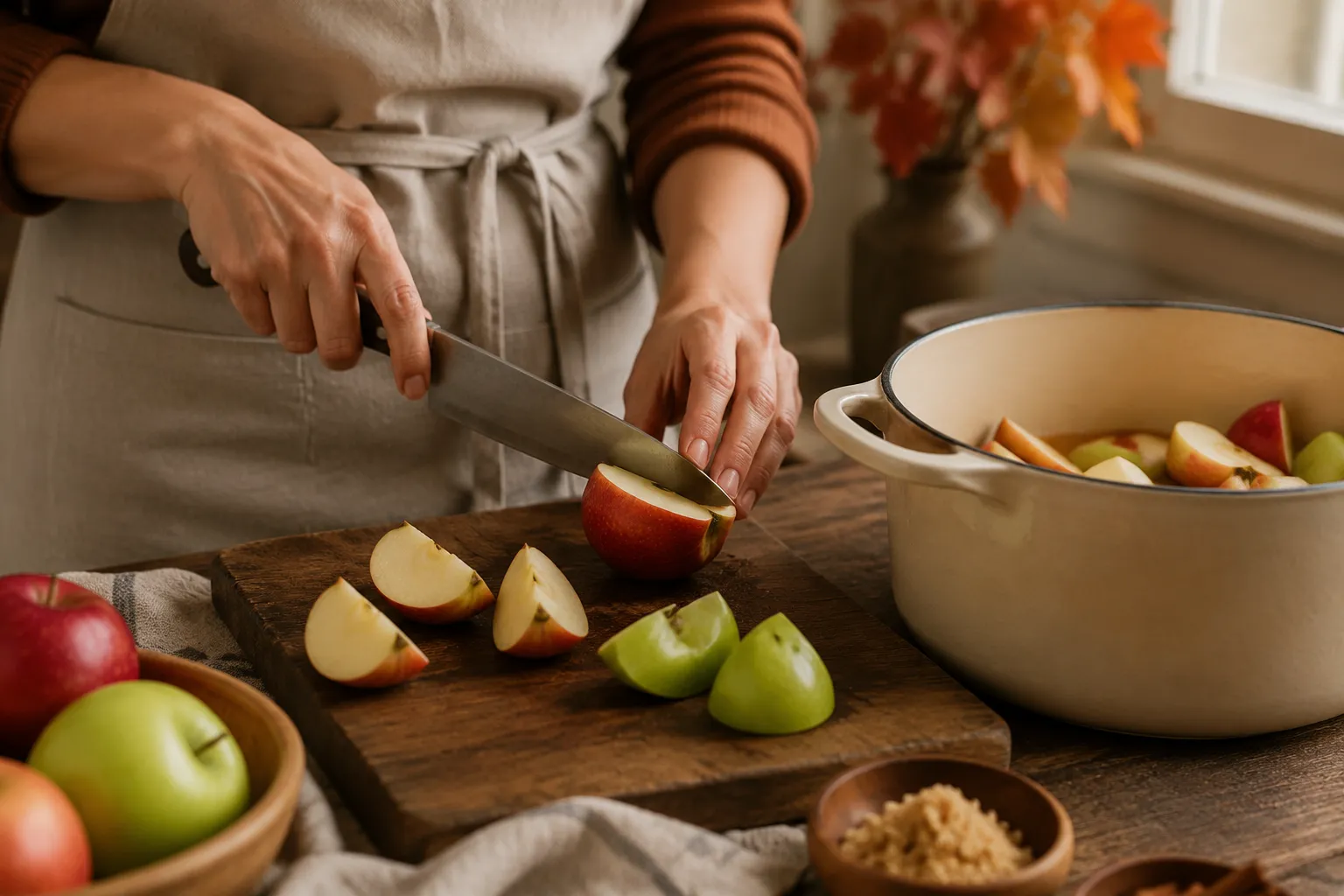
You also do not need to peel or core the apples. The peels deepen the color, the cores add body, and the seeds will be strained away after simmering. Just quarter the apples so they fit comfortably in the pot and so the heat can soften them evenly.
For a clear, warmly spiced cider, whole spices are the way to go. Cinnamon sticks give the backbone, cloves bring that nostalgic holiday aroma, allspice adds roundness, and star anise contributes a subtle licorice note that makes the pot smell beautifully complex. Ground spices can make the cider muddy and a little gritty, so save your apple pie spice for baked goods or for dusting the top of whipped cream if you serve the cider dessert-style.
The orange matters, too. A quartered orange adds brightness and a gentle citrus lift, which keeps the drink from tasting heavy after a long simmer. If you know your orange has a very thick or bitter pith, you can peel away some of the white layer before adding it, but I usually toss it in quartered for ease.
Sweetener is the final adjustment, not the starting point. Brown sugar gives a molasses warmth, while maple syrup tastes woodsy and smooth. If your apples are especially sweet, you may only need a splash; if they are tart, the full amount will make the pot feel plush and rounded.
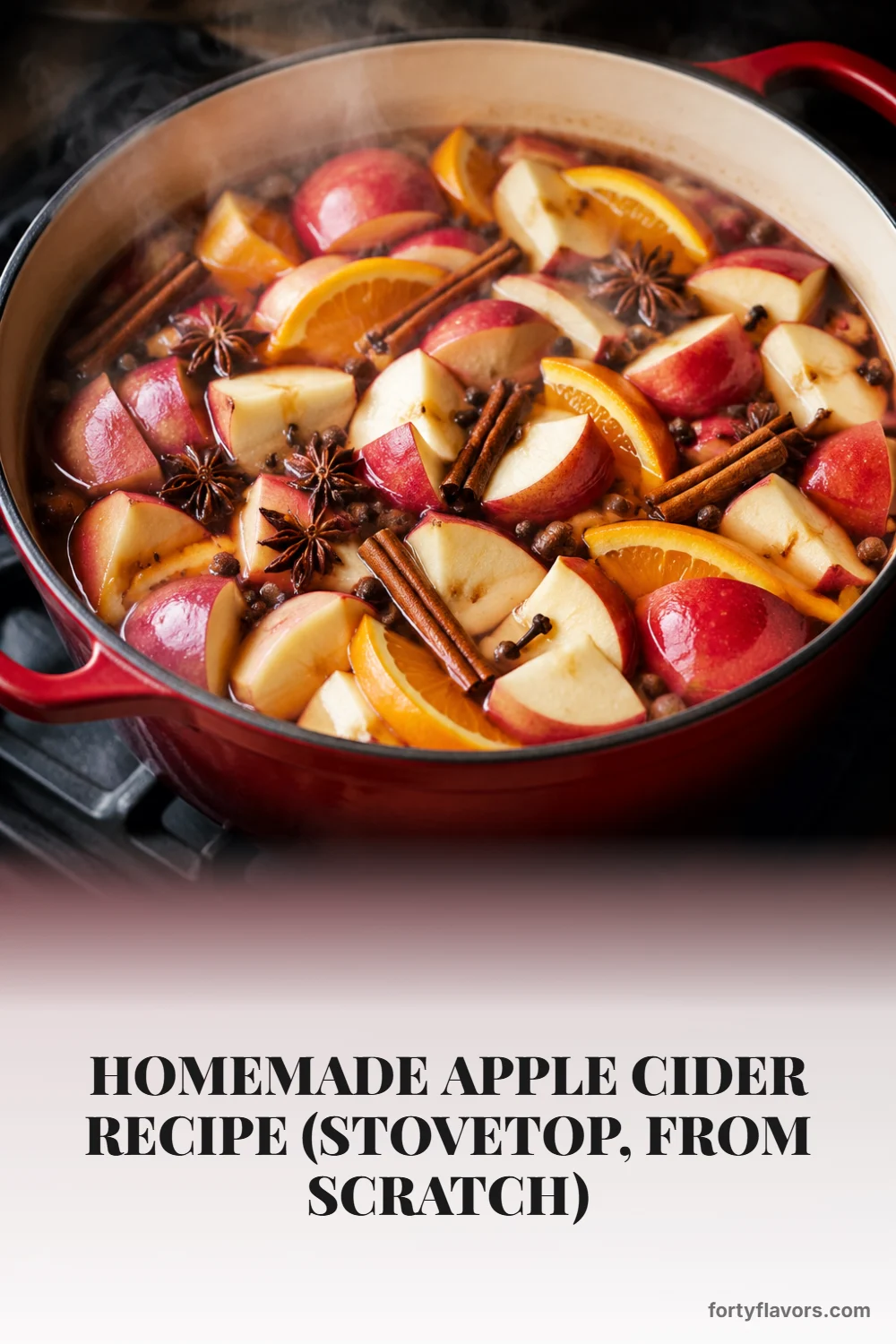
Start by rinsing your fresh apples well, then quartering them on a sturdy board. Add the apple pieces to a large stockpot or Dutch oven along with the orange and whole spices. The pot will look very full at first, but the fruit softens and collapses as it cooks.
Pour in enough water to cover the fruit by about an inch. Too much water will dilute the flavor, while too little can leave the apples exposed before they have time to break down. Bring everything to a gentle boil, then reduce the heat so the pot steadily simmers rather than bubbles aggressively.
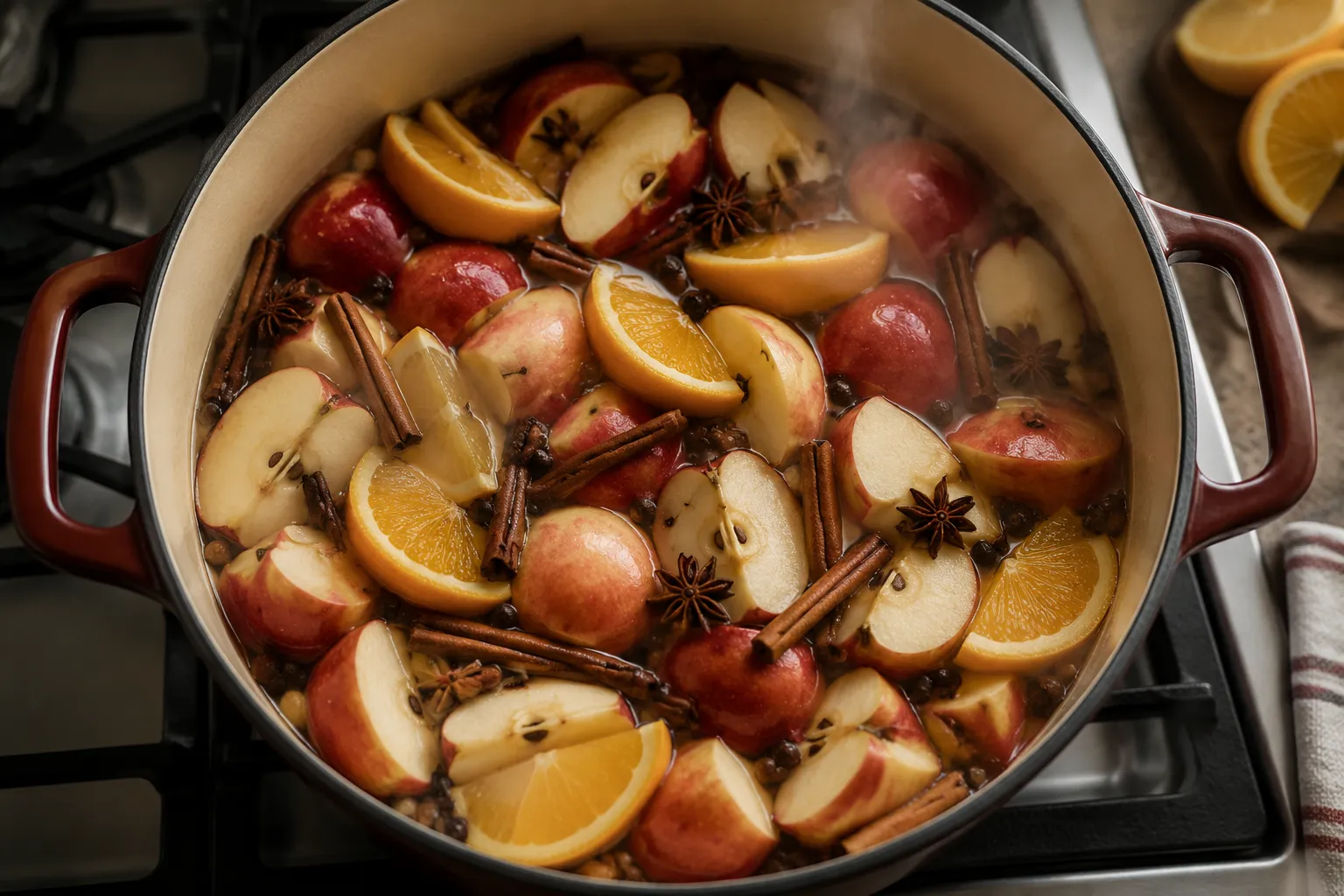
The simmer is where the magic happens. Over about two hours, the apples release their juices, the orange perfumes the pot, and the cinnamon sticks and spices slowly infuse the liquid. Your kitchen will smell incredible long before the cider is finished, but let it keep going until the apples are soft enough to mash against the side of the pot.
Once the fruit has softened, mash it directly in the pot with a potato masher or sturdy spoon. This step squeezes out extra flavor and gives the cider a fuller body. Simmer for another short stretch after mashing so the fruit pulp and liquid have time to mingle.
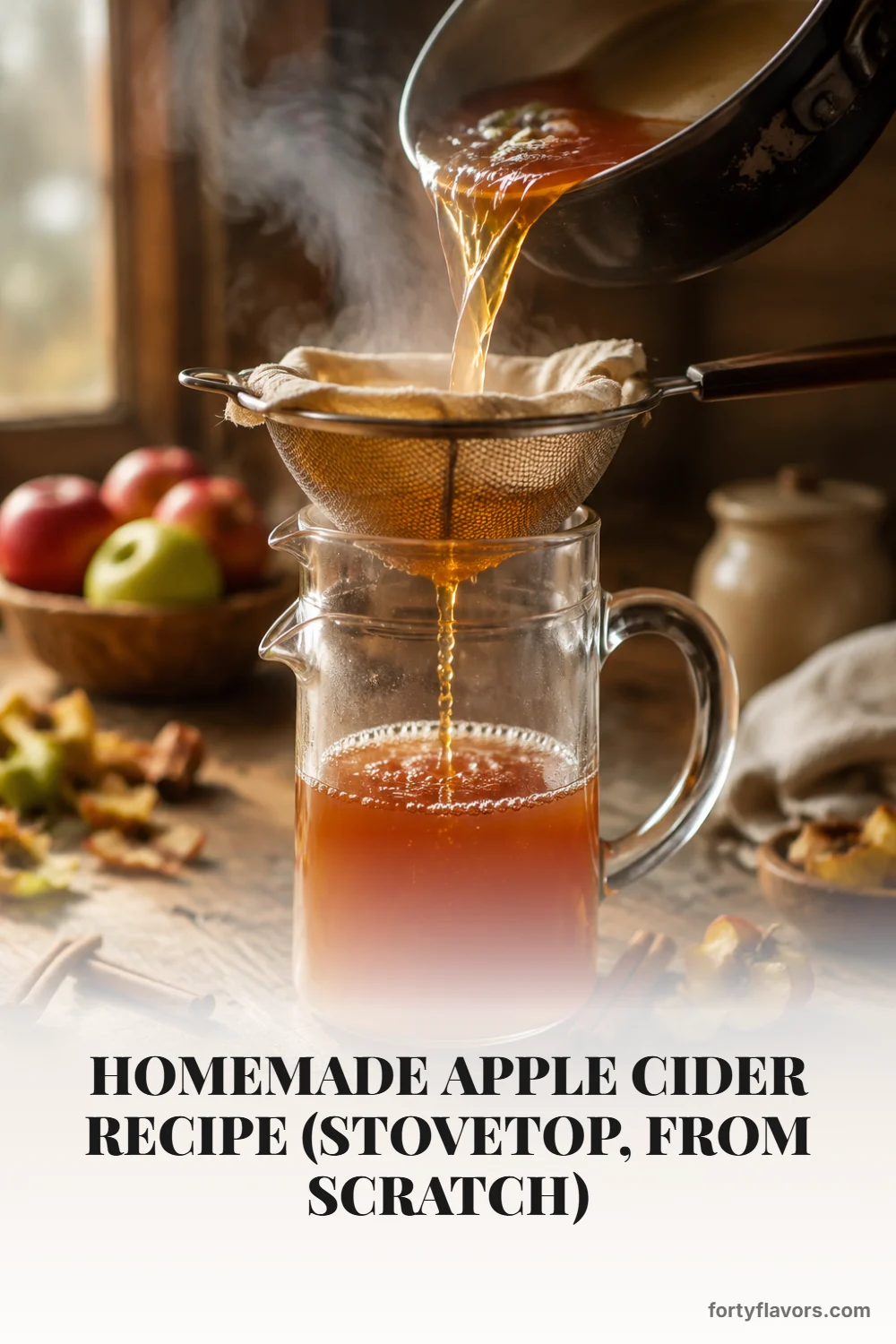
Straining is the only part that asks for a little patience. First, pour the mixture through a fine-mesh sieve to catch the solids, pressing gently to extract liquid without forcing too much pulp through. For a clearer finish, strain a second time through cheesecloth or a clean thin kitchen towel.
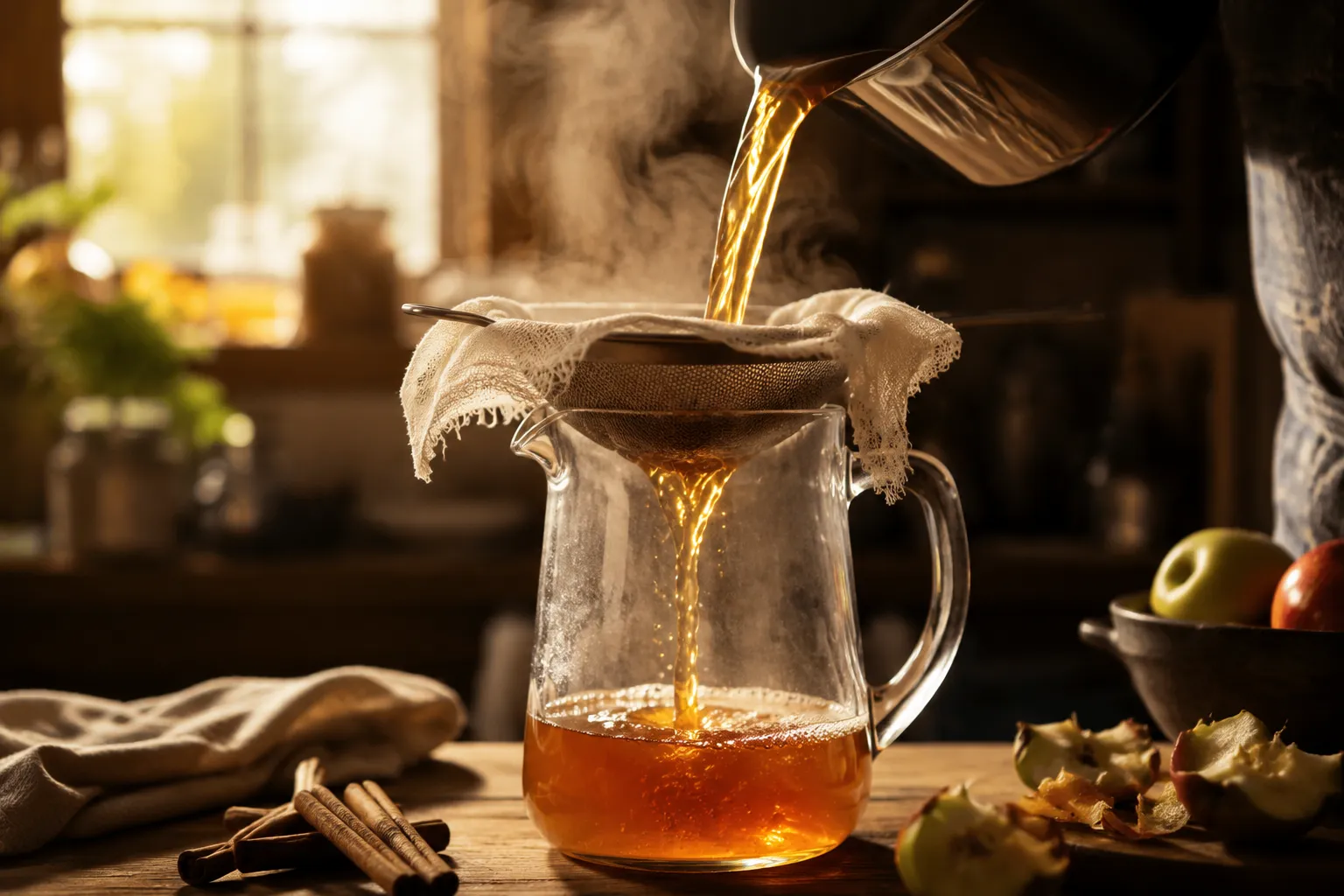
After straining, taste before sweetening. Add brown sugar or maple syrup a little at a time while the cider is still warm, stirring until dissolved. This is also the moment to decide whether you want it bright and orchard-fresh or sweeter and more dessert-like.
If your stovetop is busy, the slow cooker method is wonderfully hands-off. Add the quartered apples, orange, whole spices, and water to a 6-quart slow cooker, then cook on low for 6 to 7 hours or on high for 3 to 4 hours. Mash the softened fruit, cook a little longer if you want a stronger flavor, then strain just as you would for the stovetop version.
This is a great approach for holidays because it keeps the drink warm without hovering over a burner. If you already have a favorite slow cooker apple cider routine, this whole-fruit method gives it deeper color and more orchard flavor. Leave a ladle nearby and let guests serve themselves from the warm crock.
For an Instant Pot version, combine everything in the insert, seal, and cook on high pressure for about 15 minutes, then let the pressure release naturally for at least 15 minutes. Mash the fruit, use the sauté function briefly if you want a more concentrated flavor, and strain well. The pressure method is faster, though the stovetop and slow cooker versions develop a slightly softer, more rounded spice profile.
Serve the finished homemade apple cider hot with a cinnamon stick, a thin apple slice, or a star anise pod floating on top. For a party, pour it into a warmed slow cooker and set out garnishes like orange wheels, sugared cranberries, and extra cinnamon sticks. It looks beautiful, smells inviting, and makes the easiest self-serve drink station.
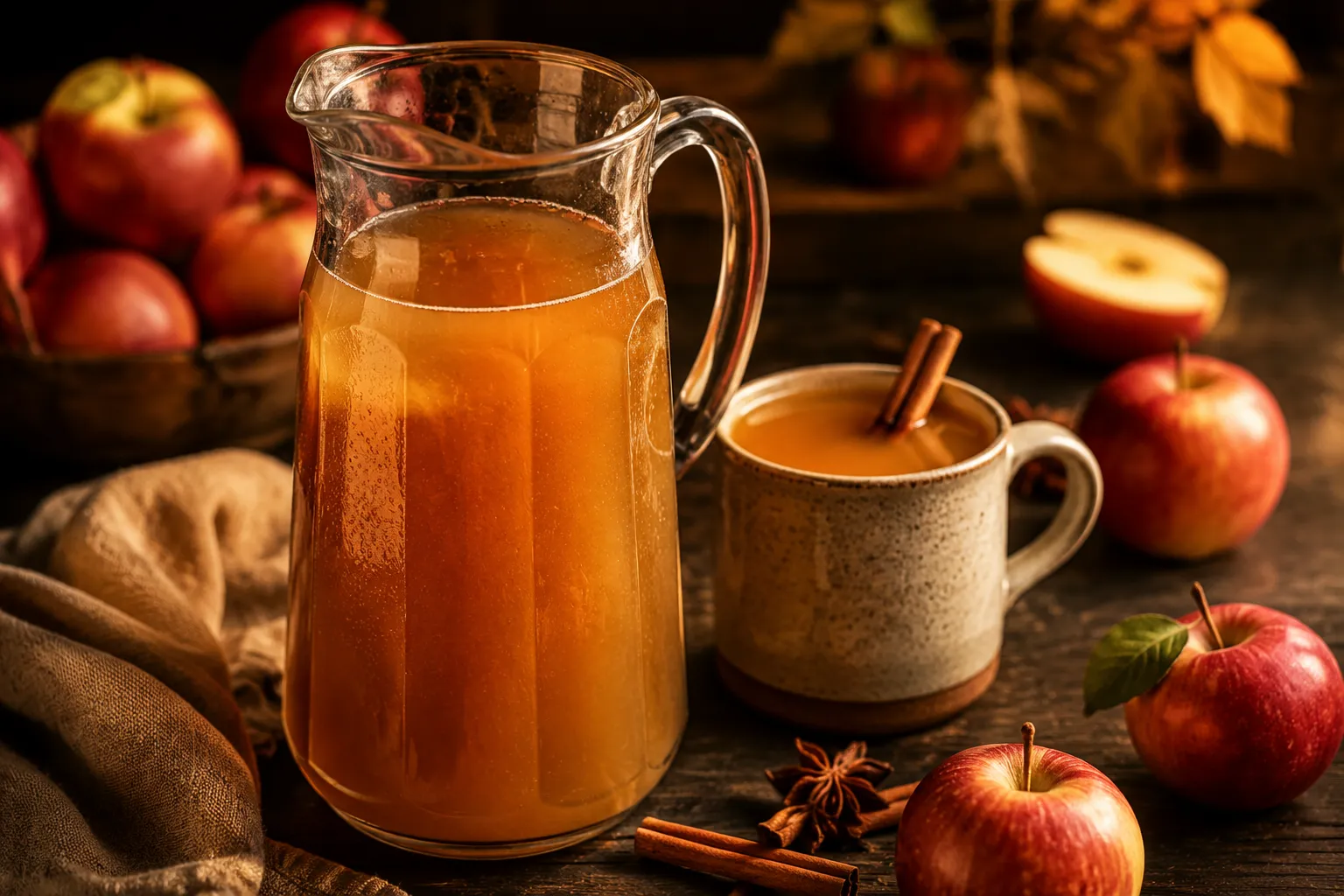
It is also delicious chilled over ice, especially if you like crisp fall drinks that are not overly sweet. Add a splash of sparkling water or ginger beer for a fizzy mocktail, or turn a warm mug into a simple adult drink with bourbon, rum, or brandy. If you enjoy a classic hot toddy recipe, try swapping part or all of the hot water for this cider for a fruitier, spiced twist.
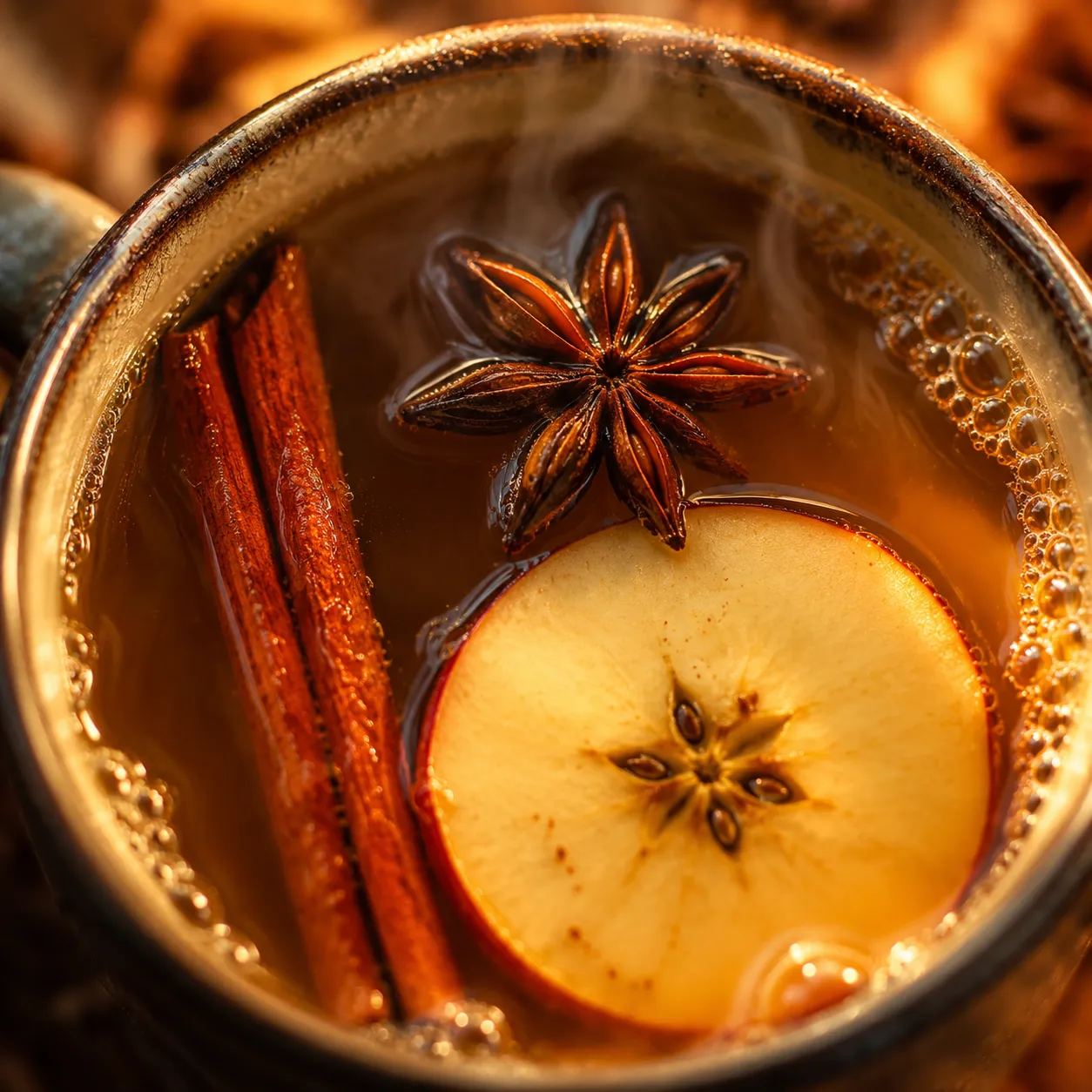
For dessert-style mugs, drizzle the inside of the cup with caramel sauce before ladling in hot cider. That gives you a caramel apple cider moment that feels like a county fair treat, especially with whipped cream and a pinch of cinnamon on top. You can also stir in a spoonful of cinnamon simple syrup if you want a stronger bakery-style spice note.
If you are serving a crowd, consider making a double batch and holding some back unsweetened. Guests can sweeten their own mugs, and you can use the unsweetened portion in sauces, braises, mocktails, or even a quick pan glaze for pork or chicken. A pot of mulled cider also pairs beautifully with brunch boards, roasted nuts, and buttery baked goods.

This recipe fits beautifully into a make-ahead fall cooking rhythm. Simmer it on a quiet afternoon, strain it into jars, and you will have a ready-to-warm drink for chilly mornings, movie nights, and last-minute guests. The flavor actually settles nicely after a night in the refrigerator, with the fruit and spice notes tasting a little more integrated.
Beyond sipping, use the cider anywhere you want gentle apple sweetness. Warm it with black tea for a cozy tea latte, reduce it into a syrup for pancakes, or add a splash to vinaigrettes for autumn salads. It also makes a lovely base for punches when mixed with cranberry juice, citrus, and sparkling water.
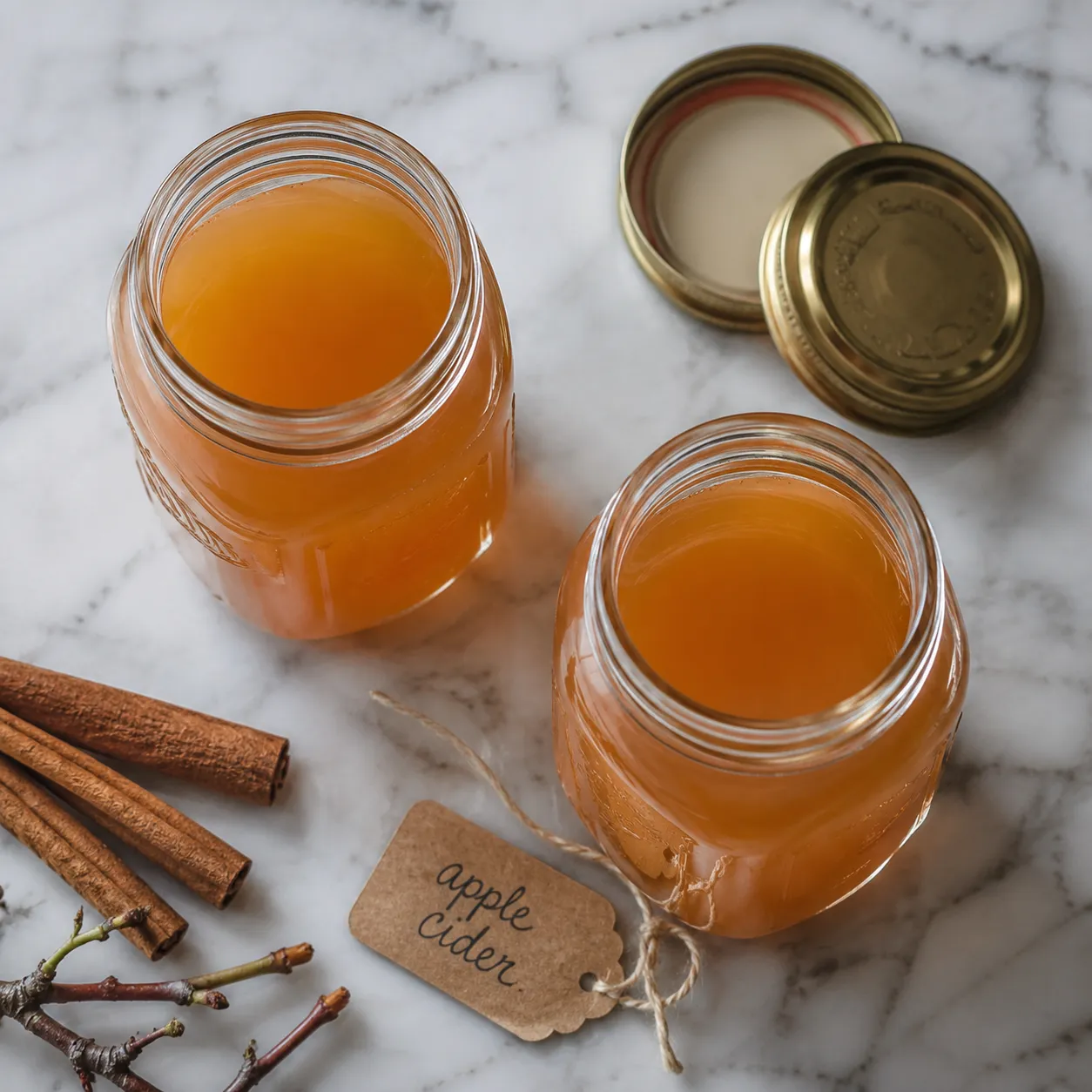
There is something deeply satisfying about turning a pile of apples into a pitcher of steaming cider. It is simple, old-fashioned cooking: fruit, water, spice, heat, and time. The result is richer than bottled juice, fresher than a mix, and flexible enough for weeknights, holidays, and everything in between.
Once you have made it once, you will start noticing how easily the recipe adapts to your apples, your spice cabinet, and your sweet tooth. Keep the simmer gentle, strain it well, and sweeten at the end, and you will have a dependable cold-weather drink that makes the whole house feel warmer.
This recipe is easy to adapt once you have the basic whole-fruit method down. Keep the apple-to-water ratio steady, then adjust the spice, citrus, and serving style to match the mood.
Refrigerate cooled cider in airtight jars or bottles for up to 7 days. Because this is a homemade, hand-strained drink, a little sediment may settle at the bottom; simply shake or stir before serving.
For longer storage, freeze in freezer-safe containers for up to 3 months, leaving a little headspace for expansion. Thaw overnight in the refrigerator, then reheat gently on the stovetop or in a slow cooker without boiling so the fresh fruit flavor stays smooth.
Hover any image and hit “Pin it” to save it to your Pinterest boards.