Classic Gin and Tonic Recipe (The Perfect 3-Ingredient Pour)
Ingredients
Scale

The perfect gin and tonic is all about ratio, ice, and garnish. This classic recipe nails the balance in under 2 minutes with just three ingredients.
A great gin and tonic recipe lives or dies on three small details: ratio, ice, and the freshness of your tonic. Nail those, and you've got the most refreshing two-minute cocktail on the planet — bright with juniper, lifted by quinine, finished with a citrus snap. Miss them, and even the prettiest bottle of gin ends up tasting flat. The good news is that this isn't difficult. It's just specific.
I've poured this drink on humid July evenings, in February when I needed to remember summer existed, and at every dinner party where someone said "just make me something light." A classic gin and tonic is one of the most forgiving builds in the cocktail world, but it rewards a little intention. Cold glass, big ice, fresh tonic, expressed citrus oils — that's it. No syrups, no shaking, no bar tools you don't already own.
This gin and tonic recipe walks through the whole thing: the bartender-standard ratio, which gin actually works best, why the brand of tonic matters more than you'd think, and the exact pouring sequence that keeps your bubbles alive. By the time you reach the bottom, you'll be making one of the most balanced and easy summer cocktails in your repertoire — the kind people quietly compliment you on without knowing why it tastes so much better than theirs.
The bartender's standard for a balanced G&T ratio is 1:2 — one part gin to two parts tonic. That means 2 ounces of gin to 4 ounces of tonic water in a tall glass full of ice. This pour leans into the gin's botanicals while letting the tonic carry the lift and quinine bitterness. If you prefer something lighter and longer, especially in the heat of August, push it to 1:3 (2 oz gin, 6 oz tonic). Either works. What doesn't work is eyeballing a glug-glug pour that lands somewhere closer to a vodka soda.
Here's what most home bartenders miss: tonic quality matters far more than gin quality. A premium bottle of gin in flat supermarket tonic still tastes flat. A mid-priced bottle in fresh Fever-Tree, Q, or Fentimans tonic tastes like a $20 cocktail. Tonic is the bigger volume in the glass, it's the carbonation, and it carries the bittering quinine that gives the drink its backbone. Buy small bottles or cans — once tonic loses its bubbles, the whole drink collapses.
Balance is also a function of dilution. As your ice melts, the drink stretches and softens. That's why big, slow-melting cubes are non-negotiable (more on that below). The 1:2 ratio is calibrated for moderate dilution; if you use crushed ice, you'll be drinking water in three minutes. And while some gin riffs lean on a splash of homemade simple syrup or a flavored cordial to round things out, a true classic gin and tonic doesn't need any added sugar — the tonic provides all the sweetness the drink can carry.
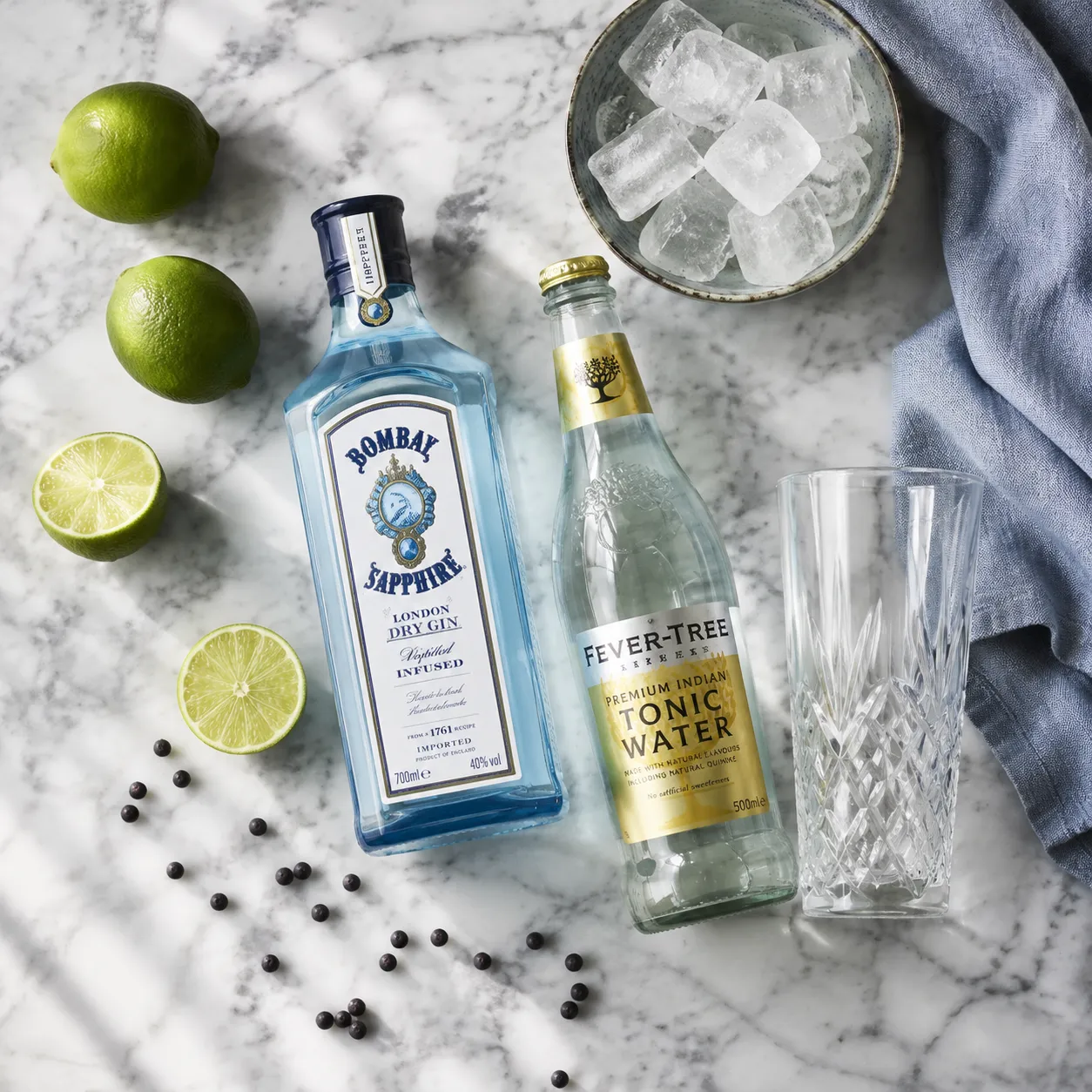
You only need three things, plus ice. But each one carries a quiet decision behind it, and getting those decisions right is the whole game.
For a classic build, reach for a London Dry gin like Tanqueray, Beefeater, or Bombay Sapphire. London Dry is juniper-forward and dry on the finish, which is exactly the spine you want a tonic to lean against. New Western style gins (Hendrick's, Aviation, Monkey 47) are softer and more floral or citrus-driven — they make beautiful G&Ts, but they pair best when you match the garnish to their dominant botanical. If you're still figuring out the best gin for cocktails in your home bar, a 750ml of Tanqueray or Beefeater is the most flexible starting point.
Skip the dusty bottle of tonic water at the back of the fridge. Use a small-format bottle or can opened right before pouring: Fever-Tree Indian Tonic, Q Tonic, Fentimans, or Three Cents are all reliable picks. Look for real quinine and cane sugar; avoid high-fructose corn syrup tonics, which taste cloying against juniper and dull the bittering edge that makes the drink work.
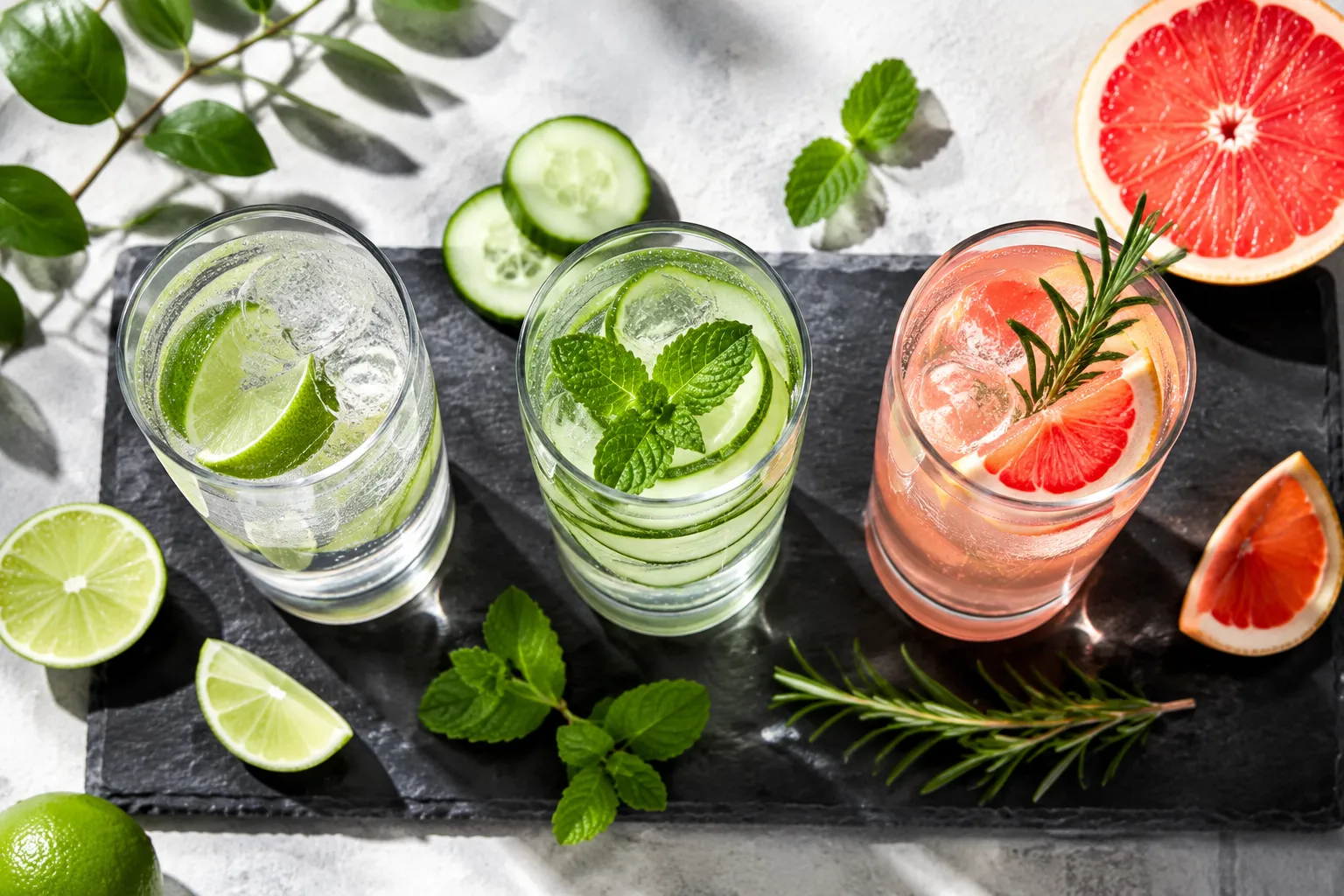
A fresh lime garnish is the default for a reason: it bridges juniper and quinine perfectly. But match the garnish to your gin's botanical profile when you can — cucumber for Hendrick's, grapefruit for citrus-heavy gins like Tanqueray No. Ten, lemon for floral New Western styles. A quick citrus garnish guide: always cut wedges fresh from a whole fruit, never use bottled juice, and express the peel over the glass to release the oils before dropping it in.
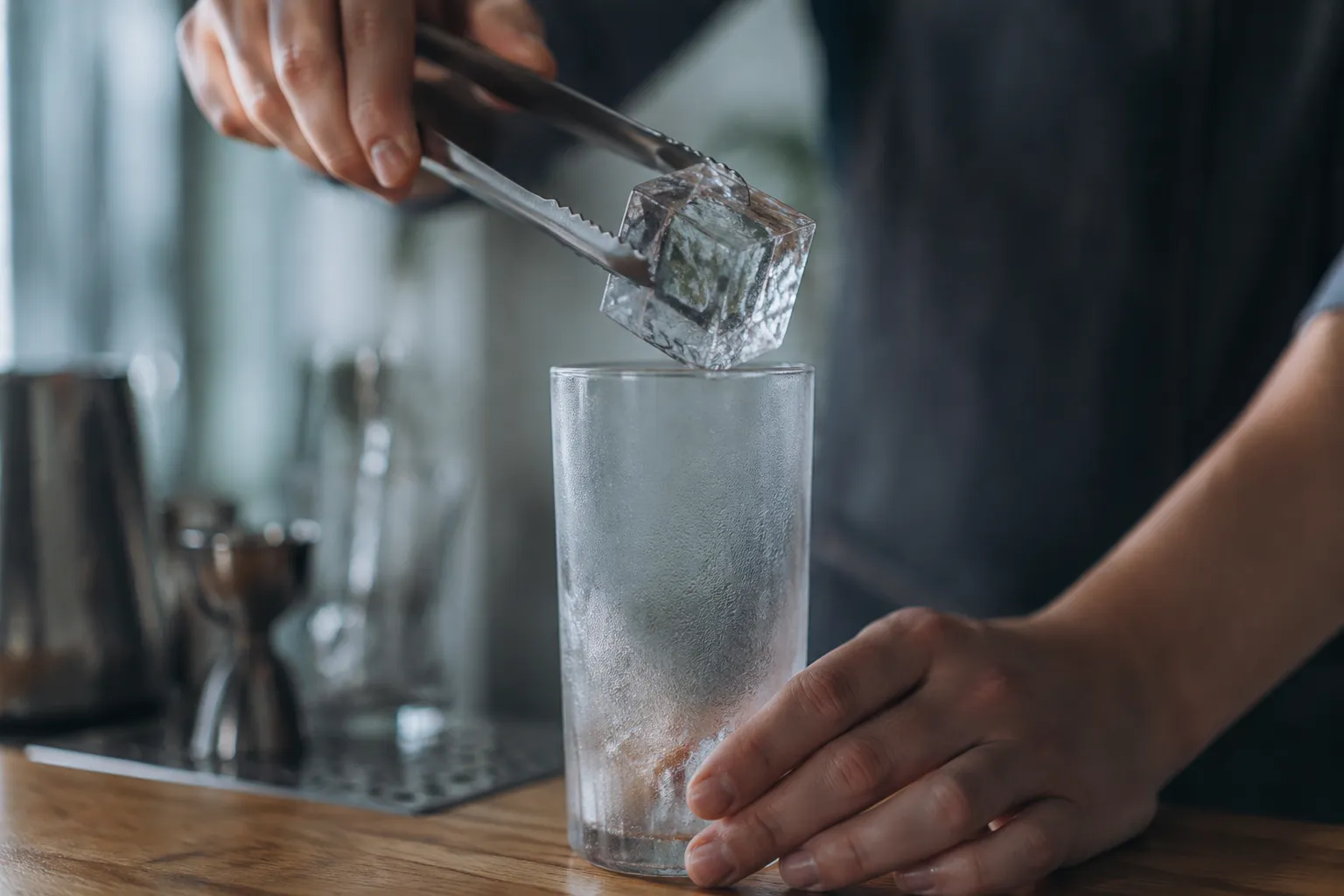
This is a built cocktail, which means everything goes directly into the serving glass — no shaker, no strainer, no fuss. The order matters more than the technique, and the whole gin and tonic recipe build takes about two minutes once your gear and ingredients are properly chilled.
Pop your highball glass in the freezer for five minutes before you start. A cold glass keeps the tonic carbonated longer and slows ice melt. Fill the chilled glass to the top with large ice cubes — the bigger and clearer, the better. Cloudy, small ice has more surface area, which means faster dilution and a watered-down drink within a minute.
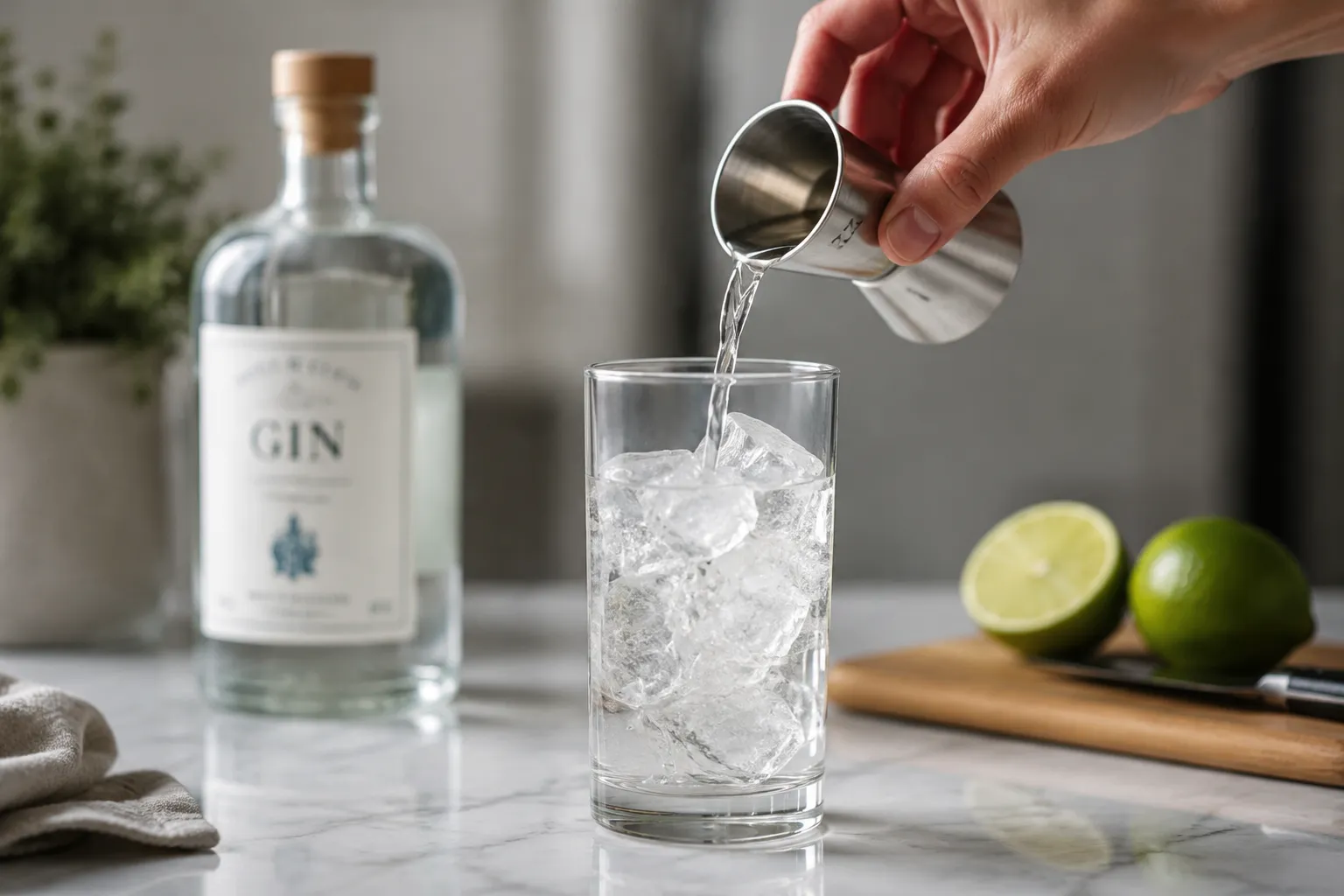
Measure 2 ounces of gin with a jigger and pour it directly over the ice. Gin first lets it settle around the cubes and chill before the tonic hits. Now open a fresh, cold bottle or can of tonic and pour 4 ounces slowly down the side of a barspoon, or angle the glass and pour gently along the rim. This preserves the carbonation that the entire drink depends on.
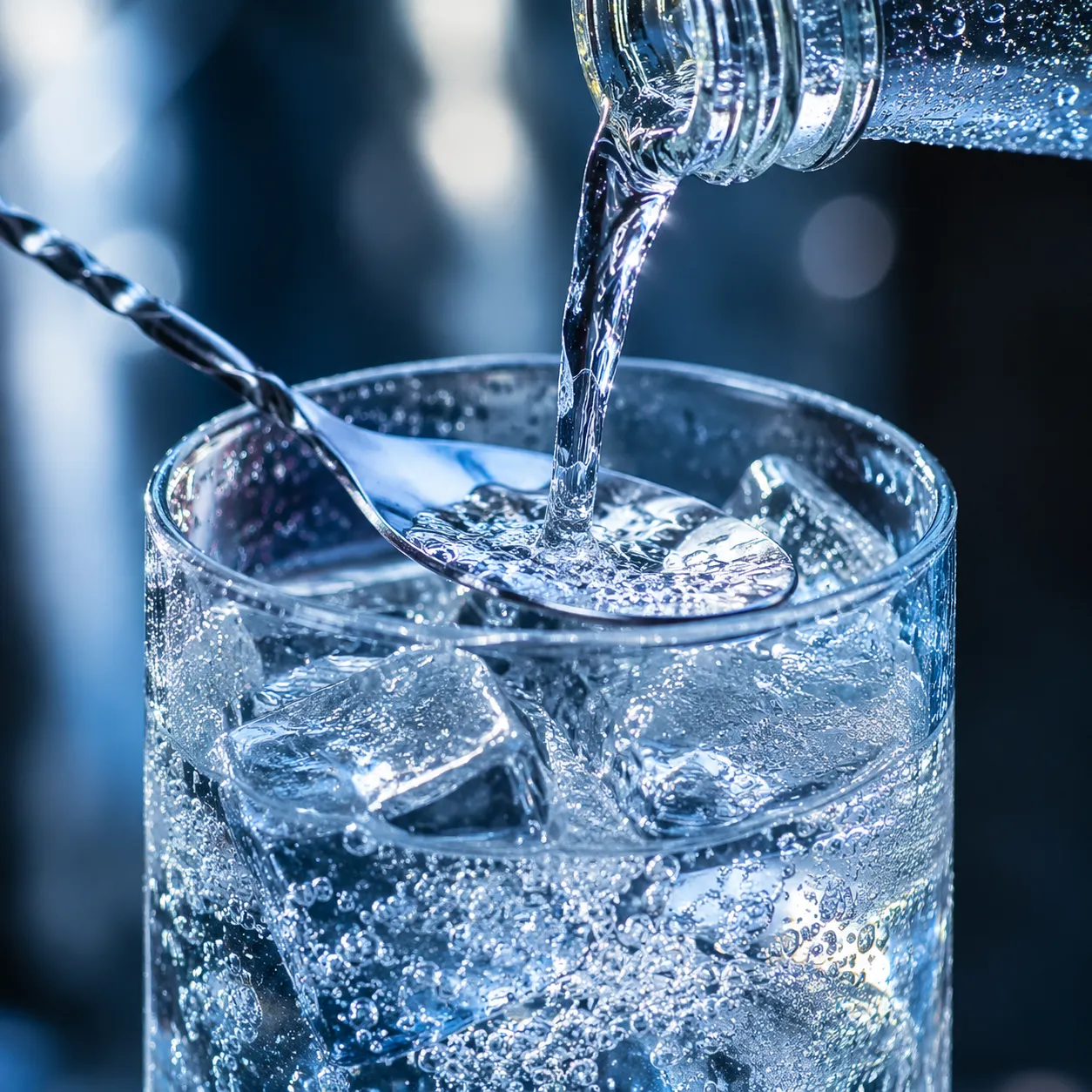
Don't dump the tonic in from a height — you'll knock the bubbles flat before the drink even reaches the table. A slow, careful pour takes an extra five seconds and saves the whole effort.
Cut a fresh lime wedge, give it a small squeeze over the drink, and drop it in. Stir once — yes, just once — with a barspoon to combine the gin and tonic. Over-stirring kills carbonation faster than anything else. Serve immediately while the drink is at peak chill, peak fizz, and peak aroma.
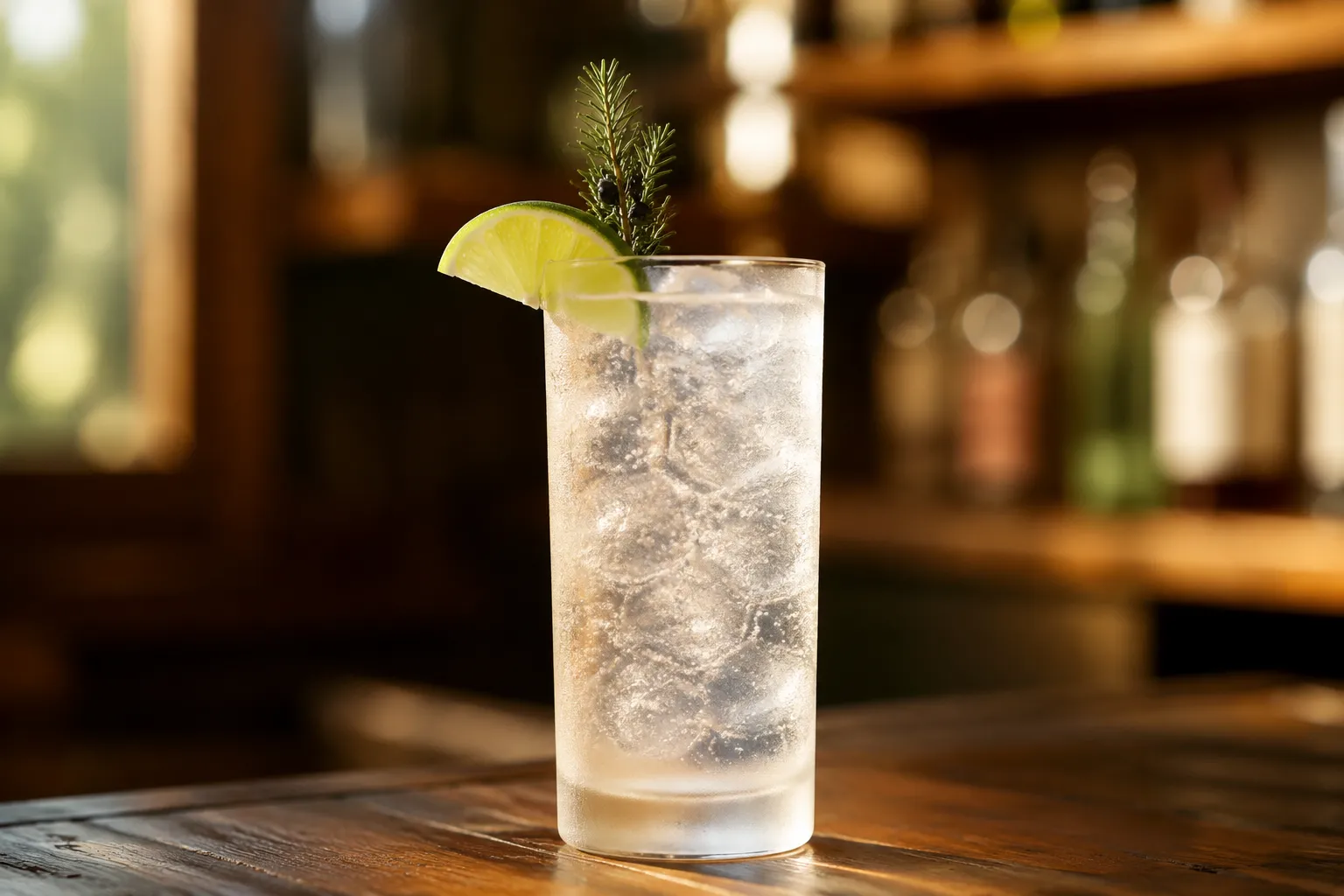
If you've followed those four steps, you've already got something genuinely good — better, honestly, than most of the G&Ts you'll order out. But two small upgrades push it from great to memorable, and both are worth knowing once the basic build feels automatic.
The first is variation. Once you understand the base recipe, swapping the gin and the garnish opens up four or five completely different gin tonic drink recipes without learning anything new. A cucumber-and-mint version with Hendrick's drinks like a garden in a glass; a grapefruit-and-rosemary build with a citrus-forward gin tastes like a Mediterranean sunset; a Spanish-style pour into a balloon-shaped copa with extra-large ice and a long orange peel turns the drink into something you'd serve as its own course. The full breakdown is in the variations section just below.
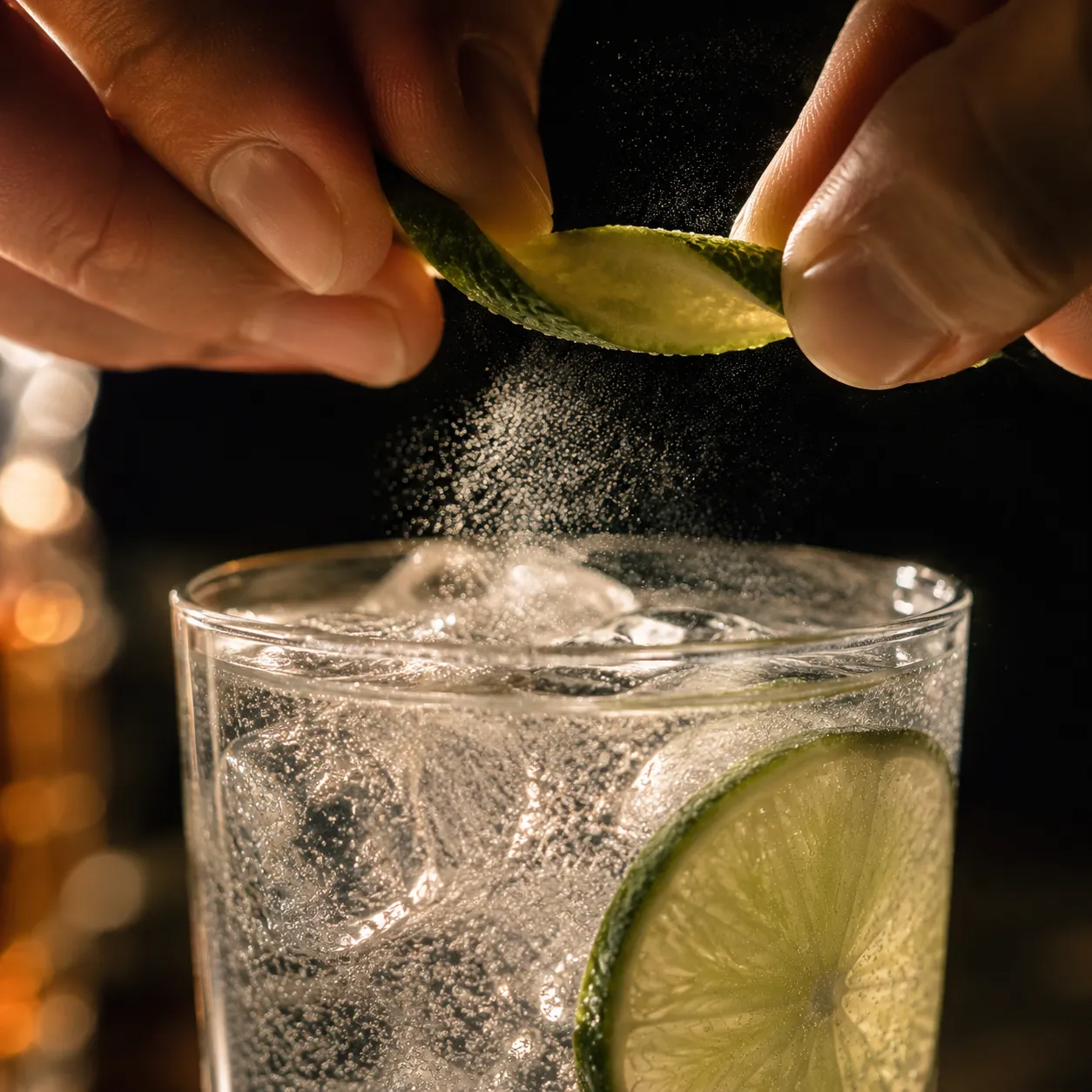
The second upgrade is the technique most home bartenders skip: expressing your citrus oils. After the drink is built and garnished, peel a thin strip of lime zest with a sharp paring knife or vegetable peeler, hold it skin-side-down over the glass, and twist it firmly between your fingers. A fine mist of citrus oil will fall onto the surface of the drink — and that mist is where most of the aroma you smell on the first sip actually comes from. Drop the peel into the glass after expressing it. It takes three seconds and completely changes the first impression.
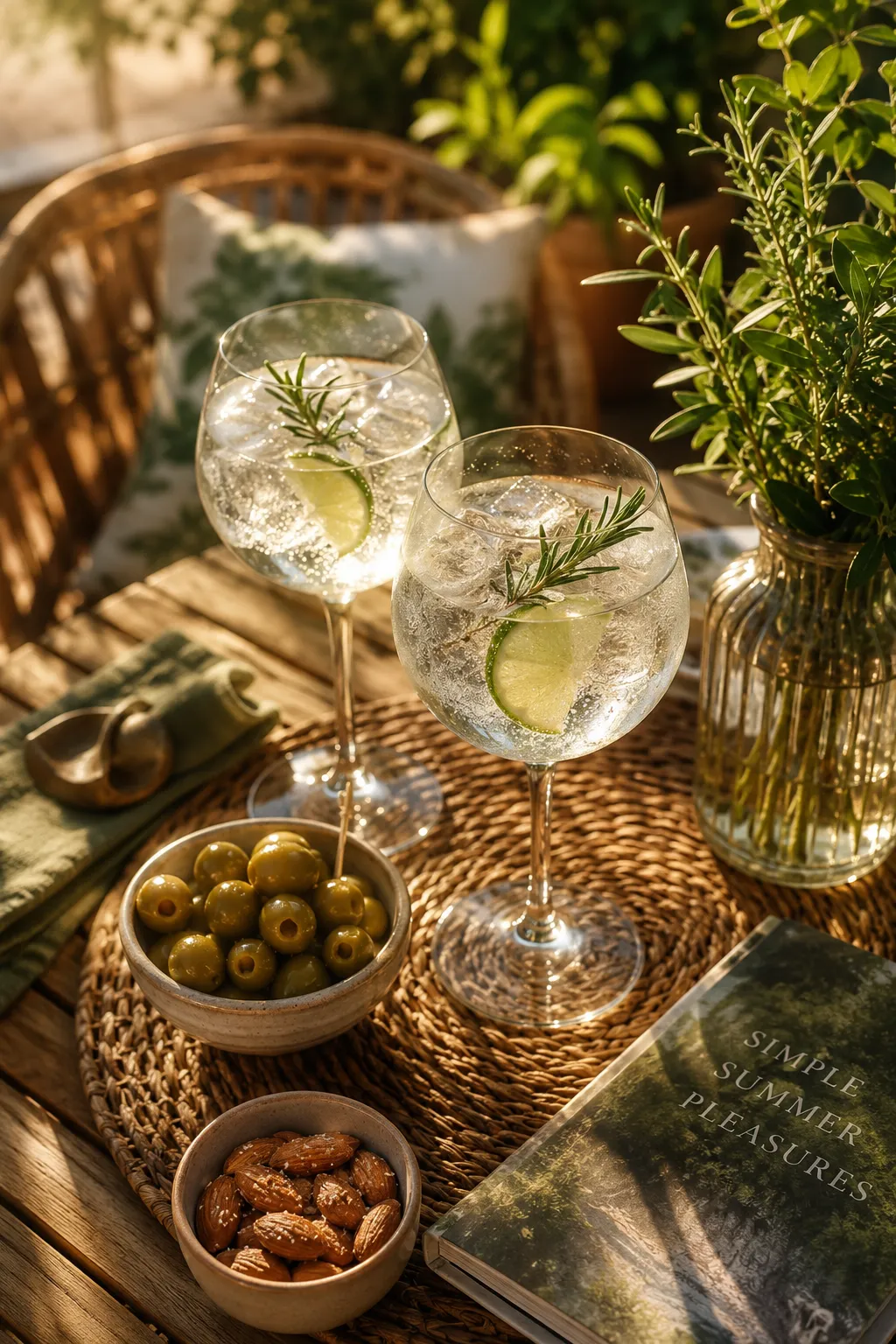
A G&T is built for warm weather, light food, and conversations that stretch into golden hour. The drink's bitterness and citrus snap clear the palate between bites, which is why it pairs so naturally with salty, briny, and herb-forward small bites. Think marinated olives, salted Marcona almonds, a soft goat cheese with crackers, or a few slices of jamón ibérico — the kind of board you'd find on a Madrid terrace at 8 p.m.
For summer cookouts, lean into grilled foods that match the drink's brightness. Shrimp skewers with lime, grilled chicken with herbs, charred shishito peppers, or a chilled cucumber salad all sit beautifully next to a tall, cold pour. If you're putting together a longer drinks list, this is one of the most reliable highball cocktail recipes to anchor it — easy to batch-prep glassware and garnishes for, and forgiving enough that guests can build their own. It's also a graceful pivot from a classic vodka tonic for anyone who wants something with more character without crossing into spirit-forward territory.
The drink's beauty is its restraint. Three ingredients, two minutes, one glass of something genuinely refreshing. Once you've made a few rounds of this gin and tonic recipe at home, you'll never go back to ordering a sad bar version again — you'll just bring people home and pour them one yourself.
Once you've mastered the classic build, a few small swaps unlock a whole world of variations. The framework stays the same — 2 ounces of gin, 4 ounces of tonic, plenty of big ice — but the gin choice and garnish do all the heavy lifting. These four are worth keeping in rotation.
A gin and tonic cannot be made ahead of time. Tonic water loses its carbonation within minutes of being poured, and a flat G&T tastes like sad citrus syrup with bitter notes. Always build the drink right before serving — it takes under a minute once your components are ready.
What you absolutely can prep ahead: chill your highball glasses in the freezer, refrigerate the gin and unopened tonic bottles or cans, cut lime wedges and peel strips up to a few hours in advance (store them in a covered container in the fridge to keep them from drying out), and freeze a tray of large, clear ice cubes the night before. With everything pre-chilled and prepped, the actual build takes well under a minute, which makes G&Ts one of the easiest cocktails to serve at a party — just don't pre-mix the drinks themselves.