Strawberry Puree Recipe: Silky, 5-Minute Method
Ingredients
Scale
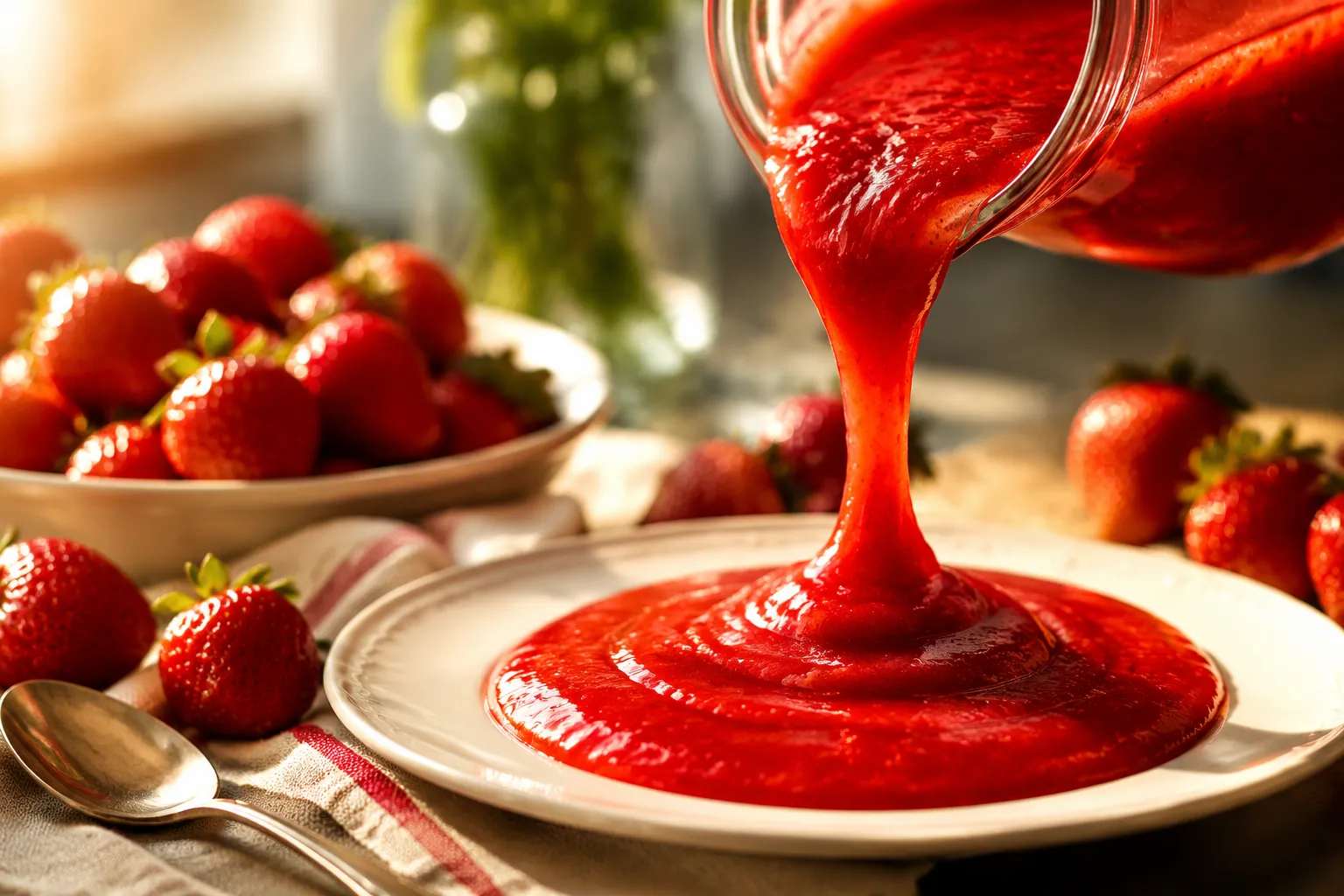
A silky, vibrant strawberry puree made in 5 minutes with fresh or frozen berries. Perfect for cocktails, cheesecake, pancakes, and more.
This silky strawberry puree recipe is the kind of two-ingredient kitchen trick that turns ordinary pancakes, cocktails, and bowls of yogurt into something you'd happily pay for at brunch. It comes together in five minutes with a blender, no stovetop required, and works just as beautifully with a flat of June-fresh berries as it does with the bag of frozen ones in the back of your freezer.
If you've been buying jarred berry sauces or settling for syrupy ice cream toppings, consider this your sign to make it from scratch. The flavor is brighter, the color is a vivid garnet red, and you control exactly how sweet it gets. I'll walk you through the no-cook method, when to strain for a glossy seedless finish, and a stack of ways to use the sauce once it's ready.
Whether you want a vibrant pour for cheesecake, a swirl for baby food, or a base for cocktails and lemonade, one batch covers all of it. Make it once, stash half in the freezer, and you've quietly upgraded the next two weeks of breakfasts and desserts.
A great berry sauce hits a few targets at once: bright, balanced, smooth, and stable enough to keep for several days. Most recipes you'll see online cook the berries down with sugar, which gives you something closer to jam. That's lovely on biscuits, but it dulls the fresh flavor and turns the color slightly muddy. The raw blender approach keeps the strawberries tasting like strawberries.
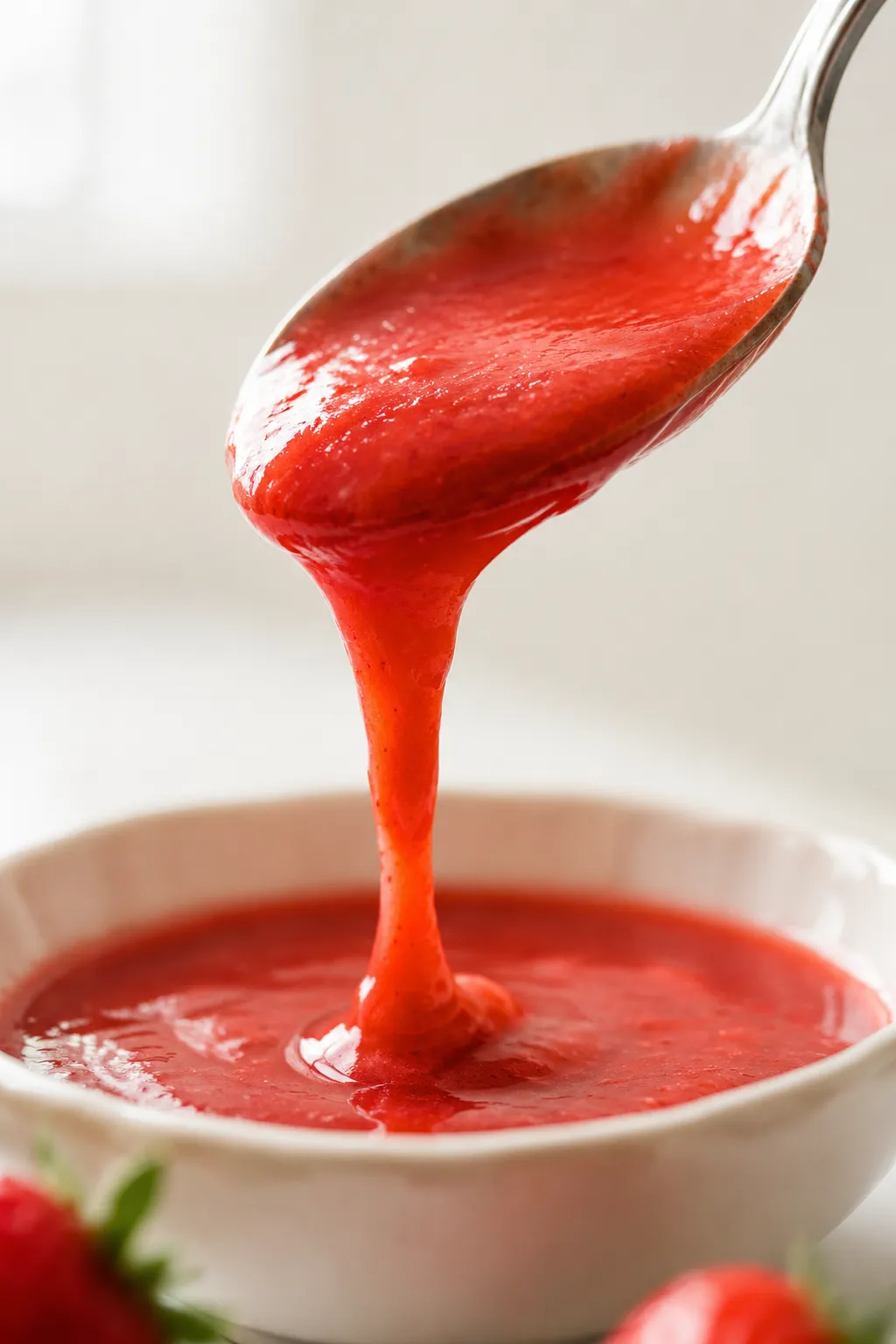
This version stays loose enough to drizzle over ice cream yet thick enough to swirl into yogurt without disappearing. With a quick pass through a fine-mesh strainer, the texture turns into something close to a restaurant-style strawberry coulis, glossy, seedless, and elegant on a plate. Skip the strainer and you've got a chunkier homemade strawberry sauce with a bit more body and rustic charm.
Because the recipe is uncooked, it also doubles as a building block. Stir it into seltzer for a fast soda, blend with a little water and extra sugar for a quick strawberry simple syrup, or freeze cubes to drop into smoothies. Once you taste how good it is, you'll find yourself reaching for it constantly.
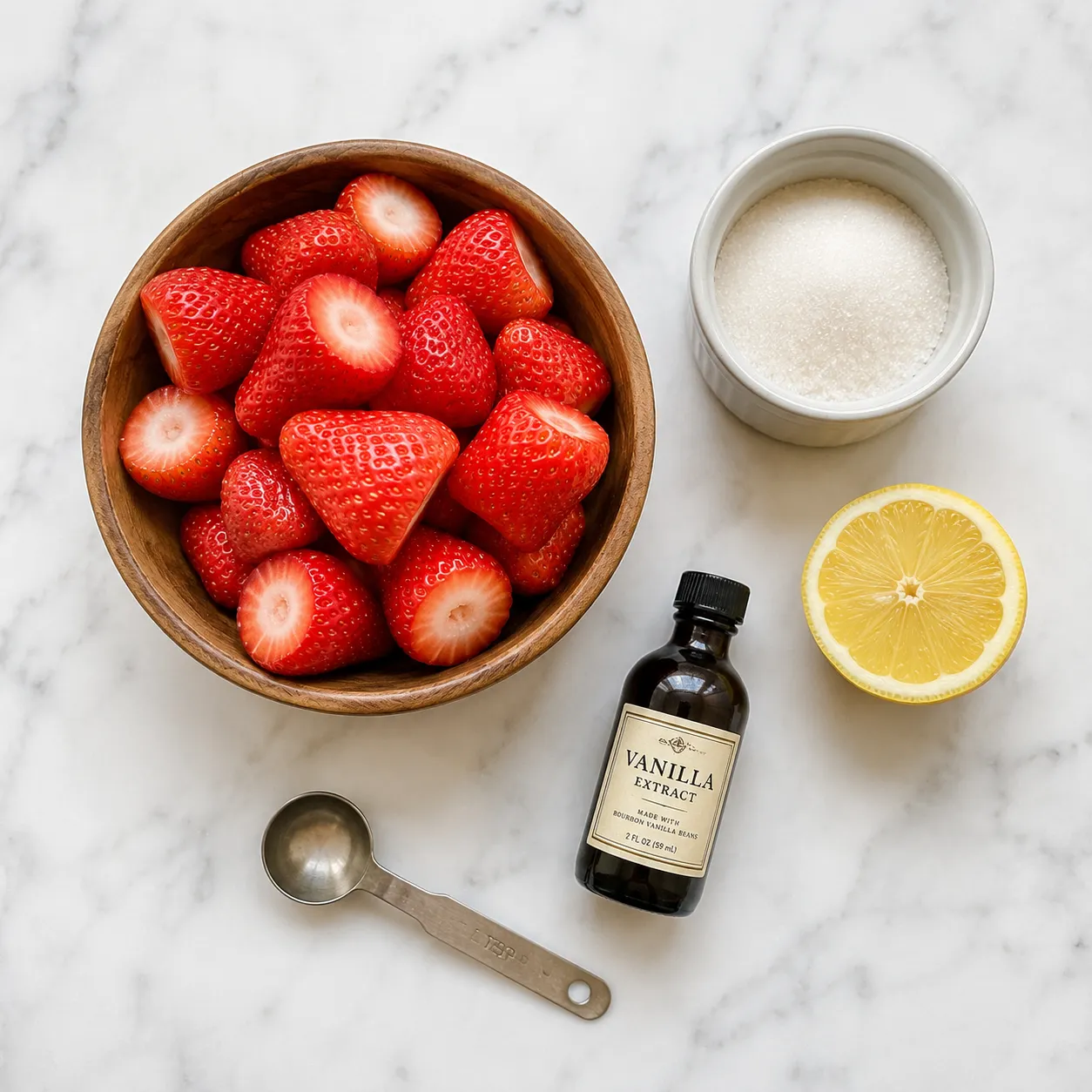
You don't need much, and the ingredient list is forgiving. Use what's in season, what's on sale, or what's already tucked away in your freezer.
If your berries are very sweet, you may not need any sweetener at all. If they're tart or pale, lean toward the higher end. Always taste before you decide, that's the only real rule.
The whole method is essentially: prep, blend, strain, sweeten. Here's what each step actually looks like in practice, with notes on the small details that make a difference.
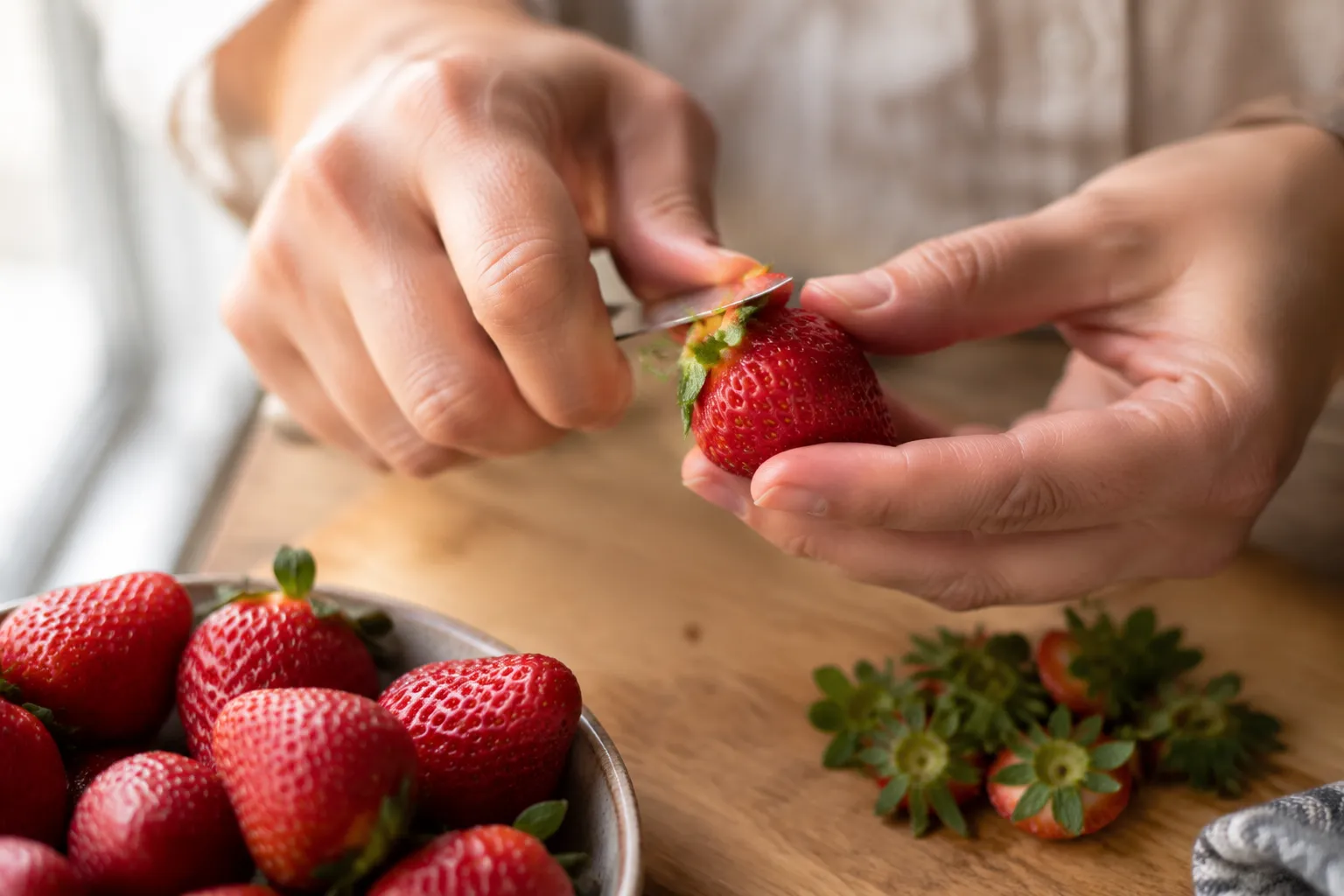
Start by hulling your berries, meaning, slice off the green leafy tops and the white core just beneath. A small paring knife works well, or a strawberry huller if you've got one. Give them a quick rinse under cool water and pat dry; you don't want extra water diluting the flavor. If you're working with frozen strawberries, let them sit on the counter for fifteen to twenty minutes so they soften enough to blend smoothly without straining your motor.
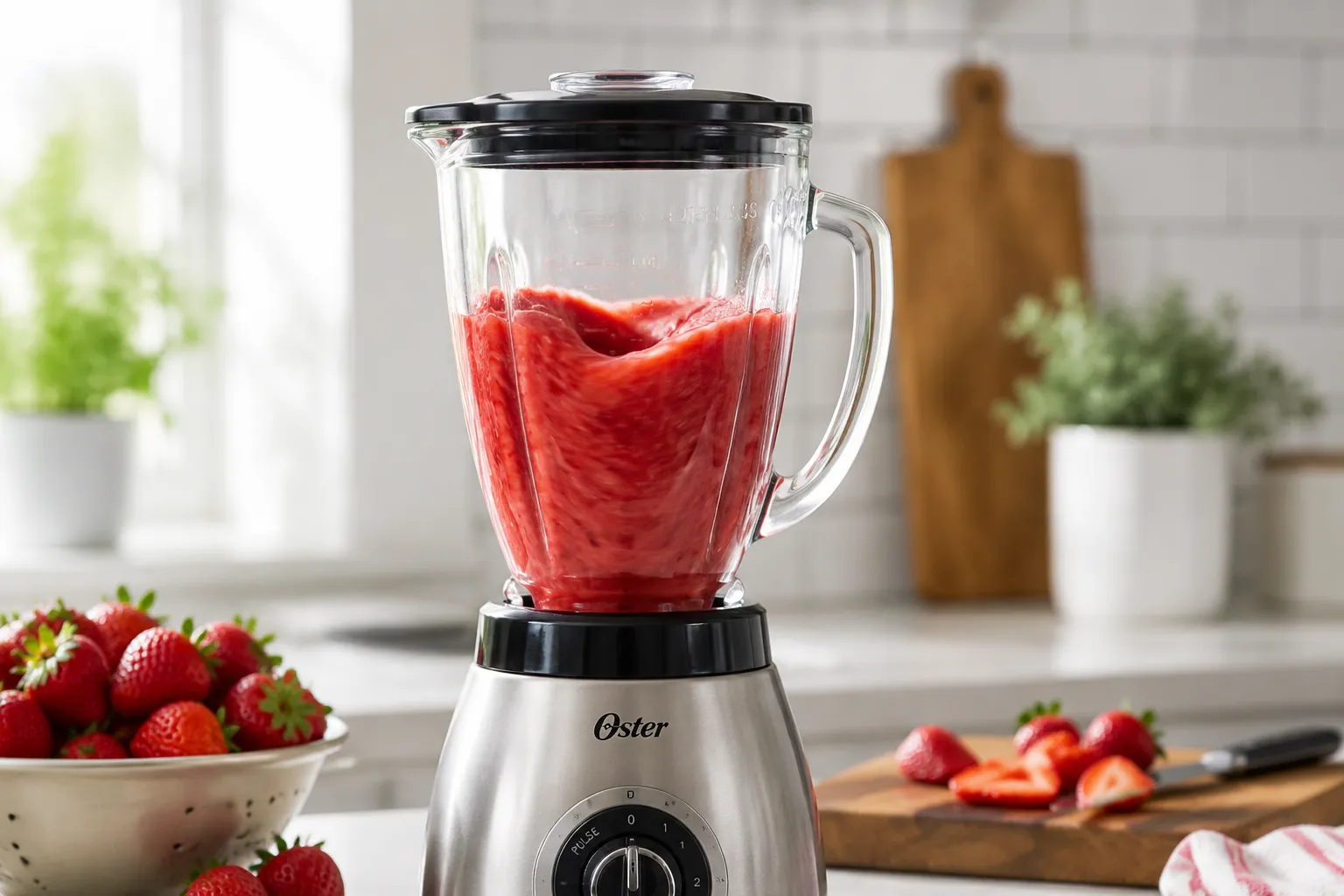
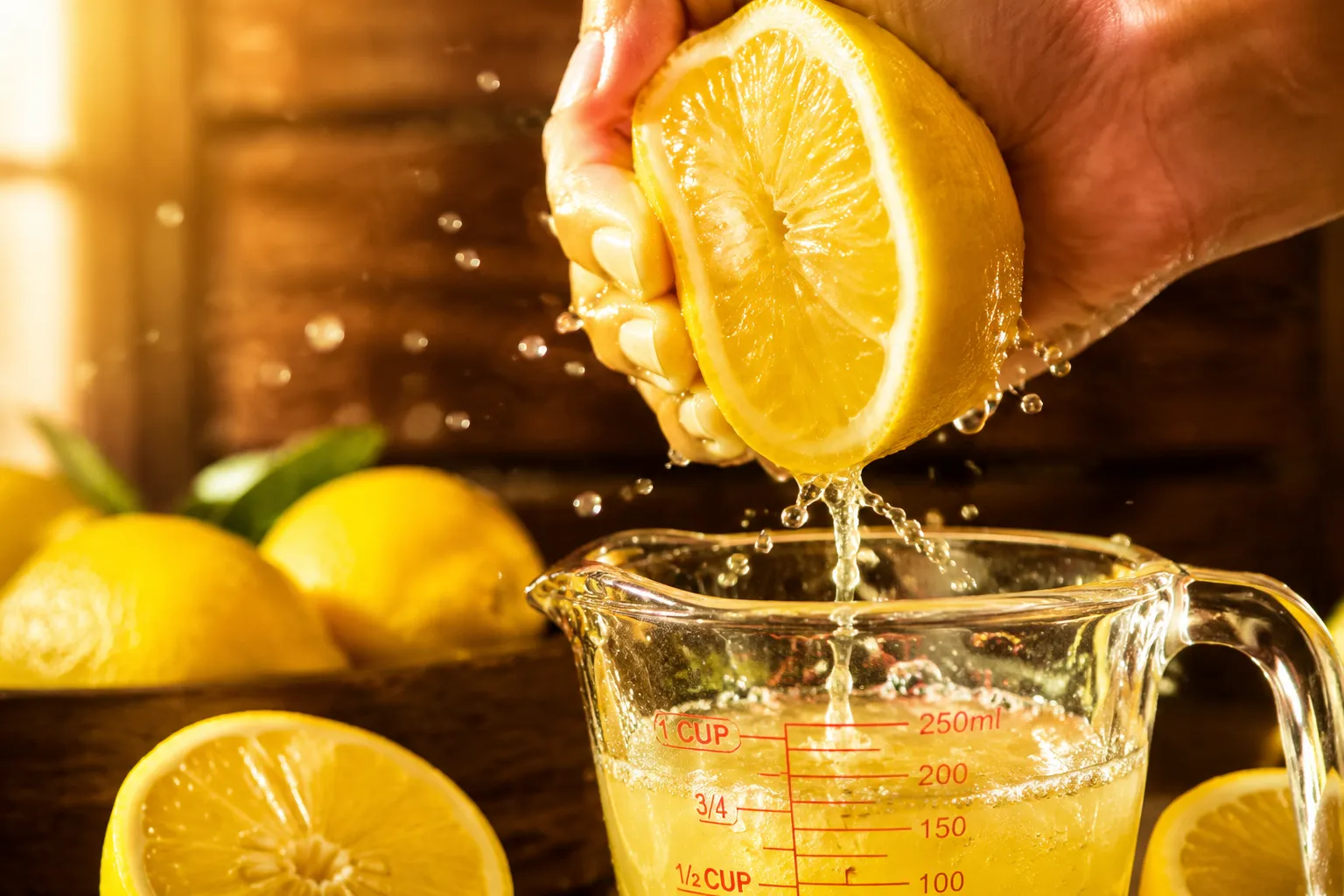
Drop the berries into a blender along with the lemon juice. Start on low to break them down, then ramp to high for thirty to sixty seconds until the mixture is fully smooth and uniformly red. A standard countertop blender handles this easily; a high-powered blender like a Vitamix gets there in about twenty seconds. An immersion blender works too if that's what you have, just use a deep, narrow container so the puree doesn't splatter up the sides.
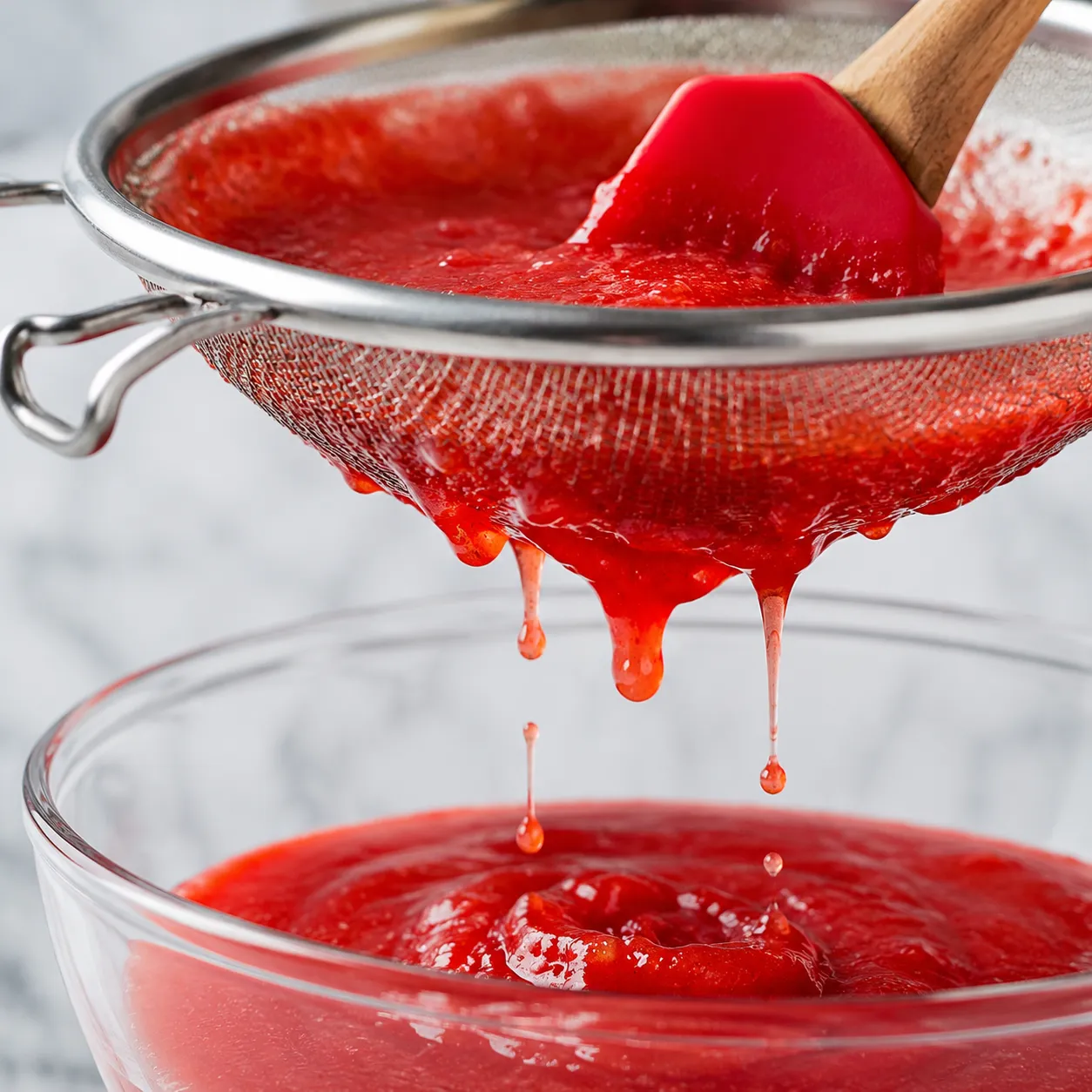
Now decide on texture. For a rustic sauce with the seeds intact, you can stop here. For a silky, seedless strawberry sauce with that polished restaurant look, pour the mixture into a fine-mesh strainer set over a bowl and use a flexible silicone spatula to press it through. Work in slow circles, scraping the bottom of the strainer often. You'll be left with a small pile of seeds and pulp, which I usually stir into oatmeal or smoothies rather than tossing.
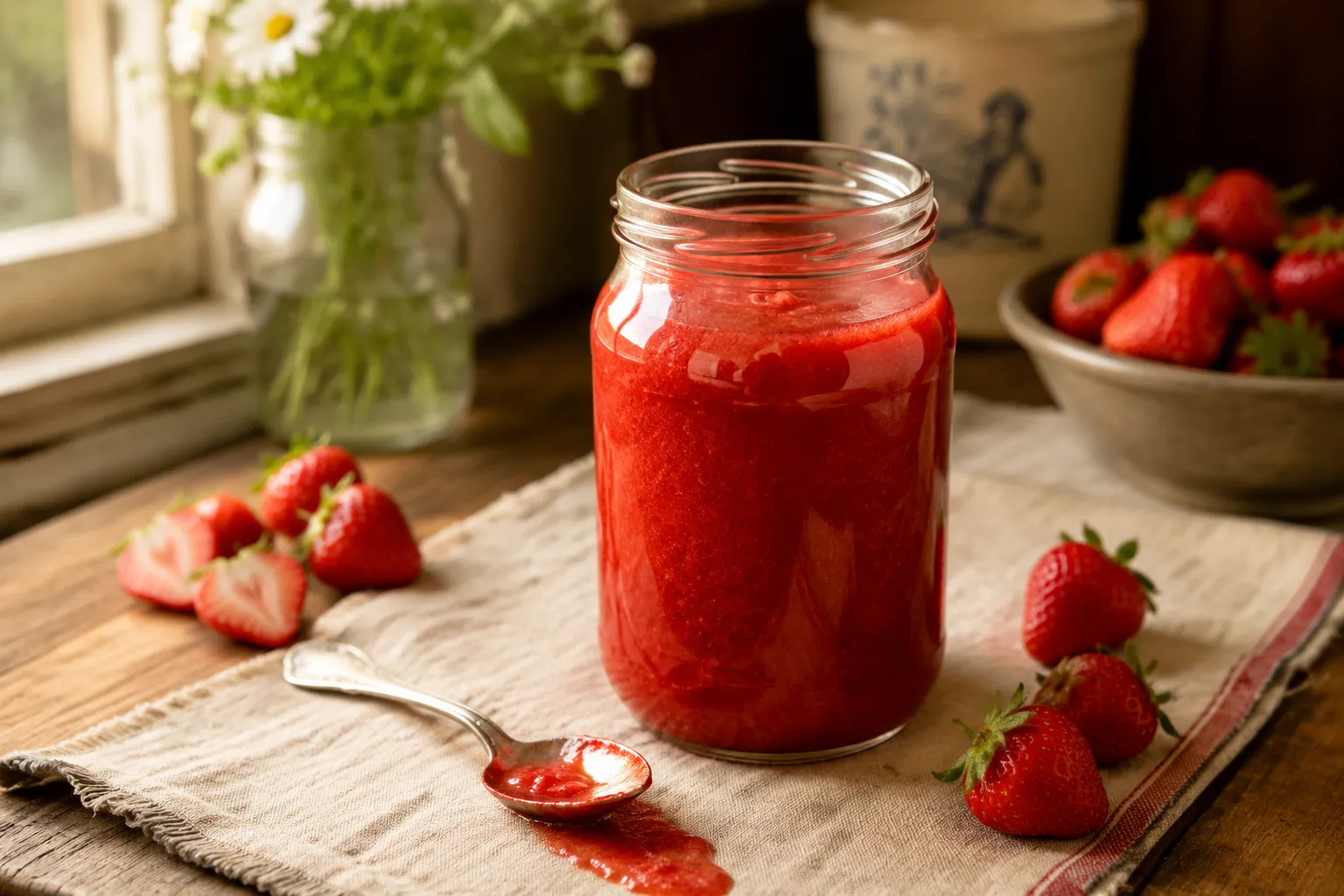
Finally, sweeten and balance. Stir in your sugar, honey, or maple, starting with one tablespoon and tasting before adding more. Add the vanilla now if you're using it. Whisk until the sweetener fully dissolves; granulated sugar should disappear within a minute. Taste one more time. If the flavor seems flat, add a few more drops of lemon juice; if it's too tart, another touch of sweetener. That's it.
You should end up with about a cup and a half of pourable, glossy sauce. It will thicken slightly as it chills.
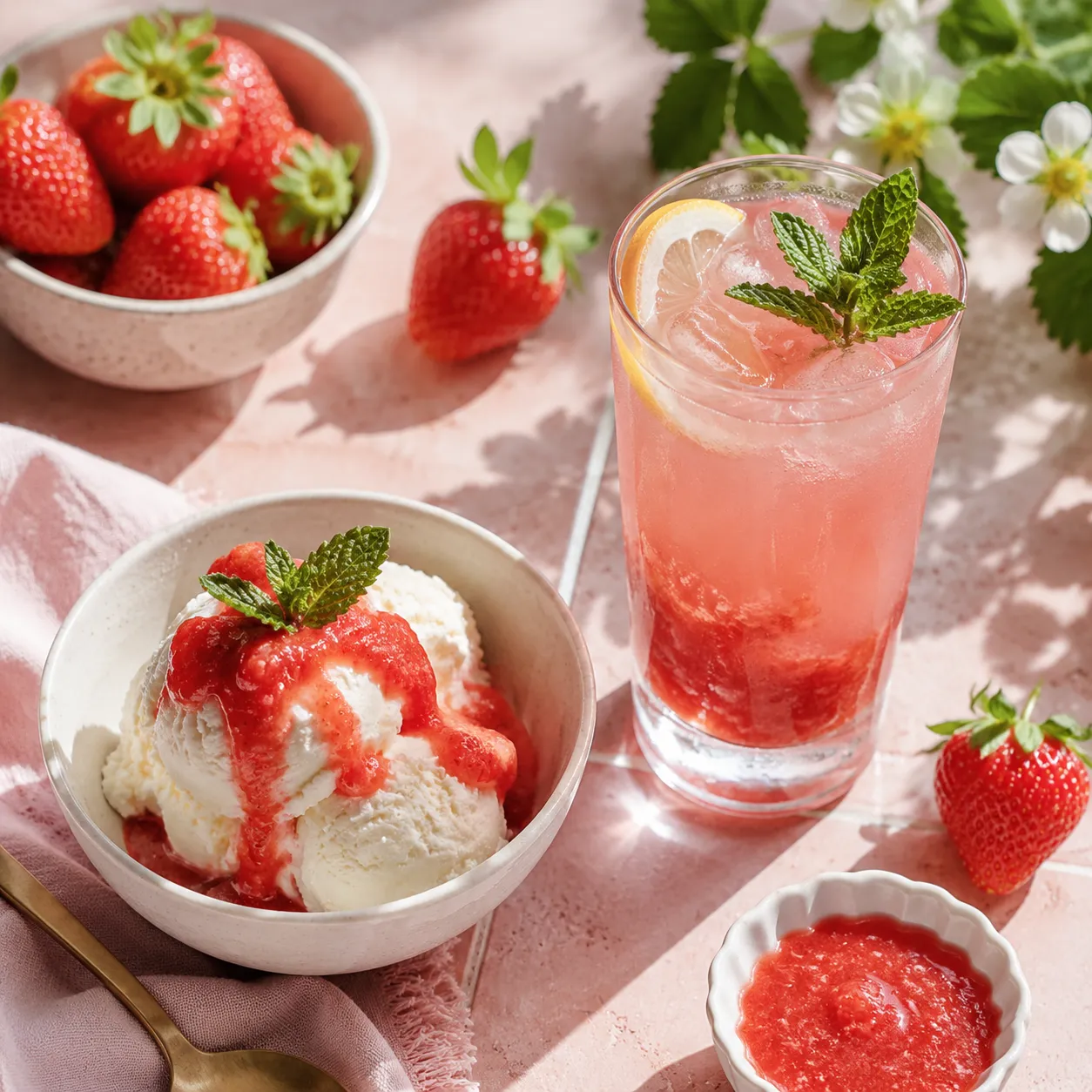
This is the fun part. Once you have a jar of it in the fridge, you'll start putting it on everything.
If you're already deep into fresh strawberry recipes this season, this sauce slots in alongside shortcakes, scones, and crepes. It's also a smart way to rescue berries that are slightly past their prime, once they're a little soft and dimpled, the flavor is actually more concentrated, which works in your favor here.
For a fancier presentation at dinner parties, plate desserts with a swoosh of sauce on the side. The seedless strawberry puree behaves like a true coulis: it sits exactly where you put it and photographs beautifully under any phone camera.
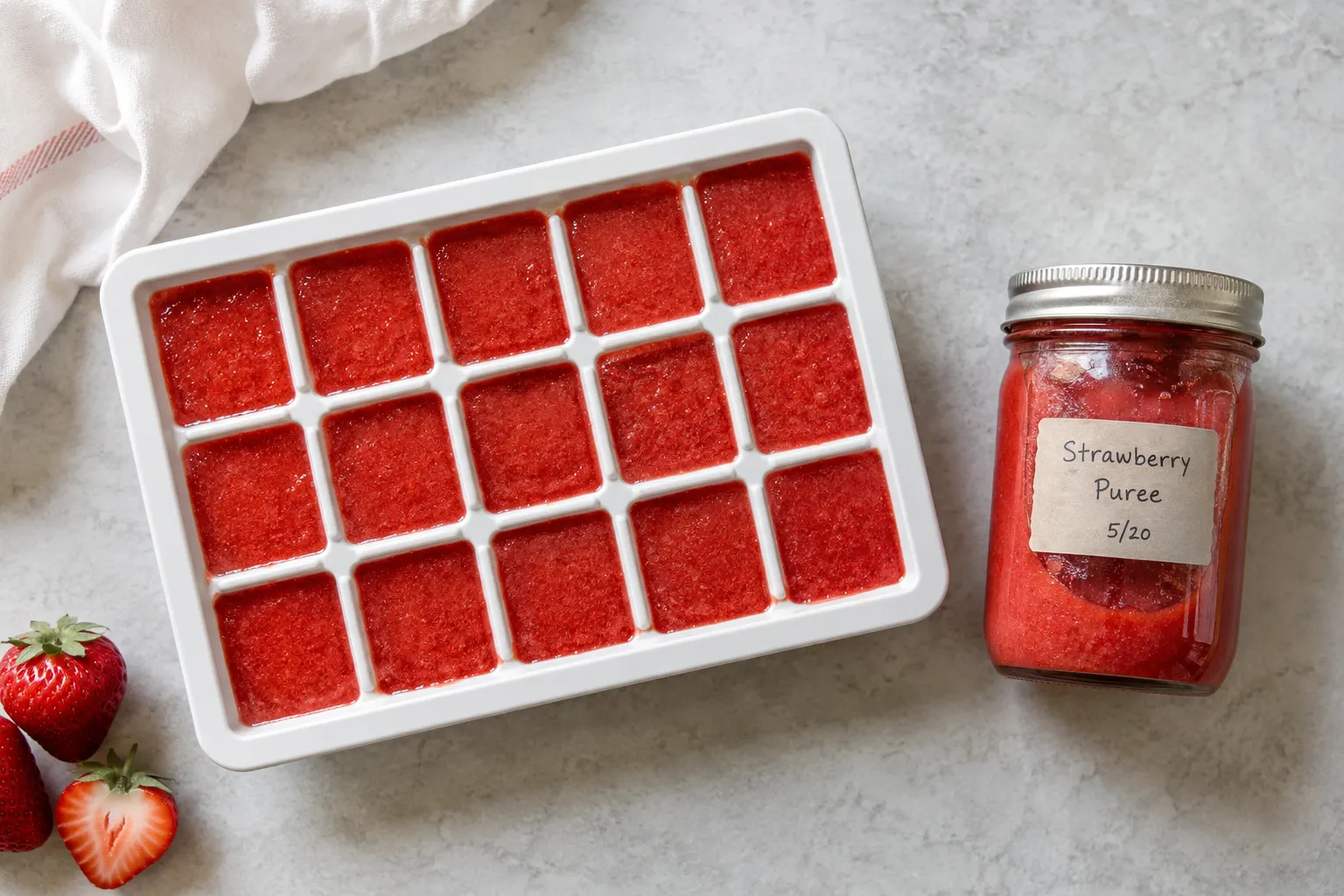
One batch of strawberry puree goes a long way, so I almost always double the recipe when berries are in peak season and stash extra for later. If you're new to how to freeze berries, the same logic applies here: portion into small amounts so you can thaw exactly what you need without refreezing the rest. Ice cube trays are the move, each cube is roughly two tablespoons, perfect for a single cocktail, smoothie, or yogurt swirl.
Pop frozen cubes into a zip-top bag once they're solid, label with the date, and pull out a few at a time. They thaw in about ten minutes on the counter, or you can drop them straight into a blender for a frozen drink.
This recipe is the kind of thing that earns a permanent spot on your kitchen rotation: five minutes, no stove, endless ways to use it. Make a jar this weekend and see how quickly it disappears.
Once you've nailed the base recipe, the flavor pivots are easy. Each of these starts with the same hulled berries and lemon juice, then adds one or two ingredients before blending. Strain or don't, depending on the look you want.
Refrigerate the finished sauce in a clean, airtight glass jar for up to 5 days. The flavor is brightest in the first 48 hours, so use it for showpiece desserts and cocktails early in the week and save the older sauce for swirling into smoothies, oatmeal, or yogurt where small flavor changes won't matter. Always use a clean spoon when scooping from the jar, dipping in a used spoon shortens the fridge life considerably.
For longer storage, freeze. Pour the puree into a silicone ice cube tray, freeze until solid (about 4 hours), then pop the cubes into a labeled zip-top freezer bag. They'll keep their color and flavor for up to 3 months. Thaw cubes in the fridge overnight, on the counter for 10-15 minutes, or drop them straight into a blender for frozen drinks. Avoid refreezing thawed sauce, the texture turns watery and the flavor flattens.