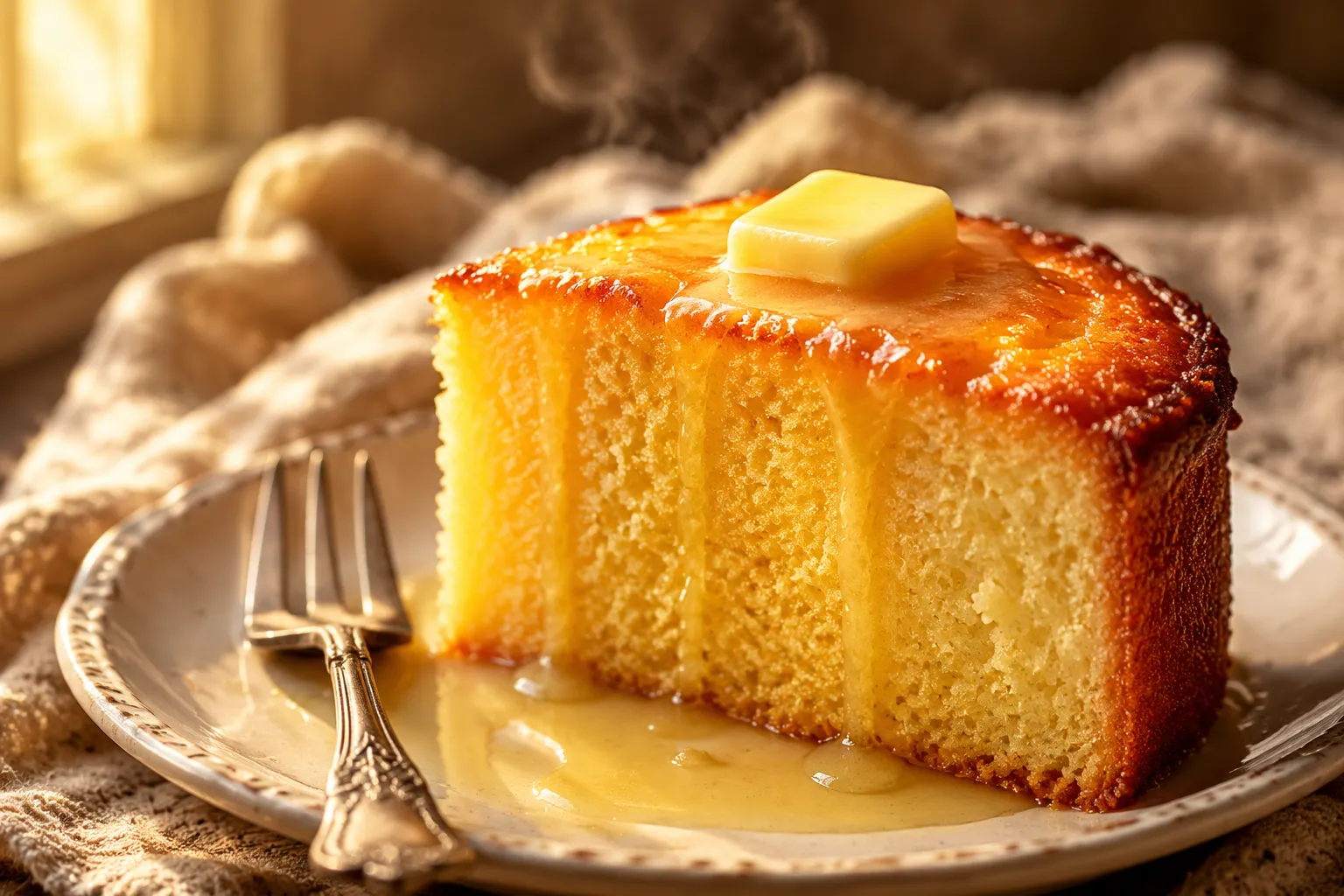
A buttery, tender, golden butter cake with a soft crumb and crackly sugar top. One bowl, pantry staples, and unforgettable old-fashioned flavor.
Why You'll Love This Recipe
Deep buttery flavor: Real butter is creamed into the batter and echoed again in the warm glaze, so every bite tastes rich and classic.
Soft, tender crumb: Cake flour, buttermilk, and the proper mixing method create a moist slice that is plush without being heavy.
Simple pantry ingredients: No specialty fillings or fussy decorations are required, just dependable baking staples used well.
Beginner-friendly: The method is straightforward, and the recipe gives you clear visual cues for mixing, baking, and glazing.
Perfect for any occasion: Serve it plain for coffee, dress it up with berries, or bring it to a potluck where it will disappear fast.
This butter cake is the kind of old-fashioned dessert that makes a kitchen smell like vanilla, sugar, and Sunday afternoon. It bakes up golden and tender with a fine, plush crumb, then gets brushed with a warm butter glaze that seeps into the cake just enough to make every slice taste rich, nostalgic, and quietly luxurious.
Unlike a showy layer cake, this is a simple bake with pantry staples and a deeply comforting flavor. Think of it as the beloved cousin of a pound cake recipe, but lighter, softer, and easier to serve with coffee, berries, or a cloud of whipped cream. If you love homemade yellow cake but want something a little more buttery and Southern at heart, this one belongs in your recipe box.
What Is a Classic Southern-Style Buttercake?
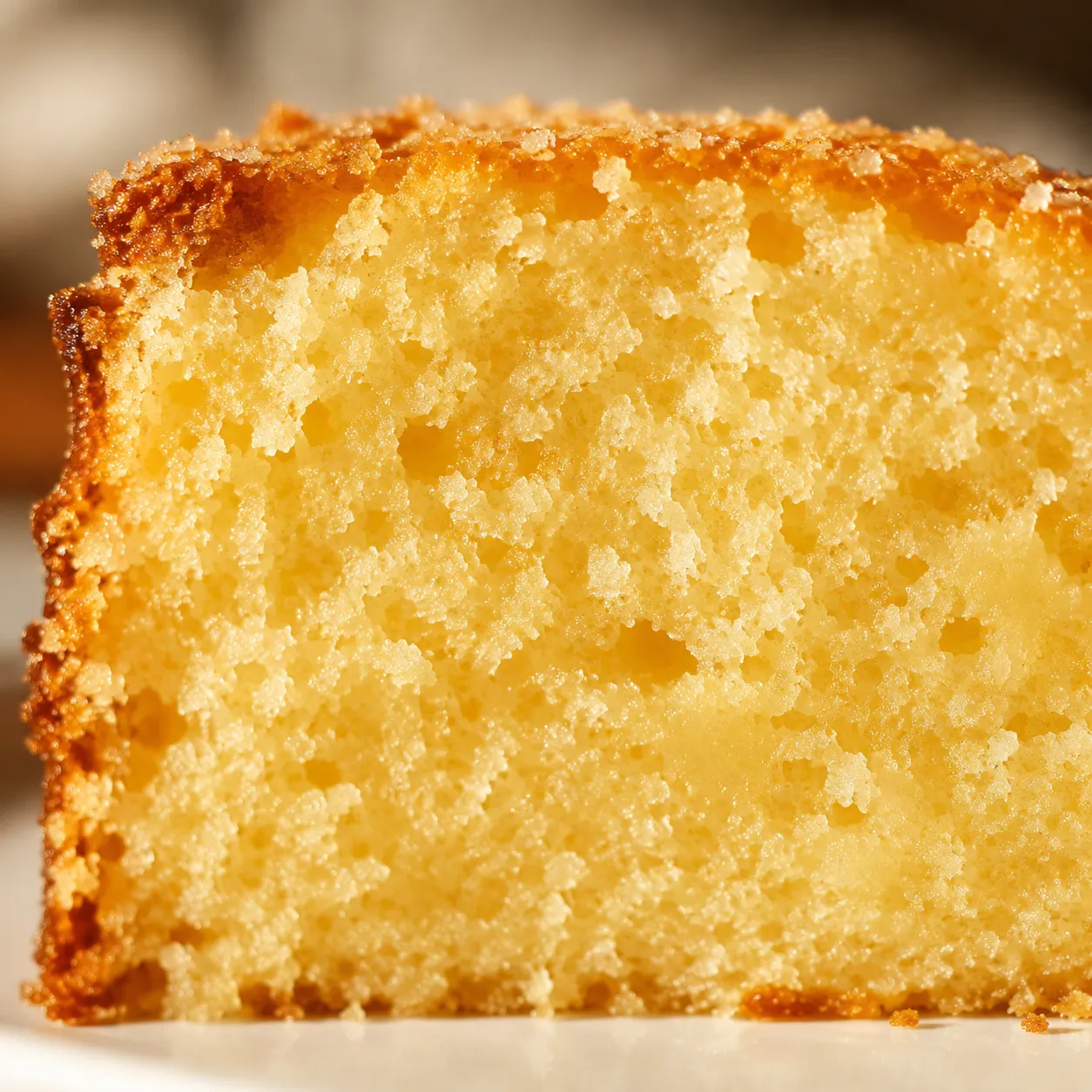
A classic buttercake is built on a simple ratio of butter, sugar, eggs, flour, and dairy, but the magic is in the method. Creaming softened butter with sugar traps tiny pockets of air, which expand in the oven and create that soft, even texture. Baking powder and baking soda give the cake a gentle lift, while buttermilk keeps the crumb moist and slightly tangy. The result is not as dense as pound cake and not as airy as a boxed yellow cake; it lands right in that dreamy middle.
Southern-style versions often lean extra rich, with a glossy glaze poured or brushed over the warm cake. Kentucky-style cakes are famous for this step, and the glaze gives the top a delicate sugary finish while soaking into the edges. Gooey butter cake is a different, St. Louis-style dessert with a dense cake base and creamy topping, but it shares the same love of butter-forward flavor. If you have ever searched for “butter cake cake” trying to figure out the difference, this recipe is the straightforward, traditional version to start with.
Ingredients for a Tender Golden Cake
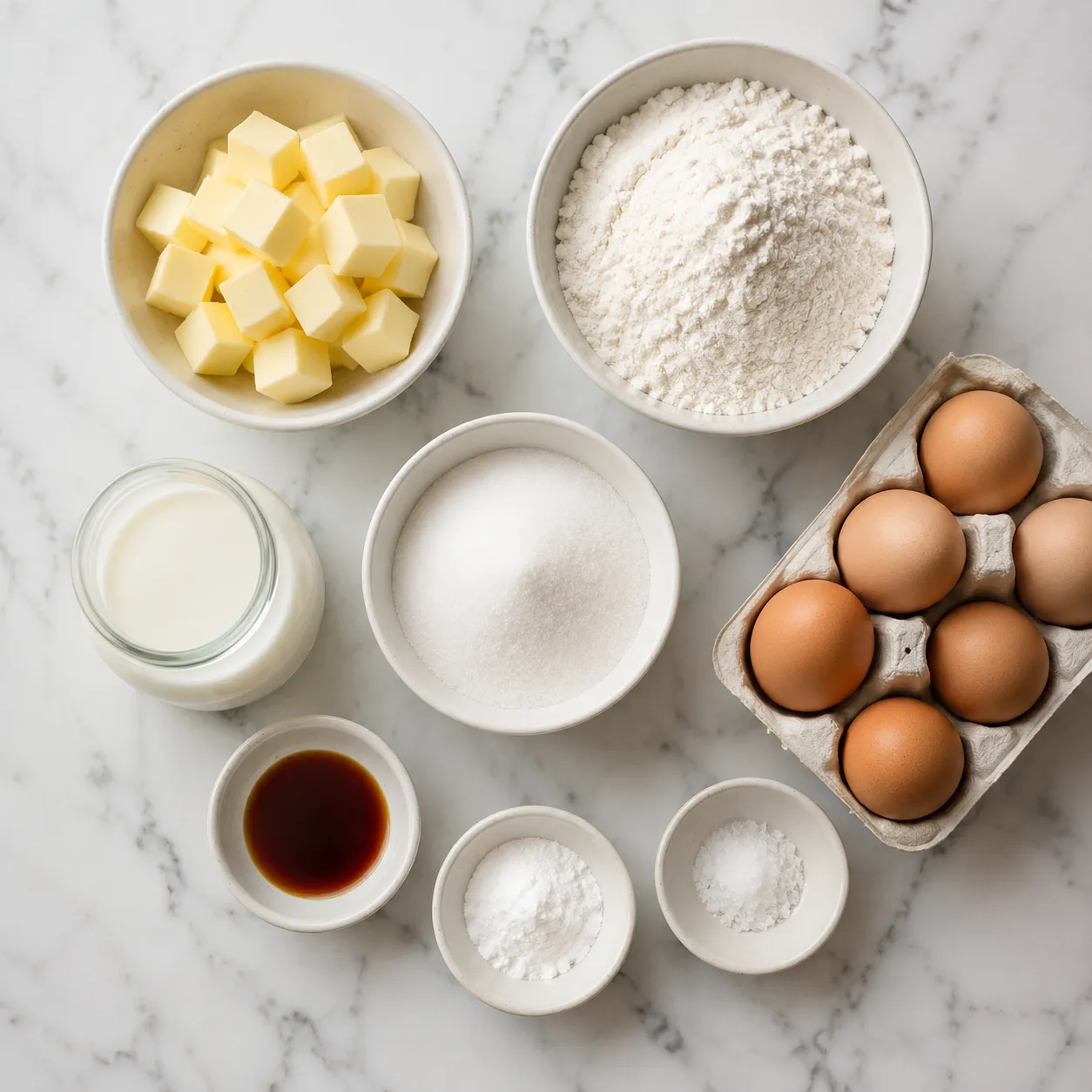
The ingredient list is humble, but each piece matters. Real unsalted butter is the backbone of the flavor, so this is not the place for margarine or a low-fat substitute. Granulated sugar sweetens the cake and helps build volume during creaming, while eggs add structure, richness, and color. Buttermilk brings moisture and acidity, helping the baking soda work while keeping the finished slice beautifully soft.
Cake flour gives the most delicate texture because it has a lower protein content than all-purpose flour. If you are weighing the choice of cake flour vs all-purpose, cake flour wins for the finest tender crumb, though all-purpose can work in a pinch if measured carefully. Vanilla extract rounds out the butter flavor and makes the cake taste warm and bakery-like. A little fine sea salt keeps the sweetness balanced so each bite tastes buttery rather than flat.
The Mixing Method That Makes the Crumb So Soft
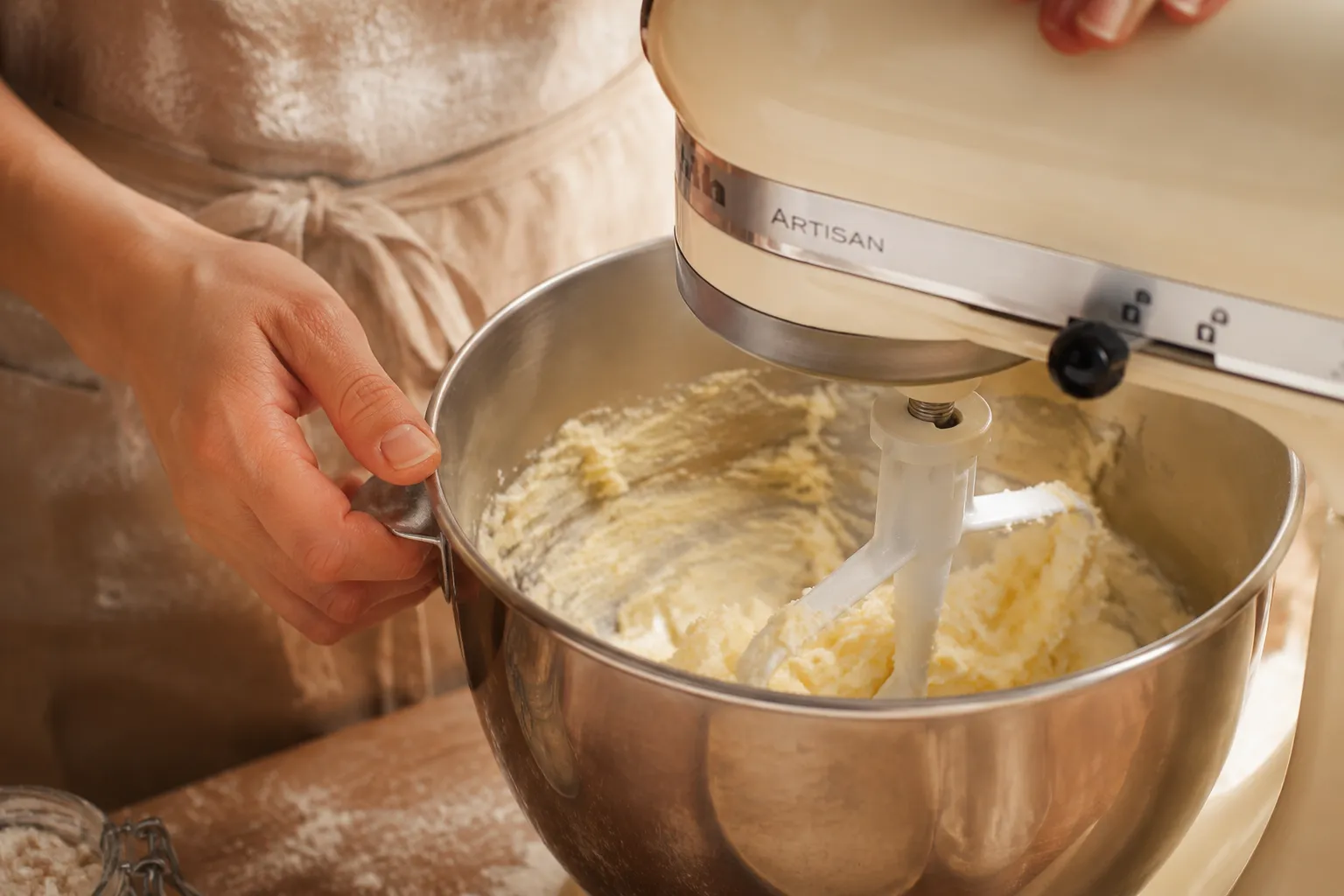
The creaming step is where this recipe begins to become something special. Soft butter and sugar should be beaten until the mixture looks pale, fluffy, and slightly increased in volume. This usually takes longer than many bakers expect, often 3 to 5 minutes in a stand mixer. That air is what gives the cake lift and helps create a tender crumb without relying on a complicated technique.
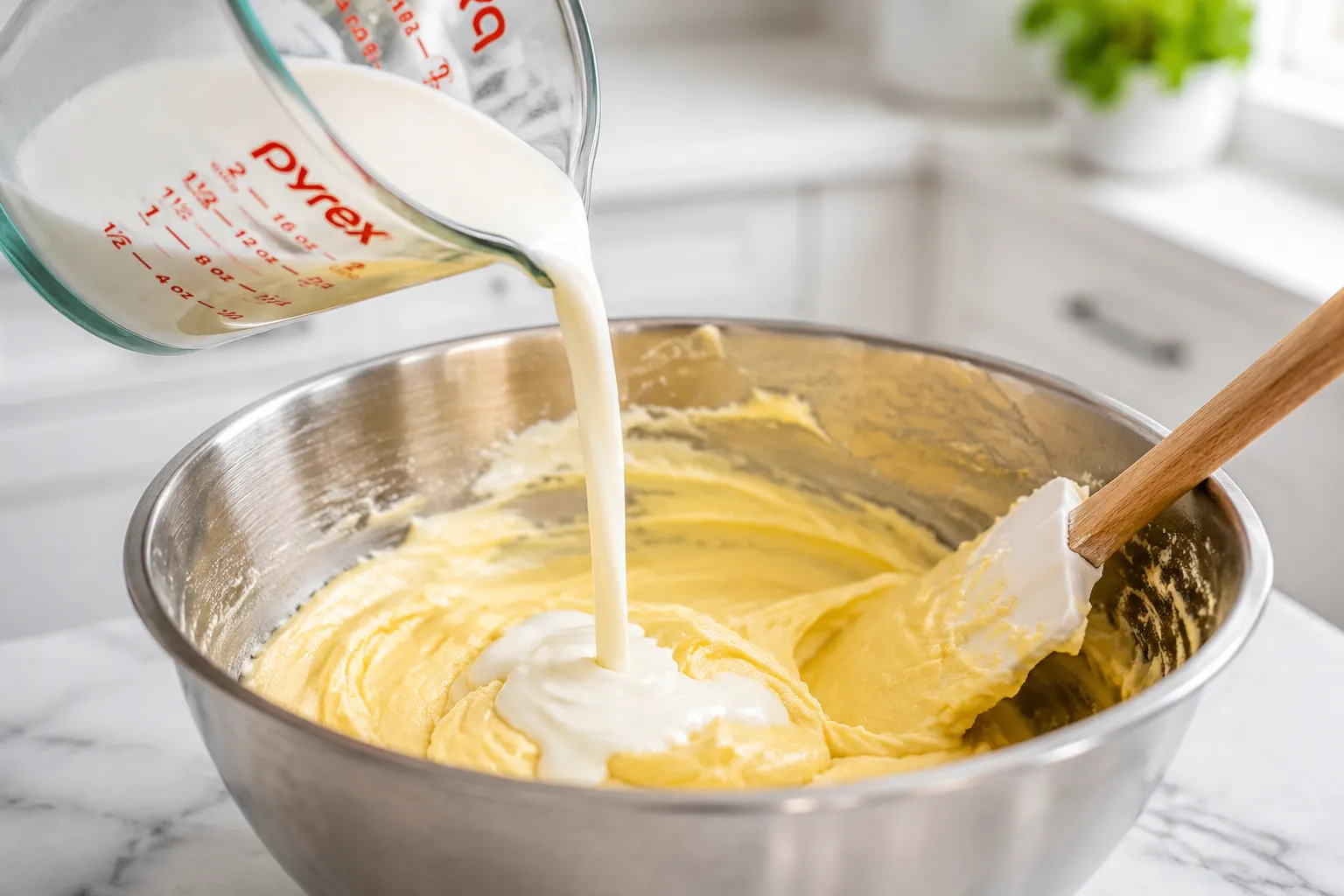
Once the eggs go in, add them one at a time and let each fully blend before adding the next. This keeps the mixture emulsified and silky instead of broken or curdled. The dry ingredients and buttermilk are added in alternating additions, beginning and ending with the flour mixture. Alternating matters because it keeps the batter stable and prevents overworking the flour.
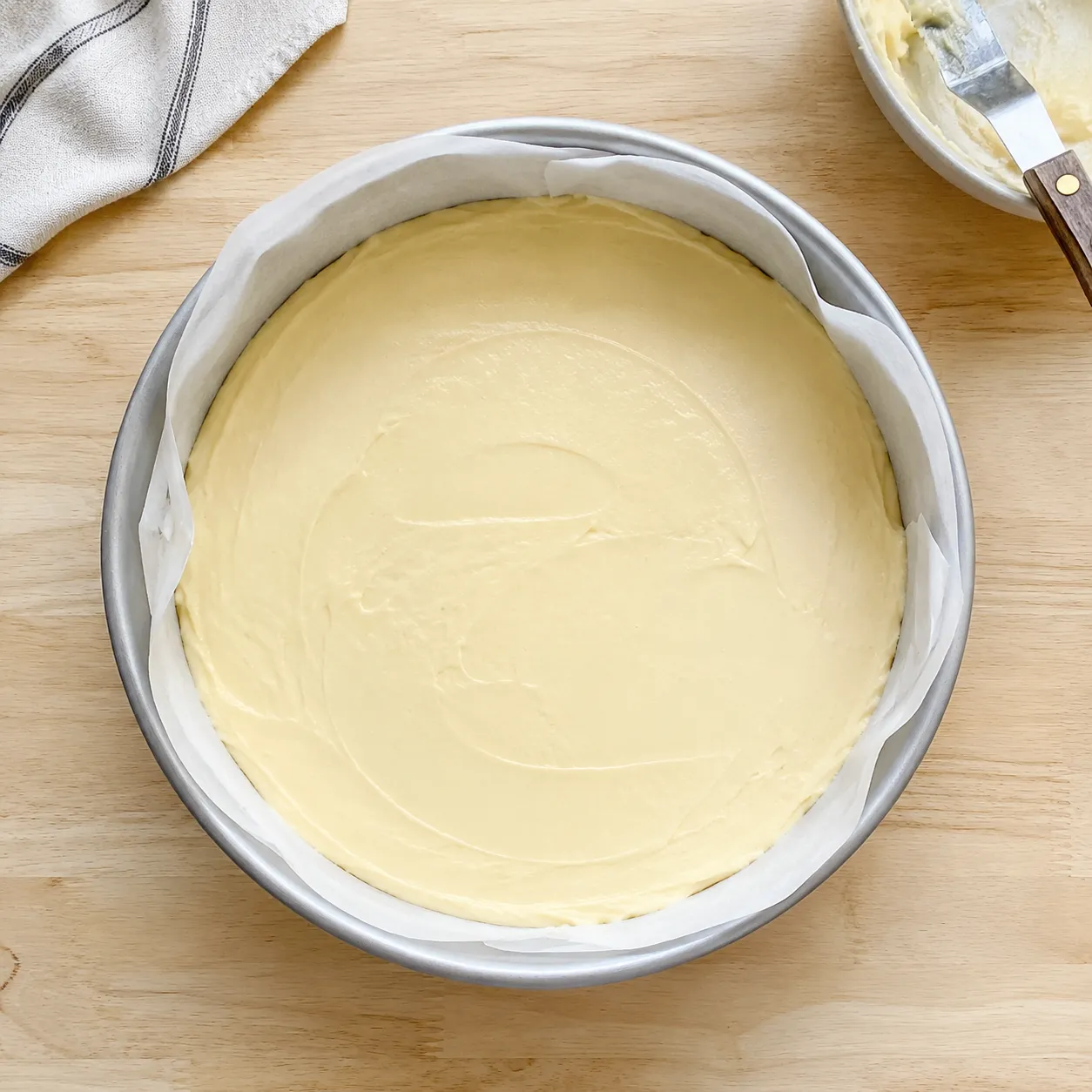
Use a spatula to scrape the bowl often, especially around the bottom where butter can hide. The batter should be thick, creamy, and pale yellow, not loose or foamy. If you have made a Bundt cake recipe before, the texture will feel familiar, though this one is designed for a simpler round or square pan. Stop mixing as soon as the last streaks of flour disappear, because overmixing can make even a well-measured cake turn firm.
Baking and Glazing the Old-Fashioned Way
Spread the batter evenly into the prepared pan and smooth the top with an offset spatula. A level surface helps the cake bake evenly and gives the glaze a nice place to settle later. The cake is done when the top is deep golden, the edges pull slightly from the pan, and a toothpick inserted in the center comes out with a few moist crumbs. If it comes out wet with batter, give it a few more minutes; if it comes out completely dry, the cake may be close to overbaked.
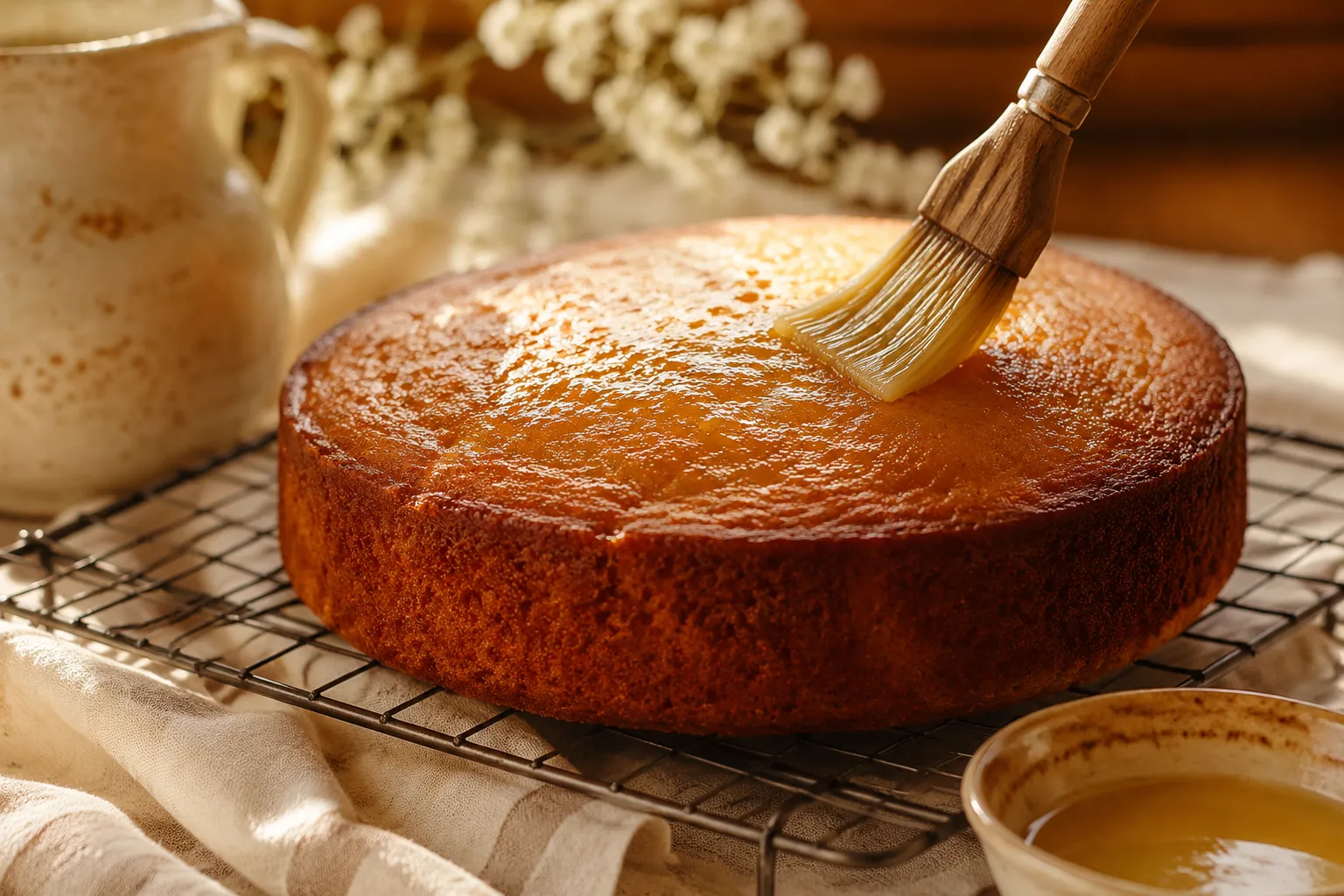
The warm butter glaze is what makes this butter cake recipe feel truly special. While the cake is still warm, the glaze is brushed or spooned over the top so it can slip into tiny holes and settle into the crumb. It is made with butter, sugar, a splash of water or cream, vanilla, and a pinch of salt, then warmed just until smooth and glossy. The surface turns shiny at first, then sets into a soft, crackly layer as it cools.
Let the cake rest before slicing so the glaze has time to settle. This is the hardest part, because the buttery vanilla aroma is almost unfair. Still, a short cooling time gives cleaner slices and a more even texture. The finished cake should feel moist but not wet, rich but not heavy, and sturdy enough to serve plain or dressed up.
How This Cake Compares to Other Vanilla Cakes
This cake lives in the same cozy neighborhood as several American bakery classics, but it has its own personality. A pound cake recipe is typically denser and traditionally made with equal weights of butter, sugar, eggs, and flour. A homemade yellow cake is usually softer and more layer-cake friendly, often paired with vanilla buttercream frosting for birthdays. This recipe sits between them, with the buttery depth of a pound cake and the gentle lift of a tender snack cake.
The glaze also sets it apart from a standard vanilla cake. Instead of frosting, the buttery syrup melts into the warm crumb and creates flavor from the inside out. That makes it ideal when you want dessert that feels complete without decorating. It also travels well, which is why cakes like this are so welcome at potlucks, church suppers, family reunions, and holiday dessert tables.
Serving Suggestions for a Buttery Dessert
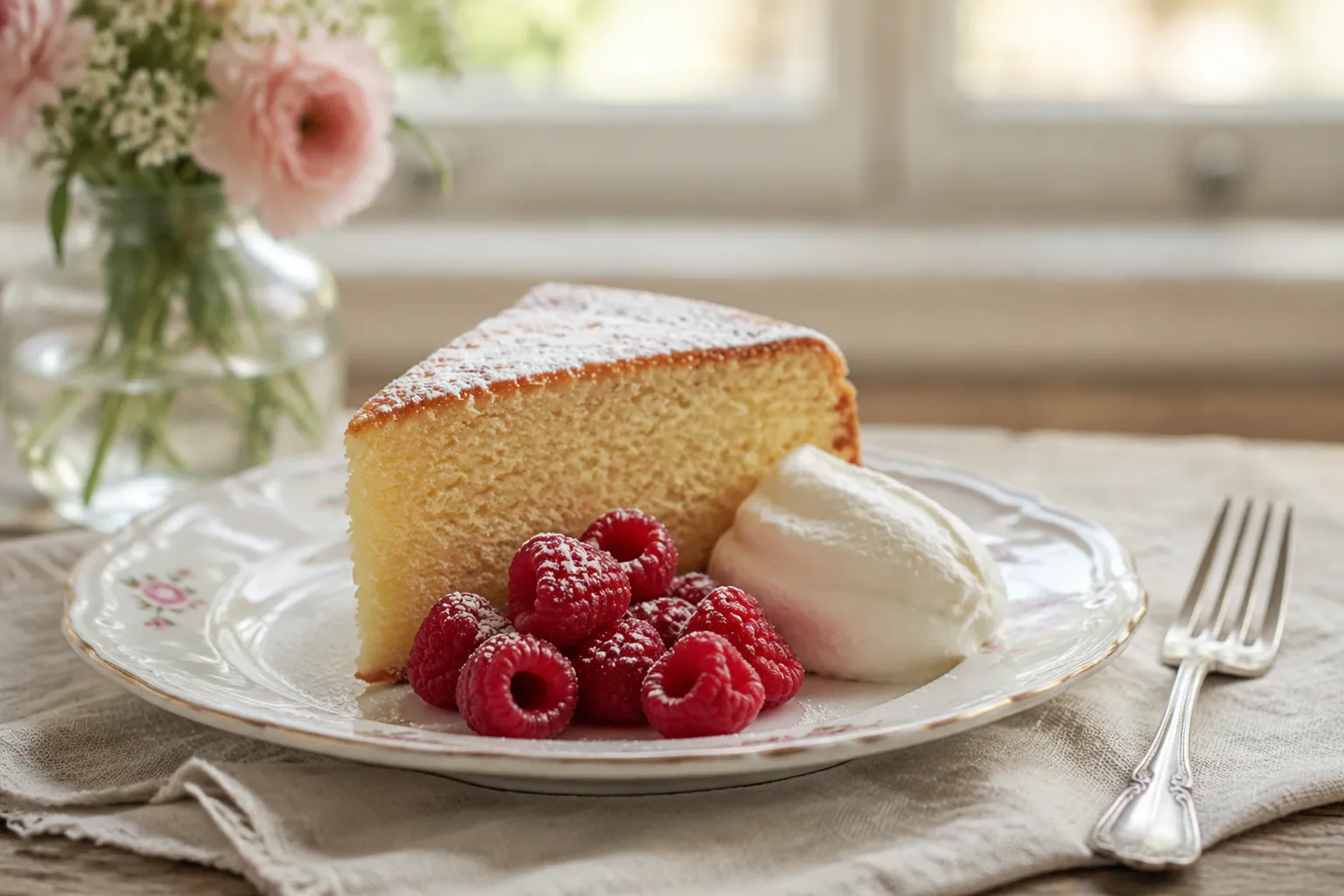
This cake is lovely all on its own, especially with hot coffee or a glass of cold milk. For a simple dessert plate, add fresh berries, lightly sweetened whipped cream, and a dusting of powdered sugar. Strawberries, raspberries, and blueberries all bring a bright, juicy contrast to the rich vanilla crumb. A spoonful of lemon curd or warm peach compote is also beautiful if you want a seasonal touch.
For celebrations, you can serve slices with a scoop of vanilla ice cream and an extra drizzle of warm glaze. If you want a more bakery-style finish, a thin layer of vanilla buttercream frosting can work, but keep it light so the buttery flavor still shines. The cake is also wonderful toasted briefly in a skillet, where the edges caramelize and the center softens. That little trick turns leftover slices into something that tastes freshly baked.
Make-Ahead Notes for Reliable Results
This is a forgiving cake to make ahead because the glaze helps lock in moisture. In fact, many bakers find the flavor is even better the next day, once the butter, vanilla, and sugar have had time to mingle. If you are baking for a gathering, make it the night before and let it cool completely before wrapping. The texture stays soft, and the top develops that delicate sugar-kissed finish.
When baking ahead, avoid cutting the cake until you are ready to serve if possible. Whole cakes hold moisture better than individual slices, though slices are convenient for lunch boxes and freezer treats. If the room is warm, keep the cake loosely covered in a cool spot rather than near a sunny window or hot stove. Serve at room temperature for the best flavor, since butter tastes richest when it is not cold from the refrigerator.
A Cozy Cake Worth Keeping on Repeat
This is the kind of recipe that proves simple baking can still feel memorable. With good butter, proper creaming, a splash of buttermilk, and a warm butter glaze, a short list of ingredients turns into a golden cake with old-fashioned charm. It is easy enough for beginners but satisfying enough for experienced bakers who appreciate a reliable classic. Once you know the rhythm of the batter and the glaze, you will find yourself making it for birthdays, Sunday dinners, and quiet afternoons when only a slice of something buttery will do.
💡 Expert Tips
Use room-temperature ingredients. Soft butter, room-temperature eggs, and room-temperature buttermilk blend into a smoother batter and help the cake rise evenly.
Cream thoroughly, then mix gently. Beat the butter and sugar until fluffy, but once the flour goes in, mix only until combined to protect the tender texture.
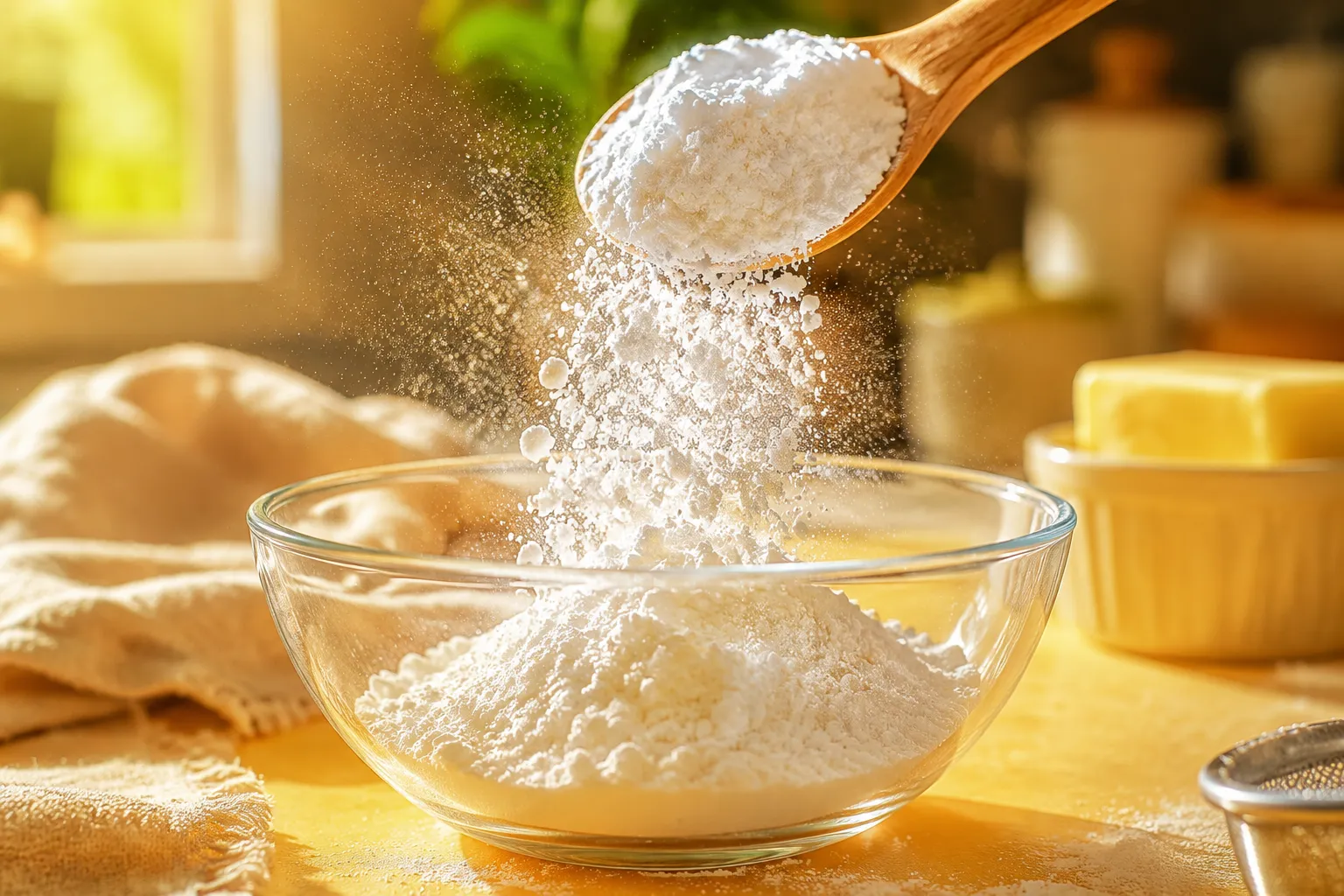
Measure flour carefully. Spoon flour into the measuring cup and level it off, or use a kitchen scale if you have one. Too much flour is one of the quickest ways to make the cake dense.
Glaze while warm. The cake should be warm enough to absorb the butter glaze but not so hot that it falls apart when touched.
Check for moist crumbs. A toothpick should come out with a few soft crumbs attached, not wet batter and not completely dry.
🔄 Variations & Substitutions
This recipe is a beautiful base for small flavor changes, pan swaps, and seasonal serving styles. Keep the core method the same, then adjust the add-ins or presentation to match the occasion.
Citrus version: Add 1 tablespoon lemon or orange zest to the sugar before creaming for a bright, fragrant cake.
Almond vanilla: Replace 1/2 teaspoon of the vanilla with almond extract for a bakery-style flavor.
Bundt-style cake: Bake in a well-greased 10-cup Bundt pan and add the glaze after unmolding.
Loaf cakes: Divide batter between two loaf pans and start checking early, since timing will vary by pan size.
Dessert plate: Serve with berries, whipped cream, powdered sugar, caramel sauce, or warm fruit compote.
🧊 Storage & Leftovers
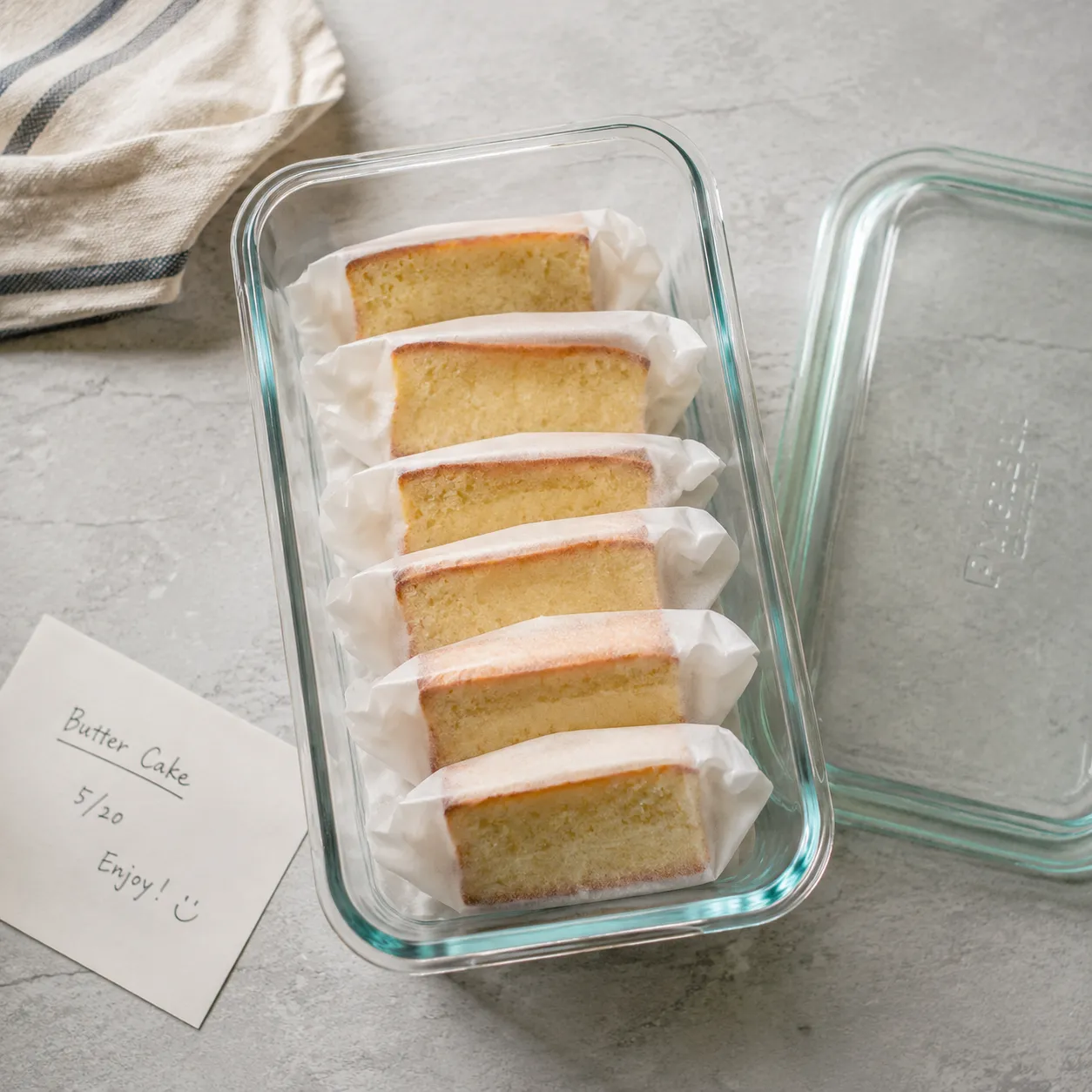
Store the cooled cake tightly covered at room temperature for up to 3 days. Because the glaze adds moisture, the cake keeps especially well, but it should be protected from air so the cut edges do not dry out. For longer storage, refrigerate for up to 1 week, then bring slices to room temperature before serving for the best buttery flavor.
To freeze, wrap individual slices or a whole cooled cake tightly in plastic wrap, then place in a freezer-safe bag or airtight container. Freeze for up to 3 months. Thaw overnight in the refrigerator or at room temperature, and warm slices for a few seconds in the microwave if you want that just-baked softness.
Frequently Asked Questions
What is the difference between butter cake and pound cake?
Pound cake is traditionally made with equal weights of butter, sugar, eggs, and flour, and many old-fashioned versions do not rely on chemical leavening. That gives pound cake its signature dense, tight crumb. Butter cake uses a similar butter-forward foundation, but it includes baking powder and usually milk or buttermilk, which makes the texture lighter and softer. This recipe also includes a warm glaze, so it feels moist and rich without being as heavy as a classic pound cake.
Can I make butter cake without buttermilk?
Yes, you can make a simple buttermilk substitute with ingredients you probably already have. Add 1 tablespoon lemon juice or white vinegar to a liquid measuring cup, then pour in enough whole milk to equal 1 cup. Stir and let it sit for about 5 minutes, until slightly thickened and tangy. It will not be quite as rich as cultured buttermilk, but it will provide the acidity needed for a tender crumb and proper rise.
Why did my butter cake turn out dense?
A dense cake usually comes from one of three things: ingredients that were too cold, batter that was overmixed after the flour was added, or too much flour in the measuring cup. Make sure the butter is soft enough to cream properly, and let eggs and buttermilk come to room temperature before mixing. When measuring flour, spoon it into the cup and level it off instead of scooping directly from the bag. Once the dry ingredients are added, mix gently and stop as soon as the batter is smooth.
Can I bake this butter cake in a Bundt pan?
Absolutely. Use a 10-cup Bundt pan and grease it very thoroughly, making sure to coat every ridge and curve. Bake at 325°F for about 55 to 65 minutes, checking with a toothpick near the center of the ring. Let the cake cool in the pan for about 15 minutes before turning it out onto a rack. Brush or spoon the warm glaze over the unmolded cake so it can soak into the top and sides.
How long does butter cake stay fresh?
Tightly wrapped at room temperature, the cake stays moist and delicious for about 3 days. If you need to keep it longer, refrigerate it in an airtight container for up to 1 week, though the texture is best when slices are brought back to room temperature before serving. For longer storage, freeze well-wrapped slices or the whole cake for up to 3 months. Thaw gently and warm briefly if desired.