French Toast Recipe: Fluffy, Golden, and Foolproof
4.8 from 12 reviews
0SHARES
Now Playing
French Toast Recipe: Fluffy, Golden, and Foolproof
0:00
0:00
The only french toast recipe you need: thick-cut, custardy in the middle, golden and crisp on the outside, and ready in about 20 minutes.
Why You'll Love This Recipe
Diner-style in 20 minutes: You get golden, buttery slices with a tender custardy middle without waiting for a reservation or heating the oven.
Reliable custard ratio: The higher egg-to-milk balance helps the toast set beautifully instead of turning soggy.
Flexible bread options: Brioche, challah, Texas toast, or sturdy day-old sandwich bread all work well.
Easy to scale: Make a full brunch batch, a single serving, or turn the same flavors into a baked casserole.
Classic toppings welcome: Butter, maple syrup, powdered sugar, berries, nuts, or jam all taste right at home here.
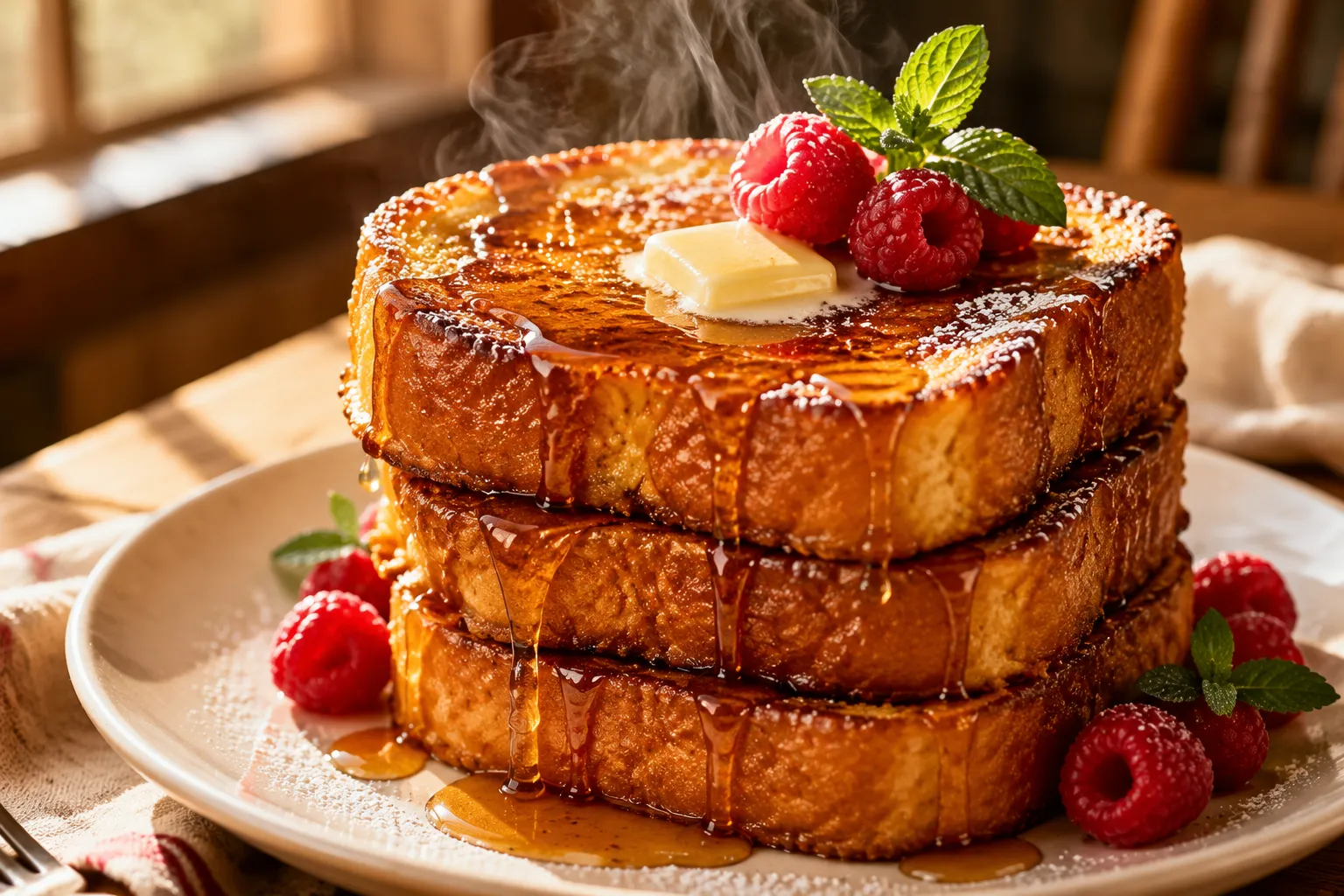
This french toast recipe is the kind of breakfast that makes a regular morning feel like a tiny celebration: buttery edges, a soft custardy center, and warm maple syrup sliding into every golden corner. It comes together in about 20 minutes, but tastes like something you would order at a cozy neighborhood brunch spot with strong coffee and a sunny window seat.
The secret is not a complicated ingredient list or a fancy technique; it is the ratio. A little more egg than many recipes use creates a rich egg custard that clings to thick-cut bread without turning it soggy. Add vanilla, cinnamon, a pinch of salt, and a quick dip in the bowl, and you get fluffy french toast with crisp, buttery edges every time.
This is the breakfast I make when I want something special but not fussy. It is quick enough for a sleepy Saturday, easy enough for a weekday birthday breakfast, and flexible enough to turn into a pan of baked french toast when you are feeding a bigger table. If pancakes are more your mood next weekend, keep homemade buttermilk pancakes in your back pocket, but today we are giving toast its golden, custardy moment.
Ingredients for Golden, Custardy French Toast
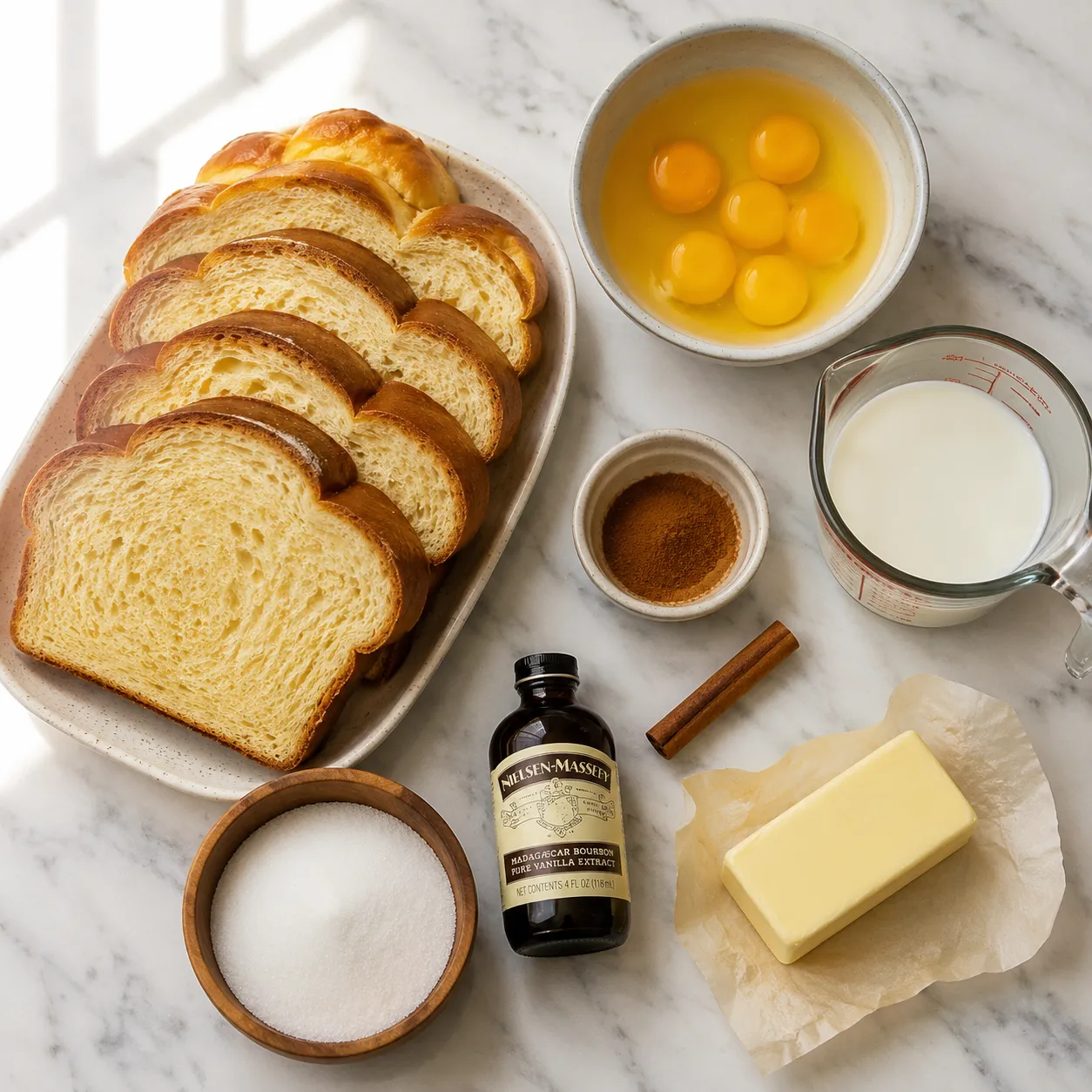
Classic french toast starts with everyday ingredients, but each one has a job to do. Eggs give structure and richness, milk loosens the custard so it soaks into the bread, vanilla brings that bakery-style warmth, and cinnamon adds cozy spice without taking over. A spoonful of sugar is optional, but I like it because it helps the surface caramelize in the skillet. Salt is small but important; it keeps the custard from tasting flat and makes the butter and maple syrup pop.
For the bread, choose slices that are thick enough to absorb custard while still holding their shape. Brioche, challah, and Texas toast are the big three because they are sturdy, plush, and tender. If you love an extra rich diner-style plate, brioche french toast is the dream: buttery, lightly sweet, and soft through the middle. Day-old bread is even better than fresh because it drinks in the custard instead of collapsing.
If you are shopping specifically for this breakfast, look for the best brioche bread you can find and slice it about 3/4 to 1 inch thick. If your loaf is very fresh, leave the slices out on a rack for 20 to 30 minutes while you make coffee, set the table, or warm the skillet. Slightly dried edges are a good thing here. They help the bread soak evenly and keep the finished toast from feeling wet.
The Custard Ratio That Makes It Foolproof
The heart of this french toast recipe is a simple custard: 4 large eggs to 1 cup of whole milk for 8 thick slices of bread. That higher egg-to-milk balance gives the slices enough richness to set in the pan, so the inside tastes creamy and tender rather than milky or mushy. Whole milk is my default because it is creamy without being heavy, but half-and-half makes an extra indulgent version for holidays. If using a thinner milk, be especially careful not to soak the bread too long.
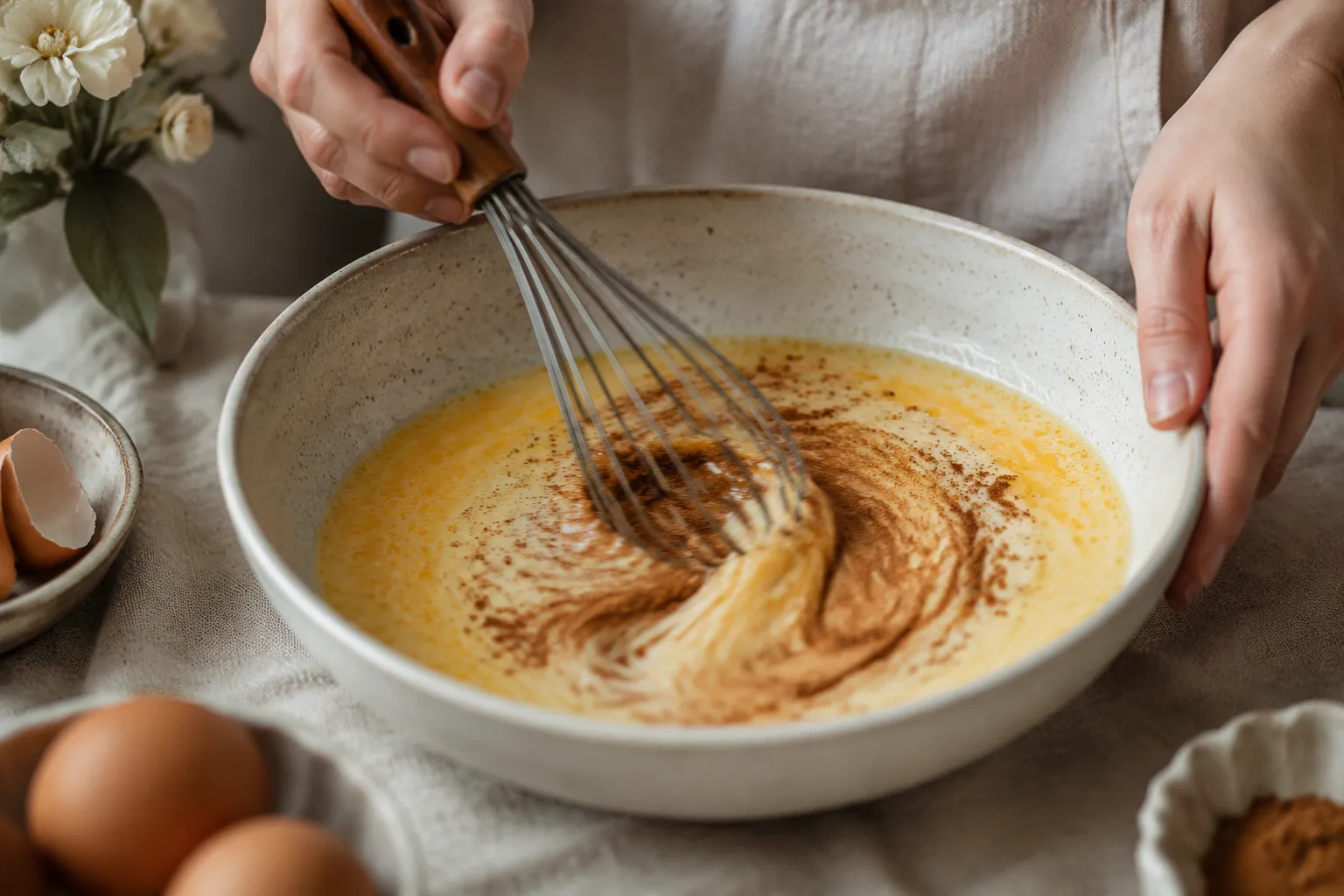
Whisk the eggs thoroughly before the bread ever touches the bowl. You want the yolks and whites fully blended, with no slippery strands of egg white that could cook unevenly on the surface. A wide, shallow dish makes dipping easier and helps coat each slice evenly. Cinnamon can float a little, so whisk it in with the sugar first or give the custard a quick stir between batches.
How to Make Fluffy French Toast Step by Step
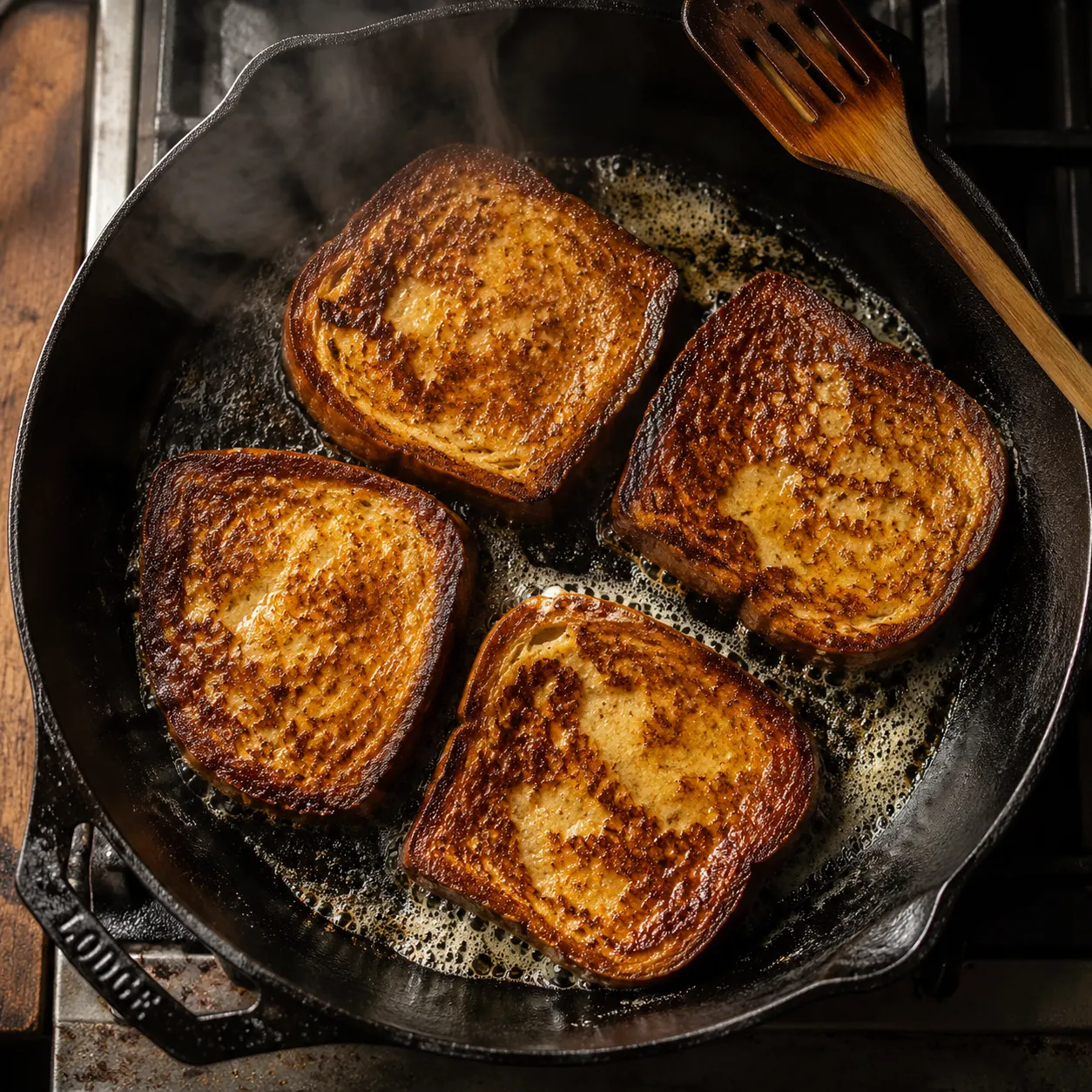
Start by whisking the custard in a shallow bowl until smooth, fragrant, and lightly speckled with cinnamon. Warm a heavy skillet or griddle over medium heat while you prepare the bread; cast iron is wonderful because it holds steady heat and gives you those deep golden edges. Melt a little butter in the pan just before cooking, letting it foam but not brown aggressively. If the butter darkens too fast, the pan is too hot.
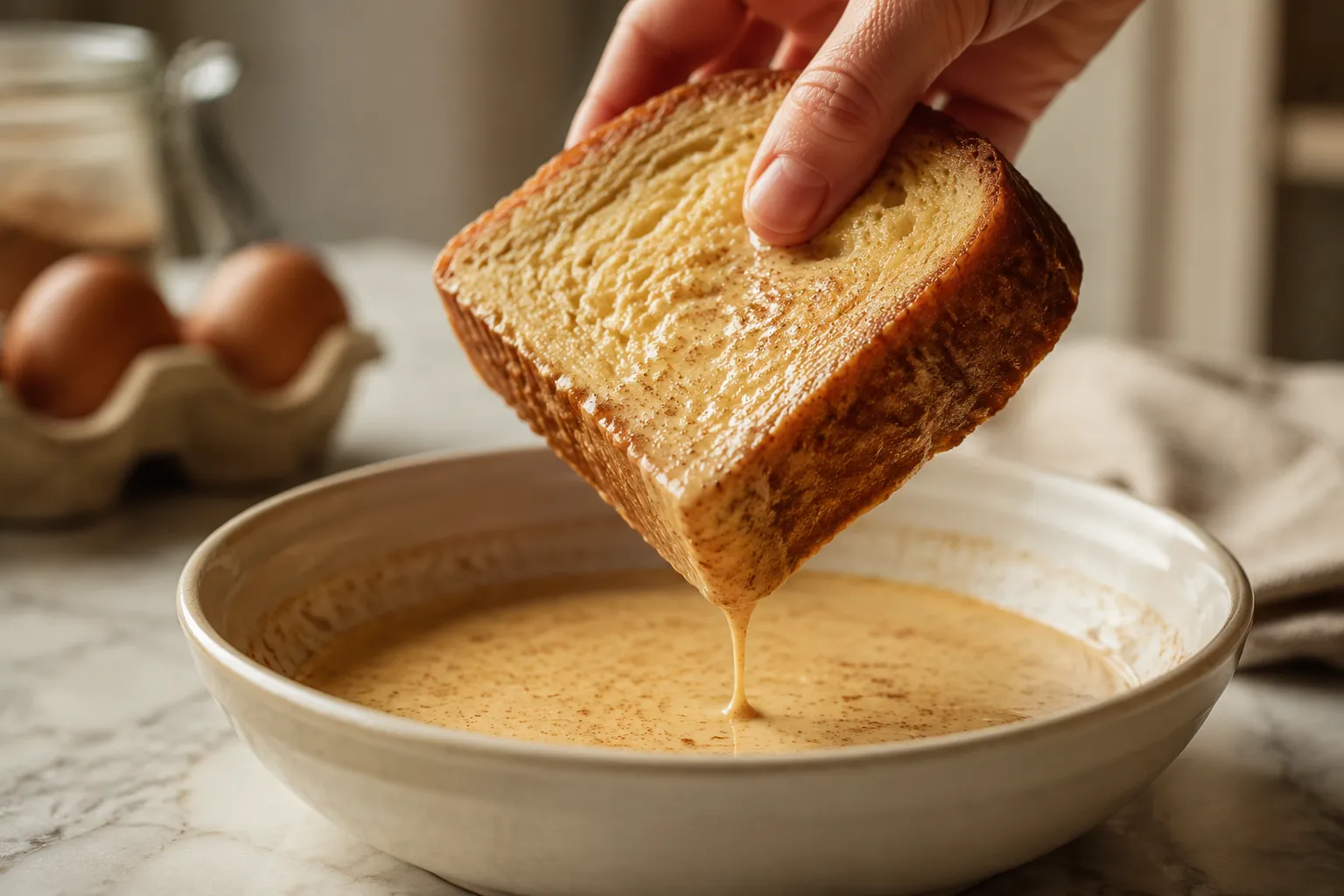
Dip each slice of thick-cut bread briefly, turning once so both sides are coated. The goal is saturation around the surface and just into the center, not a long soak that makes the bread fall apart. Let excess custard drip back into the dish before the slice goes into the skillet. This quick pause is one of the easiest ways to prevent soggy toast.
Cook the slices in a single layer, leaving enough room to flip them cleanly. You should hear a gentle sizzle when the bread hits the butter, not a harsh sputter. Give each side a few minutes until the exterior is golden brown and the center has had time to set. The best cue is visual: crisp-looking edges, a lightly puffed center, and a toasted cinnamon aroma.
As the batches finish, transfer them to a wire rack set over a sheet pan in a low oven. This keeps the first slices warm without trapping steam underneath, which helps preserve their texture. Avoid stacking hot slices directly on a plate while you finish cooking because the trapped moisture can soften the crust. A warm oven is the brunch host’s quiet little helper.
Serving the Classic Breakfast Stack
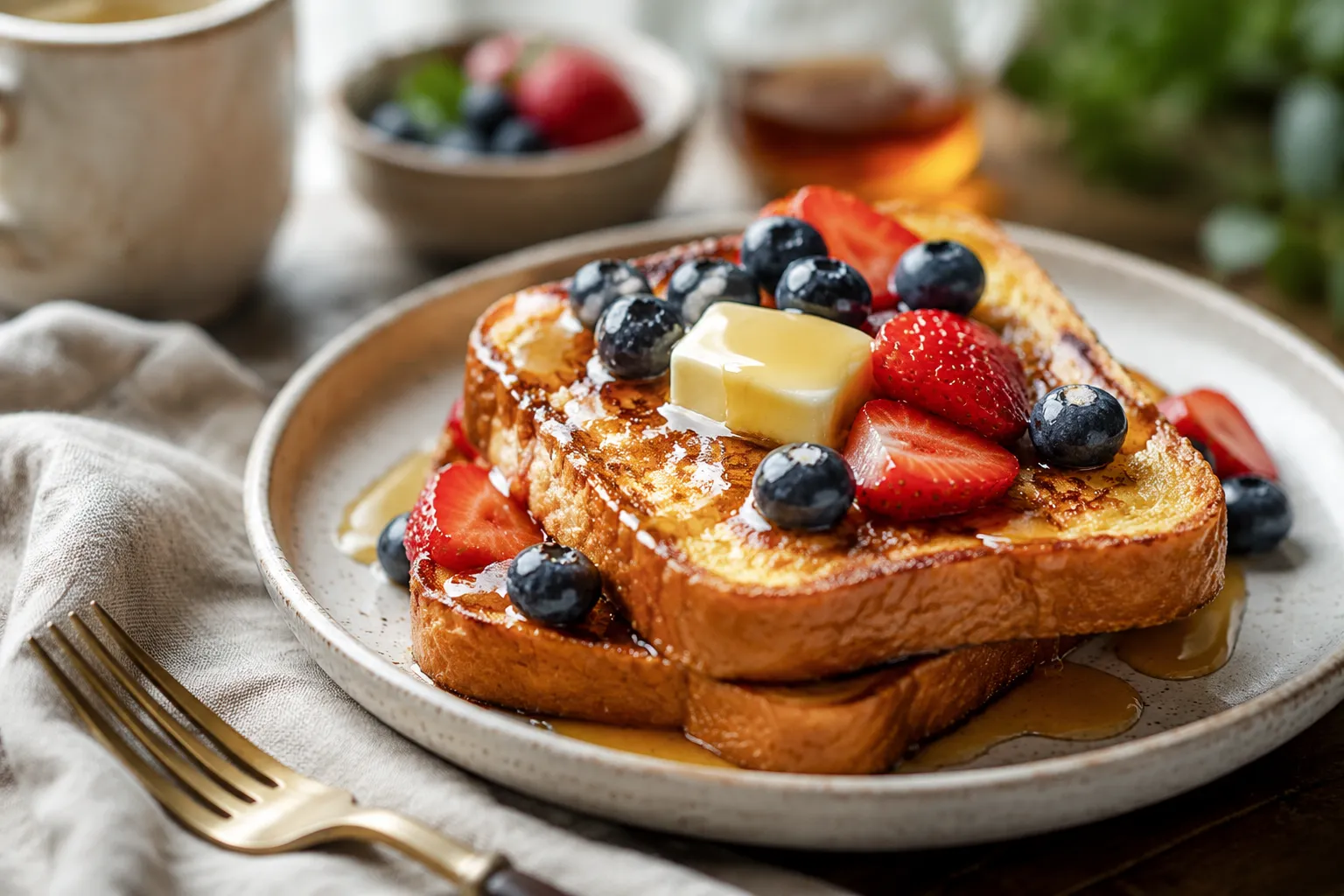
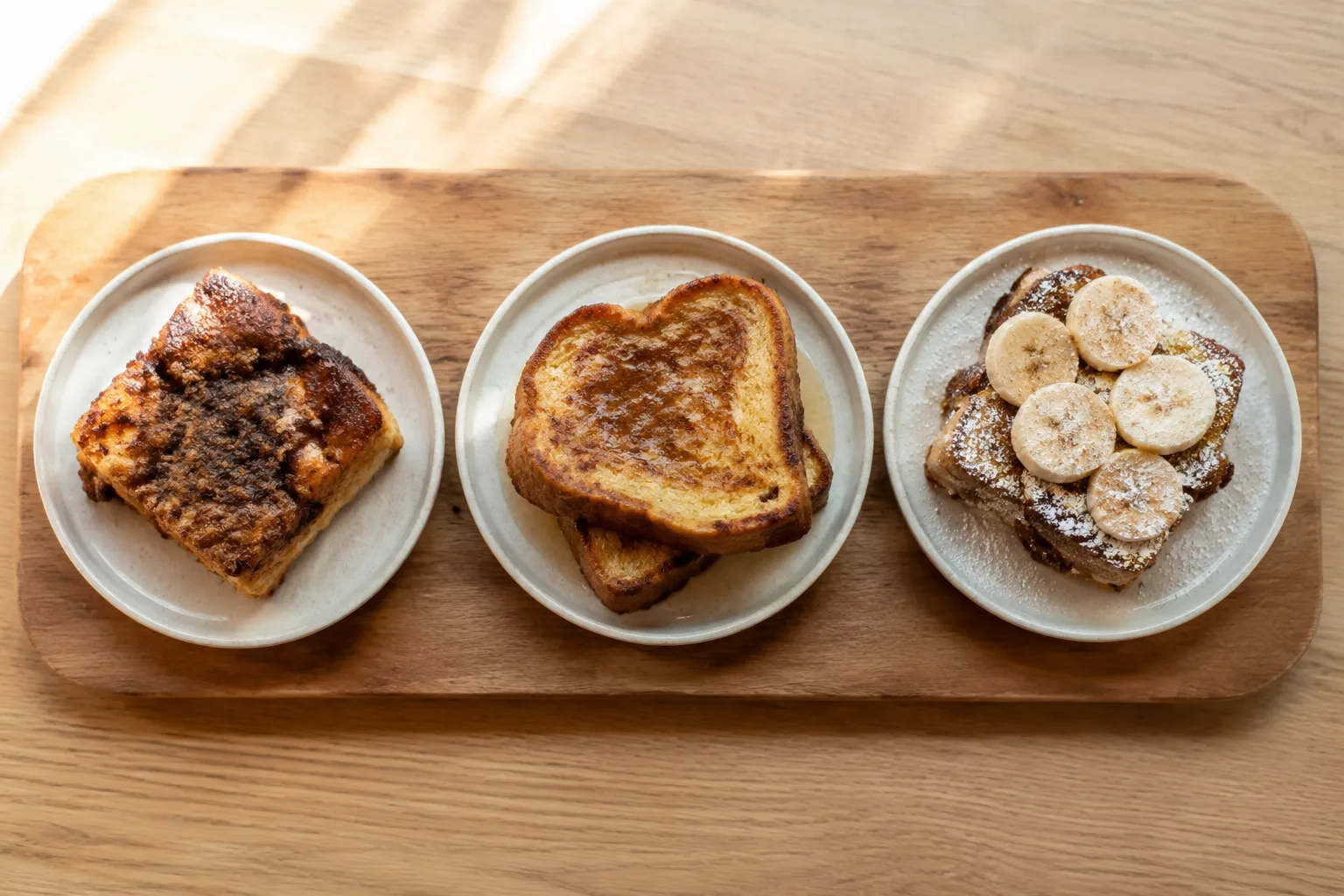
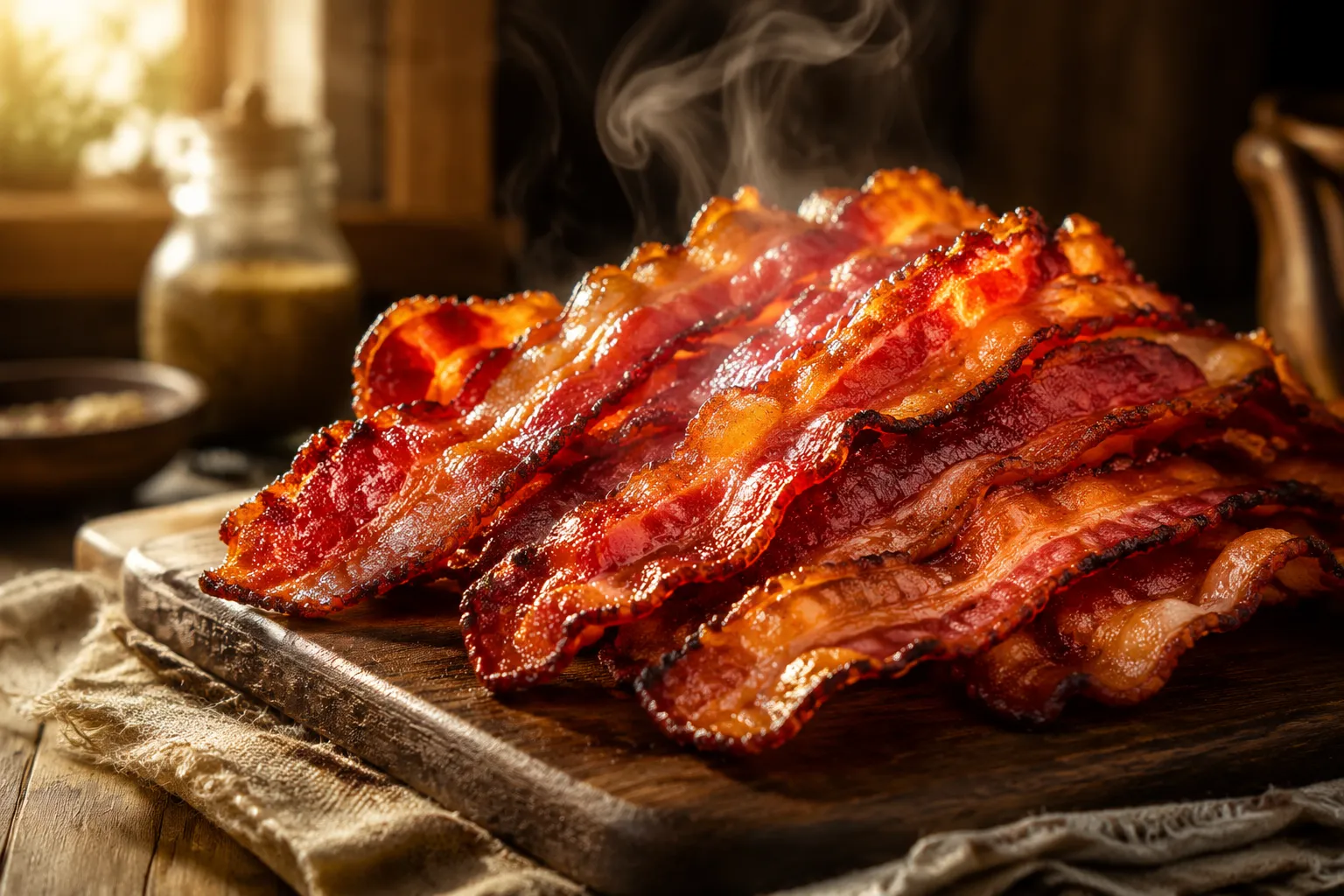
The best serving moment is immediate: hot from the pan, topped with a pat of butter, and finished with a glossy pour of maple syrup. Fresh berries cut through the richness beautifully, while sliced bananas, toasted pecans, or a spoonful of jam make it feel more like dessert. A dusting of powdered sugar is optional, but it gives the whole plate that pretty cafe finish. If you like a salty-sweet breakfast, add crisp bacon or breakfast sausage on the side.
For a full brunch spread, pair this with fruit salad, scrambled eggs, or a simple green salad if you are serving later in the morning. If you are planning brunch recipes for a crowd, make the first few batches just before guests arrive and keep them warm in the oven. Then bring the platter out with small bowls of toppings so everyone can build their own plate. It feels abundant without making you stand at the stove the whole time.
This french toast recipe also plays nicely with other breakfast favorites. Serve it next to a fluffy waffle recipe for a big family brunch board, or add a savory dish like an easy breakfast casserole when you want sweet and savory options together. The toast brings the drama, the casserole brings the comfort, and the fruit keeps the plate bright. Coffee, orange juice, and plenty of napkins complete the scene.
A Cozy Baked Breakfast Option
When you want the flavor of classic skillet toast without flipping slice after slice, a baked french toast recipe is the move. The same custard idea applies, but the bread is layered in a buttered baking dish and given time to absorb the mixture more evenly. This is especially lovely for holidays because you can assemble it the night before and bake it in the morning. The top turns golden and slightly crisp while the middle becomes soft, spoonable, and cinnamon-scented.
For an overnight pan, cube or shingle the bread, pour the custard over the top, cover, and refrigerate. In the morning, let the dish sit at room temperature while the oven heats so it bakes more evenly. A 350°F oven is the sweet spot for setting the custard without drying out the top, and most casseroles are done when the center is puffed and no longer sloshy. Add a simple streusel if you want a bakery-style finish, or keep it classic with butter and syrup.
The baked version is also forgiving if your bread is a little uneven. Crusty edges become chewy and caramelized, while softer interior pieces soak up the custard like bread pudding. It is less crisp than skillet toast, but it wins on ease and make-ahead convenience. Think of it as the cozy cousin to the classic pan-fried slices.
Small-Batch French Toast for One
A french toast recipe for 1 is one of those kitchen skills that makes a quiet morning feel instantly better. You do not need to scale the entire batch or dirty a big mixing bowl. For two slices, use 1 egg, 1/4 cup milk, a tiny splash of vanilla, a pinch of cinnamon, a pinch of salt, and a small spoonful of sugar if you like. Whisk it in a cereal bowl or shallow salad plate, then cook in an 8-inch skillet.
The single-serving version cooks quickly, so have your butter, plate, and toppings ready before you dip the bread. Medium heat still matters here; a smaller skillet can get hot fast, and you want the custard to cook through before the outside gets too dark. This is a great use for the last two slices of brioche or challah hanging out in the bread bag. It is cozy, quick, and just enough.
A Plant-Based Morning Plate
A vegan french toast recipe works best when you replace the binding power of eggs, not just the milk. Chickpea flour is my favorite option because it thickens plant milk and cooks into a custardy coating with a subtle savory richness. Ground flaxseed also works, especially if you let it hydrate for a few minutes before dipping the bread. Add vanilla, cinnamon, a little sugar, and salt just like the classic version.
Choose a plant-based milk with some body, such as oat milk, soy milk, or canned light coconut milk. Very thin almond milk can work, but it may create a less plush center unless paired with enough chickpea flour or flax. Cook the slices in vegan butter or a neutral oil over medium heat until golden on both sides. The result is not identical to the egg-based version, but it is warm, crisp-edged, and deeply satisfying.
What Makes This Breakfast So Special
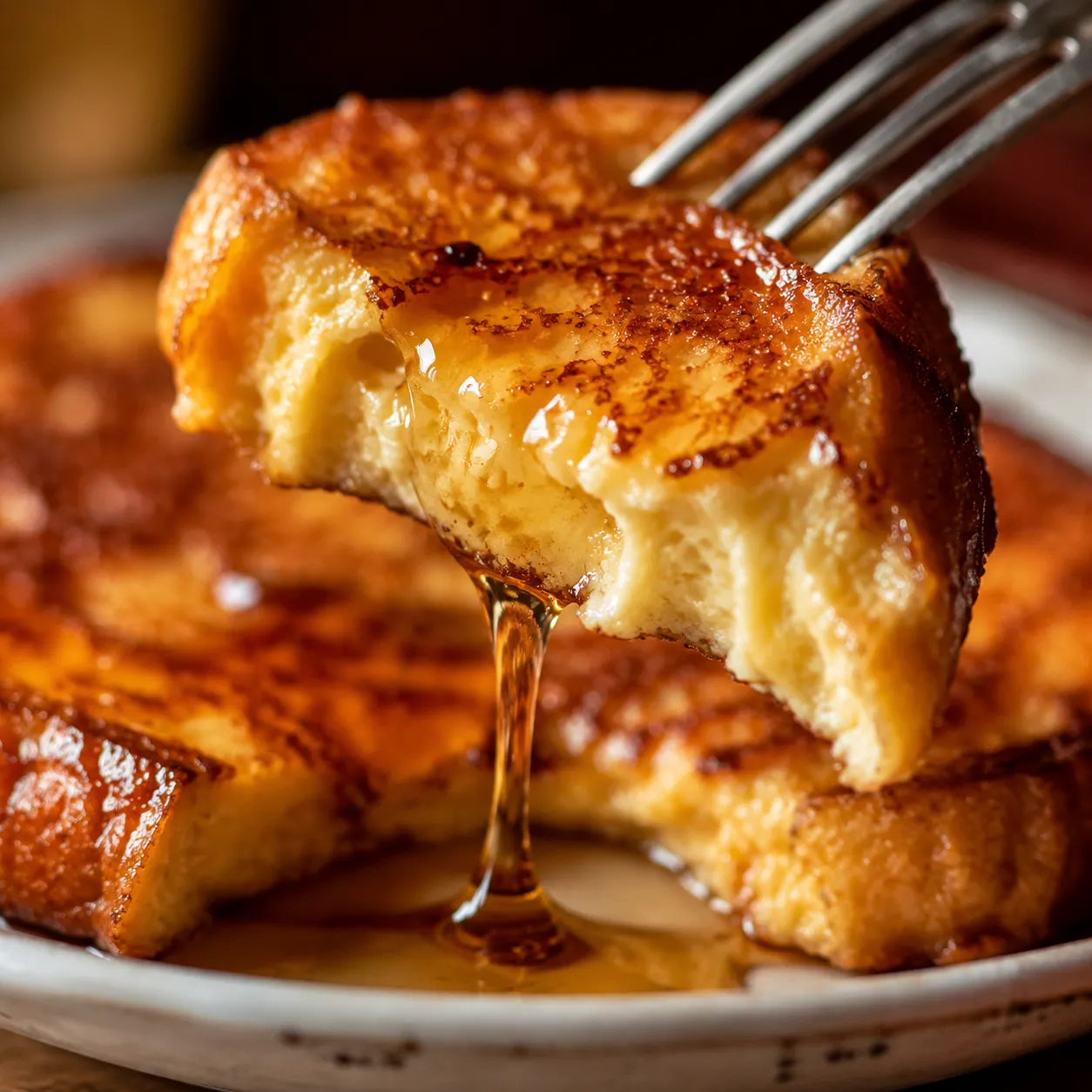
At its best, french toast is all contrast. The outside is bronzed and buttery, the edges have a delicate crispness, and the interior stays soft and almost custardy. That is why the bread, the dip time, and the skillet heat matter more than any fancy ingredient. Once you understand those three pieces, you can make this french toast recipe confidently with whatever bread and toppings you have.
I also love how adaptable it is. You can make it rich with brioche, practical with Texas toast, cozy in a casserole dish, or plant-based with oat milk and chickpea flour. You can serve it with berries in spring, peaches in summer, apples in fall, and citrus in winter. It is one of those recipes that feels nostalgic and fresh at the same time.
If you are new to homemade breakfast classics, this is a wonderful place to start because the payoff is huge and the method is simple. Keep the custard balanced, use thick bread, cook over medium heat, and let each slice get properly golden before flipping. Once you make it once, you will know exactly how the bread should feel when dipped and how the skillet should sound. That is the kind of confidence a great breakfast recipe should give you.
💡 Expert Tips
Use medium heat. Too hot and the outside burns before the custard cooks; too low and the bread can become greasy instead of crisp.
Do not oversoak. A quick dip on each side is enough for most thick-cut bread, especially brioche or challah.
Whisk thoroughly. Fully blended eggs create a smooth custard and prevent streaks of cooked egg on the surface.
Keep batches on a rack. A wire rack in a low oven keeps cooked slices warm while preserving their edges.
Refresh the butter as needed. Wipe out dark browned bits between batches if they start to taste bitter.
🔄 Variations & Substitutions
Once you have the classic method down, the recipe is easy to bend toward your morning, your guests, or what is already in the pantry. Keep the same basic idea—sturdy bread plus a flavorful custard—and adjust the format or ingredients as needed.
Baked french toast: Layer bread in a buttered baking dish, pour custard over the top, chill overnight if desired, and bake at 350°F until puffed and set.
French toast for one: Use 1 egg, 1/4 cup milk, a splash of vanilla, cinnamon, salt, and 2 slices of bread.
Vegan french toast: Whisk plant milk with chickpea flour or hydrated ground flax, then season with vanilla, cinnamon, sugar, and salt.
Extra-spiced: Add nutmeg, cardamom, orange zest, or a tiny splash of almond extract.
Stuffed: Spread cream cheese, Nutella, or fruit preserves between two thinner slices before dipping and cooking.
🧊 Storage & Leftovers
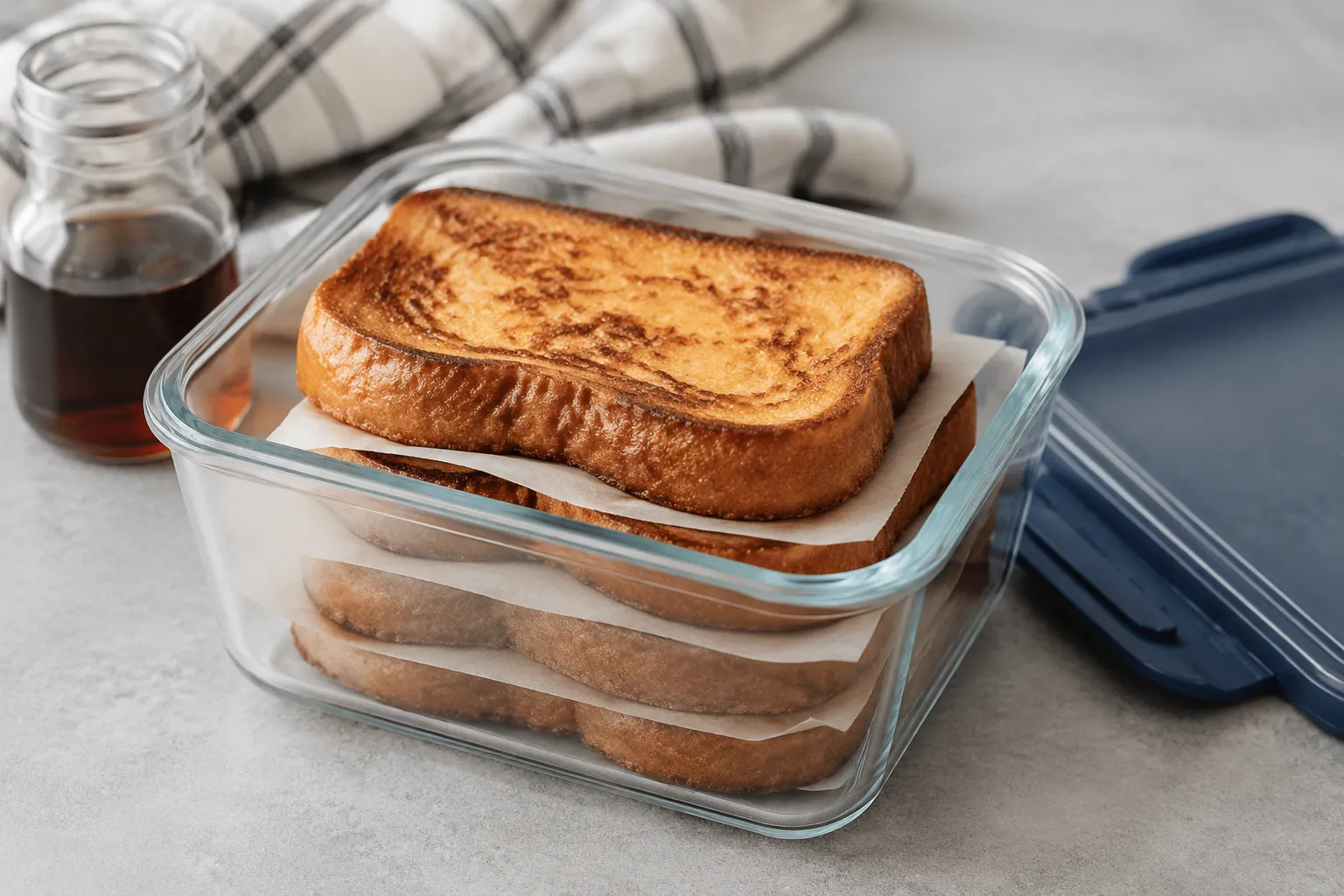
Let leftover french toast cool completely before storing so steam does not make the slices soggy. Refrigerate in an airtight container for up to 3 days, placing parchment between layers if you are stacking them.
For longer storage, freeze cooled slices in a single layer until firm, then transfer to a freezer bag for up to 2 months. Reheat refrigerated or frozen slices in a 350°F oven, toaster oven, or toaster until warmed through and crisp at the edges.
Frequently Asked Questions
What is the best bread for french toast?
Thick-cut brioche, challah, or Texas toast are the best choices because they can absorb custard without falling apart. Brioche gives the richest, most buttery result, while challah has a lovely eggy texture and Texas toast is easy to find at most grocery stores. Slightly stale bread is better than super fresh bread because it soaks up the custard more evenly and holds its shape in the skillet.
Why is my french toast soggy in the middle?
Soggy french toast is usually caused by too much milk in the custard, soaking the bread too long, or cooking over heat that is too high. If the pan is too hot, the outside browns before the center has time to set. Use thick bread, dip briefly instead of soaking for minutes, and cook over steady medium heat so the custard can cook through while the edges become golden.
Can I make french toast ahead of time?
Yes. Cook the slices, let them cool completely, and refrigerate them in an airtight container for up to 3 days. For longer storage, freeze the slices with parchment between layers for up to 2 months. Reheat in a 350°F oven or toaster oven until hot and lightly crisp. A toaster also works well for individual frozen slices if they fit comfortably.
Can I make french toast without milk or eggs?
Yes, you can make a dairy-free and egg-free version with plant milk plus a binder such as chickpea flour or ground flaxseed. Chickpea flour creates a custard-like coating that cooks up nicely in the skillet, while flax adds body and helps the mixture cling to the bread. Use oat milk or soy milk for the creamiest texture, then season with vanilla, cinnamon, sugar, and salt.
Should french toast be cooked on high or low heat?
Medium heat is best for french toast. High heat browns or burns the outside too quickly, leaving the custard undercooked in the center. Low heat can make the bread absorb too much butter and turn pale or greasy. A steady medium setting gives the slices enough time to cook through while developing a golden-brown crust and lightly crisp edges.
French Toast Recipe: Fluffy, Golden, and Foolproof