Cod Fish Recipe Oven: Easy Baked Cod in 25 Minutes
Ingredients
Scale
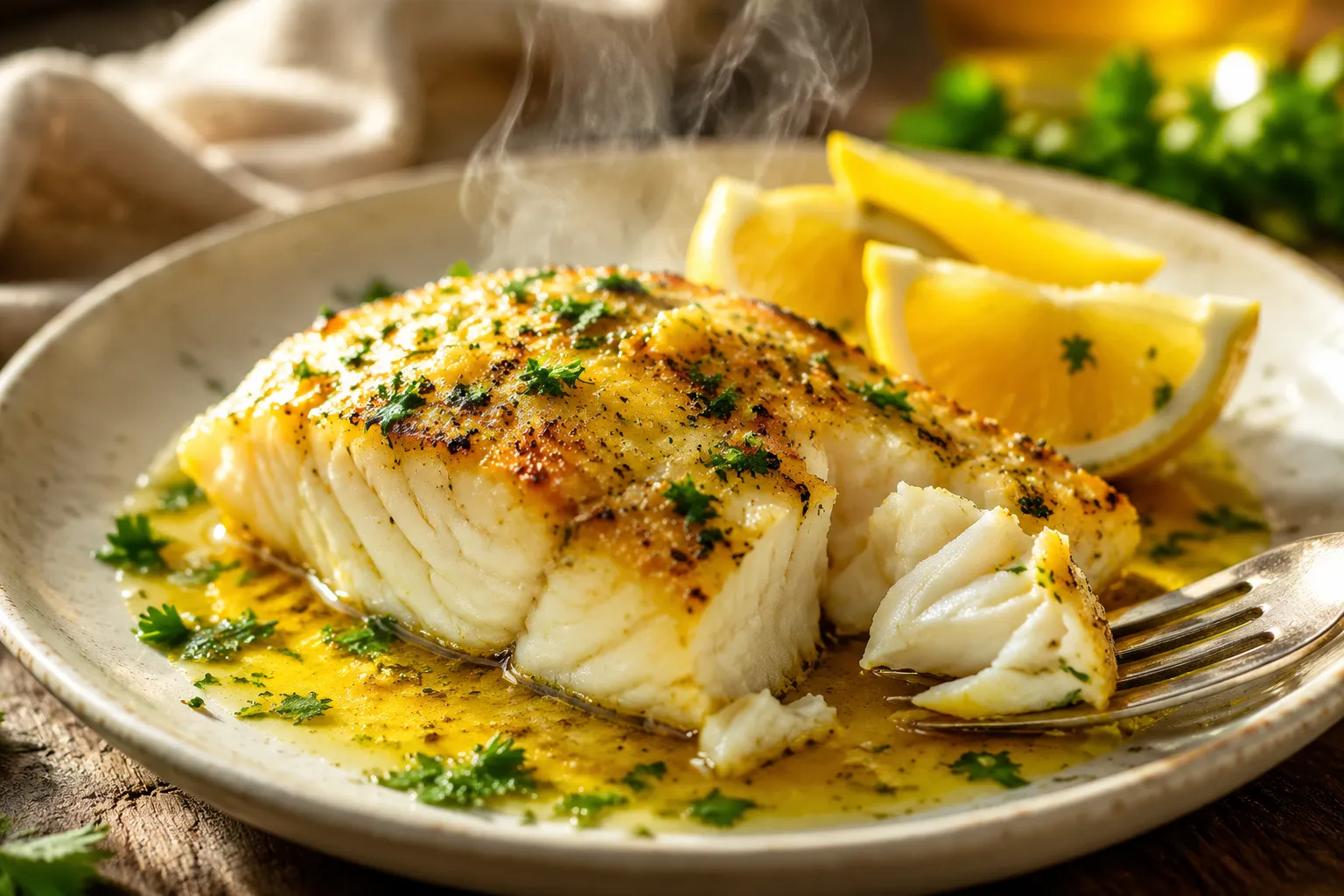
A foolproof cod fish recipe oven-baked with lemon, garlic, and butter until just flaky. Ready in 25 minutes with pantry staples.
This cod fish recipe oven-baked in lemon-garlic butter is the kind of dinner I make on the nights I want something nourishing without thinking too hard about it. The fillets go from package to plate in 25 minutes, the entire meal dirties one baking pan, and the result tastes like the kind of restaurant fish you'd happily pay $28 for. There's no breading to fuss with, no marinade to time, and no flipping required halfway through.
What makes this version sing is the technique, not the ingredient list. A glossy bath of melted butter, fresh garlic, lemon juice, and a whisper of paprika does double duty: it seasons the fish from above and self-bastes as it bakes, so the fillets stay moist and slide apart in pearly white flakes. It's the same logic behind a good roasted chicken — fat plus citrus plus heat — just dialed in for delicate flaky white fish that needs a gentle hand.
If you've ever ended up with rubbery, watery, or weirdly chewy fish, I promise this method fixes it. We're baking at 400°F (hot enough to set the proteins fast), pulling at exactly the right moment using a thermometer, and patting the fillets bone-dry before they ever touch the seasoning. Add in the no-marinade, no-breading approach, and you get a clean, lower-carb dinner that lets the fish itself be the main event.
This is a pantry-and-fridge recipe through and through — nothing exotic, nothing fussy. You'll need four cod fillets (about 6 ounces each), unsalted butter, fresh garlic, a lemon or two, paprika, kosher salt, black pepper, and fresh parsley. The quality of the fish is the only thing that really matters here, so buy the best fillets your store carries on the day you're cooking. Atlantic and Pacific cod both work beautifully; loin cuts are thicker and more forgiving than tail-end pieces if you're new to cooking fish.
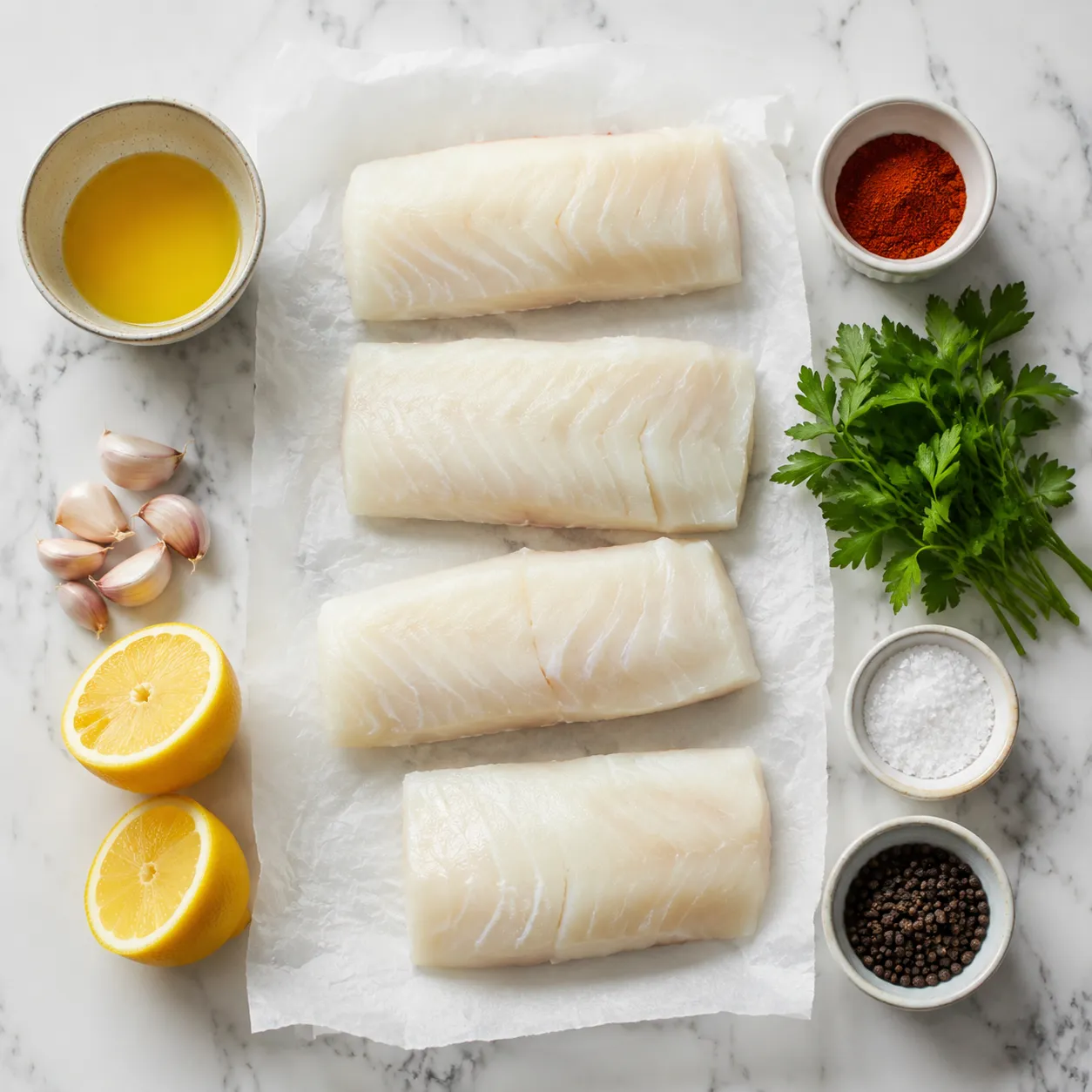
Both fresh and frozen work beautifully here — and frozen-at-sea cod is often fresher than the so-called fresh fillets sitting on ice at the seafood counter, since it's flash-frozen within hours of being caught. If you're using frozen, plan ahead for how to thaw frozen cod the right way: overnight in the fridge is best, or seal the fillets in a zip-top bag and submerge them in cold water for about 30 minutes, changing the water once midway. Skip the microwave thaw setting — it partially cooks the edges and turns the texture spongy before you even start.
The lemon garlic butter sauce is what carries the entire dish, and there are only four players: melted butter, freshly minced garlic (jarred won't have the same punch), bright lemon juice, and a touch of paprika for warmth and color. Use unsalted butter so you control the salt level, and squeeze your lemon fresh — bottled juice has a flat, tinny edge that this dish doesn't deserve. A pinch of red pepper flakes is welcome if you like a little background heat behind the citrus.
Start by preheating your oven to 400°F and pulling the fillets out of the fridge about ten minutes before cooking. Fish that goes into the oven cold cooks unevenly, and you don't want the centers still chilly while the edges overcook into something tight and chewy. While the oven heats, line up your tools: a small bowl for the butter mixture, a whisk, a baking dish, and plenty of paper towels — you'll use more than you think.
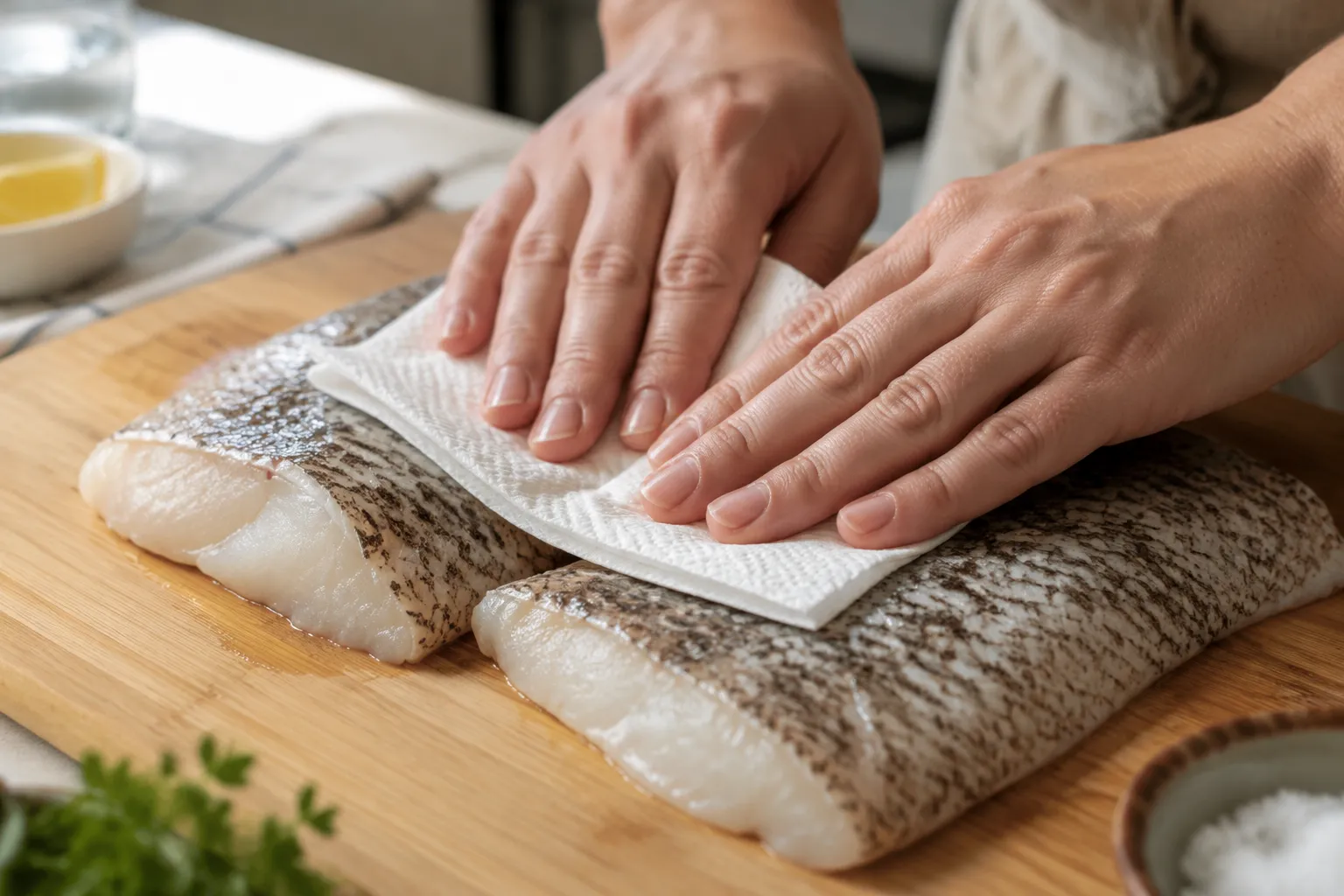
The single most important step is drying the fish. Lay each fillet on a paper towel, blot the top, flip it, and blot the underside. Press gently — you're not trying to compact the fillet, just lift the surface moisture. Dry fish browns and stays glossy; wet fish steams and turns pale. This one move is the difference between a beautifully roasted top and a sad, watery puddle in the bottom of your pan.

Whisk your sauce in a small bowl: melted butter, minced garlic, lemon juice, paprika, salt, and pepper. Give it a quick taste — it should be punchy, almost a little too garlicky on its own, because the fish will mellow it once they meet in the oven. If the butter has cooled and started to solidify around the lemon juice, microwave it for 10 seconds to bring it back together into a smooth pour.
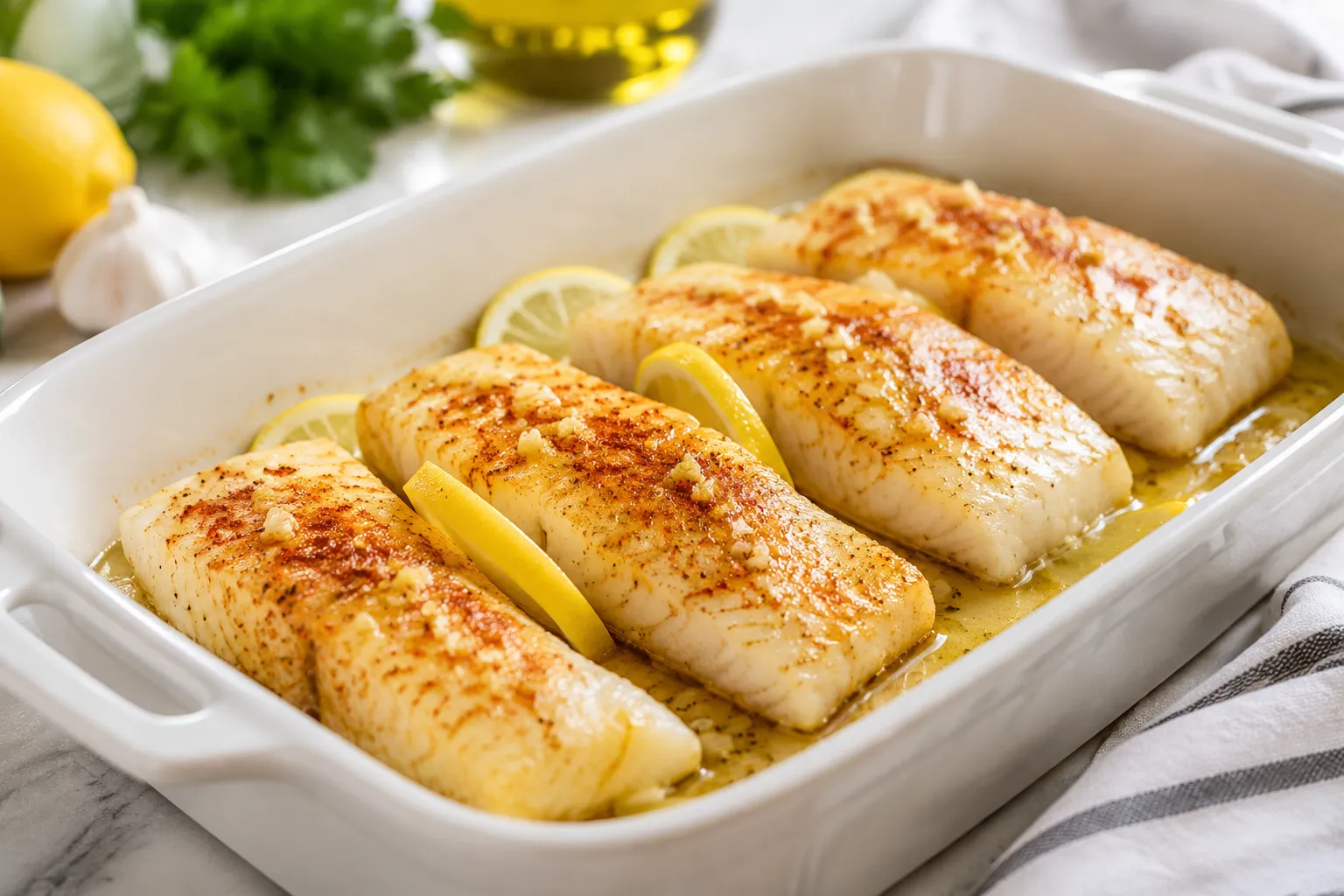
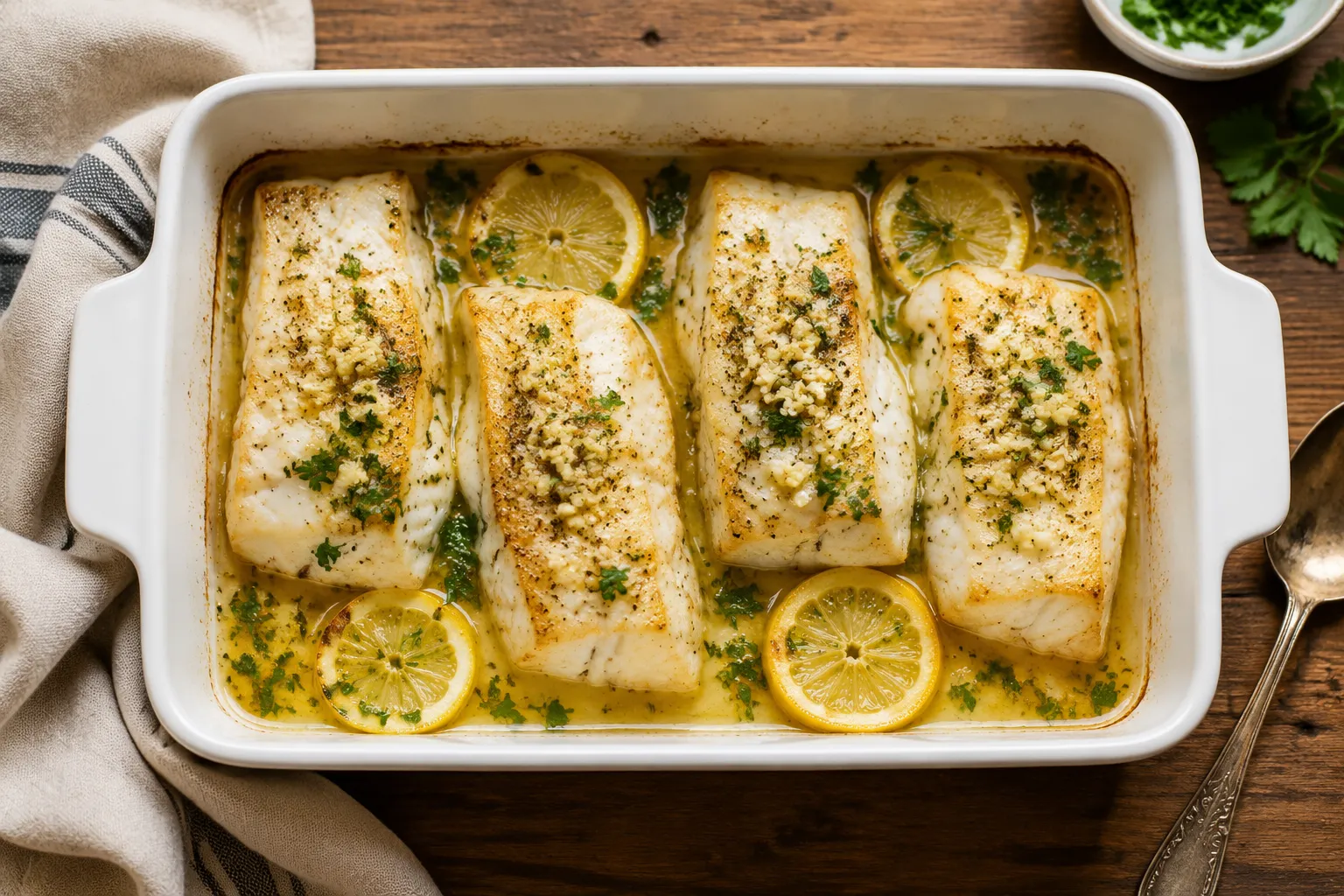
Arrange the fillets in a lightly buttered baking dish with about an inch of space between each one — crowding causes the fish to steam rather than roast, and you lose all that glossy color we're after. Pour or brush the lemon-garlic butter generously over the top, making sure every fillet is well coated. Tuck a few thin lemon slices between the pieces for extra brightness and a pretty finish, then sprinkle a little extra paprika across the top for color.
Slide the dish into the center of the oven and bake for 12 to 15 minutes, depending on thickness. A thin tail-end fillet will hit doneness around 12; a thick center cut from the loin can take a full 15 or even a touch longer. The internal temperature for cod that you're aiming for is 145°F at the thickest part — an instant-read thermometer is the most foolproof tool you can own for fish, and it pays for itself in saved dinners within a month.
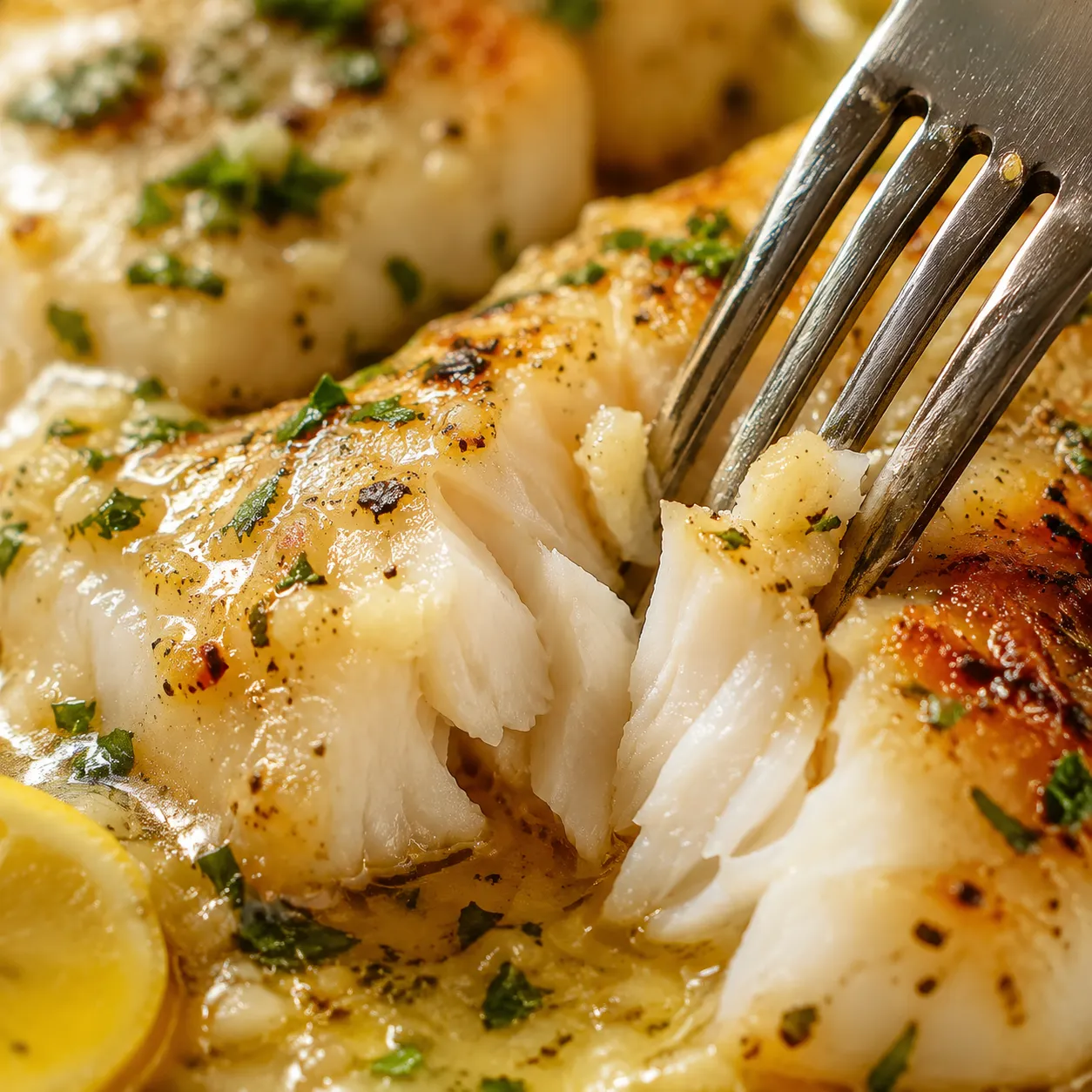
If you don't have a thermometer, the fork test works too: slide a fork into the thickest part and twist gently. If the flesh flakes apart cleanly and looks opaque white all the way through (no translucent gray in the center), it's done. Pull it the moment it gets there — cod keeps cooking in its own residual heat for another minute or two on the counter, and that carryover is exactly what gets you to perfectly tender without crossing into rubbery.
Most oven recipes for cod online lean on a buttery cracker or panko topping to mask any moisture issues. That's a fine route, but it adds steps, carbs, and a layer that competes with the actual flavor of the fish. This cod fish recipe oven method skips all of that. The lemon-garlic butter does the seasoning AND the basting in one pour, and the high-heat short bake locks in moisture without the breading insurance.
The other thing that sets this apart is the doneness rule. So many recipes say bake for 20 minutes with no temperature target — and 20 minutes for a thin fillet is a one-way ticket to chewy. By cooking to 145°F internal, you get the same perfect result whether your fillets are skinny or thick, fresh or thawed, store-brand or from a fancy fishmonger. It takes the guesswork out completely, which is exactly what a weeknight dinner needs to be.
The buttery, citrusy profile plays well with a long list of sides, which is exactly why this is one of my go-to easy fish dinners on a busy weeknight. The rule of thumb: pick something starchy, something green, and let the fish be the star of the plate. Lemon rice, garlic mashed potatoes, herbed orzo, or even a quick couscous all soak up the extra pan butter beautifully and make the meal feel composed rather than thrown together at the last minute.
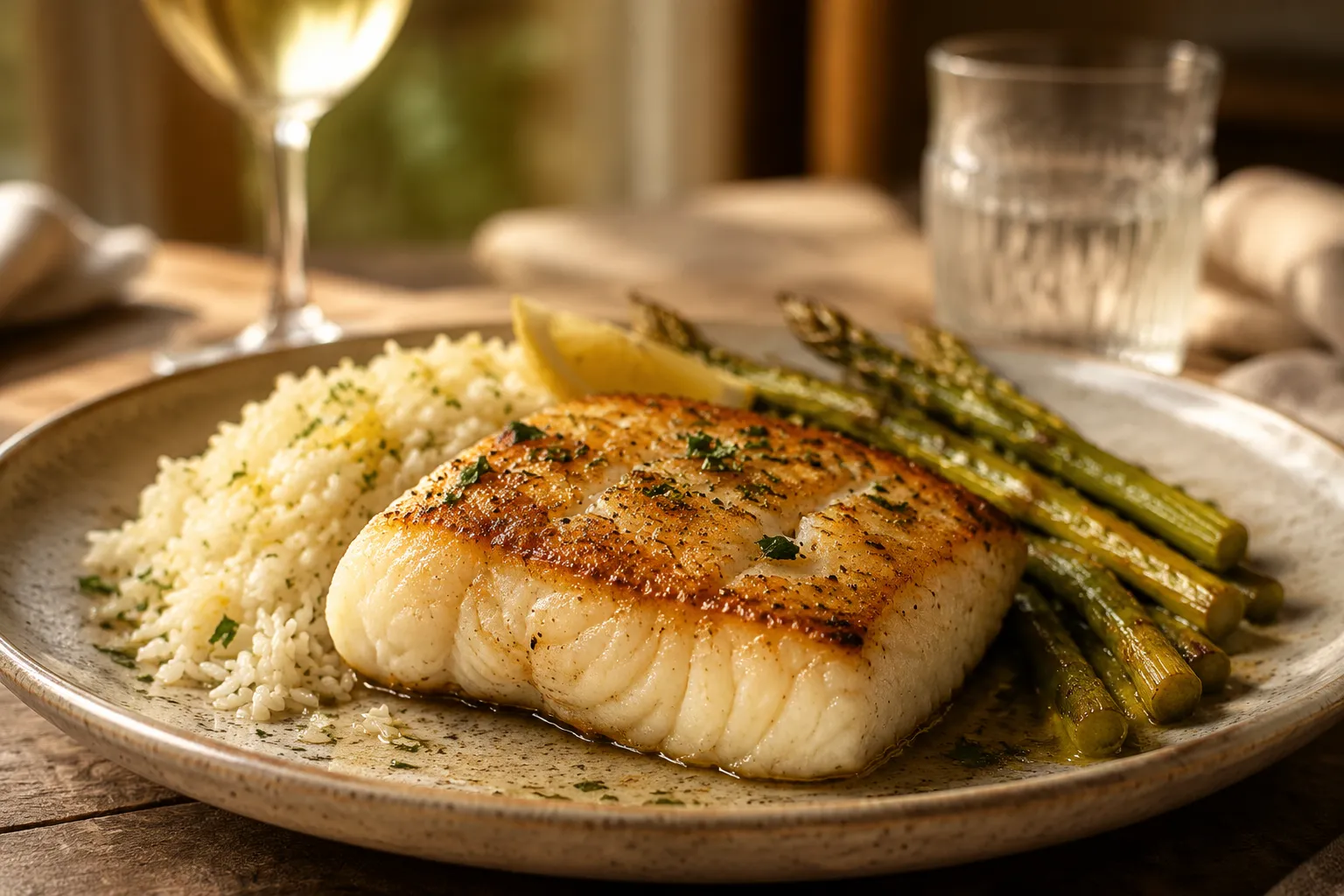
For vegetables, roasted asparagus, broccolini, green beans almondine, or a big arugula salad with shaved parmesan all hit the right note. If you're not sure what to serve with baked cod when you have a hungry crowd, lean toward roasted potatoes and a simple Caesar — both are crowd-pleasers that don't compete with the delicate fish flavor. A warm, crusty piece of bread is never a bad call either, especially because you'll absolutely want to mop up the last of that garlic butter from the bottom of the dish.
Once you have this cod fish recipe oven method dialed in, it becomes one of those dinners you barely need a recipe for — pat dry, season, butter, bake, eat. Twenty-five minutes from the moment you preheat to the moment you sit down. It's the kind of dish that makes weeknight cooking feel less like a chore and more like a small, satisfying ritual you actually look forward to.
Leftovers, if you have them, are surprisingly good the next day flaked into a grain bowl or layered into a soft taco with shredded cabbage and a squeeze of lime. The recipe scales easily up or down depending on who's at the table — whether you're cooking for one, feeding a family of four, or doubling for guests, this is the kind of foolproof flaky white fish dinner that earns a permanent spot in the rotation.
Once you've nailed the base recipe, this is one of those dishes that takes flavor riffs beautifully. The lemon-garlic butter is the foundation, but you can layer different toppings, crusts, and seasonings without changing the cook time or temperature. A few favorites worth keeping in your back pocket:
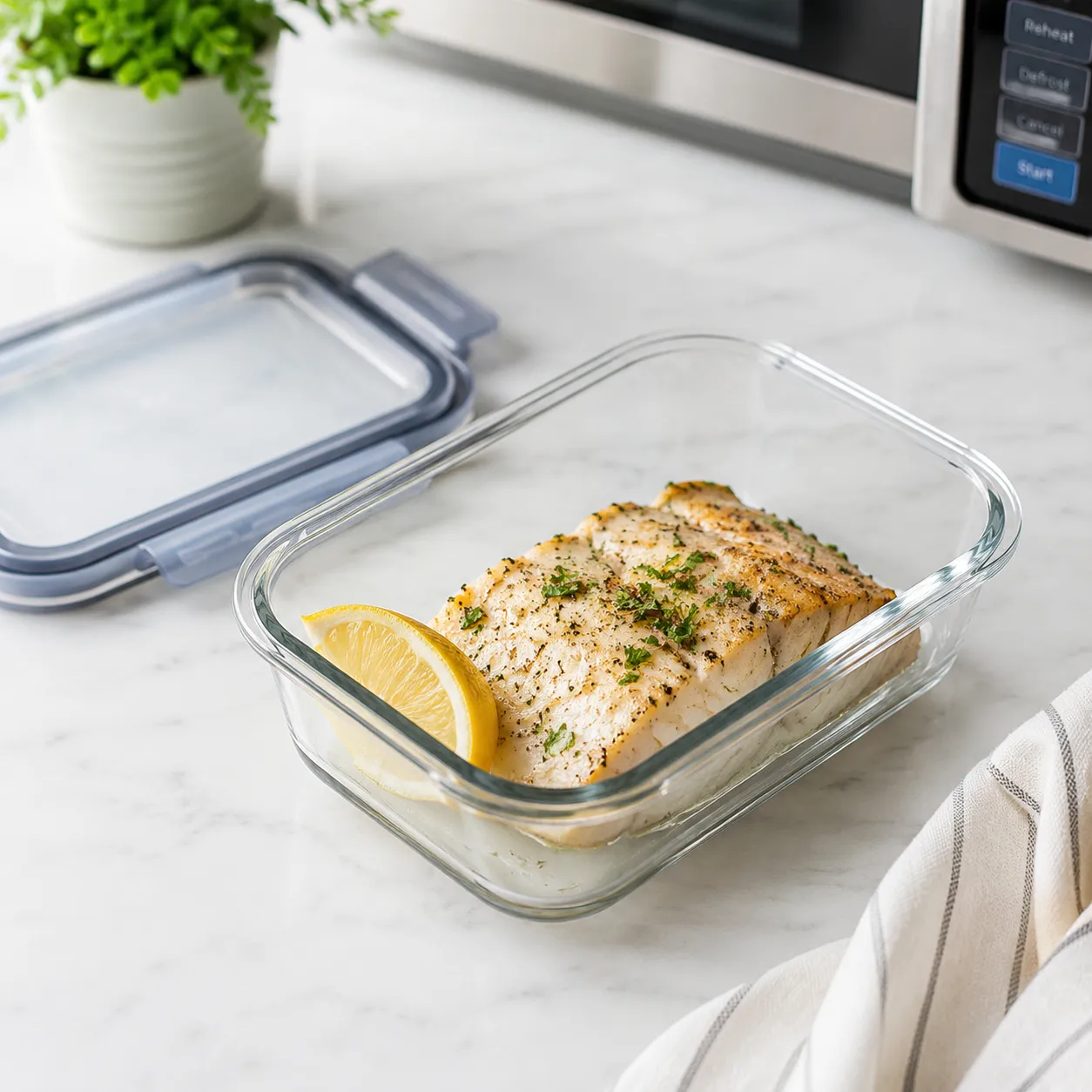
Store leftover cod in an airtight container in the refrigerator for up to 2 days. Cod is a delicate fish, so it's best eaten within 24 hours for peak texture, but it's still safe and tasty on day two. For longer storage, you can freeze cooked cod for up to 1 month in a freezer-safe container or zip-top bag — just know that the texture will soften slightly upon thawing, so it works better in flaked applications than as a whole reheated fillet.
To reheat, the oven is your best friend. Place the fillets in a covered baking dish with a splash of water or extra butter and warm at 275°F for 8 to 10 minutes until just heated through. Avoid the microwave if you can — it tends to make fish rubbery and tough almost instantly. For meal-prep, flake the leftover cod into salads, tacos, or grain bowls cold or barely warmed, which sidesteps the reheating texture issue entirely and actually highlights the lemon-garlic flavors.