Fruit and Veg Food: 25+ Fresh Recipes to Eat the Rainbow
Ingredients
Scale
From rainbow salads to roasted veggie bowls, this guide to fruit and veg food rounds up 25+ fresh, easy recipes that put produce front and center.
Incorporating more fruit and veg food into your daily routine is the single most effective way to boost your energy, brighten your plate, and discover a world of vibrant flavors you might have been missing. We often think of produce as a mere side thought—the lonely steamed broccoli next to a chicken breast—but when you flip the script and let the garden take center stage, magic happens. Whether you are a lifelong vegetarian or simply looking to reduce your meat intake, focusing on fresh fruits and vegetables opens up a culinary playground of textures, from the crunch of a snap pea to the buttery softness of a roasted sweet potato.
Transitioning to a diet rich in plant-based meals doesn't mean you have to sacrifice satisfaction or spend hours in the kitchen. In this guide, we have curated over 25 of our favorite ways to celebrate the harvest, ranging from zesty morning starters to hearty sheet-pan dinners that the whole family will actually enjoy eating. By the time you finish reading, you’ll have a roadmap for navigating the produce aisle with confidence and a repertoire of healthy produce recipes that make "eating your greens" feel like a treat rather than a chore.
The philosophy of building meals around fruit and veg food is rooted in the concept of nutrient density—getting the most vitamins, minerals, and antioxidants for every calorie you consume. When we prioritize the garden over the pantry, we naturally increase our intake of fiber, which is essential for digestive health and long-lasting satiety. Furthermore, produce-forward cooking encourages us to experiment with natural aromatics like garlic, ginger, and fresh herbs, reducing our reliance on processed salts and heavy fats to carry the flavor of a dish.
You have likely heard the phrase eat the rainbow, but it is more than just a catchy marketing slogan; it is a nutritional strategy. Different colors in produce signify different phytonutrients: red fruits like tomatoes and watermelon are high in lycopene, while purple vegetables like eggplant and blueberries contain anthocyanins that support brain health. By ensuring your plate contains at least three different colors, you are essentially creating a biological insurance policy for your body, ensuring a wide spectrum of health-protective compounds in every bite.
Focusing on vegetables can actually simplify your weeknight routine because many of the best preparations require very little active time. A tray of roasted vegetables can be tossed together in minutes, and while the oven does the heavy lifting of caramelizing those natural sugars, you are free to help with homework or catch up on your favorite show. Additionally, produce-forward meals often cook faster than large cuts of meat, meaning you can get a nutritious dinner on the table in under 30 minutes without relying on the drive-thru.
The secret to great fruit and veg food starts at the market; you cannot cook flavor into produce that wasn't there to begin with. Learning to shop seasonally is the best way to ensure you are getting the most flavorful, nutrient-rich ingredients at the lowest possible price. Spring brings tender asparagus and sweet peas, while autumn offers hearty squashes and crisp apples; following these cycles ensures your palate never gets bored and your kitchen stays in sync with the natural world.
When selecting fresh fruits and vegetables, use all your senses: look for vibrant colors without bruising, feel for firmness without being rock-hard, and most importantly, use your nose. A ripe peach or a bunch of basil should smell like exactly what it is; if it has no scent, it likely has very little flavor. Don't be afraid of "ugly" produce either—a slightly misshapen heirloom tomato often tastes far superior to a perfectly round, watery supermarket variety grown for durability rather than taste.
Proper storage is the key to reducing food waste and making your grocery budget stretch further. Most leafy greens prefer a bit of humidity and should be stored in a breathable bag with a paper towel to absorb excess moisture, while stone fruits and tomatoes should stay on the counter until fully ripe to prevent them from becoming mealy in the cold. Understanding which items produce ethylene gas (like apples and bananas) will help you keep them away from gas-sensitive items like broccoli and leafy greens, preventing premature spoilage.
There is a common myth that frozen produce is inferior, but in reality, frozen fruits and vegetables are often picked at their absolute peak and flash-frozen within hours, locking in their nutritional profile. Frozen spinach is a powerhouse for soups and stews, while frozen berries are actually superior for a green smoothie recipe because they provide a thick, frosty texture without diluting the flavor with ice. Save the fresh, expensive berries for your morning cereal or a fresh fruit salad, and rely on the freezer aisle for your cooking and blending needs.
Fruit isn't just for dessert; it can be a vibrant component of breakfast, salads, and even savory salsas. Incorporating fruit into your meals adds a natural sweetness that balances out salty or acidic flavors, making your dishes feel more complex and professional. From the tart pop of pomegranate seeds over roasted squash to the creamy richness of a sliced mango, fruit brings a level of brightness that vegetables alone sometimes lack.
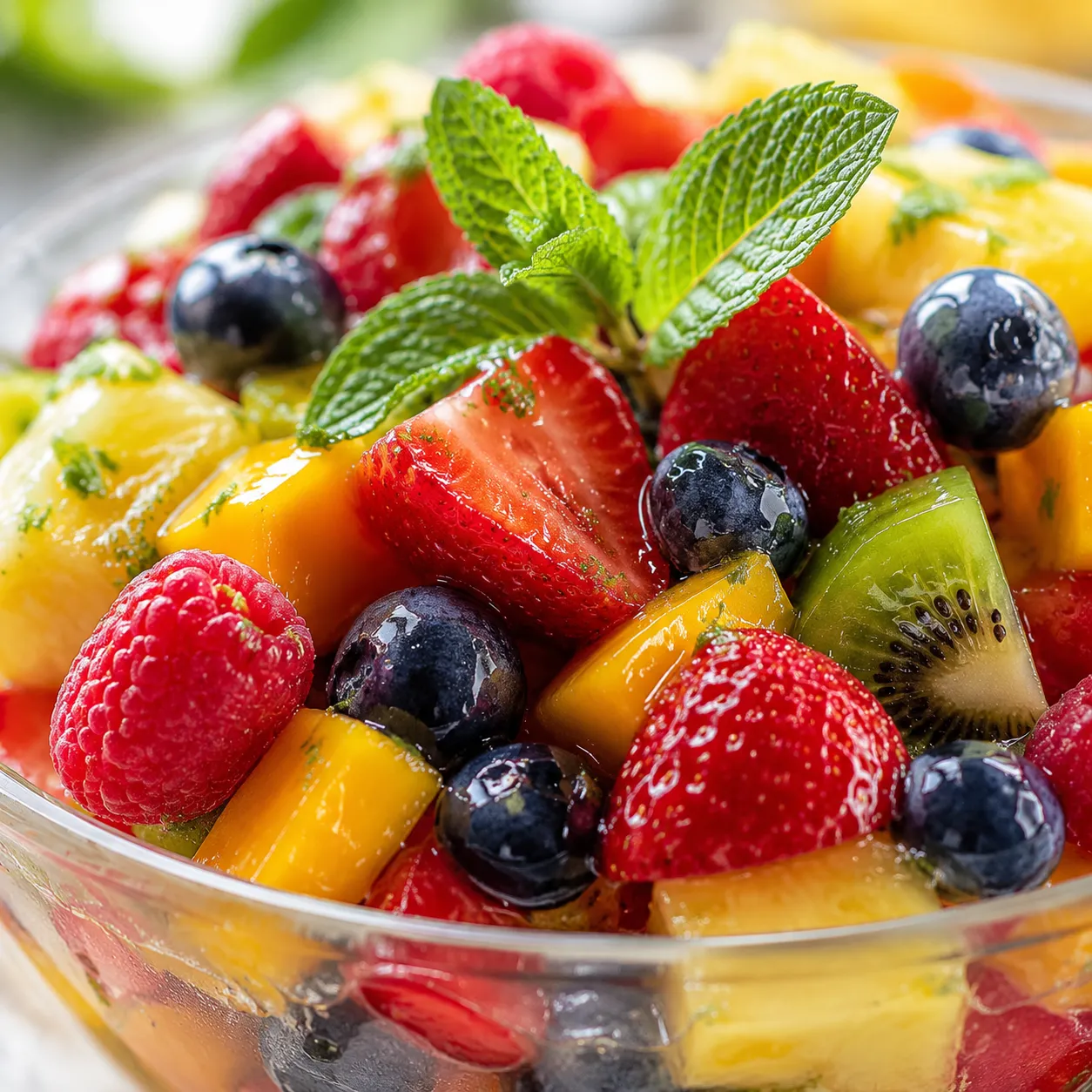
Forget the sad, watery fruit cups of your childhood; a modern fresh fruit salad is a masterpiece of texture and acidity. By combining seasonal favorites like kiwi, pineapple, and strawberries with a simple dressing of lime juice, honey, and a pinch of chili flakes, you create a side dish that is refreshing and sophisticated. The lime juice serves two purposes: it prevents the fruit from browning and provides a sharp contrast to the natural sugars, making the flavors truly sing.
For those who struggle to find time for a healthy breakfast, berries are your best friend. Layering oats with almond milk, chia seeds, and a handful of blueberries or raspberries creates a grab-and-go meal that is high in fiber and antioxidants. As the oats sit overnight, the berries release their juices, naturally sweetening the mixture so you can skip the refined sugars. This is a perfect example of how fruit and veg food can be integrated into a busy lifestyle with minimal effort.
When summer rolls around, try throwing halved peaches or plums on the grill for a few minutes. The heat caramelizes the natural sugars, creating deep, smoky notes that pair beautifully with a dollop of cold Greek yogurt and a sprinkle of granola. It is a light, elegant dessert that celebrates the fruit in its purest form, proving that you don't need heavy pastry or cream to satisfy a sweet tooth after a delicious meal.
The heart of any produce-packed diet lies in the vegetable side dishes and mains that anchor our dinner plates. We want to move beyond the basic salad and explore roasting, sautéing, and stuffing techniques that bring out the best in every stalk and leaf. When you treat vegetables with the same respect you would a prime cut of steak—seasoning them well and cooking them to the perfect temperature—they become the star of the show.
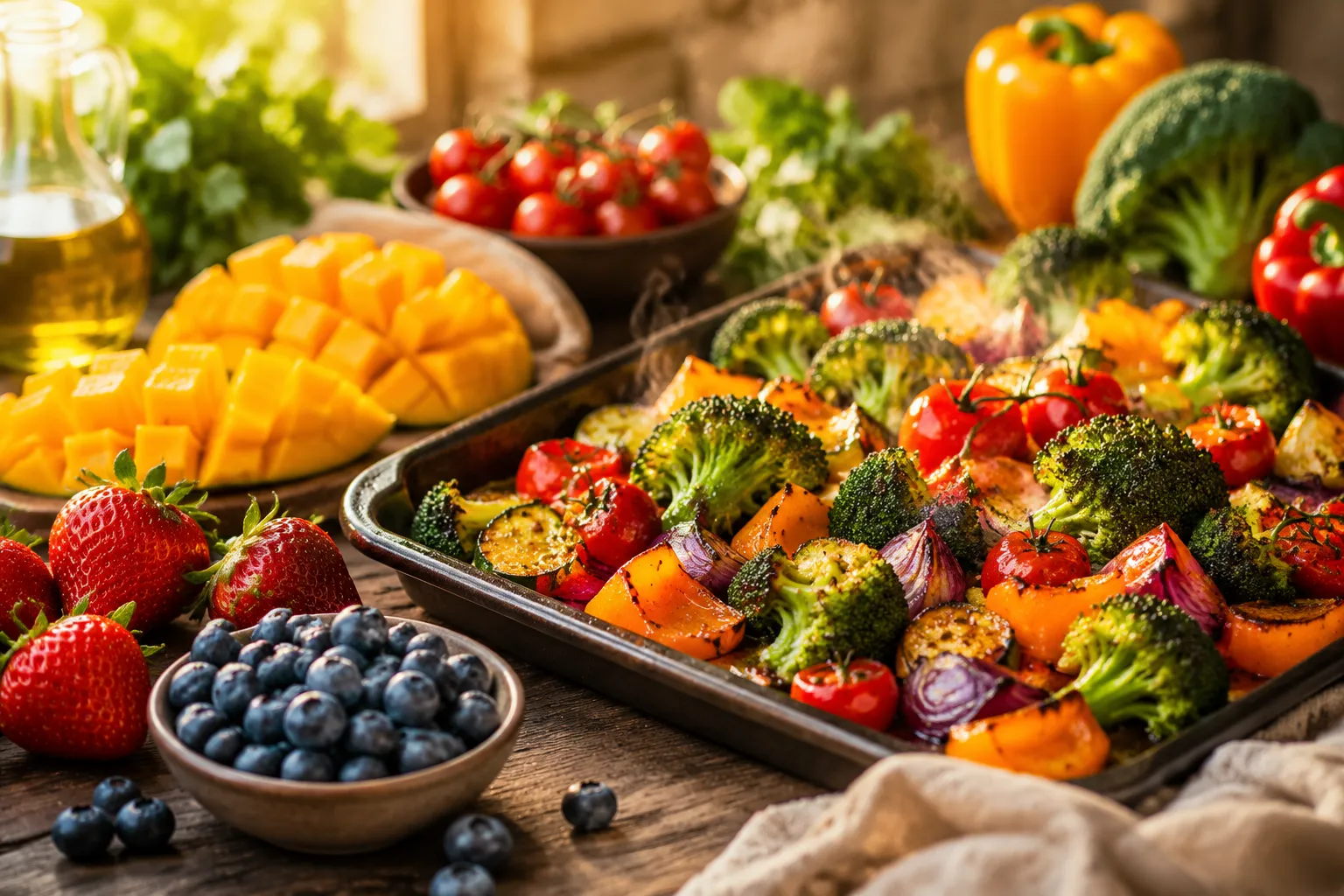
One of the most versatile tools in your kitchen is the humble sheet pan. A roasted vegetable medley allows you to cook a massive amount of food at once, creating caramelized edges and tender centers that are addictive. By tossing broccoli, bell peppers, and red onions in olive oil and high heat, you transform them into something savory and deeply satisfying. This technique is the foundation for many of our favorite vegetable-forward meals.
Texture is everything when it comes to raw vegetables. A finely chopped rainbow vegetable salad featuring cabbage, carrots, radishes, and bell peppers offers a satisfying crunch that holds up well even after being dressed. Unlike delicate lettuce salads that wilt within minutes, a hearty chopped salad can be made in advance, making it a staple for office lunches or summer potlucks where you want something fresh and resilient.
For a more substantial main course, bell peppers serve as the perfect edible vessel. Filling them with a mixture of cooked quinoa, black beans, corn, and spices creates a complete protein source that is entirely plant-based. This dish is visually stunning and incredibly filling, proving to even the most skeptical meat-eaters that fruit and veg food can be the centerpiece of a hearty, comforting dinner that leaves everyone satisfied.
Sometimes the simplest preparations are the best. Sautéing a massive pile of kale, Swiss chard, or spinach with plenty of sliced garlic and a splash of lemon juice creates easy veggie side dishes that pair with almost anything. The key is to use high heat and a good quality olive oil, pulling the greens off the stove just as they begin to wilt so they retain their vibrant color and a bit of structural integrity.
Getting kids—or picky adults—to eat more produce often requires a bit of creativity. Smoothies and snack platters are fantastic "gateway" foods because they prioritize fun shapes, bright colors, and familiar flavors. By presenting fruits and vegetables in an approachable way, you remove the pressure and make healthy eating feel like a natural part of the day's activities.
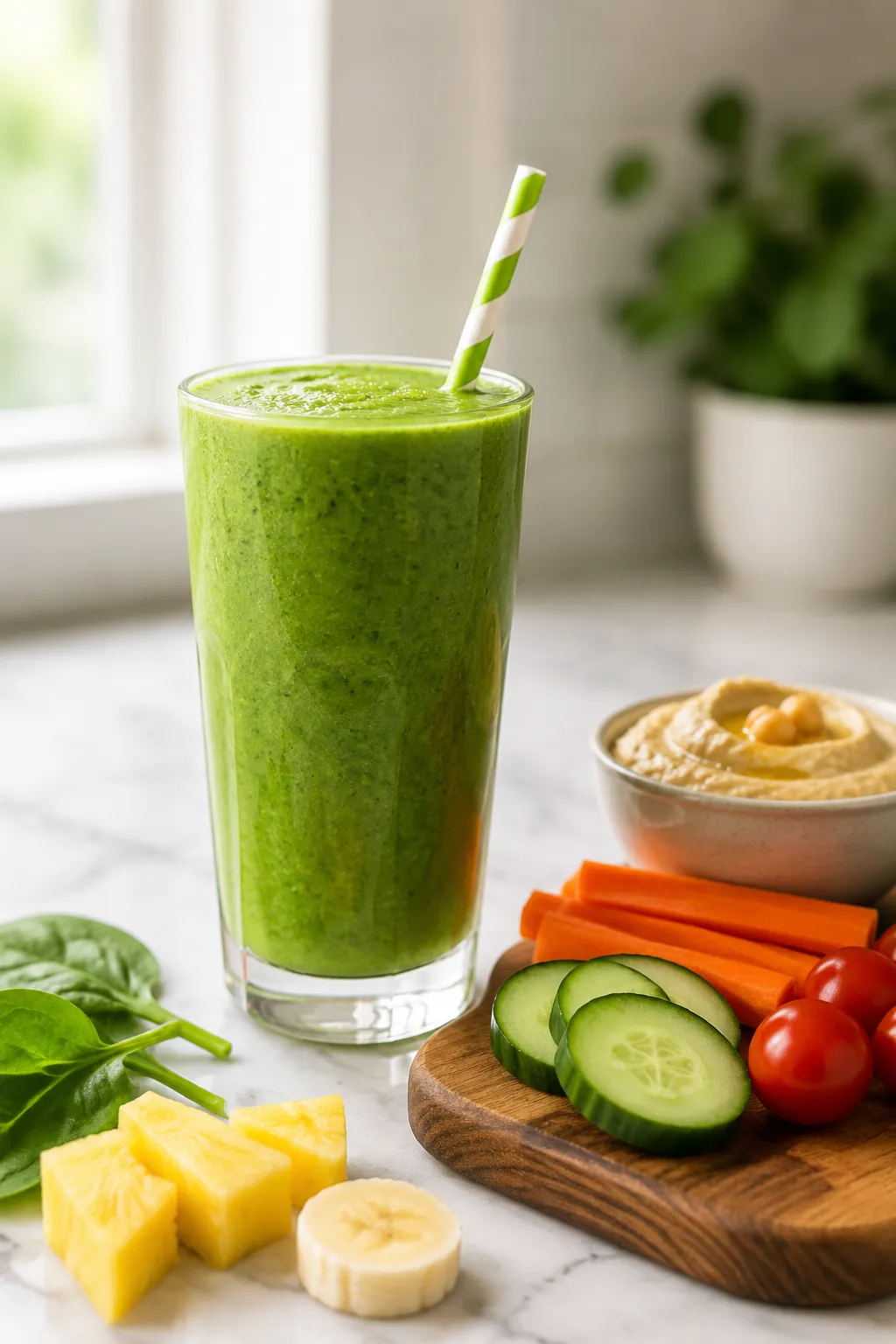
The trick to a perfect green smoothie recipe is the fruit-to-veg ratio. By pairing mild baby spinach with tropical fruits like pineapple and banana, you get all the nutritional benefits of the greens without the "earthy" taste that can turn some people off. Adding a squeeze of lime or a knob of fresh ginger can further brighten the flavor, resulting in a drink that tastes more like a vacation treat than a health supplement.
Presentation is half the battle. Instead of serving a bag of carrots, try assembling a professional-looking fruit and vegetable platter with a variety of colors and textures. Arrange cucumber slices, cherry tomatoes, snap peas, and jicama sticks around a bowl of creamy hummus or Greek yogurt dip. The variety encourages grazing and allows everyone to pick their favorites, making it a low-stress way to increase produce consumption during the afternoon slump.
Anything on a stick is instantly more appealing to children. Threading chunks of melon, grapes, and berries onto bamboo skewers creates "fruit wands" that are fun to eat and mess-free. Serve them with a simple dip made of honey and vanilla yogurt to add a bit of protein and calcium. It’s a simple hack that turns a basic fruit serving into an interactive snack time that kids will actually ask for by name.
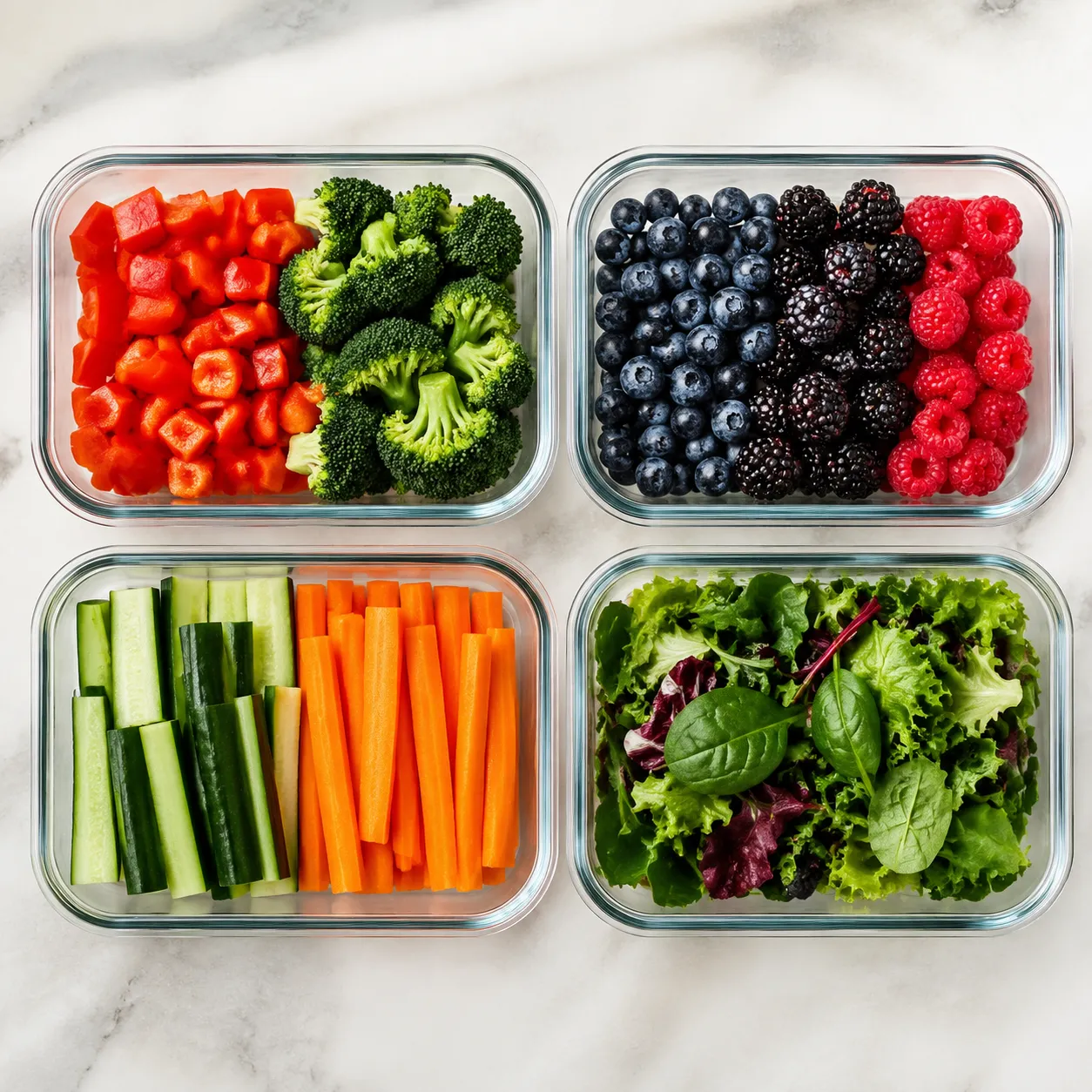
The biggest barrier to eating more fruit and veg food is often the prep work involved. Washing, peeling, and chopping can feel daunting at 6:00 PM on a Tuesday. The solution is to dedicate a small block of time—usually on a Sunday—to handle the heavy lifting. By preparing your ingredients in advance, you turn a complex cooking process into a simple assembly task, ensuring you reach for the peppers instead of the chips when hunger strikes.
When you get home from the store, don't just shove everything into the crisper drawer. Take twenty minutes to wash your berries, chop your onions, and peel your carrots. Store these prepped items in clear glass containers at eye level in the fridge. When the ingredients are ready to use and easy to see, you are much more likely to toss them into a stir-fry or an omelet, significantly increasing your daily intake without extra daily effort.
Mason jar salads are a meal-prepper's dream. By layering the dressing at the bottom, followed by sturdy vegetables like chickpeas and cucumbers, and finishing with delicate greens at the top, you can create a week's worth of lunches that stay crisp for up to five days. When you're ready to eat, just shake the jar into a bowl. This method ensures that your rainbow vegetable salad stays fresh and appetizing, preventing the dreaded "soggy lettuce" syndrome.
Now that we have covered the basics of shopping and prep, let's put it all together with a foundational recipe. This roasted vegetable medley is the ultimate fruit and veg food staple because it is infinitely customizable and works as a side dish, a salad topper, or a base for a grain bowl. The high heat of the oven transforms humble garden staples into caramelized nuggets of flavor that prove how delicious plant-based eating can be.
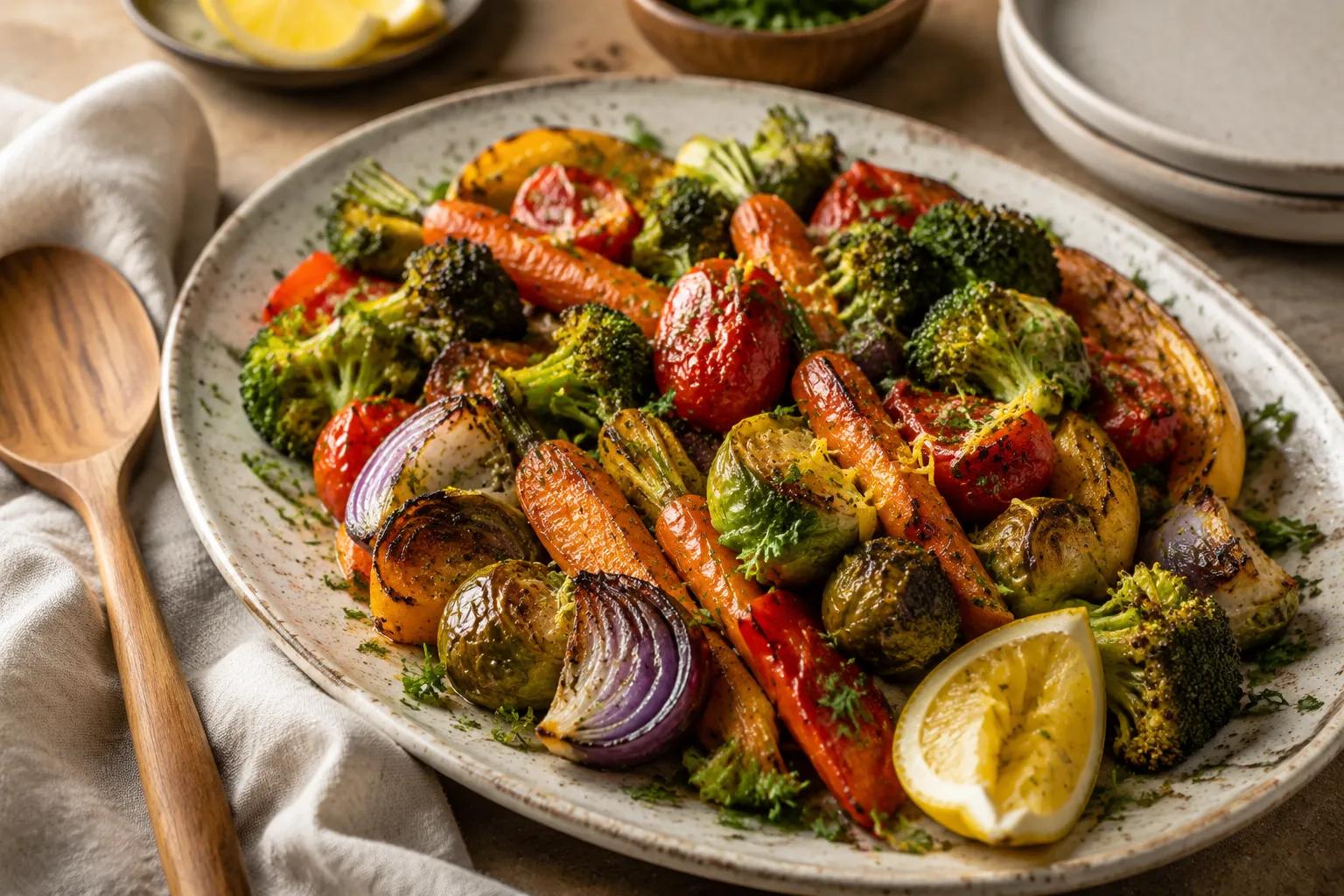
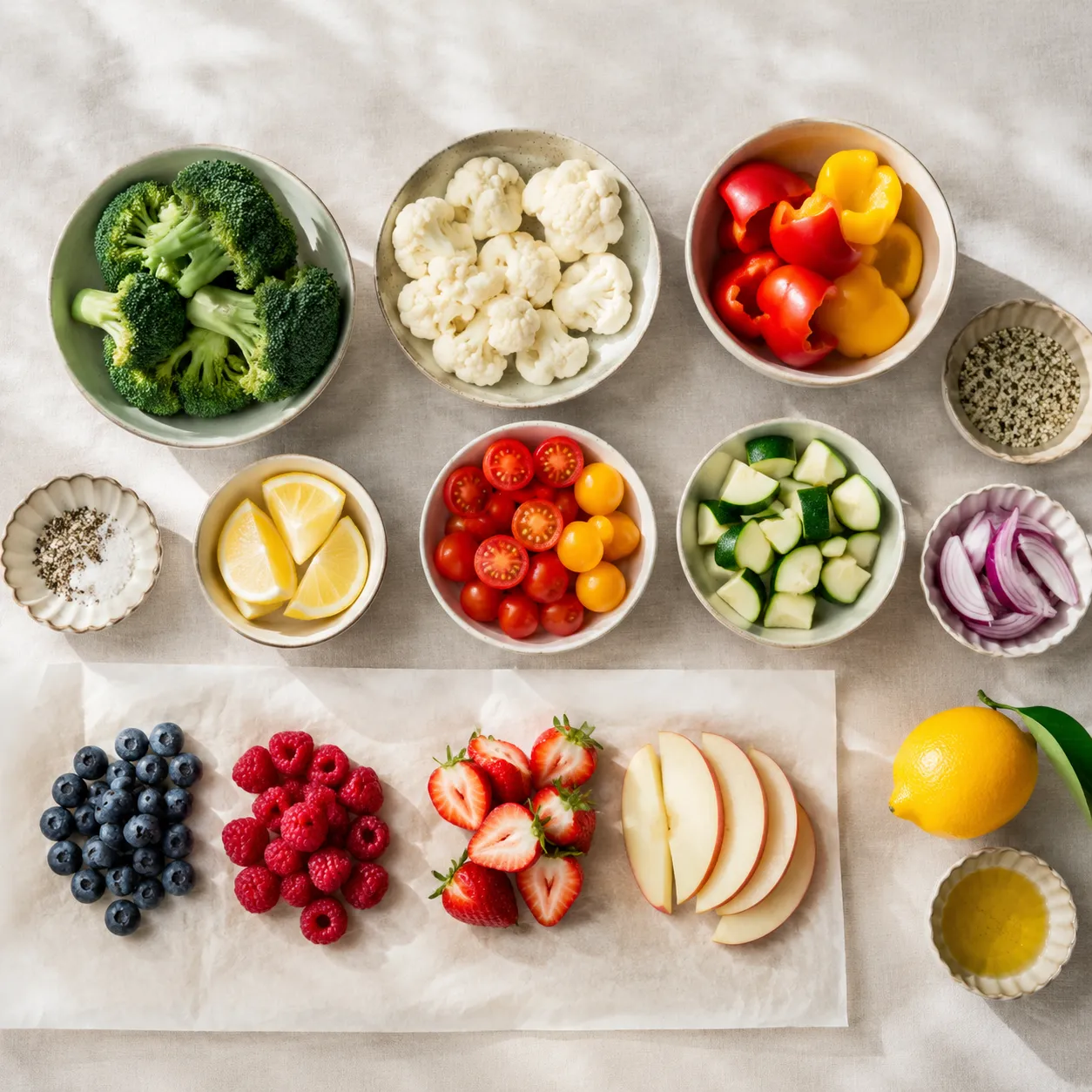
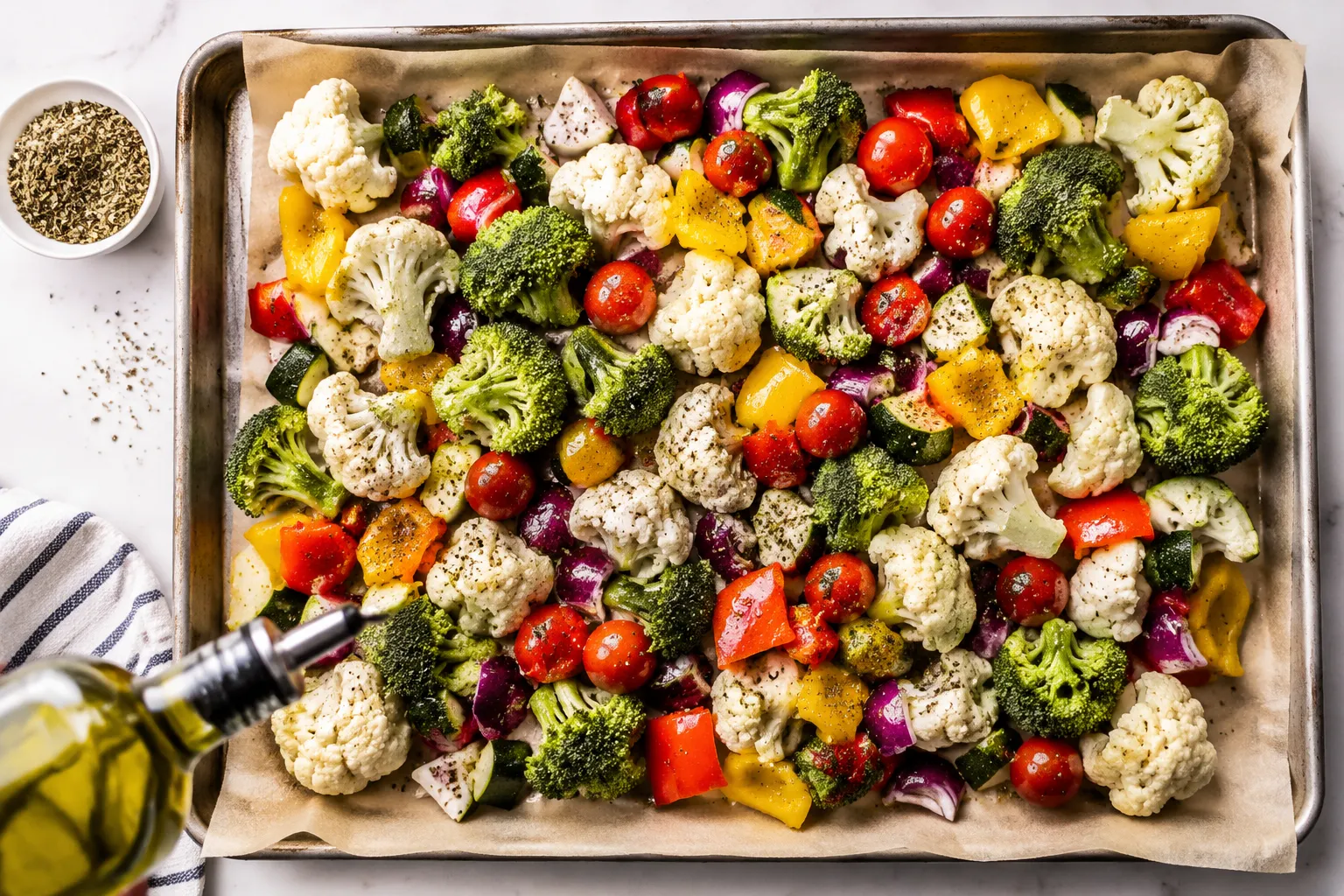
For this recipe, we are looking for a mix of colors and textures. You will need broccoli and cauliflower for crunch, bell peppers and cherry tomatoes for sweetness, and red onion for a savory, sharp bite. High-quality olive oil is essential for conducting heat, and a simple blend of Italian seasoning and lemon provides a bright finish that lifts the earthy notes of the roasted vegetables.
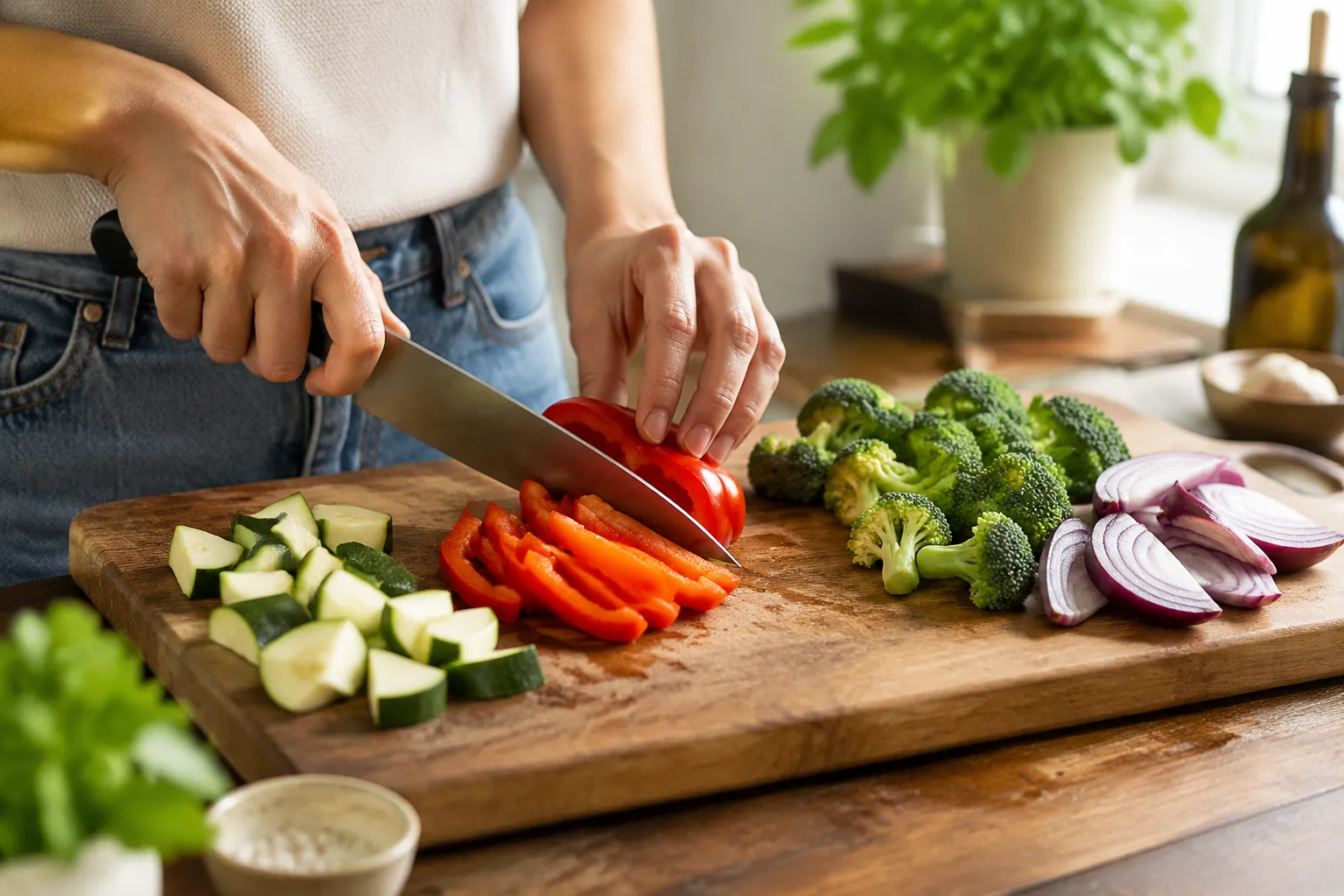
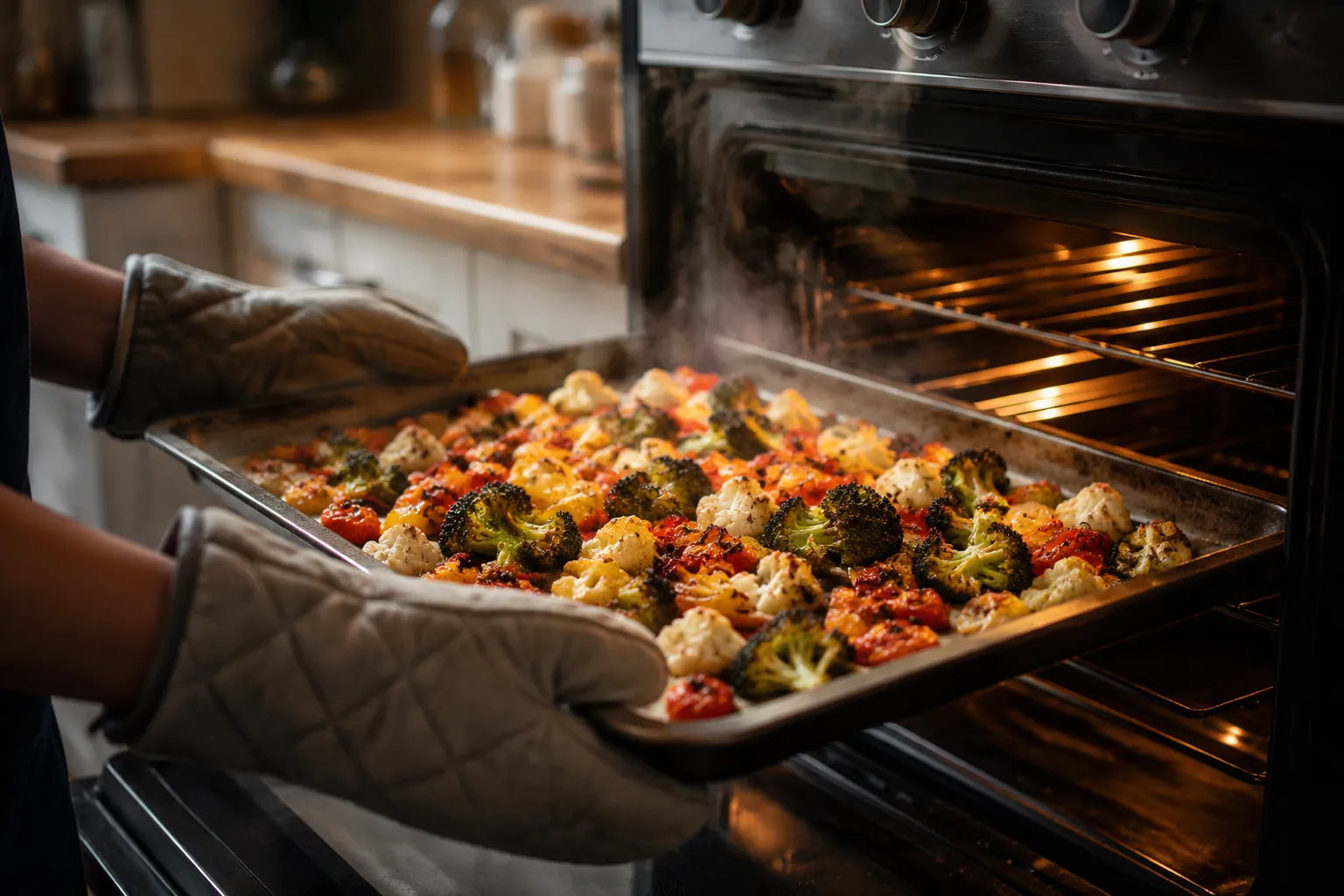
The process is straightforward: chop everything into uniform pieces so they cook at the same rate, toss them thoroughly in oil and spices, and spread them out on a large sheet pan. Space is your friend here; if the pan is too crowded, the vegetables will steam instead of roast. Halfway through, give them a good toss to ensure even browning. Once they come out of the oven, a fresh squeeze of lemon juice and a bit of zest adds a professional touch that makes the colors pop.
The beauty of this dish is its flexibility. In the winter, you can swap the zucchini and tomatoes for cubed butternut squash and Brussels sprouts. If you want a bit of heat, add a pinch of red pepper flakes, or for a Mediterranean twist, toss in some kalamata olives and feta cheese after roasting. No matter what you have in your crisper drawer, the roasting method will turn it into a delicious addition to your fruit and veg food repertoire.
This recipe is a blank canvas for whatever flavors you enjoy most. You can easily pivot the flavor profile by changing the seasoning blend or adding a few simple toppings after the vegetables come out of the oven.
Roasted vegetables are excellent for meal prep and can be stored in an airtight glass container in the refrigerator for up to 4 days. To maintain the best texture, reheat them in a toaster oven or back on a sheet pan at 350°F until warmed through, which helps re-crisp the edges better than a microwave would.
If you have leftovers that are starting to lose their crunch, they make a fantastic addition to morning omelets, frittatas, or blended into a creamy vegetable soup. We do not recommend freezing roasted vegetables, as the cell structure breaks down and they tend to become mushy upon thawing.