Tahini and Everything: 25 Ways to Use It + Easy Sauce
Ingredients
Scale
Tahini and just about anything is a match made in flavor heaven. Here's the only guide you need, plus a silky 5-minute tahini sauce that goes with everything.
tahini and almost anything savory, sweet, bright, smoky, or crunchy can become the kind of kitchen pairing that makes a weeknight dinner feel layered and special. This silky sesame paste is one of those small-but-mighty ingredients that turns lemon juice, garlic, and cold water into a glossy sauce in minutes, then happily drapes itself over roasted vegetables, grain bowls, falafel, salads, toast, noodles, and dessert.
If you have ever bought a jar for a hummus recipe and wondered what to do with the rest, this is your complete guide. We’ll talk about what tahini is, what flavors bring out its best side, 25 practical ways to use it, and the no-blender creamy tahini sauce I keep on repeat in my fridge. It is simple, flexible, naturally dairy-free, and just as welcome beside cozy roasted carrots as it is swirled into brownies.
Tahini is a smooth sesame paste made by grinding sesame seeds until their natural oils create a pourable, spoonable consistency. Some jars are made from hulled sesame seeds for a lighter flavor, while others use unhulled or more deeply toasted seeds for extra earthiness. The texture should be loose enough to drizzle once stirred, with a flavor that is nutty, savory, and faintly bitter in the best possible way. Think of it less like a sweet nut butter and more like a foundational sauce ingredient, the way olive oil or yogurt can anchor a meal.
In many Mediterranean and Middle Eastern kitchens, tahini is a pantry staple, showing up in dips, dressings, spreads, pastries, and sauces. For American home cooks, it is especially useful because it adds creaminess without dairy and richness without heaviness. A spoonful can round out sharp lemon, mellow raw garlic, or make a quick tahini dressing taste restaurant-level. If you are curious about how to make tahini from sesame seeds at home, it is absolutely possible, but a good store-bought jar is the easiest place to start.
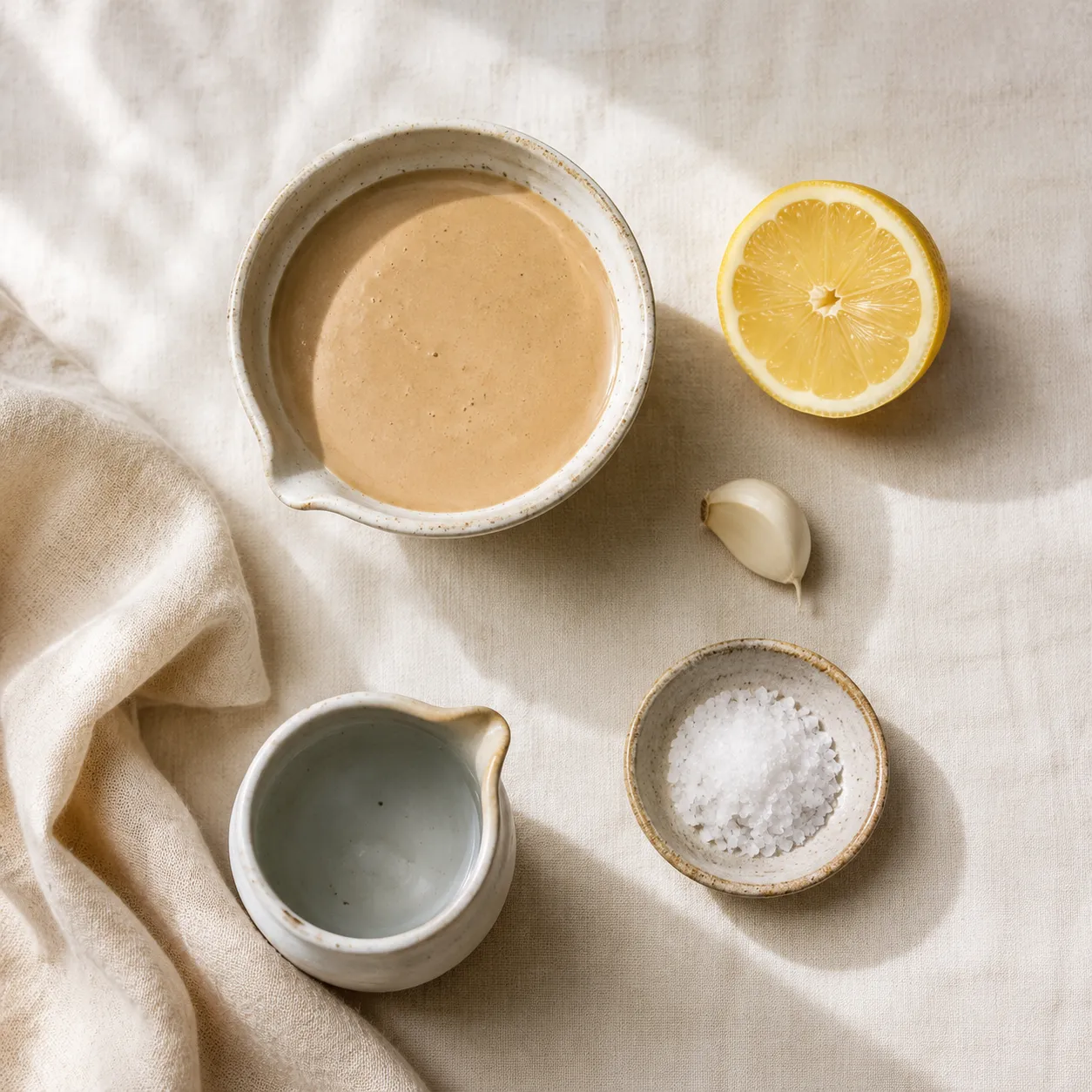
The classic pairing is sesame paste with lemon, because the brightness of citrus cuts through the rich, nutty base. Add a little grated garlic and salt, and you get a sauce that tastes balanced, punchy, and deeply savory. This is the backbone of many vegan sauces because it feels creamy and substantial without needing mayonnaise, cream, or yogurt. It is also why the same basic tahini recipe can move from a salad bowl to a platter of grilled chicken or crispy chickpeas without missing a beat.
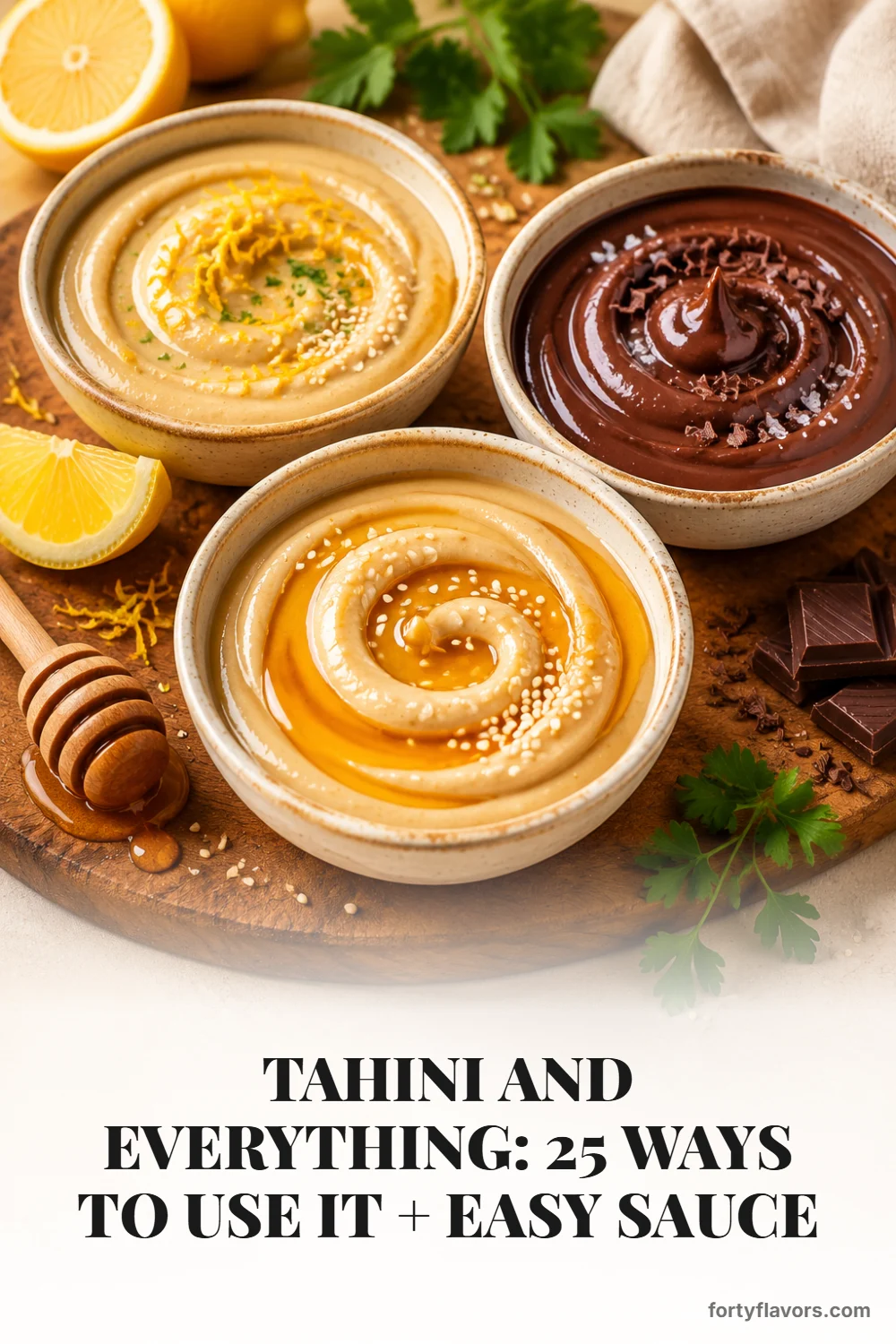
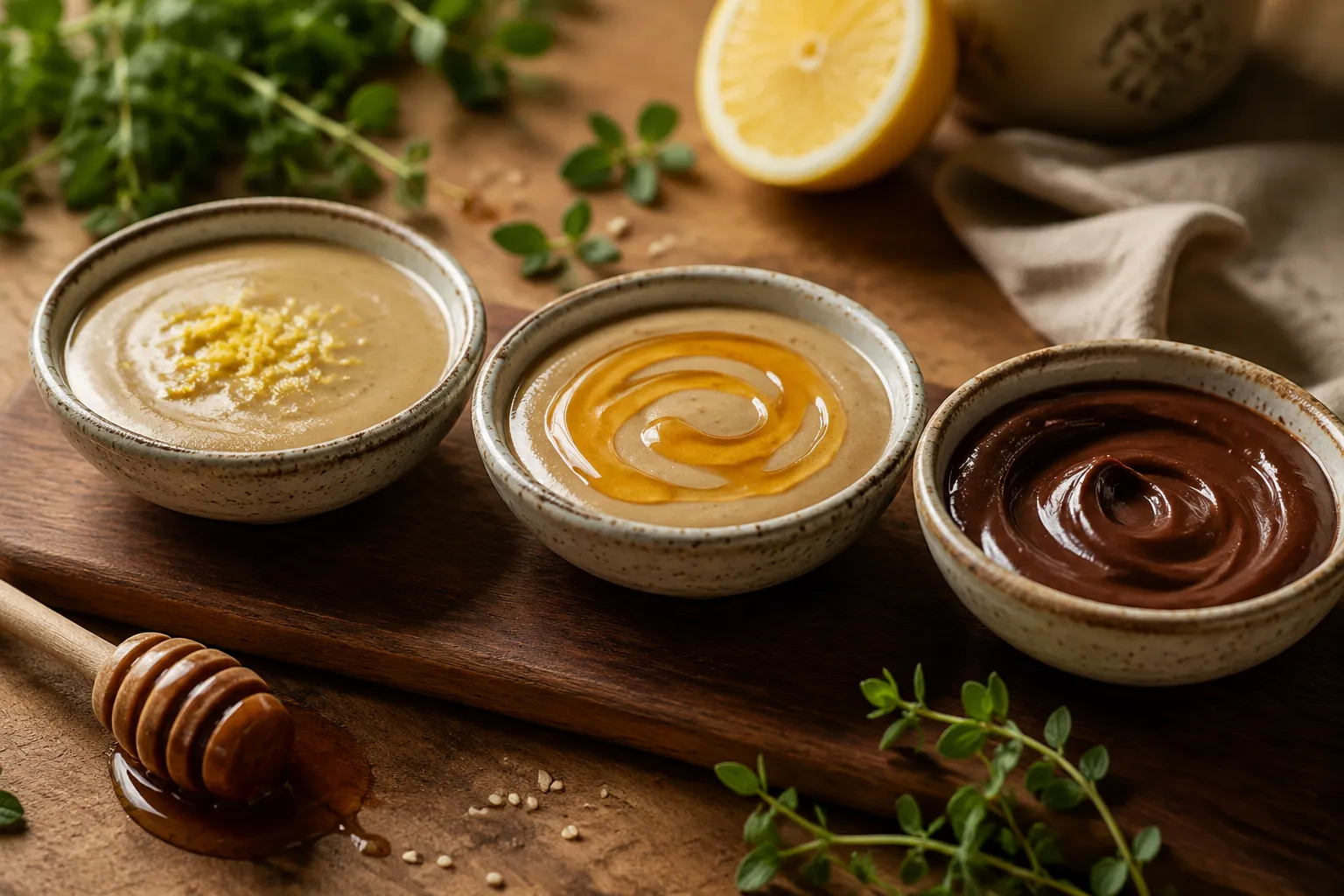
Sweet flavors also love tahini. Honey and maple syrup soften its earthy edge and bring out a toasted, almost halvah-like quality that is lovely over oatmeal or fruit. Chocolate is another natural match, especially dark chocolate, where tahini adds depth and a gentle savory note that keeps desserts from tasting flat. For spice, try cumin, smoked paprika, Aleppo pepper, chili crisp, or a pinch of cayenne; for herbs, parsley, cilantro, dill, and mint all play beautifully with its nutty base.
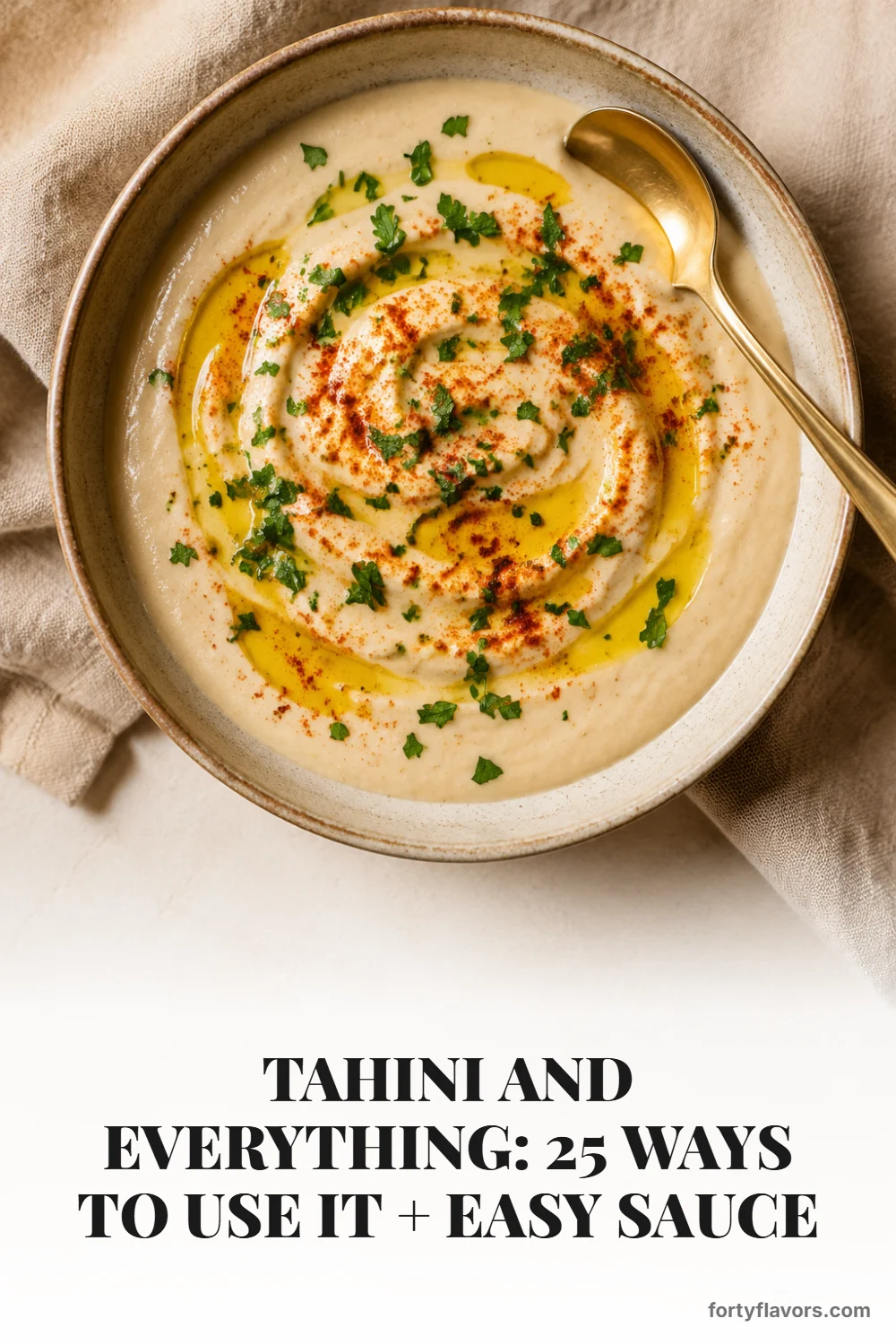
Once you stop thinking of tahini as a single-use hummus ingredient, it becomes one of the most versatile jars in the pantry. Use it to build sauces and dips first: whisk it with lemon and garlic for falafel, loosen it with extra water for a pourable salad sauce, blend it into a creamy tahini sauce with herbs, or stir it into your favorite hummus recipe for extra body. For a quick appetizer, spread it on a plate, top with olive oil, toasted sesame seeds, herbs, and a little sumac, then serve with warm pita or crisp vegetables.
At breakfast, tahini can go sweet or savory. Swirl it into oatmeal with maple syrup and cinnamon, spread it on toast with jam or sliced banana, blend a spoonful into smoothies, or whisk it into pancake batter for a subtly nutty flavor. It is also excellent in baked goods, where it can add moisture and a roasted sesame note to banana bread, blondies, brownies, cookies, and quick breads. A simple drizzle of tahini mixed with honey can make yogurt bowls, granola, or roasted apples feel instantly more interesting.
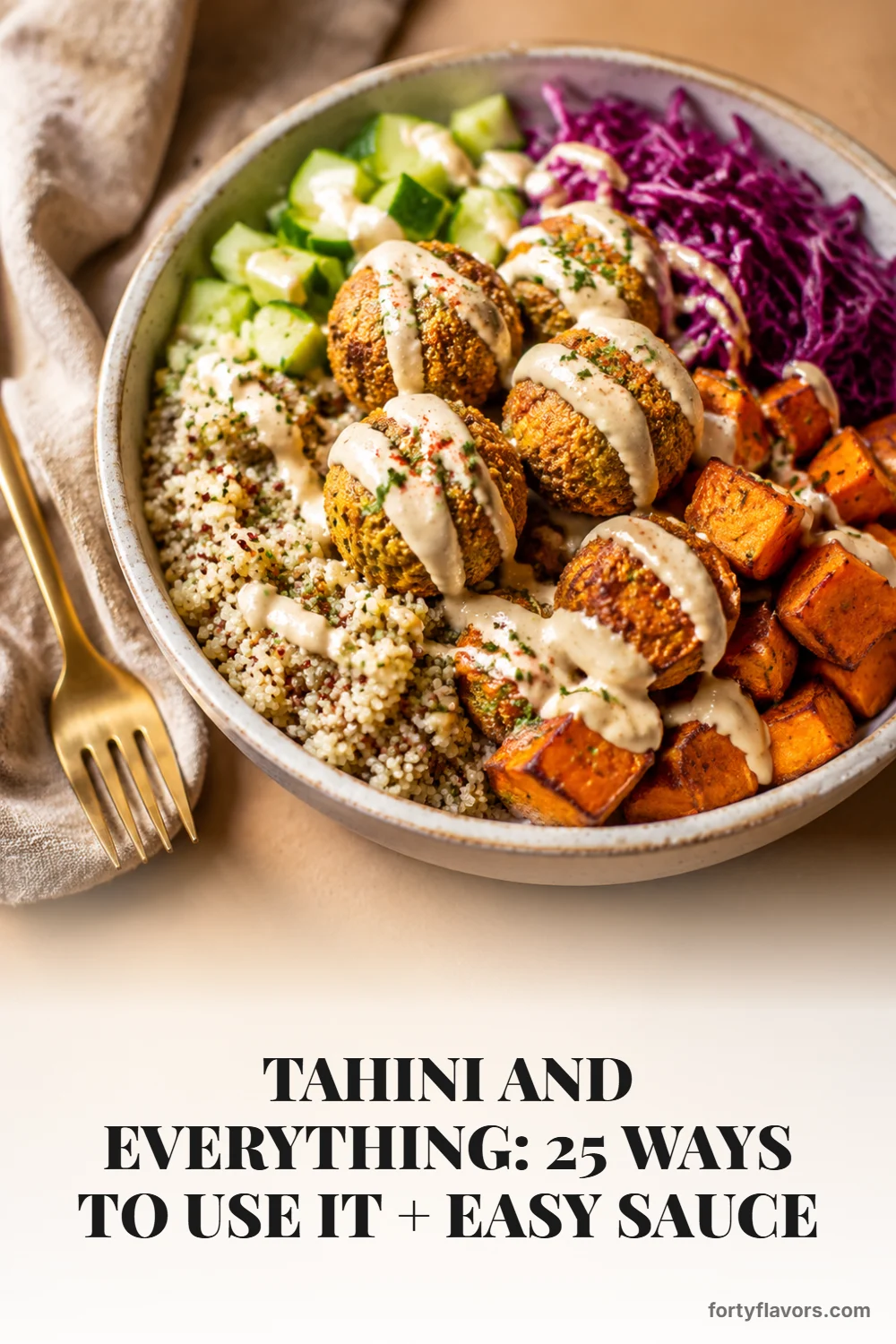
For lunches and dinners, it is a weeknight workhorse. Spoon it over roasted cauliflower, carrots, Brussels sprouts, sweet potatoes, eggplant, or broccoli. Drizzle it over grain bowls with quinoa, farro, rice, lentils, cucumbers, and herbs. Use it with falafel, shawarma-style chicken, roasted salmon, crispy tofu, chickpea salads, or any spread of Mediterranean recipes that needs a creamy finishing touch. It can even be whisked into warm noodles with soy sauce, ginger, and chili oil for a sesame noodle situation that takes less than 15 minutes.
Dessert is where tahini quietly surprises people. Stir it into melted chocolate for a glossy sauce, layer it into brownies, drizzle it over vanilla ice cream with flaky salt, or whisk it with powdered sugar and lemon for a quick glaze. You can also use it as a dip for dates, strawberries, or apple slices when you want something that tastes indulgent but not overly sweet. The slight bitterness is exactly what makes it so good with sugar, chocolate, and fruit.
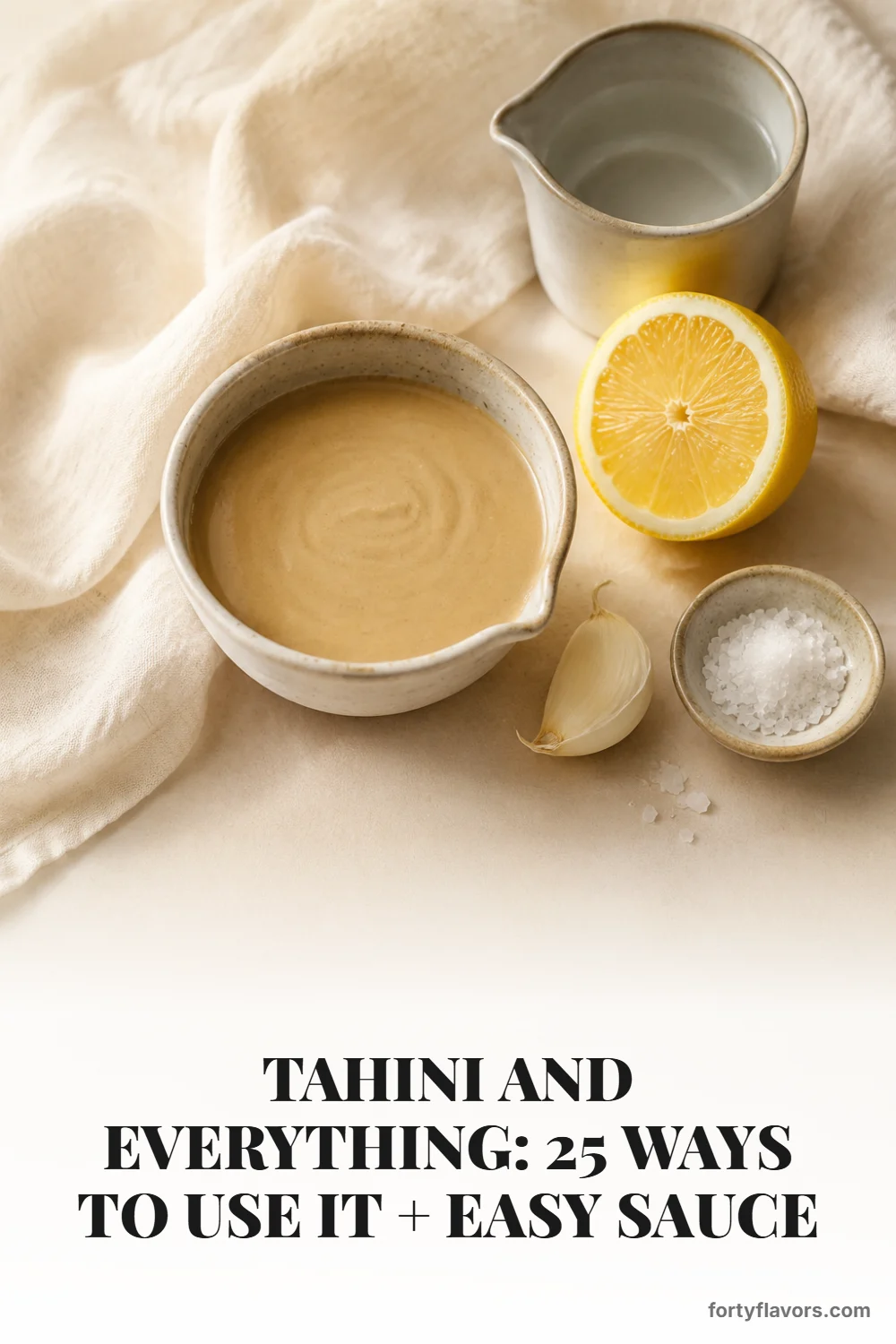
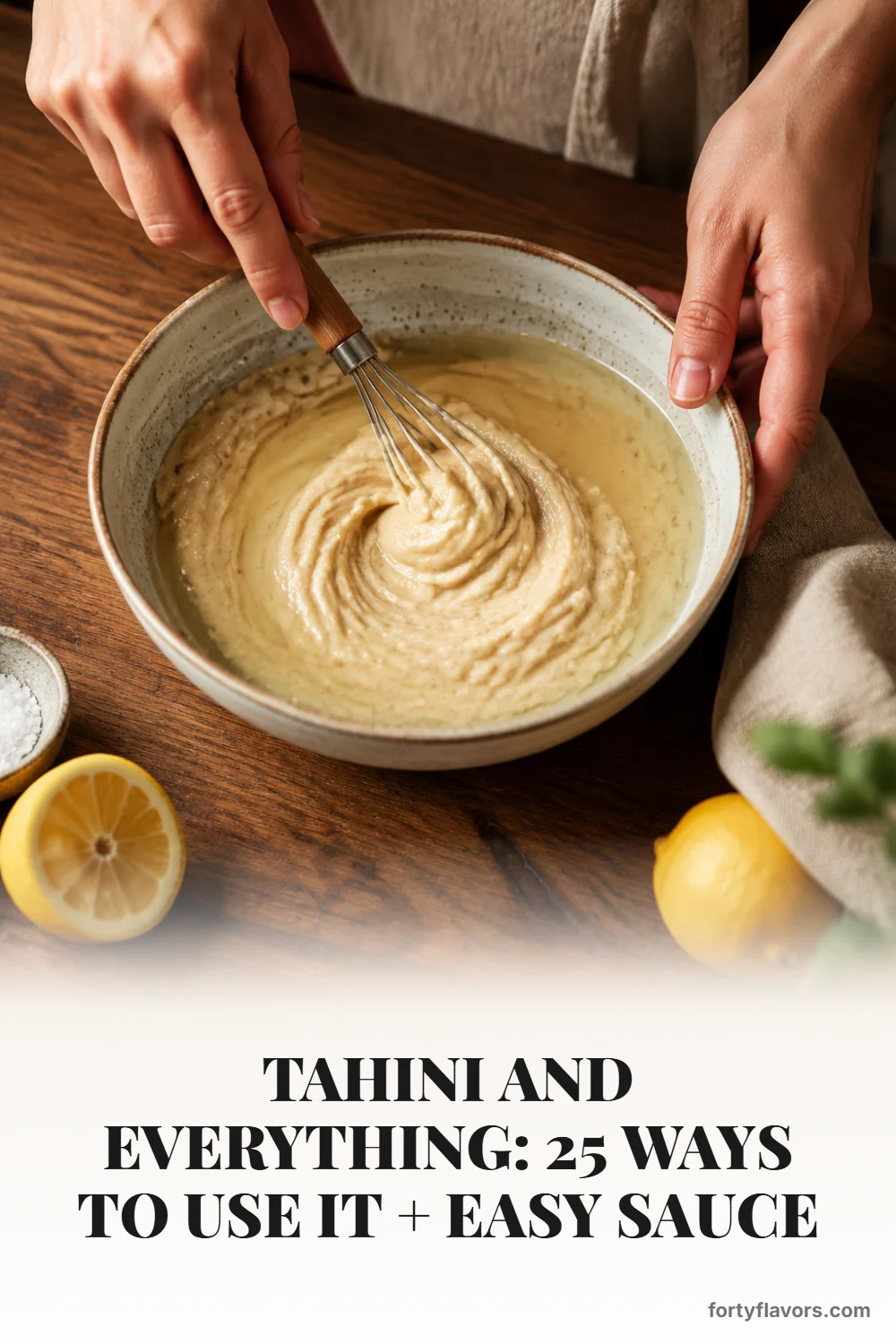
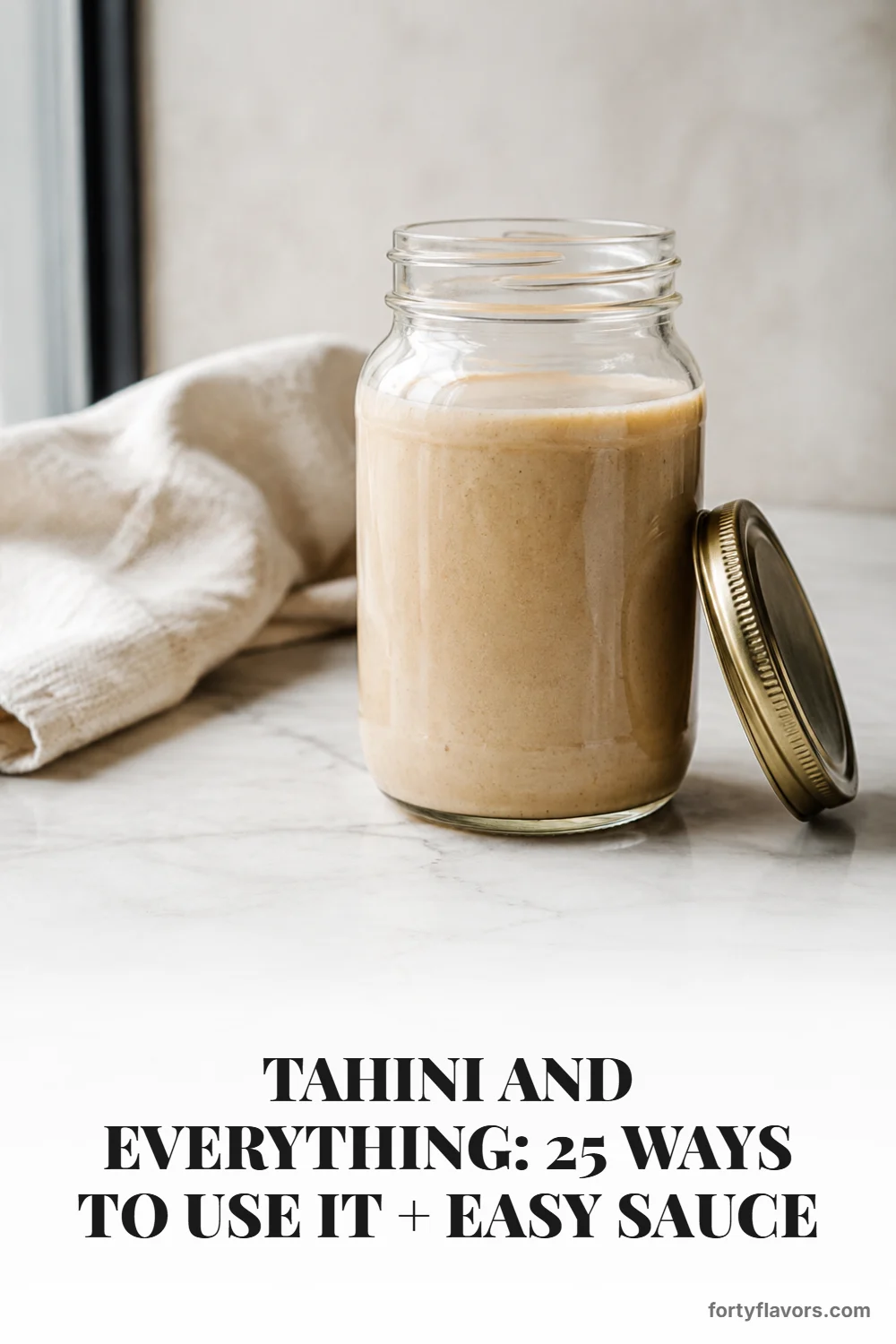
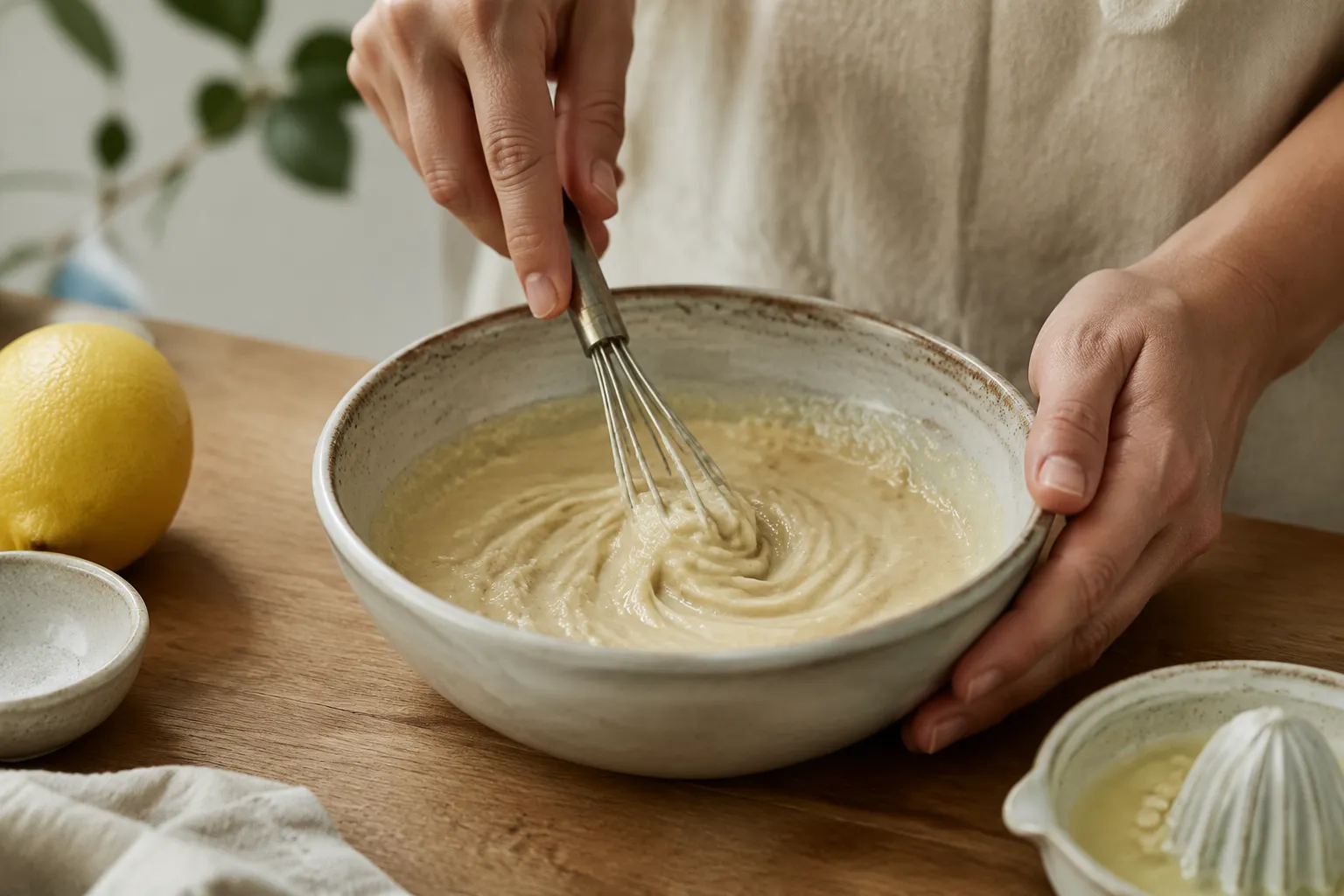
This is the sauce I make most often: well-stirred tahini, fresh lemon juice, one small grated garlic clove, sea salt, and cold water. It starts out looking a little strange, because the mixture thickens and seizes as soon as the lemon hits the sesame paste. Don’t panic; that is exactly what should happen. Keep whisking and add cold water one tablespoon at a time, and it will loosen into a silky, pale, pourable sauce.
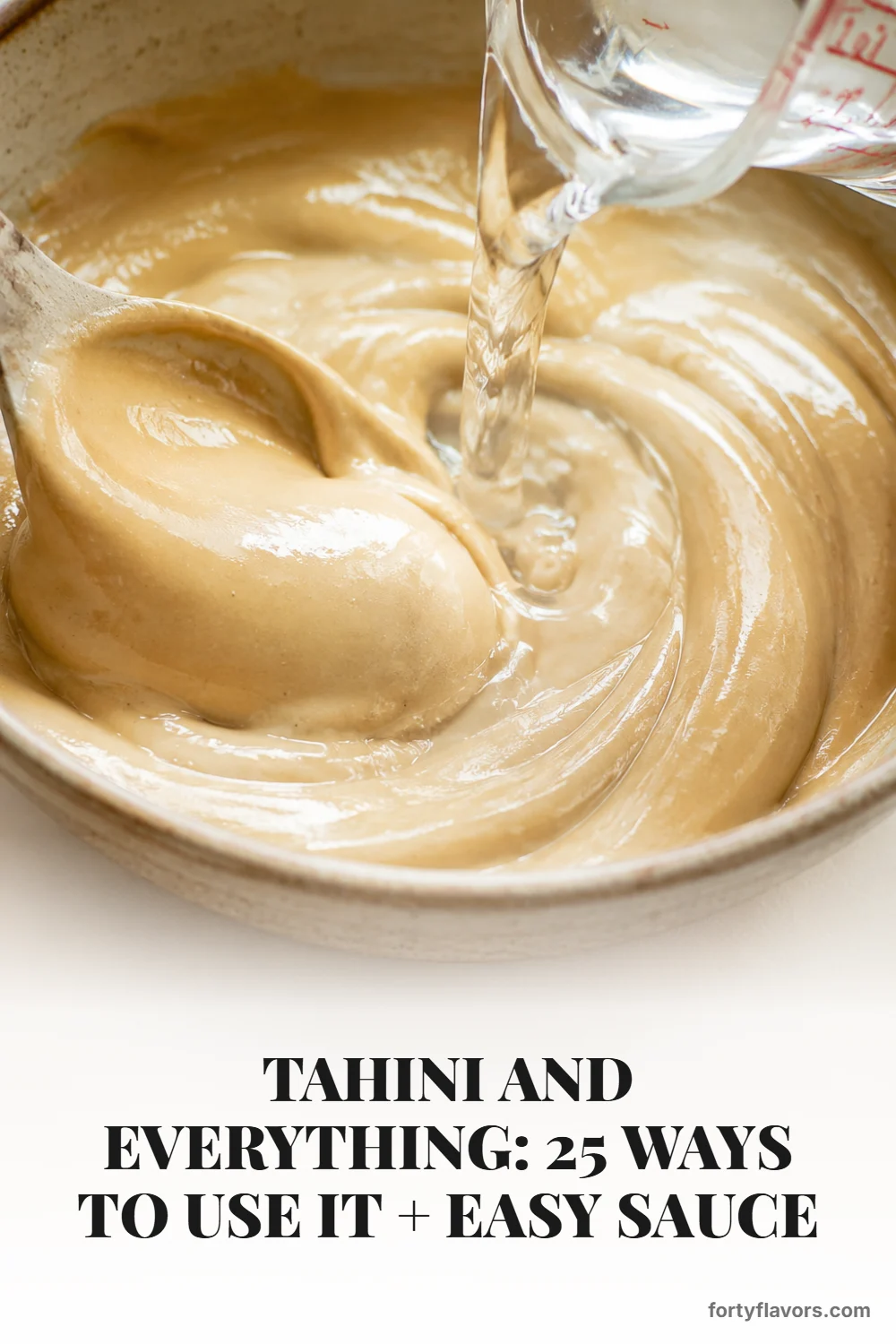
The key is to add the water gradually. Too much at once can make the sauce thin before the tahini has fully emulsified, while a slow stream gives you control over whether you want it thick for dipping or loose enough to drizzle. Taste at the end and adjust with more lemon for brightness, more salt for savory depth, or another splash of water for a lighter texture. This no-blender method is quick enough for lunch but polished enough to serve with a dinner spread.
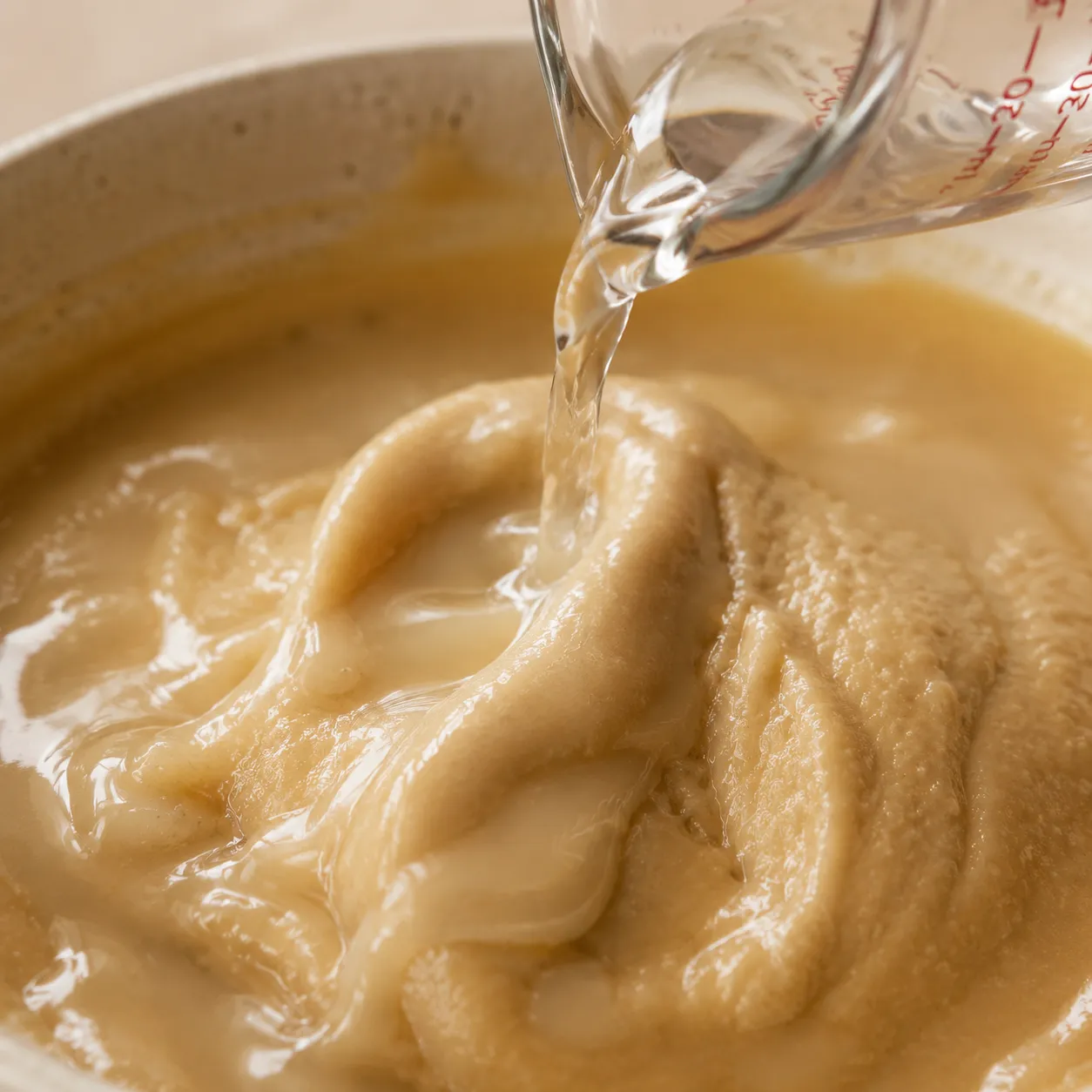
For a basic batch, start with 1/3 cup well-stirred tahini in a bowl, then whisk in 3 tablespoons fresh lemon juice, 1 small grated garlic clove, and 1/4 teaspoon fine sea salt. The mixture will become thick, matte, and almost pasty. Begin adding 3 to 5 tablespoons cold water, whisking after each addition, until the sauce turns glossy and falls from the whisk in ribbons. If your garlic clove is large or very sharp, use half; the flavor blooms as the sauce rests.
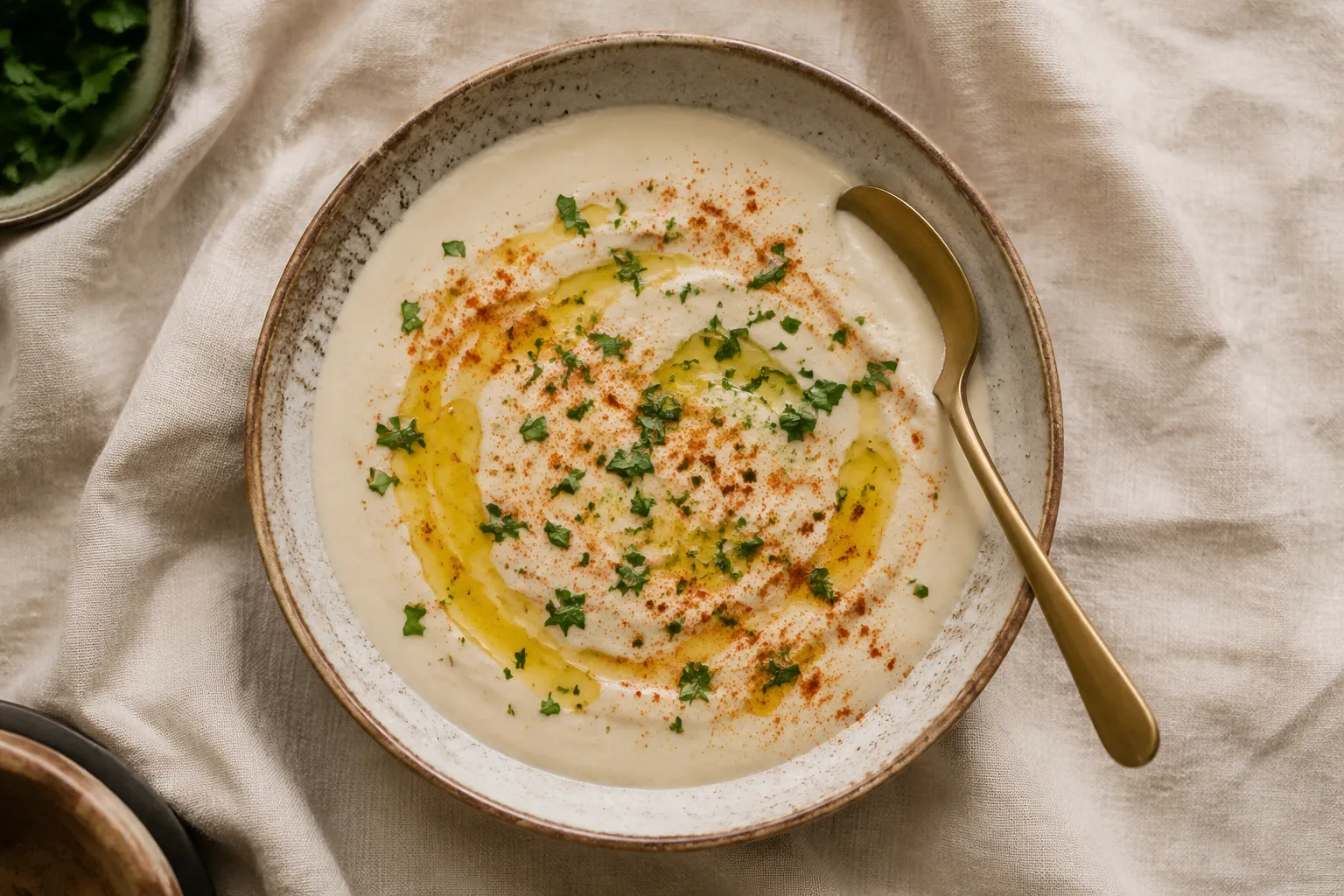
If the sauce looks clumpy, grainy, or stubborn, it has not failed. Tahini naturally tightens when it meets liquid, then relaxes as more water is worked in. Use cold water, keep whisking, and scrape the sides of the bowl so the thick paste incorporates evenly. Within a minute or two, the texture should shift from stiff and beige to smooth, creamy, and spoonable.
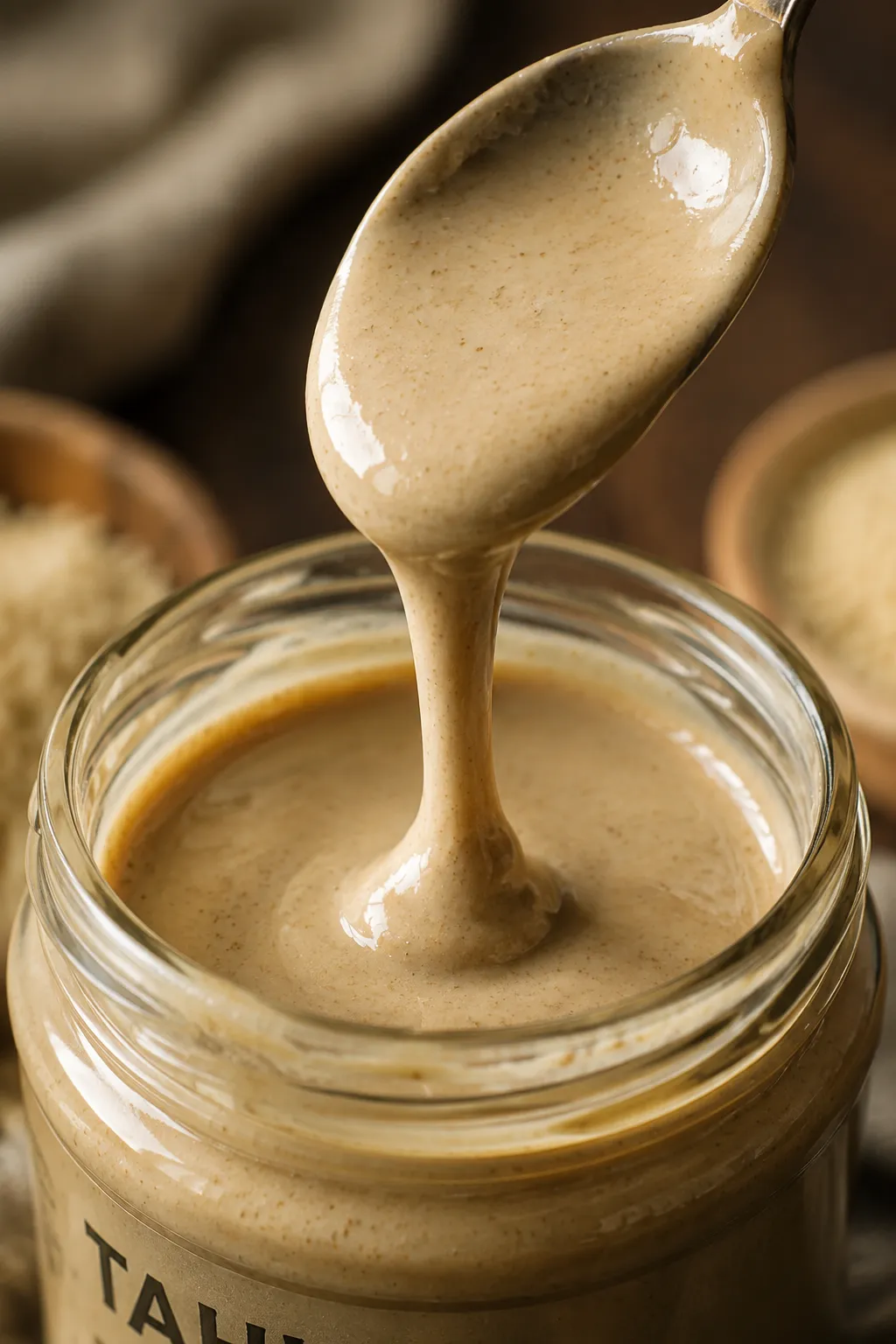
A good jar of tahini should have a clean sesame aroma, a smooth texture, and a flavor that is nutty rather than harsh. Some separation is normal, with oil rising to the top and thicker paste settling below. Before using, stir the jar thoroughly from the bottom up with a sturdy spoon or butter knife, taking your time until the texture is even. If it is extremely dry, chalky, or aggressively bitter, try a different brand next time; tahini varies a lot from jar to jar.
Color can tell you a little about flavor. Pale beige tahini is usually mild and creamy, while darker jars may taste toastier, stronger, or slightly more bitter. For sauces, dressings, and drizzles, I like a pourable tahini that tastes balanced enough to eat from a spoon. If your jar has been sitting for a while, stir it well before measuring so your sauce does not end up oily one week and dry the next.
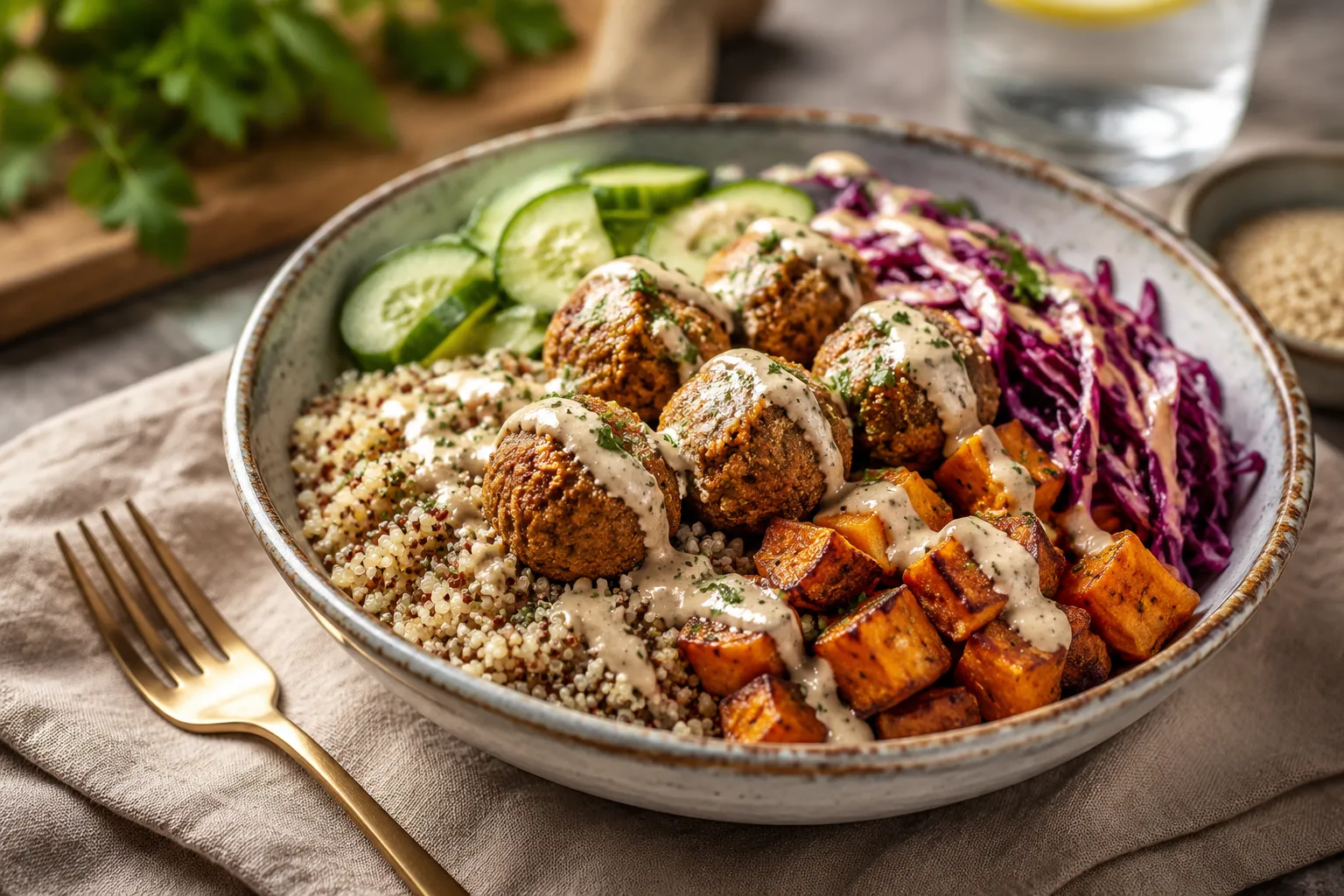
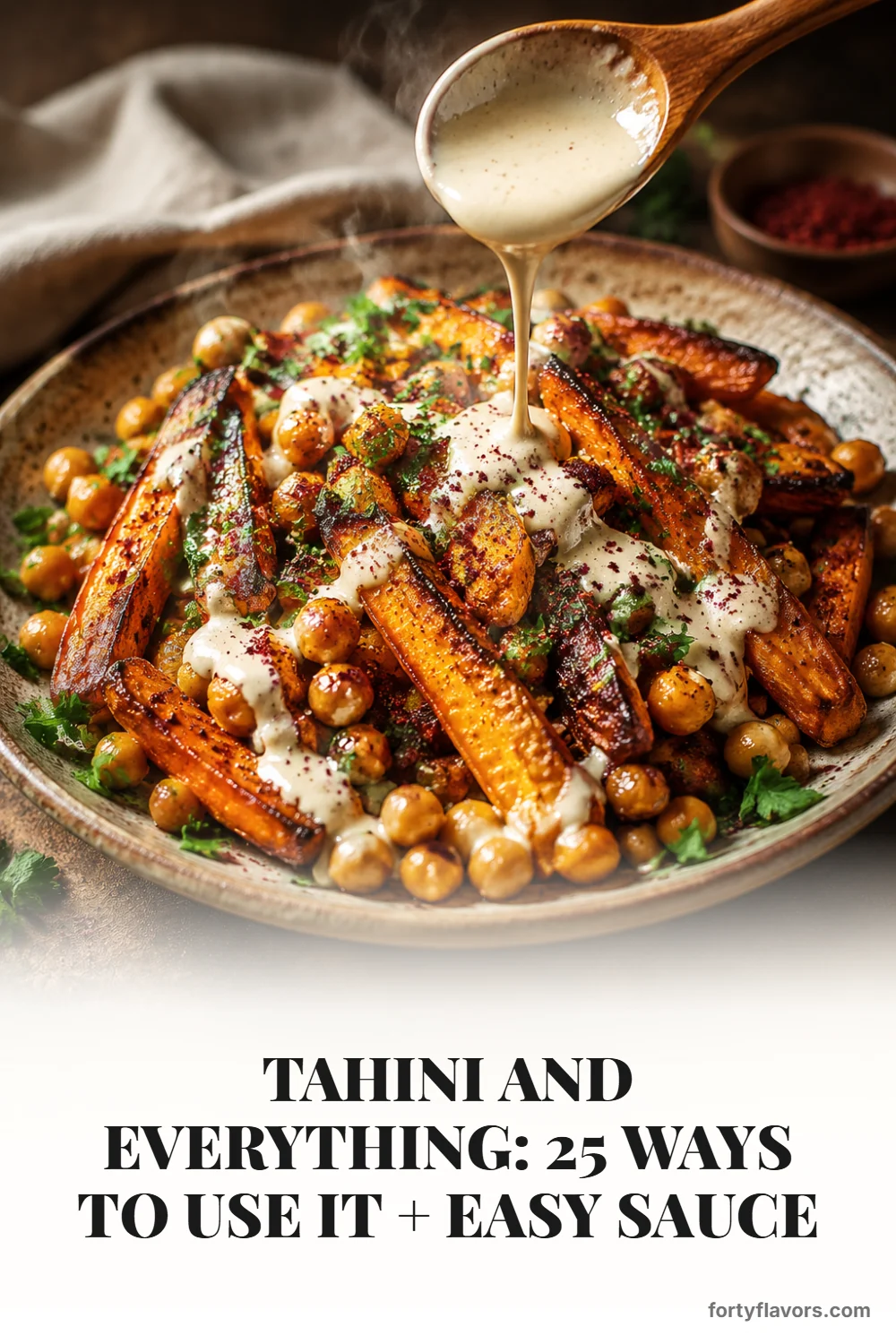
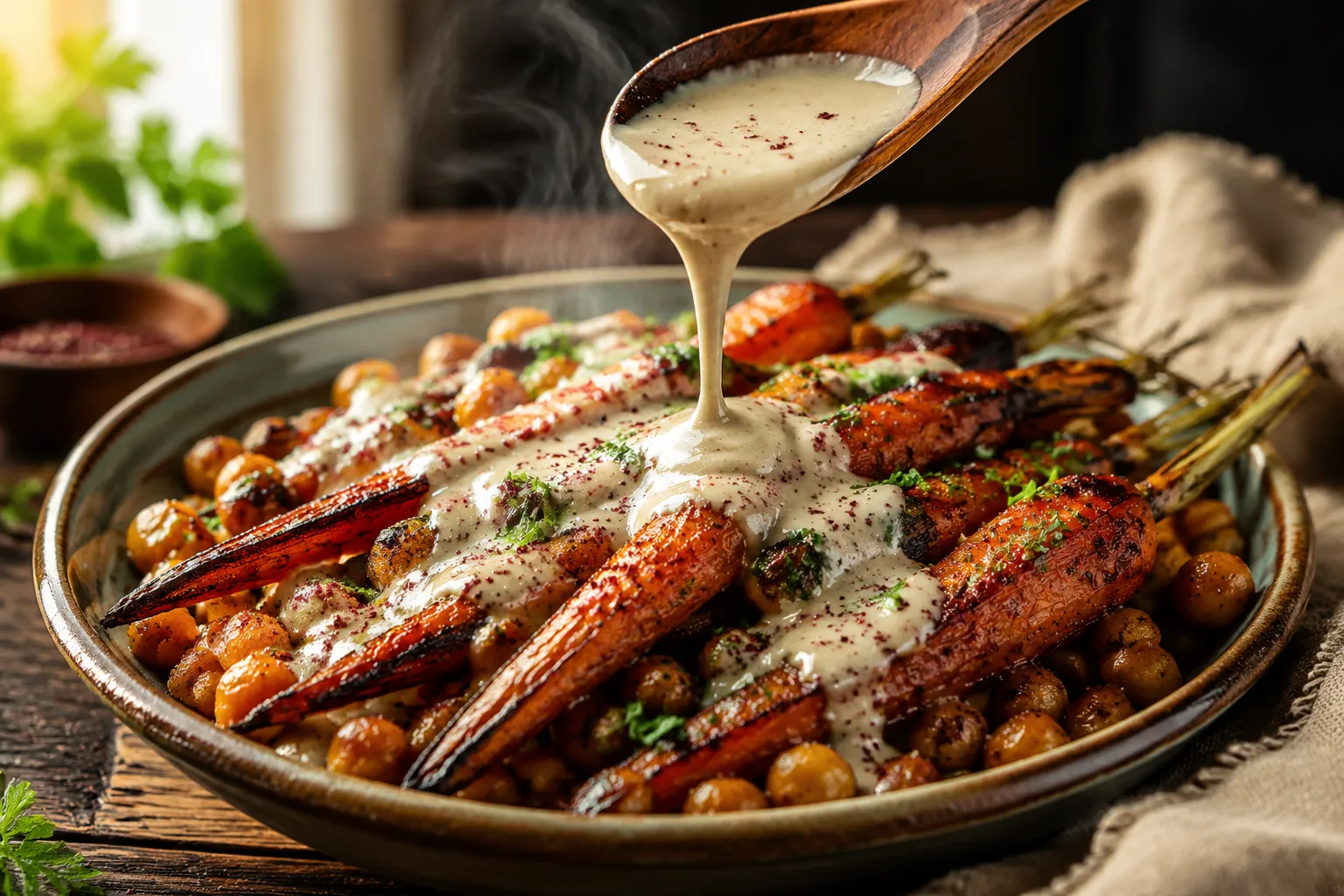
This sauce is at its best when it meets something warm, crisp, or deeply roasted. Spoon it over caramelized carrots, cauliflower, sweet potatoes, crispy chickpeas, or a sheet pan of broccoli with lemon zest and herbs. It also makes a beautiful finishing sauce for falafel bowls, shawarma-style chicken, roasted fish, stuffed pitas, or any dinner built around rice, greens, and crunchy vegetables. Add pickled onions, cucumbers, and herbs, and you have a meal that feels bright and complete.
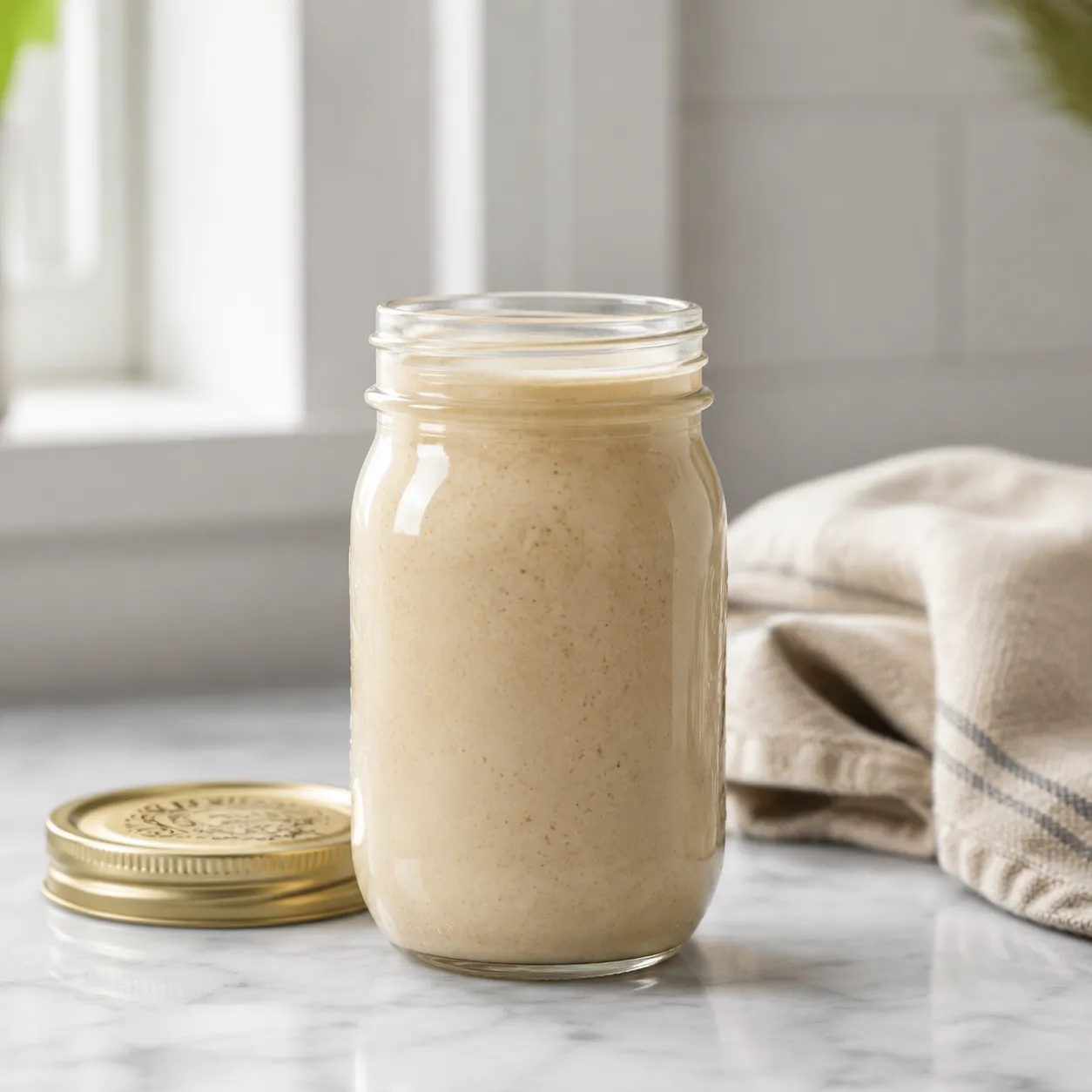
For everyday lunches, use the sauce as a bridge between leftovers. A scoop of grains, some roasted vegetables, chickpeas or chicken, and a drizzle of sauce can turn odds and ends into a real bowl. Thin it with a little extra water and it becomes a salad dressing; keep it thicker and it becomes a dip for cucumbers, pita chips, or roasted wedges. It is especially good with smoky spices, briny olives, fresh herbs, and anything lemony.
Do not limit it to savory meals, though. A sweeter version with maple syrup can be spooned over oatmeal, chia pudding, sliced bananas, roasted pears, or ice cream. For a quick dessert drizzle, whisk tahini with maple, cocoa powder, a pinch of salt, and enough warm water to make it glossy. The result is rich and nutty with a grown-up edge, the kind of little kitchen trick that makes a simple bowl of fruit or yogurt feel like something you planned.
Tahini is the rare pantry ingredient that can make a meal creamier, deeper, brighter, and more satisfying all at once. It works in quick sauces, salad dressings, dips, breakfasts, baked goods, and desserts, and it has a way of making simple ingredients taste more intentional. Start with the lemon-garlic sauce here, then let your cravings guide you toward herbs, spices, maple, chocolate, or chili. Once you see how easily it fits into everyday cooking, that jar will stop lingering in the back of the pantry and start earning a permanent spot up front.
Store leftover tahini sauce in an airtight jar or container in the refrigerator for up to 5 days. It will thicken as it chills, so whisk in a teaspoon or two of cold water before serving until it becomes smooth and pourable again.
An opened jar of plain tahini can usually be kept in the pantry if the label allows, but refrigeration helps extend freshness and slows rancidity, especially in warm kitchens. If it smells sour, paint-like, or sharply bitter in an unpleasant way, it is time to replace it.
Hover any image and hit “Pin it” to save it to your Pinterest boards.