Cauliflower Rice: How to Make It Perfectly Every Time
Ingredients
Scale
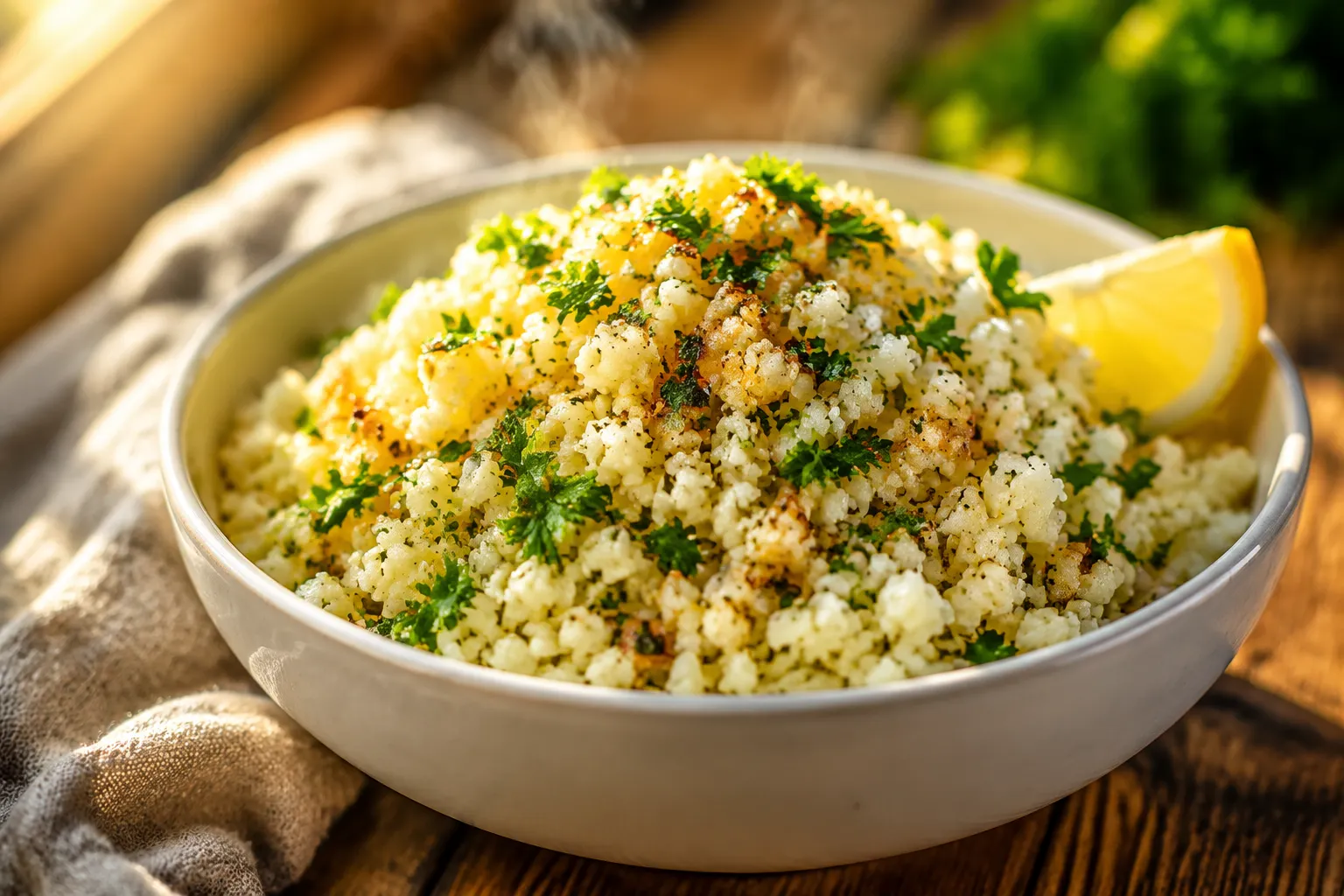
Fluffy, never soggy cauliflower rice in 10 minutes flat. The grating method, the cooking trick, and the recipes that actually taste like a meal.
Cauliflower rice has earned its place in my weeknight rotation, and once you taste it done right, you'll understand the hype. The trouble is that most versions land somewhere between damp gym towel and watery purée, and one bad batch can sour you on the whole concept. This guide is here to fix that, with the exact method I use every week and the troubleshooting that prevents the soggy spiral.
Below you'll find a fast, dry-then-sauté technique that gives you fluffy, separate grains with golden edges and real flavor. We'll cover the equipment options, the fresh-versus-frozen question, five recipe directions to take it once you nail the base, and a few pro moves that make the difference between mush and magic. If you've been hunting for low-carb side dishes that don't taste like punishment, you're in the right place.
This is also a recipe I make in big batches for meal prep, because cooked riced cauliflower keeps beautifully and pairs with almost anything you'd serve over grains. Ten minutes, one skillet, endless dinners.
If you've never tried it, cauliflower rice is exactly what it sounds like: raw cauliflower chopped or pulsed into pieces roughly the size of cooked rice grains. There's no actual rice involved, which makes it naturally grain-free, gluten-free, and a smart pick for anyone eating low-carb or following a keto plan. A heaping cup of cooked cauli rice clocks in around 25 calories with about 5 grams of carbs, while the same amount of white rice runs closer to 200 calories and 45 grams of carbs.
That math is part of why it became the darling of the keto crowd, but the appeal goes beyond macros. Cauliflower has a mild, nearly neutral flavor that takes on whatever you cook it with, the same way actual rice does. Sauté it with garlic and lemon and it tastes Mediterranean. Stir-fry it with soy and ginger and it could pass for fried rice. Toss it with cilantro and lime and it's the perfect base for tacos or a burrito bowl.
Compared to brown rice, the texture is lighter and slightly more delicate, but it cooks in a fraction of the time. It isn't a one-to-one swap in every dish (don't expect it to absorb a brothy curry the way long-grain does), but as a keto rice substitute it punches well above its weight. Think of it less as a stand-in and more as its own ingredient that happens to play the same role on the plate.
The base recipe is almost embarrassingly simple, which is part of the charm. The cauliflower does the heavy lifting, and a few pantry staples turn it into something you'd happily serve to company.
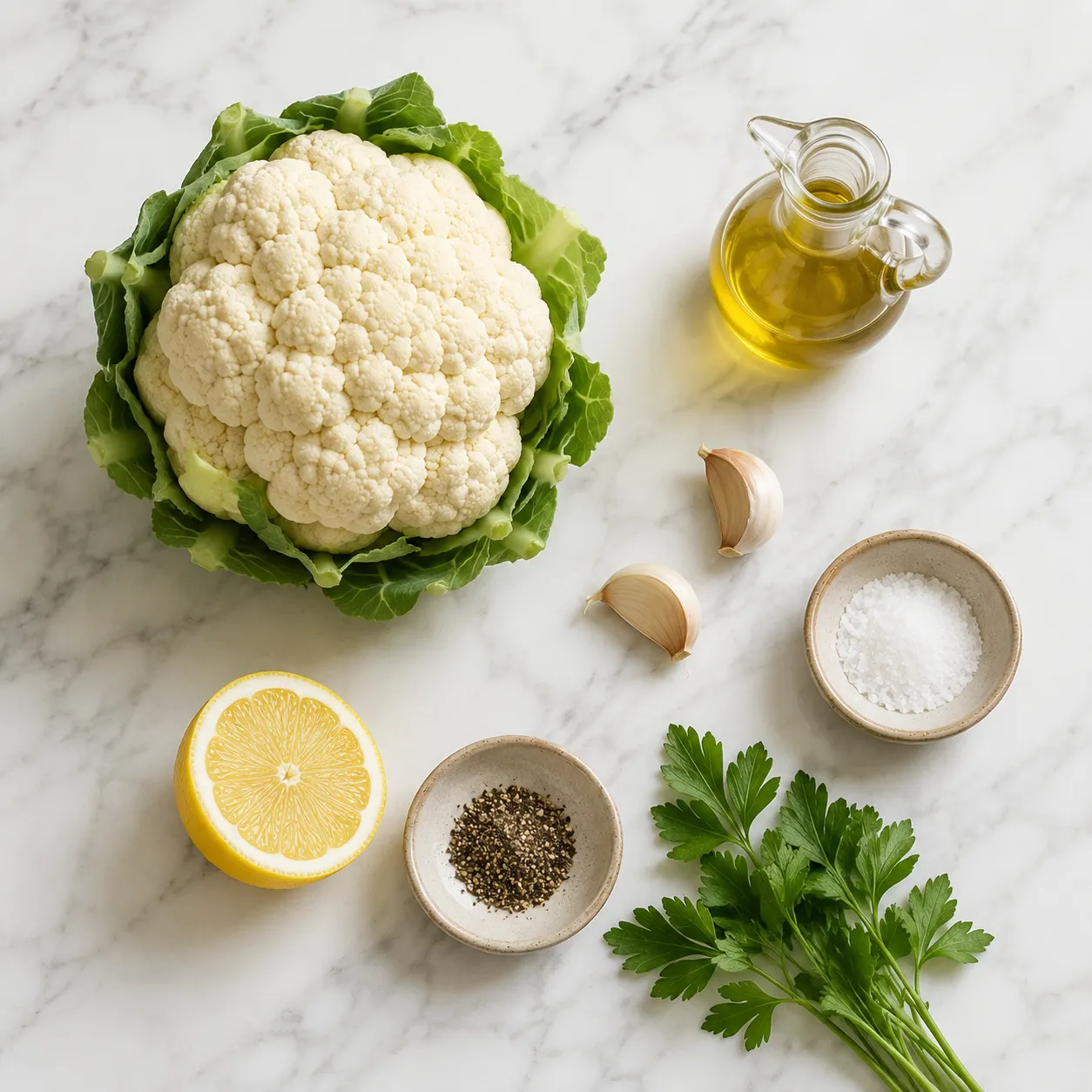
Fresh cauliflower is my first choice when I have the time. Look for a head that's heavy for its size, tightly packed, and bright white with no brown spots or soft patches. One medium head (about two pounds) yields roughly four cups of riced cauliflower, enough to serve four. Frozen riced cauliflower is a legitimate shortcut and a freezer staple in my kitchen. The texture is slightly softer and it releases more water, but cooked correctly (more on that in a minute), it's nearly indistinguishable from fresh.
For fat, olive oil or avocado oil both work. I lean toward olive oil for Mediterranean-leaning dishes and a neutral avocado oil when I'm heading into stir-fry territory. A tablespoon is plenty for a full head. Butter or ghee adds richness if you want to lean into a steakhouse-style side.
Seasoning is where you decide what kind of dish you're making. Salt and pepper are non-negotiable; everything beyond that is direction. A clove of minced garlic adds savory depth, a squeeze of lemon brightens it, and chopped fresh parsley or cilantro gives it color and life. For an Asian-inspired pivot, swap in a splash of soy sauce, toasted sesame oil, and grated ginger at the end.
The whole process takes about ten minutes and breaks down into three moves: prep, rice, sauté. Get the order right and you'll never go back to the watery version.
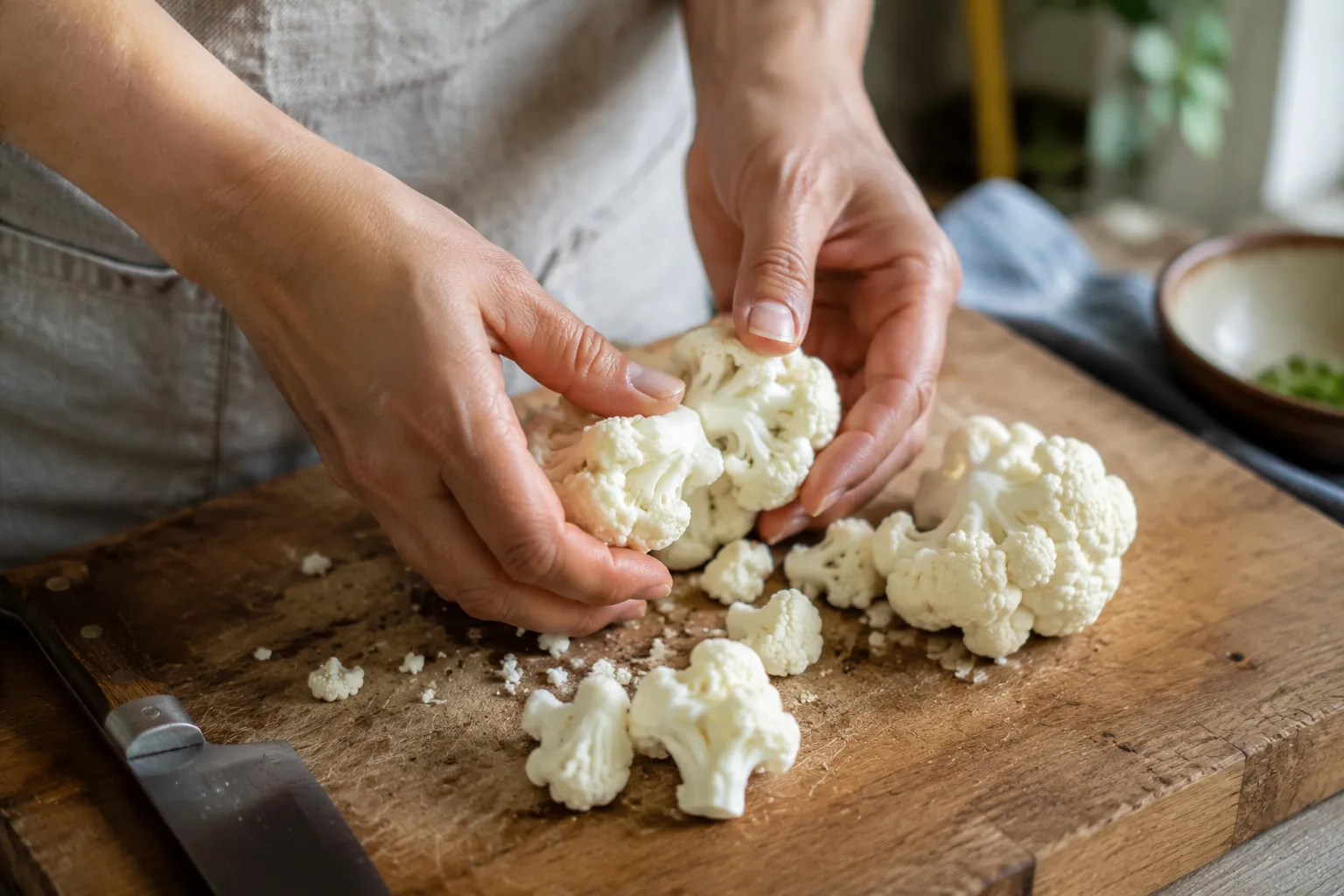
Step 1: Prep and dry the florets. Pull off the green leaves, cut out the tough core, and break the head into florets roughly the size of a walnut. Wash them well, then (and this is the part most recipes skip) dry them thoroughly. Spread the florets on a clean kitchen towel and pat them dry, or give them a quick spin in a salad spinner. Wet florets are the number one reason riced cauliflower turns to mush, because all that surface water has to evaporate before the grains can crisp.
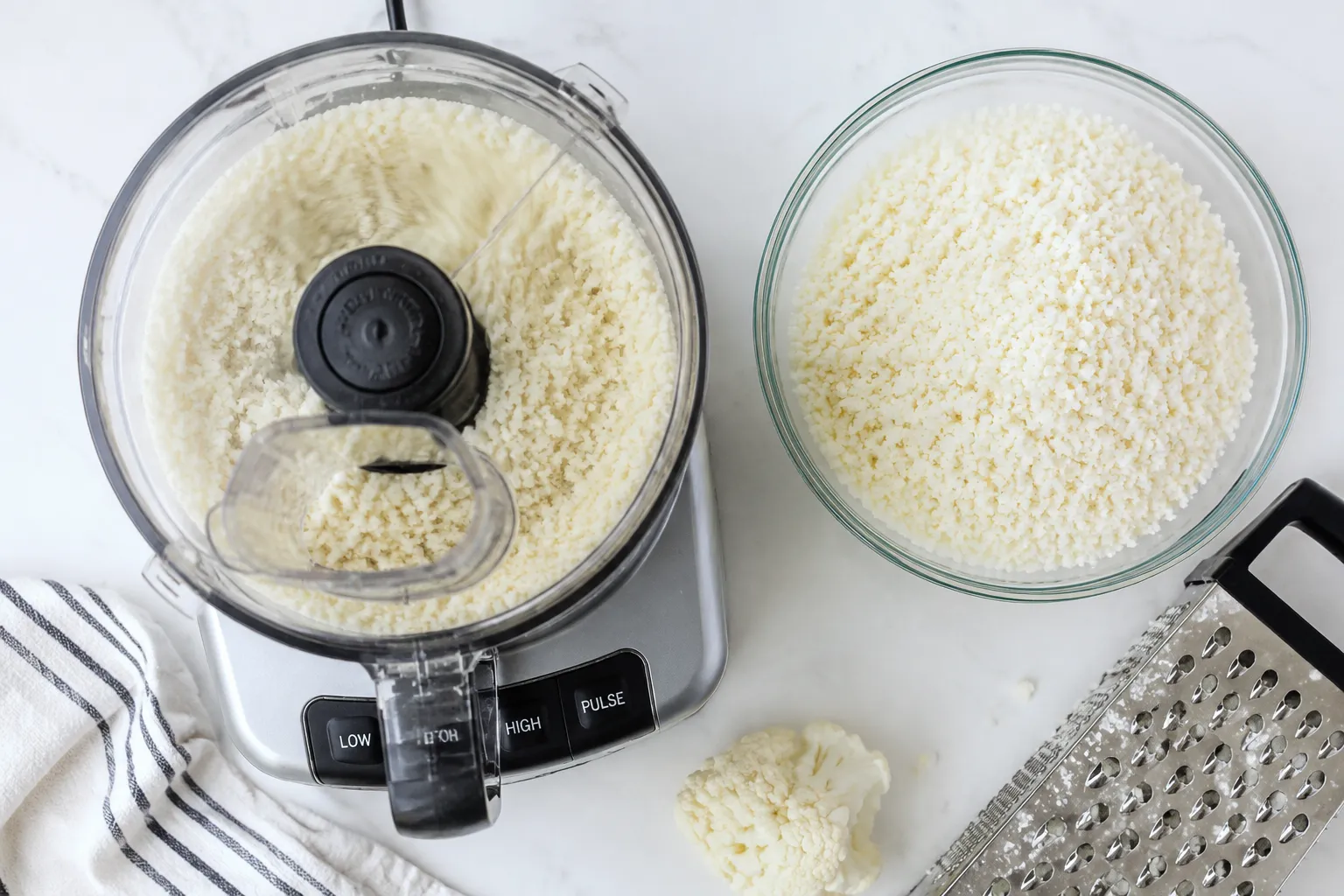
Step 2: Rice the cauliflower. You have three good options for how to rice cauliflower depending on what's in your kitchen. A food processor is fastest: add the florets in batches (don't overfill the bowl), and pulse in short bursts of one second until the pieces are rice-sized. Stop before they turn to paste; ten to fifteen pulses usually does it. A box grater works beautifully too. Use the large holes and grate the florets like you would a block of cheese, watching your knuckles on the smaller pieces. A chef's knife also gets the job done; quarter the florets, then run your knife through them in even, fine cuts until everything looks uniform.
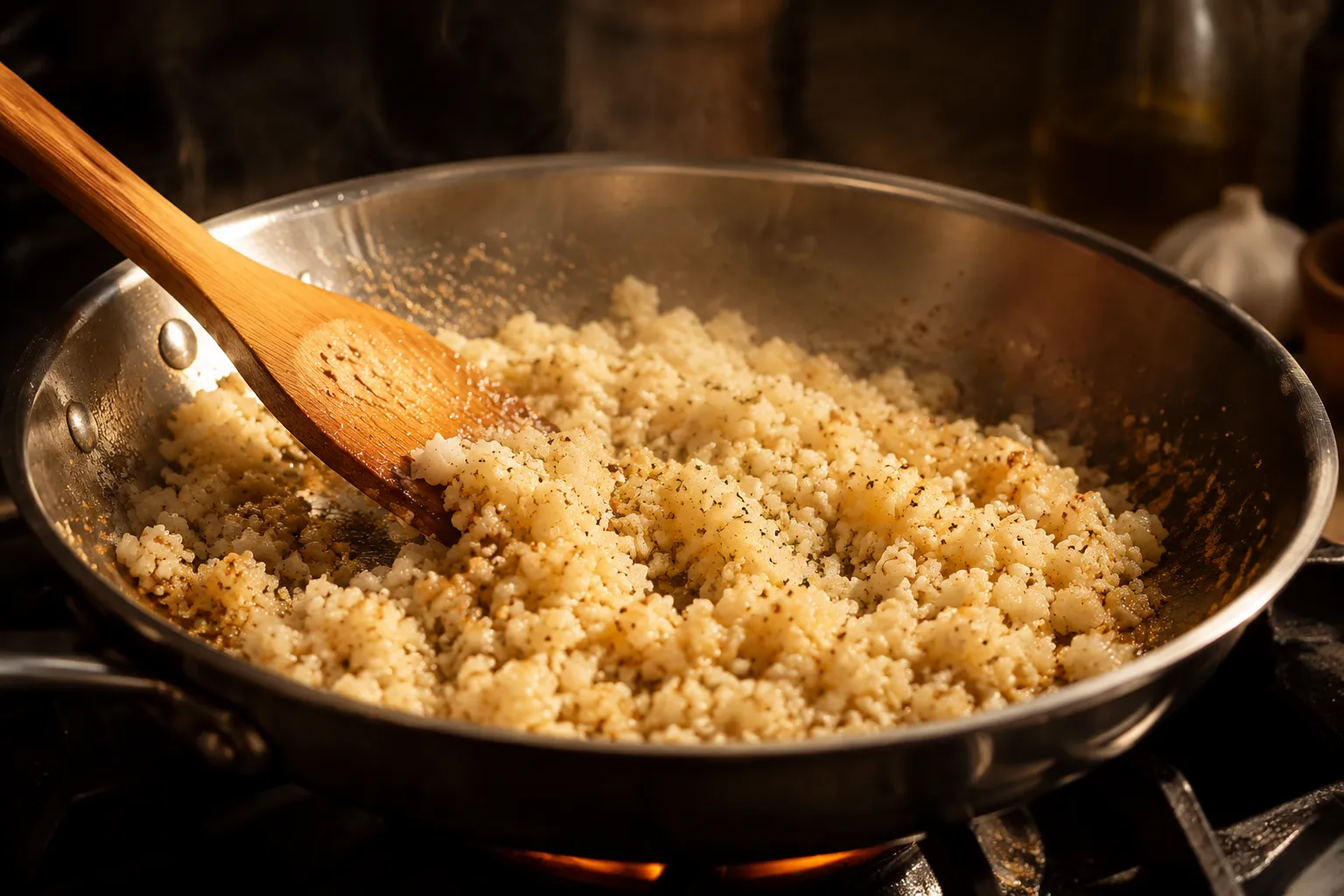
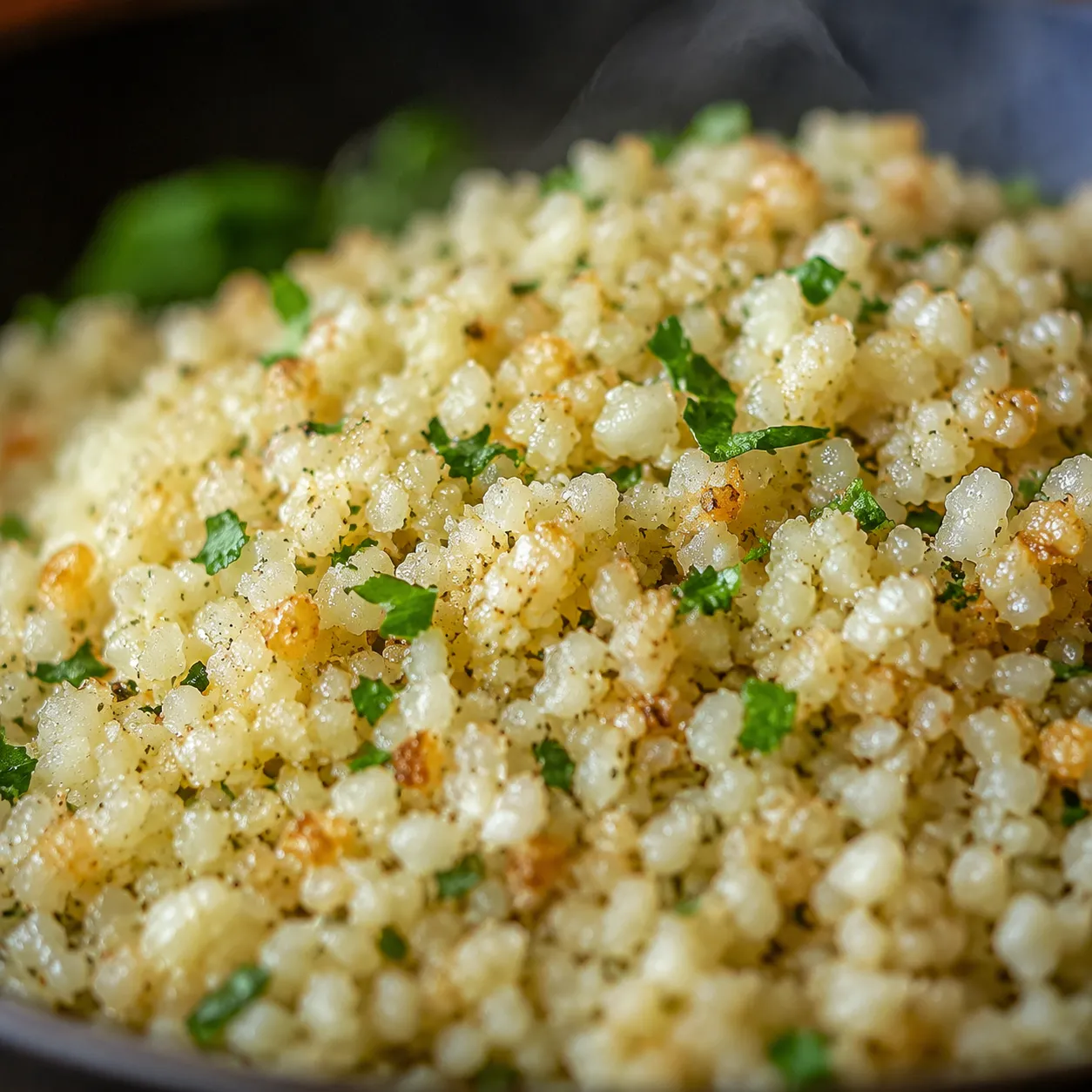
Step 3: Sauté in a hot, dry skillet. Heat a large stainless or cast iron skillet over medium-high until a drop of water dances and evaporates instantly. Add the oil, swirl, and tip in the riced cauliflower in a single layer. Here's the trick: let it sit undisturbed for two to three minutes so the bottom layer can develop golden, slightly toasted edges. Then stir, spread it out again, and let it sit another minute or two. Total cook time is about five to seven minutes. Add the garlic in the last minute (so it doesn't burn), season with salt and pepper, and finish with lemon juice and herbs off the heat.
Once you've got the base technique down, the variations are where it gets fun. Here are five directions I rotate through that turn this from a side dish into an actual meal.
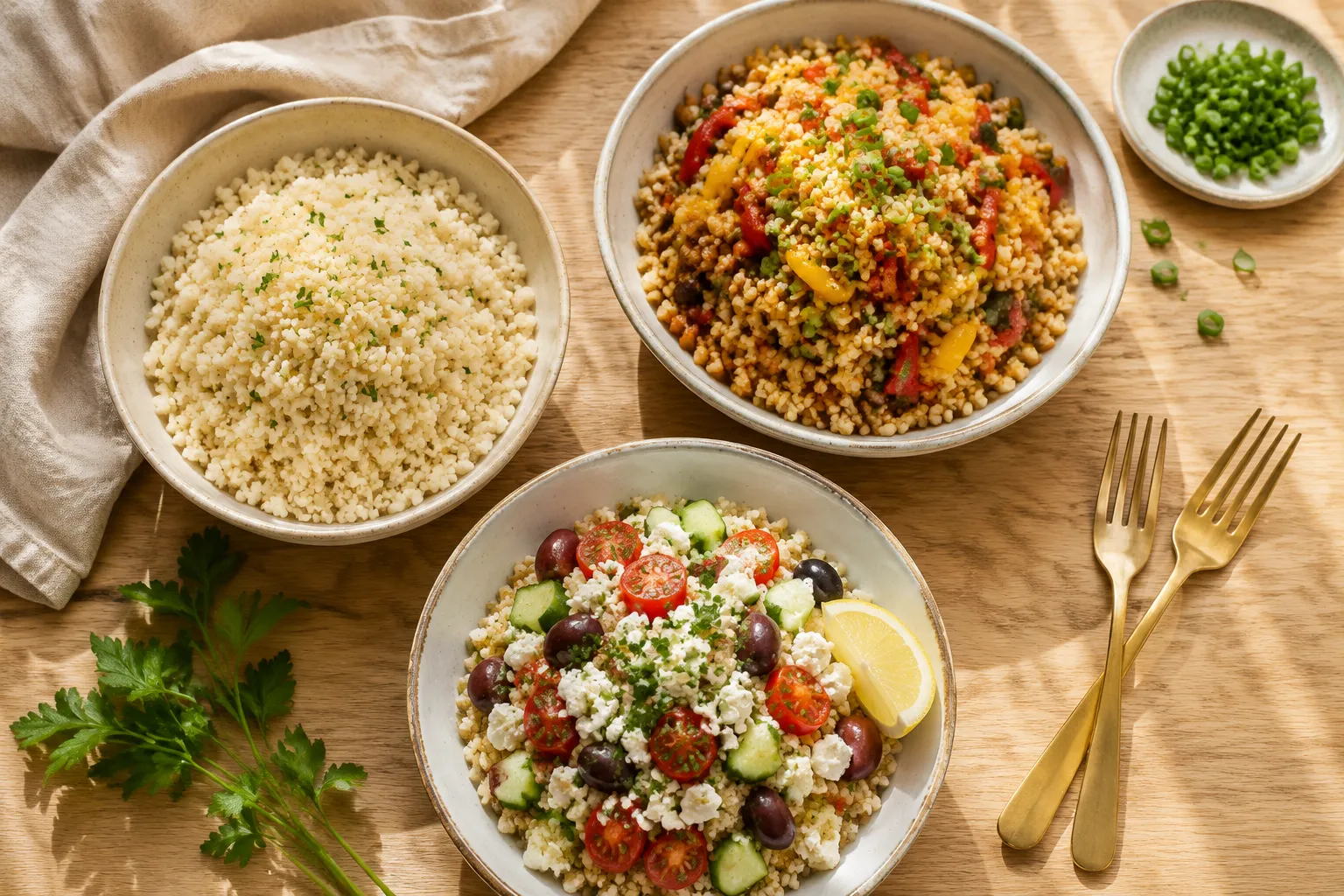
Cauliflower rice stir fry is the gateway recipe for anyone skeptical of rice swaps. Cook the base as directed, then toss in shredded carrots, frozen peas, sliced scallions, and a beaten egg pushed off to one side of the pan. Finish with soy sauce, a splash of toasted sesame oil, and a pinch of red pepper flakes. It tastes shockingly close to takeout fried rice, in less time than delivery would take.
Cilantro lime version. My go-to for taco nights and burrito bowls. Stir a generous handful of chopped cilantro, the zest and juice of one lime, and a pinch of salt into the cooked base off the heat. Serve under carnitas, grilled shrimp, or roasted vegetables.
Mediterranean bowl. Lean into bright, herbaceous flavors. Top a bowl of the base recipe with cherry tomatoes, cucumber, kalamata olives, crumbled feta, a drizzle of good olive oil, and a sprinkle of dried oregano. Add grilled chicken or chickpeas and you've got dinner.
Cauli fried rice with egg. Similar to the stir fry but stripped down: just the base, scrambled egg, garlic, soy, and scallions. Five minutes start to finish, exactly the kind of weeknight rescue I lean on hard.
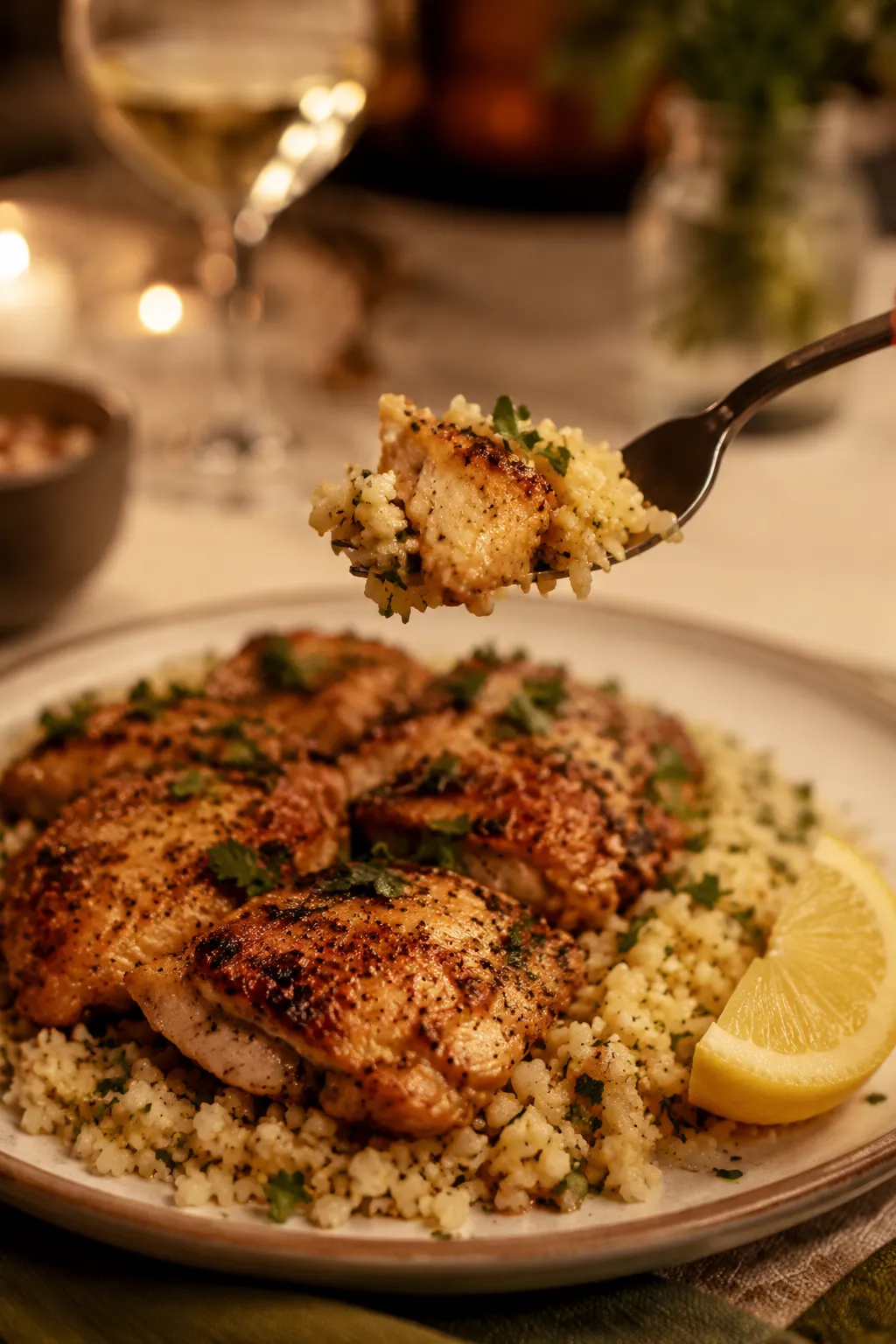
Garlic Parmesan version. The steakhouse side. After sautéing, stir in two tablespoons of butter, a clove of grated garlic, and a quarter cup of finely grated Parmesan off the heat. Rich, nutty, and a perfect partner for grilled steak or roasted chicken.
These all fall squarely into the easy vegetable sides category, which means they're ready before the main protein finishes cooking. They also reheat beautifully, which makes them a natural fit for meal prep vegetables you can portion into containers on Sunday and pull from all week.
The reason this technique works while so many others don't comes down to respecting moisture. Dry the florets, use a hot pan, leave the lid off, and resist the urge to stir constantly. Do those four things and you'll get the kind of fluffy, separate grains that finally make sense of why this swap caught on in the first place. Once it earns a spot in your weekly routine, you'll find yourself reaching for it more often than you'd expect, and not just for low-carb reasons. Sometimes you just want a vegetable-forward base under a saucy braise or a pile of roasted chicken. That's the real win.
The base recipe is a launching pad. Once you've nailed the texture, swap aromatics and finishing ingredients to match whatever main you're serving. A few favorite directions to play with:
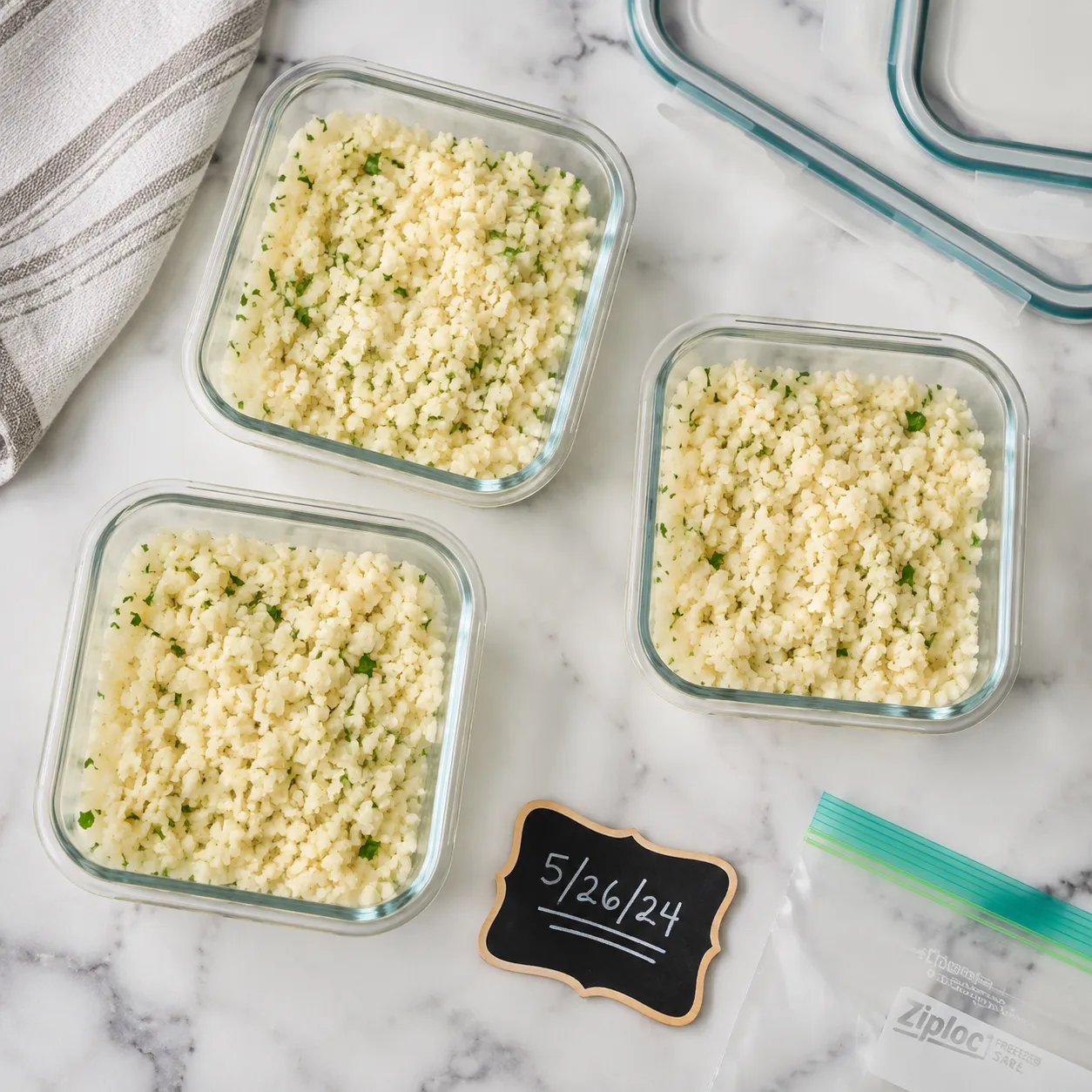
Cooked cauliflower rice keeps for 4 to 5 days in an airtight container in the refrigerator, making it a workhorse for weekly meal prep. Cool it completely on a sheet pan before sealing the container so condensation doesn't pool and turn it soggy overnight. Raw riced cauliflower has a shorter window of about 3 to 4 days before it starts to soften and develop a faint sulfurous smell.
For longer storage, freeze raw or cooked riced cauliflower in flat zip-top bags for up to 3 months. To reheat, skip the microwave (which steams it back into mush) and tip it directly from frozen or fridge into a hot, dry skillet with a teaspoon of oil. Stir occasionally for 3 to 5 minutes until heated through and any moisture has evaporated. The texture comes back almost as good as fresh.