Classic Tom Collins Recipe: The Best Gin Cocktail
Ingredients
Scale
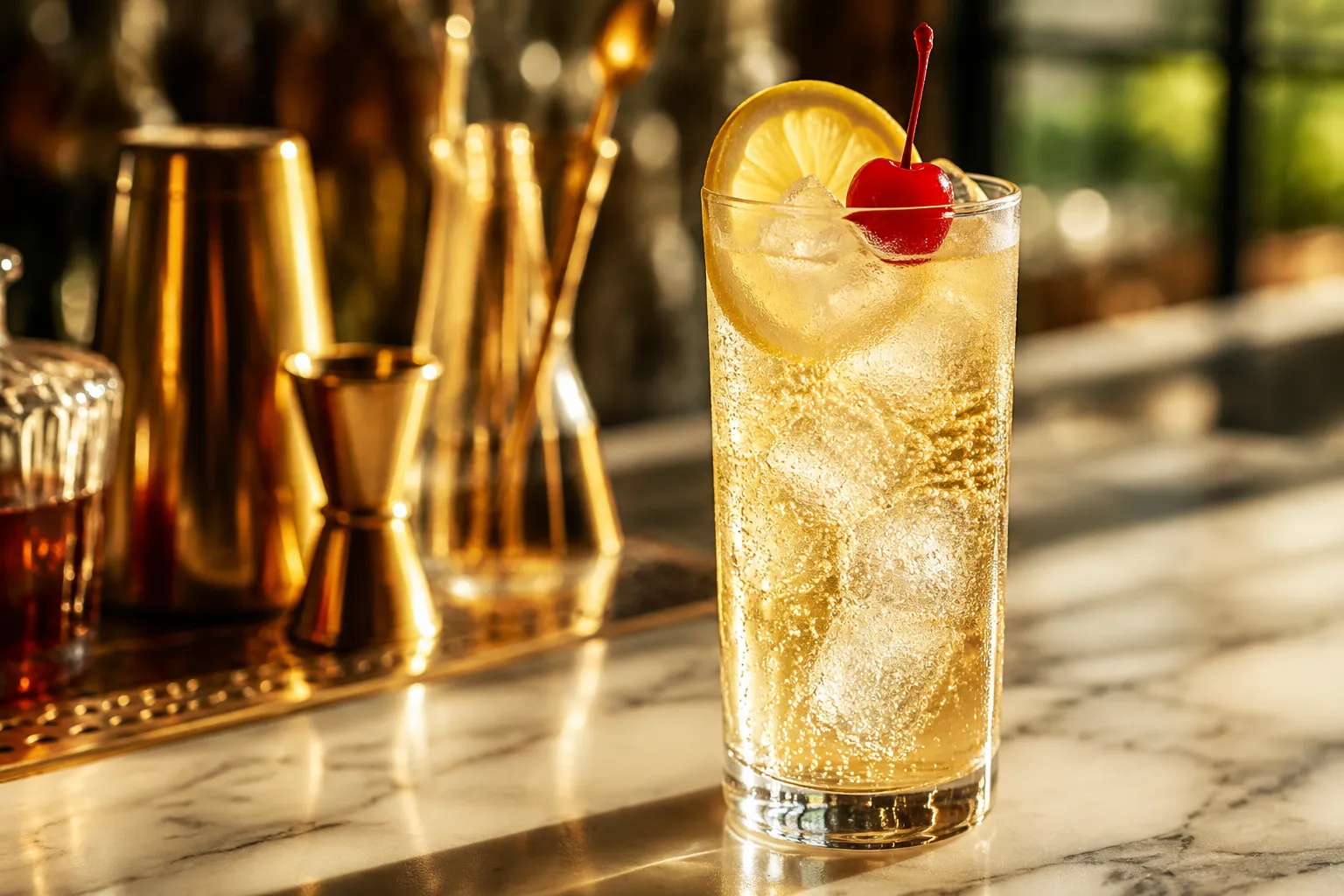
A bright, bubbly Tom Collins recipe made with London dry gin, fresh-squeezed lemon, and a splash of club soda. Five minutes from shaker to sip.
This tom collins recipe is the cocktail I reach for whenever the weather warms up and I want something tall, crisp, and just a little bit fancy. Gin, fresh-squeezed lemon, a whisper of simple syrup, and a generous top of cold club soda — that's it. Four ingredients, five minutes, and the kind of long, fizzy pour that turns a Tuesday into a small celebration.
There's a reason this drink has been on bar menus since the 1870s. It's the gold standard of classic gin cocktails, somehow both old-school and effortlessly modern. The lemon keeps it bright, the gin gives it backbone, and the bubbles do all the heavy lifting once everything hits the glass. Whether you're hosting a brunch, finishing a long workweek, or just looking for easy gin drinks to pour for friends on the porch, this one belongs in your back pocket.
What I love most is how flexible it is. The Collins scales up for a crowd as gracefully as it scales down to a single nightcap, and the technique is forgiving enough that even first-time home bartenders can pull it off on a Friday night. Pour one, take a sip, and you'll understand why bartenders never bothered to retire it.
A Tom Collins is a tall, fizzy gin sour served over ice in a Collins glass and topped with sparkling water. It belongs squarely to the family of highball cocktails, meaning it pairs a base spirit with a larger volume of carbonated mixer for an easy-sipping, lower-strength pour. The original showed up in bartending manuals in the late 1800s, possibly named after a barroom prank that swept New York and London — the so-called "Great Tom Collins Hoax of 1874" — though most historians give bartender Jerry Thomas credit for popularizing the actual drink.
The modern build is dead simple: gin, lemon, sugar, soda. What makes it sing is balance. Done right, no single ingredient bullies the others. The gin's botanicals get a little stage time, the lemon snaps the whole thing awake, and the bubbles stretch each sip into something refreshing rather than boozy.
You'll occasionally see the Collins confused with its close cousins. A John Collins traditionally uses genever or whiskey instead of dry gin, while a gin fizz is shorter, shaken harder, and served without ice in a smaller glass. The Tom Collins is the tall, leisurely one — built for sipping slowly on a hot afternoon, not for slamming.
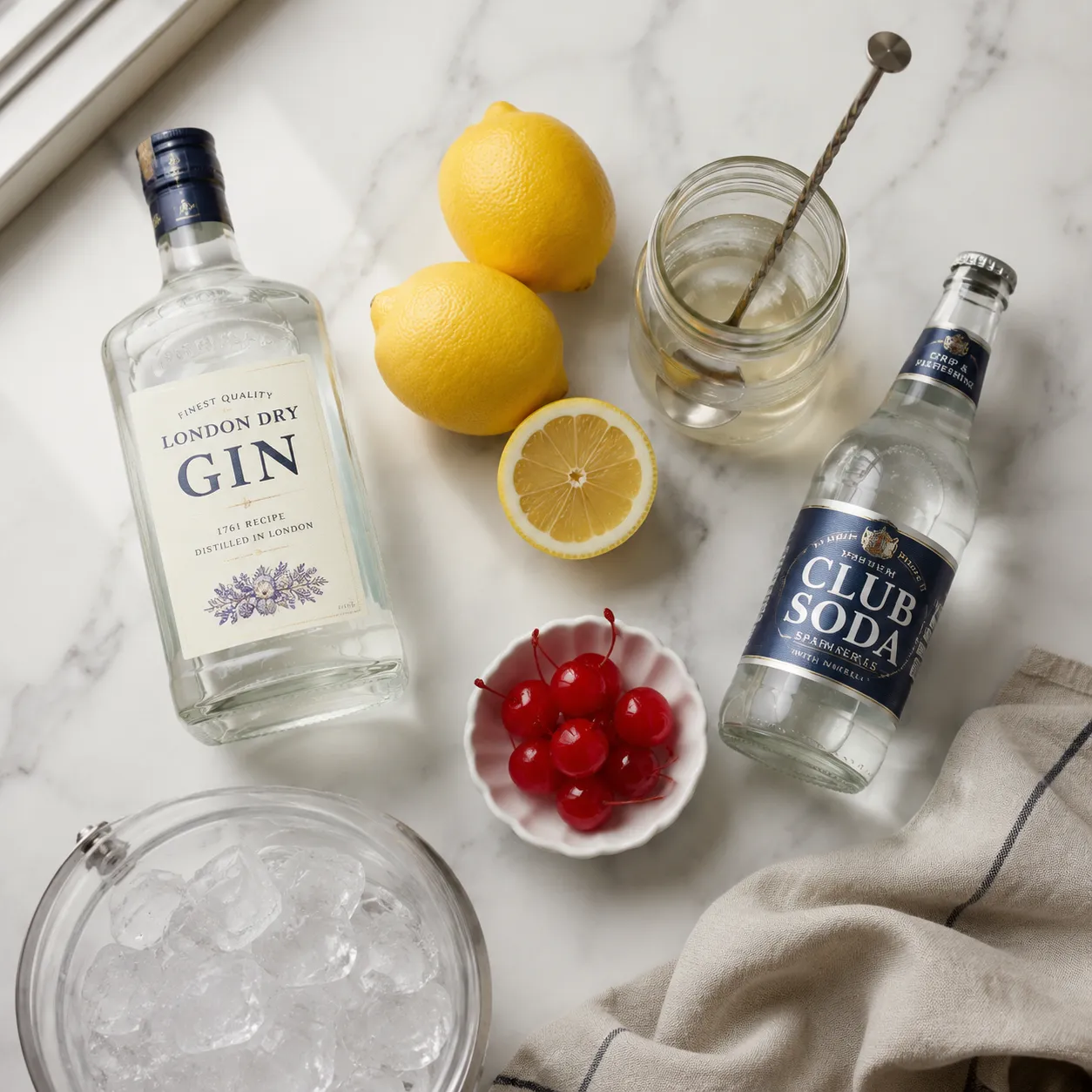
Four ingredients carry the whole drink, so quality matters more than quantity. Here's what to reach for and why each one earns its spot on the counter.
London dry gin is the traditional choice and the easiest path to a textbook Collins. Brands like Tanqueray, Beefeater, or Bombay Sapphire bring crisp juniper and citrus notes that pair perfectly with lemon. If you prefer something softer and more floral, a New Western style like Hendrick's or Aviation works beautifully too. Just expect a gentler, more aromatic finish.
Fresh lemon juice is non-negotiable. Bottled lemon juice has a flat, slightly metallic edge that flattens the whole drink. Roll your lemons firmly on the counter before juicing to break the membranes and squeeze every last drop. One large lemon usually yields about an ounce, which is exactly what you need per cocktail.
Simple syrup balances the tartness without leaving any graininess behind. If you don't have a bottle on hand, this simple syrup recipe is a one-minute job: combine equal parts white sugar and water in a small saucepan, warm over low heat just until the sugar dissolves, then cool completely. It keeps in the fridge for about a month in a clean jar.
Club soda brings the lift. You want something cold, crisply carbonated, and unflavored — club soda or plain seltzer both work, though club soda's slightly mineral edge gives the drink a touch more dimension. Avoid tonic water here; the quinine will overpower everything else. For garnish, grab a thin lemon wheel and a maraschino cherry on a pick. They're not just for looks — the lemon's oils perfume each sip, and the cherry adds a sweet, nostalgic finish at the bottom of the glass.
This is one of those tom collins recipe builds where technique makes a real difference. The drink only has four ingredients, so each small step quietly contributes to that bar-quality polish. Here's exactly how I do it at home, broken down so nothing slips past you.
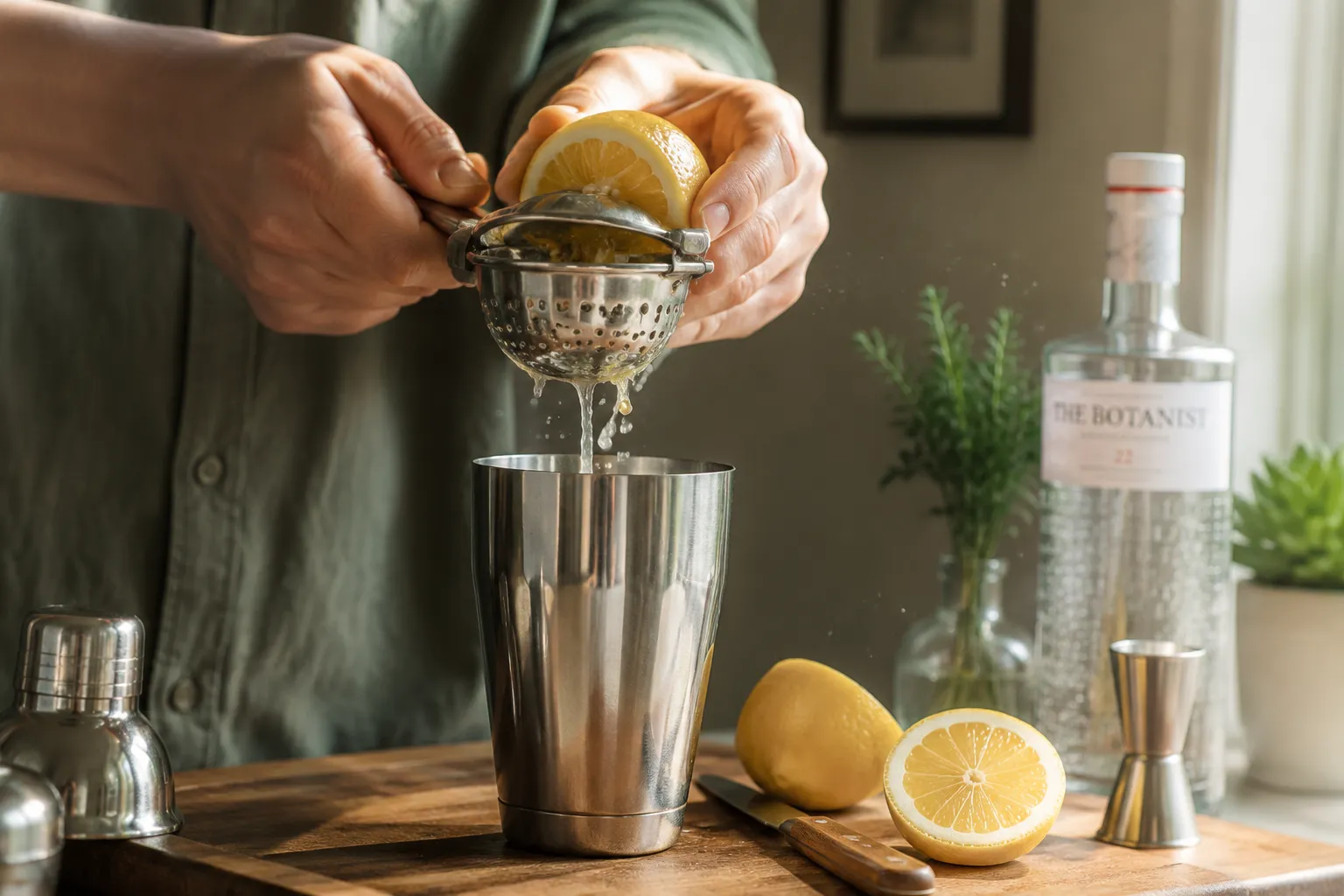
Start by chilling your Collins glass in the freezer for ten minutes if you can — it keeps the bubbles lively longer once you pour. Squeeze your lemon directly into a small handheld juicer set over a cocktail shaker, watching for seeds. One ounce is the magic number, and trust the measurement even if it feels modest.
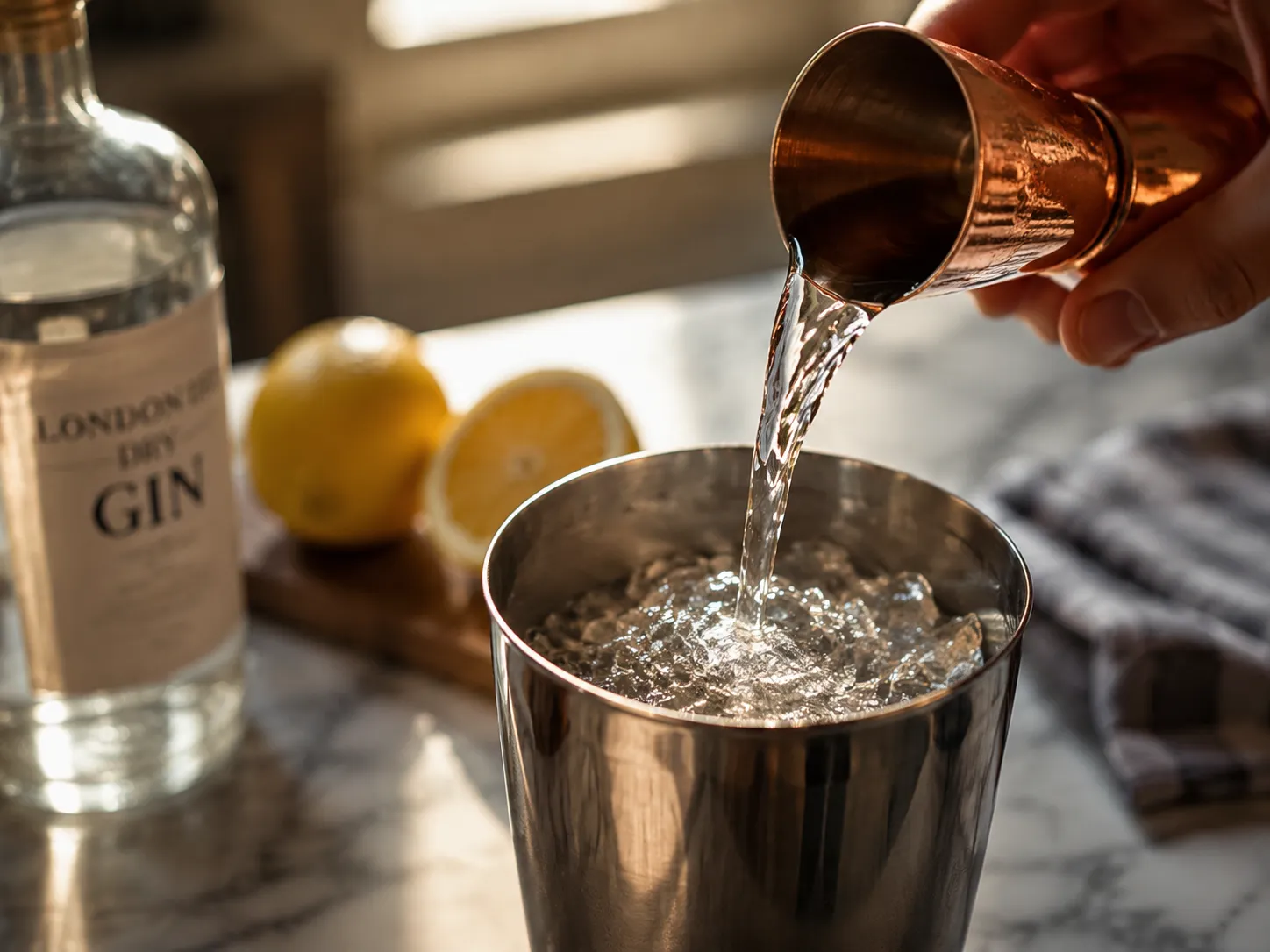
Add two ounces of London dry gin and a half ounce of simple syrup to the shaker, then fill it about two-thirds with fresh ice. The 4:2:1 ratio of gin to lemon to syrup is the backbone of a properly balanced classic Tom Collins. Anything more sugary tips the drink toward lemonade, and anything more sour will make your jaw clench.
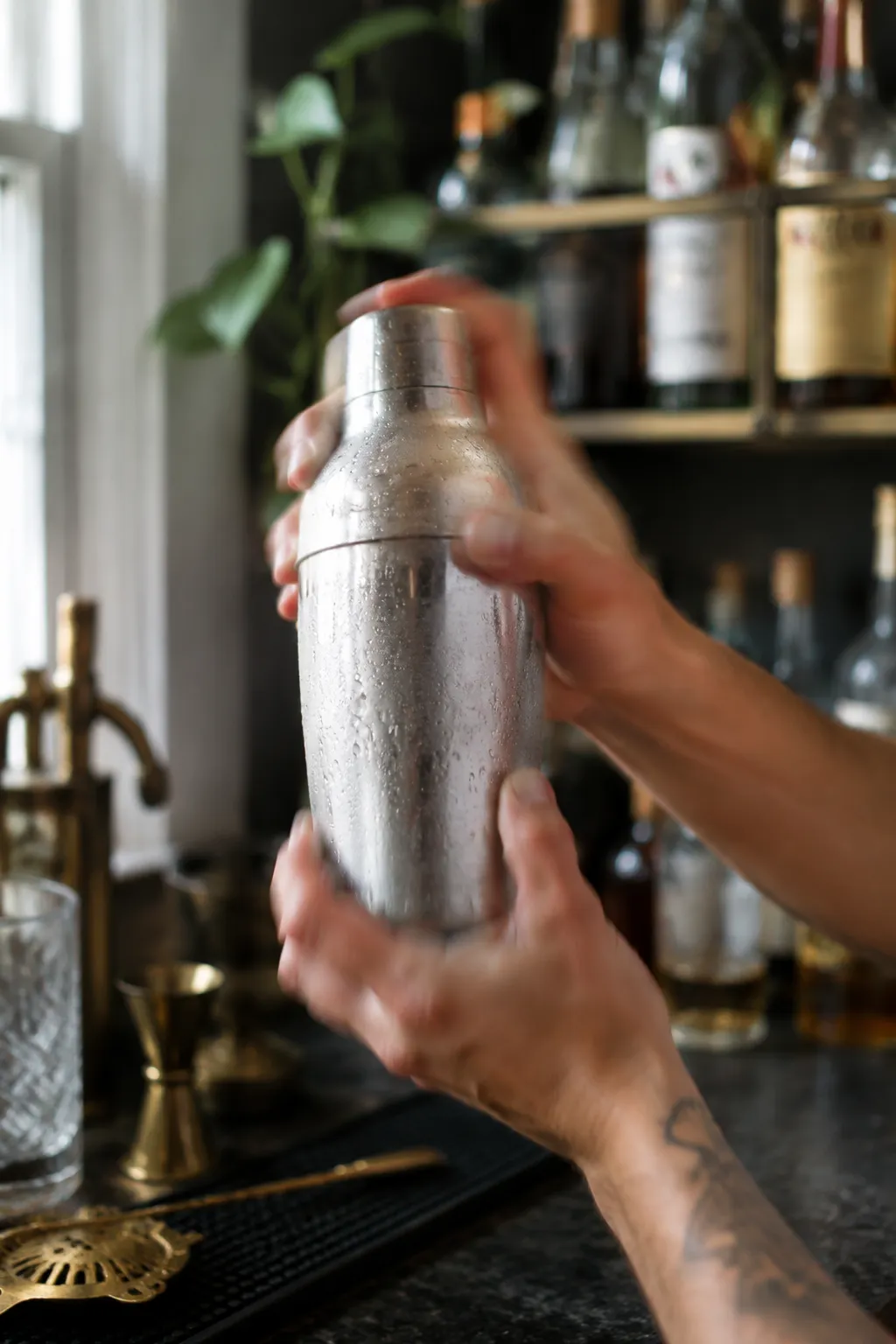
Cap the shaker and shake hard for ten to fifteen seconds, until the metal frosts over and your hands feel almost too cold to hold it. The shake does two things: it chills the mixture fast and aerates it, giving the final drink that silky, slightly cloudy texture you simply can't get by stirring.
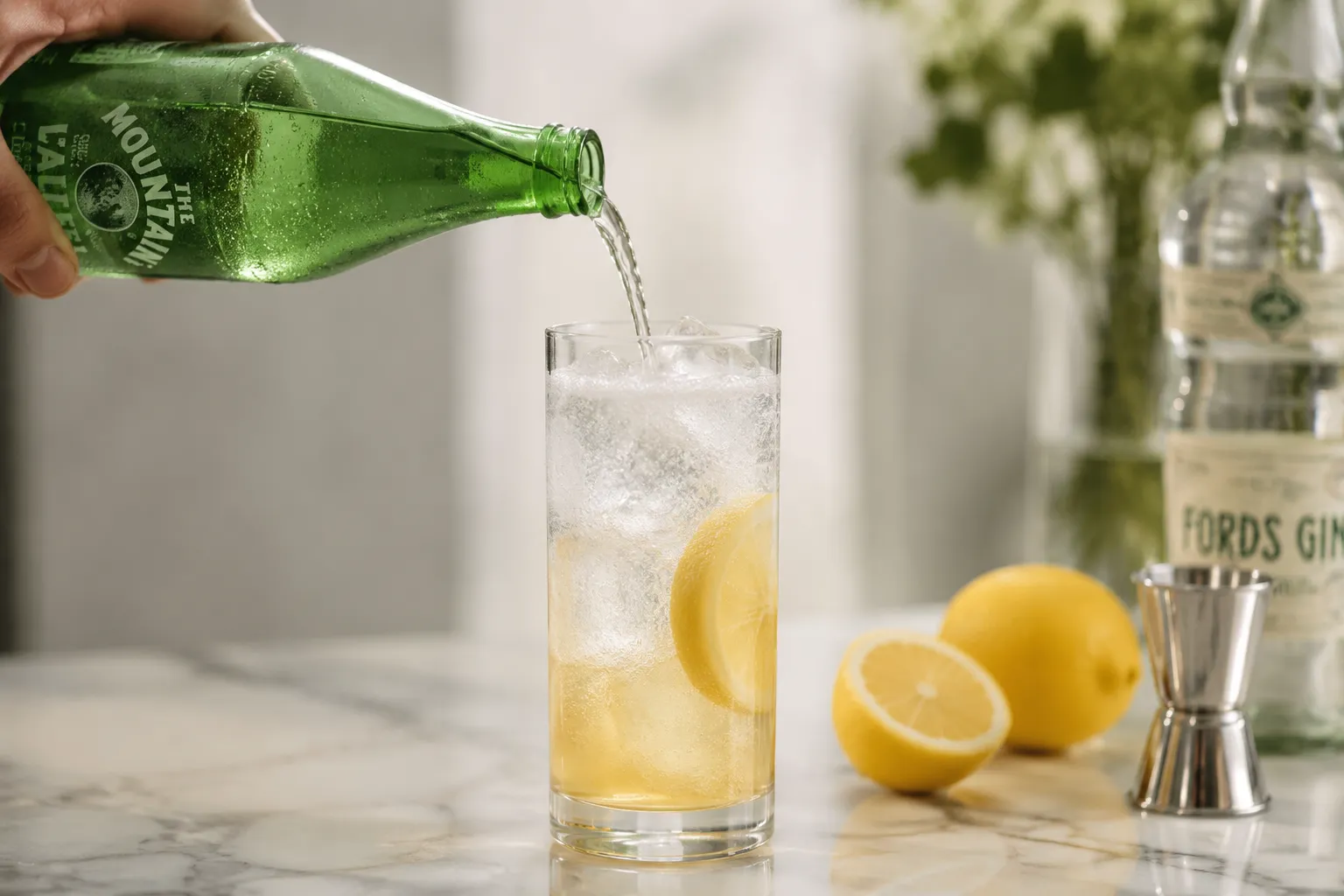
Strain into your chilled glass over fresh ice — never reuse the shaker ice, which is fragmented and watery — then top slowly with three to four ounces of cold club soda. Pour against the side of the glass to preserve the carbonation. Slip in a lemon wheel, drop a maraschino cherry on a pick, and give the whole thing one gentle stir to marry the layers.
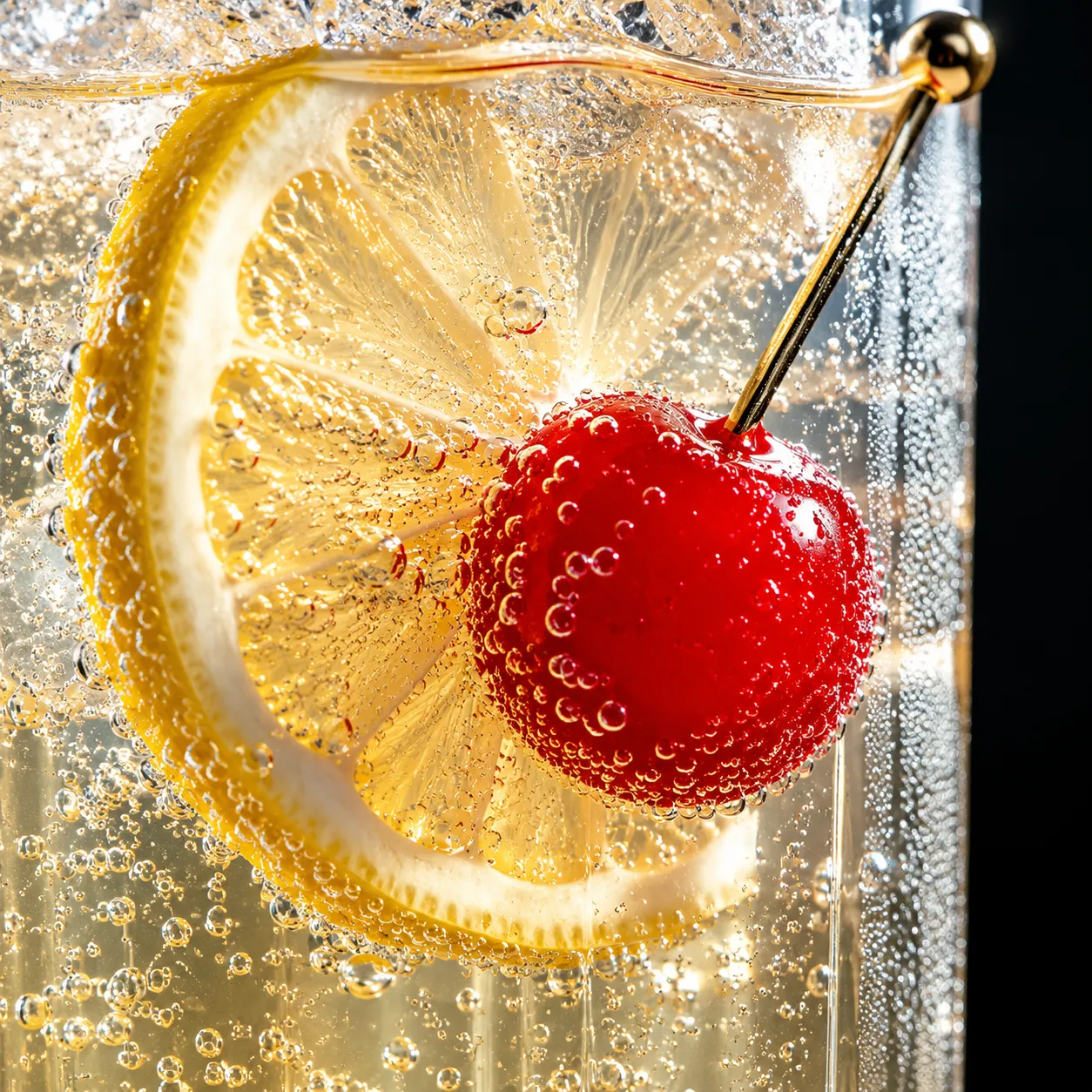
That first sip should taste like sunshine in a glass: tart but rounded, fizzy but not aggressive, with the gin's botanicals threading quietly through everything. If yours feels slightly sharp, an extra quarter-ounce of syrup will pull it into focus. Too sweet? A few extra drops of lemon. The drink rewards small adjustments, so taste and tweak — this is your Collins now.
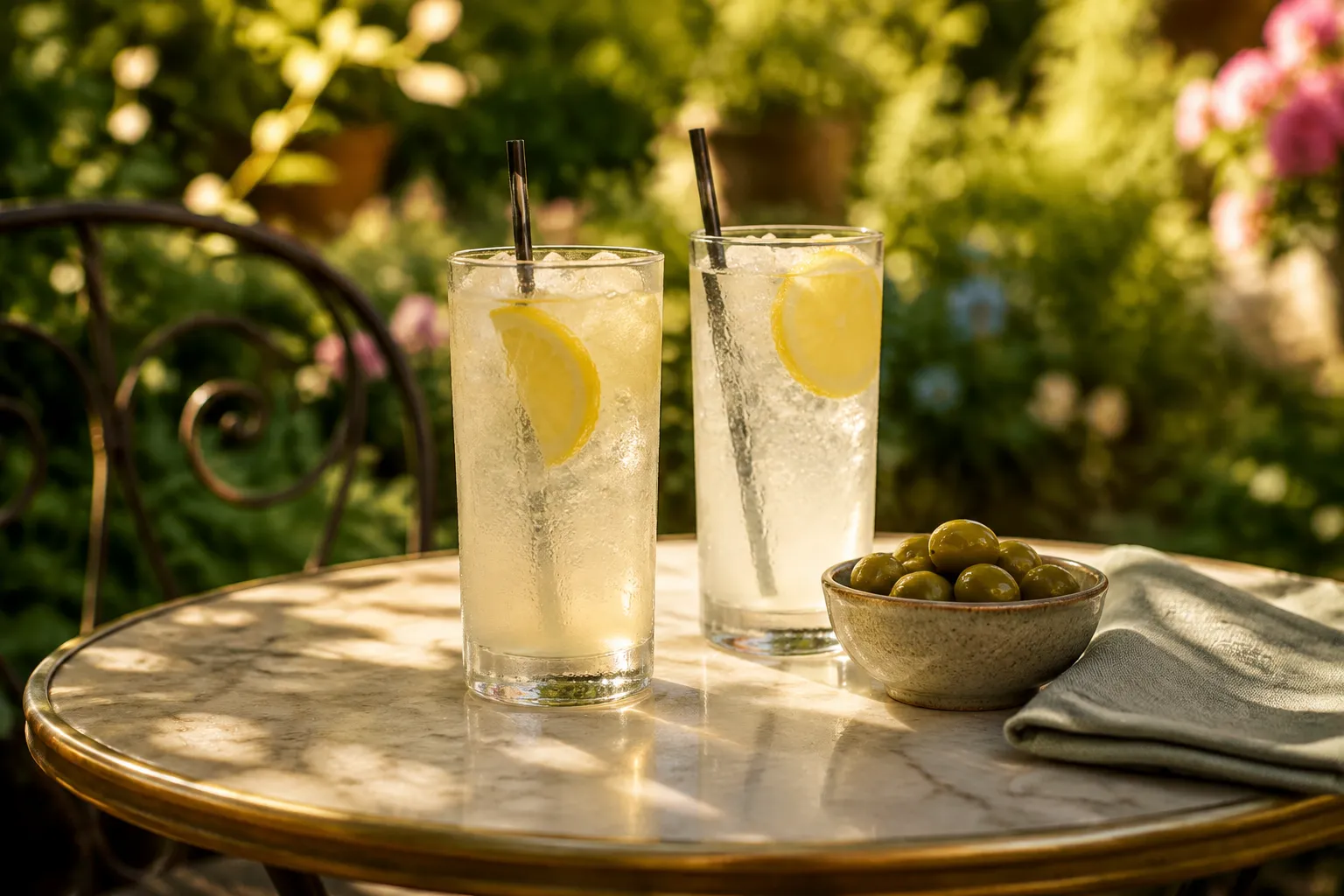
This is one of my favorite summer cocktail recipes to build a menu around because it plays so nicely with such a wide range of food. The brightness cuts through richer dishes, and the low ABV means a second round won't derail the afternoon. For a casual happy hour, set out salty almonds, marinated olives, a wedge of sharp cheddar, and a few good crackers. The savory bites are a perfect counterpoint to all that citrus.
For brunch, I'd argue the Collins beats a mimosa. Pour it alongside a smoked salmon platter, a stack of buttery scones, or a frittata loaded with herbs and feta. The lemon practically begs for anything with cream cheese, dill, or capers nearby. It also works beautifully with weekend pancakes if you're feeling indulgent.
If you're firing up the grill, this cocktail belongs at a backyard cookout. It cuts through smoky burgers, chicken thighs, and grilled corn with the same ease that a cold beer would, but with a little more elegance. Serve a pitcher on a tray with extra lemon wedges, a bowl of cherries, and a bucket of ice so guests can refresh their own glasses as the evening stretches into golden hour.
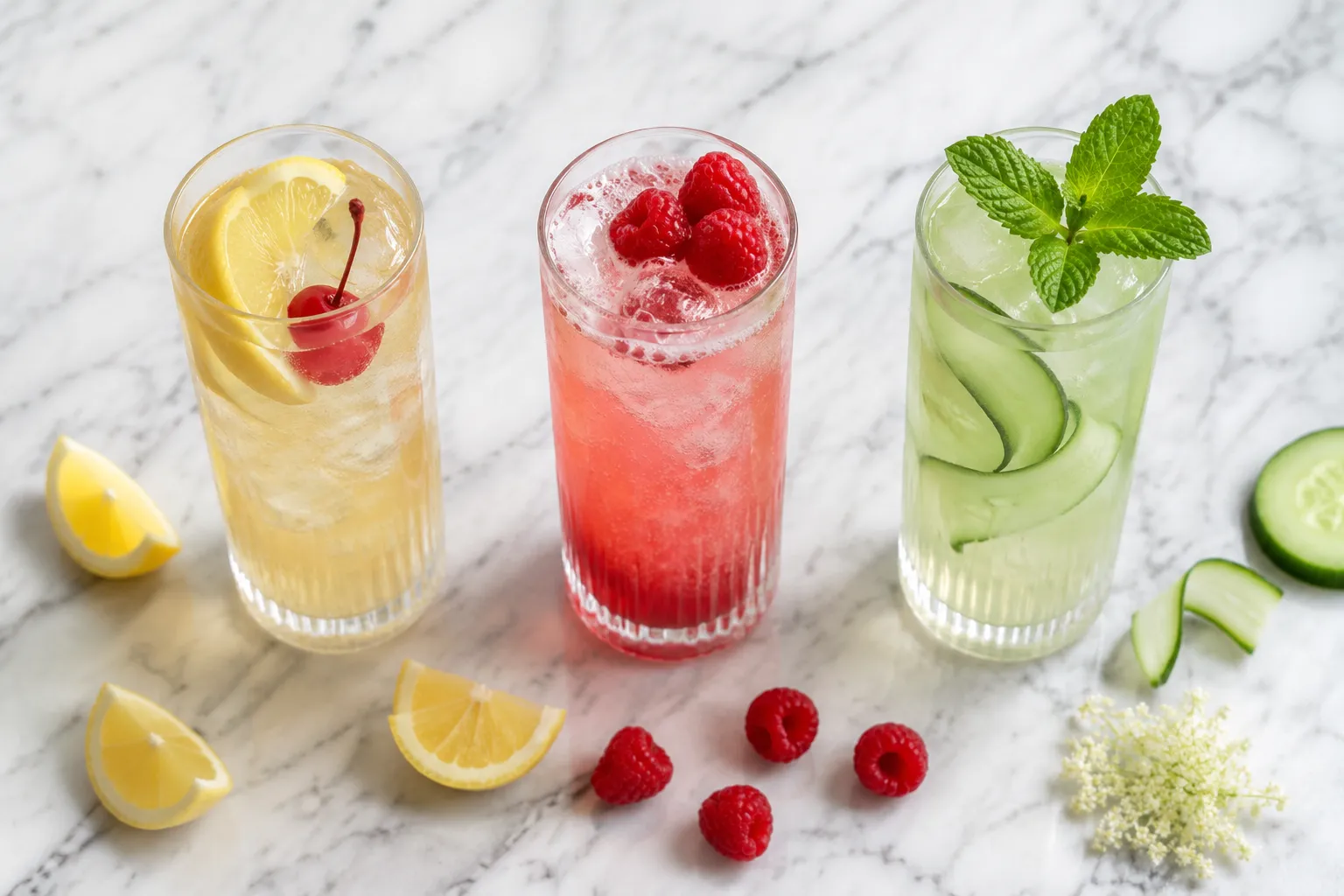
Once you've nailed the original, the Collins template invites endless riffs — swap the spirit, infuse the syrup, muddle in fresh fruit, and the drink shifts personality every time. It's the rare classic that ages beautifully and keeps inviting you to play. Whether you're sipping one solo on a slow evening or pouring rounds for a backyard full of friends, this tom collins recipe earns its spot right at the front of the bar cart.
The Collins is one of the most adaptable templates in cocktail history. Once you've memorized the basic ratio, you can swap, infuse, or muddle your way into a whole catalog of variations without ever opening another recipe.
A finished Tom Collins is best within a few minutes of building it — once the soda goes flat, the magic is gone. If you want to prep ahead, mix the gin, lemon juice, and simple syrup together in a sealed jar or pitcher and refrigerate for up to 24 hours. When you're ready to serve, pour two and a half ounces of the base over fresh ice in a Collins glass and top with cold club soda.
Leftover simple syrup keeps in a clean, sealed jar in the refrigerator for about a month. Fresh-squeezed lemon juice will stay bright for two to three days in the fridge, though it loses its sparkle quickly after that — squeeze fresh whenever you can.