FDA Highest Concern Cake Recall Salmonella: Safety Guide
Ingredients
Scale
The FDA just issued its highest concern cake recall over salmonella. Here is exactly which cakes to toss, what symptoms mean, and a safe bakery-style swap.
The fda highest concern cake recall salmonella alert that landed this week is the kind of food-safety news that turns a routine birthday or potluck into a frantic phone call to the grocery store. If you bought a packaged layer cake, sheet cake, or specialty bakery cake recently, this guide walks you through exactly what is on the list, what symptoms to watch for, and a tested homemade swap so dessert is still on the table tonight.
Salmonella in a baked dessert is rare for a reason — the oven usually kills it. When a finished cake reaches a recall this serious, it almost always points to contamination after baking, like raw-egg frosting, a shared piece of equipment, or a contaminated filling piped in cold. That is also why this recall has hit so many SKUs across so many retailers at once.
This article is built to be quick to use. Skim the bolded brand names, lot codes, and dates. Check your fridge or counter. Then either return the cake or scroll down to the safe homemade vanilla cake recipe — pasteurized eggs, fully baked batter, no guesswork.
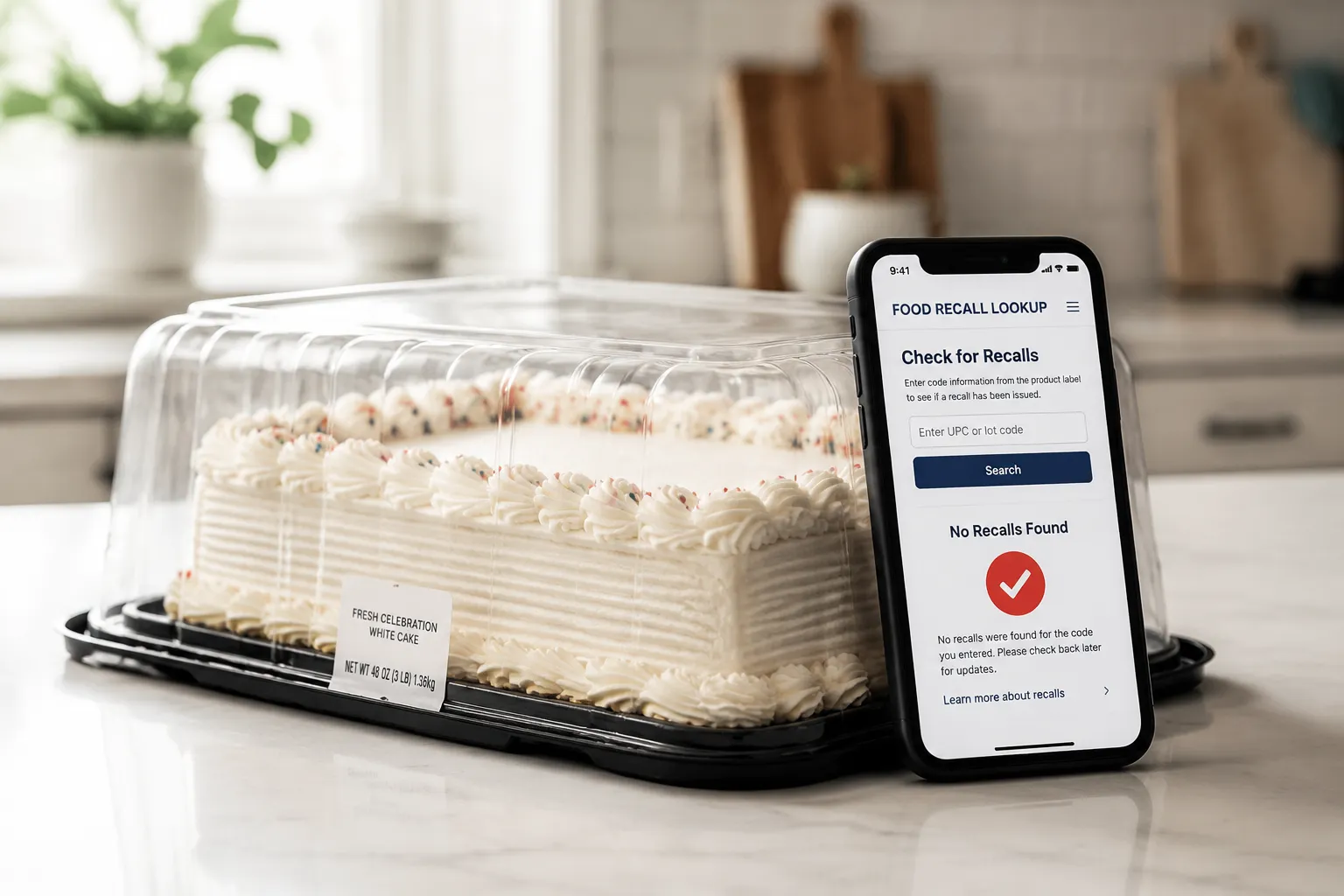
The FDA grades recalls on a three-tier scale, and the current cake action sits at the very top. An FDA Class I recall means there is a reasonable probability that eating the product will cause serious adverse health consequences or death — that is the same tier used for undeclared peanut allergens, listeria in deli meat, and infant formula contamination. Class II is moderate, possibly temporary harm. Class III is technical labeling issues with no real health risk.
Salmonella is a bacterial infection most Americans associate with chicken and eggs, not frosting. But cakes finished with raw-egg buttercream, mousse layers, or filled after baking are uniquely vulnerable, and shared production lines mean one contaminated component can taint thousands of units before anyone catches it. The CDC tracks roughly 1.35 million salmonella infections every year in the US, and outbreaks tied to ready-to-eat baked goods have been climbing as bakery supply chains consolidate around a smaller number of co-packers.
The fda highest concern cake recall salmonella escalation moved fast. The first reports of illness clustered in late October, the FDA opened an investigation within days, and a voluntary recall expanded into a Class I designation once whole-genome sequencing matched isolates from sick patients to product samples pulled off store shelves. Expect the list to keep growing for another week or two as state labs continue reporting in.
The active list covers single-layer, double-layer, and sheet cakes sold under both national and private-label brands. Common product names showing up across the recall paperwork include vanilla bean, classic yellow, strawberry shortcake, lemon raspberry, and a handful of seasonal cheesecake-hybrid SKUs. Always cross-reference against the official FDA notice for your specific product before you assume yours is safe — wording on the box is sometimes nearly identical between an affected and unaffected version.
To check whether your cake is one of the recalled cake brands, you need three things from the package: the brand and product name, the lot code (often a stamped string near the best-by date), and the UPC number from the barcode. Lot codes typically look like a letter followed by 4 to 7 digits, and they will be stamped on the bottom of the dome, the side of the box, or printed on a sticker. Best-by dates currently in scope run from early November through late January, but check the FDA list directly because it gets updated daily.
The cakes were distributed nationwide through major grocery chains, club stores, and several regional bakery counters. Affected states currently include all 50, with the heaviest illness clusters reported in California, Texas, Florida, New York, Illinois, and Pennsylvania. If you bought a refrigerated or frozen cake from a club store within the last six weeks, treat the lot code check as non-optional.
Most people who eat contaminated food develop salmonella symptoms between 6 hours and 6 days later, with the heaviest cluster around 12 to 72 hours after exposure. The classic presentation is sudden-onset diarrhea, abdominal cramps, fever above 100°F, nausea, and sometimes vomiting. Many cases resolve on their own in 4 to 7 days with rest and aggressive hydration — Pedialyte and broth do more here than sports drinks.
That said, three groups need to take any symptoms seriously and call a doctor early: children under 5, adults over 65, and anyone pregnant or immunocompromised. In these populations, salmonella can move from the gut into the bloodstream and turn into a systemic infection that requires IV antibiotics. Pregnancy adds risk to the fetus even when the mother feels only mildly sick, so do not wait it out.
Go to the ER, not urgent care, if you see any of the following: bloody stools, a fever above 102°F that will not break, signs of severe dehydration like dizziness on standing or no urine output for 8 hours, or new confusion. Bring the cake packaging or a phone photo of the lot code with you — it dramatically speeds up testing and reporting on the back end.
The fastest path is the FDA recall search at fda.gov/safety/recalls-market-withdrawals-safety-alerts. Type the brand name into the search box, then match the product name, lot code, and best-by date against the listing. A simple food recall lookup tells you in under a minute whether your specific unit is in scope, and you can sign up for email alerts so future recalls land in your inbox automatically.
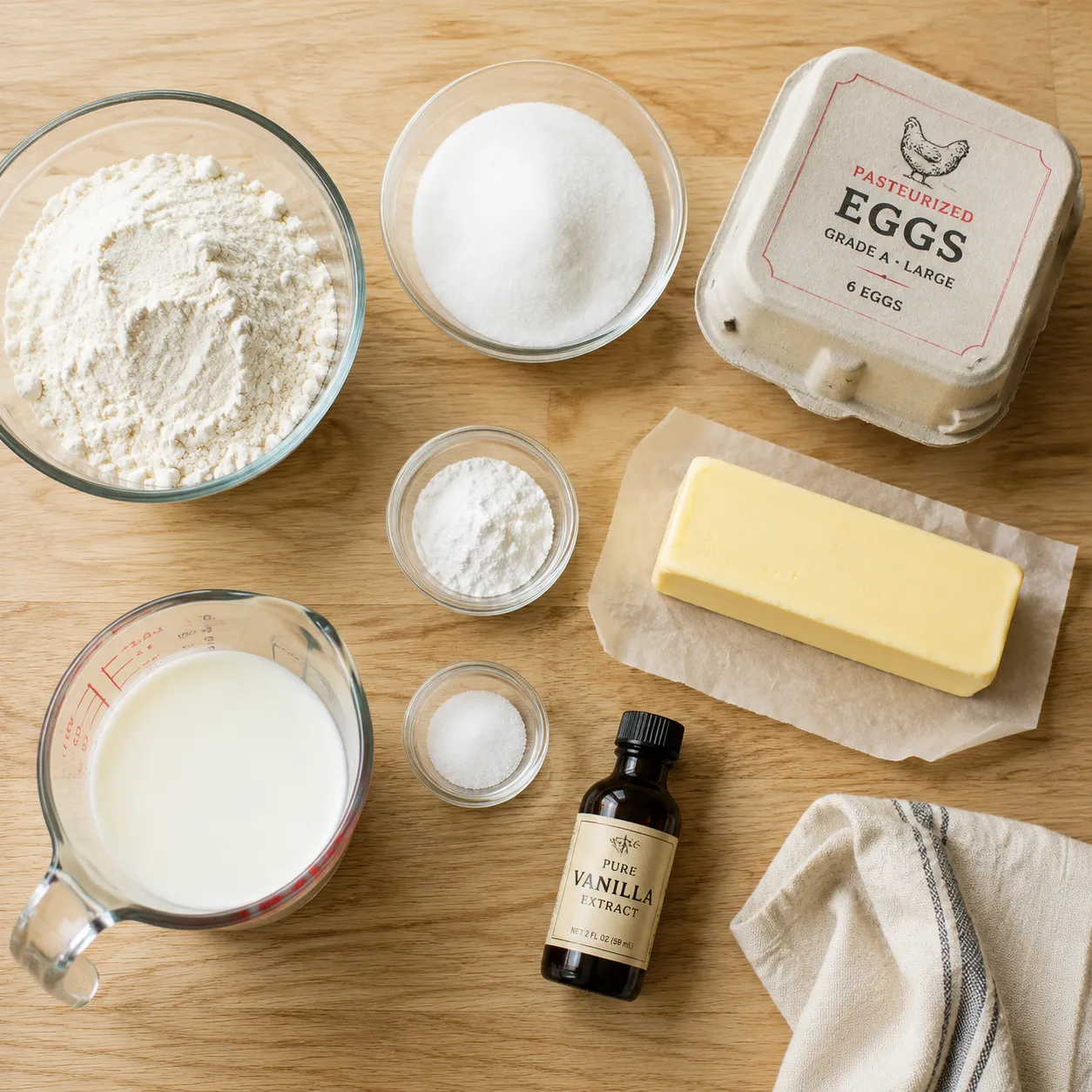
If the label is faded or you already tossed the box, USDA's FoodKeeper app and the recalls.gov aggregator will both surface the same information using just the UPC. Snap a photo of the barcode and search the digits. Retailers like Costco, Walmart, and Kroger also email purchase-based recall notifications to anyone who used a loyalty card or membership at checkout — it is worth checking your spam folder before you panic.
Do not just toss a recalled cake in the open trash where pets or wildlife can reach it. Seal it inside two layers of plastic bag, label the outer bag "do not eat — recalled," and place it in an outdoor bin. Wipe down anywhere it sat — the fridge shelf, the counter, the cake stand — with hot soapy water followed by a diluted bleach solution to prevent kitchen cross-contamination from any stray frosting drips.
Every major US retailer is honoring full refunds on this recall, and most do not require the original packaging or even a receipt if you used a card or loyalty account. Walk in, tell customer service the cake is part of the fda highest concern cake recall salmonella action, and they will refund to your original payment method within a few minutes. Some stores are also offering a courtesy gift card on top of the refund as goodwill — it never hurts to ask.
If you ate any of the cake and developed symptoms, file a MedWatch report at fda.gov/medwatch. The form takes about 10 minutes and asks for the product details, your symptoms, and the timeline. Reports drive the FDA's outbreak math directly — a single accurate report can expand a recall to additional lot codes that are still sitting on store shelves. Save the packaging and any leftover cake double-bagged in the freezer until the case is officially resolved.
For ongoing updates, subscribe to FDA email alerts, follow the agency's recall feed on social platforms, and bookmark the federal recall page. State health departments also publish their own dashboards, and many of them track illness clusters faster than the federal feed because they are closer to local hospital reporting.
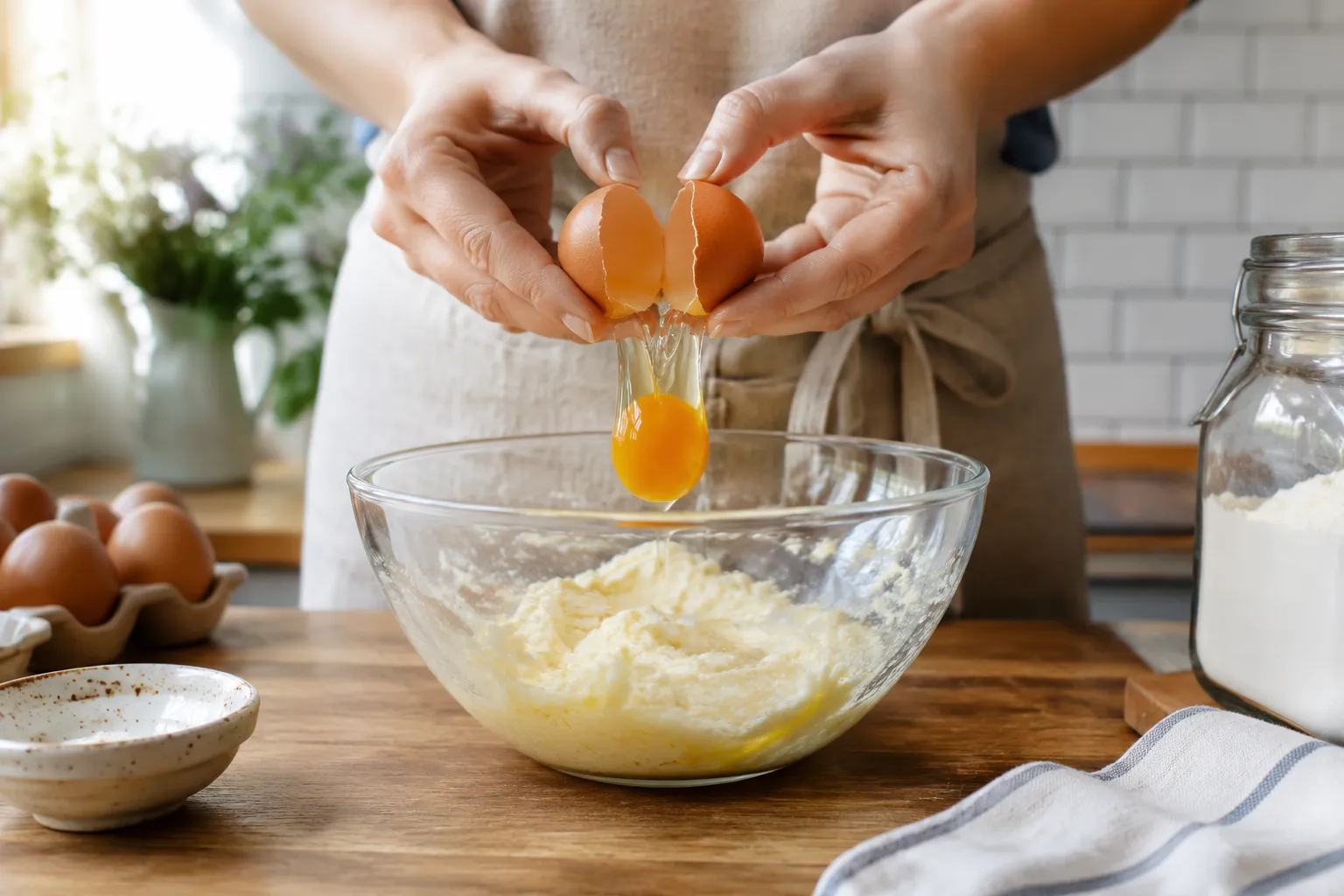
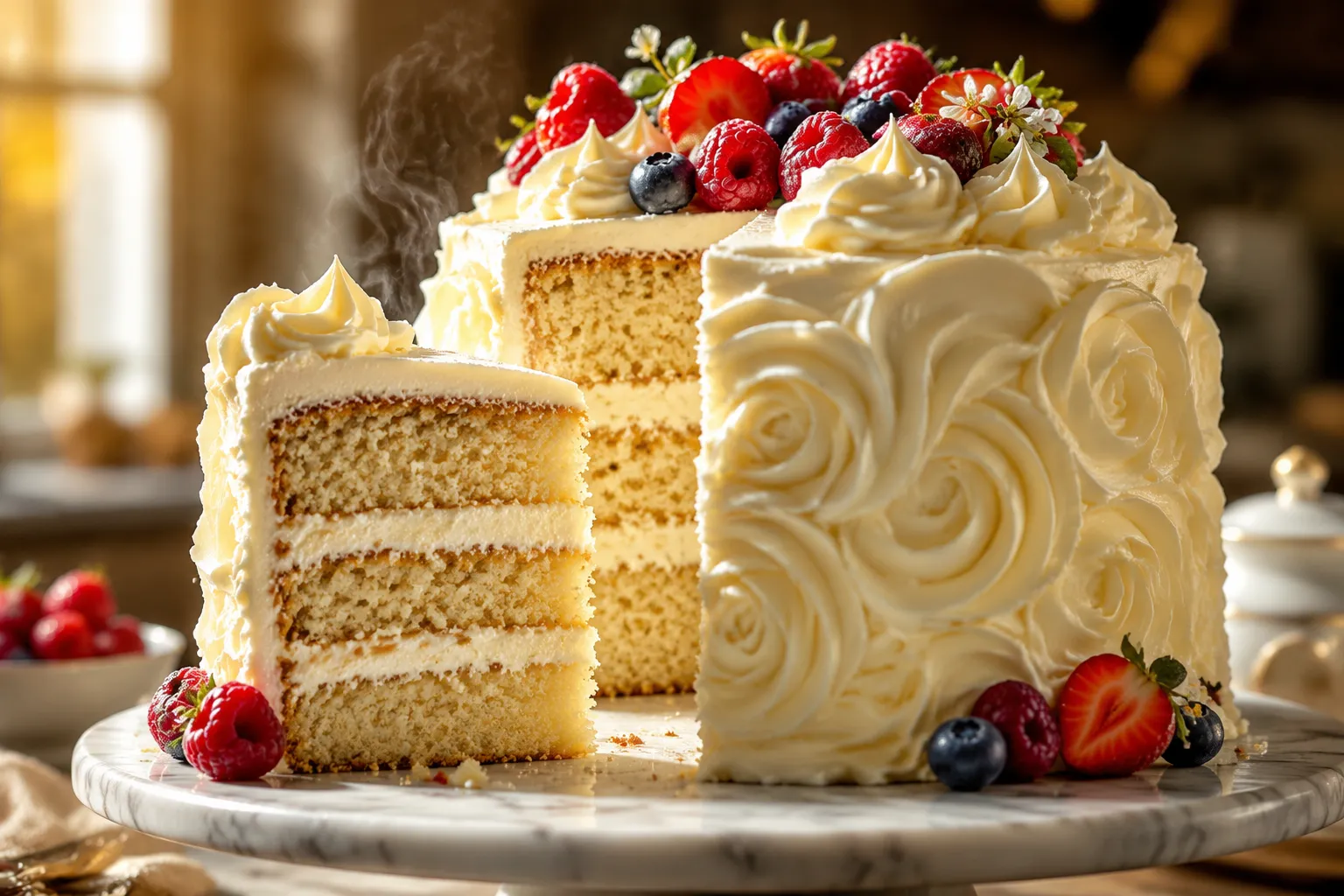
Home baking is the single most reliable way to dodge a contaminated bakery cake right now, because you control every input. A safe homemade vanilla cake built on pasteurized eggs and a fully baked batter has effectively zero salmonella risk when basic kitchen hygiene is in place. The recipe below is the one I make for birthdays in my own house, and it is tuned to taste like a bakery celebration cake rather than a science-fair safety experiment.
The non-negotiable swap is pasteurized eggs. Look for a small "P" stamped on each shell or a "pasteurized" callout on the carton — Safest Choice and Davidson's are the two most common national brands, and they cost about a dollar more per dozen. Pasteurization gently heats the egg in-shell to a temperature that kills salmonella without cooking the white, so they behave exactly like regular eggs in cake batter, frosting, and even Italian buttercream.
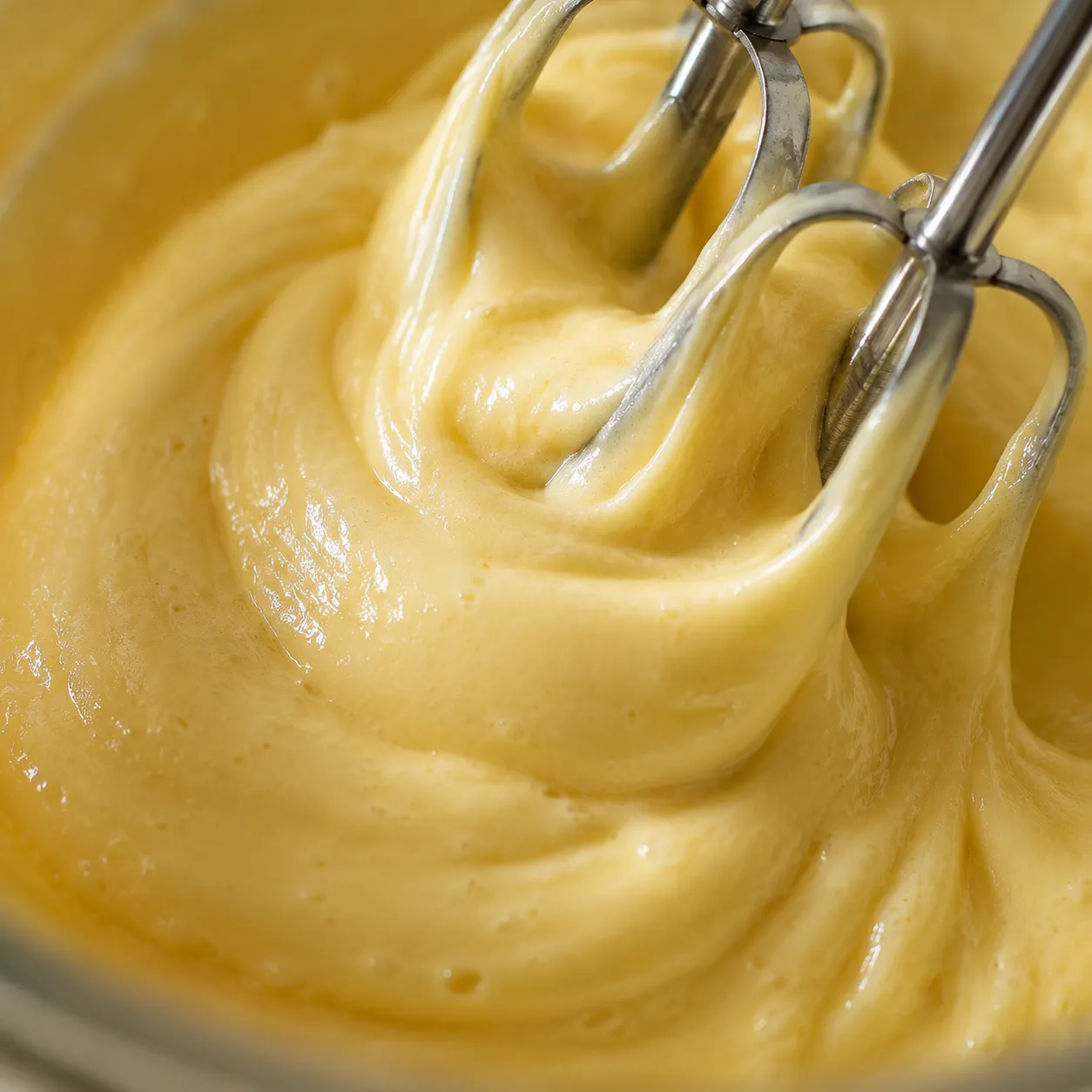
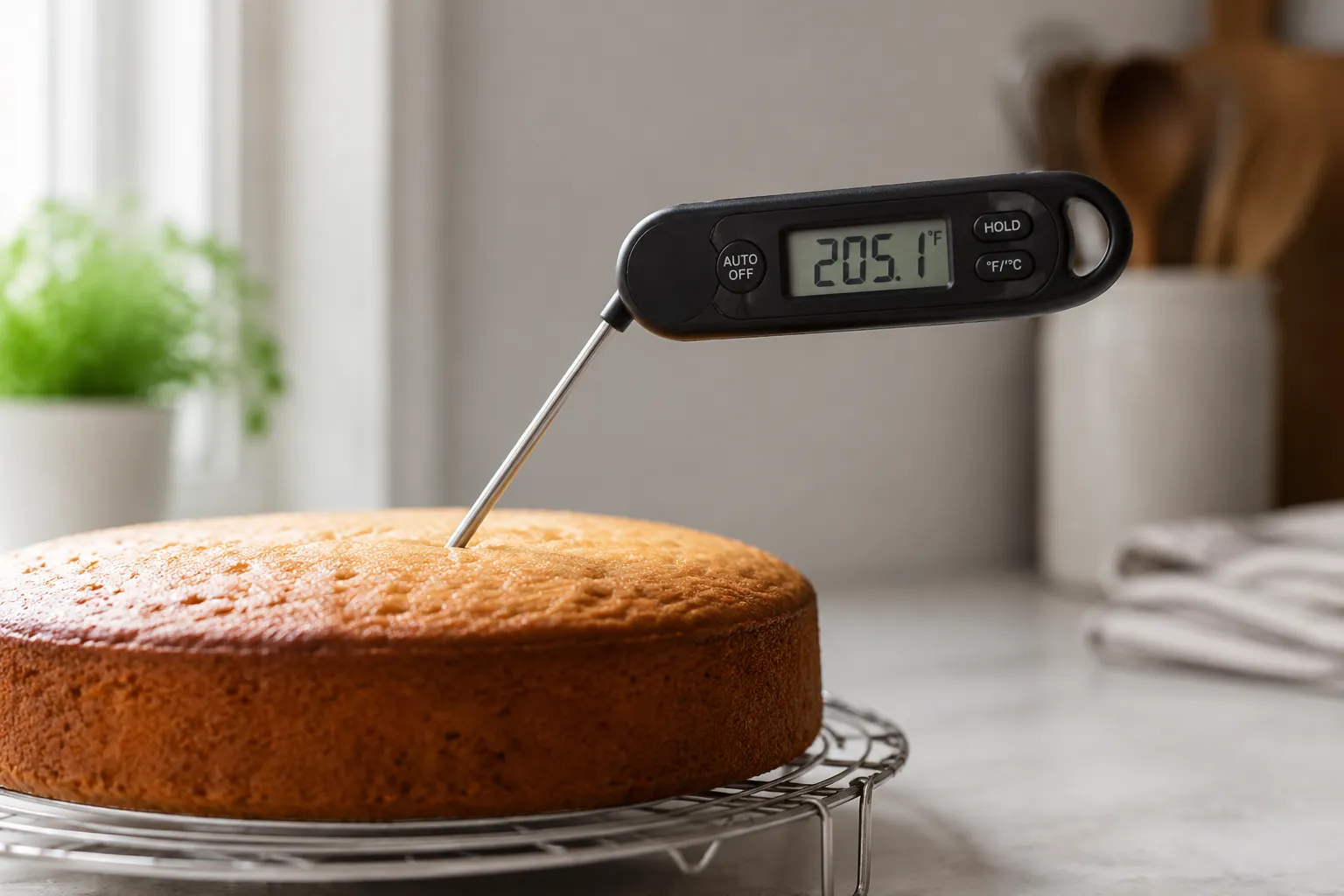
The other key is baking to a verified internal temperature. A cake is fully done at 200 to 210°F at the center, which is well past the 165°F threshold the USDA considers safe for any egg-containing product. An $8 instant-read thermometer pays for itself in three bakes. The full ingredient list and step-by-step instructions live in the recipe card below, but I will walk through the highlights here so you know what to expect at the bench.
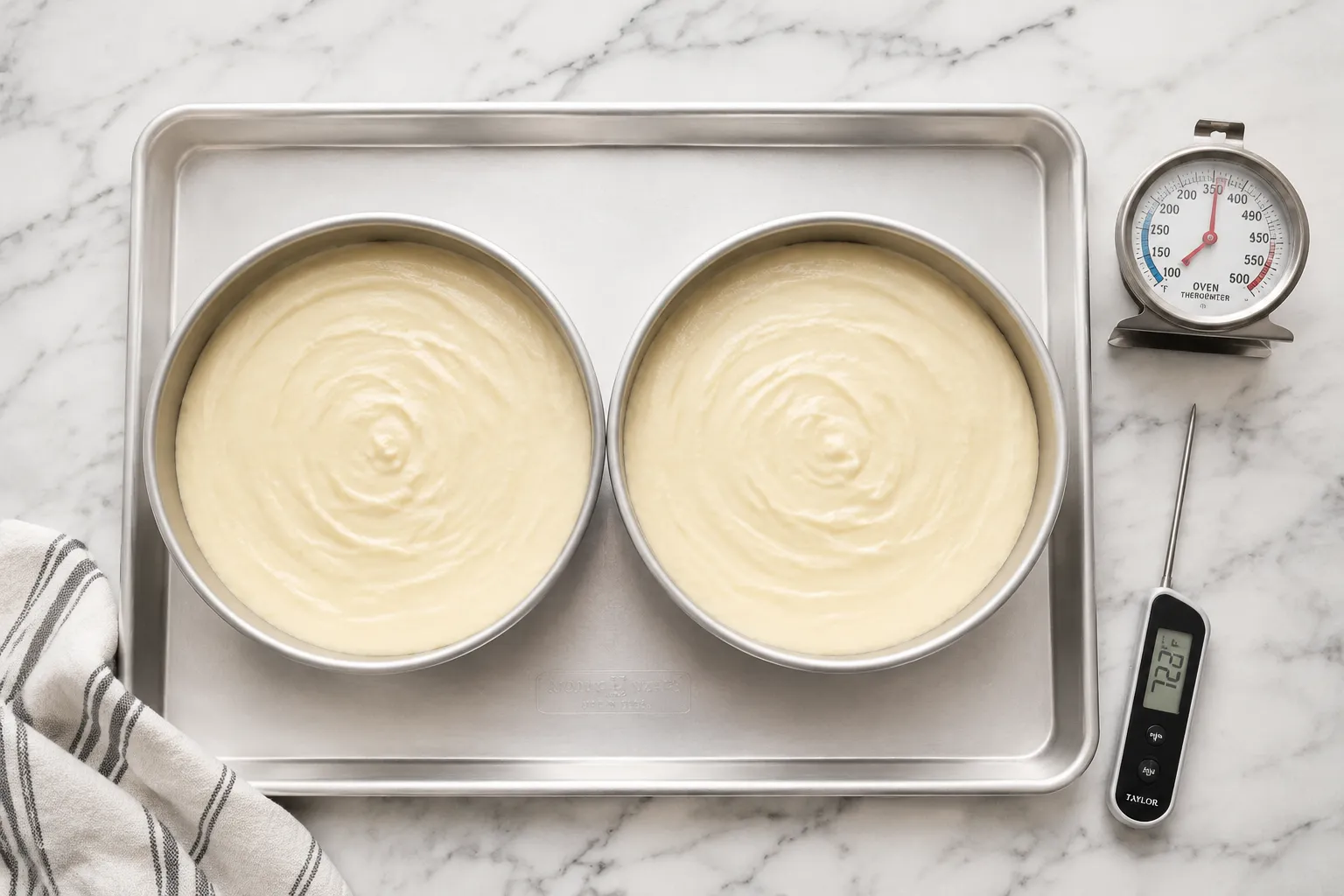
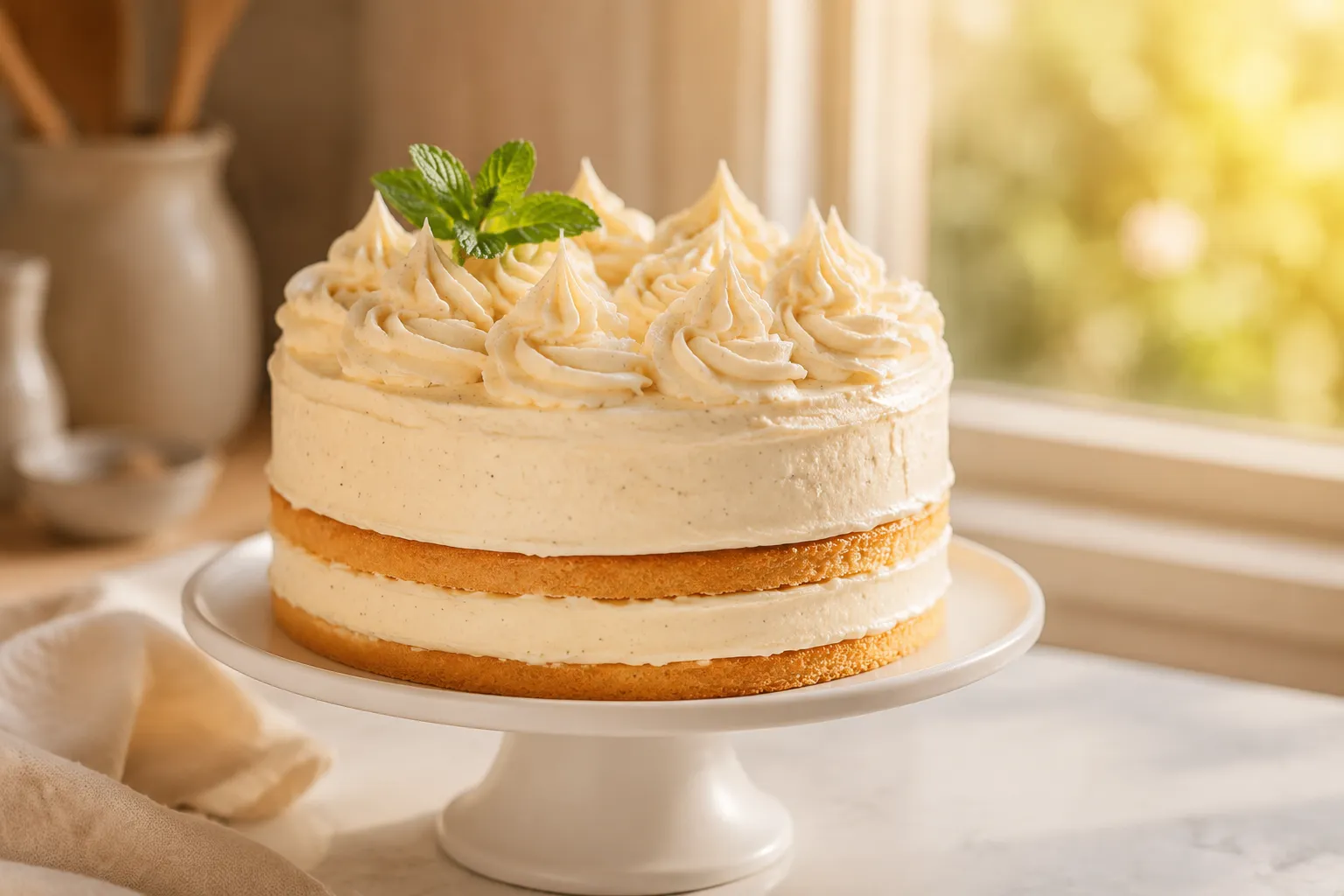
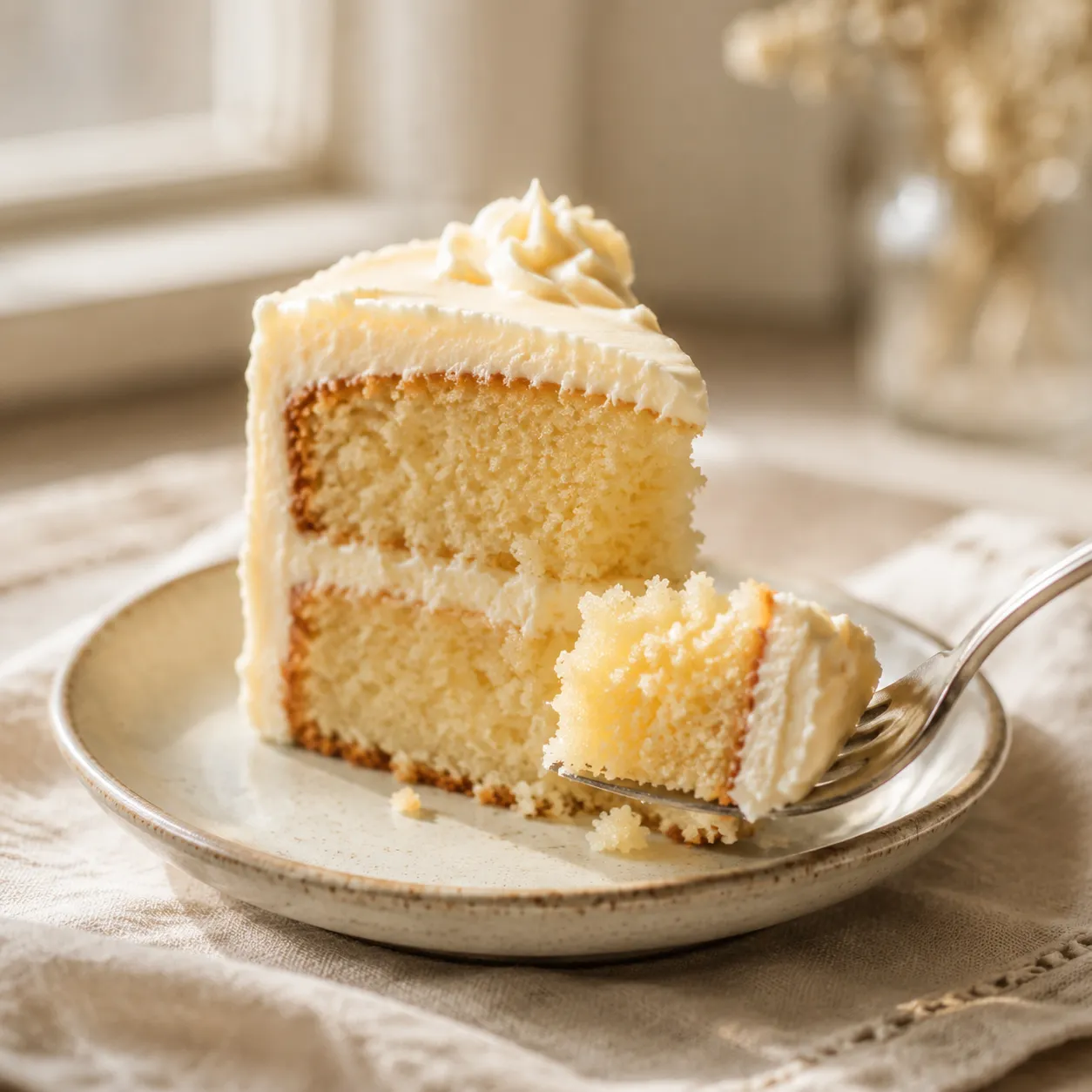
You will cream room-temperature butter with sugar until the mix looks pale and fluffy — about 4 minutes on medium-high. Beat in pasteurized eggs one at a time, then alternate dry and wet additions to keep the crumb tender and even. Bake at 350°F in two 9-inch pans, cool fully, and frost with a quick American buttercream or a stabilized whipped cream if you want something lighter. Total active time is about 20 minutes and the result is a tall two-layer cake that easily feeds 12.
Even with pasteurized eggs in the mixing bowl, good egg safety in baking habits matter, because salmonella can ride in on raw flour, unwashed produce, or a cutting board that touched raw chicken last night. Keep eggs refrigerated below 40°F until the moment you crack them, and do not let batter sit out at room temperature for more than 2 hours total before it goes in the oven.
Skip the raw-batter taste test. Raw flour is actually the more common culprit in recent home outbreaks — it is a raw agricultural product that has not been heat-treated, and it sits on shelves with whatever bacteria the wheat picked up in the field. If you want a lickable batter, make a separate edible cookie dough using heat-treated flour and skip the eggs entirely.
Clean as you go. Wash hands and bowls in hot soapy water between cracking eggs and handling other ingredients, swap to a fresh whisk for frosting if you used the same one for raw batter, and run dishtowels through a hot wash after a baking session. These three habits eliminate almost all home-kitchen risk and apply just as much to weekday dinner prep as they do to a Sunday cake. The fda highest concern cake recall salmonella headlines will fade in a few weeks, but the kitchen routine you build now keeps paying off every single time you bake.
The base recipe is built to be a blank canvas. Once you have the vanilla layer dialed in, swapping flavors is mostly a matter of substituting extracts, folding in fruit, or changing the frosting. Every variation below uses the same pasteurized-egg, fully-baked safety framework — only the flavor profile changes.
Store the frosted cake covered at room temperature for up to 2 days, or in the refrigerator for up to 5 days. The American buttercream forms a soft seal that keeps the crumb moist, so there is no need to wrap individual slices. If your kitchen runs warm in summer, default to the fridge and pull slices out 20 minutes before serving so the butter softens and the flavor blooms back.
For longer storage, freeze unfrosted layers wrapped tightly in plastic and then foil for up to 3 months. Thaw overnight in the fridge before frosting. Frosted slices also freeze beautifully — flash-freeze them on a sheet tray for an hour, then transfer to a labeled freezer bag. Pull one out the night before you want a treat and let it thaw in the fridge for a slice that tastes freshly made.