Classic Deviled Eggs Recipe (Creamy & Easy)
Ingredients
Scale
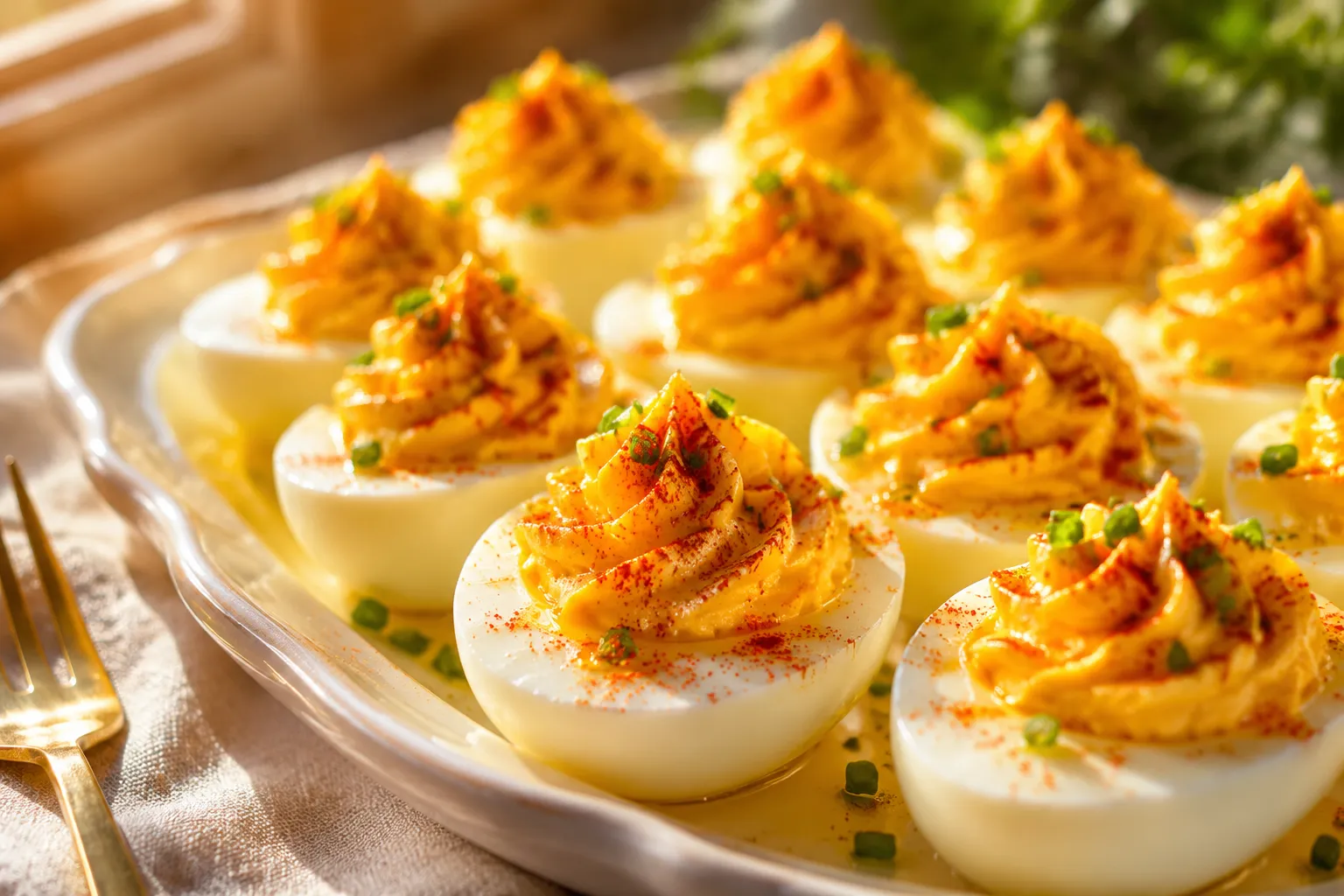
The only deviled egg recipe you need: silky-smooth filling, perfectly cooked yolks, and a tangy-creamy bite that disappears at every party.
This deviled egg recipe has been my go-to ever since I figured out the small handful of tricks that turn a decent appetizer into the one that disappears from the platter first. Creamy, tangy, dusted with smoked paprika, and finished with a confetti of fresh chives, these are the deviled eggs your aunt asks you to bring every single year, the ones the kids hover over before dinner is even called.
What separates a good deviled egg from a great one isn't a secret ingredient. It's technique. We're talking properly cooked yolks with no chalky gray rings, an easy-peel approach that respects your time, and a filling pushed through a fine-mesh sieve so it pipes out of a star tip in tall, glossy swirls. If you've ever wondered why diner deviled eggs taste flat while bakery-style ones taste alive, the answer is double mustard, a splash of white vinegar, and a whisper of salt on the egg whites themselves.
This easy deviled egg recipe is also one of the most flexible easy appetizer recipes in my rotation. It scales up for a crowd, sits happily in the fridge overnight, and forgives small mistakes along the way. Whether you're putting together Easter brunch ideas with the whole family or just want a protein-packed snack for the week, this is the version to bookmark.
You don't need anything fancy here. Twelve large eggs, a half cup of good mayonnaise, two kinds of mustard, a splash of white vinegar, and a simple combo of kosher salt and black pepper carry the whole show. Smoked paprika and fresh chives are non-negotiable for me at the finish, but they're garnish, not filler. The whole shopping list lives in most kitchens already, which is part of why this is such a reliable last-minute appetizer.
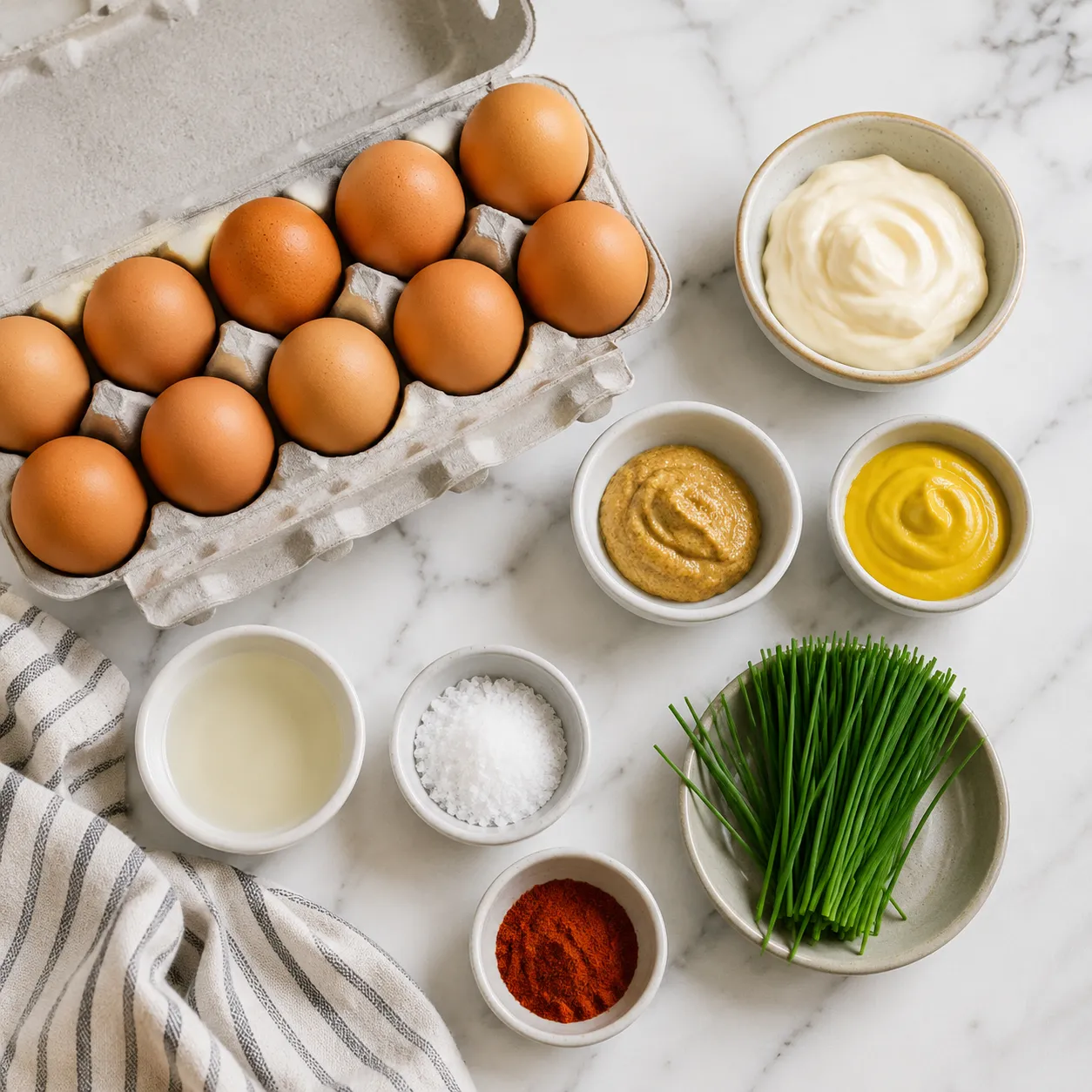
Use large eggs for a consistent yolk-to-white ratio, and try to choose ones that are at least seven to ten days old. Counterintuitive, I know, but very fresh eggs cling to their shells like they're afraid of letting go. Older eggs have a slightly larger air pocket and a higher pH, which makes them dramatically easier to peel. If you only have farm-fresh eggs on hand, plan ahead by a week or steam them instead of boiling.
The classic deviled egg recipe filling lives or dies by this ratio. I use one half cup of mayonnaise for twelve yolks, plus one teaspoon of Dijon mustard for depth and one teaspoon of yellow mustard for that nostalgic, tangy snap. A teaspoon of white vinegar brightens everything and keeps the filling from feeling heavy on the tongue. If you want to take it all the way, homemade mayonnaise pushes the flavor into another league, but a quality jarred brand absolutely works on a busy day.
A pinch of garlic powder, a dash of hot sauce, finely minced cornichons, or a teaspoon of sweet pickle relish can all earn their place in the creamy filling. Save the bigger flavor swings — bacon, avocado, sriracha — for the variation ideas below, where they get the attention and ratios they deserve.
If you've ever cracked open a hard-boiled egg and stared at a chalky, greenish yolk, you already know that boiling eggs isn't as foolproof as it sounds. Learning how to boil eggs perfectly is the single biggest upgrade you can make to this whole project. There are two methods I trust completely, depending on what's already on my counter and how much hands-on time I want to spend.
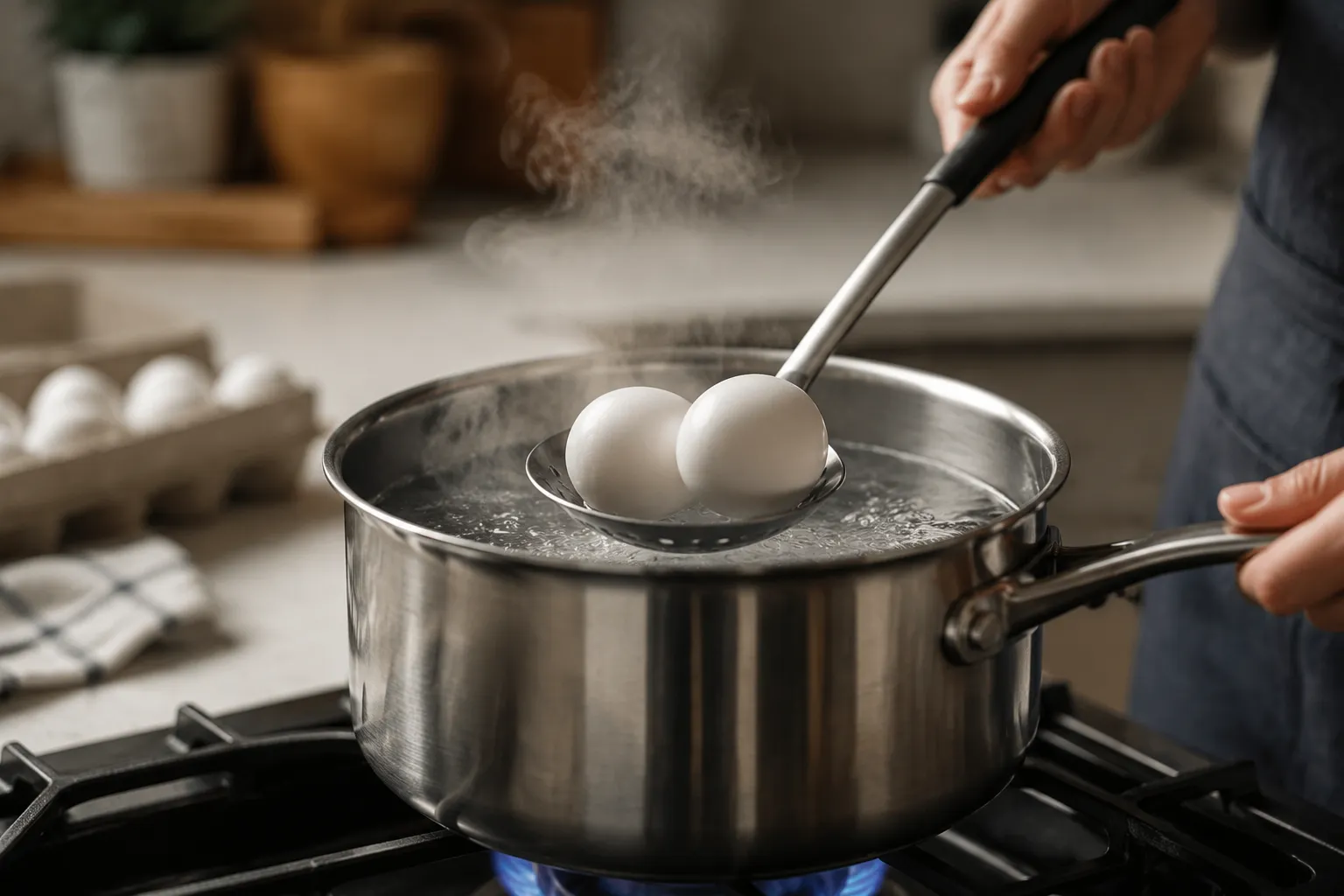
Place twelve eggs in a single layer in a wide saucepan. Cover with cold water by an inch, bring to a rolling boil, then cover the pot, kill the heat, and let them sit undisturbed for exactly eleven minutes. This gentle off-heat cook produces tender whites and bright yellow yolks with no rubbery bounce or gray ring. Older eggs combined with this technique peel like a dream every single time.
For absolute consistency, the Instant Pot 5-5-5 method is unbeatable. Place a trivet inside the pot, add one cup of water, set twelve eggs on top, and pressure cook on high for five minutes. Let pressure release naturally for five minutes, then quick-release and transfer the eggs to ice water for at least five more minutes. The shells slide off in two or three pieces, which is borderline magical the first time you see it.
Whichever cooking method you choose, the ice bath is mandatory. Plunging hot eggs into cold water shocks the membrane away from the shell and stops carryover cooking instantly. Leave them in the ice for at least five minutes (ten is better), then peel under cool running water and watch the shells fall off in big satisfying sheets.
Once your hard-boiled eggs are cooked, peeled, and patted dry, the actual assembly takes about ten minutes start to finish. The visual flow goes halve, scoop, mash, mix, pipe, garnish, done. Here's how each step looks in practice, with the small upgrades that take this deviled egg recipe from fine to genuinely impressive.
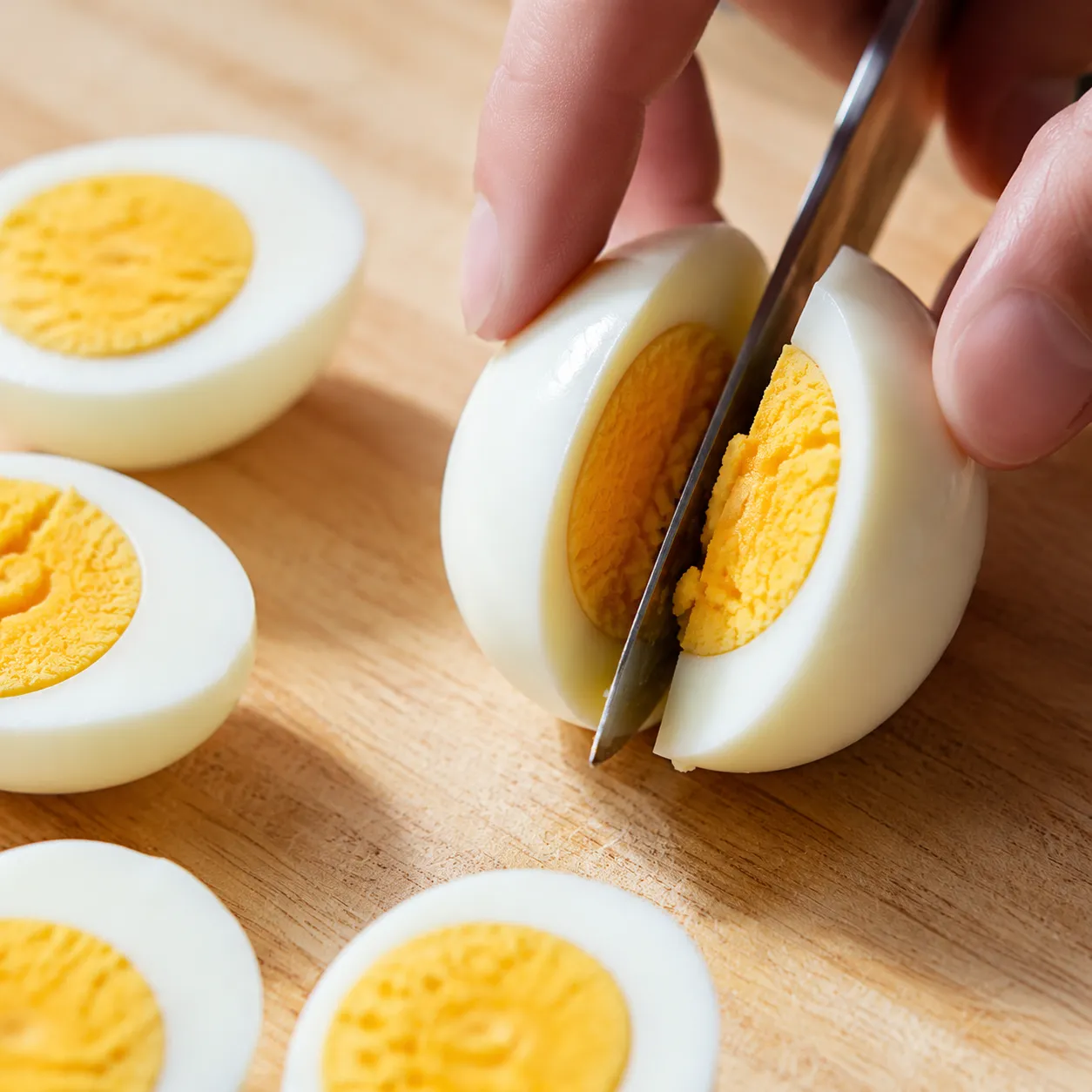
Slice each peeled egg lengthwise with a thin, sharp knife, wiping the blade between cuts for tidy edges. Pop the yolks into a fine-mesh sieve set over a bowl, and arrange the whites cut-side up on a platter. Lightly salt the whites. This is the trick most recipes skip: a tiny pinch of kosher salt on the egg whites themselves seasons every bite from the bottom up.
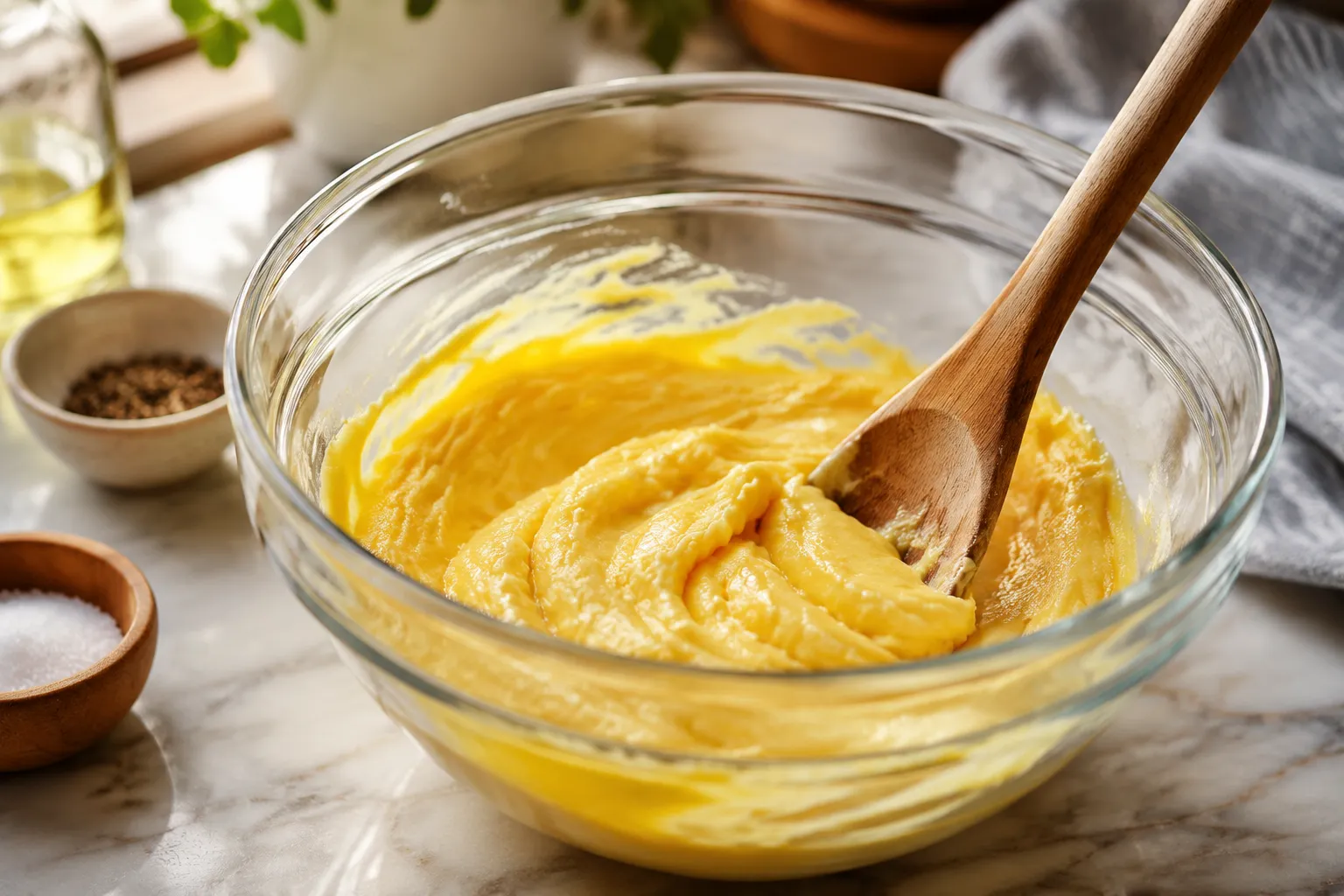
Press the yolks through the sieve with the back of a spoon. It feels like extra work, but it transforms the texture from grainy to silk in about ninety seconds. Add the mayonnaise, both mustards, vinegar, salt, and pepper, then stir with a small spatula until the filling is glossy, smooth, and just thick enough to hold a peak. Taste and adjust as you go: more vinegar for tang, more mayo for richness, another pinch of salt if it falls flat.
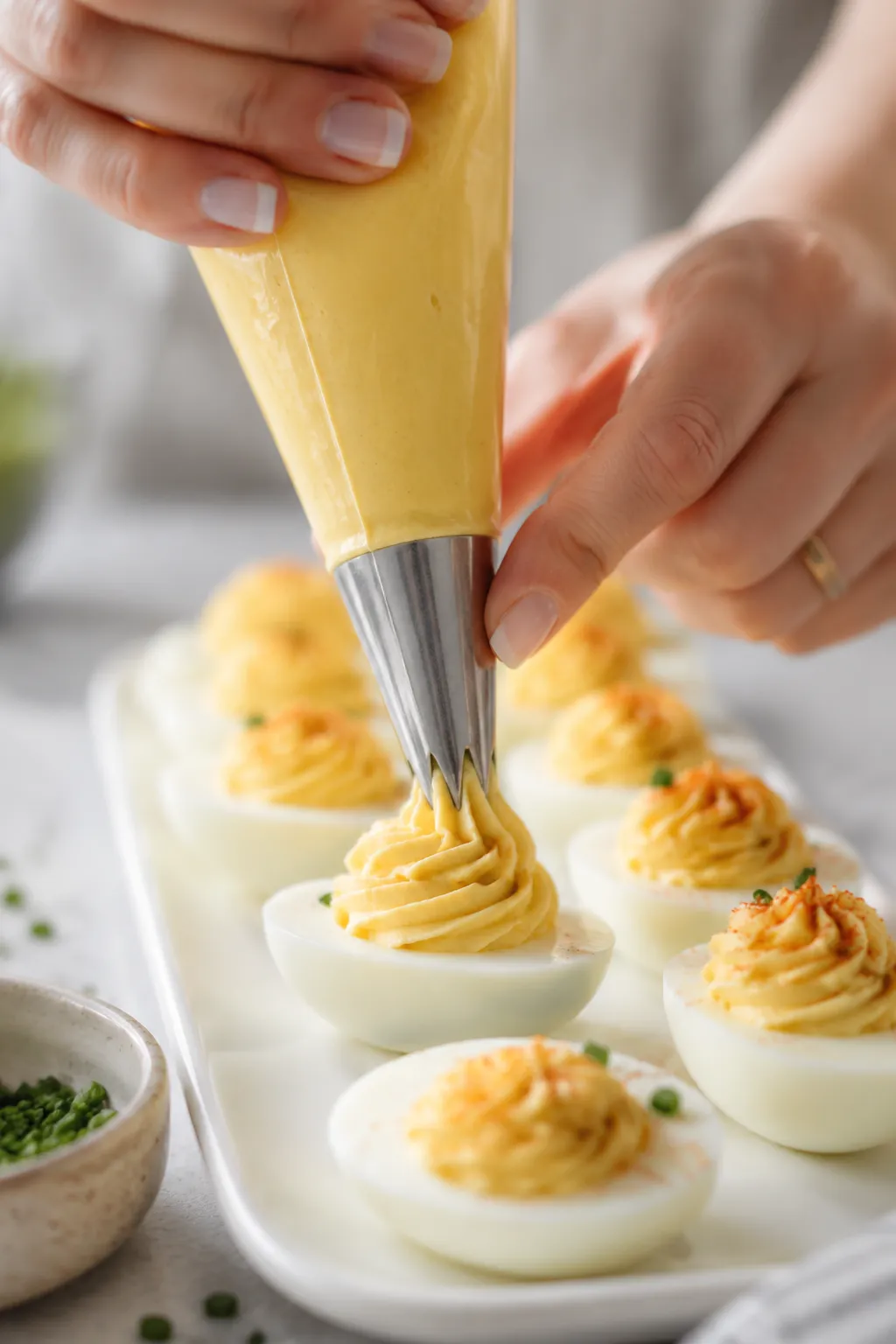
Transfer the creamy filling to a piping bag fitted with a large open star tip — Wilton 1M and 2D both work beautifully. Pipe a generous swirl into each white half, building up height on a second pass for that bakery-counter look. Finish with a heavy dust of smoked paprika and a scatter of finely sliced chives. If you want extra polish, top each swirl with a single chive ring centered like a little crown.
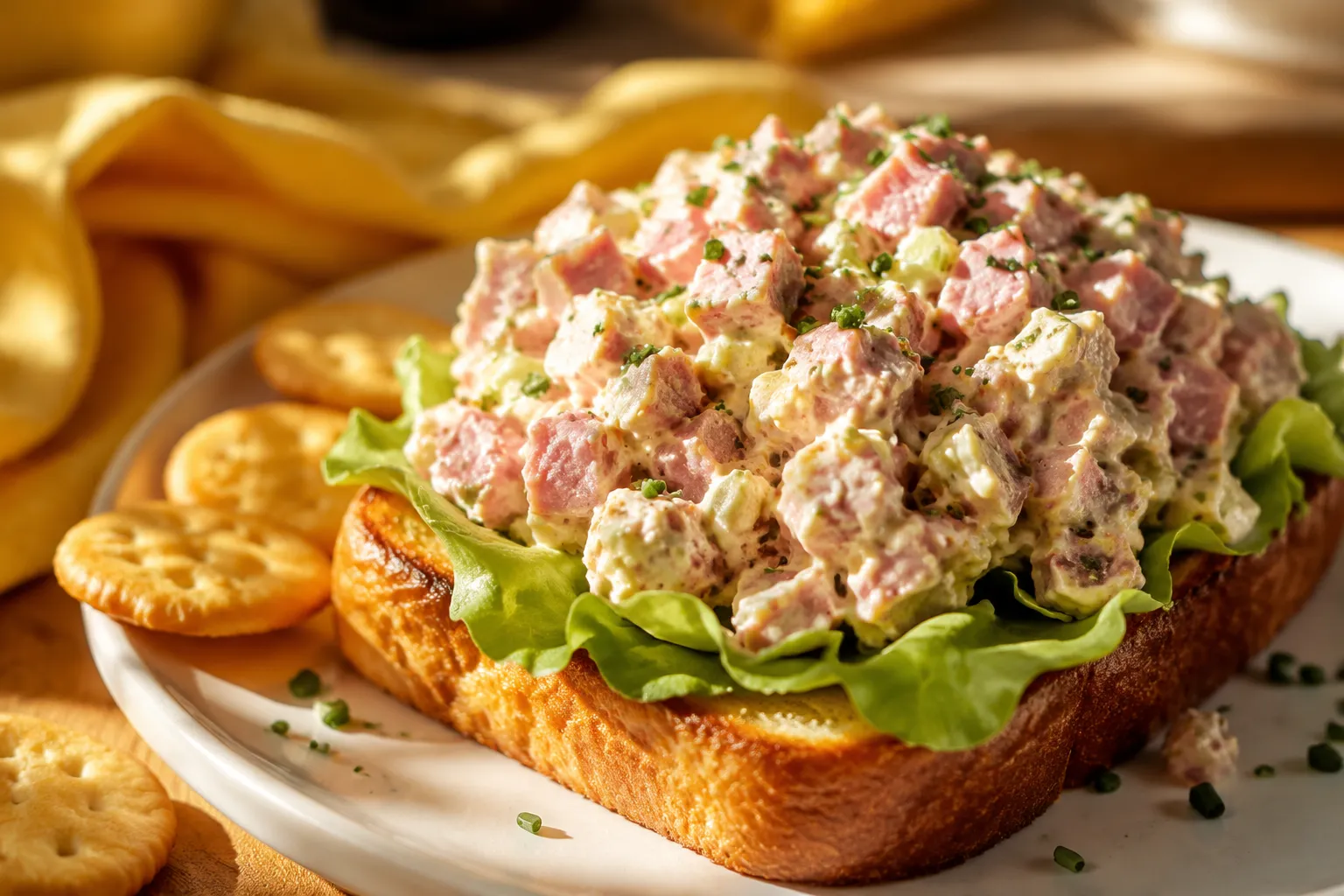
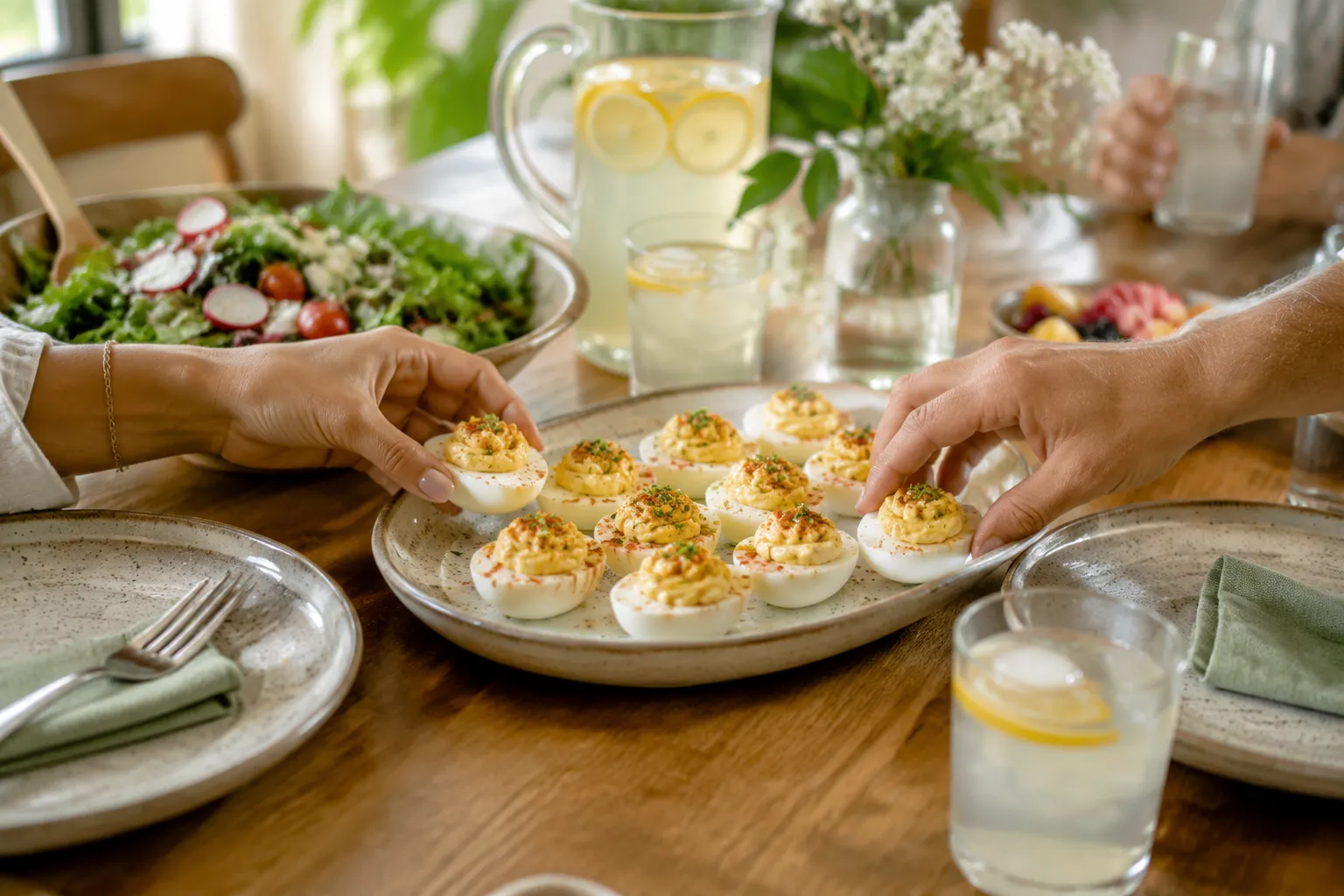
A platter of these is a complete first course on its own, but they really shine alongside other handheld classics. For a summer cookout, line them up next to a creamy potato salad recipe and a bowl of pickles for that diner-counter nostalgia. At Easter brunch, set them between a baked ham and a pile of buttered asparagus, where the bright yolks and pink ham play off each other beautifully on the plate.
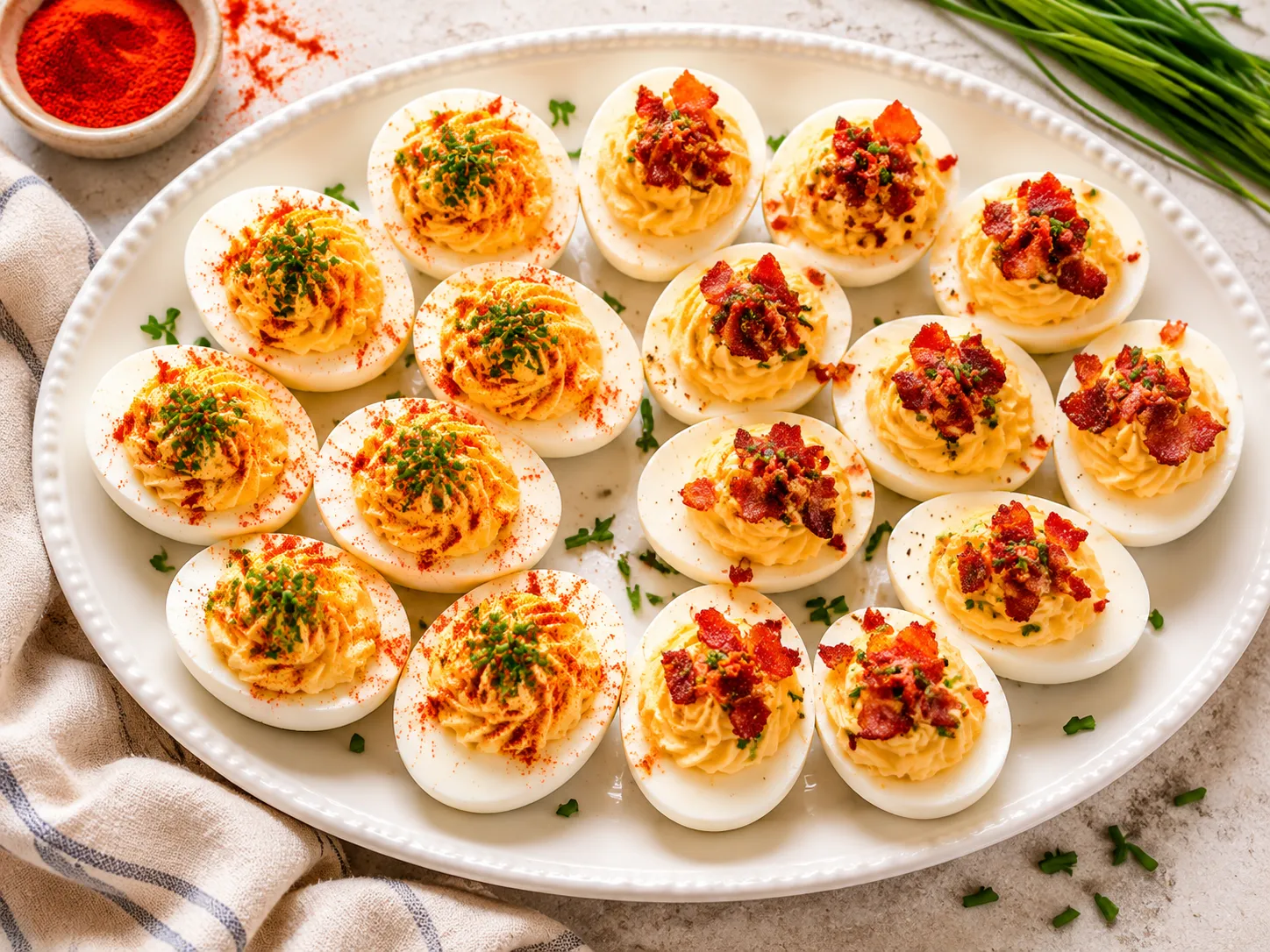
They also bridge perfectly into spring lunches the next day. Any leftover yolks fold into an egg salad sandwich that tastes like a smarter version of the cafeteria classic, and any extra filling thinned with a little more mayo becomes a dip for crackers and crudités. I love serving the platter on a wide oval dish with a small bowl of extra smoked paprika alongside, just to make the colors pop. Cold drinks, room-temperature snacks, sunlight on the table — that's the whole mood.
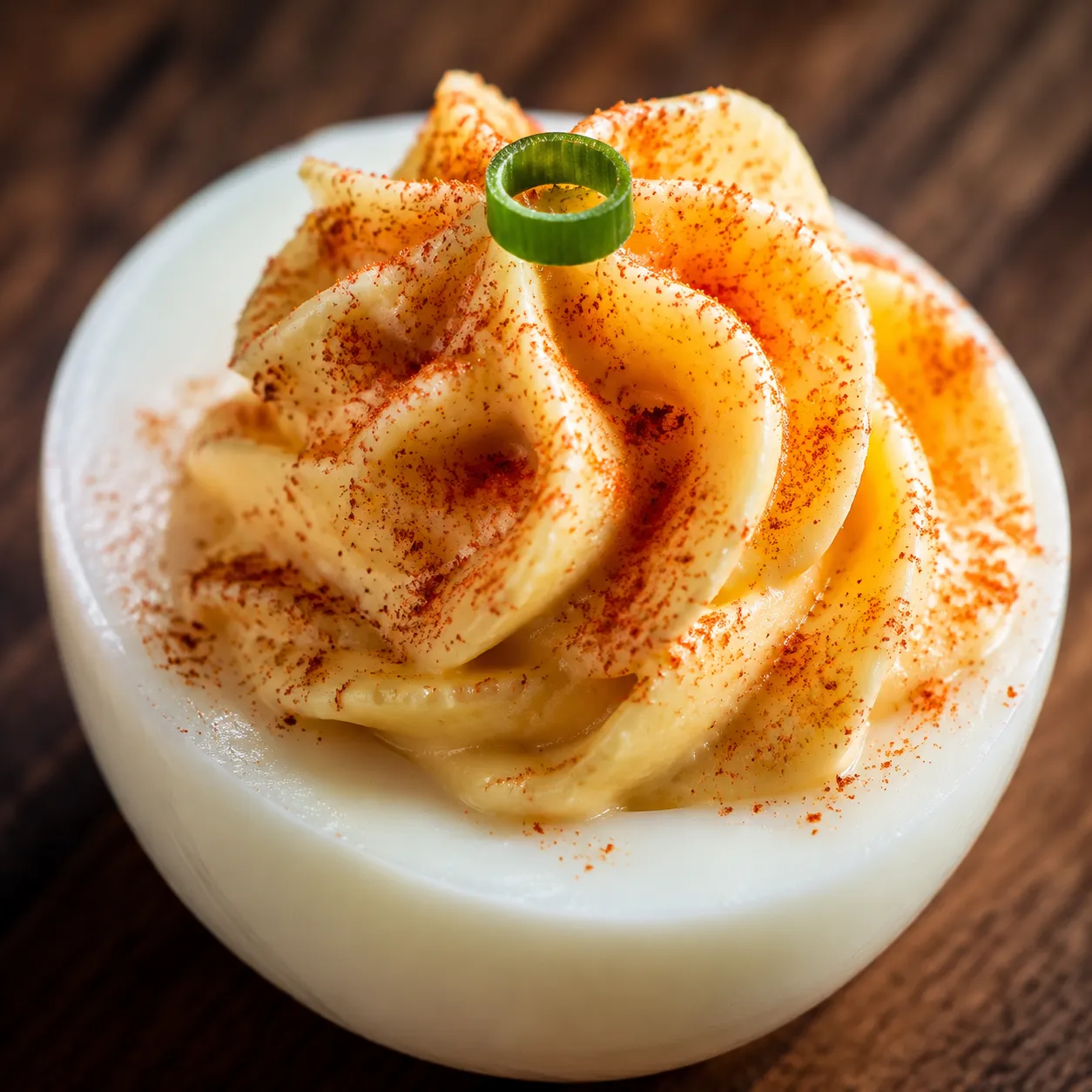
This is a make-ahead appetizer in the truest sense, which means you actually get to enjoy your own party. Whether it's your first time making this deviled egg recipe or your fiftieth, the small upgrades — sieved yolks, two mustards, salted whites, a real piping bag — are what take them from "fine" to the platter that empties first. Make a double batch. You'll thank yourself.
The base recipe is a perfect blank canvas. Once you've got the technique down, lean into one of these flavor directions for your next batch — each one adds about two minutes of work and a whole new personality.
Deviled eggs are at their best the day they're made, but you can absolutely prep ahead. Store the cooked, peeled egg whites and the creamy filling separately in airtight containers in the fridge for up to 24 hours. Press a layer of plastic wrap directly against the surface of the filling so it doesn't form a skin, then transfer it to a piping bag and pipe just before serving for the freshest look and smoothest texture. Fully assembled deviled eggs hold for up to 2 days tightly covered in the fridge, but the piped swirls soften and the whites can weep slightly.
For transport, a deviled egg carrier is genuinely worth the $15 if you make these often. In a pinch, nest the eggs in a shallow container lined with damp paper towels and lay a piece of plastic wrap loosely over the top. Keep the platter chilled and don't leave deviled eggs at room temperature longer than 2 hours, or 1 hour if it's above 90°F outdoors. Freezing is not recommended — cooked egg whites turn rubbery and watery once thawed.