How Old Is Alan Jackson? Plus His Favorite Sandwich Recipe
Ingredients
Scale
Curious how old Alan Jackson is? Here's the country icon's age, a quick career snapshot, and the no-fuss Southern sandwich he's famously loved for years.
If you've ever caught yourself humming "Chattahoochee" on a back road and wondered, how old is Alan Jackson these days, you're in very good company. The Georgia-born country music legend has been part of the soundtrack of American kitchens, pickup trucks, and back-porch summers for more than three decades, and fans keep circling back to two questions: how the years are treating him, and is it really true he loves a peanut butter and mayonnaise sandwich.
The short answer to both is yes. Alan is still very much around, still showing up at occasional events and tributes, and yes, he has spoken openly about his love for that very Southern, very humble sandwich. So this post is going to do double duty: a fast factual answer up top, a warm look at his life and music, and the actual recipe for the no-frills lunch he's championed since his Newnan, Georgia childhood.
Pour yourself something cold, settle in, and let's talk Alan, his age, and the sandwich your grandmother probably packed in a paper sack.
## How Old Is Alan Jackson Right Now?Alan Eugene Jackson was born on October 17, 1958, which puts him at 66 years old for most of 2025 and 67 once his October birthday comes around. He's been making music professionally since the late 1980s, which means he's spent the bulk of his adult life on tour buses and in Nashville recording studios. For a singer who built his entire catalogue on traditional honky-tonk and front-porch storytelling, he has aged remarkably well, both on stage and off. In 2021, he publicly shared that he had been diagnosed with Charcot-Marie-Tooth disease, a degenerative nerve condition that has slowed his touring schedule but hasn't dimmed his songwriting. Today he splits his time between Tennessee and his Georgia roots, still occasionally writing, releasing the odd track, and showing up for milestone tribute shows. So when fans ask how old is Alan Jackson, the honest answer is simple: old enough to be a bona fide legend, young enough to still be writing.
## A Short Bio of the Country LegendAlan was born and raised in Newnan, Georgia, the youngest of five and the only boy in his family. He grew up in a converted toolshed his father expanded into a small house, listening to gospel at church and country radio at home. After moving to Nashville with his wife Denise in 1985, he eventually broke through in 1989 with his debut album Here in the Real World, which spawned four hit singles and established his easy-going, neotraditional sound almost overnight.
From there, the hits just kept coming. "Chattahoochee," "Remember When," "Drive (For Daddy Gene)," and "Where Were You (When the World Stopped Turning)" became cultural touchstones, the kind of songs that show up at weddings, funerals, and tailgates across the country. He was inducted into the Country Music Hall of Fame in 2017 and the Songwriters Hall of Fame in 2018, two honors that cemented him as one of the most important country songwriters of his generation. Through it all, he's stayed quietly Southern: sweet tea, blue jeans, and yes, peanut butter on soft white bread.
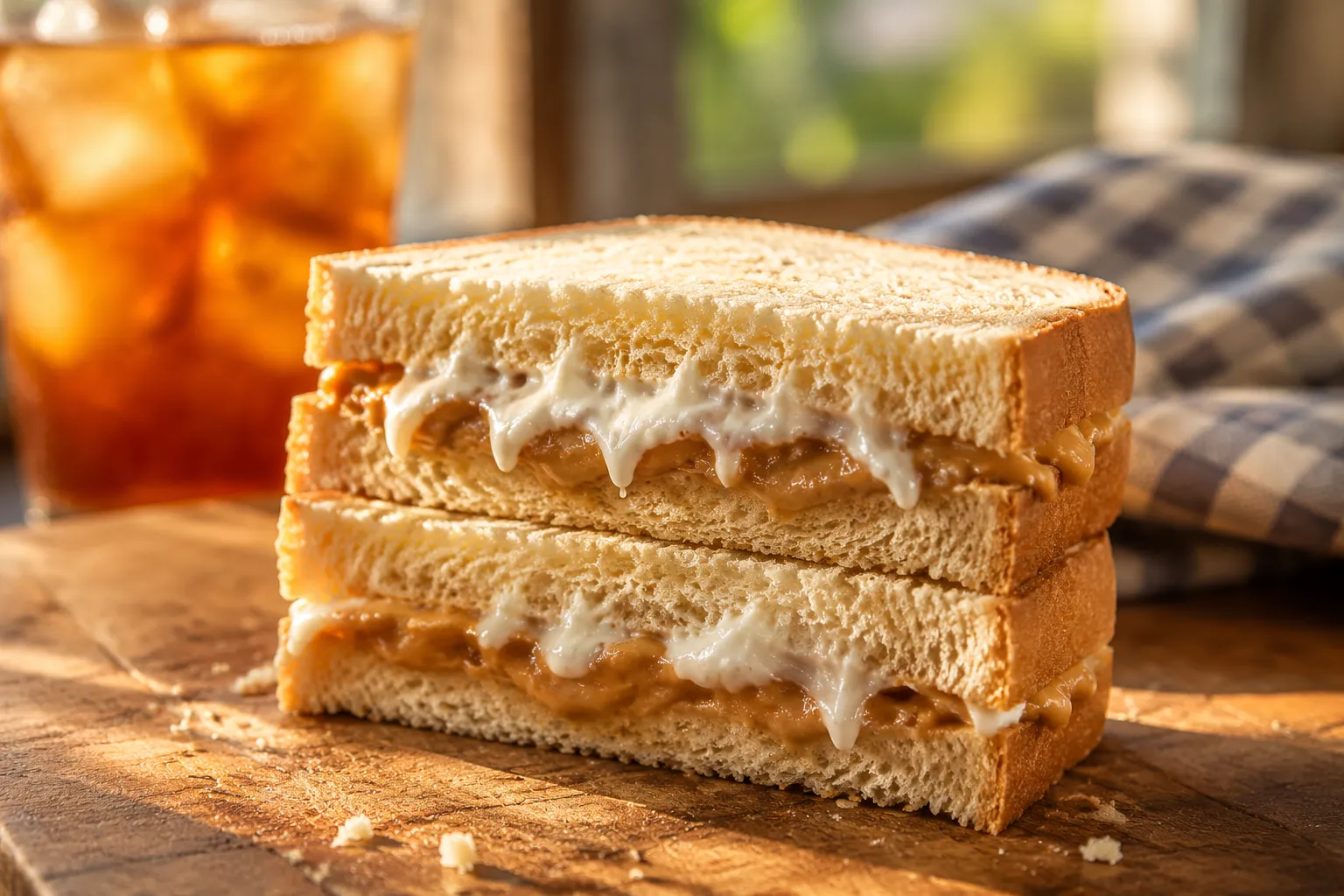
## What Is Alan Jackson's Favorite Sandwich?Ask any Georgia native of a certain age about a peanut butter and mayonnaise sandwich and you'll usually get a knowing smile. This is the sandwich Alan Jackson has talked about for years, the one he ate growing up and still reaches for as adult comfort food. It's two slices of soft white bread, a thick swipe of creamy peanut butter, a generous spoonful of mayonnaise, and that's it. No jelly, no banana required, no fancy add-ins.
To anyone outside the South, that combination usually sparks a polite "wait, what?" But the Alan Jackson favorite sandwich is genuinely beloved across Georgia, Alabama, the Carolinas, and beyond. The cool, tangy mayo cuts through the dense peanut butter the same way it does on a BLT or a tuna melt, only here the flavor reads salty-sweet instead of strictly savory. Alan has mentioned it in interviews and casual social media posts more than once, and it's one of those quiet markers of country comfort food that follows kids who grew up in the rural South into adulthood.
## Ingredients You'll NeedYou only need four pantry staples to pull this together, and three of them are probably already in your kitchen. The fourth is just salt. This is one of those easy 5-minute sandwiches that proves you don't need a long ingredient list to make something memorable.
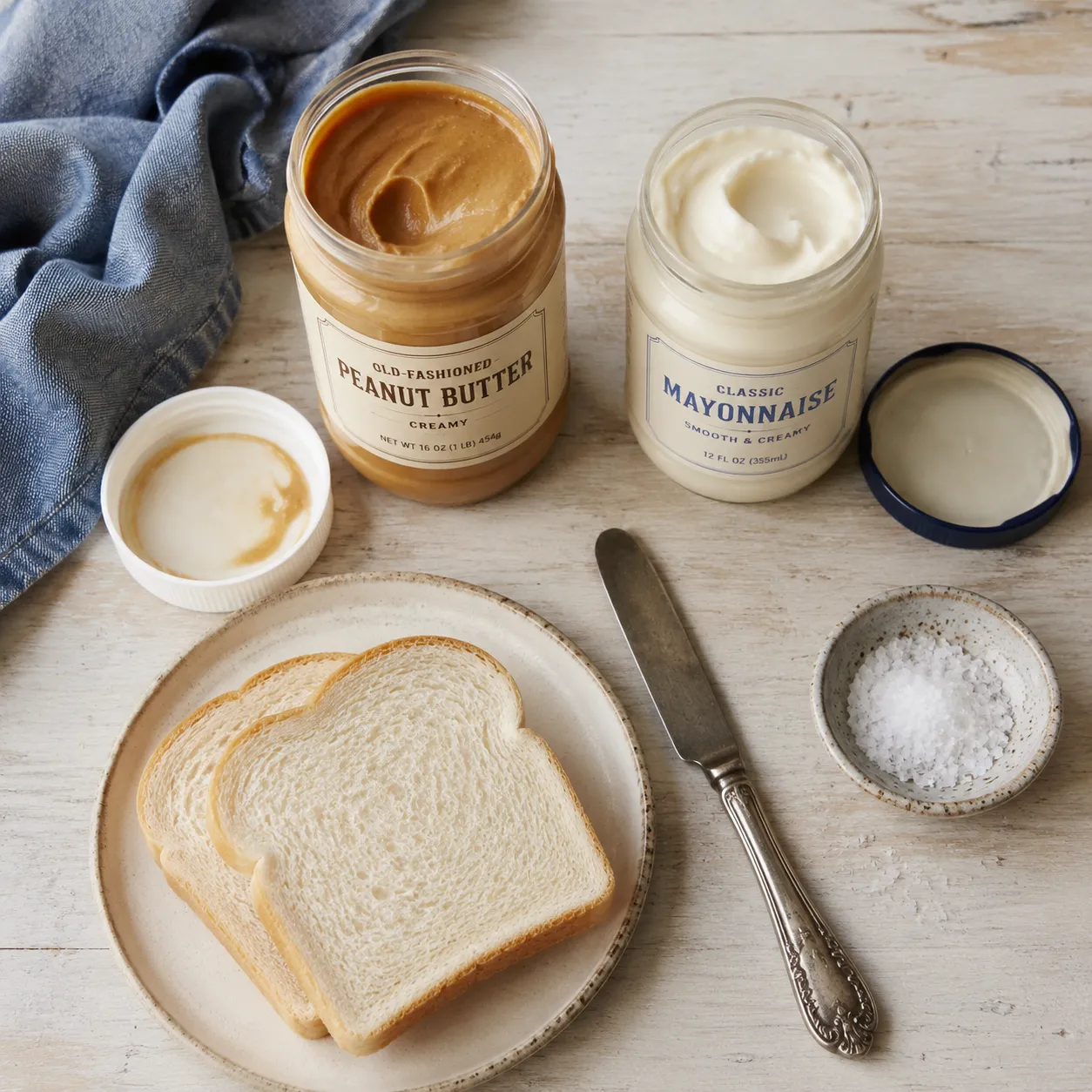
Start with soft white sandwich bread, the squishy supermarket kind that compresses slightly when you press it. Sourdough or hearty whole grain will fight the filling instead of cradling it. For peanut butter, classic creamy is the move here, ideally something with a touch of sweetness like Jif, Skippy, or Peter Pan. Natural peanut butter with separated oil works in a pinch, but it tends to slide around and won't cling to the bread the way a stabilized creamy peanut butter does.
For mayonnaise, Duke's is the gold standard in the South for a reason. It's tangier, slightly richer, and contains no added sugar, which keeps the sandwich from veering too sweet. Hellmann's (sold as Best Foods on the West Coast) is a perfectly fine substitute. A pinch of kosher salt at the end is optional, but it really wakes everything up and pulls the flavors together.
## How to Make Alan Jackson's Favorite SandwichThe whole sandwich comes together in about five minutes flat. There's nothing to cook, nothing to chill, and nothing to chop, which is why it's such a perennial favorite among no-cook lunch recipes when the kitchen is already too hot or you simply don't feel like turning on a burner.
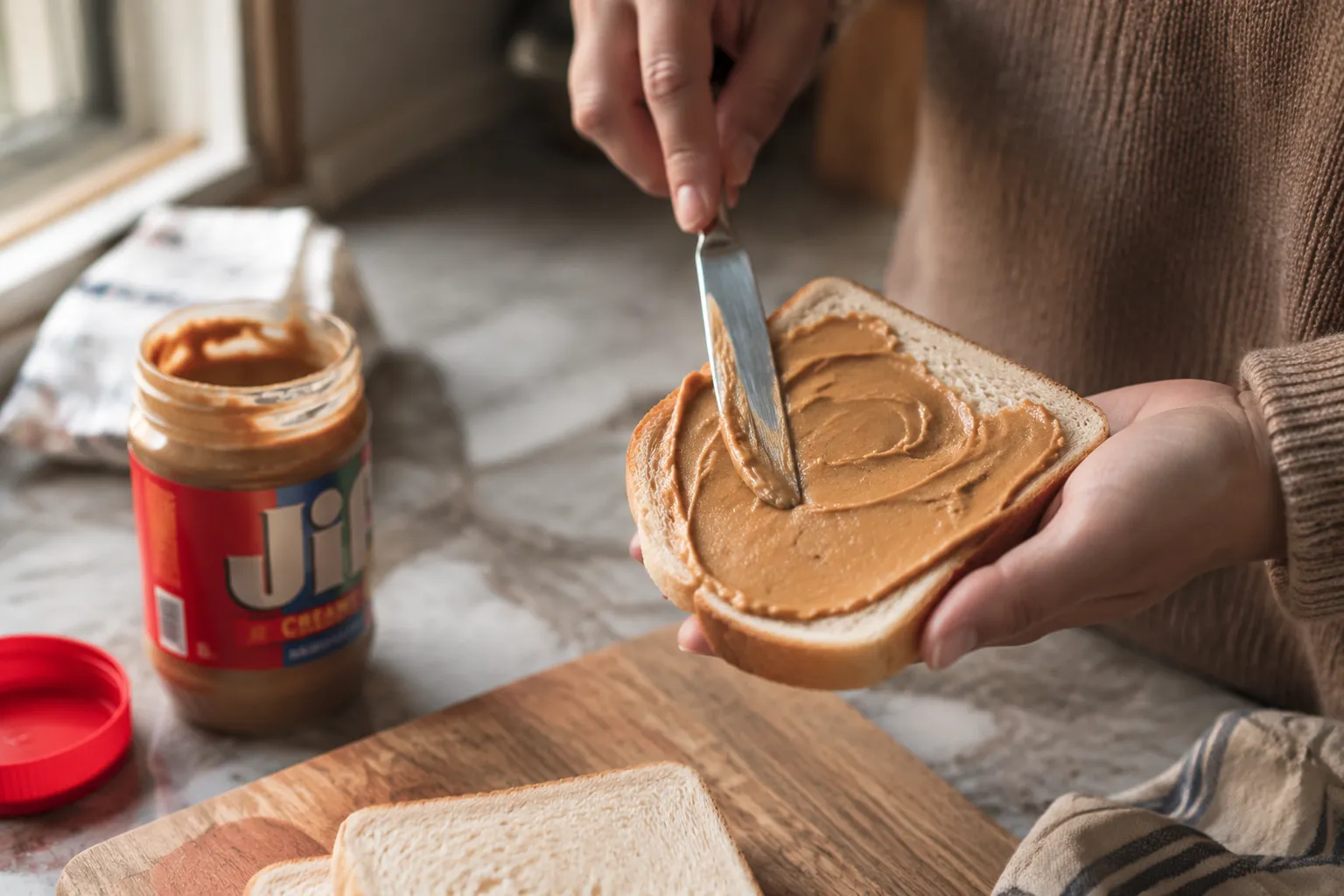
Start by laying both slices of bread flat on a cutting board or plate. You can absolutely toast the bread lightly if you want a little structure, but the traditional Newnan, Georgia version is built on soft, untoasted bread. The contrast between the squishy bread and the heavy filling is part of the charm.
Spread three tablespoons of creamy peanut butter across the first slice, all the way to the edges. Don't be shy here, this is meant to be a generous, two-handed kind of sandwich.
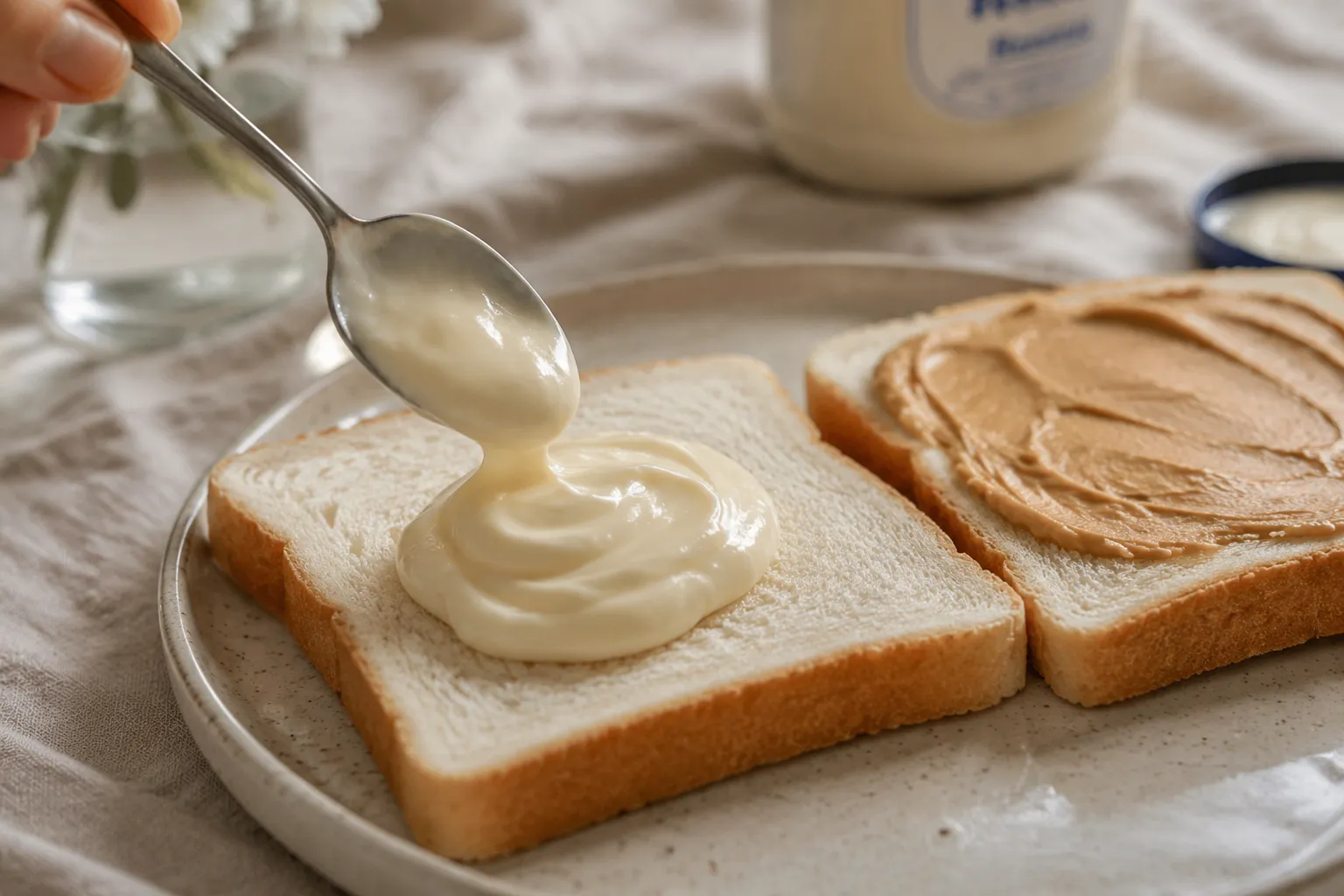
On the second slice, spoon on roughly a tablespoon of mayonnaise and spread it evenly. The ratio matters: too much mayo and the sandwich gets sloppy, too little and you lose the cool, tangy contrast that makes the whole thing work in the first place.
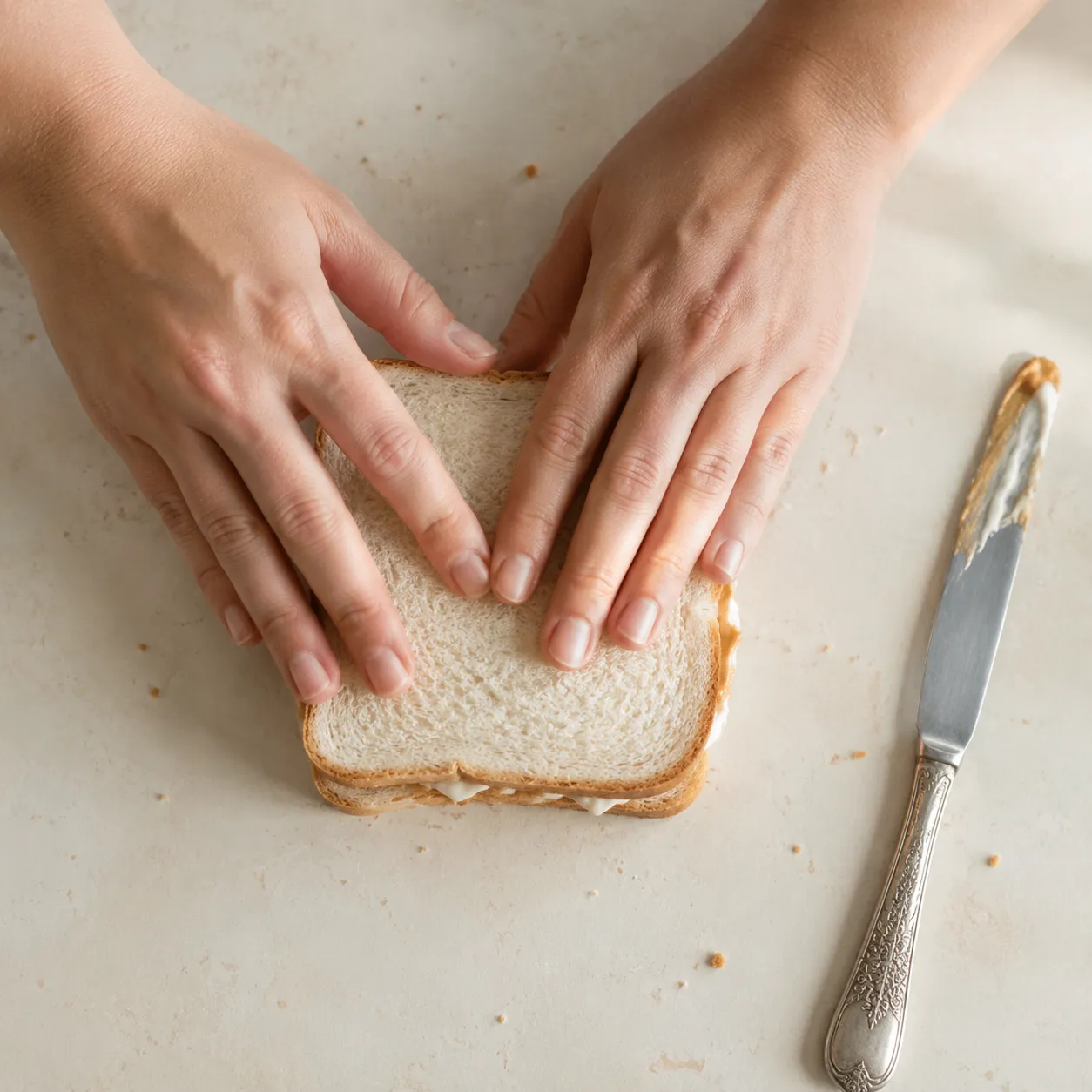
Press the slices together gently, sprinkle a tiny pinch of salt on top if you like, and slice on the diagonal. That diagonal cut isn't aesthetic alone, it actually makes the first bite hit better because you get bread, peanut butter, and mayo in one go.
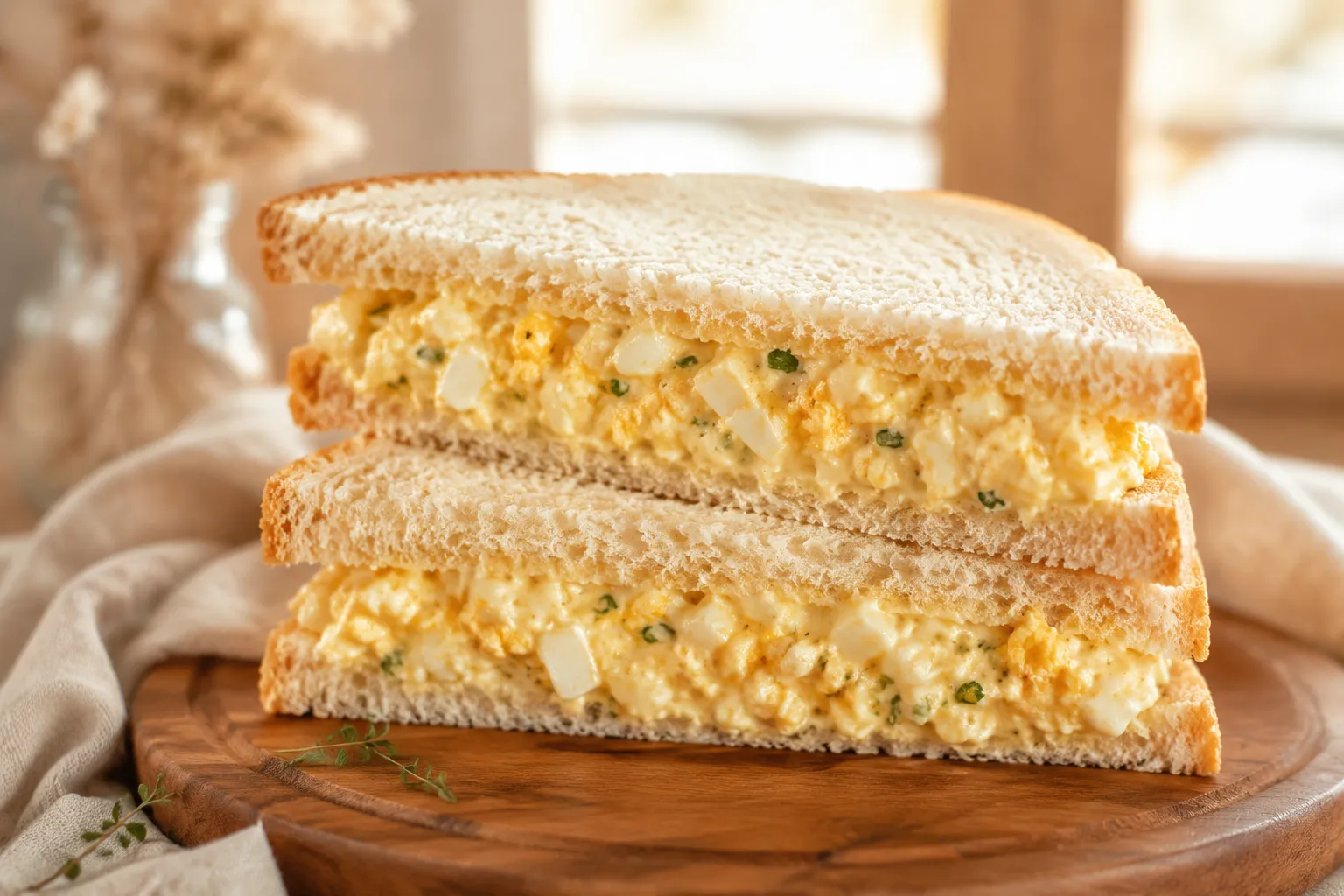
If you've never tried it, the combination of peanut butter and mayonnaise sounds borderline cursed. It tastes nothing like that. The mayo essentially acts the way butter does on a peanut butter sandwich, smoothing the texture and adding a savory edge that keeps every bite from feeling too sweet or too dense. It's the same logic that makes savory peanut sauces work in Thai cooking, just dialed way down and strictly Southern in spirit.
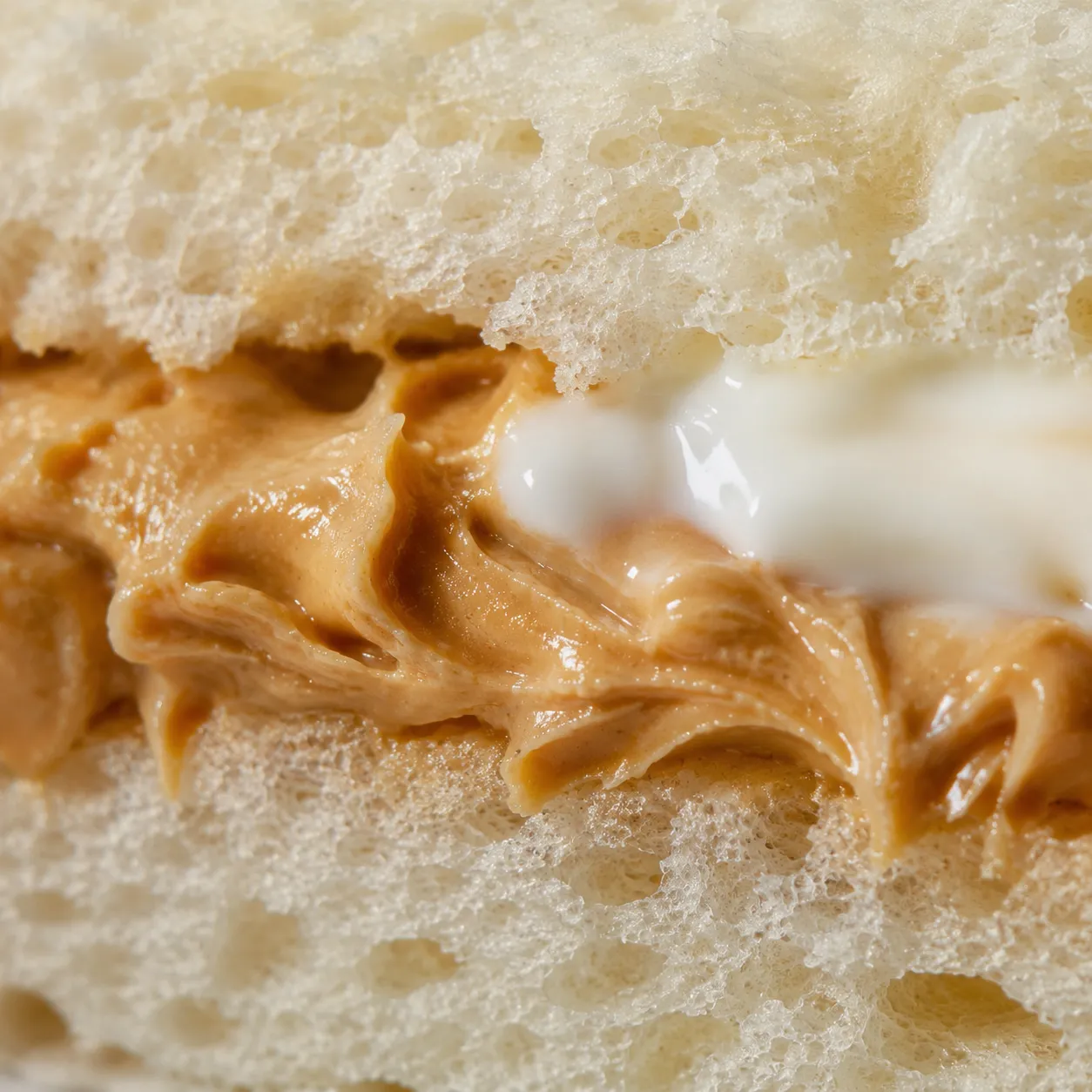
There's also a generational layer to it. For a lot of folks who grew up on old-fashioned Southern recipes, peanut butter and mayo is wrapped up with memories of school lunches packed in wax paper, fishing trips with a grandfather, and quiet weekday afternoons. It belongs to the same family as pimento cheese, tomato sandwiches on white bread, and banana sandwiches: humble, regional, and built around what was always in the pantry. That's why this Southern peanut butter sandwich keeps showing up on country stars' interview lists when they're asked about childhood favorites.
## Serving SuggestionsThis is one of the most satisfying classic American lunch ideas precisely because it pairs with so much. Slide the sandwich onto a simple plate with a small pile of kettle-cooked potato chips, a few dill pickle spears, and a tall glass of iced sweet tea, and you have a porch lunch worthy of a Sunday afternoon. Lemonade, cold buttermilk, or even an ice-cold Coke in a glass bottle all work beautifully alongside.
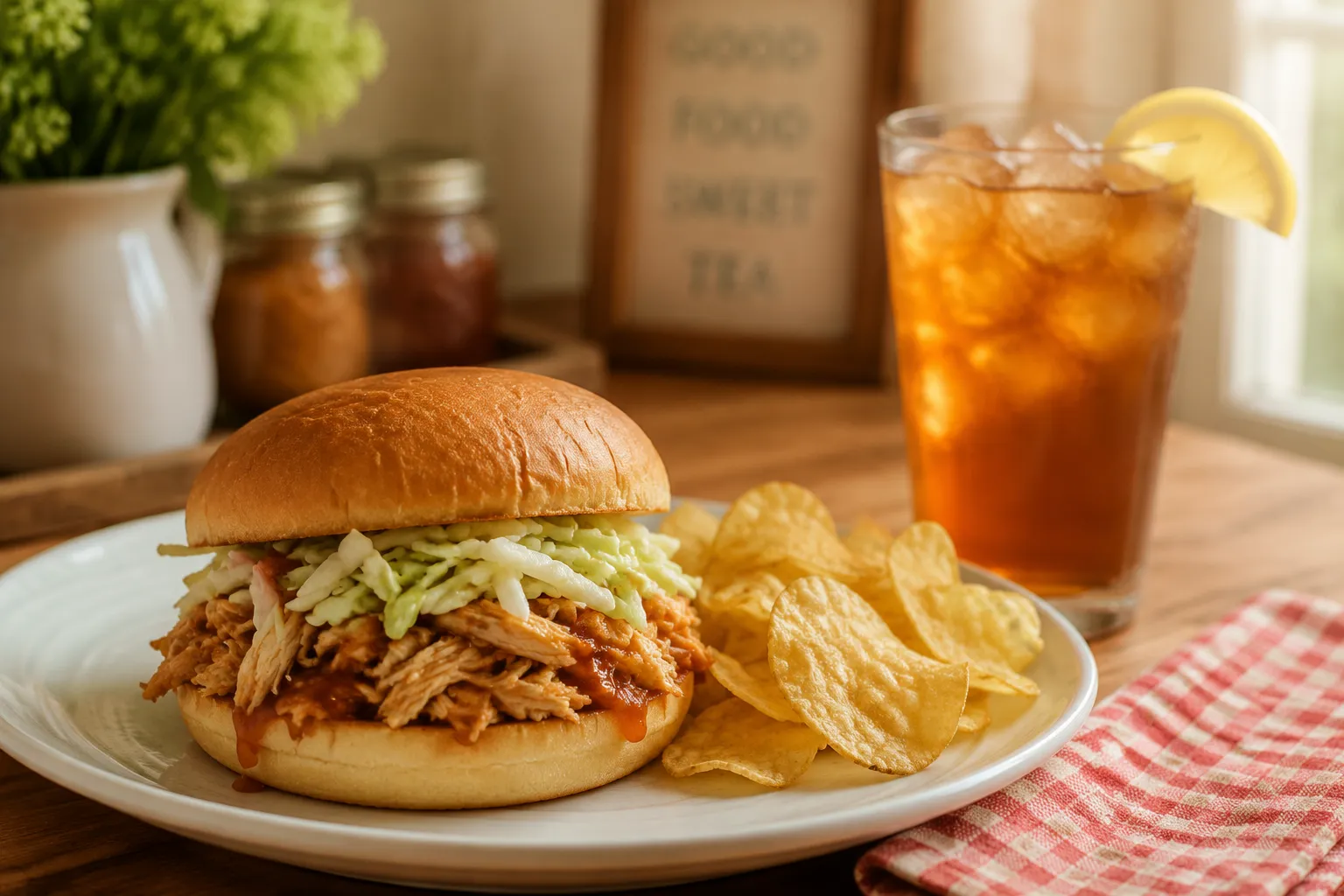
For something a little more substantial, serve it next to a bowl of tomato soup, vegetable beef stew, or a cup of chicken and rice. If you're packing it for work or a road trip, wrap it tightly in parchment and tuck it next to a couple of crisp apples, a handful of grapes, or a small bag of cheese crackers. It also makes a surprisingly excellent late-night snack when paired with a big glass of cold milk. However you serve it, keep the sides on the simple side. The sandwich is the star, and it doesn't need much to shine.
## A Country Legend's Comfort FoodSo now you've got a clean answer to the question of how old is Alan Jackson, plus a real sense of why he keeps mentioning that strange-sounding sandwich every chance he gets. It's not a punchline. It's a small, edible piece of his Newnan, Georgia upbringing, a snapshot of the kind of country music legend who never quite left home, even after the platinum records and Hall of Fame inductions.
Make it once and you'll understand. The Alan Jackson age question is easy to Google, but tasting the sandwich he grew up on is the kind of thing that actually puts you a little closer to the man behind the music. Pour yourself a tall glass of tea, put on "Drive" or "Remember When," and take a slow bite. Sometimes the simplest food is the food that sticks with you longest.
The classic peanut butter and mayo combo is a beauty on its own, but this sandwich also welcomes a few well-chosen extras. Think of the base recipe as a canvas: you can lean savory, sweet, or fully indulgent depending on the mood and what's in the fridge.
This sandwich is genuinely best eaten within five minutes of being assembled. The mayonnaise can start to soak into the bread fairly quickly, and the texture trade is steep, so plan to make it just before you sit down to eat. If you must build it ahead for a packed lunch, wrap it tightly in parchment paper and tuck it into an insulated lunch bag with an ice pack. Eat within four hours for the best quality and food safety, since mayonnaise should not sit at room temperature for long stretches.
Avoid storing assembled sandwiches in the refrigerator overnight. The bread tends to dry out at the edges while turning soggy in the middle, and the peanut butter stiffens up into something a lot less pleasant to bite into. If you want to prep ahead, simply portion your peanut butter and mayonnaise into small containers and assemble the sandwich on the spot. Five minutes of effort beats a sad, soggy lunch every single time.