Vet Approved Homemade Dog Food Recipes (Easy & Balanced)
Ingredients
Scale
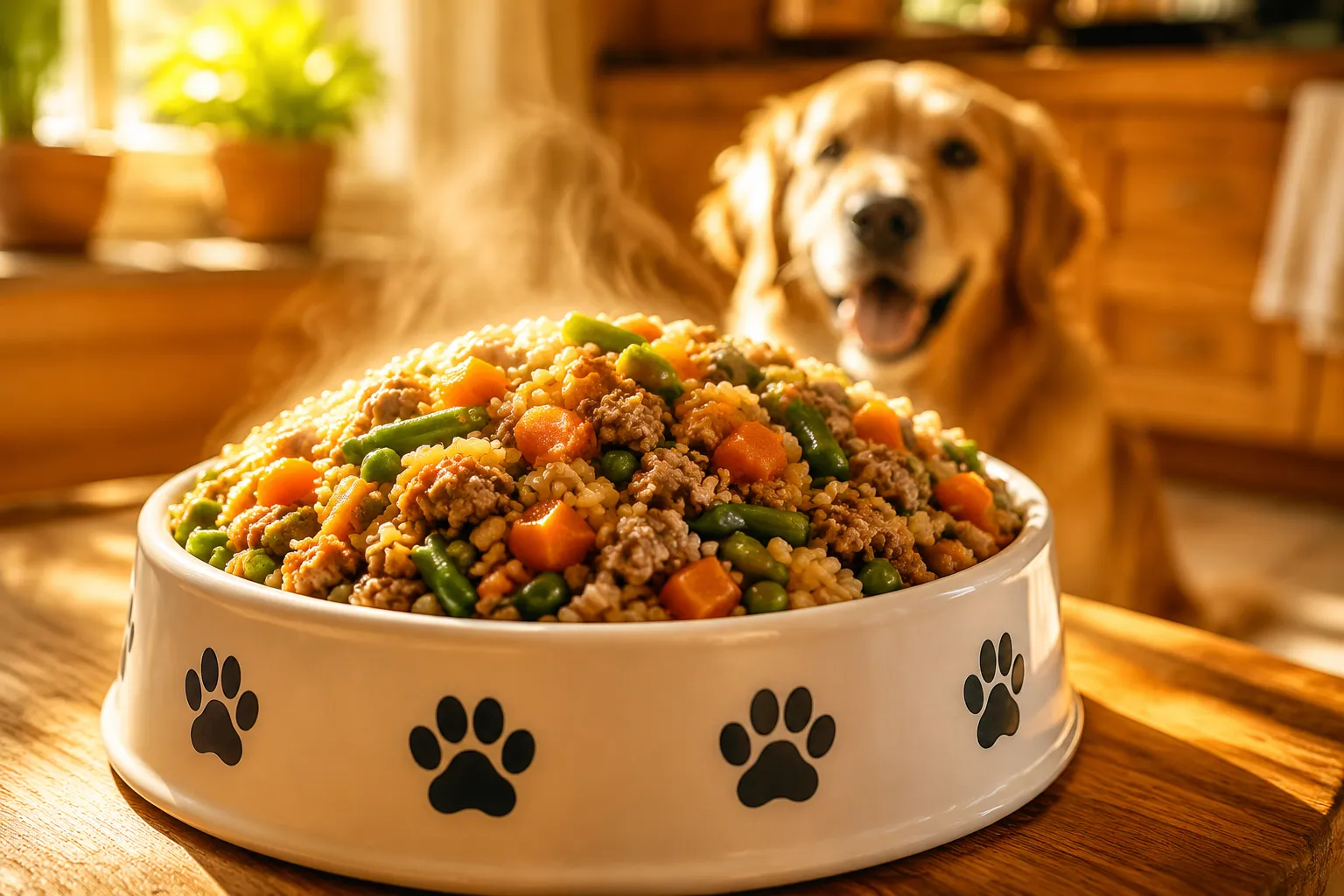
These vet approved homemade dog food recipes use simple whole ingredients to give your pup a balanced, hearty bowl you can batch cook in under an hour.
There is a unique kind of joy that comes from watching your dog happily devour a meal you cooked just for them. For years, I wandered the pet food aisles reading incredibly long, unpronounceable ingredient lists on the back of kibble bags, wondering if I was truly giving my furry best friend the nutrition they deserved. That uncertainty is what drives so many of us to explore cooking for our pets. But making the leap from commercial kibble to a fresh food diet can feel incredibly daunting. You want to provide wholesome, recognizable ingredients, but you also want to ensure you aren't accidentally missing crucial nutrients. That is exactly why focusing on vet approved homemade dog food recipes is the absolute best way to transition your pup to a fresh diet safely and confidently.
When you prepare homemade dog food, you take complete control over what goes into your dog's bowl. There are no mystery meat meals, no artificial preservatives, and no hidden fillers—just vibrant, fresh ingredients that look and smell like real food. However, canine nutrition is a complex science, and dogs have very different dietary requirements than humans do. They need specific ratios of calcium to phosphorus, precise amino acid profiles, and essential fatty acids to thrive. By relying on a veterinarian approved framework, you can batch-cook hearty, delicious meals that support your dog's joint health, coat shine, and overall vitality without the guesswork.
The benefits of cooking your dog's food at home are beautifully apparent within just a few weeks of making the switch. Many pet parents report seeing shinier coats, brighter eyes, more consistent energy levels, and significantly better digestion. When you feed a balanced dog food recipe made from fresh whole foods, your dog's body can absorb and utilize the nutrients much more efficiently than heavily processed alternatives. You also have the flexibility to adjust the protein sources and vegetables based on what looks fresh at the farmer's market or what happens to be on sale at the grocery store.
However, the most common mistake well-meaning pet parents make is simply throwing some boiled chicken and white rice into a bowl and calling it a day. While chicken and rice is a wonderful temporary bland diet for an upset stomach, it is completely inadequate for long-term feeding. Long-term nutritional deficiencies can lead to severe health issues, including bone density loss, heart conditions, and compromised immune systems. This is why following vet approved homemade dog food recipes is non-negotiable if you plan to cook for your dog permanently. A properly formulated recipe ensures that every macro and micronutrient requirement is met.
Before you completely overhaul your dog's diet, it is always wise to schedule a quick consultation with your veterinarian. Every dog is an individual, and factors like their age, breed, activity level, and underlying health conditions (like kidney disease or food allergies) will dictate their specific nutritional needs. Your vet can look at the recipes you plan to use, confirm they are appropriate for your specific dog, and recommend the exact supplements needed to round out the nutritional profile.
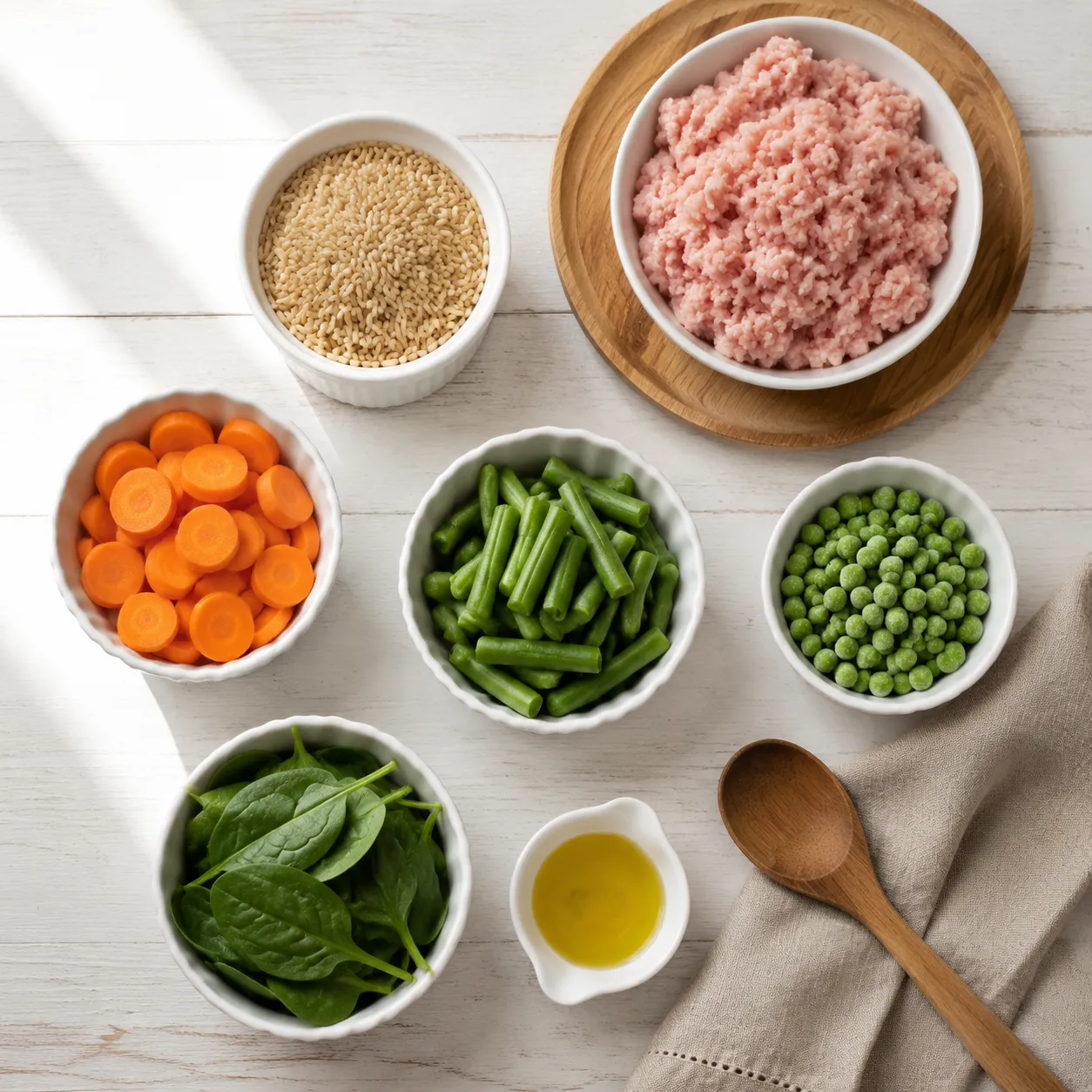
Creating a nutritionally complete meal for your dog isn't about rigid, complicated culinary techniques; it is about understanding a simple, vet-backed formula. The golden ratio for most healthy adult dogs is roughly 50% lean protein, 25% cooked vegetables, and 25% whole grains or complex carbohydrates. This 50/25/25 breakdown mimics the ancestral canine diet while providing the necessary dietary fiber and energy required for a modern, active domestic dog.
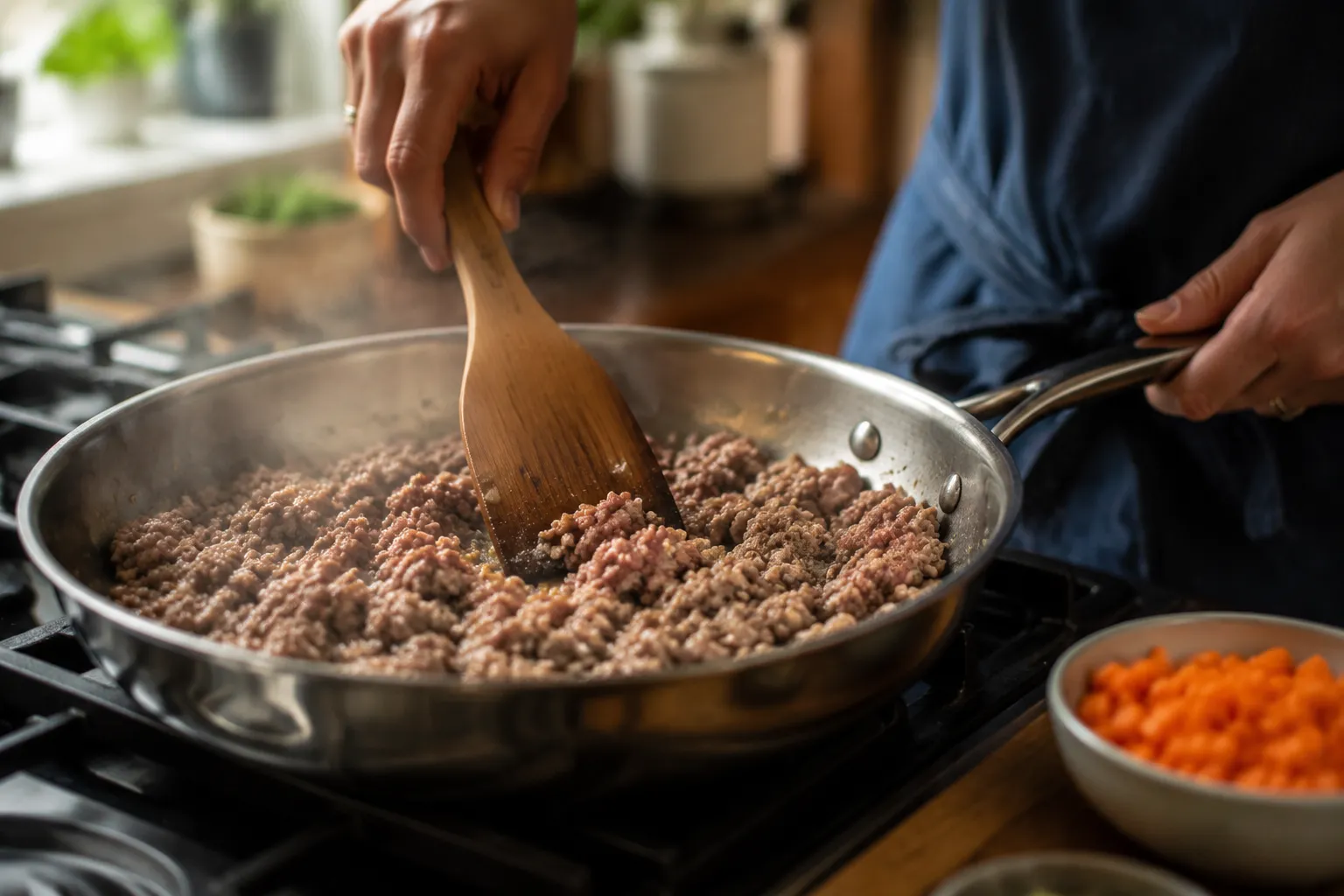
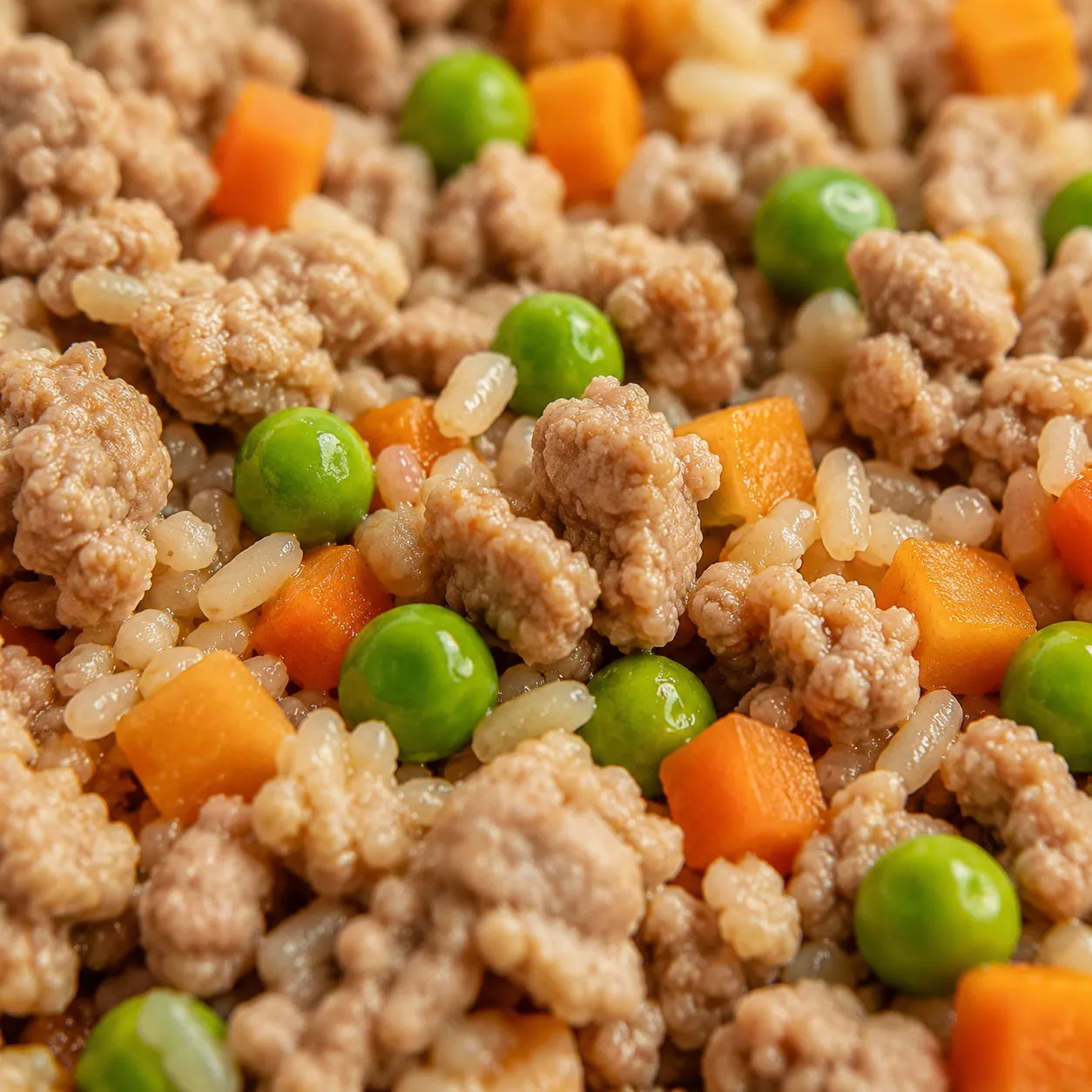
The foundation of the bowl is lean protein. Ground turkey is an exceptional choice because it is highly digestible, relatively inexpensive, and packed with essential amino acids. When making ground turkey dog food, always opt for lean cuts (like 93% lean) to prevent pancreatitis, a painful condition that can be triggered by excessively fatty diets. If you choose to rotate proteins, lean ground beef, chicken breast, or even dog-safe fish like salmon are wonderful alternatives that keep mealtime exciting.
The next component is the carbohydrate source, which provides sustained energy and crucial fiber for healthy bowel movements. Cooked brown rice is a staple because it is gentle on the stomach and rich in B vitamins. Finally, the vegetable portion delivers a powerhouse of antioxidants, vitamins, and minerals. Incorporating a variety of dog-safe vegetables like carrots, green beans, and spinach ensures your dog is getting a broad spectrum of phytonutrients. Remember that dogs have shorter digestive tracts than humans, so vegetables should always be finely chopped or pureed, and thoroughly cooked to break down the cellulose walls for maximum nutrient absorption.
One of the most intimidating parts of cooking for your dog is the fear of accidentally including something harmful. While humans thrive on complex flavor profiles built with alliums and spices, a dog's system processes these compounds very differently. Understanding the strict boundary between dog-safe ingredients and toxic foods is the most critical step in your meal prep journey.
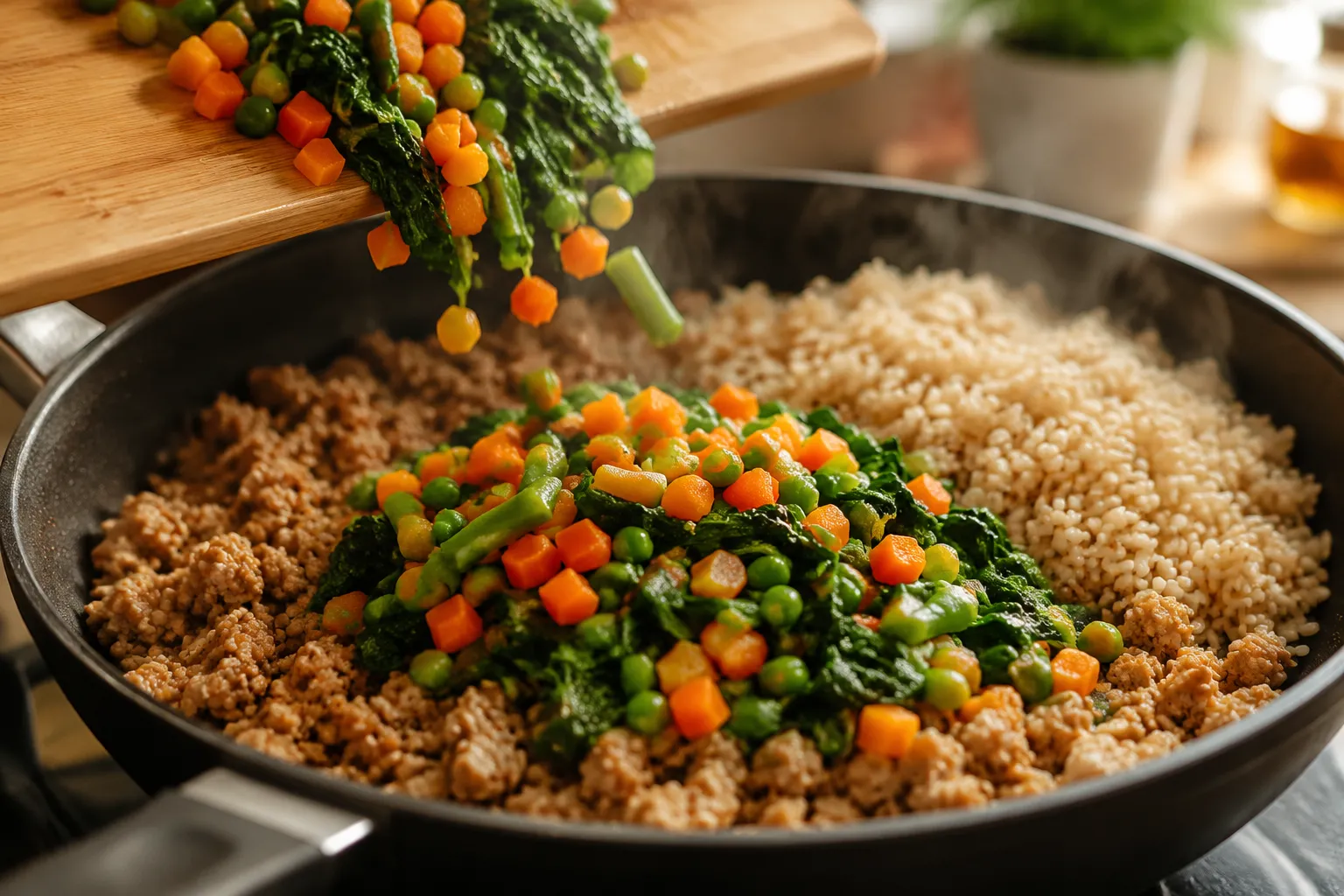
Always-safe staples include carrots, green beans, peas, spinach, sweet potatoes, and pumpkin. These vegetables are not only safe but actively beneficial, offering beta-carotene, iron, and digestive support. Fruits like blueberries and cored apples make fantastic treats or small additions to meals. When cooking these ingredients, plain is always better. Resist the urge to season the food as you would your own dinner.
You also need to be vigilant about sneaky seasonings. Store-bought broths often contain hidden onion or garlic powder, and many frozen vegetable medleys are pre-seasoned with heavy salt or butter. Always read the labels on your ingredients to ensure they are 100% plain. Excessive sodium can lead to salt toxicity and strain your dog's kidneys, so skip the salt shaker entirely when preparing their meals.
This ground turkey and rice bowl is the perfect entry point into home cooking for your pet. It comes together in just about 30 minutes, requires minimal cleanup, and yields enough food to last a medium-sized dog for several days. The beauty of this recipe lies in its simplicity and its flexibility. You can prepare it quickly on the stovetop in a large skillet, browning the meat before folding in the cooked grains and finely chopped vegetables until everything is tender and cohesive.
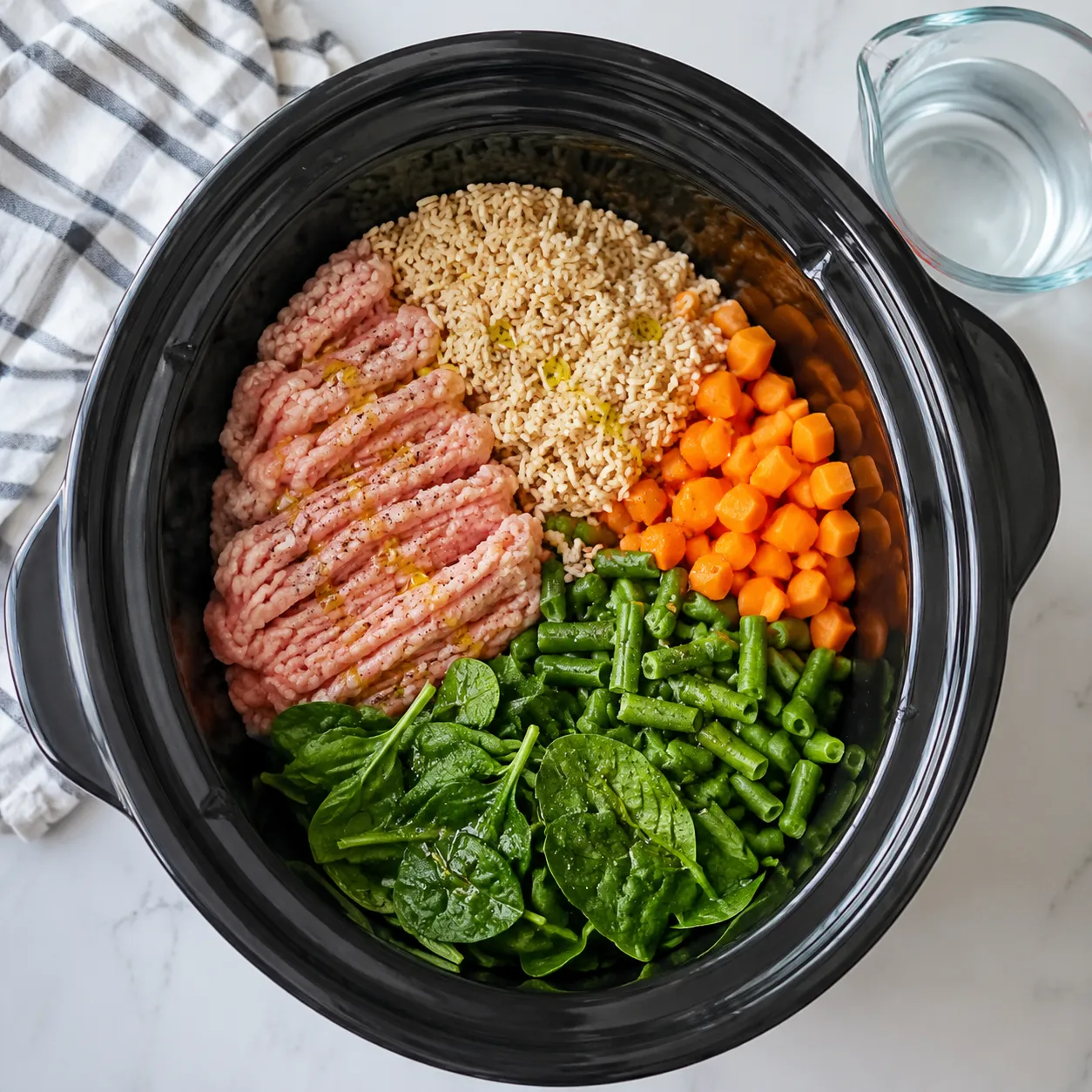
If you prefer a hands-off approach, this makes an incredible slow cooker dog food. Simply layer the raw ground turkey, uncooked brown rice, fresh vegetables, and an appropriate amount of water into the slow cooker insert. Let it simmer on low for several hours until the meat is cooked through, the rice has absorbed the liquid, and the vegetables are incredibly soft. The slow cooker method actually helps meld the flavors together, and the resulting soft texture is particularly great for senior dogs with dental issues.
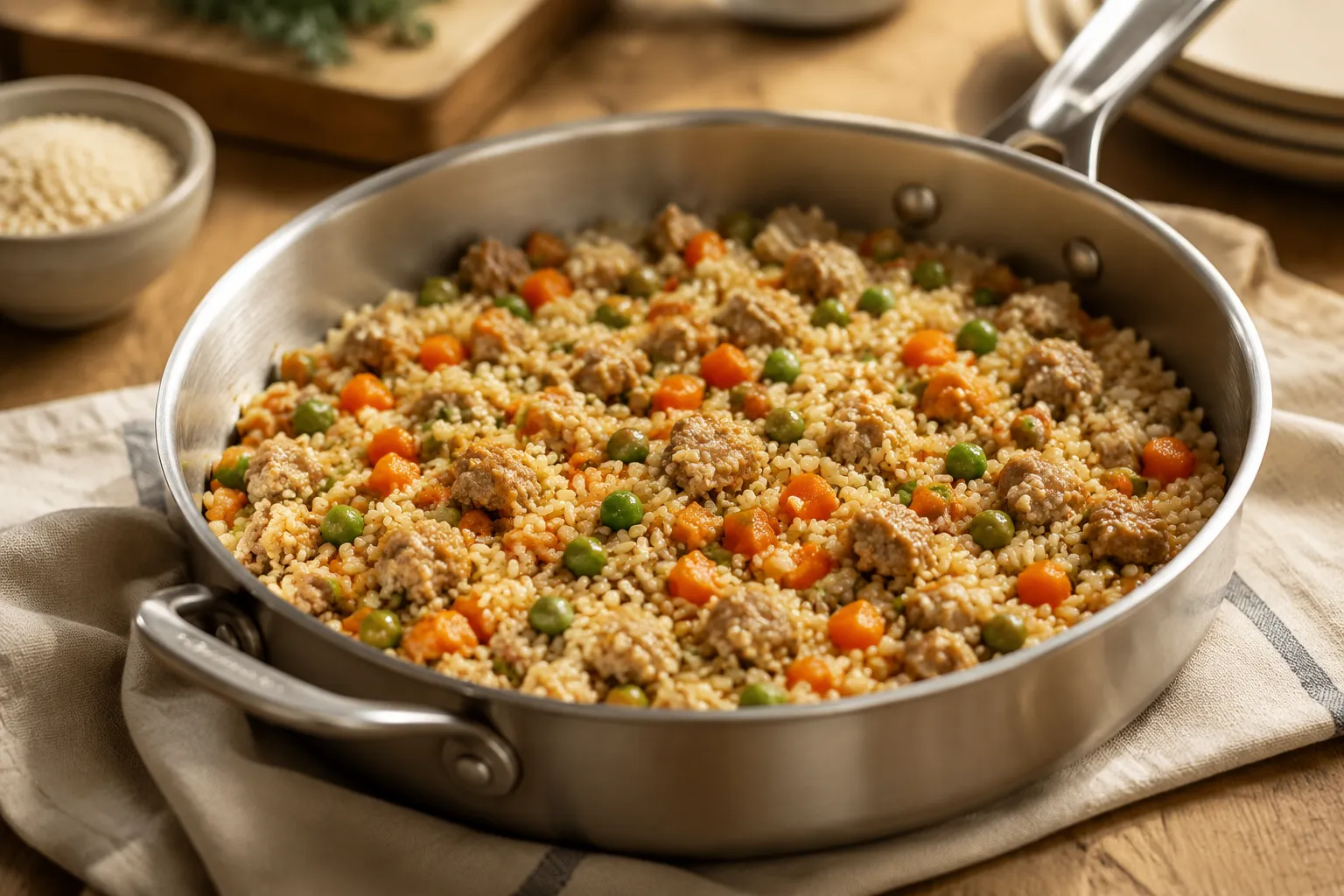
Portioning is where many pet parents get confused. As a general rule of thumb, an adult dog should eat roughly 2% to 3% of their ideal body weight in fresh food daily, split into two meals. For a 40-pound dog, this equates to roughly 1.5 to 2 cups of this homemade mixture per day. However, this is just a starting point. A highly active working dog will need significantly more calories than a senior dog who spends most of the day snoozing on the couch.
Transitioning to vet approved homemade dog food recipes is a labor of love, but it requires a commitment to long-term nutritional vigilance. Even the most perfectly balanced whole-food recipe will likely fall slightly short in certain trace minerals over time, particularly calcium, zinc, and vitamin E. This is why veterinary nutritionists almost universally recommend adding a high-quality canine multivitamin and mineral supplement to any homemade diet. These supplements are specifically formulated to bridge the gap between fresh food and complete canine nutrition.
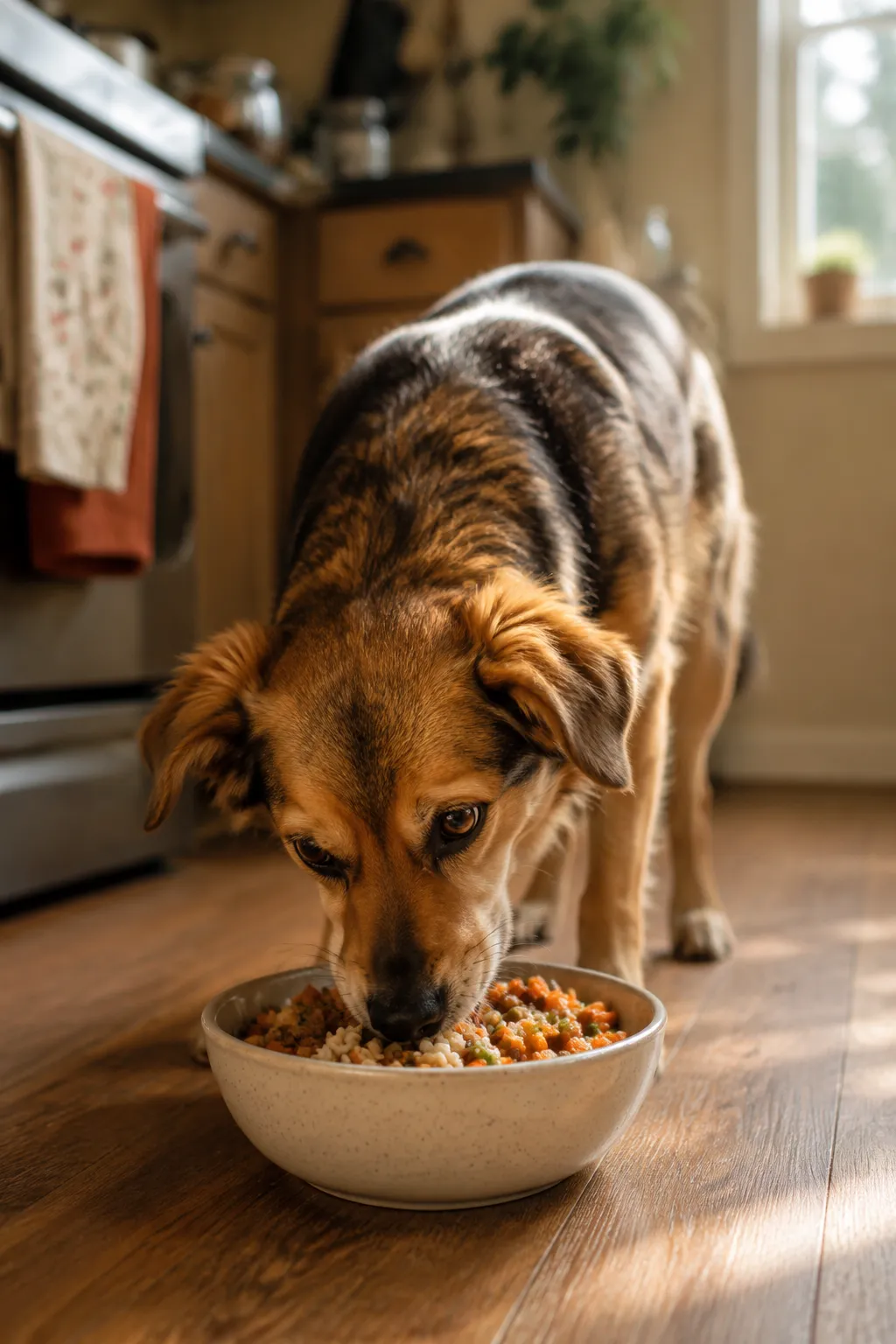
As you introduce this new food, keep a close eye out for any signs of food sensitivities. While turkey and brown rice are generally very well tolerated, some dogs may experience itchy skin, paw licking, or loose stools if they are sensitive to a specific protein or grain. If you notice these symptoms, don't panic. The advantage of home cooking is that you can easily isolate ingredients. Swap the turkey for beef, or the brown rice for sweet potato, and monitor their symptoms to identify the culprit.
Finally, make it a habit to schedule a bi-annual wellness check-in with your vet. Request a routine blood panel to ensure your dog's organ function and blood counts are optimal. Knowing how to store homemade dog food properly is also key to long-term success; keeping a rotation of fresh food in the fridge and backup portions in the freezer ensures you are never caught empty-handed. Cooking for your dog is one of the most rewarding ways to bond with them, and with the right vet-approved framework, you'll be setting them up for a long, healthy, and incredibly tasty life.
Once you and your dog are comfortable with the base turkey recipe, rotating ingredients is a great way to provide a wider spectrum of nutrients and keep mealtime exciting. Always ensure any new ingredient is dog-safe and introduced gradually.
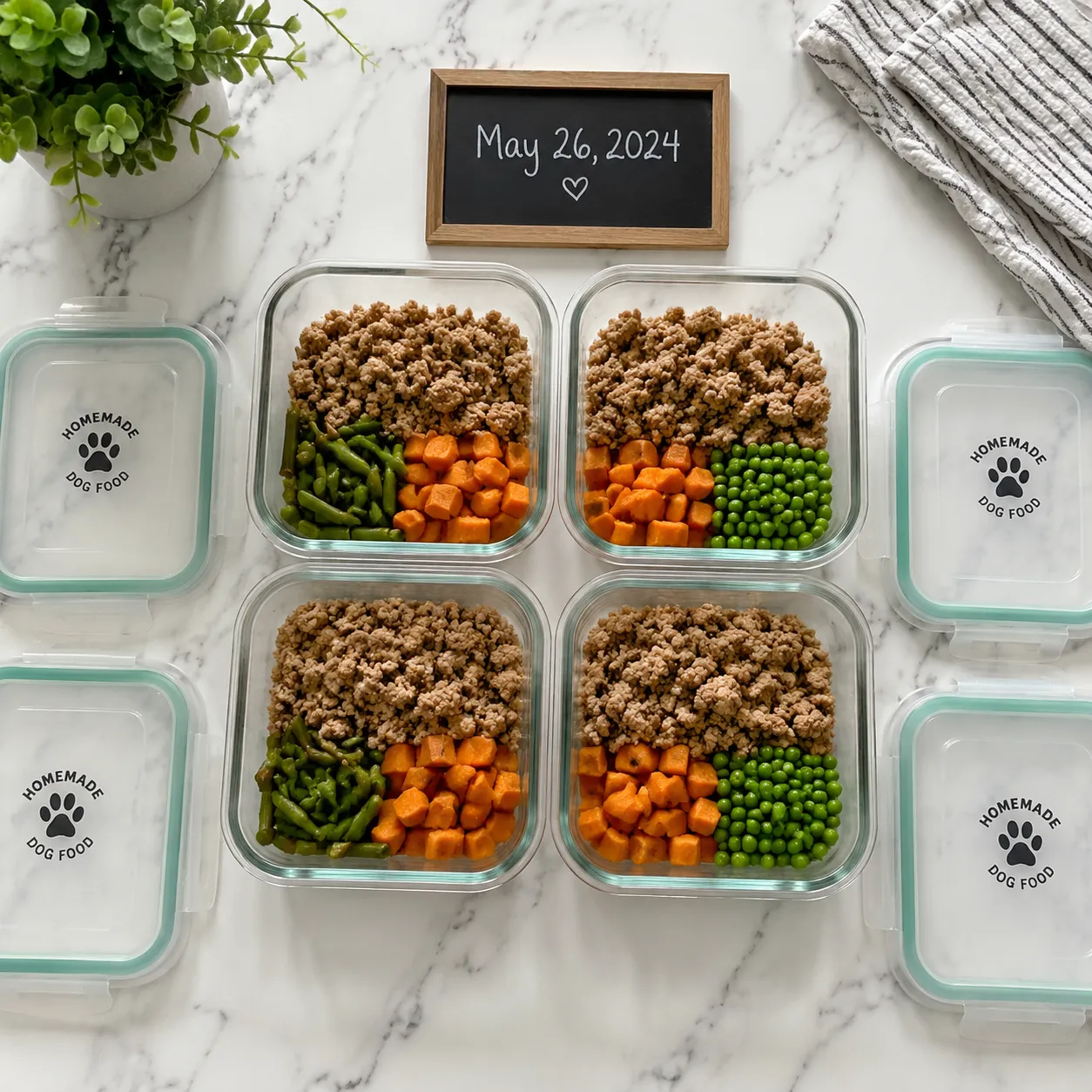
Proper storage is essential since homemade dog food lacks the artificial preservatives found in commercial kibble. Allow the cooked food to cool completely to room temperature before transferring it to airtight glass or plastic containers. It will stay fresh in the refrigerator for up to 4 days. If you notice any off smells or slimy textures, discard it immediately.
For longer storage, this recipe is incredibly freezer-friendly. Portion the cooled food into single-meal sizes using freezer-safe bags or silicone molds. It will keep in the freezer for 2 to 3 months. To serve, simply move a portion to the refrigerator the night before to thaw. You can serve it cold straight from the fridge, or warm it slightly by stirring in a tablespoon of hot water—just ensure it's not too hot before giving it to your pup.