Red Wine Vinegar Substitute: 9 Best Swaps That Work
Ingredients
Scale
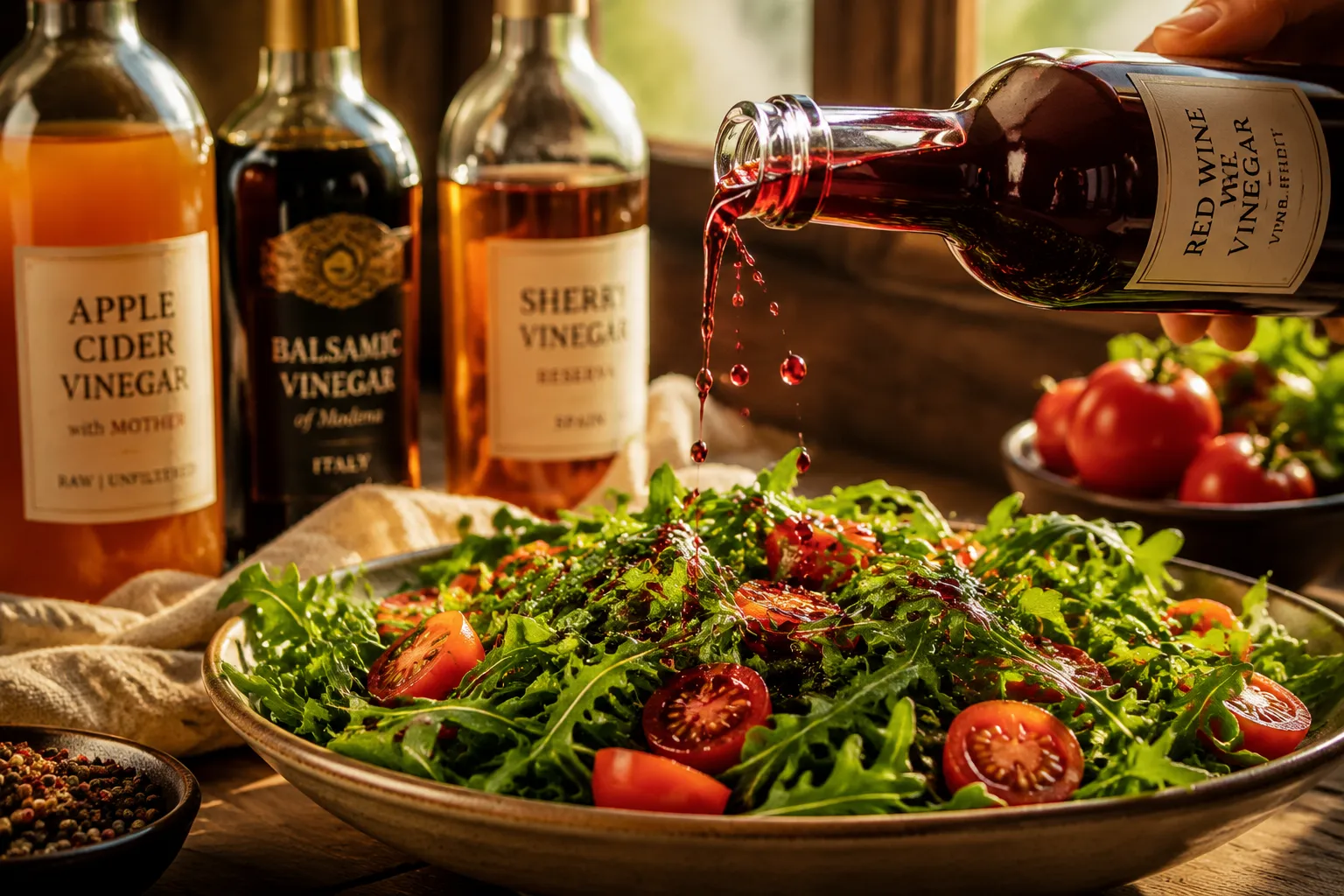
Ran out of red wine vinegar mid-recipe? These 9 tested swaps deliver the same bright, tangy punch using ingredients already in your pantry.
A good red wine vinegar substitute should do more than taste sour—it should bring brightness, a little fruitiness, and enough acidity to wake up whatever you are making. If you are standing over a half-made salad dressing, a bowl of marinade, or a simmering sauce and realize the bottle is empty, you have options. The best swap depends on whether the vinegar is the star of the recipe or just there to balance richness.
Red wine vinegar has a punchy, winey tang that works beautifully with olive oil, herbs, garlic, mustard, grilled meats, beans, and Mediterranean-style salads. Luckily, several pantry staples can step in without sending you to the store. Think apple cider vinegar for a friendly all-purpose swap, white wine vinegar for something clean and sharp, or a quick DIY blend when you want the closest match.
This guide breaks down the 9 best swaps with exact ratios, plus the best picks for dressings, marinades, and pan sauces. If you keep a pantry staples list, these are the acidic building blocks worth having on hand for weeknight cooking emergencies.
Red wine vinegar is made by fermenting red wine until the alcohol turns into acetic acid, which gives vinegar its sharp, tangy edge. Because it starts as wine, it carries a subtle fruitiness and savory depth that plain white vinegar does not have. Its flavor is bright, tangy, slightly fruity, and just bold enough to stand up to olive oil, garlic, mustard, oregano, rosemary, and grilled foods.
In recipes, vinegar is rarely just an afterthought. It balances fat in a salad dressing, tenderizes and seasons protein in a marinade, and adds lift to sauces that might otherwise taste flat or heavy. That is why the best substitute for red wine vinegar should match both acidity and flavor, not just sourness. A swap that works in a vinaigrette recipe may not be ideal in a braise, so it helps to choose based on what you are cooking.
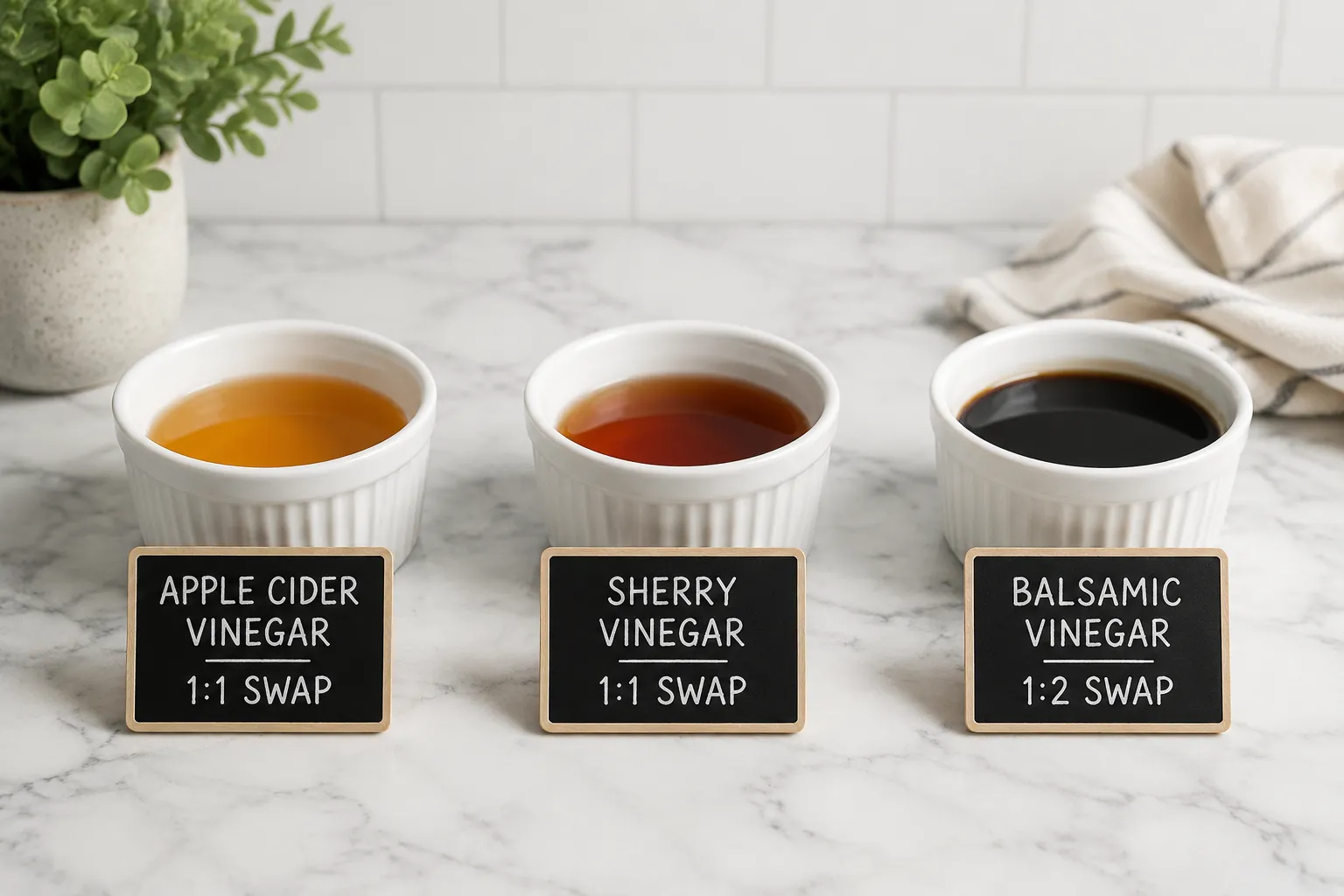
When you need a fast answer, start with the ratio. Some vinegars can replace red wine vinegar 1:1, while sweeter or milder ingredients need small adjustments. Apple cider vinegar, white wine vinegar, sherry vinegar, champagne vinegar, and lemon or lime juice are the easiest direct swaps. Balsamic vinegar is delicious but sweeter and thicker, so it usually works better when you use less and reduce other sweeteners.
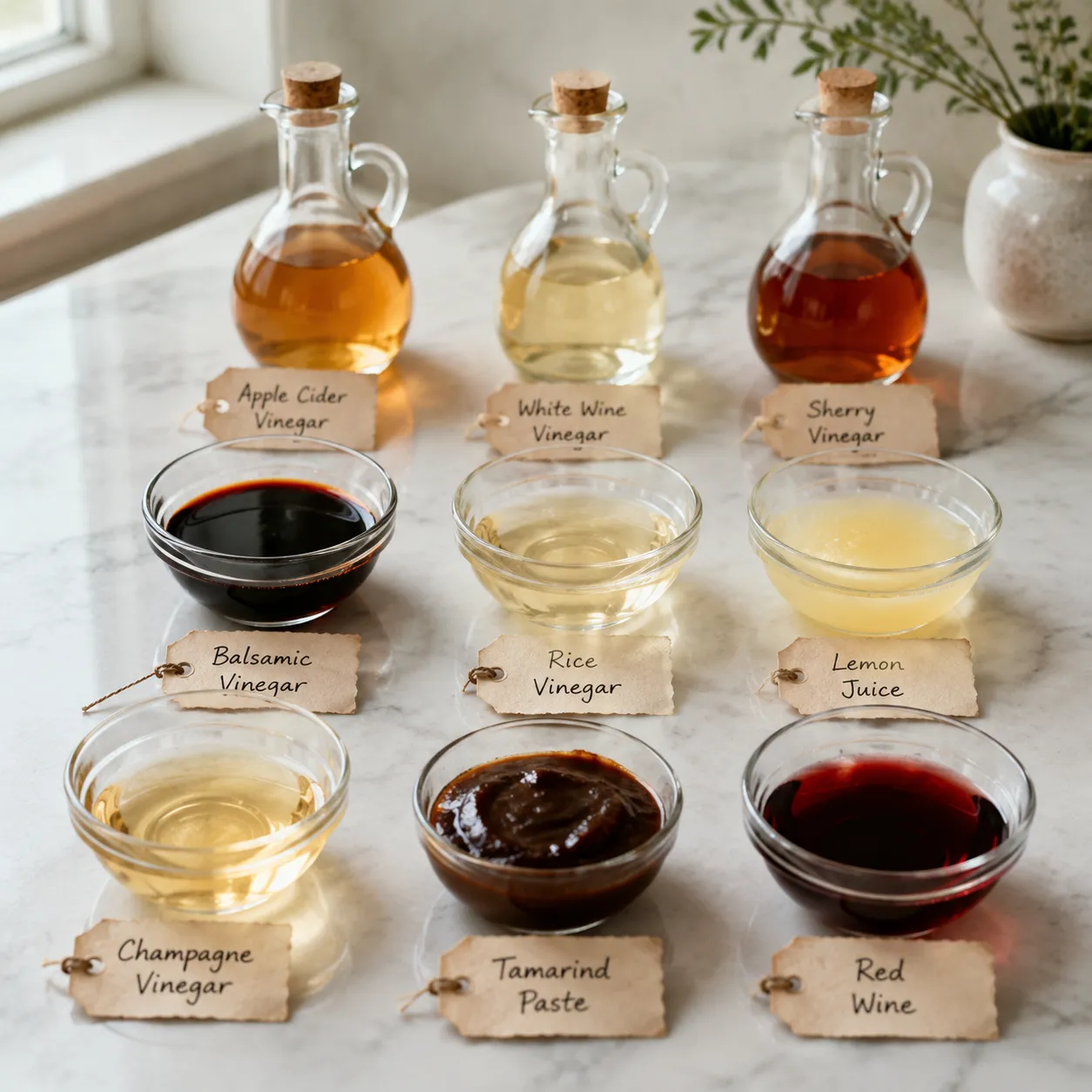
Here is the short version: use apple cider vinegar 1:1 for the best all-purpose swap; use white wine vinegar 1:1 for a clean, crisp flavor; use sherry vinegar 1:1 for a rounder, restaurant-style finish; use balsamic vinegar at about 2/3 the amount; use lemon or lime juice 1:1 when you want bright citrusy acidity. For a close homemade match, combine 3 parts white vinegar with 1 part dry red wine, then taste and add a tiny pinch of sugar if needed.
For salad dressing, choose apple cider vinegar, white wine vinegar, or the DIY blend. For steak, chicken, and vegetable marinades, choose apple cider vinegar, sherry vinegar, or red wine plus white vinegar. For pan sauces and braises, sherry vinegar and balsamic vinegar bring the most depth, while lemon juice is best when the dish already has herbs, fish, chicken, or fresh vegetables.
1. Apple cider vinegar. This is the best all-purpose red wine vinegar substitute because it has a similar acidity and a gentle fruity note. Use it 1:1 in dressings, marinades, sauces, bean salads, slaws, and quick pickles. It is a little more apple-forward than winey, but in most savory recipes that difference melts right in. If your dish tastes slightly sharp, add a pinch of sugar or a drizzle of honey to soften the edges. For more everyday ideas, apple cider vinegar uses are worth keeping in your back pocket.
2. White wine vinegar. White wine vinegar is crisp, bright, and slightly lighter than red wine vinegar. Use it 1:1 when you want acidity without changing the color of the dish. It works especially well in homemade Italian dressing, Greek-style vinaigrettes, chicken marinades, potato salad, and herb sauces. Because it is less fruity, you can add a tiny splash of red wine or a pinch of sugar if the recipe needs more roundness.
3. Sherry vinegar. Sherry vinegar is a beautiful upgrade when you want a deeper, nuttier flavor. Use it 1:1 in dressings, sauces, roasted vegetables, and braises. It has enough acidity to stand in for red wine vinegar but brings a more complex, slightly toasty finish. If you cook Spanish-inspired dishes or love vinaigrettes with shallots and mustard, a sherry vinegar guide can help you get even more from the bottle.
4. Balsamic vinegar. Balsamic vinegar is sweeter, darker, and more syrupy than red wine vinegar, so it is not always a direct match. Use about 2 teaspoons balsamic for every 1 tablespoon red wine vinegar, then taste before adding more. It is best in tomato salads, roasted vegetables, glazes, pan sauces, and marinades where a little sweetness is welcome. If you are replacing it the other way around, a balsamic vinegar substitute will follow a different set of ratios because balsamic has such a distinct body and sweetness.
5. Rice vinegar plus a splash of red wine. Rice vinegar is mild and slightly sweet, so it benefits from a small amount of red wine to bring back that winey flavor. For every 1 tablespoon red wine vinegar, use 2 1/2 teaspoons rice vinegar plus 1/2 teaspoon dry red wine. This swap is especially nice in lighter dressings, cucumber salads, grain bowls, and marinades for chicken or pork. If your rice vinegar is seasoned, reduce salt and sugar elsewhere in the recipe.
6. Lemon or lime juice. Citrus juice is not vinegar, but it brings clean acidity and freshness. Use lemon or lime juice 1:1 in dressings, marinades, salsas, sauces, and seafood dishes. Lemon is bright and floral, while lime is sharper and more tropical. Since citrus lacks the fermented depth of vinegar, add a small pinch of sugar or a few drops of red wine if the recipe tastes too one-note.
7. Champagne vinegar. Champagne vinegar is delicate, crisp, and slightly floral. Use it 1:1 in salad dressing, herb vinaigrettes, seafood, chicken dishes, and sauces where you want acidity without a heavy flavor. It is milder than red wine vinegar, so you may need an extra splash if the recipe is rich or heavily seasoned. This is one of the prettiest swaps for spring salads and tender greens.
8. Tamarind paste thinned with water. Tamarind is tangy, fruity, and dark, with a sweet-sour profile that can mimic some of red wine vinegar’s depth. Mix 1 teaspoon tamarind paste with 2 teaspoons water to replace 1 tablespoon red wine vinegar, then adjust to taste. It works best in sauces, marinades, chutney-style condiments, and dishes that can handle a more complex sourness. Avoid it in delicate vinaigrettes unless you specifically want that tamarind flavor.
9. Red wine plus white vinegar. This is the closest DIY blend when you want the tang and wine-like flavor of red wine vinegar. For every 1 tablespoon needed, combine 2 1/4 teaspoons white vinegar with 3/4 teaspoon dry red wine. The vinegar supplies the acid, while the wine adds color, fruitiness, and depth. It is especially useful in dressings and marinades where the original flavor matters.
For vinaigrettes, the vinegar is right up front, so choose a swap that tastes balanced on its own. Apple cider vinegar is the easiest choice because it has enough brightness and a mild fruit note that plays well with olive oil, Dijon mustard, shallots, herbs, and garlic. White wine vinegar is a close second when you want something clean and light, especially for Italian, Greek, and chopped salads. Sherry vinegar is excellent when you want a richer, more savory dressing for greens, roasted vegetables, or grain salads.
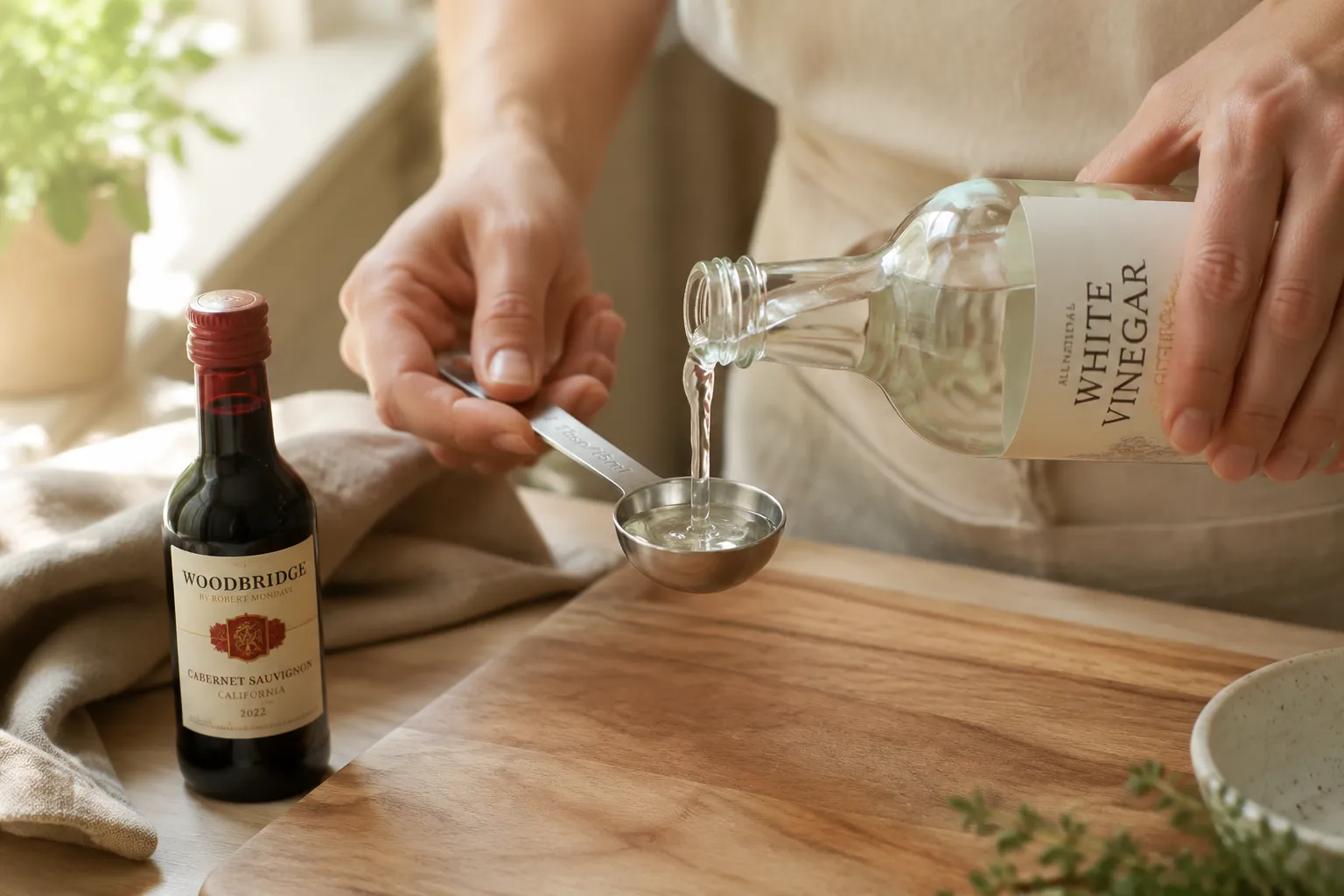
For Italian and Greek vinaigrettes, use a 1:1 swap with apple cider vinegar or white wine vinegar, then taste before adding extra salt. A classic ratio is 1 part vinegar to 3 parts olive oil, but you can go sharper with 1 part vinegar to 2 parts oil if the salad includes hearty greens or salty cheese. If you are making homemade Italian dressing, the herbs, garlic, and mustard will help disguise small flavor differences between vinegars. For creamy dressings, use a slightly gentler vinegar like champagne vinegar or apple cider vinegar so the acidity does not fight the mayonnaise, yogurt, or sour cream.
In a marinade, vinegar does two jobs: it seasons the food and helps tenderize the surface. Apple cider vinegar is a reliable 1:1 substitute for chicken, pork, steak, and vegetables because it is bold but not overpowering. Sherry vinegar is wonderful for steak, mushrooms, and roasted chicken because its nutty depth tastes almost built-in. The red wine plus white vinegar blend is another smart choice when the recipe already includes garlic, olive oil, herbs, and pepper.
For pan sauces and braises, think about what the dish needs at the end. If it tastes rich and heavy, white wine vinegar or lemon juice can brighten it quickly. If it needs depth, balsamic vinegar or sherry vinegar can round out the sauce with a more luxurious finish. Add acidic ingredients gradually in hot sauces because heat can intensify sharpness, and a teaspoon too much can tip the balance.
The secret to a successful vinegar swap is tasting for balance, not just measuring acidity. Red wine vinegar brings sourness, fruit, and a little savory complexity, so a replacement may need a small adjustment to feel complete. If your substitute tastes too sharp, add a pinch of sugar, honey, or maple syrup. If it tastes too sweet, add a few drops of lemon juice or white vinegar.
Salt matters too. A dressing that tastes dull may not need more vinegar; it may simply need another pinch of salt to bring everything into focus. Oil also changes the perception of acidity, which is why a spoonful of vinaigrette tastes sharper before it hits a bowl of greens. If you are working from a favorite vinaigrette recipe, keep the oil and seasonings the same at first, then adjust the substitute one teaspoon at a time.
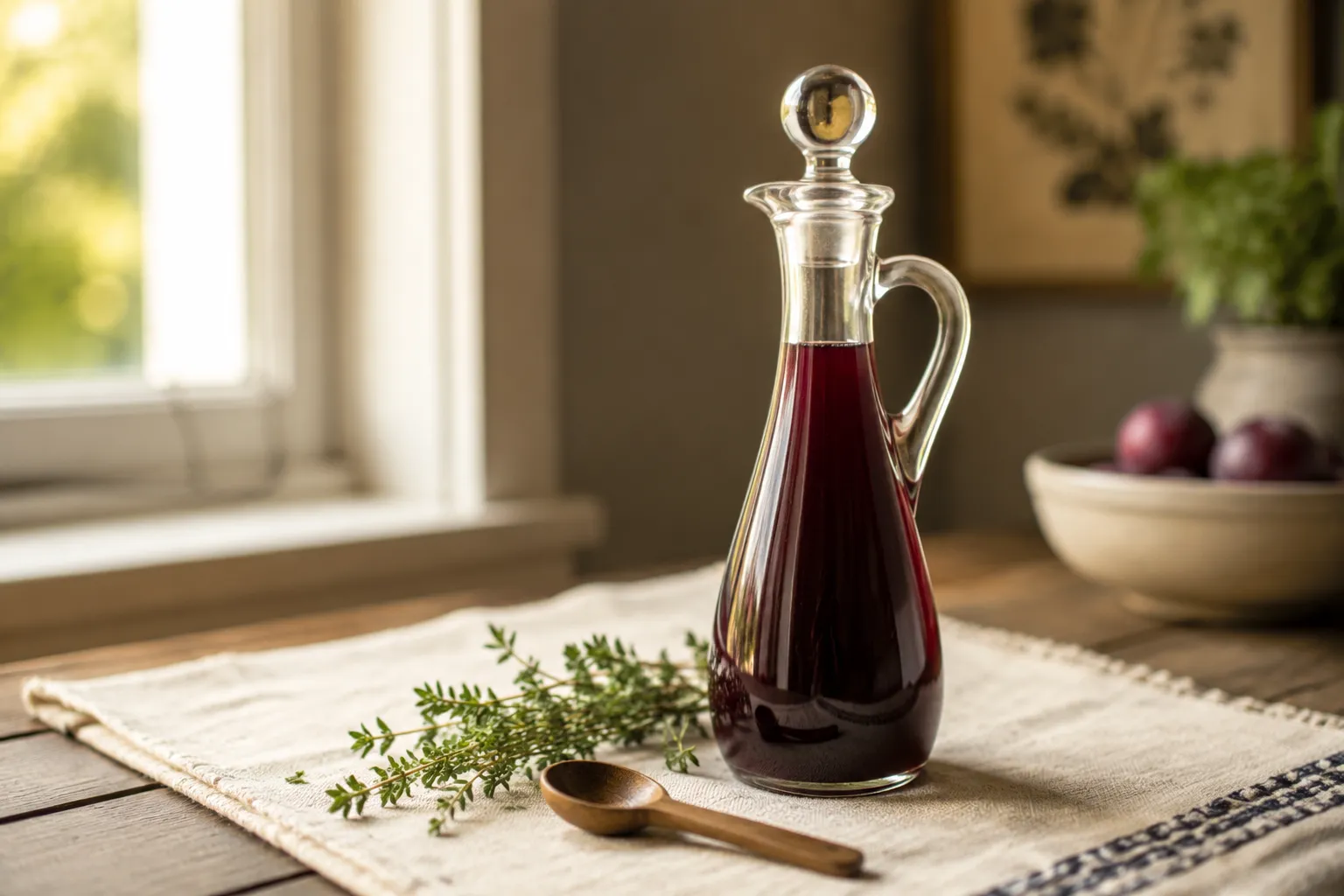
When you want the closest flavor match, make a quick DIY blend with white vinegar and dry red wine. The ratio is simple: use 3 parts white vinegar to 1 part red wine. For 2 tablespoons, that means 1 1/2 tablespoons white vinegar plus 1/2 tablespoon dry red wine. Add 1/4 teaspoon sugar only if the blend tastes too sharp or your recipe usually relies on the mellow fruitiness of red wine vinegar.
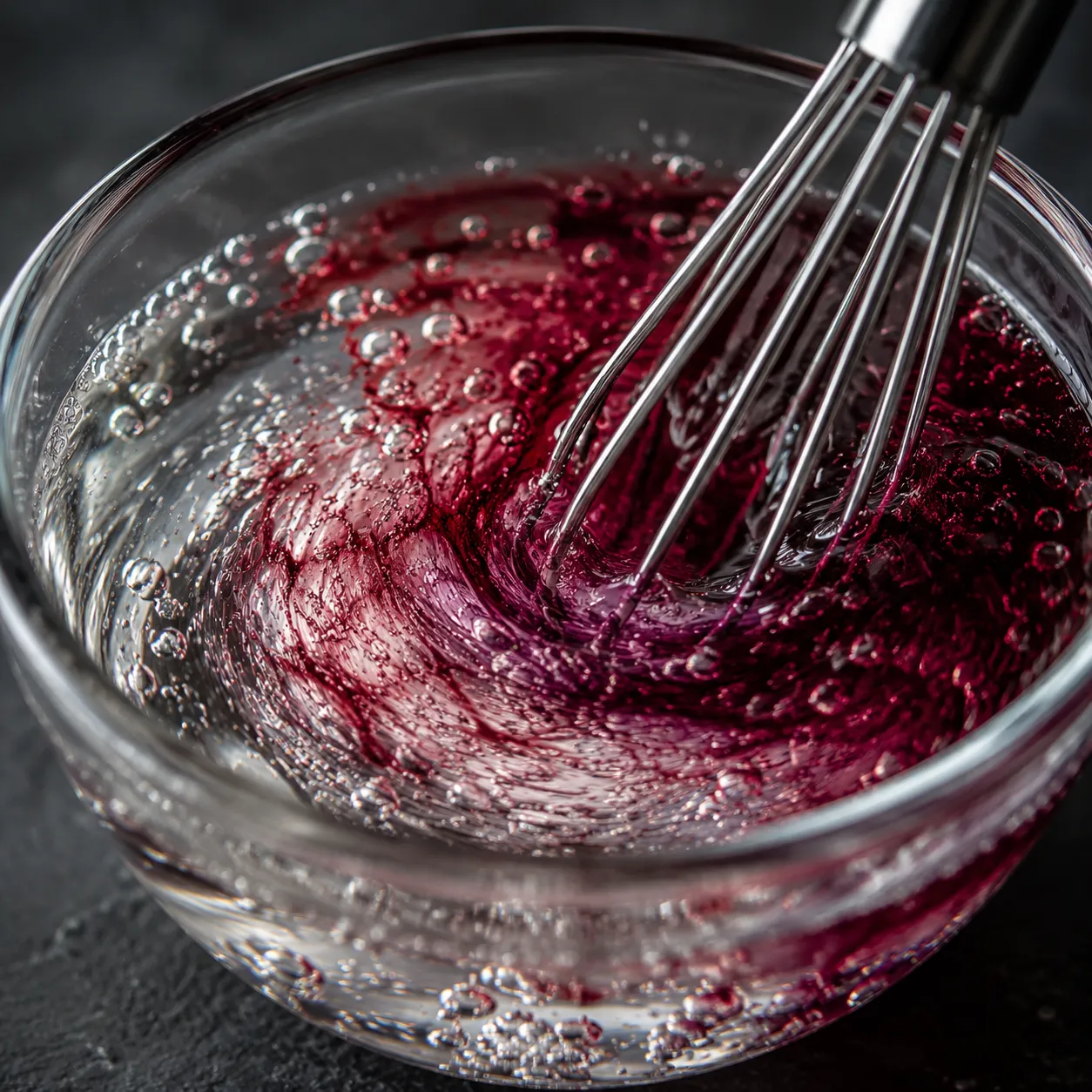
This homemade mixture works right away, so there is no fermenting or waiting required. It is not true red wine vinegar, but it mimics the acidity, color, and fruity backbone well enough for dressings, marinades, quick sauces, and bean salads. Use it in the same amount the recipe calls for, then taste and tweak. If you are making a larger batch, whisk it in a small bowl first so the sugar dissolves fully before pouring it into a bottle.
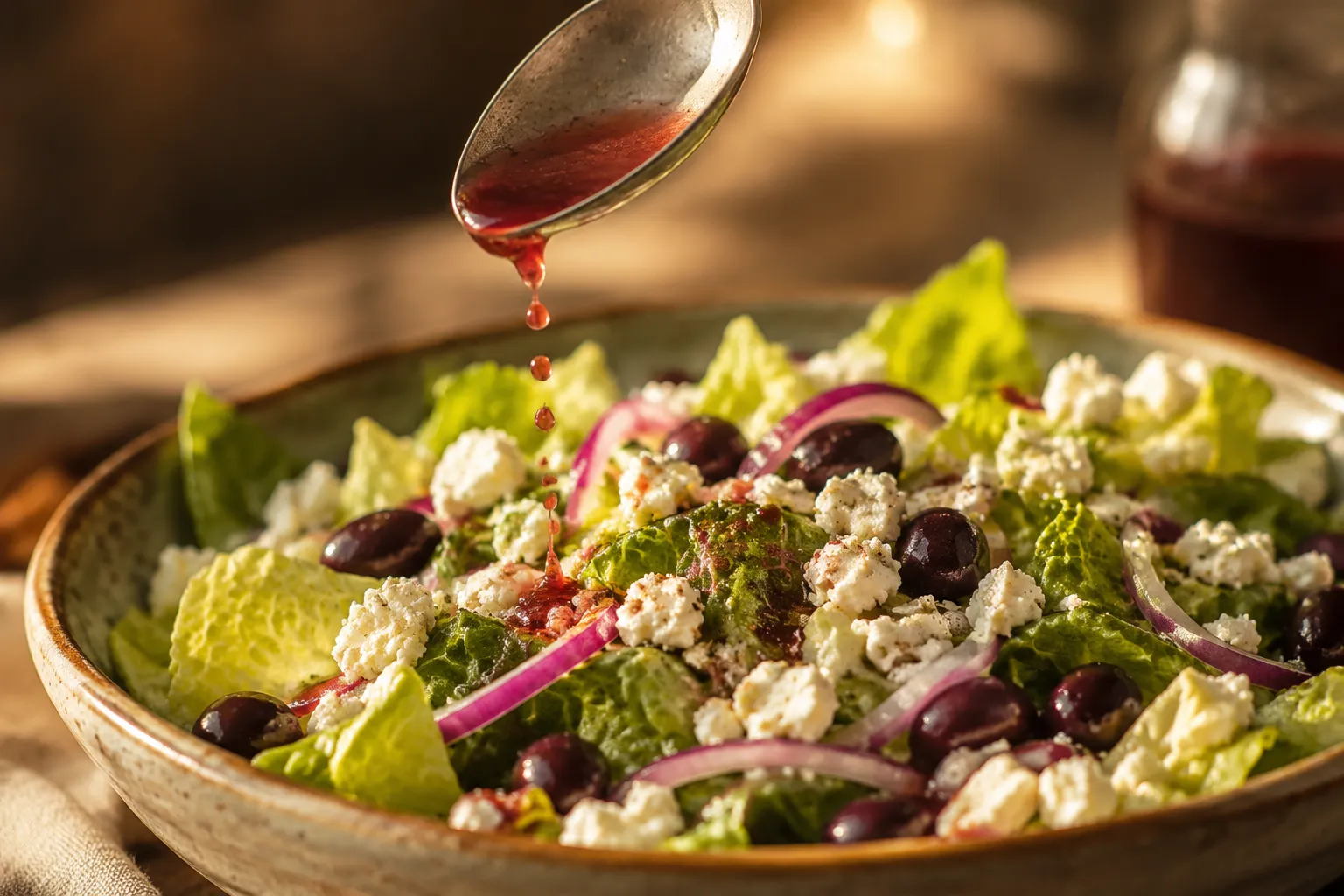
For green salads, chopped salads, and Mediterranean bowls, use apple cider vinegar, white wine vinegar, champagne vinegar, or the DIY blend. These keep the dressing bright and pourable without adding too much sweetness or heaviness. For bean salads, pasta salads, and grain bowls, sherry vinegar and apple cider vinegar are especially good because they bring enough personality to season starches. For tomato-heavy salads, balsamic vinegar can be lovely, but use a little less than the amount called for.
For grilled meats and roasted vegetables, choose a substitute that can stand up to char, herbs, and garlic. Apple cider vinegar, sherry vinegar, and the red wine-white vinegar blend are the most flexible here. For delicate fish, seafood, and spring vegetables, lemon juice or champagne vinegar will taste fresher. For deep sauces, stews, and braises, sherry vinegar and balsamic bring more body and a savory finish.
If you are replacing 1 tablespoon red wine vinegar, use 1 tablespoon apple cider vinegar, 1 tablespoon white wine vinegar, 1 tablespoon sherry vinegar, 1 tablespoon champagne vinegar, or 1 tablespoon lemon or lime juice. For balsamic vinegar, use about 2 teaspoons and reduce sugar or honey in the recipe. For rice vinegar plus red wine, use 2 1/2 teaspoons rice vinegar and 1/2 teaspoon dry red wine. For the DIY blend, use 2 1/4 teaspoons white vinegar and 3/4 teaspoon dry red wine.
These ratios are a starting point, not a rigid rule. A salad with feta, olives, and red onion can handle a sharper dressing than a delicate butter lettuce salad. A bold steak marinade can take more acidity than a creamy sauce. Taste the finished food if you can, and remember that chilled dishes often need slightly more seasoning than warm ones.

The best swap is the one that fits the dish in front of you. If you want the safest bottle-for-bottle choice, reach for apple cider vinegar. If you want something cleaner, use white wine vinegar; if you want depth, use sherry vinegar; and if you want the closest pantry-made match, stir together white vinegar and red wine. With the right ratio, a red wine vinegar substitute can keep dinner moving and still taste bright, balanced, and intentional.
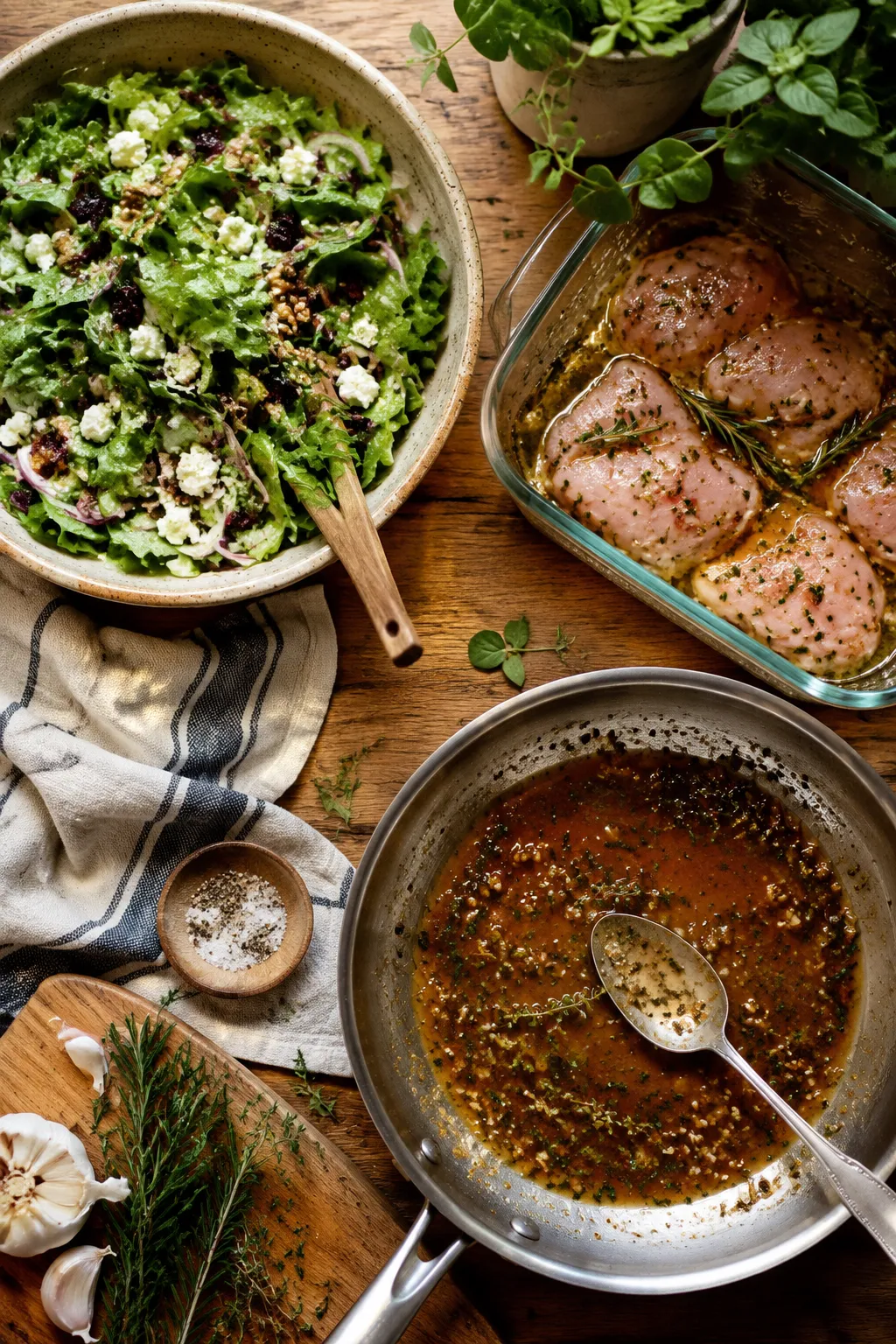
Once you understand the basic ratios, you can tailor the swap to the flavor profile of your recipe. Keep the acidity in place, then nudge the sweetness, fruitiness, or depth depending on what you are making.
Most bottled vinegar substitutes should be stored according to their original packaging, usually tightly capped in a cool, dark pantry. The DIY blend of white vinegar and red wine can be used immediately and is best kept in a clean, sealed jar or bottle in the refrigerator.
For the freshest flavor, use the homemade blend within 1 to 2 weeks. Shake or stir before using, especially if you added sugar, and discard it if the aroma changes or the bottle looks cloudy in an unusual way.