Glossy, jammy, and ready in 20 minutes, this blueberry syrup turns fresh or frozen berries into the best pancake topper you'll ever pour.
Why You'll Love This Recipe
Only 4 ingredients: Blueberries, sugar, water, and lemon juice create a glossy, fruit-forward syrup without anything complicated.
Ready in 20 minutes: It cooks quickly on the stovetop, making it perfect for spontaneous weekend pancakes or last-minute dessert.
Fresh or frozen berries work: Use peak-season berries or a freezer bag of blueberries with equally delicious results.
Adjustable texture: Keep it smooth and pourable, leave it chunky like sauce, or simmer longer for a jammy finish.
Brunch-to-dessert versatile: Pour it over pancakes, waffles, yogurt, cheesecake, ice cream, cocktails, and lemonades.
Blueberry syrup is the little 20-minute kitchen trick that makes an ordinary stack of pancakes feel like a sunny, berry-streaked brunch café moment. It is glossy, deep purple, and just thick enough to ribbon off a spoon while still soaking beautifully into warm cakes, waffles, yogurt, or a scoop of something cold and creamy.
This recipe keeps the ingredient list wonderfully short: berries, sugar, water, and lemon juice. That is it. You can make it with fresh or frozen blueberries, strain it for a silky pancake syrup, leave it rustic like a fruit compote, or simmer it longer until it nudges toward blueberry jam territory.
What I love most is that it feels special without being fussy. A spoonful of homemade blueberry syrup turns buttermilk pancakes into the kind of breakfast people remember, but it is just as happy stirred into drinks or spooned over dessert. Keep a jar in the fridge, and suddenly Tuesday toast, Saturday waffles, and late-night ice cream all get a little more jewel-toned and joyful.
Simple Ingredients for a Glossy Berry Syrup
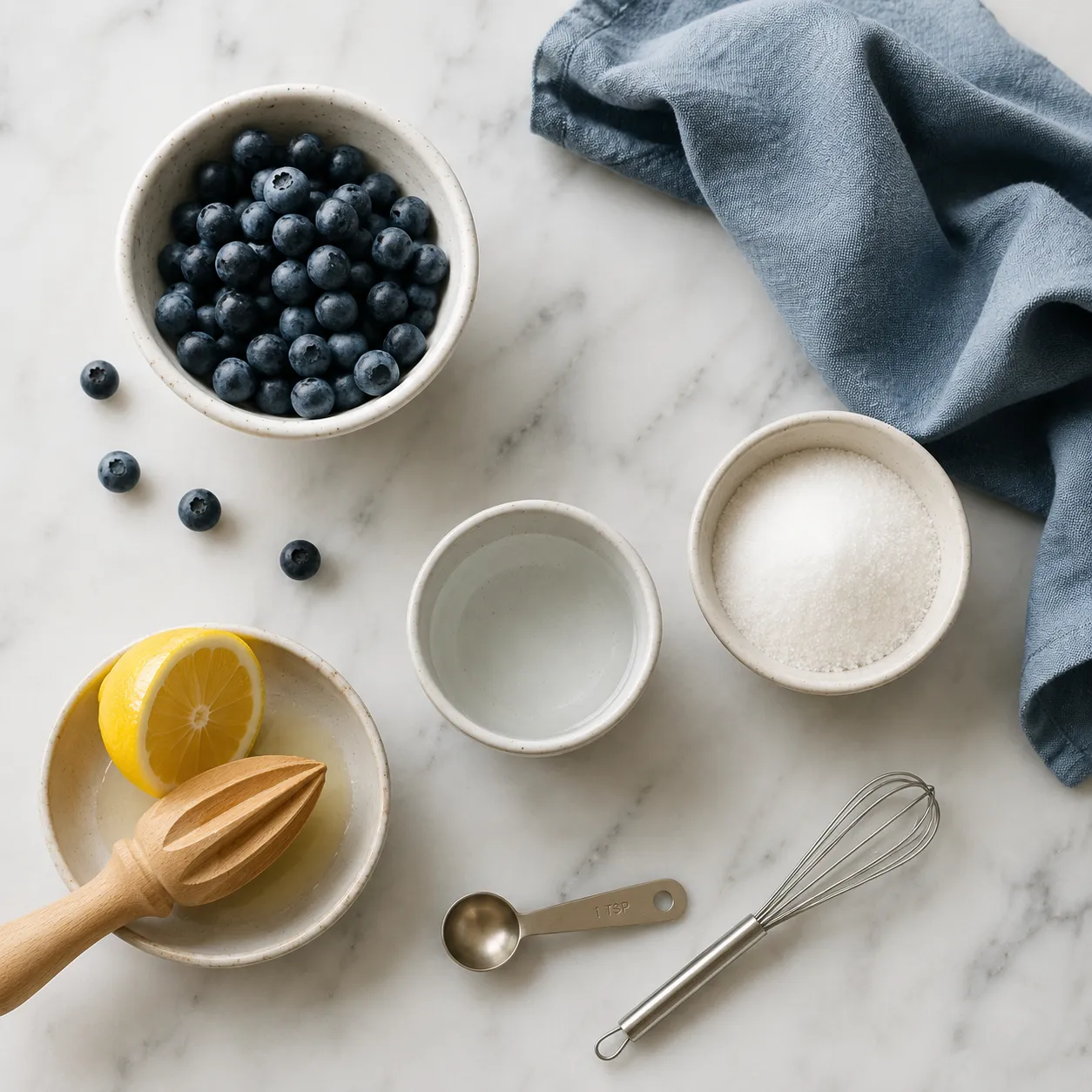
The beauty of this recipe is how much flavor you get from four everyday ingredients. Blueberries bring natural sweetness, acidity, and that gorgeous indigo color; sugar helps the juices turn glossy; water gives the berries enough liquid to simmer evenly; and lemon juice wakes everything up so the finished syrup tastes bright rather than flat. If your berries are very sweet, the lemon is especially important because it adds balance without making the syrup taste sharply citrusy.
Fresh berries are lovely in peak season because they have a snappy, floral flavor and a beautiful perfume. Frozen berries work just as well, and sometimes even better, because they release their juices quickly as they thaw in the pan. Add them straight from the freezer and give the mixture a few extra minutes to bubble and reduce. There is no need to thaw first, which makes this one of those pantry-freezer recipes you can make on a whim.
The sugar-to-water ratio here makes a syrup that is sweet but not candy-like. A half cup of sugar for two cups of berries is enough to create body and shine while still letting the fruit taste like fruit. If you prefer a more tart homemade blueberry sauce, you can reduce the sugar slightly, but remember that sugar is part of what gives the syrup its glossy texture. For a thicker finish, a tiny cornstarch slurry can help, though a few extra minutes of simmering often does the job naturally.
How to Make a Silky Stovetop Berry Topping
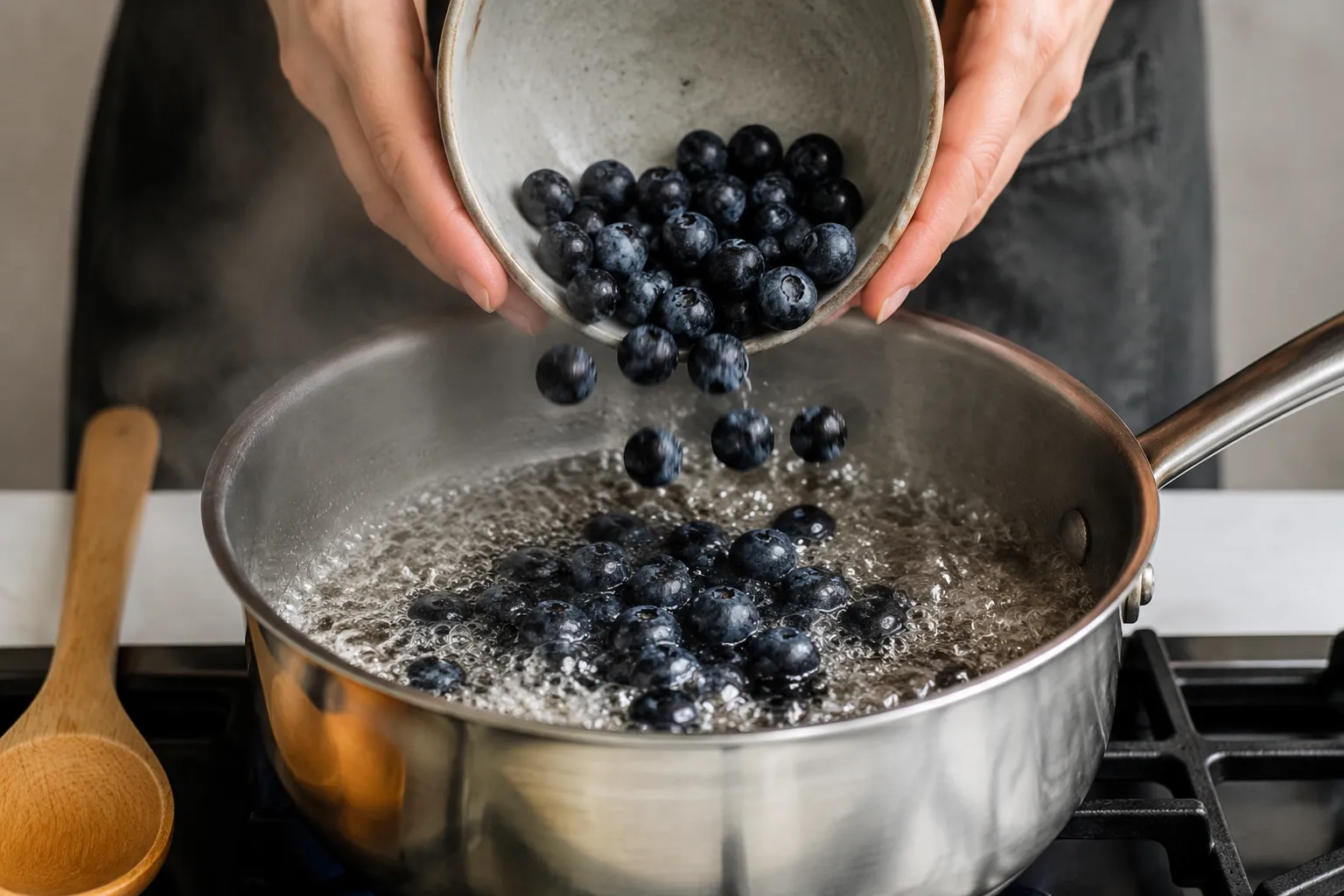
Start by combining the sugar and water in a small saucepan, then bring them to a gentle simmer. This gives the sugar a head start dissolving before the berries go in, which helps the mixture cook evenly instead of catching on the bottom. Once the liquid is shimmering and lightly bubbling, add the berries and stir so every berry is coated in the sweet syrup base. The color will begin pale and clear, then quickly turn violet as the berries soften.
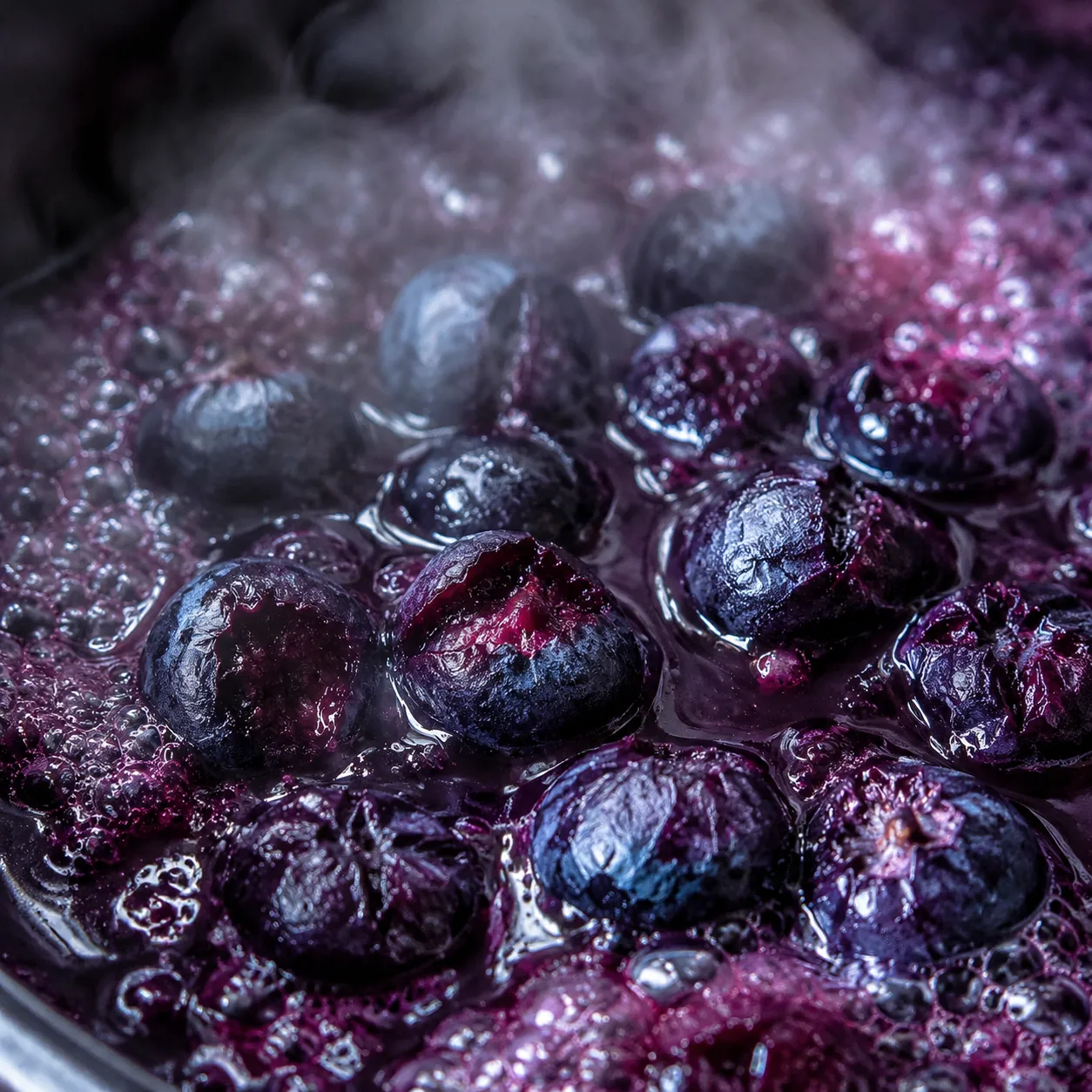
As the berries heat, their skins wrinkle and split, releasing juice into the pan. Use a wooden spoon or potato masher to press some of them against the side of the pot; you do not need to pulverize every berry, just encourage the fruit to break down. The mixture should bubble steadily, not furiously, so the juices can reduce without scorching. This is the point where your kitchen starts smelling like pie filling in the best possible way.
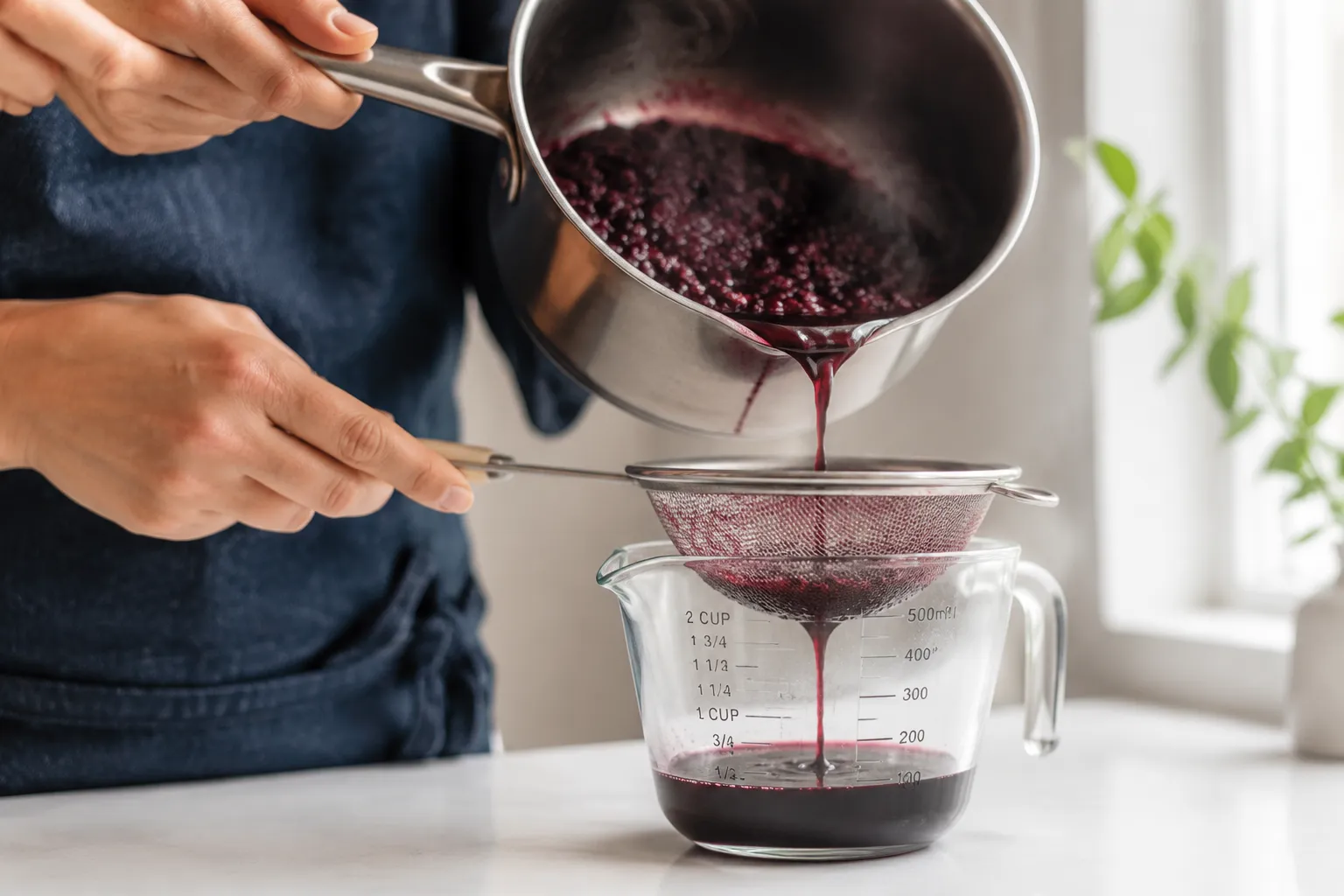
After about 10 to 15 minutes, the mixture will look darker, shinier, and slightly thicker. Remember that hot syrup always looks thinner than it will once cooled, so resist the urge to cook it down too aggressively. For a smooth pour, strain the syrup through a fine-mesh sieve into a measuring cup, pressing gently on the solids to extract the juice. For a chunkier blueberry sauce style topping, skip the straining and keep the softened berries in the jar.
If you strain it, do not throw away the pulp too quickly. The leftover berry solids are wonderful stirred into oatmeal, layered into yogurt, or spread on toast like a quick fruit compote. They are also delicious folded into a bowl of small batch blueberry jam if you happen to be making preserves later in the week. One little saucepan can give you both a smooth syrup and a bonus spoonable topping.
Pourable Syrup, Spoonable Sauce, or Jammy Spread
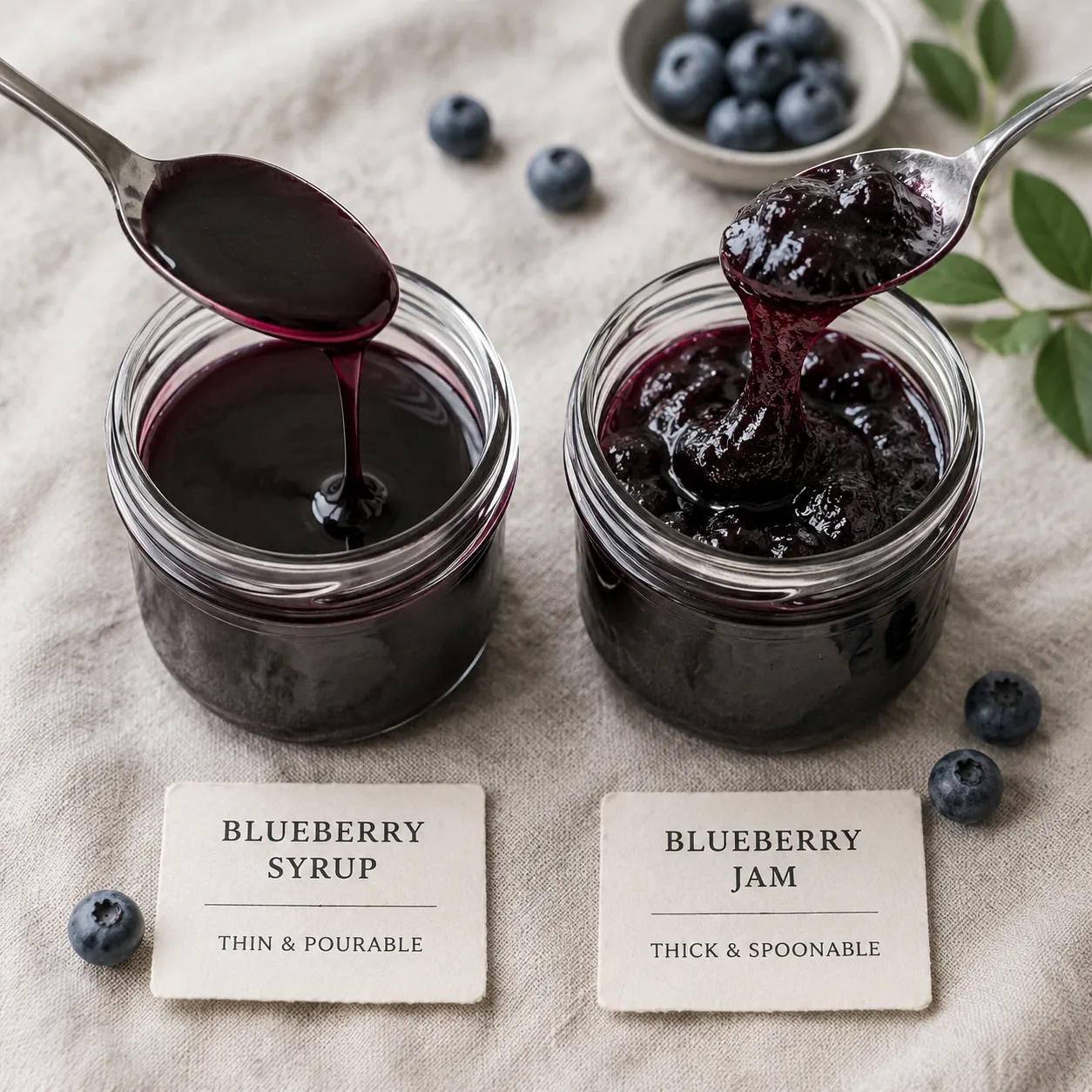
The difference between syrup, sauce, and jam mostly comes down to texture, cook time, and how much fruit pulp stays in the mix. A pourable syrup is smooth or lightly pulpy and loose enough to drizzle from a pitcher. A sauce is thicker and more spoonable, with some berries left whole or mashed. A jam is cooked longer, usually with more sugar or natural pectin, until it sets into something spreadable.
Think about the final use before deciding how far to take the recipe. If you want a brunch topping for pancakes, French toast, or lemon ricotta waffles, a glossy syrup is ideal because it flows into every warm little pocket. If you are spooning it over cheesecake or yogurt, leaving it a bit chunkier gives you that plush fruit-on-fruit texture. If you want something for biscuits or toast, simmering longer moves it closer to blueberry jam.
The good news is that this recipe is flexible while it cooks. Pull it off the heat earlier for a thinner drizzle, let it reduce a few more minutes for a richer spoon-coating finish, or add a cornstarch slurry when you want a quick thickener without extra sweetness. Straining makes it elegant and cocktail-friendly, while leaving the fruit in makes it more rustic and breakfast-table cozy. Once you know the visual cues, you can dial it in exactly how you like it.
Best Ways to Serve This Purple Pancake Syrup
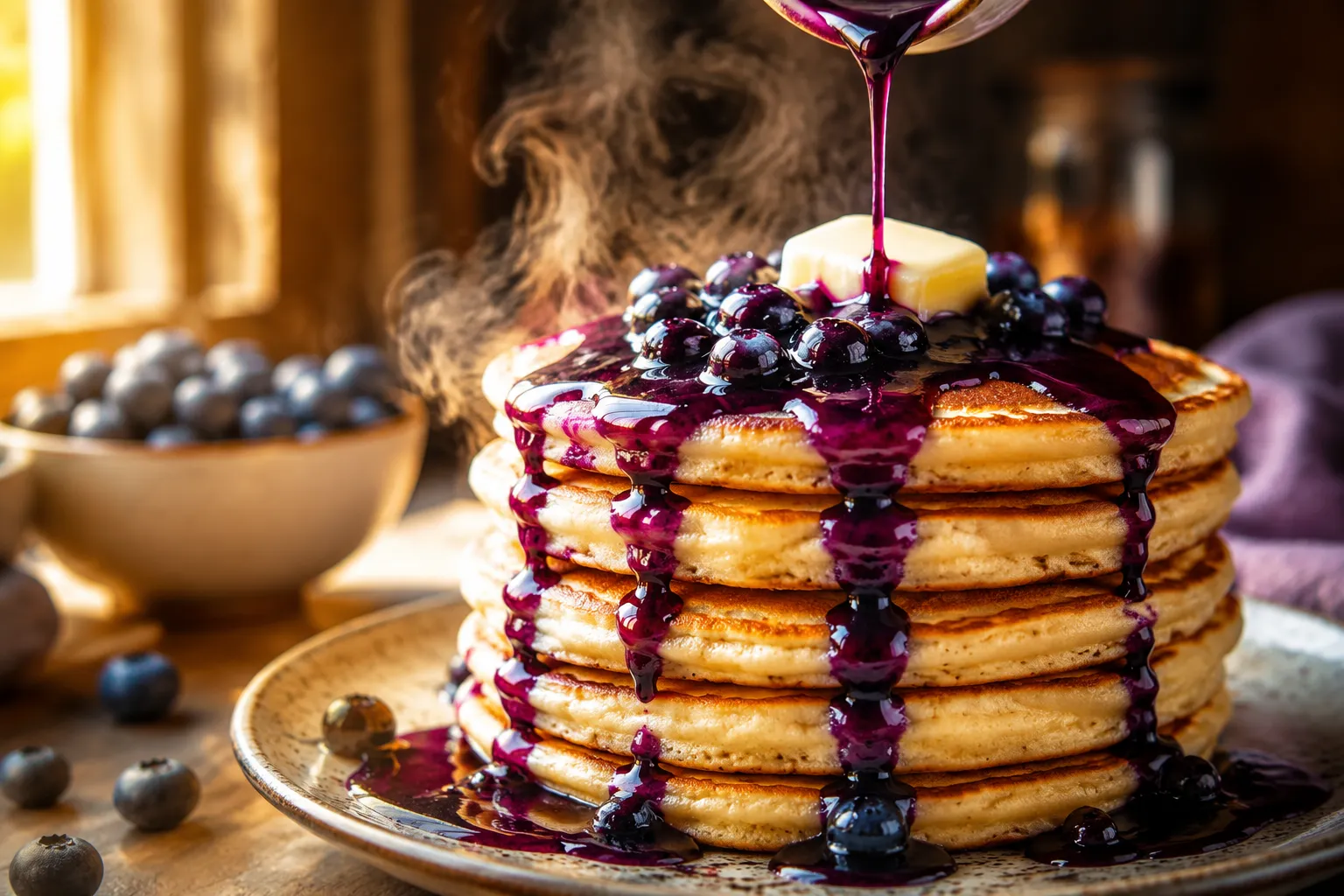
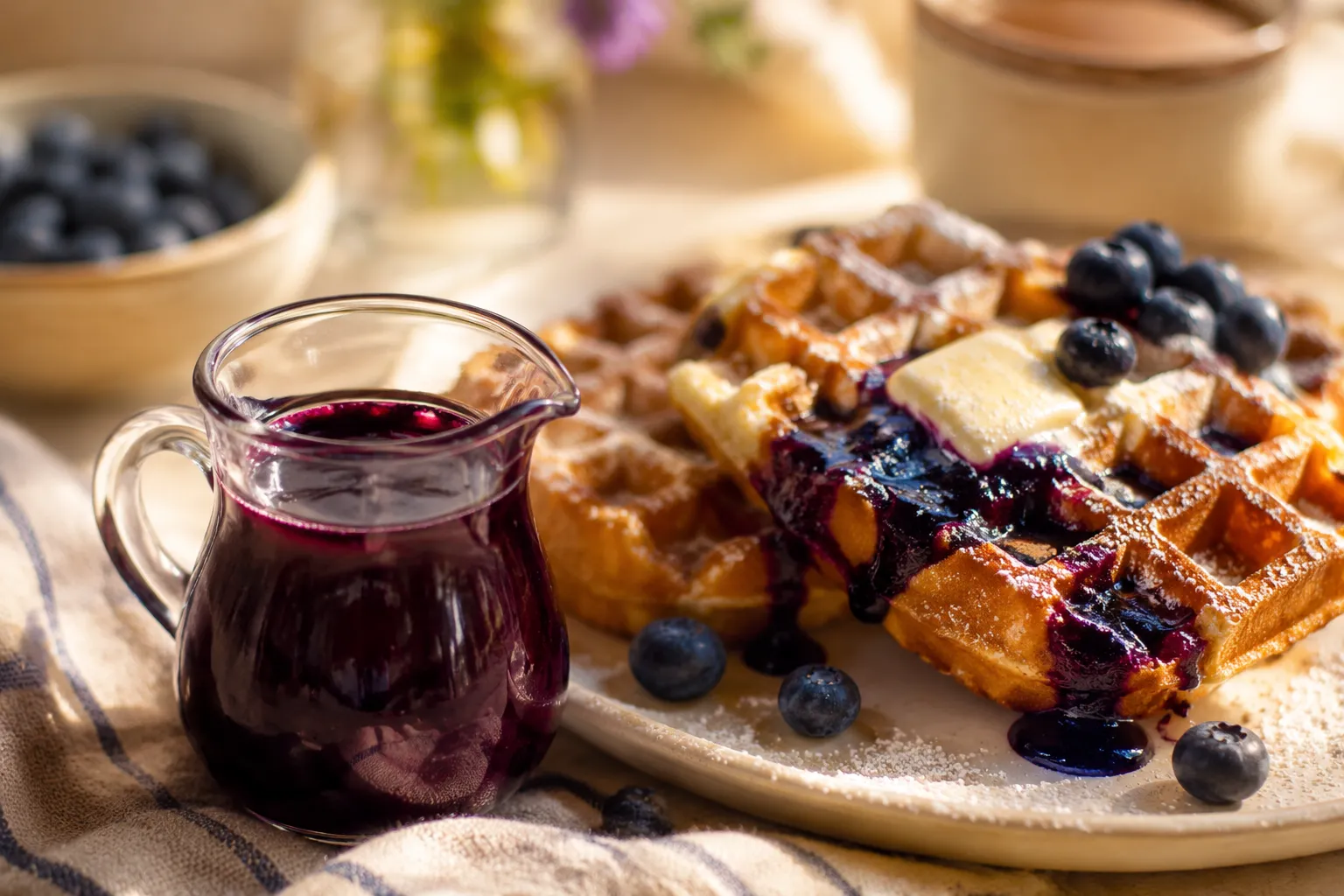
The classic move is obvious for a reason: warm syrup over a tall stack of buttermilk pancakes, with butter melting into the top pancake and purple ribbons running down the sides. It also loves waffles, crepes, sourdough French toast, oatmeal, chia pudding, and Greek yogurt bowls. Because it is fruit-forward rather than overly sugary, it gives breakfast a fresh berry flavor instead of the one-note sweetness of bottled pancake syrup.
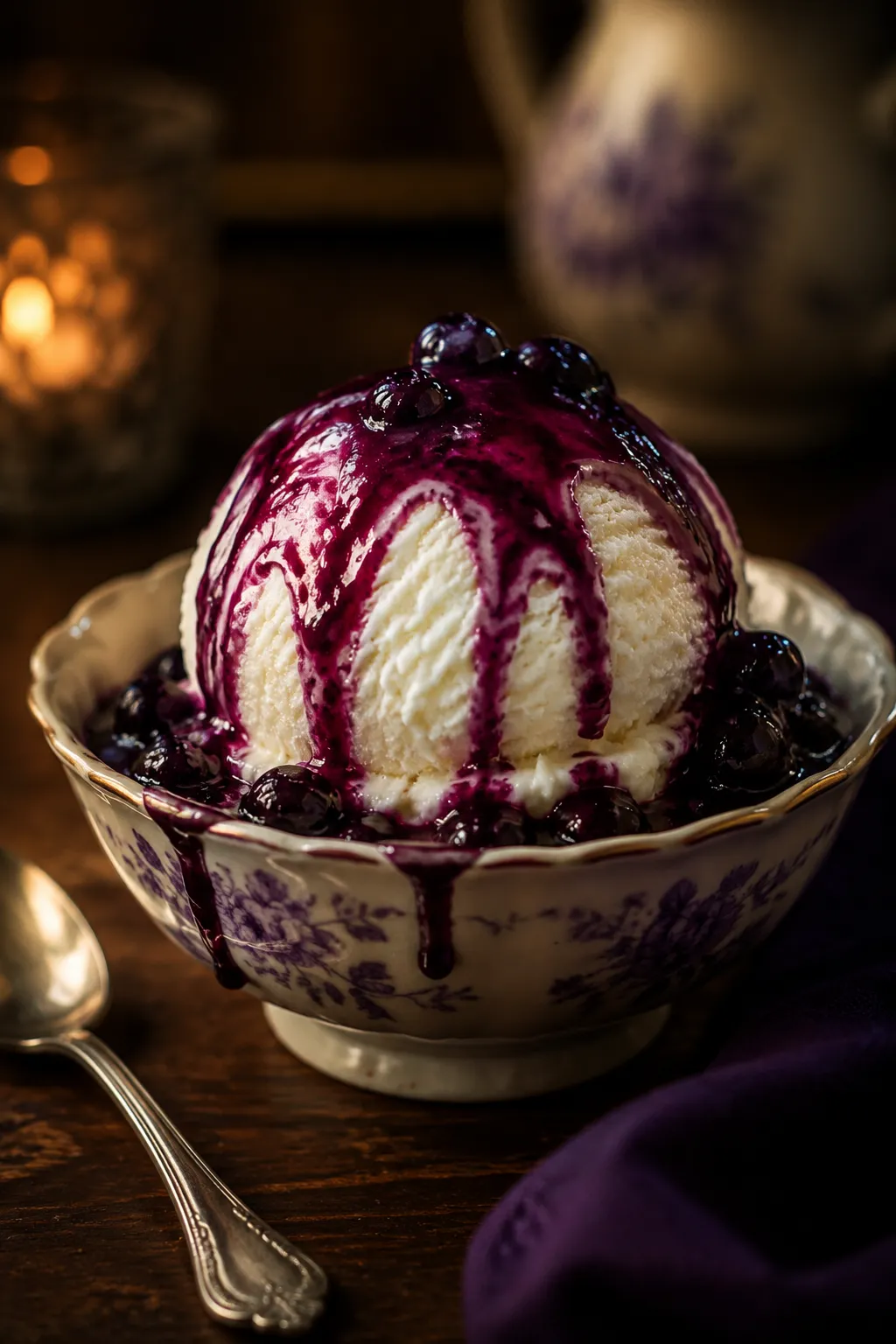
For dessert, spoon it over vanilla ice cream and let the hot-cold contrast do all the work. It is beautiful on cheesecake, pound cake, angel food cake, rice pudding, panna cotta, or a simple bowl of whipped ricotta. If you leave the syrup a touch thicker, it becomes almost like a soft fruit compote that clings to creamy desserts instead of sliding right off. A pinch of flaky salt on top makes the berry flavor pop even more.
Drinks are another place this recipe shines, especially if you strain it until smooth. Stir a spoonful into sparkling water for a quick homemade soda, shake it into gin or vodka cocktails, or swirl it into blueberry lemonade for a vivid summer drink. If you want something brunchy and festive, add it to a glass with lemon juice, ice, and sparkling wine. The color alone is enough to make the whole table lean in.
A Master Base You Can Adjust as It Cooks
Unlike recipes that separate syrup, sauce, and jam into totally different projects, this one starts with a single dependable base. From there, you simply adjust the simmering time and decide whether or not to strain. That means you can make a pitcher-ready homemade blueberry syrup for waffles today, then use the same ingredients next time for a thicker homemade blueberry sauce. It is less about memorizing separate formulas and more about learning how berries behave in the pan.
For a thinner syrup, simmer until the berries burst and the liquid tastes concentrated but still runs easily from a spoon. For a medium sauce, mash the berries and keep cooking until the bubbles look slower and glossier. For a jammy spread, continue reducing over low heat until a spoon dragged across the bottom of the pan leaves a brief trail. Just know that without a full canning ratio, this last version is still a refrigerator-style quick jam rather than a shelf-stable preserve.
Make-Ahead Brunch and Batch Planning
This is a perfect make-ahead recipe because the flavor deepens as it cools. Make it the night before brunch, pour it into a jar, and rewarm gently in the microwave or a small saucepan before serving. If it thickens more than you expected in the fridge, stir in a teaspoon or two of water until it loosens back into a pourable consistency. Warm syrup feels especially luxurious, but room-temperature syrup is just fine for yogurt bars and dessert boards.
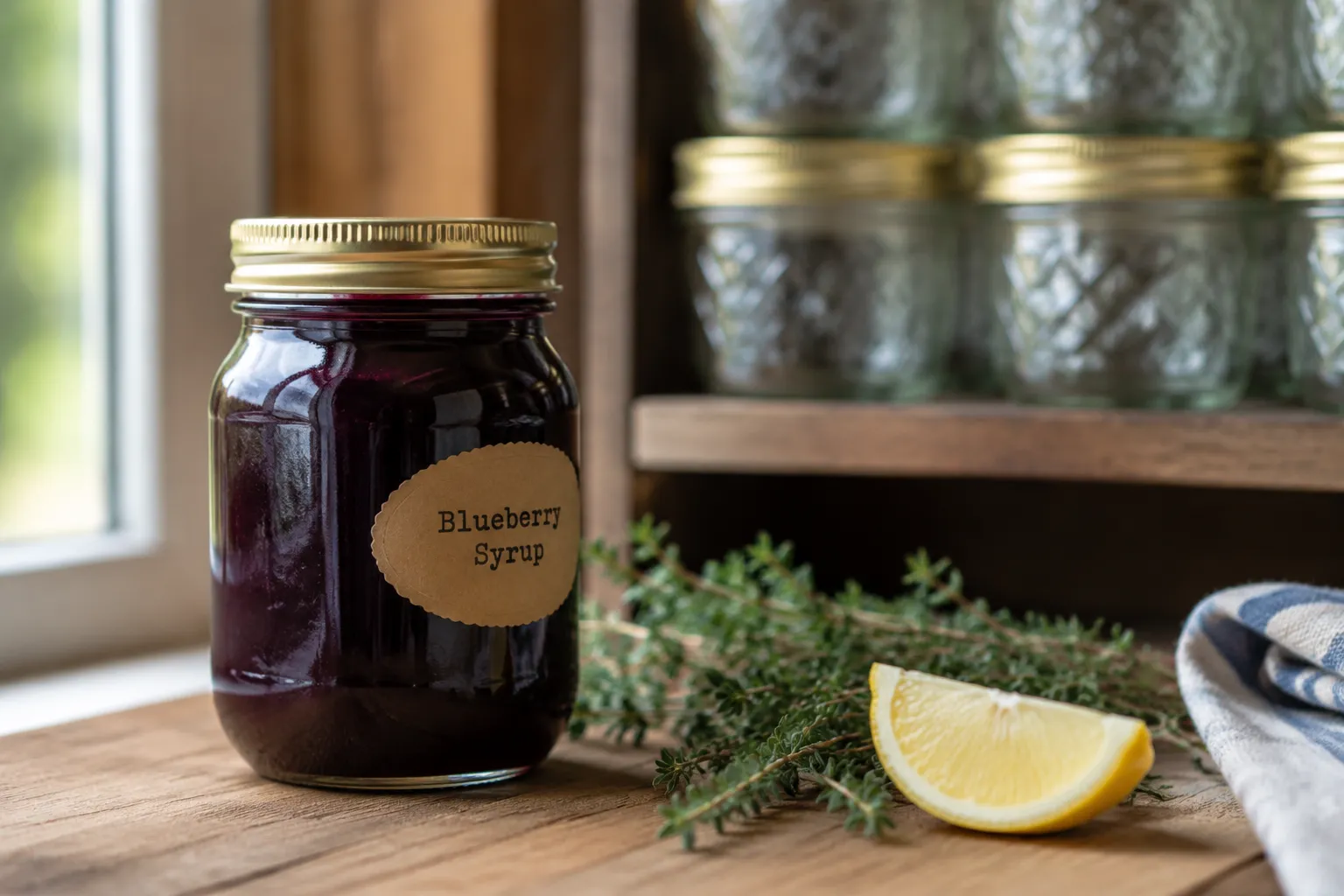
For a crowd, the recipe doubles beautifully as long as you use a wider saucepan so the extra liquid can reduce efficiently. Keep the heat at a steady simmer and stir more often as the batch thickens. A double batch is lovely for holiday breakfasts, meal-prep yogurt bowls, or gifting in small jars to neighbors. Add a handwritten label and a note that it should be refrigerated, and you have the sweetest little kitchen gift.
This recipe also fits neatly into a larger brunch menu. Serve the syrup alongside lemon curd, whipped butter, toasted nuts, and fresh berries so guests can build their own plates. It pairs especially well with tangy batters, tender waffles, and creamy dairy because the lemon juice keeps the berry flavor bright. Once you have one jar ready, breakfast starts to feel effortless in that cozy, generous way we all want weekend cooking to feel.
💡 Expert Tips
Watch the simmer: Keep the heat at a gentle bubble, not a rolling boil, so the sugar does not scorch on the bottom of the pan.
Remember it thickens as it cools: Pull the syrup when it is slightly looser than you want the final texture to be.
Use lemon for balance: Lemon juice does not make the syrup taste sour; it keeps the berry flavor vivid and prevents the sweetness from feeling flat.
Strain for cocktails: A fine-mesh sieve gives you a smoother syrup that blends cleanly into lemonade, soda, and mixed drinks.
Save the pulp: The strained berry solids are delicious in yogurt, oatmeal, smoothies, or spread on toast.
🔄 Variations & Substitutions
This base recipe is intentionally simple, which makes it easy to customize for breakfast, dessert, or drinks. Add flavorings in small amounts so the blueberries stay front and center.
Vanilla blueberry: Stir in 1/2 teaspoon vanilla extract after cooking.
Cinnamon spice: Add a small pinch of cinnamon while the berries simmer.
Thicker syrup: Stir 1 teaspoon cornstarch with 1 tablespoon cold water, then simmer it into the syrup for 1-2 minutes.
Cocktail syrup: Strain very well and add an extra teaspoon of lemon juice for brightness.
Mixed berry: Replace up to half the blueberries with raspberries, blackberries, or chopped strawberries.
🧊 Storage & Leftovers
Transfer the cooled syrup to a clean airtight jar or container and refrigerate for up to 2 weeks. It will thicken as it chills, so stir in a splash of water and warm gently if you want a looser pour for pancakes or waffles.
To freeze, leave about 1/2 inch of headspace in freezer-safe jars or containers and freeze for up to 3 months. Thaw overnight in the refrigerator and stir before using. This recipe is designed for refrigerator and freezer storage, not shelf-stable canning; use a tested canning recipe if you want to preserve jars at room temperature.
Frequently Asked Questions
Can I use frozen blueberries for blueberry syrup?
Yes, frozen blueberries work beautifully in this recipe and often release even more juice than fresh berries. Add them straight from the freezer to the saucepan with the sugar-water mixture; there is no need to thaw first. Because they start colder, expect the syrup to take 2-3 extra minutes to come back to a steady simmer and reduce properly. Stir occasionally as they soften, then mash lightly once the skins begin to burst.
How long does homemade blueberry syrup last?
Homemade blueberry syrup keeps well for about 2 weeks when stored in a clean airtight jar in the refrigerator. Let it cool before sealing, then refrigerate promptly. For longer storage, freeze it for up to 3 months in freezer-safe jars or containers, leaving about 1/2 inch of headspace to allow for expansion. Thaw in the fridge overnight, stir well, and warm gently if you want it pourable again.
What's the difference between blueberry syrup, sauce, and jam?
Blueberry syrup is the thinnest of the three: glossy, pourable, and often strained for a smooth finish. Blueberry sauce is usually chunkier and spoonable, with some whole or mashed berries left in the mixture. Blueberry jam is cooked longer and becomes thick enough to spread, often with more sugar or pectin depending on the recipe. This recipe can lean in any direction depending on how long you simmer it and whether you strain it.
How do I thicken blueberry syrup without cornstarch?
The easiest way to thicken blueberry syrup without cornstarch is to simmer it longer over medium-low heat so excess water evaporates and the berry juices concentrate. Give it 5-10 extra minutes, stirring more often as it reduces. You can also add a peeled apple slice while simmering for a little natural pectin, then remove it before serving. Keep in mind that syrup thickens noticeably as it cools, so stop before it looks too thick in the pan.
Is blueberry syrup the same as blueberry simple syrup?
They are related, but not exactly the same. Blueberry simple syrup is usually a thinner, smoother, fully strained syrup made for drinks and cocktails, with a clearer texture and no pulp. This recipe is a little richer and can be left pulpy, making it ideal for pancakes, waffles, and desserts. If you want a blueberry simple syrup version, strain it very well through a fine-mesh sieve and keep the consistency on the thinner side.