How to Cook Brown Rice (Perfect Fluffy Every Time)
Ingredients
Scale
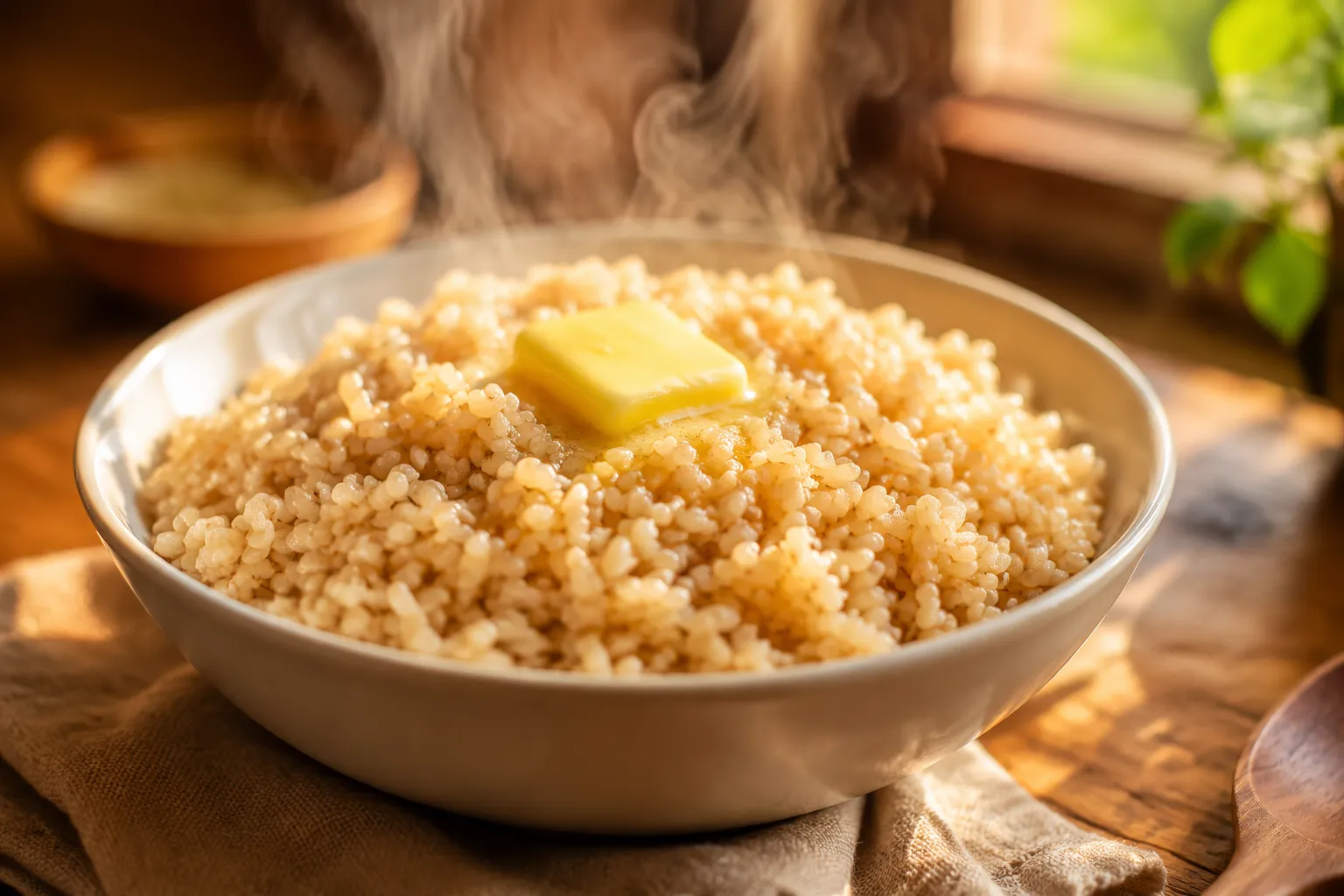
Tired of gummy, undercooked grains? This foolproof guide shows you exactly how to cook brown rice that's tender, fluffy, and perfect every single time.
Learning how to cook brown rice is one of those small kitchen skills that makes weeknight dinners feel instantly easier, healthier, and more put-together. When it is cooked well, brown rice is nutty, tender, and pleasantly chewy with separate grains that tumble off the fork instead of clumping into a heavy mound.
If you have ever ended up with rice that was gummy on the bottom and crunchy in the middle, you are absolutely not alone. Brown rice still has its bran layer intact, which is what gives it that wholesome flavor and extra texture, but it also means it needs more time and a little more attention than white rice. The good news: once you know the right water ratio, when to simmer, and why the resting time matters, it becomes beautifully predictable.
This guide walks you through my favorite stovetop method first, then gives you a hands-off oven option for busy nights or meal prep days. We will cover long-grain brown rice, short-grain rice, rinsing, troubleshooting, and easy serving ideas so you can turn a humble pot of grains into a reliable side dish for just about anything.
Brown rice is a whole grain, meaning the bran and germ are still attached to the kernel. That is why it has a deeper, toastier flavor and a firmer bite than white rice, which has been polished to remove those outer layers. If you have ever compared brown rice vs white rice in the pot, the biggest cooking difference is time: the bran layer slows water absorption, so brown rice needs a longer cook and a patient covered rest.
The texture is also a little heartier, which is part of its charm. Properly cooked brown rice should not taste hard or raw, but it should keep a gentle chew. Think of it as a sturdy, nourishing base for saucy stir-fries, grain bowls, curries, burrito bowls, and simple roasted vegetable dinners. Once you know how to cook brown rice consistently, it becomes a quiet workhorse in the kitchen.
There are several common varieties, and they behave slightly differently. Long-grain brown rice cooks up lighter and more separate, while medium- and short-grain brown rice tend to be a touch stickier and more tender. Brown basmati and brown jasmine bring extra aroma, while short-grain brown rice has a cozy, almost creamy quality that is lovely with brothy beans or salmon.
You only need a few ingredients for excellent brown rice: rice, water, salt, and a little olive oil or butter if you like a richer finish. The butter is optional, but it adds a glossy softness and a little roundness to the nutty grain. Salt matters more than you might think; without it, brown rice can taste flat no matter how perfectly it is cooked.
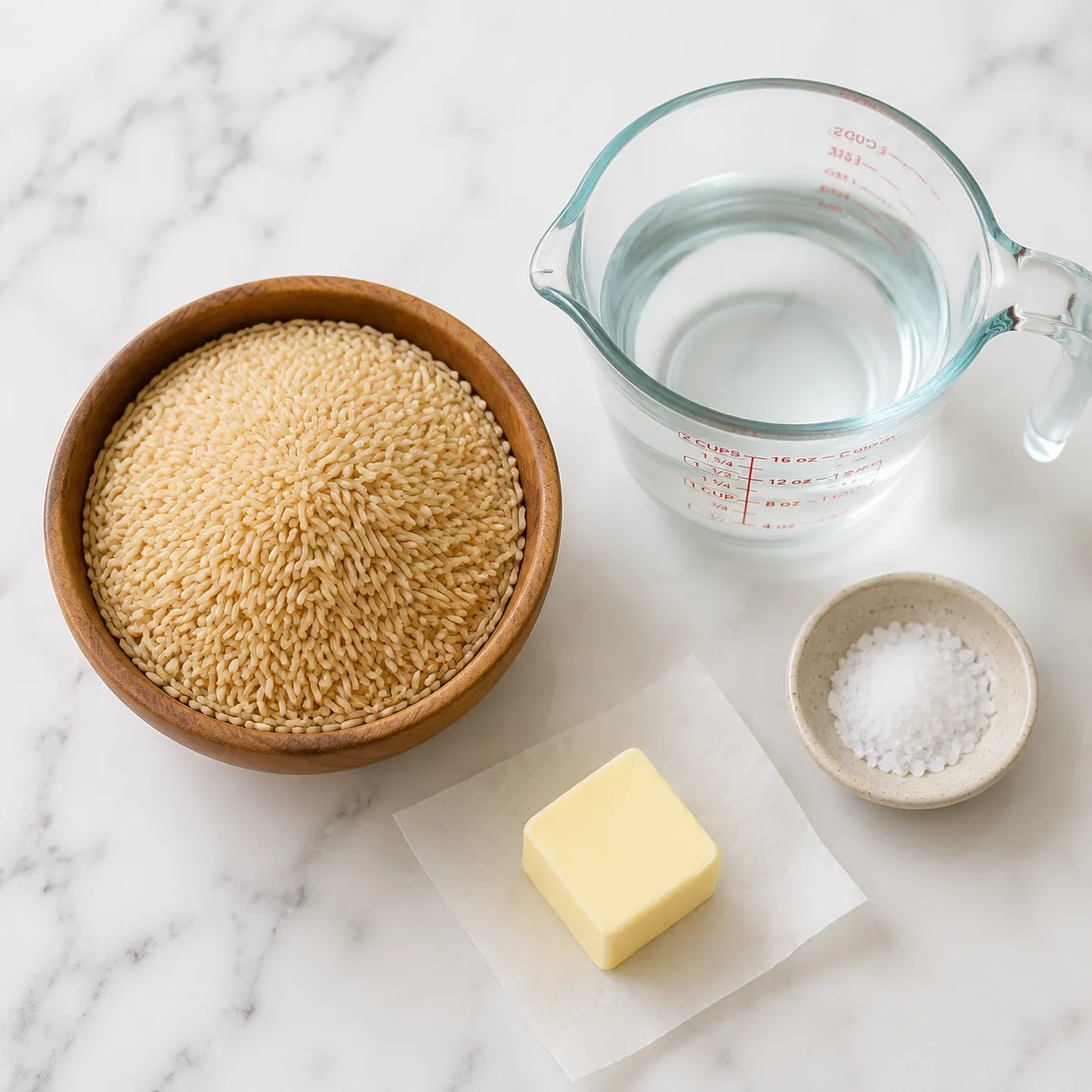
For the most consistent results, use a heavy-bottomed saucepan with a tight-fitting lid. A thin pot can create hot spots, which may leave the bottom layer overcooked before the top grains are tender. If your lid is loose, lay a clean kitchen towel over the pot before setting the lid on top, keeping the towel ends well away from the burner. This helps trap steam, which is essential for fluffy brown rice.
A fine-mesh strainer is also helpful because rinsing is a small step with a big payoff. Measuring cups are important here too; rice is simple, but it is not a place to eyeball your liquid until you have made it many times. For the classic brown rice water ratio, you will use 2 cups water for every 1 cup of long-grain brown rice on the stovetop.
The basic formula for stovetop brown rice is easy to remember: 1 cup brown rice to 2 cups water. This is the water ratio I use most often for long-grain brown rice, and it gives the grains enough liquid to soften fully without becoming soggy. If you are working with short-grain brown rice, you may prefer 2 1/4 cups water because the grains are plumper and can absorb slightly more.
The heat level matters just as much as the amount of liquid. Bring the pot to a boil first, then immediately reduce the heat to a gentle simmer. You should see only the faintest movement under the lid, not a wild boil that forces steam out and evaporates your water too quickly. A steady, low simmer is what turns firm grains tender all the way through.
One more thing: avoid stirring while the rice cooks. Stirring releases starch and disrupts the even steam environment inside the pot. That is one reason some pots of rice turn sticky even when the measurements were right. For the most reliable stovetop brown rice, measure carefully, lower the heat, cover tightly, and let the pot do its work.
Before you cook, rinse the rice under cool running water until the water runs mostly clear. Brown rice is less starchy on the surface than some white rice varieties, but rinsing still removes excess starch, dust, and any tiny bits from processing. It helps the finished grains cook up cleaner, lighter, and less sticky.
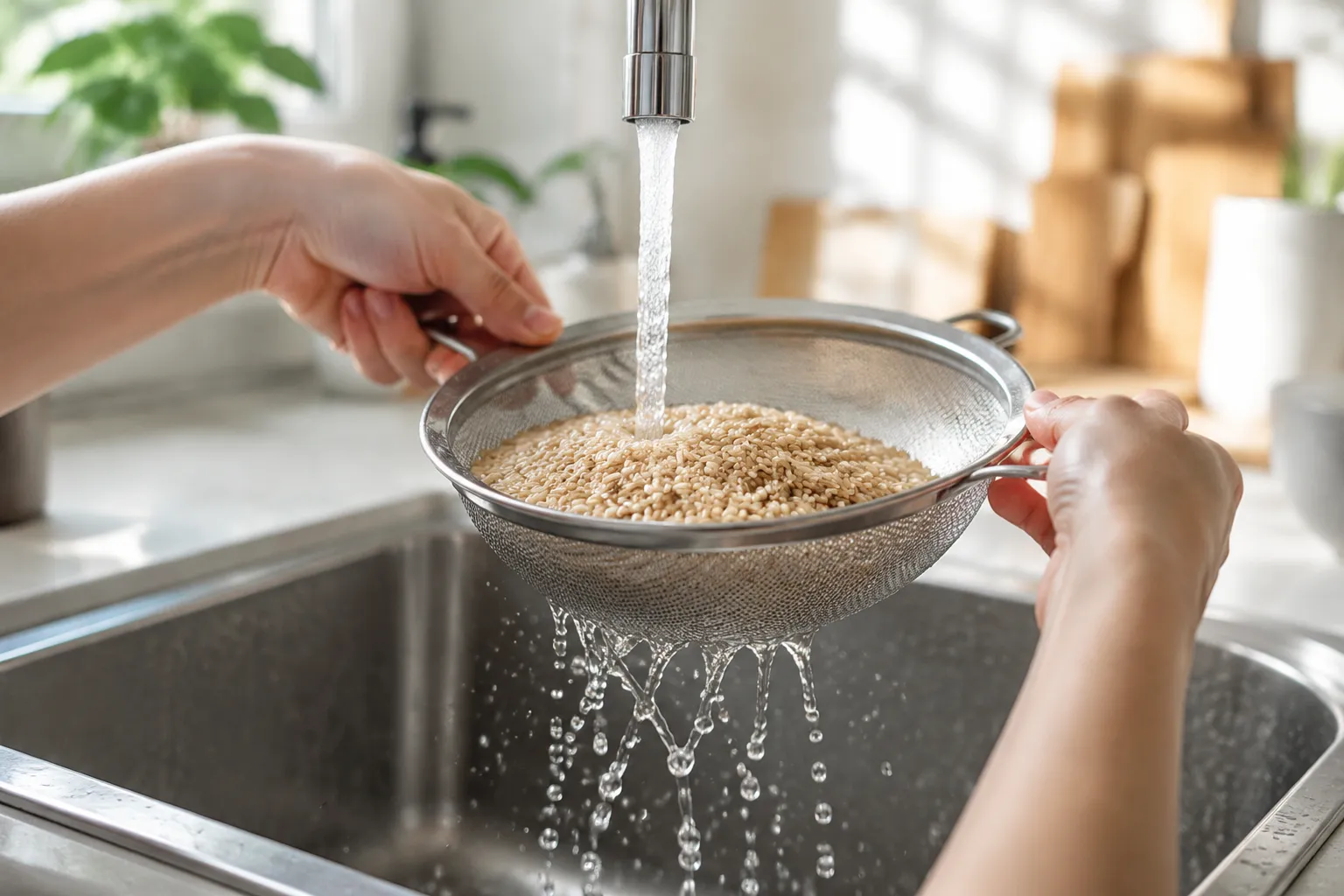
To rinse, add the rice to a fine-mesh strainer and move it around gently with your fingers as the water runs through. You do not need to soak it for this method, and you do not need to rinse forever. Thirty to sixty seconds is usually plenty, especially for everyday supermarket rice.
Soaking is optional. If you do soak brown rice for 30 minutes to a few hours, it can shorten the cook time by about 10 to 15 minutes, but it also changes the water absorption slightly. For the foolproof method here, skip the soak unless you already know how your favorite brand behaves. This keeps the process straightforward and repeatable.
Here is the simple overview: combine rinsed brown rice, water, salt, and optional oil or butter in a saucepan; bring it to a boil; reduce to low; cover; and cook until the water is absorbed. Then comes the most important part, which is the covered rest. That final 10 minutes off the heat finishes steaming the grains and evens out the texture from top to bottom.
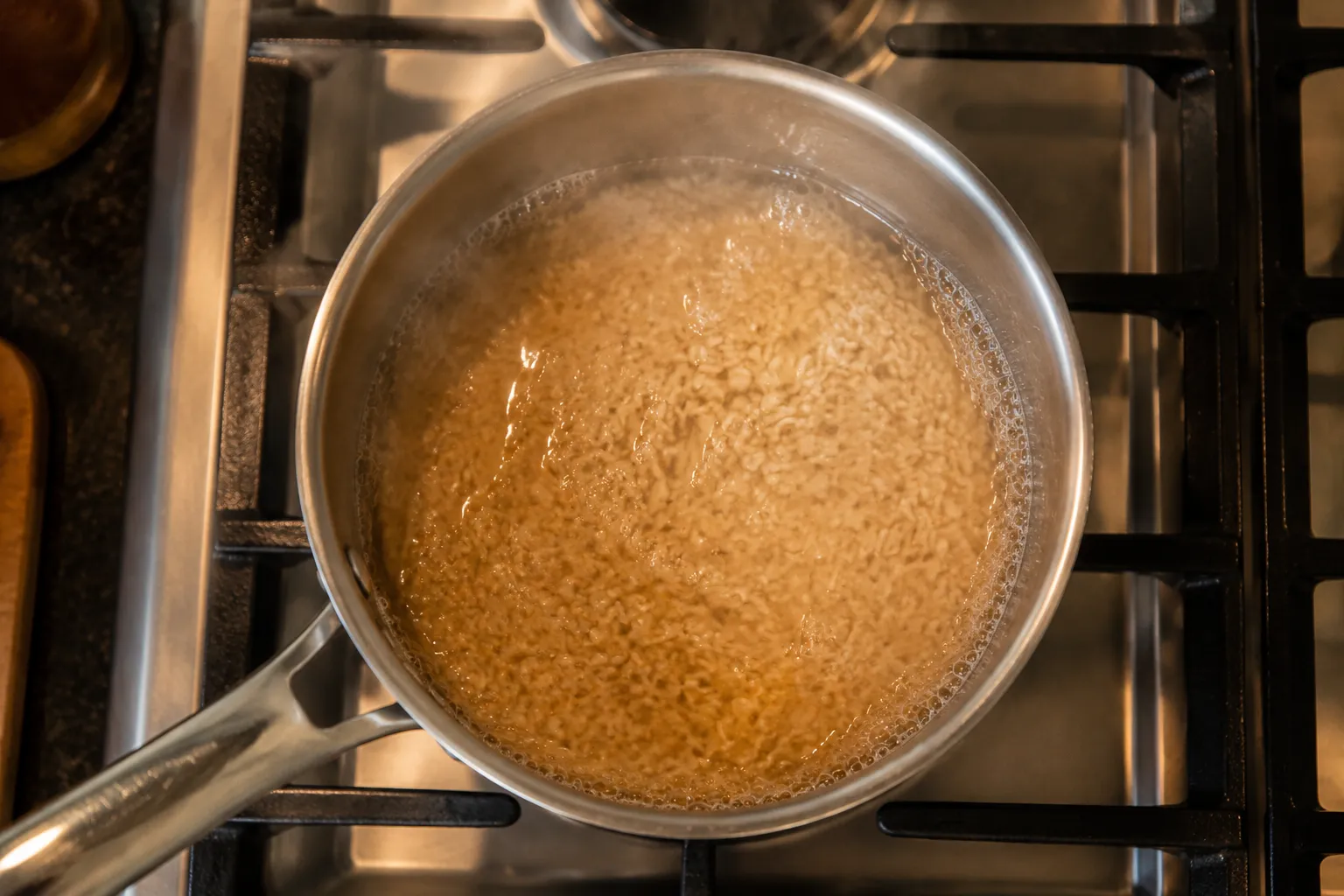
If you are learning how to cook brown rice for the first time, resist the urge to lift the lid every few minutes. Peeking releases steam and lowers the temperature inside the pot, which can leave the rice undercooked even when the timer says it should be done. Instead, keep the heat low and steady and trust the process.
After about 40 to 45 minutes, check quickly. The water should be absorbed, the surface should look pocked with little steam holes, and the grains should be tender with a pleasant chew. If there is still liquid sloshing in the bottom, cover and simmer for another 5 minutes. If the pot looks dry but the rice tastes crunchy, add a splash of water, cover, and cook a little longer.
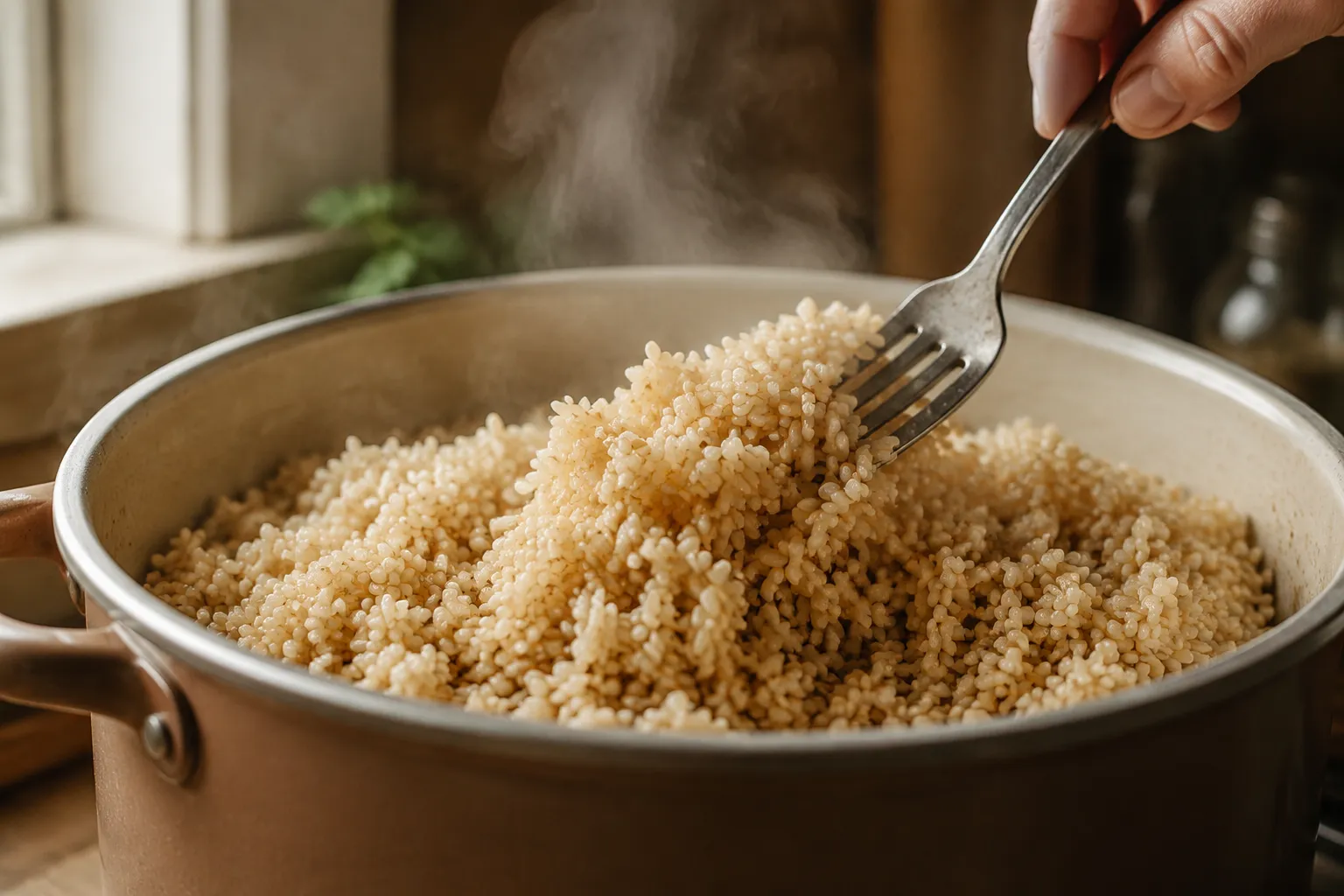
The rest is non-negotiable in my kitchen. Turn off the heat, keep the lid on, and let the rice sit for 10 minutes. During this time, the trapped steam relaxes the grains and helps any lingering moisture distribute evenly. Then fluff with a fork, not a spoon, to separate the grains without smashing them.
The oven method is perfect when you do not want to monitor a burner, especially if you are cooking multiple dishes at once. It is also a great option for meal prep because the heat surrounds the dish more evenly. You will still use rice, water, salt, and a little fat if desired, but everything goes into a covered baking dish instead of a saucepan.
For oven-baked brown rice, preheat the oven to 375°F. Combine 1 cup rinsed brown rice, 2 cups boiling water, 1/2 teaspoon salt, and 1 teaspoon butter or olive oil in an 8-inch baking dish. Cover tightly with foil and bake for about 60 minutes, then let it rest covered for 10 minutes before fluffing.
This method is especially forgiving because you are not relying on a very low stovetop flame, which can vary wildly from one kitchen to another. The tradeoff is time: it takes a little longer than the stovetop, but it asks almost nothing of you once the dish is in the oven. If your burners run hot or you are cooking a big dinner, the oven can be the calmer choice.
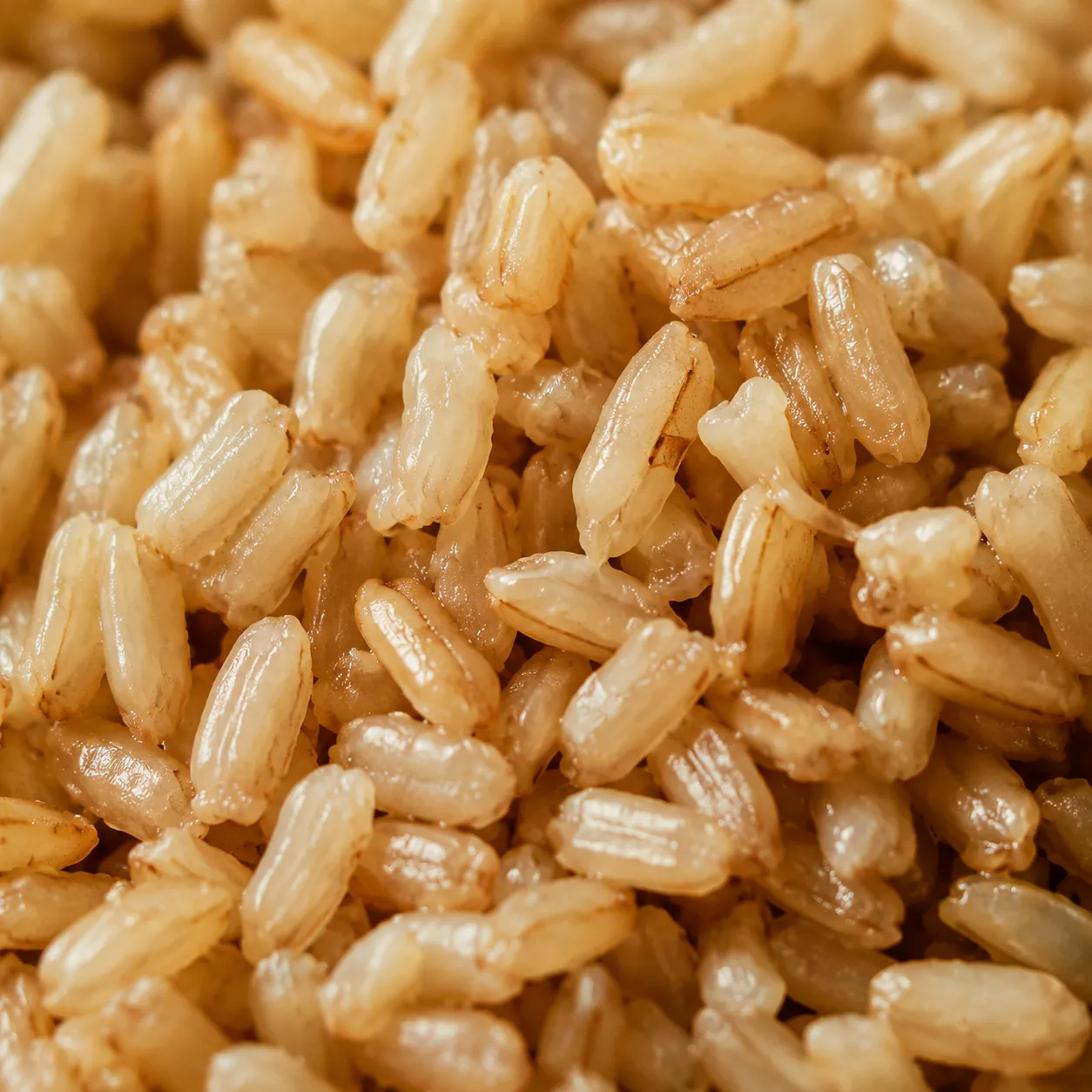
Perfect brown rice is tender but not blown out. The grains should look distinct, with a slight sheen and a warm tan color. When you scoop it, it should feel light and fluffy rather than heavy or wet. This is the difference between a side dish that simply fills the plate and one that actually makes the meal better.
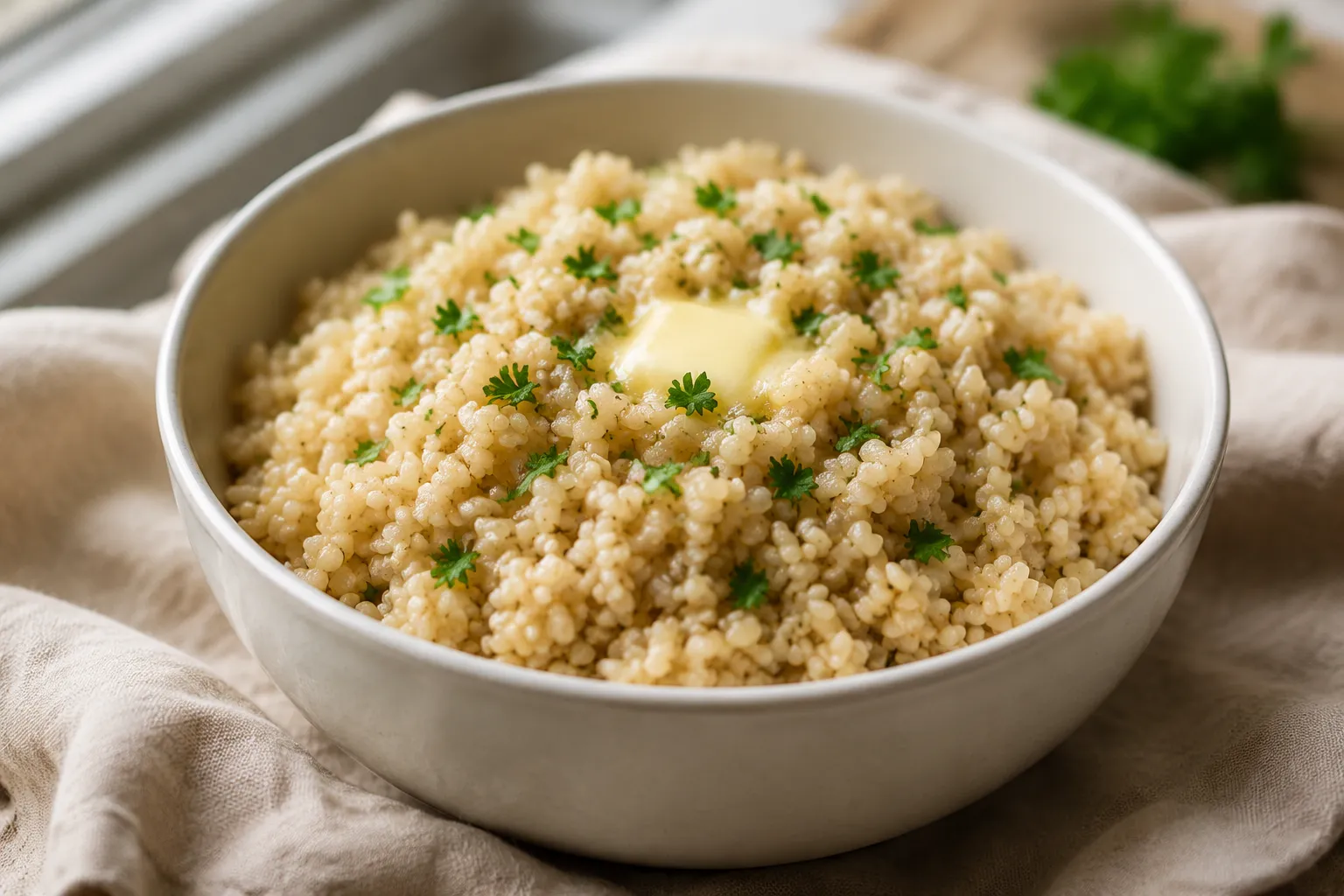
The aroma is another clue. Well-cooked brown rice smells nutty and gently toasty, almost like warm wheat or popcorn. If it smells watery or bland, it may need salt or a little extra resting time. If it smells scorched, your heat was likely too high or your pot was too thin.
When you taste it, the center of each grain should be soft with just enough chew to remind you it is a whole grain. If you are aiming for very soft rice for young eaters or simple comfort bowls, add an extra tablespoon or two of water next time and extend the rest. If you want firmer, more separate grains for salads, stick with long-grain brown rice and fluff it well after resting.
Once you know how to cook brown rice, you can use it anywhere you would use a simple grain side. It is lovely under saucy black beans, chickpea curry, teriyaki salmon, stir-fried vegetables, or a spoonful of garlicky greens. I also love it with a drizzle of olive oil, a squeeze of lemon, and a shower of herbs when dinner needs something simple but not boring.
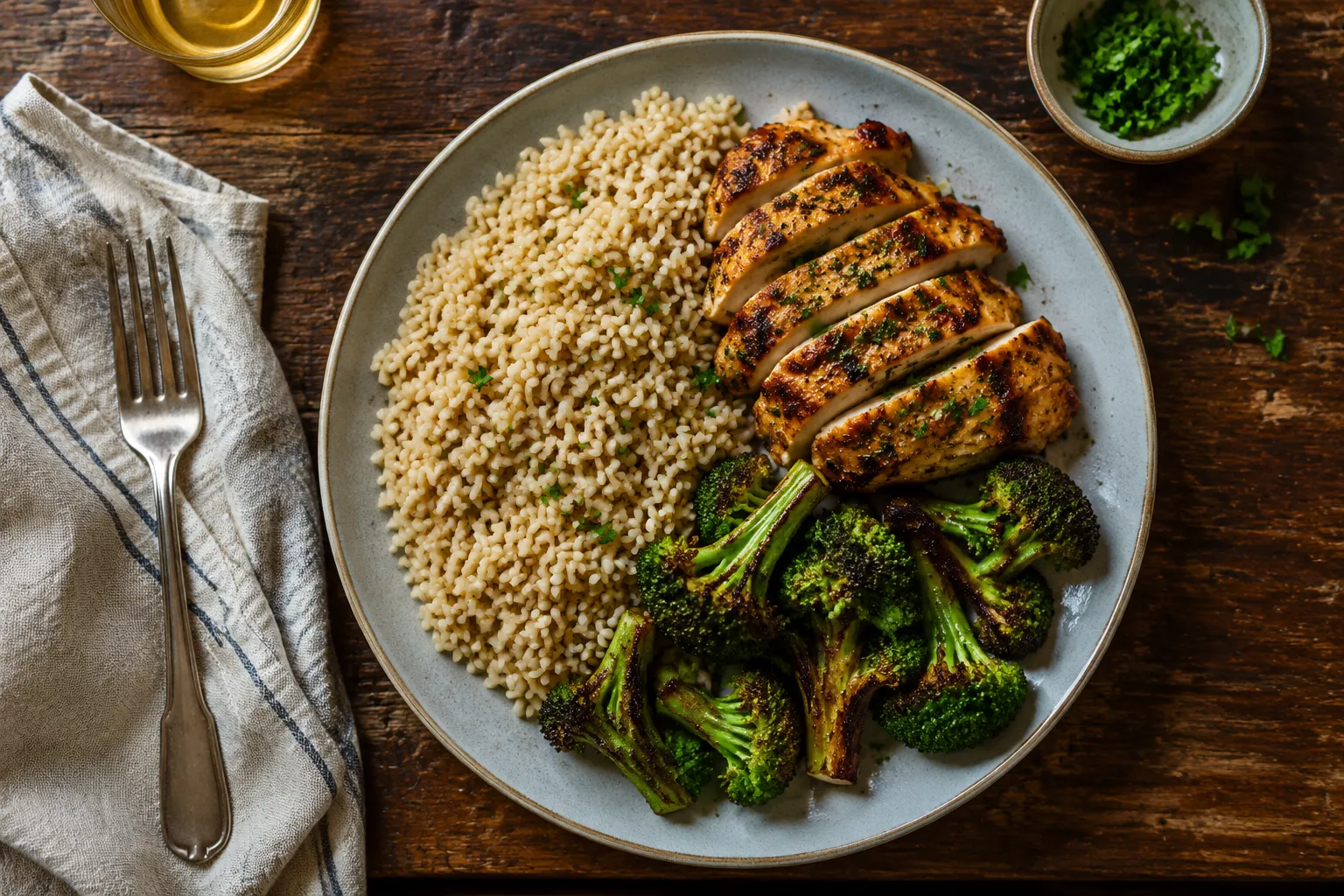
For a classic weeknight plate, serve brown rice with grilled chicken, roasted broccoli, and a bright sauce like pesto, chimichurri, or tahini dressing. The nutty grains soak up juices beautifully while still holding their shape. It also makes an excellent base for grain bowls with avocado, pickled onions, roasted sweet potatoes, and a jammy egg.
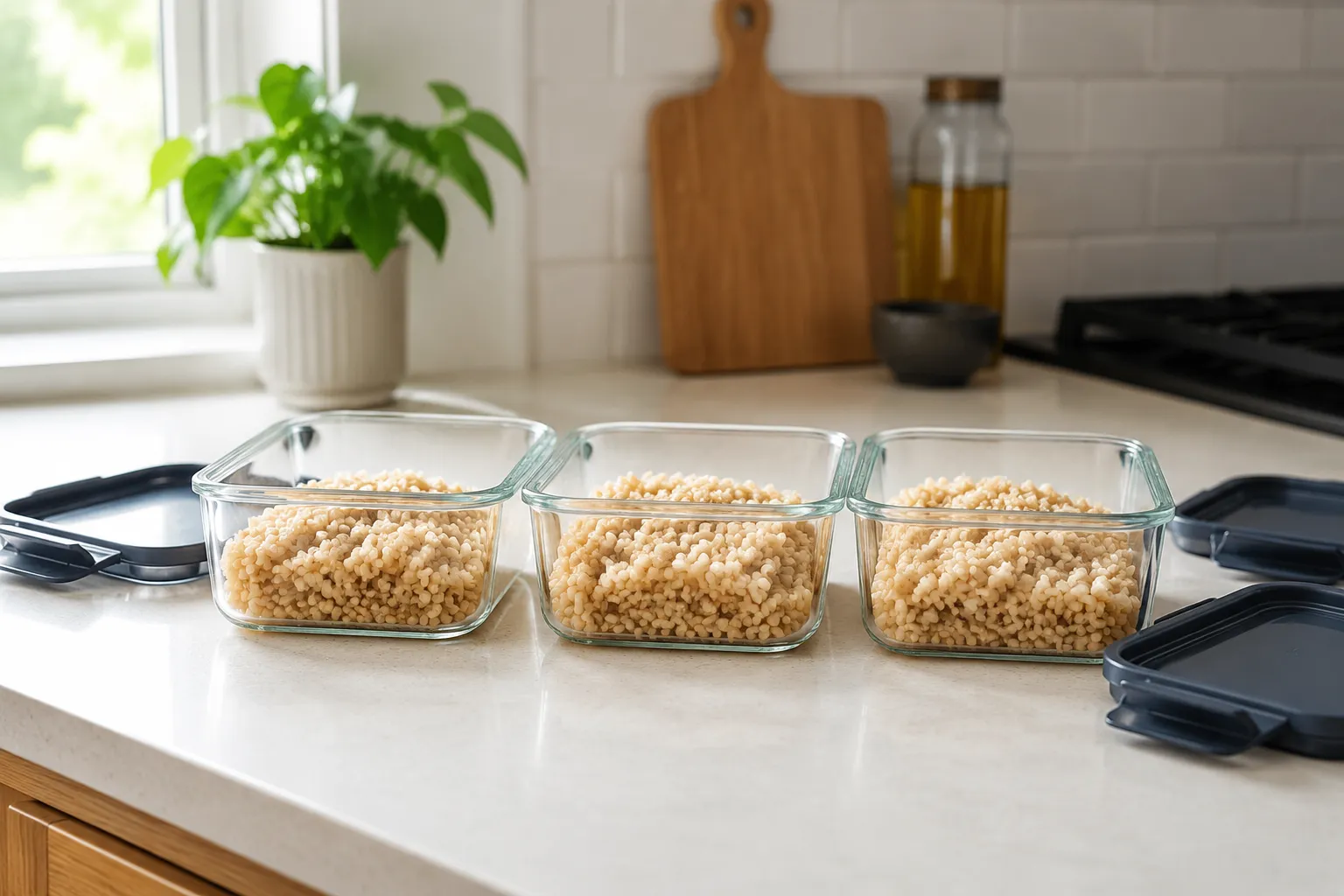
If you are making rice ahead for lunches, cool it quickly and portion it into containers so it is ready to become fried rice, burrito bowls, soups, or hearty salads. This is where knowing how to store cooked rice becomes a practical meal-prep habit, not just a food safety detail. A container of cooked brown rice in the fridge can turn leftovers into lunch in five minutes.
If your rice is crunchy, it usually needed either more water, more time, or a tighter lid. Add 2 to 4 tablespoons of water, cover the pot, and return it to a low simmer for 5 minutes. Then turn off the heat and let it steam for another 5 to 10 minutes. Most undercooked rice can be saved this way.
If your rice is mushy, the likely culprit is too much liquid, too much stirring, or heat that was too low to create steady steam. You can spread the rice on a sheet pan for a few minutes to let excess moisture evaporate. It may not become perfectly separate, but it will still work in soups, veggie patties, casseroles, or fried rice the next day.
If the bottom burns before the top is tender, the burner was too hot or the pan was too thin. Next time, use the smallest burner, reduce the heat to the lowest setting after boiling, and consider a heavier pot. A flame diffuser can also help if your stove runs hot. The goal is gentle steam, not aggressive boiling.
The secret to great brown rice is not complicated, but it is specific: rinse, measure, simmer gently, keep the lid closed, and let it rest. Those few habits are what turn a sometimes-finicky whole grain into a dependable staple. Once you have made it a couple of times, you will hardly need to think about it.
Whether you are building a quick grain bowl, stretching leftovers into lunch, or making a cozy side for dinner, this method gives you the kind of tender, fluffy result that feels restaurant-level but is completely doable at home. Keep the 2:1 ratio in your back pocket, trust the covered rest, and you will always know how to cook brown rice without the guesswork.
Cool cooked brown rice quickly, then transfer it to shallow airtight containers. Refrigerate for up to 5 days, or freeze in portioned freezer bags or containers for up to 3 months. For best food safety, do not leave cooked rice at room temperature for more than 2 hours.
To reheat, sprinkle the rice with a tablespoon or two of water, cover, and microwave until steaming hot, fluffing halfway through. You can also reheat it in a covered skillet over low heat or add frozen rice directly to soups and stir-fries.