Ooey Gooey Butter Cake: The Classic St. Louis Recipe
Ingredients
Scale
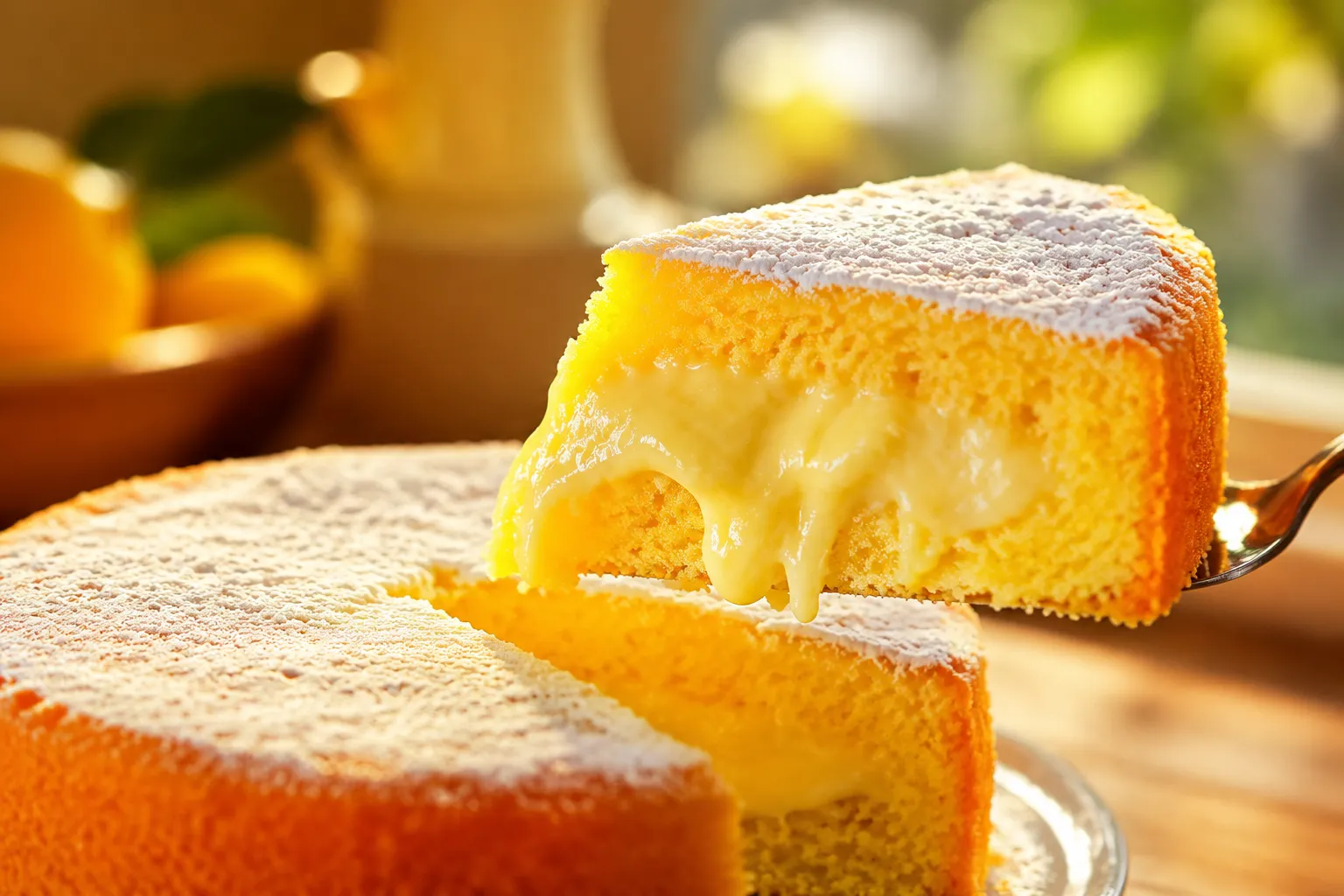
Meet the dessert that built St. Louis: a buttery yellow cake base topped with a sweet, gooey cream cheese layer that stays soft for days.
The first time I made an ooey gooey butter cake, I understood why every St. Louis grandma keeps the recipe taped inside her cabinet door. It's part cake, part custard, part magic. The bottom is tender and buttery, somewhere between a thick sugar cookie and a shortbread crust. The top is a glossy, jiggly layer of sweetened cream cheese that sets into something halfway between cheesecake and pudding.
This is the dessert I bring when I want to look like I tried hard without actually trying hard. It's a one-pan, cake-mix-shortcut bake that comes together in fifteen minutes and disappears even faster. Kids love the sweet powdered sugar dusting. Grandparents love that it tastes like the church-basement potlucks of their youth. And I love that it somehow gets better on day two.
Today's version stays true to the original gooey butter cake recipe with a buttery yellow cake mix base and a cream cheese topping rich enough to wobble when you pull it from the oven, exactly as it should.
Ooey gooey butter cake is a flat, two-layer bar cake born in St. Louis, Missouri, in the 1930s. The bottom layer is a dense, buttery shortbread-style crust. The top is a gooey, custardy filling made from cream cheese, eggs, butter, and a generous amount of powdered sugar. After baking, the whole thing gets a thick snowfall of more powdered sugar on top. It's traditionally cut into squares and served at room temperature, often with a strong cup of coffee.
The texture is the whole point. Done right, the center never fully sets. It stays soft, sticky, and just barely sliceable, with a crackly sugar top that gives way to a creamy interior. If you've had cream cheese coffee cake at a brunch, you're in the same neighborhood, but this version is sweeter, denser, and unapologetically rich.
Most food historians trace the original to a German-American baker in 1930s St. Louis who reportedly mixed up the proportions on a coffee cake and produced something flatter, gooier, and more delicious than intended. The name stuck, the bakery shelves filled, and by the 1950s every bakery in town had its own version. Paula Deen popularized a cake-mix shortcut decades later, which is the version most home bakers know today. A proper St. Louis butter cake purist will still argue the from-scratch yeast-dough version is the only true article. Both are wonderful, and we'll cover the from-scratch swap a little further down.
You'll see this dessert called a cake, a bar, and a coffee cake depending on who's writing the recipe. Technically, it's a bar: flat, dense, cut into squares. But it's baked in a 9x13 pan like a sheet cake, and it's traditionally eaten with morning coffee, hence the coffee cake confusion. Whatever you call it, the defining feature is that wobbly middle layer, which separates it from regular yellow cake mix desserts and from drier cream cheese pound cakes.
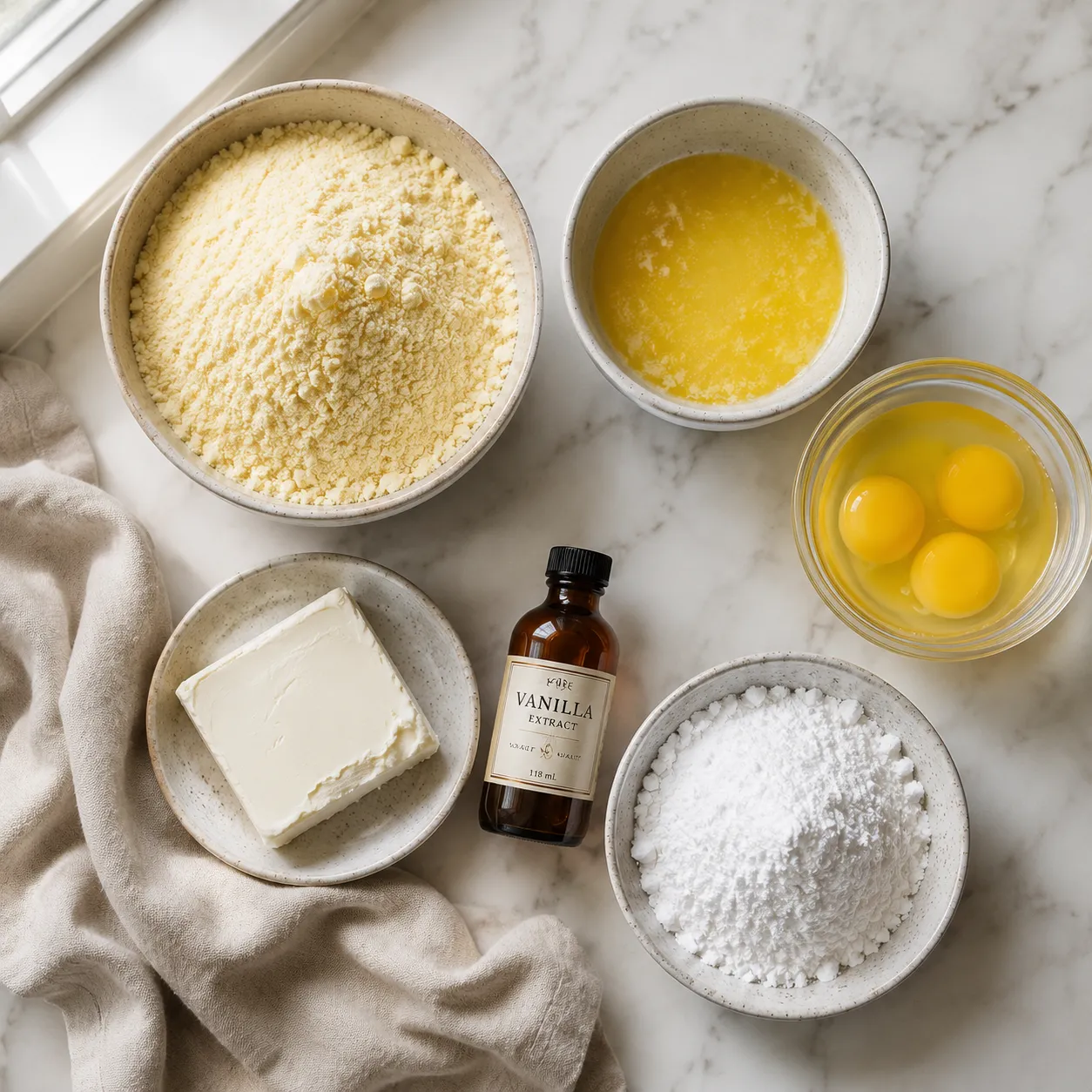
The beauty of this ooey gooey cake recipe is the short ingredient list. Two layers' worth of pantry staples, no special equipment, and nothing that requires a trip to a specialty store. Here's how the parts break down.
The base is built on a single box of yellow cake mix, one egg, and half a cup of melted unsalted butter. That's it. The mix supplies the flour, sugar, leavening, and a hit of vanilla flavor without making you measure six dry ingredients. The egg binds it. The butter takes it from dry powder to a soft, pliable dough you can press into the pan. Use real butter, margarine makes the base taste flat. If your kitchen runs cold, melt the butter just until it pours, you don't want it sizzling hot or it will scramble the egg.
The topping is where the magic lives. You'll need 8 ounces of full-fat cream cheese, two eggs, a teaspoon of pure vanilla extract, four cups of powdered sugar, and a quarter cup of melted butter. The ratio matters. This version leans slightly heavier on the cream cheese than the classic cake-mix recipe, which keeps the center extra gooey instead of cloyingly sweet. Use block cream cheese, not the whipped tub kind, and let it come to full room temperature so it whips smooth without lumps.
You can swap white cake mix for the yellow if that's what's in your pantry, though you'll lose a touch of buttery color. Butter cake mix works beautifully and intensifies the flavor. For a slightly less sweet topping, drop the powdered sugar to 3 1/2 cups. If you're out of vanilla, almond extract is a lovely stand-in, use half the amount. And if you only have a hand mixer, no problem, this recipe doesn't need a stand mixer to come together.
This is one of the more forgiving easy sheet cake recipes in the rotation. There are really only three moves: press, pour, bake. The numbered method lives in the recipe card below; here's the visual play-by-play.
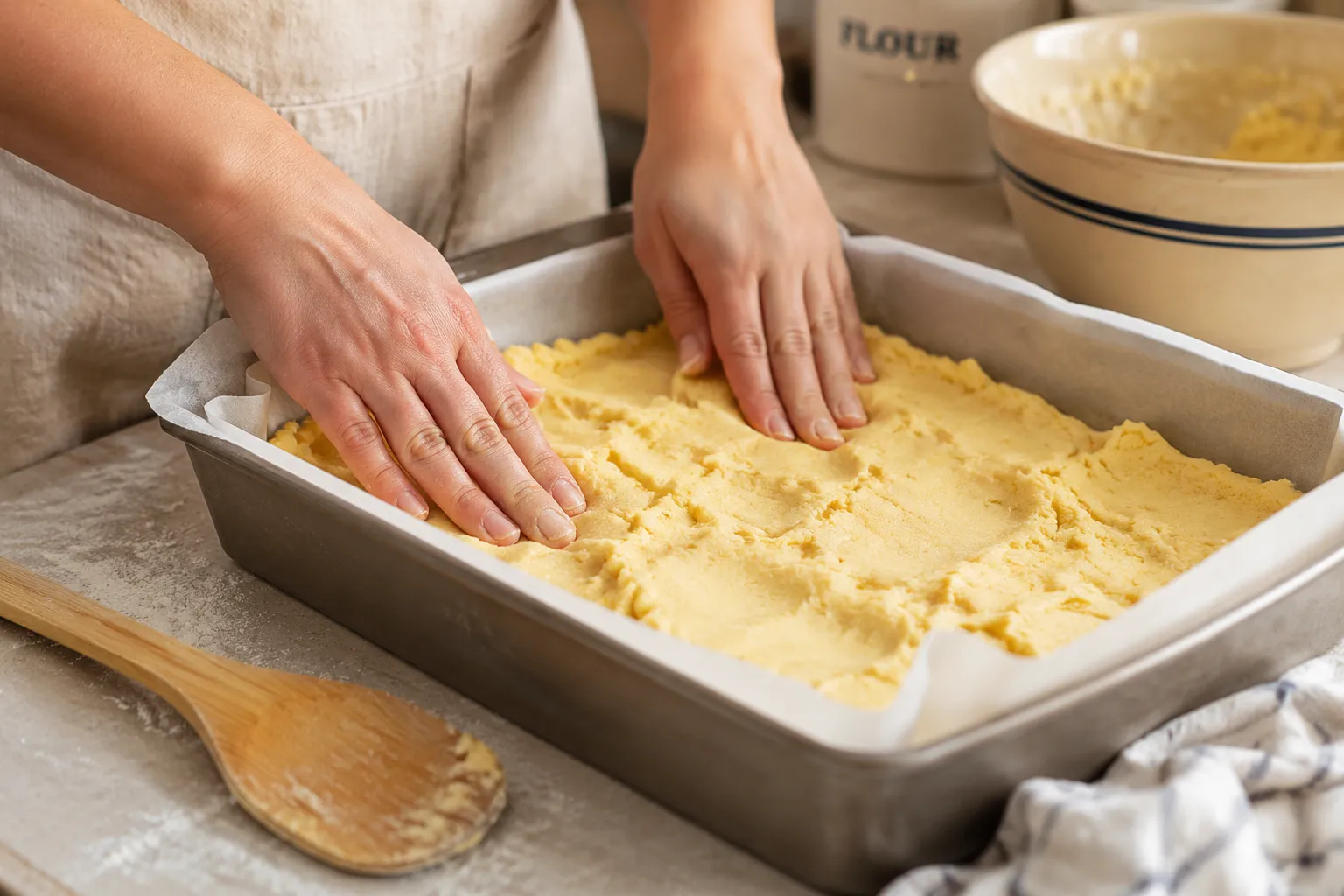
Start by stirring the cake mix, one egg, and half a cup of melted butter together in a bowl. The dough will be thick and a little crumbly, more like cookie dough than cake batter. Scrape it into a parchment-lined 9x13 pan and use your fingertips to press it into an even layer all the way to the edges. Don't worry about being precious. A few thin spots are fine and add to the rustic look.
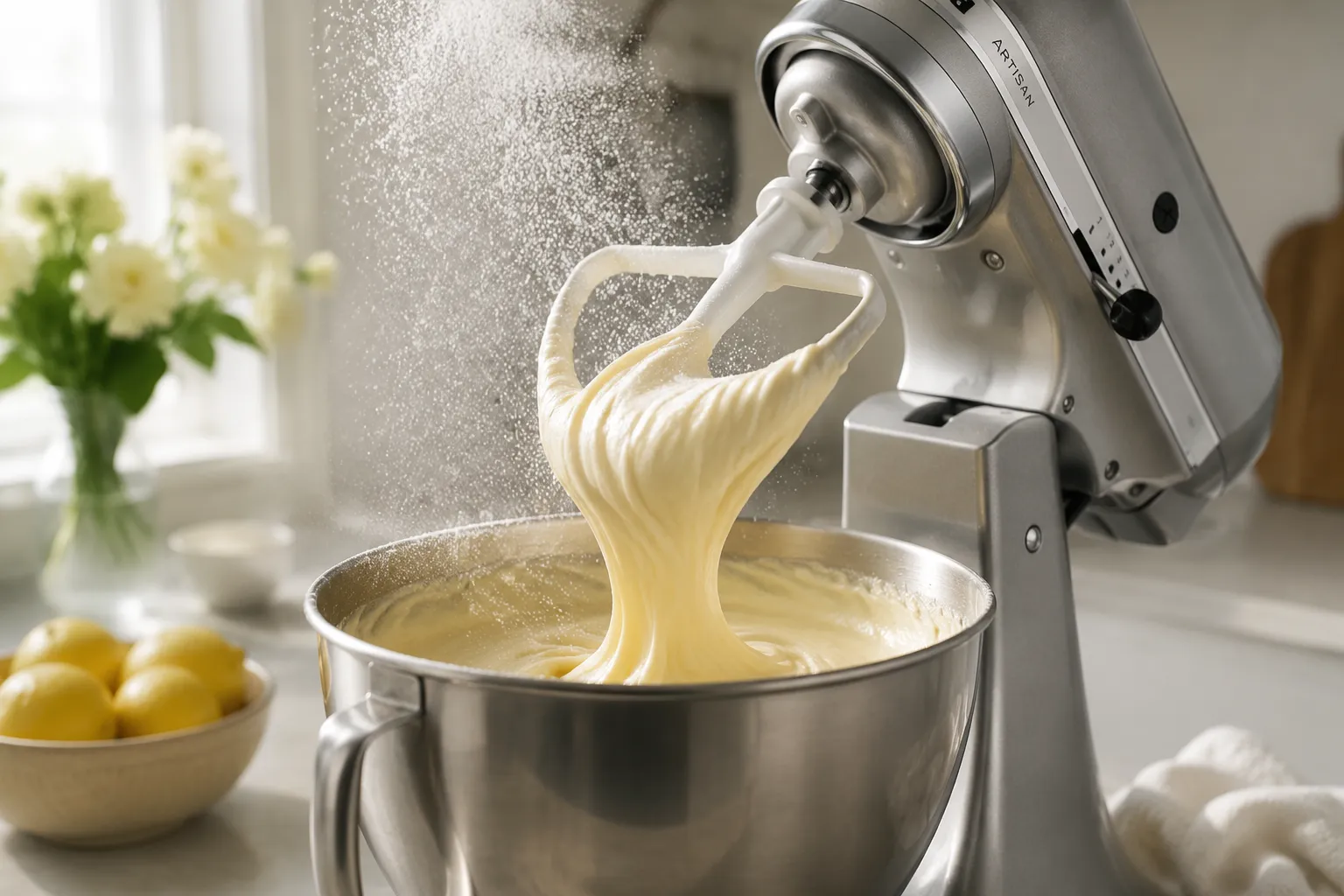
Next, beat the room-temperature cream cheese until completely smooth. This is the only step where patience pays off, any cream cheese lumps now will be cream cheese lumps in the finished cake. Once it's silky, add the two remaining eggs and the vanilla, then slowly stream in the powdered sugar with the mixer running on low. Finish with the melted butter. The filling should be glossy, pourable, and ribbon back on itself like thick cake batter.
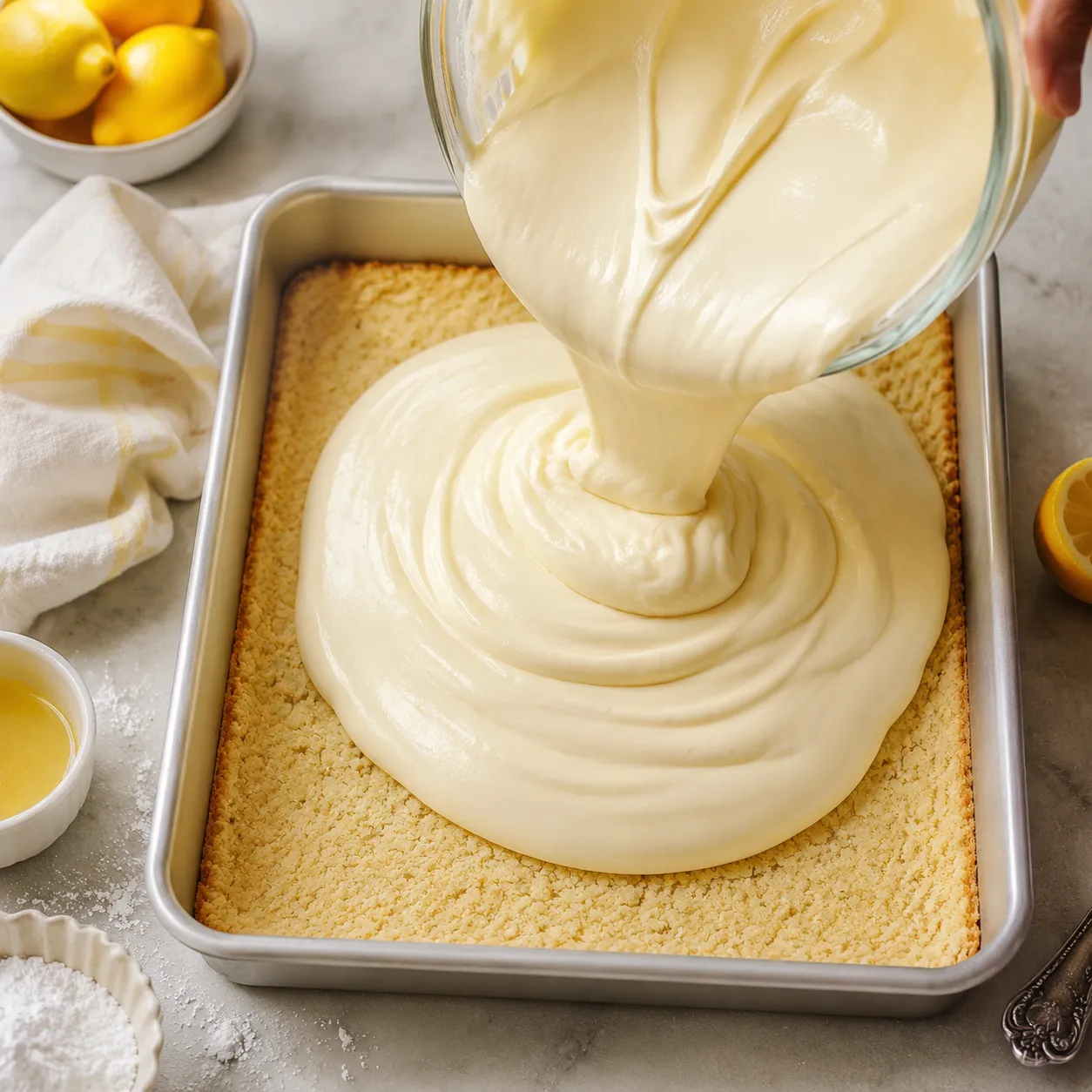
Pour the topping evenly over the cake base. It will look like a lot of filling, that's correct. Tilt the pan gently so it spreads to the corners, or use an offset spatula to nudge it into place. Slide the pan into a 350°F oven on the middle rack.
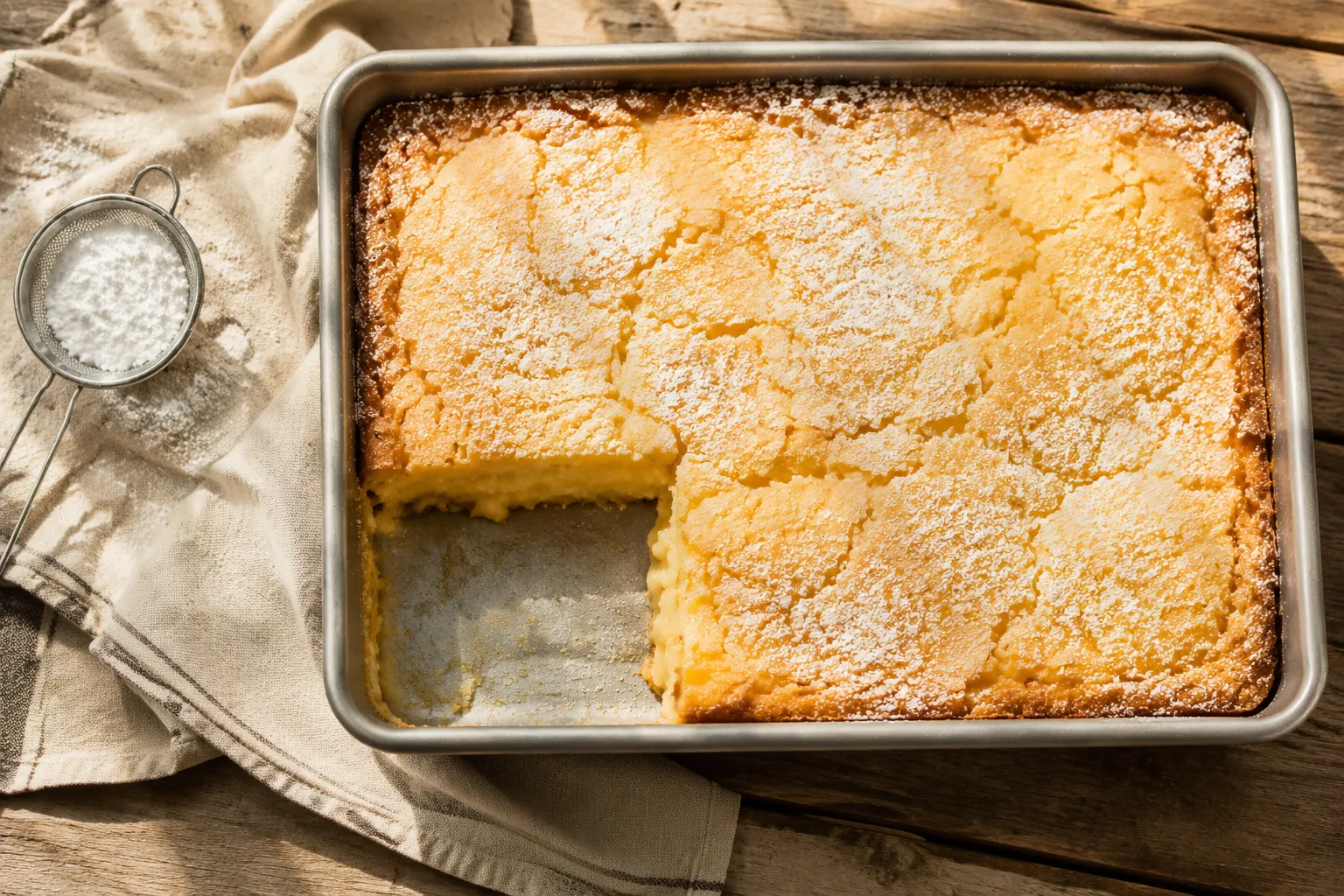
Bake for 38 to 42 minutes. The edges will turn deep golden brown and start to pull away from the pan. The center should look set on top but jiggle clearly when you nudge the pan, like a barely-set cheesecake. This is the single most important moment in the bake. If the middle looks dry and firm, you've gone too far. Cool the pan on a wire rack to room temperature, then dust generously with powdered sugar and slice into 16 squares.
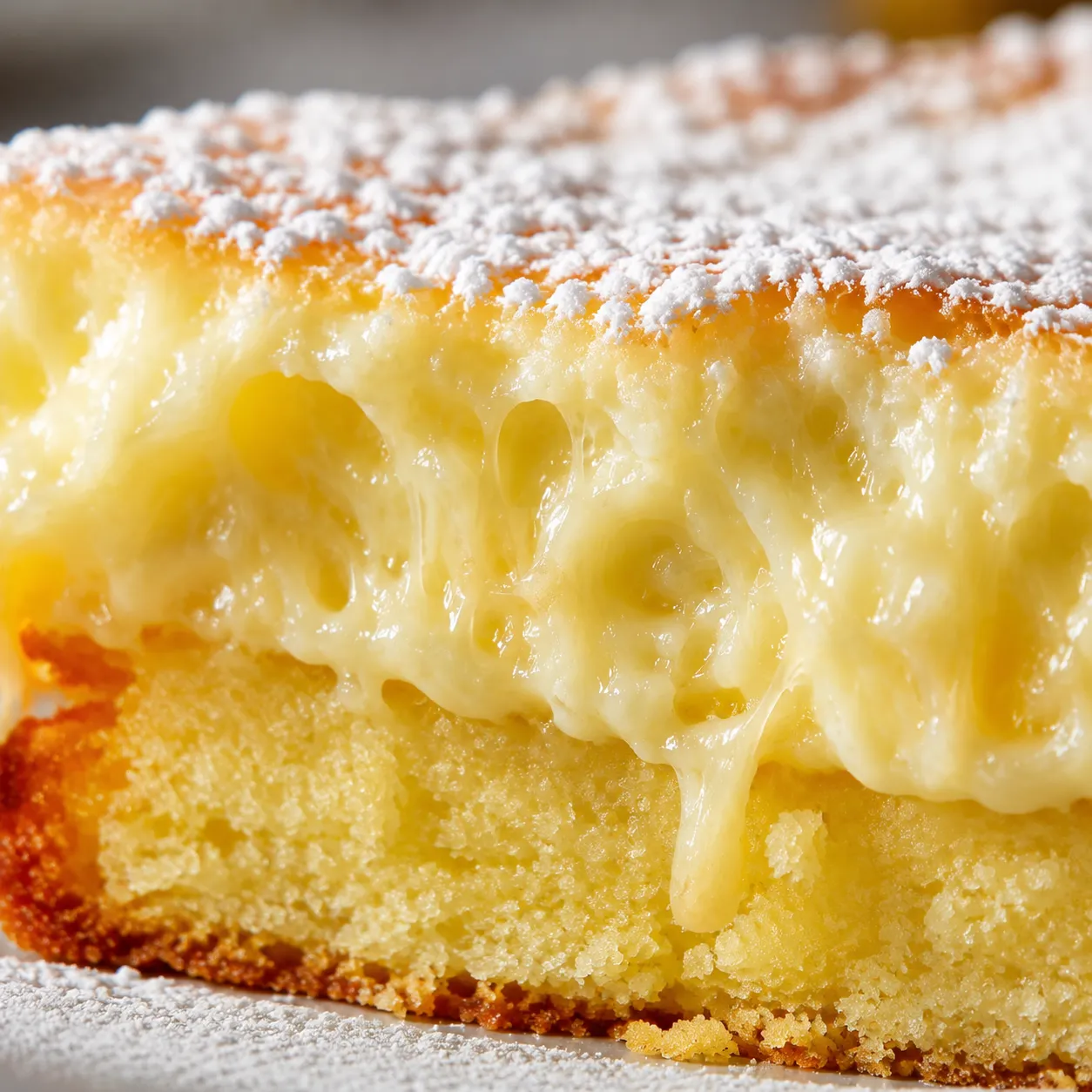
That signature wobble is what separates a real ooey gooey butter cake from a dried-out look-alike. The egg, butter, and cream cheese filling sets through residual heat as the pan cools, the same way a custard or flan tightens up after baking. If you bake it until the center is fully firm in the oven, by the time it's at room temperature, you've got a cheesecake bar. Still tasty, but missing the point. The gooey layer should be pillowy, almost spoonable in the very center, with slightly firmer edges that hold a clean cut.
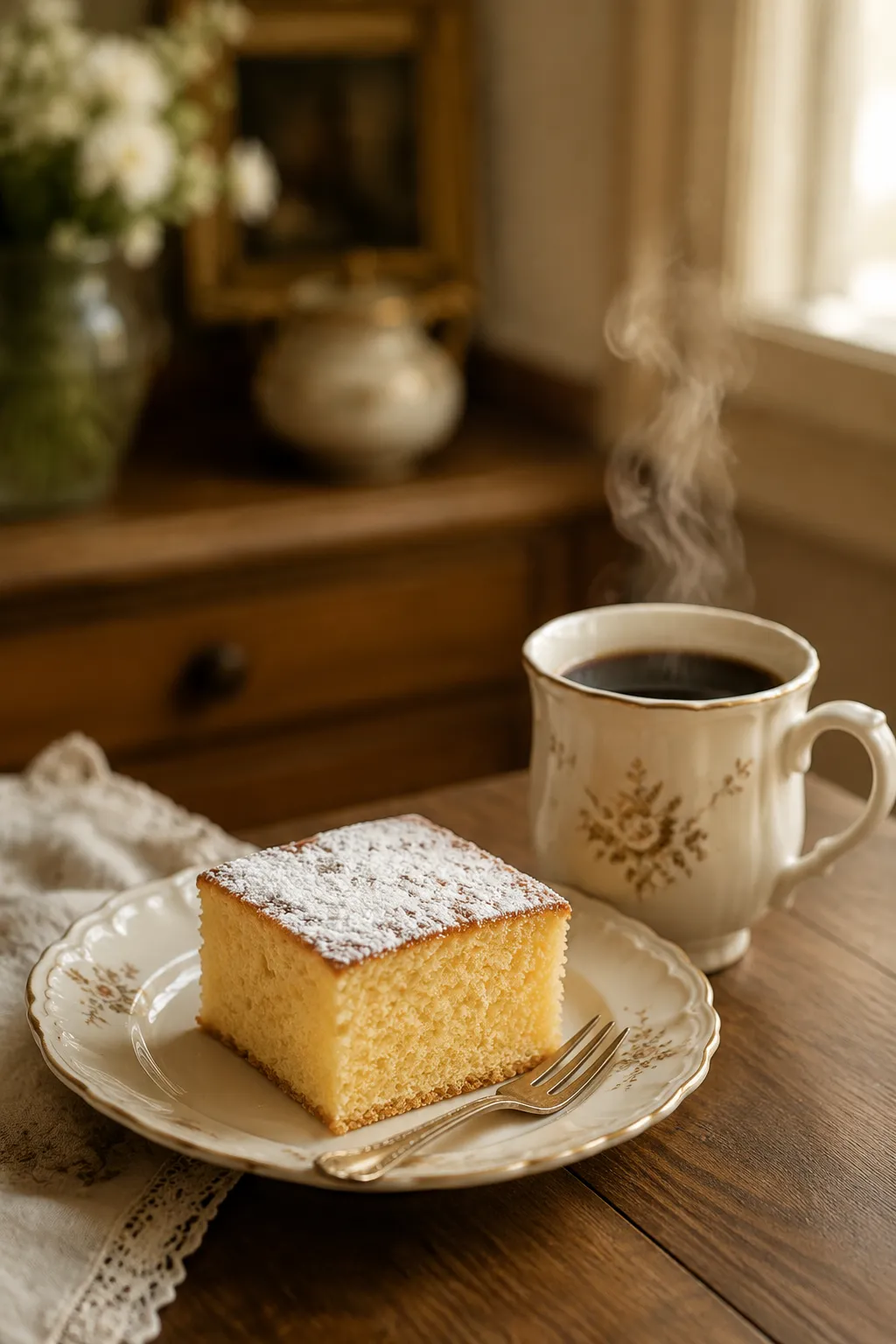
Traditionally, you serve squares at room temperature with a strong cup of black coffee. The bitterness cuts through all that powdered sugar beautifully. For a brunch spread, pair it with fresh berries and a simple fruit salad to lighten the plate. For dessert after dinner, a scoop of vanilla bean ice cream on a slightly warm square is borderline transcendent. A drizzle of bourbon caramel sauce takes it into special-occasion territory without much extra effort.
This is also one of my go-to potluck dessert ideas for exactly the reasons you'd expect: it travels well in its pan, it feeds 16, and it looks impressive without requiring any frosting skills. Cover the pan with foil, dust the top with extra powdered sugar right before serving, and you're the hero of the table.
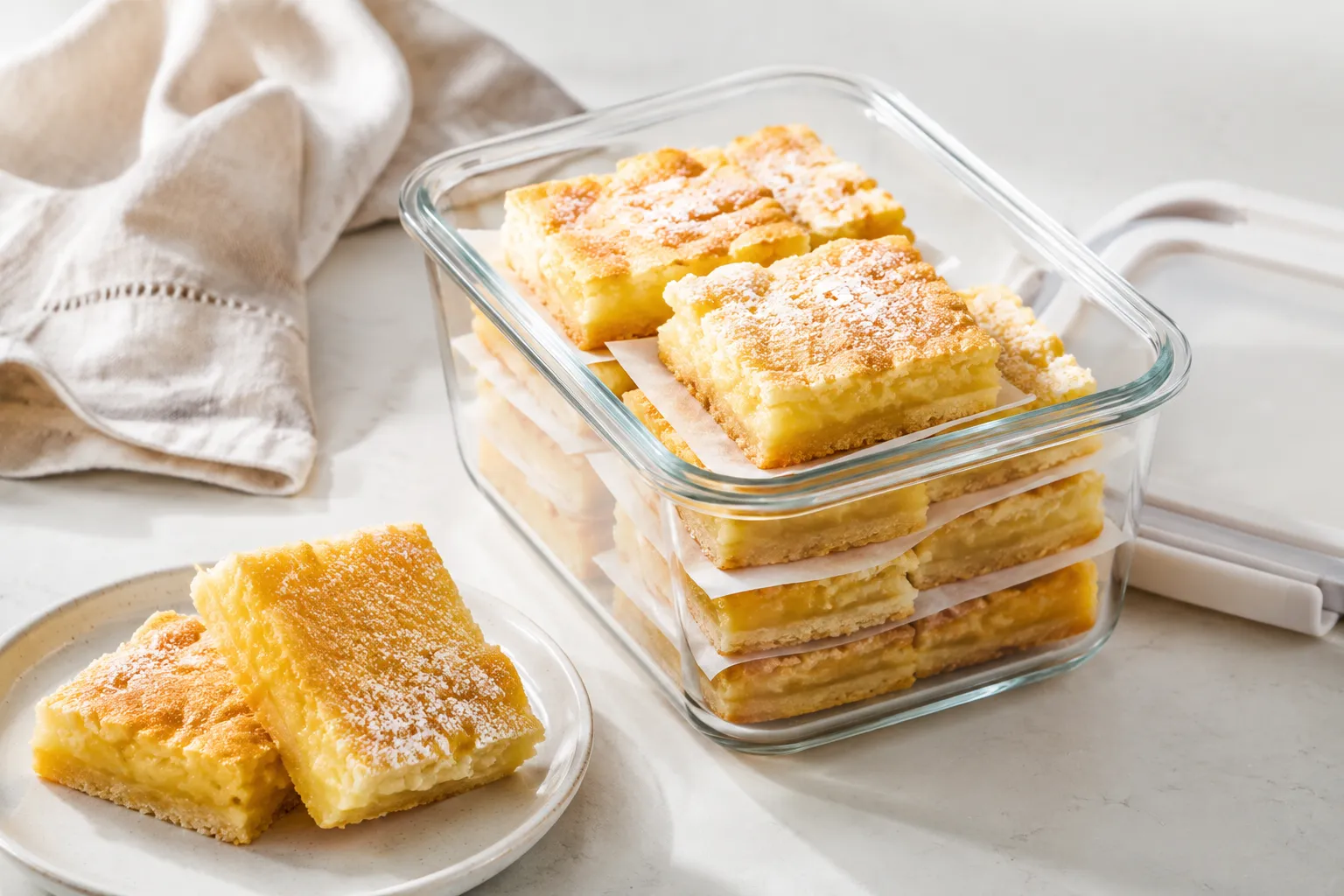
The cake is genuinely better the day after baking. The base softens slightly, the gooey layer settles, and the flavors meld. If you're baking for a party, make it the night before, refrigerate covered, and bring it back to room temperature for about an hour before serving. For long-distance gifting, cut the squares cold (much cleaner edges that way), stack them with parchment between layers in an airtight container, and add the final powdered sugar dusting at the destination so it stays bright white.
Once you've got the basic technique down, this ooey gooey cake recipe becomes a template as much as a recipe, which is exactly why so many St. Louis families guard their own version. Make it once, write your favorite tweaks in the margin, and pass the smudged page along. That's how the best desserts travel.
The core recipe is endlessly adaptable. The cake base and the cream cheese topping each take flavor additions beautifully, so once you're comfortable with the basic method, treat it as a blank canvas for the season.
Cover the cooled pan tightly with foil or transfer squares to an airtight container with parchment between the layers. Store in the refrigerator for up to 4 days. The cake actually improves overnight as the gooey layer continues to set and the flavors meld, so this is a wonderful make-ahead dessert. Bring slices back to room temperature for 30 to 60 minutes before serving for the softest texture, or warm individual squares in the microwave for 10 seconds for an almost-warm-from-the-oven feel.
To freeze, slice the fully cooled cake into squares, wrap each piece in plastic wrap, and place them in a freezer-safe bag or container for up to 2 months. Thaw overnight in the fridge or for a few hours on the counter, then dust with fresh powdered sugar right before serving so the top stays snowy white. Avoid freezing the whole pan undusted then thawing in one piece, the center can weep slightly and the edges may soften unevenly.