Chicken Lo Mein (Better Than Takeout in 30 Minutes)
4.8 from 12 reviews
0SHARES
Now Playing
Chicken Lo Mein (Better Than Takeout in 30 Minutes)
0:00
0:00
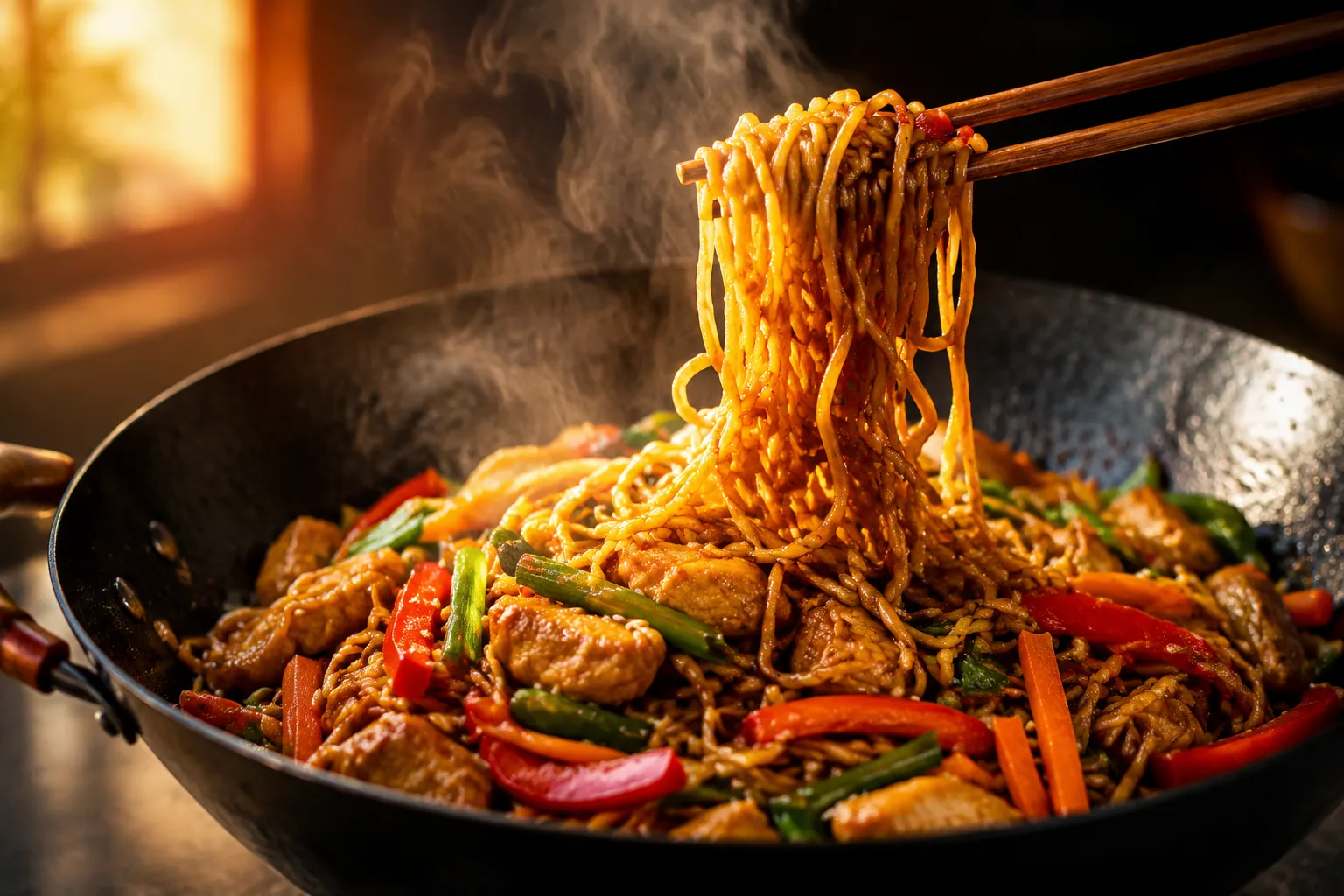
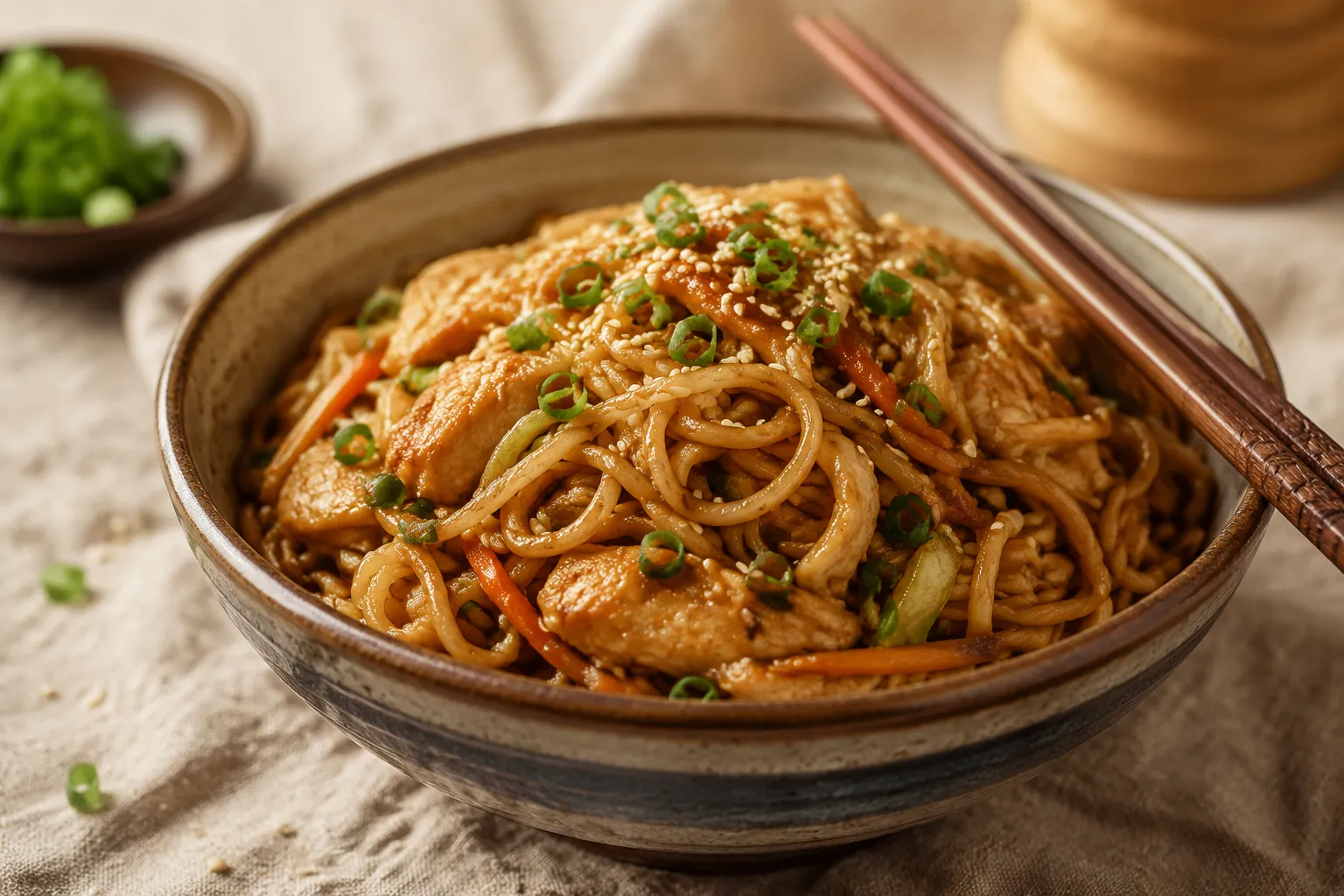
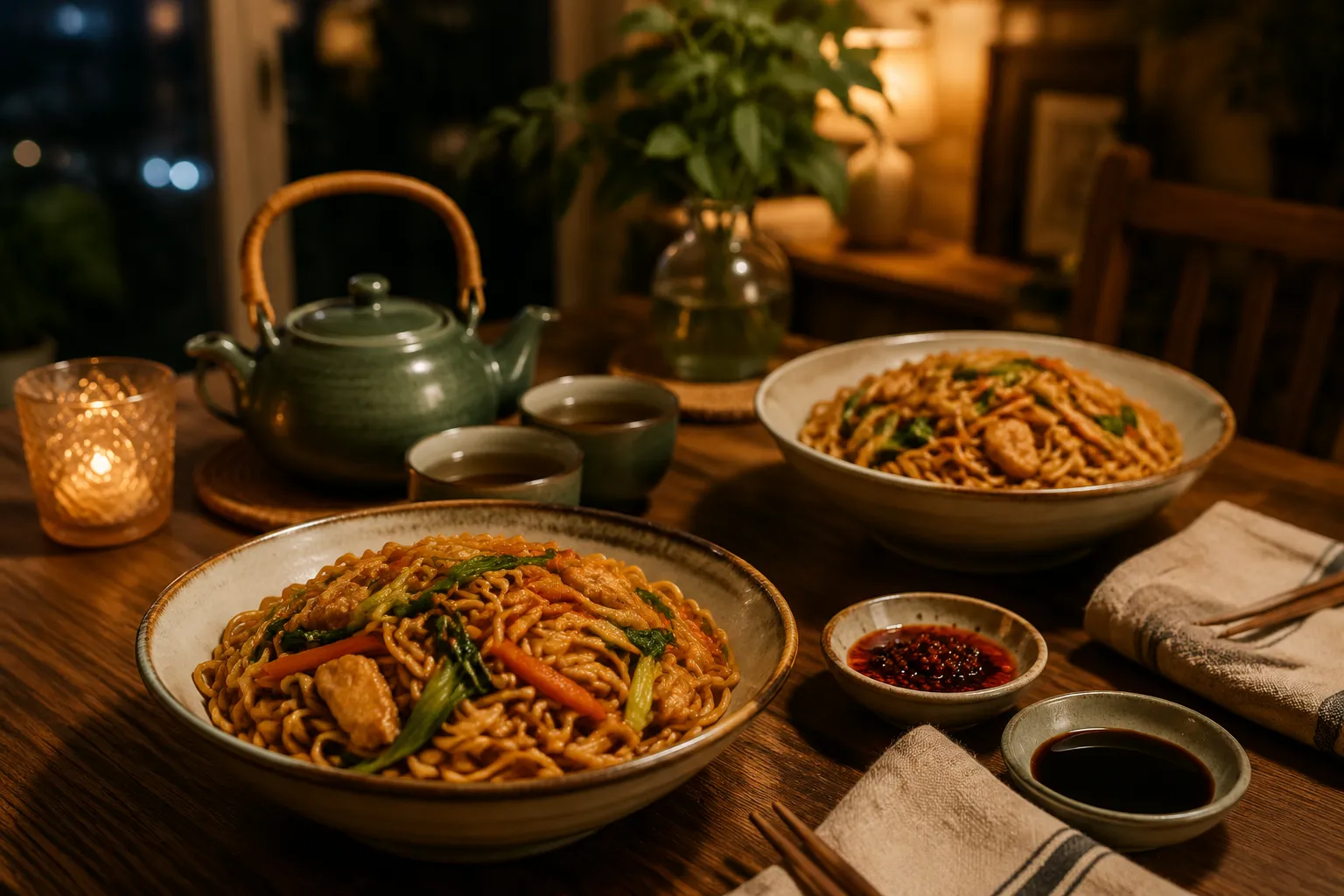
Skip the takeout menu — this chicken lo mein delivers silky noodles, juicy chicken, and crisp-tender veggies in a glossy savory sauce, all in 30 minutes.
Why You'll Love This Recipe
Faster than delivery: From prep to table, this recipe takes about 30 minutes, making it perfect for a busy weeknight.
Big takeout-style flavor: Soy sauce, oyster sauce, sesame oil, garlic, and ginger create a glossy, savory sauce that coats every noodle.
One-pan cooking: After boiling the noodles, everything comes together in one wok or large skillet for easier cleanup.
Fresh and flexible: Use the vegetables you have, adjust the spice level, and swap noodles or protein to fit your kitchen.
Family-friendly: The sauce is savory and balanced, not too spicy, with optional heat added at the table.
Chicken lo mein is the kind of fast, glossy, noodle-packed dinner that makes skipping takeout feel like a very good idea. You get tender slices of chicken, crisp-tender vegetables, and chewy noodles all tangled together in a savory soy sauce, oyster sauce, and sesame oil glaze that clings to every strand. It is cozy, quick, budget-friendly, and deeply satisfying in that Friday-night-takeout way — except it comes together in about 30 minutes in your own kitchen.
What makes this version special is the double-sauce method: a small amount of seasoning goes onto the chicken first, then a glossy finishing sauce is tossed through the noodles at the end. That simple restaurant-style move builds flavor in layers, so the chicken tastes seasoned from the inside out while the noodles get that slick, savory coating. If you love Asian noodle recipes but want something approachable enough for a Tuesday, this one belongs in your regular dinner rotation.
This is also a very forgiving stir fry. The vegetables can bend with what is in your crisper drawer, the noodles can be fresh or pantry-friendly, and the heat level is totally up to you. Pull out a wok if you have one, but a large skillet will absolutely get dinner on the table.
What Makes This Takeout-Style Noodle Dinner Work
The best takeout-style noodles are never watery, bland, or heavy with sauce pooling at the bottom of the pan. They are glossy, savory, and balanced, with just enough sauce to coat the noodles without turning them soggy. This recipe leans on high heat, thinly sliced chicken, and vegetables that cook quickly while keeping their color and crunch. The result is a homemade chicken stir fry that tastes fresh and vibrant but still scratches that comfort-food craving.
A big part of the magic is timing. The noodles are cooked just until tender, rinsed or tossed lightly so they do not clump, and added only after the chicken and vegetables are ready. From there, everything gets tossed quickly with the sauce so the noodles absorb flavor without overcooking.
Ingredients You’ll Need for Glossy Lo Mein
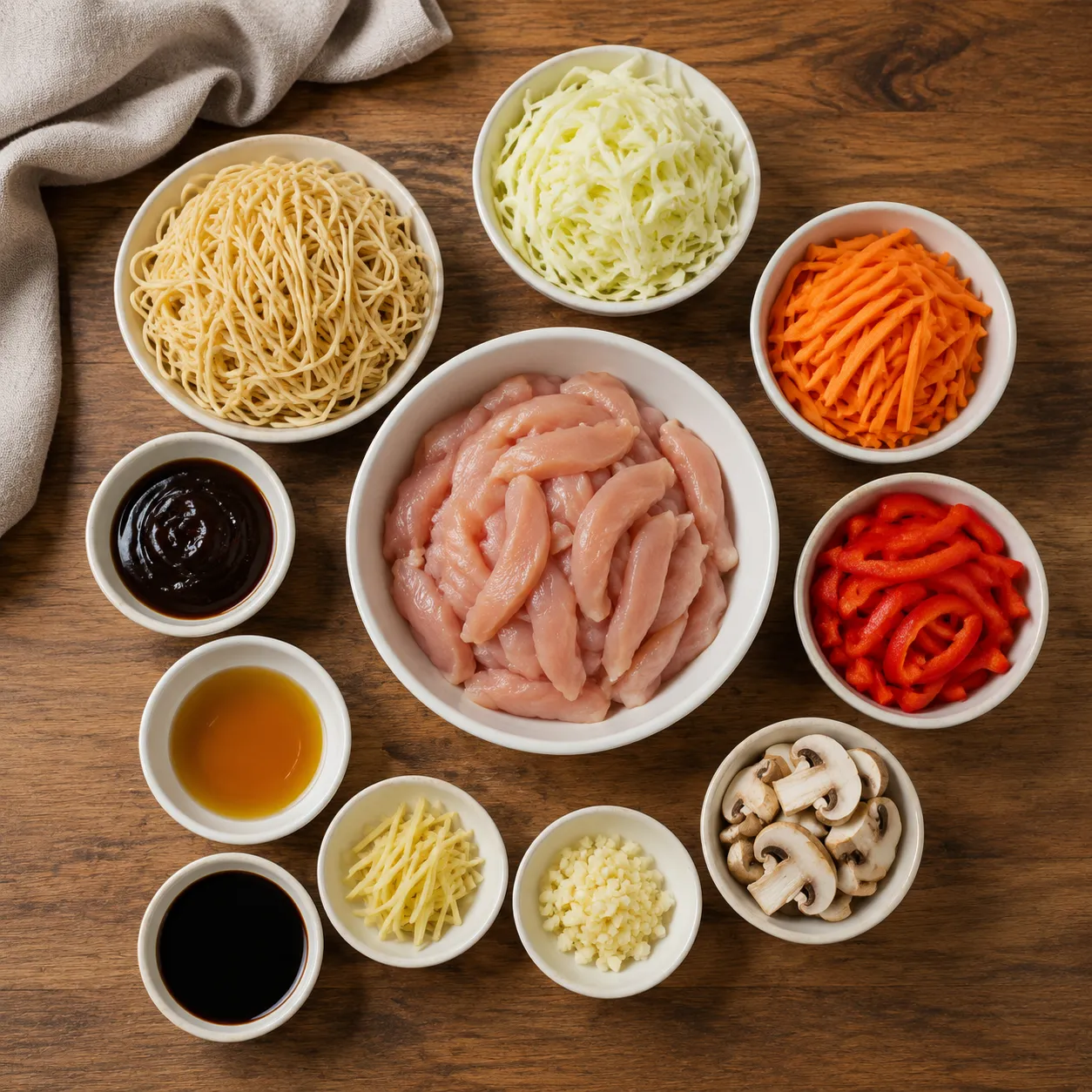
For the noodles, fresh lo mein noodles are ideal because they have a springy, chewy texture that feels closest to restaurant noodles. You can usually find them in the refrigerated section of many grocery stores or Asian markets. If fresh noodles are not available, dried egg noodles, spaghetti, or linguine can stand in nicely as long as you cook them al dente. The goal is a noodle sturdy enough to handle tossing in the pan without breaking down.
The chicken can be boneless skinless breast or thigh, depending on what you like. Breast is lean and cooks quickly, while thigh is a little richer and more forgiving over high heat. Slice it thinly across the grain so it sears fast and stays tender. A quick marinade with soy sauce, a touch of sesame oil, and a little cornstarch gives the pieces a light velveted texture and helps them brown instead of steam.
The sauce is where the flavor settles in. Soy sauce brings salt and depth, oyster sauce adds savory sweetness and body, brown sugar rounds the edges, and toasted sesame oil gives the whole pan that nutty aroma you recognize the second it hits the heat. If you need a soy sauce substitute, low-sodium tamari is the easiest swap, and coconut aminos can work if you prefer something a little sweeter and less salty. For the best balance, taste your sauce before adding it to the pan and adjust with a splash of water, a pinch of sugar, or a little more soy as needed.
Vegetables should cook quickly and add contrast. Shredded cabbage softens into silky ribbons, carrots stay bright and slightly sweet, bell pepper brings color, and mushrooms add a meaty, savory bite. Green onions go in at the end so they stay fresh and sharp. Garlic and ginger are non-negotiable here; they give the sauce its lift and keep the whole dish from tasting flat.
Building the Savory Soy-Sesame Sauce
A good stir-fry sauce should be bold enough to season the noodles but not so salty that it overpowers the chicken and vegetables. For this recipe, the finishing sauce combines low-sodium soy sauce, oyster sauce, toasted sesame oil, brown sugar, garlic, ginger, and a splash of water to help everything loosen in the wok. The brown sugar is not there to make the dish sweet; it balances the salt and helps create that caramel-brown sheen. If your oyster sauce is especially thick, whisk the sauce well so it pours smoothly when the pan is hot.
The double-sauce technique is the detail that makes the biggest difference. Instead of relying on one pour of sauce at the end, a small amount of seasoning works into the chicken first, then the finishing sauce coats the noodles later. This gives you seasoned chicken, flavorful vegetables, and noodles that taste integrated rather than simply dressed.
How to Make Better-Than-Takeout Lo Mein
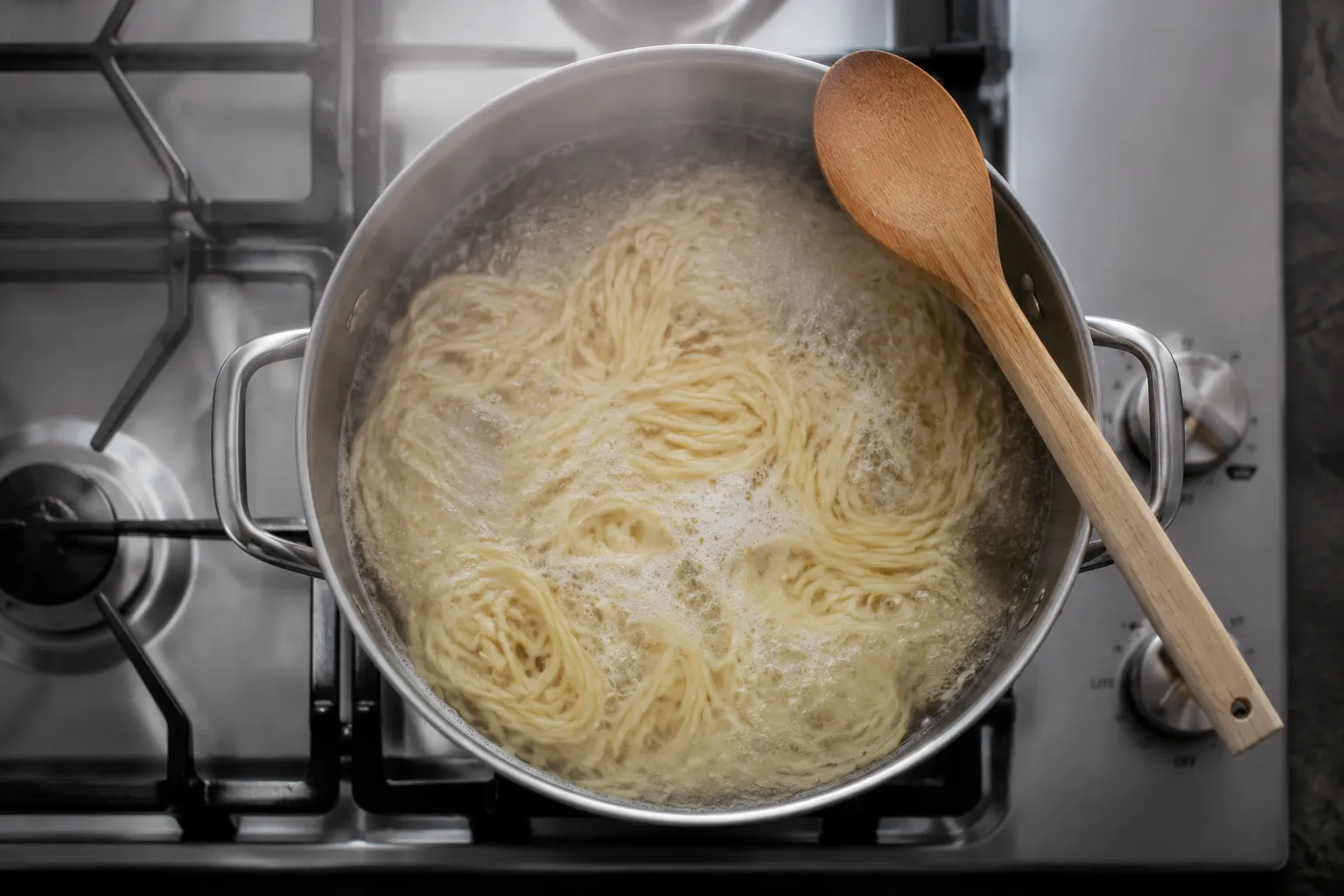
Start by cooking the noodles in boiling water just until tender. Fresh noodles may need only a couple of minutes, while dried noodles will take longer, so use the package directions as a guide but check early. Drain well and toss with a tiny drizzle of oil if they seem sticky. You want the noodles loose and ready before anything hits the hot pan.
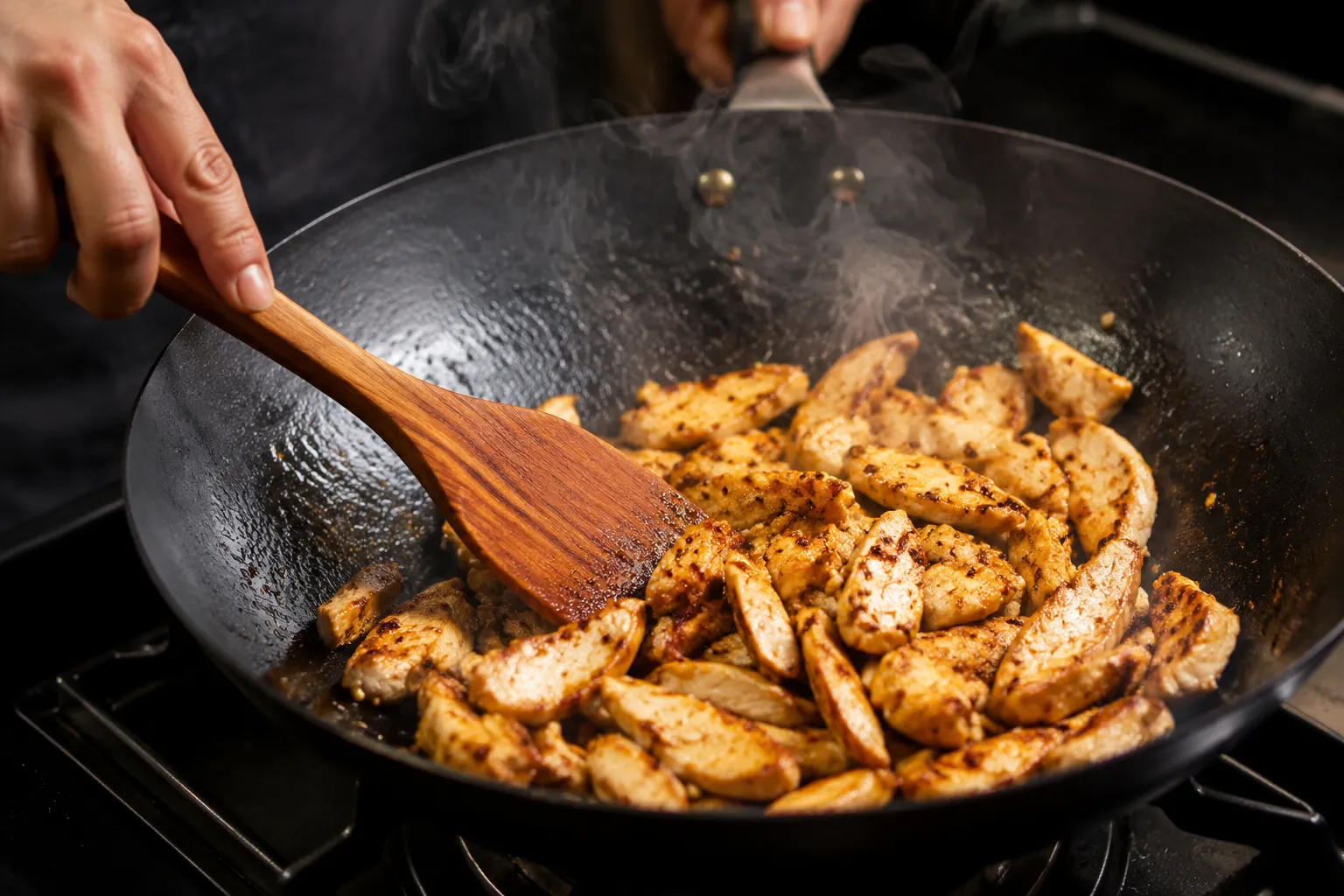
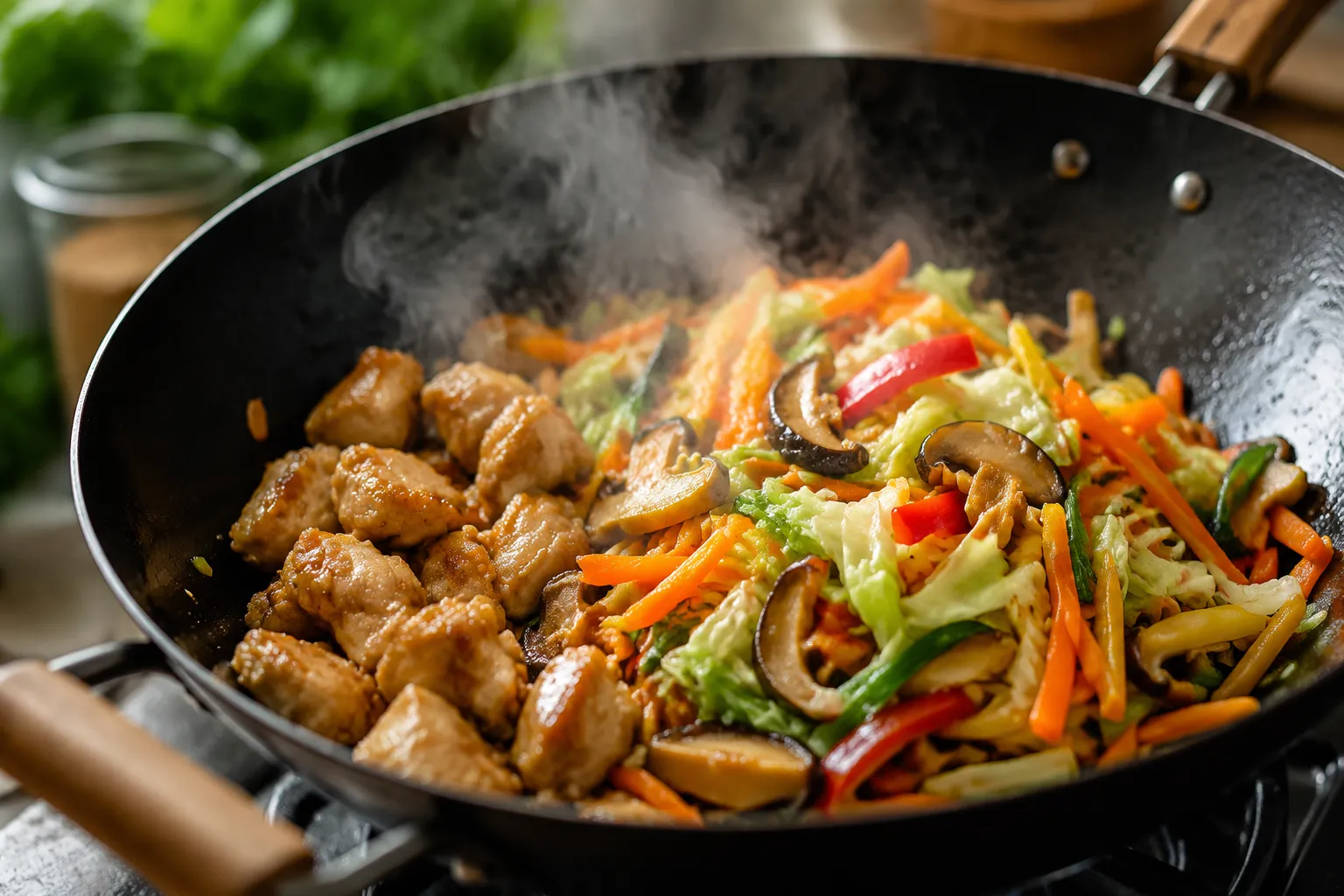
Next, sear the marinated chicken in a very hot wok or wide skillet. Give the pan time to heat before adding oil, then spread the chicken into a single layer so it can brown on the edges. Resist the urge to stir constantly during the first minute; that contact with the pan is what creates savory caramelization. Once the chicken is mostly cooked through, transfer it to a plate so it does not overcook while the vegetables go in.
The vegetables cook quickly in the same pan. Add a little more oil if needed, then stir fry the mushrooms, carrots, cabbage, and bell pepper until they are bright and just tender. Garlic and ginger should go in near the end of this stage so they become fragrant without burning. If the pan looks dry, a tablespoon of water can help steam the vegetables lightly while still keeping the heat high.
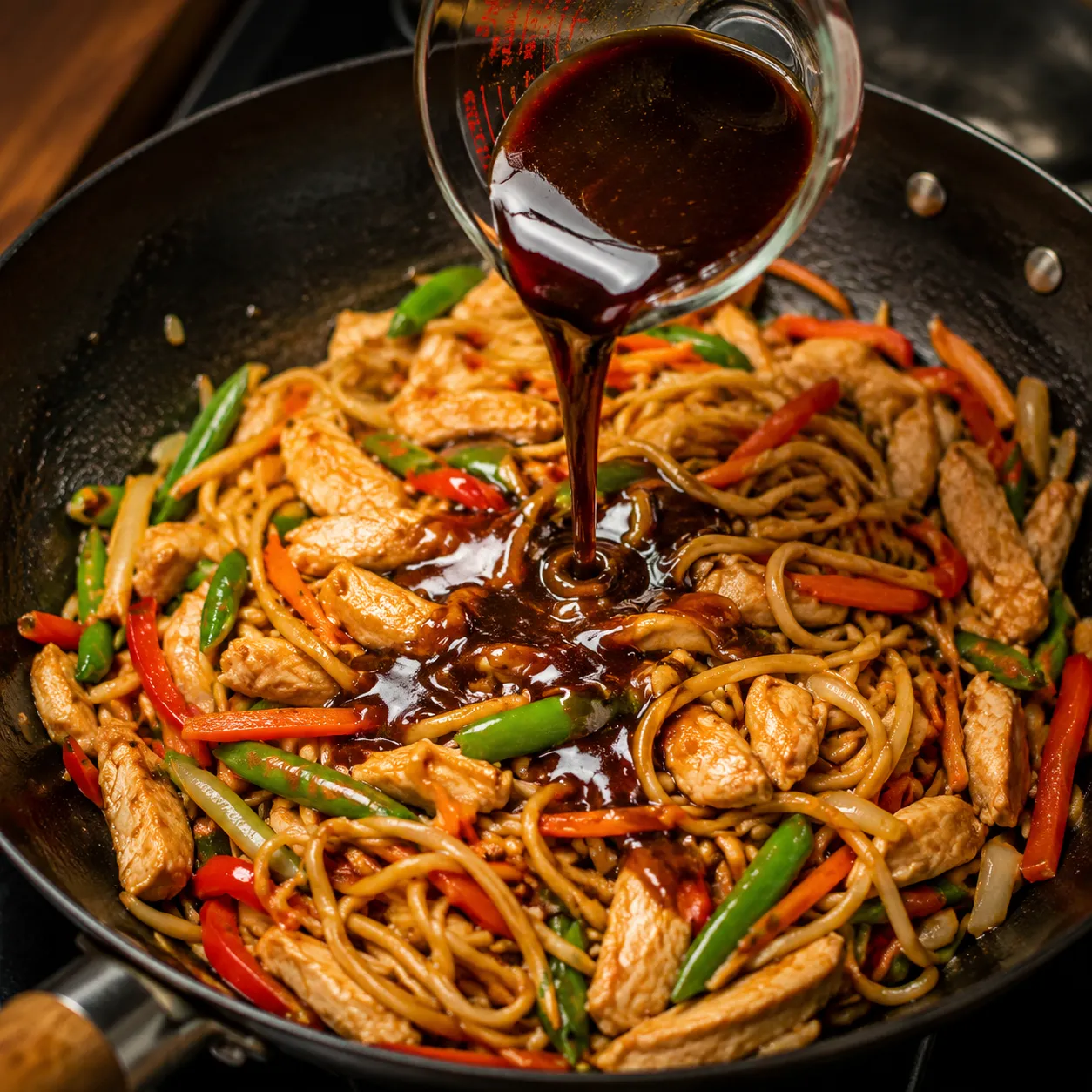
Once the vegetables are ready, return the chicken to the pan and add the noodles. Pour the sauce over the top and toss with tongs or two spatulas until every strand is coated and glossy. This final toss should be quick but thorough, just long enough for the sauce to cling and the noodles to heat through. Finish with sliced green onions, a sprinkle of sesame seeds if you like, and a little chili crisp for heat.
Choosing and Cooking the Noodles
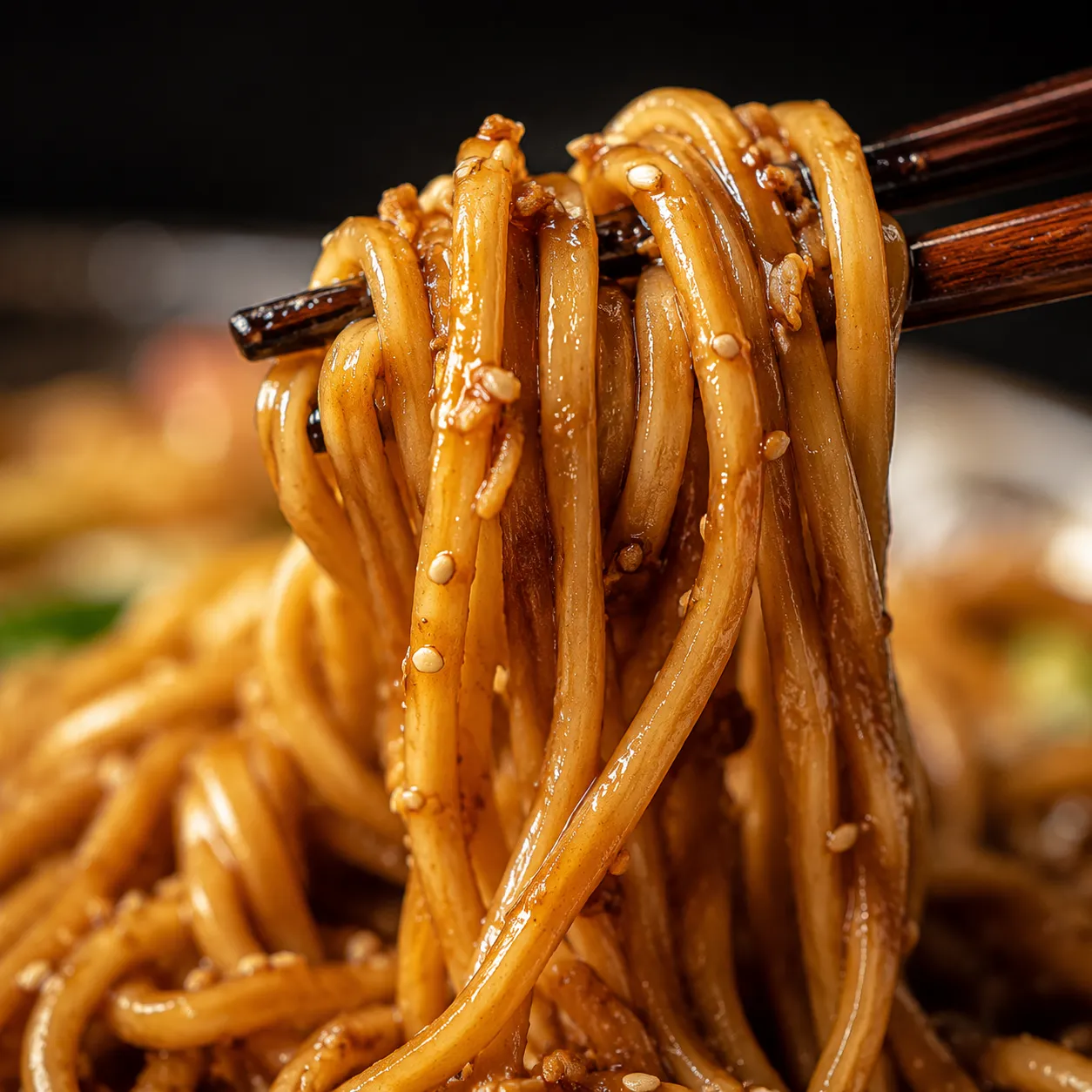
The noodle texture can make or break this dish, so it is worth giving them a little attention. Fresh egg-style lo mein noodles have a bouncy bite and are the closest match for classic restaurant lo mein. Dried noodles are convenient and still delicious, but they should be cooked shy of fully soft because they will spend another minute in the hot pan. If you are using spaghetti or linguine, choose regular rather than angel hair so the strands can hold up to tossing.
After draining, do not let the noodles sit in a tight pile for too long. A quick rinse can help remove excess starch from some dried noodles, while fresh noodles may only need a good shake in the colander. If they start to stick, a teaspoon of neutral oil can keep them separated until you are ready to stir fry. The goal is silky movement in the pan, not a clump you have to wrestle apart.
Serving Suggestions for a Complete Dinner
This is hearty enough to stand on its own, especially with the chicken, noodles, and vegetables all in one bowl. Still, it plays beautifully with a few simple sides if you want to make dinner feel more like a takeout spread. Egg rolls, potstickers, steamed dumplings, or scallion pancakes are all natural partners. A light cucumber salad with rice vinegar and sesame seeds is especially nice because it cuts through the richness of the sauce.
For something cozy, serve it with a simple broth-based soup, like egg drop soup or a clear ginger vegetable soup. If you are feeding a group, set out chili crisp, extra green onions, sesame seeds, and lime wedges so everyone can finish their bowl the way they like. It is an easy weeknight dinner, but with a few toppings and sides it can feel weekend-worthy. Leftover noodles also make an excellent next-day lunch if you reheat them gently.
Make-Ahead Notes for Busy Nights
The fastest path to dinner is prepping the components ahead without cooking everything in advance. Slice the chicken, chop the vegetables, and whisk the sauce up to a day before you plan to cook. Keep everything in separate containers in the refrigerator so the vegetables stay crisp and the chicken does not release extra moisture into the sauce. When dinner time hits, all that is left is boiling noodles and stir-frying.
You can also cook the noodles a few hours ahead, drain them well, and toss them lightly with oil. Store them covered in the refrigerator, then loosen them with your hands or tongs before adding them to the hot pan. If you do this, give the noodles an extra minute in the wok with the sauce so they heat through evenly.
A Fresh, Fast Dinner Worth Repeating
There is something deeply rewarding about pulling a pan of glossy noodles off the stove and realizing dinner took less time than delivery. This chicken lo mein gives you all the familiar comfort of takeout with fresher vegetables, juicy chicken, and a sauce you can adjust exactly to your taste. It is flexible, fast, and satisfying without asking for specialty techniques beyond a hot pan and a little prep.
Keep this recipe in your back pocket for nights when you want big flavor without a big project. Once you have the basic method down, you can use the same sauce-and-stir-fry rhythm with different proteins, vegetables, and noodle shapes. It is the kind of meal that quietly becomes a household staple — the one everyone is happy to see hit the table.
💡 Expert Tips
Use high heat: A hot wok helps the chicken sear quickly and gives the noodles that lightly smoky restaurant-style flavor.
Do not overcook the noodles: Cook them just until tender or slightly al dente since they will finish heating in the pan with the sauce.
Prep before cooking: Stir-frying moves fast, so slice the chicken, chop the vegetables, and whisk the sauce before turning on the stove.
Avoid crowding the pan: If your skillet is small, sear the chicken in batches so it browns instead of steaming.
Toss, don’t simmer: Once the sauce goes in, toss everything just until glossy and hot so the noodles stay springy.
🔄 Variations & Substitutions
This recipe is easy to customize while keeping the same savory, glossy lo mein feel. Use the base sauce and method, then change the protein, vegetables, noodles, or heat level to suit what you have on hand.
Swap the protein: Try thinly sliced beef, shrimp, pork, tofu, or leftover rotisserie chicken.
Make it gluten-free: Use rice noodles or gluten-free spaghetti, tamari instead of soy sauce, and a certified gluten-free oyster sauce or hoisin-style sauce.
Add more vegetables: Snow peas, broccoli florets, baby corn, bok choy, zucchini, or bean sprouts all work well.
Make it spicy: Add chili garlic sauce, sriracha, crushed red pepper flakes, or chili crisp to the finishing sauce.
Go extra saucy: Increase the sauce by 25% if you like a looser, more heavily coated noodle dish.
🧊 Storage & Leftovers
Store leftovers in an airtight container in the refrigerator for up to 4 days. The noodles will continue to absorb sauce as they sit, so they may thicken slightly, but the flavor stays delicious.
To reheat, warm the lo mein in a skillet over medium heat with a splash of water, chicken broth, or soy sauce to loosen the noodles. Stir gently until hot. Freezing is not recommended because the noodles can become soft and mushy after thawing.
Frequently Asked Questions
What kind of noodles should I use for chicken lo mein?
Fresh lo mein or fresh egg noodles are the best choice because they have that springy, chewy texture you expect from restaurant-style lo mein. You can often find them in the refrigerated section of Asian markets or well-stocked grocery stores. If you cannot find them, dried egg noodles, spaghetti, or linguine will work in a pinch. Just cook the noodles al dente so they do not become too soft when tossed with the sauce.
What’s the difference between lo mein and chow mein?
Lo mein and chow mein often use similar wheat-based egg noodles, but the cooking method is different. Lo mein noodles are boiled until tender, then tossed with sauce, protein, and vegetables for a soft, glossy noodle dish. Chow mein noodles are usually stir-fried or pan-fried longer, giving them a drier, crispier texture. Think of lo mein as saucy and silky, while chow mein is more about crisp edges and fried noodle texture.
Can I make chicken lo mein gluten-free?
Yes, you can make a gluten-free version with a few smart swaps. Use rice noodles or gluten-free spaghetti in place of wheat-based lo mein noodles. Replace soy sauce with gluten-free tamari, and make sure your oyster sauce is labeled gluten-free, or use a gluten-free hoisin-style sauce if needed. Because gluten-free noodles can be more delicate, cook them just until tender and toss gently in the pan.
How do I store and reheat leftover lo mein?
Transfer leftovers to an airtight container and refrigerate for up to 4 days. For the best texture, reheat the noodles in a skillet over medium heat with a splash of water, broth, or a little extra soy sauce to loosen them. Stir gently until warmed through and glossy again. You can microwave leftovers, too, but pause to stir and add a small splash of liquid so the noodles do not dry out.
Can I freeze chicken lo mein?
Freezing is not ideal for lo mein because cooked noodles tend to soften and become mushy once thawed. The vegetables can also lose their crisp-tender texture. If you need to prep ahead, it is better to slice the chicken, chop the vegetables, and whisk the sauce in advance, then cook the dish fresh. For best results, enjoy lo mein right away or store leftovers in the refrigerator for a few days.
Chicken Lo Mein (Better Than Takeout in 30 Minutes)