Crispy Conch Fritters Recipe (Bahamian-Style Classic)
Ingredients
Scale
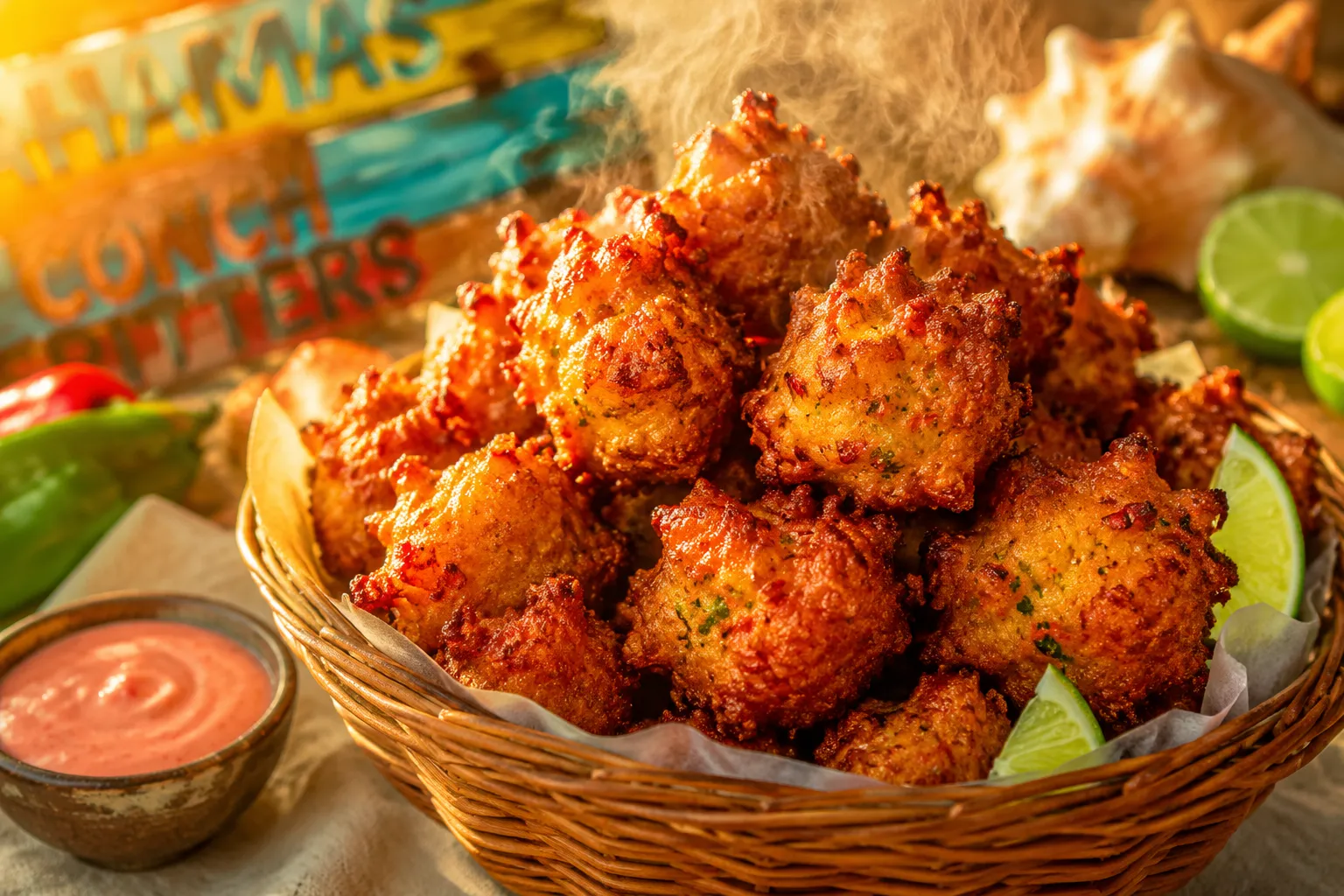
These Bahamian-style conch fritters are golden and crisp on the outside, tender and savory inside, and served with a tangy dipping sauce that tastes like a Caribbean vacation.
These crispy conch fritters bring a slice of the Bahamas straight to your kitchen, with golden, craggy edges that shatter into a tender, savory bite. If you've ever sat at a beachside shack in Nassau watching the cook spoon batter into bubbling oil, you already know the magic, and the good news is you don't need a passport to recreate it at home.
Inspired by the seaside fry stands of Arawak Cay, this Bahamian-style version leans into bright peppers, fresh lime, and a gentle whisper of scotch bonnet heat. The conch gets pounded tender, the batter stays light and lacy at the edges, and the whole thing gets dunked into a creamy pink sauce that tastes like a Caribbean vacation in one bite.
I've tested this recipe enough times to know the small moves that make a big difference: the right oil temperature, a very finely diced filling, and a dipping sauce that hits sweet, tangy, and just a little spicy all at once. Whether you're hosting a summer get-together or just want a special-occasion fried appetizer for movie night, these fried seafood appetizers absolutely belong on your table. They're crowd-pleasers in the truest sense, the kind of starter that vanishes from the platter before anyone has time to ask what's in them.
Before we get to the bubbling oil, let's talk about the star ingredient. Conch (pronounced "konk") is a large saltwater sea snail found throughout the Caribbean and Gulf of Mexico, with the queen conch being the species most prized for cooking. The meat is sweet, mildly briny, and lands somewhere between calamari and clam in flavor, with a clean ocean note that never tastes fishy or muddy when handled correctly.
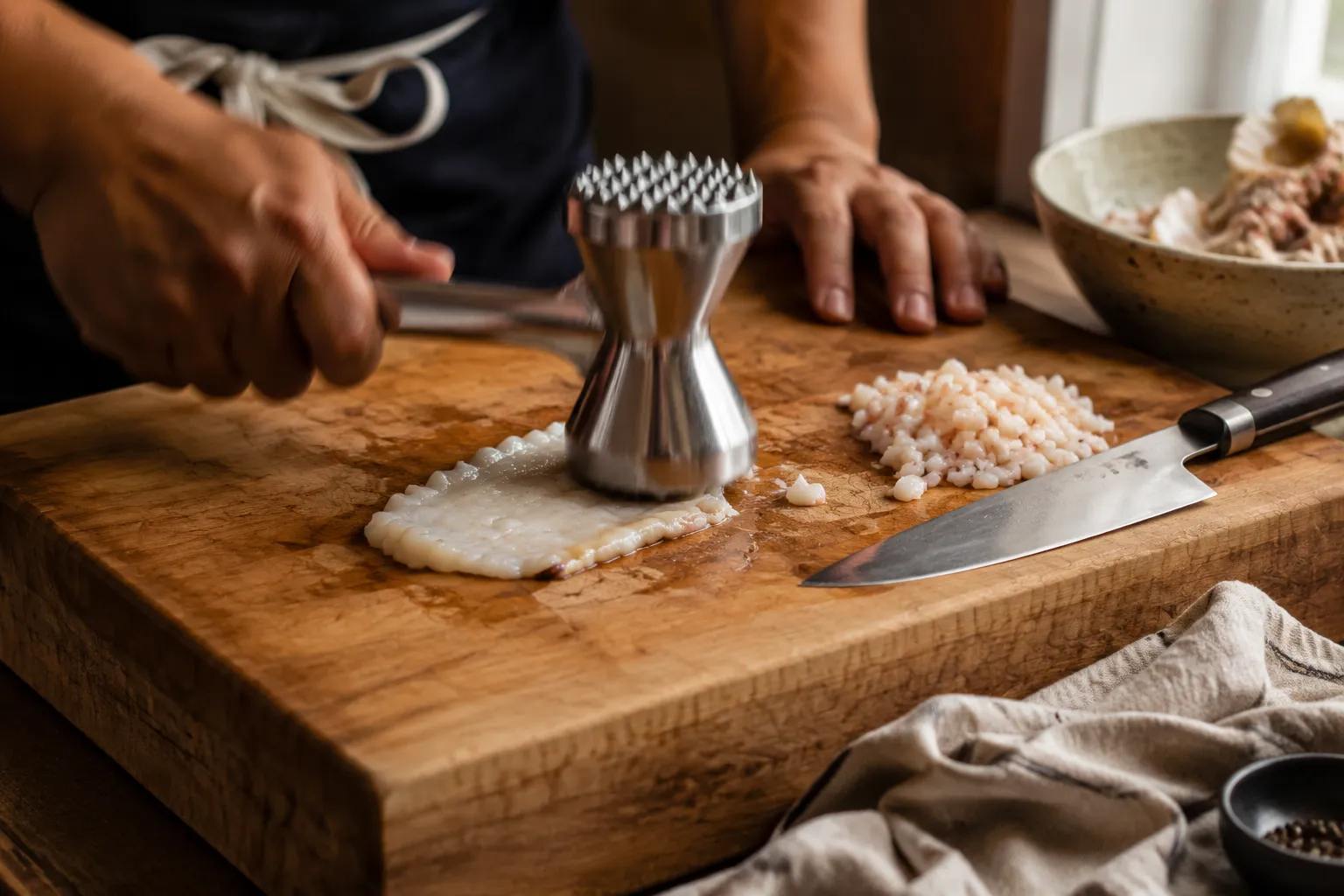
Texture is where things get interesting. Raw conch is firm and dense, almost like a stubborn scallop muscle, and if you don't break those fibers down, your fritters will fight back the moment you try to bite them. That's exactly why every authentic Bahamian conch fritters recipe starts with either pounding the meat with a mallet or pulsing it briefly in a food processor before it ever touches the batter.
In the US, your easiest path to quality conch is the freezer aisle. Caribbean grocery stores, Latin markets, and well-stocked Asian seafood counters often carry one-pound bags of cleaned, frozen conch meat for a reasonable price. Florida coastal markets in Miami, the Keys, and Tampa sometimes have it fresh when it's in season, and reliable online seafood retailers ship it nationwide on dry ice. If you're wondering how to clean conch yourself, most home cooks skip that step entirely. The shell removal, slime rinsing, and skin trimming is a messy project best left to the pros at the dock.
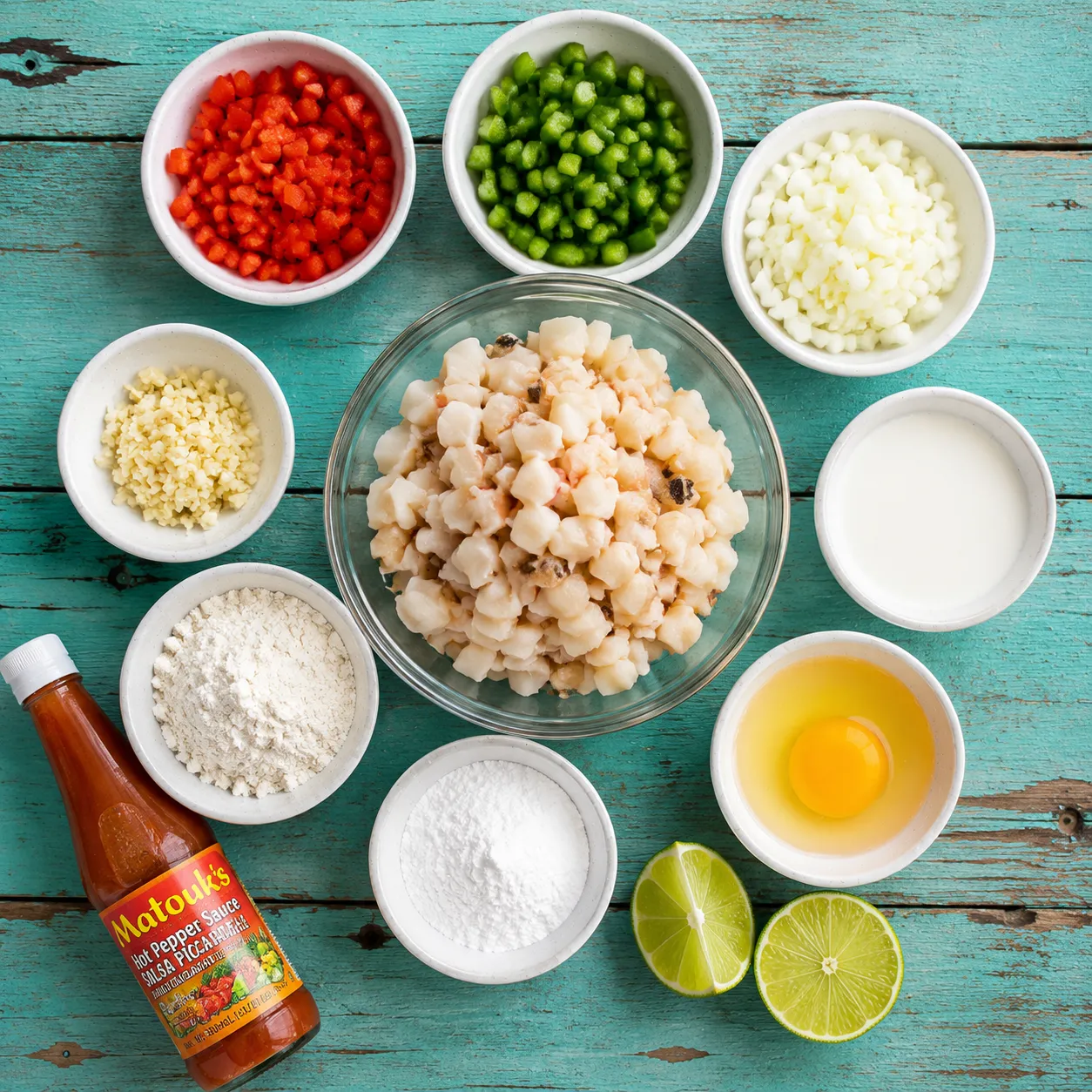
The ingredient list looks long at a glance, but almost everything besides the seafood already lives in your pantry. The base is a simple flour-and-egg batter loosened with whole milk and lifted with a teaspoon of baking powder for that classic puff. From there, finely diced red and green bell peppers, sweet yellow onion, and a couple of garlic cloves build the bright confetti look you see in every island fritter shack along Bay Street.
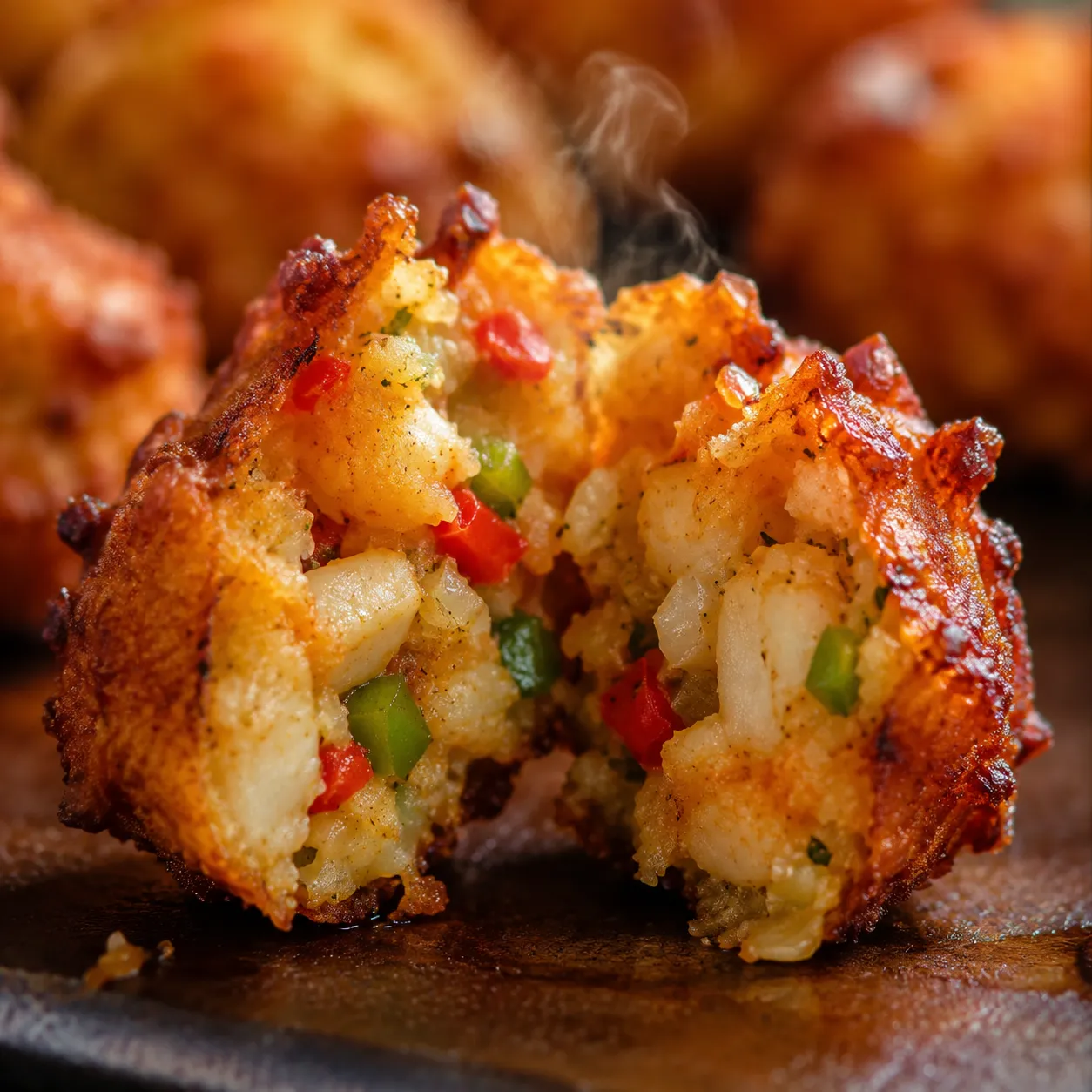
Fresh lime juice and hot sauce do the heavy lifting on flavor. I love a quarter of a minced scotch bonnet for true Bahamian heat with that fruity, almost mango-like edge, but a solid teaspoon of your favorite bottled hot sauce works beautifully if you can't find one or want to dial back the spice for a mixed crowd. The conch meat itself should be very finely diced, about the size of a grain of rice, so each bite gets little pockets of seafood flavor without any chewy chunks slowing you down.
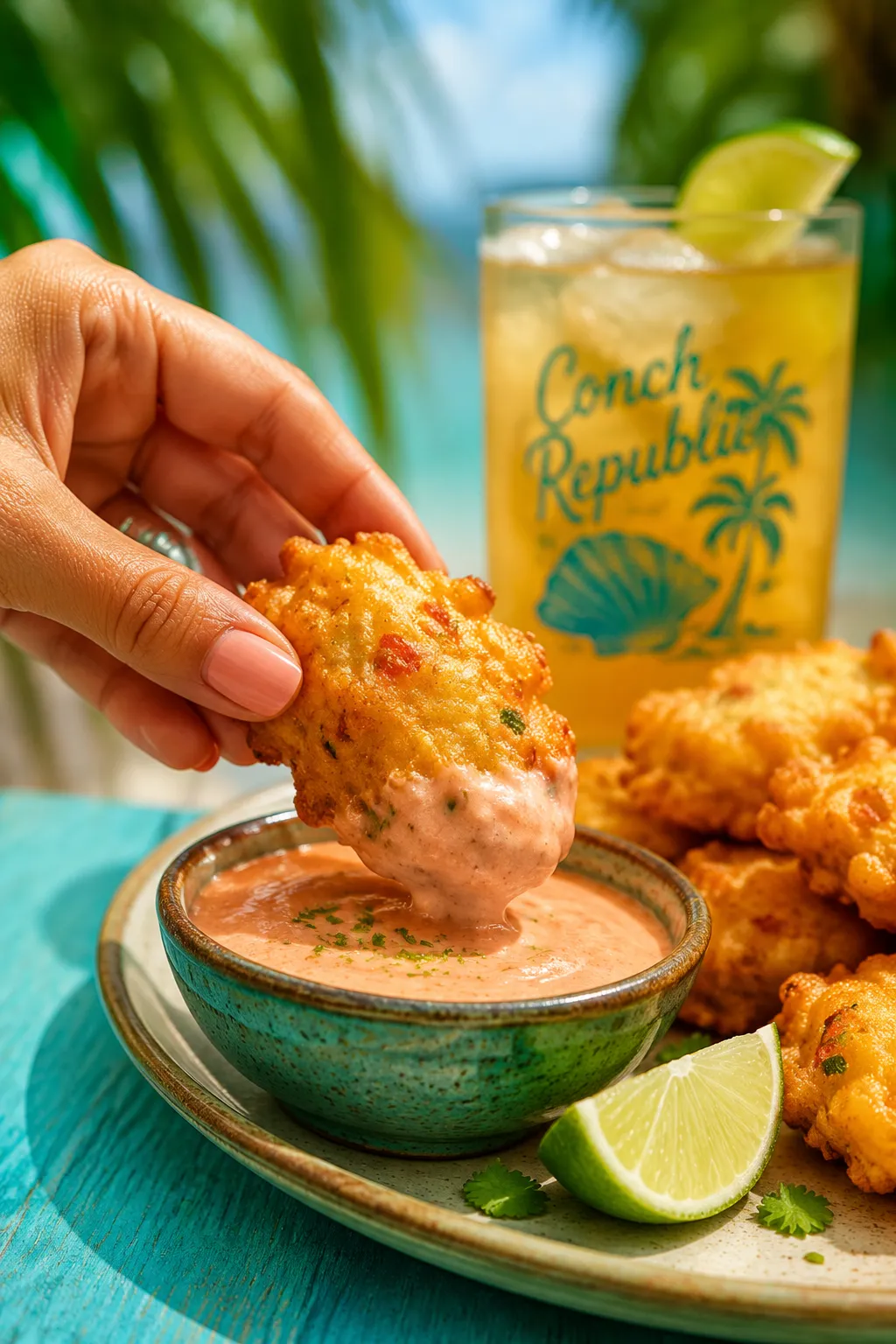
For the conch dipping sauce, you'll need mayonnaise, ketchup, fresh lime juice (key lime if you can find them at your market), a hit of hot sauce, and a pinch of garlic powder. It comes together in a small bowl with a whisk in about two minutes flat. If you want to dress it up for company or a brunch crowd, swap the classic pink sauce for a quick key lime aioli using zest, juice, and a little Dijon, same idea but a touch more elegant on the plate.
The full numbered method lives in the recipe card below, but here's the rhythm of the cook so you can plan ahead. You'll prep your conch first, mix the batter while the oil heats, fry in small batches, and finish with that knockout pink sauce. Plan on roughly thirty-five minutes from start to first bite, plus another five to actually catch your breath after everyone storms the platter.
Start by pounding the conch with a meat mallet until it flattens to about a quarter inch thick, then dice it as fine as you can manage with a sharp chef's knife. Some cooks pulse the conch meat in a food processor, which is faster but easier to overdo. Use short bursts and stop the moment you see a uniform, rice-grain texture. From there, the batter is a quick whisk-and-fold job that takes maybe five minutes from clean bowl to ready-to-fry.
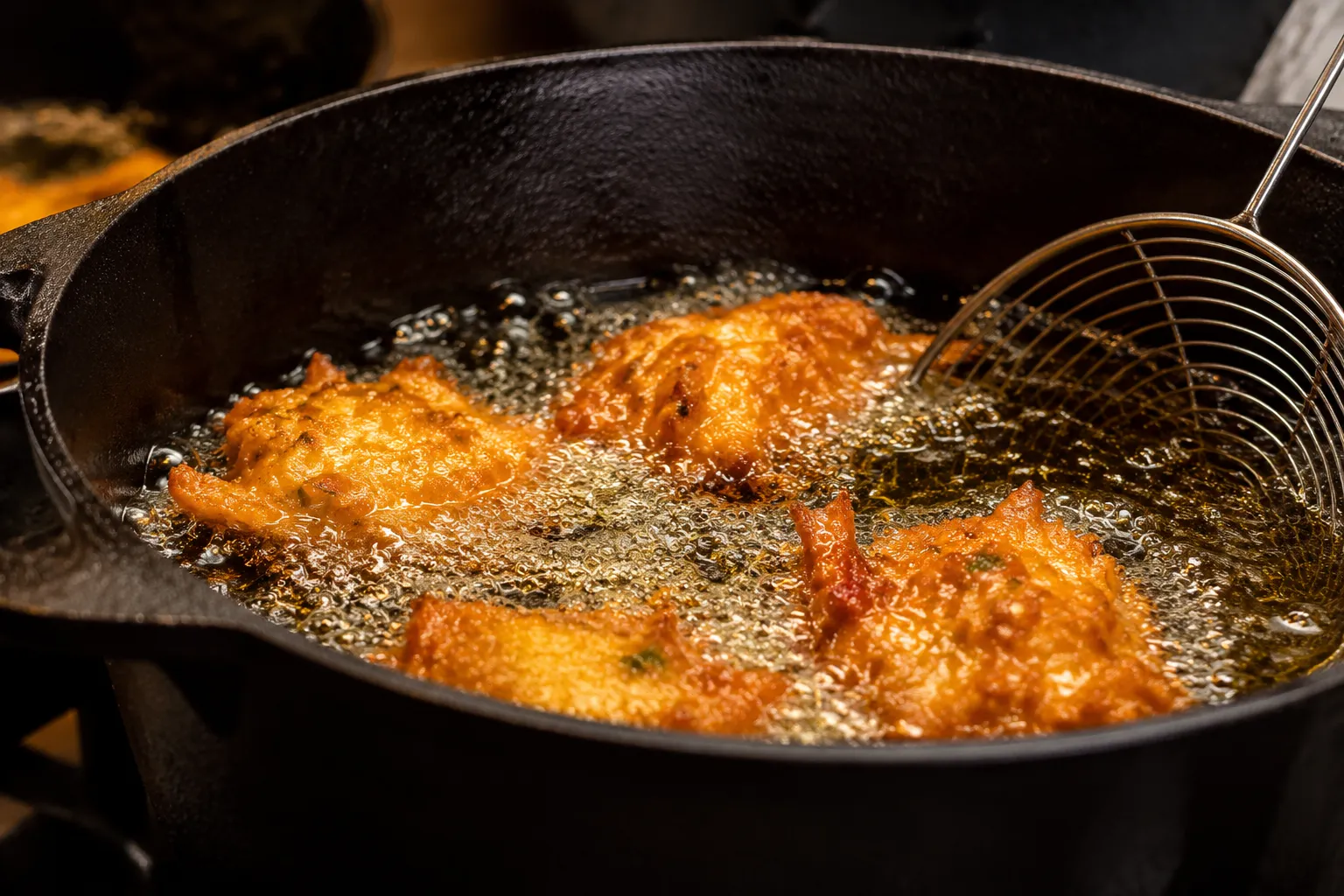
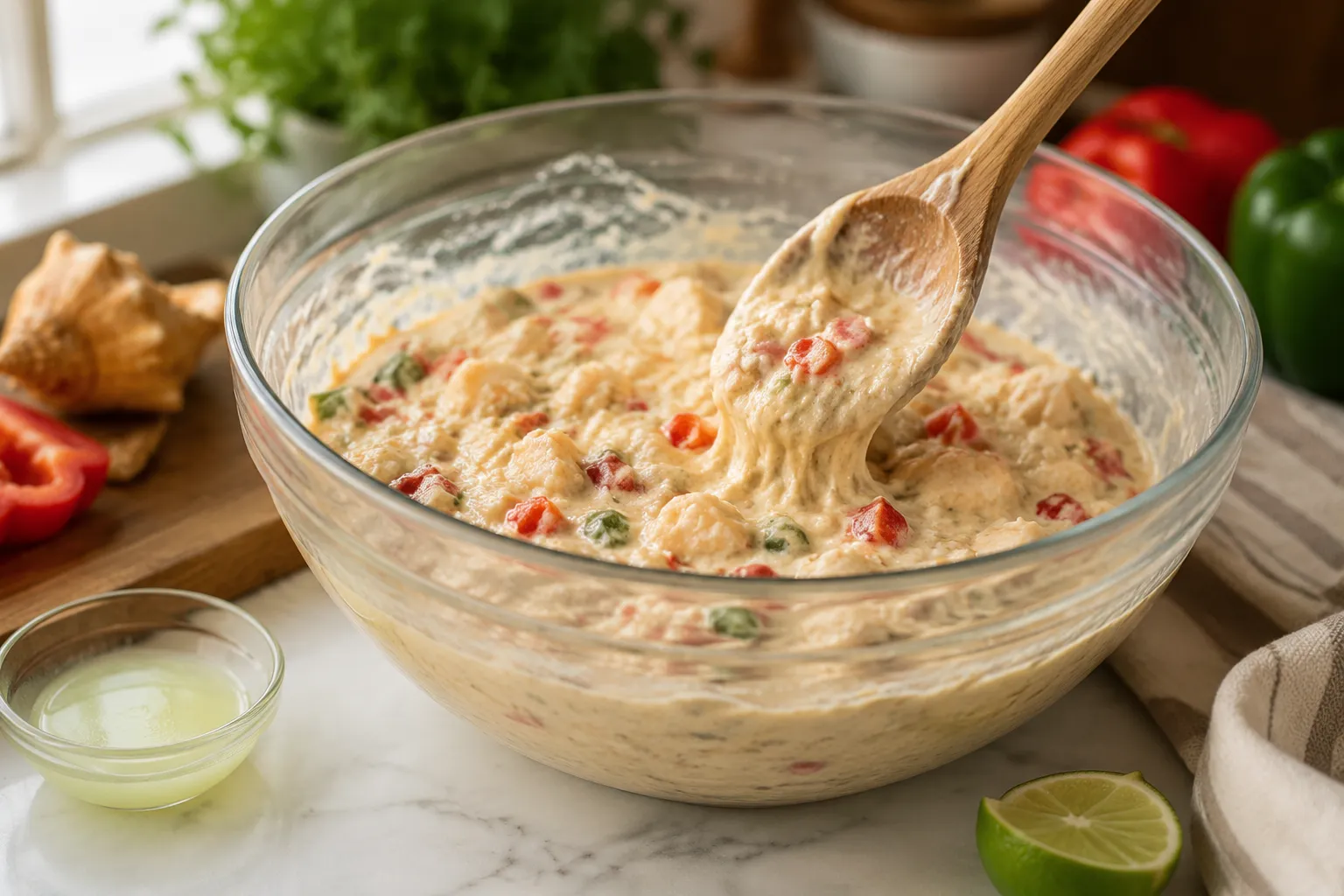
While the oil climbs to 350°F, whisk the dry ingredients in one bowl and the wet ingredients in another, then fold everything together with the diced vegetables and conch until just combined. Drop heaping tablespoons of batter into the oil, working in batches of five or six so the temperature doesn't crash and the fritters don't crowd each other. Each one takes about three to four minutes to turn deep golden brown all over, and they'll look craggy and irregular as they cook. That's exactly what you want.
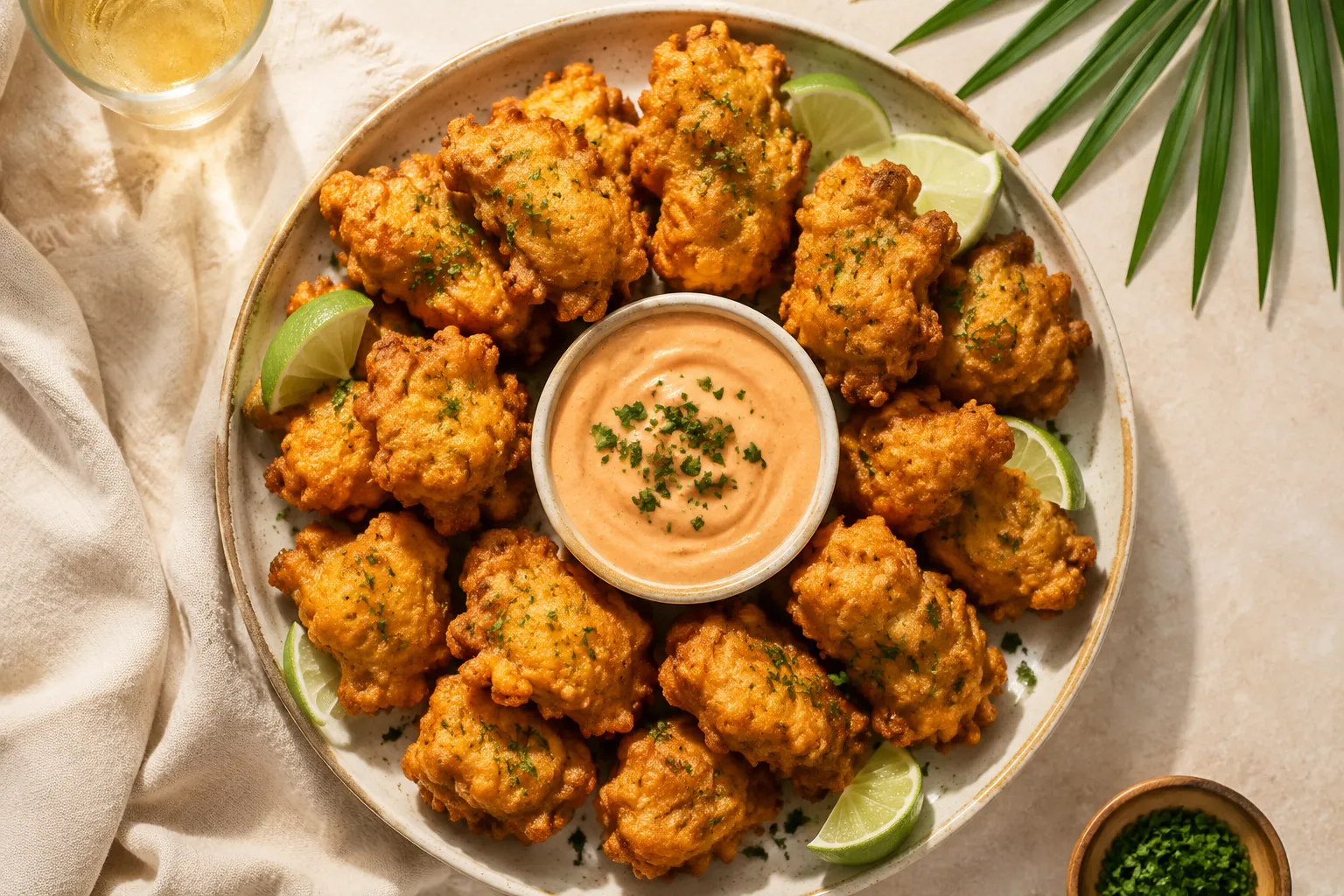
In Nassau, these conch fritters get served simply: piled high in a paper-lined basket with lime wedges and a small ramekin of pink sauce on the side. That's how I plate them at home too, especially when guests are still finding their seats with drinks in hand. The dipping sauce is non-negotiable in my book, but if you want to set out a second option, a sharp tartar sauce or a spoonful of mango chutney both play beautifully with the sweet conch meat.
For a full spread of Caribbean appetizers, pair the fritters with cold lager (Kalik or Sands if you can track them down at a specialty shop), a tall glass of dark and stormy, or fresh lemonade with mint and a little ginger. They love the company of a crisp green salad with mango and avocado, or a cozy bowl of peas and rice on a cooler evening. For game day, holiday parties, or potlucks, double the recipe and keep finished fritters warm on a wire rack in a 200°F oven so the crust stays shatter-crisp until the very last guest gets one.
These crispy little bites are also a fantastic stand-in anywhere you'd usually reach for hush puppies, shrimp fritters, or even crab cakes. I've slid them onto a brunch board right next to deviled eggs, scattered them over a bed of arugula with a quick lime vinaigrette for an easy salad-as-dinner moment, and piled them onto soft slider buns with shredded slaw for the kind of casual sandwich your friends will keep texting you about for days afterward.
Once you taste a homemade Bahamian conch fritter fresh from the oil, the frozen restaurant version simply stops making sense. This bright Caribbean recipe rewards the little bit of care you put into it, sourcing good conch meat, dicing patiently, holding the oil steady, with an appetizer that tastes exactly like the islands and disappears within minutes of hitting the table. Make a batch this weekend, pour something cold and citrusy, and watch your kitchen turn into the closest thing to a beachside shack that anyone in your zip code has ever seen.
This recipe is a sturdy base that takes well to swaps based on what you have, what you can find, and how spicy you like things. Once you've nailed the classic version a couple of times, have fun with it.
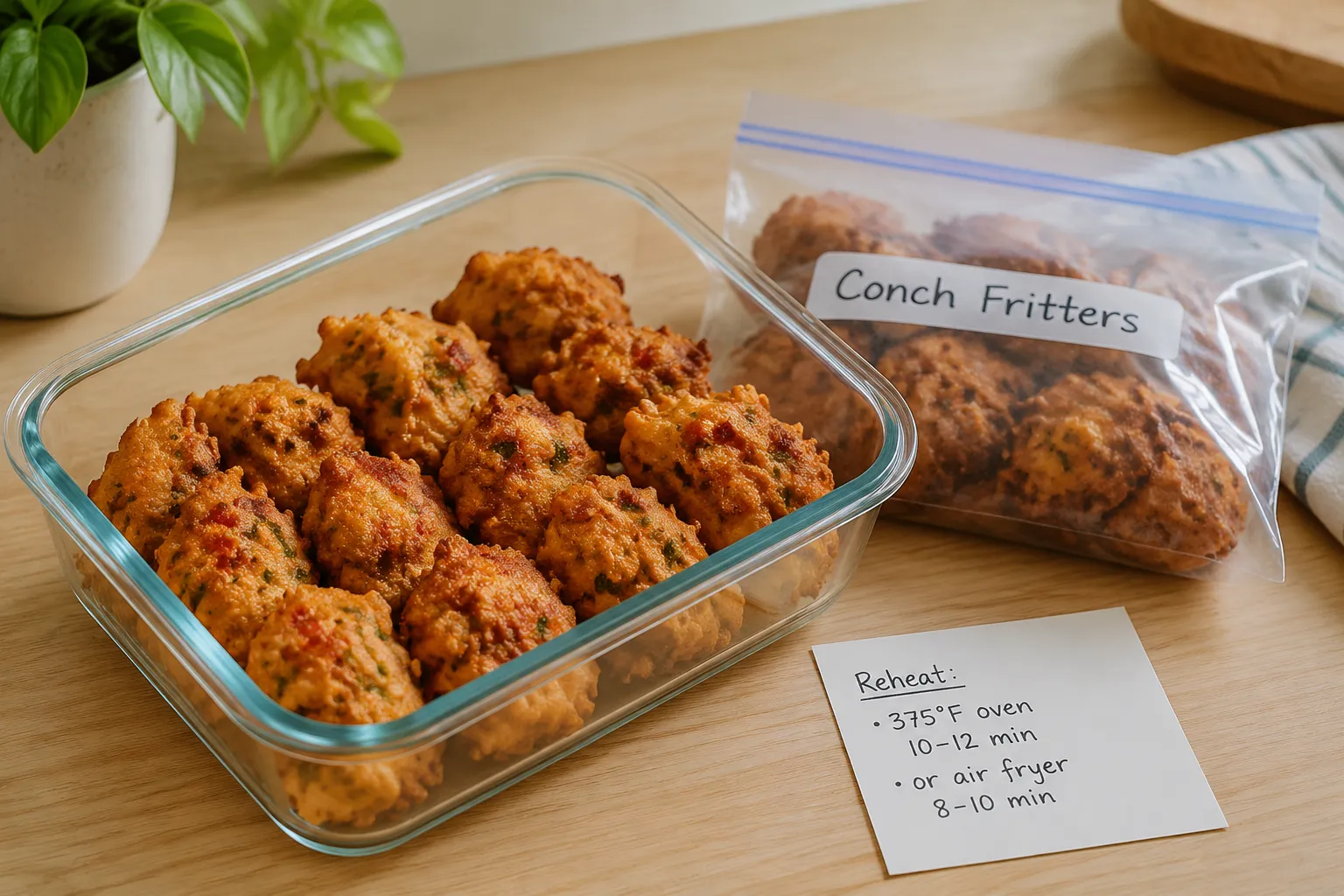
Leftover fritters keep beautifully in an airtight container in the fridge for up to 3 days. To revive that just-fried crunch, skip the microwave (it turns them sad and chewy) and instead reheat them on a wire rack set over a sheet pan in a 400°F oven for 6 to 8 minutes, or in an air fryer at 380°F for 4 to 5 minutes. Either method brings back the crisp shell without drying out the tender interior.
For longer storage, freeze cooled fritters in a single layer on a sheet pan, then transfer to a labeled freezer bag once solid. They'll keep their texture for up to 2 months. Reheat directly from frozen at 400°F for 12 to 15 minutes, no thawing required. The dipping sauce keeps separately in the fridge for up to 5 days, though it rarely lasts that long in my house.