Hot Dog Chili Recipe: Classic Coney-Style Sauce in 30 Minutes
4.8 from 12 reviews
0SHARES
Now Playing
Hot Dog Chili Recipe: Classic Coney-Style Sauce in 30 Minutes
0:00
0:00
A thick, no-bean hot dog chili recipe with deep beefy flavor and just the right kick. Ladle it over a snappy frank and you've got Coney-style perfection.
Why You'll Love This Recipe
Thick, smooth, and spoonable: The raw-beef-in-water method creates tiny, tender crumbles that cling to hot dogs instead of sliding off.
Big diner-style flavor: Chili powder, smoked paprika, mustard, and a pinch of cinnamon give it that classic Coney-style warmth.
No beans, no fuss: This is a true no-bean chili sauce built specifically for topping franks, fries, and burgers.
Ready in 30 minutes: It is quick enough for a weeknight and easy to scale for game day or backyard cookouts.
Pantry-friendly: Ground beef, tomato sauce, ketchup, mustard, and dried spices do all the heavy lifting.
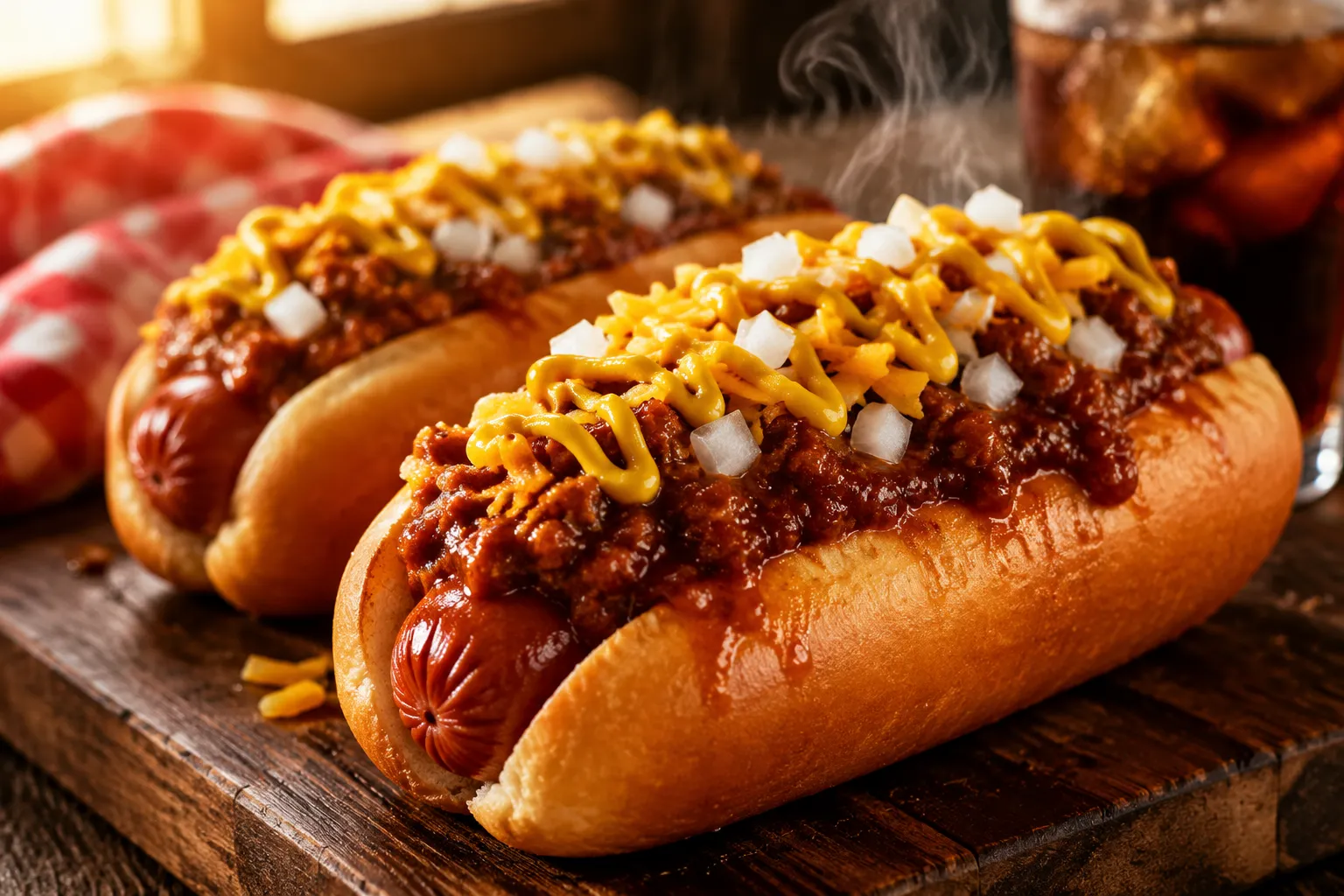
This hot dog chili recipe is the thick, beefy, diner-style sauce that turns a regular frank into something you crave all summer long. It is glossy, savory, lightly spiced, and made without beans so it melts right into the bun instead of sitting on top like a bowl of chili. Think of it as the backyard cookout cousin of Coney Island hot dogs: simple, nostalgic, and absolutely made for mustard and onions.
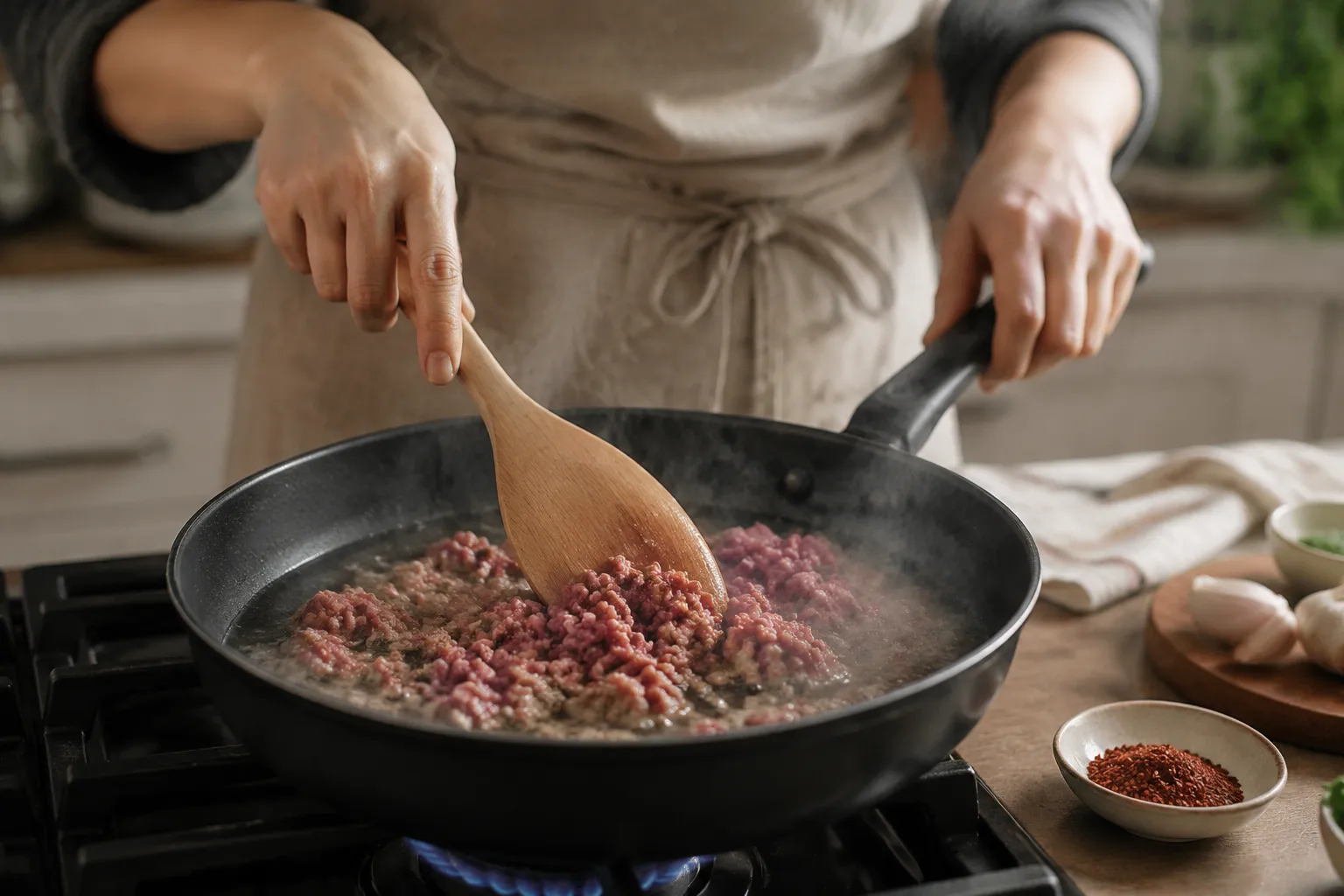
The best part is the texture. Instead of browning the beef first, you simmer raw ground beef directly with water and seasonings, which breaks it into tiny, tender crumbles. That classic Coney-style technique gives you a smooth no-bean chili sauce that hugs the hot dog from end to end, making every bite saucy without being messy.
What Makes This Coney-Style Sauce Special
A great hot dog sauce recipe should be rich enough to taste beefy, loose enough to spoon, and thick enough to cling. This one lands right in that sweet spot by using a small amount of tomato sauce, a little ketchup for rounded sweetness, and yellow mustard for tang. The spice profile is warm rather than fiery: chili powder, smoked paprika, garlic powder, onion powder, cumin, and the tiniest pinch of cinnamon. That cinnamon does not make the sauce taste sweet; it gives the ground beef chili the old-school Coney Island chili warmth you notice in classic diners.
Unlike a pot of regular chili, this sauce is designed as a topping. There are no beans, bell peppers, or chunky tomatoes competing with the frank, bun, and toppings. The result is a deeply seasoned, spoonable sauce that feels right at home on chili dogs, fries, burgers, baked potatoes, and even nachos. If you love easy hot dog recipes that feel a little more special than ketchup and relish, this one is a keeper.
Ingredients for the Best Chili Dog Sauce
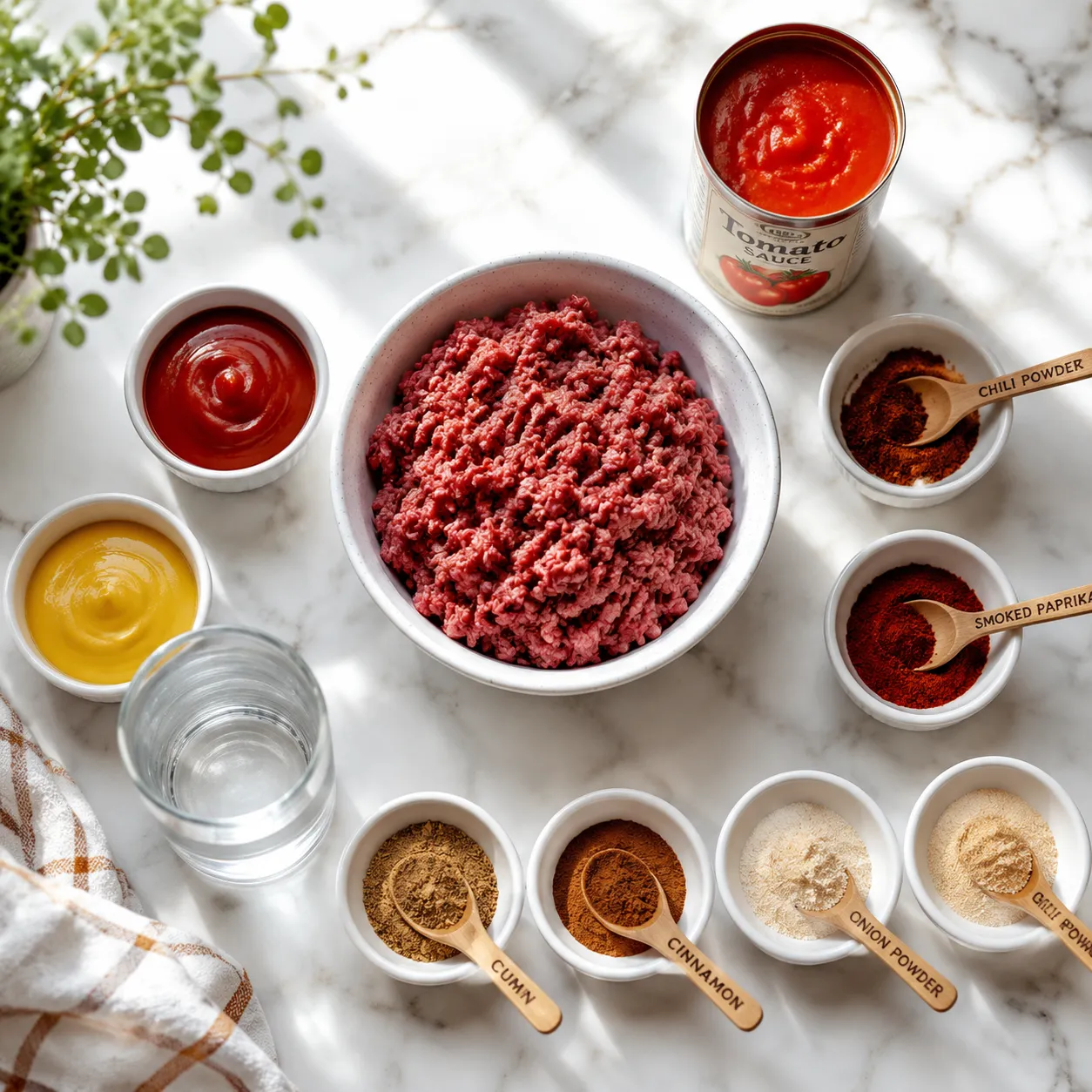
The ingredient list is short and wonderfully pantry-friendly, but every item has a job. Lean ground beef gives the sauce its body without leaving it greasy, while water helps the meat break down into those tiny, tender bits. Tomato sauce provides a smooth base, ketchup adds a little sweetness and shine, and mustard cuts through the richness with a familiar ballpark tang. The spices bring everything together in a way that tastes more layered than a 30-minute recipe has any right to taste.
For the beef, choose lean ground beef, ideally 85% to 90% lean. Too much fat can make the sauce slick, while very lean beef can taste a little flat, so this middle range is ideal. If your butcher offers fine-ground beef, it is perfect here, but regular ground beef works beautifully as long as you take a minute to break it down well in the pan. This is where the method matters more than the label.
The spice blend leans classic American diner: chili powder for depth, smoked paprika for color and subtle smoke, onion and garlic powders for savory backbone, and cumin for a hint of earthy warmth. A small pinch of cinnamon is the secret handshake. It echoes the flavor of old-school Coney Island hot dogs without turning the sauce into anything sweet or perfumed. Salt and black pepper are added to taste at the end because ketchup, mustard, and canned tomato sauce can vary in saltiness.
How to Make Classic Hot Dog Chili
The defining move in this hot dog chili recipe is starting the beef in water. It may feel unusual if you are used to browning meat, but trust the process. As the beef warms, you stir and mash it with a wooden spoon until it breaks into very fine pieces. This creates the signature sauce-like texture you expect from homemade hot dog sauce at a diner or roadside stand.
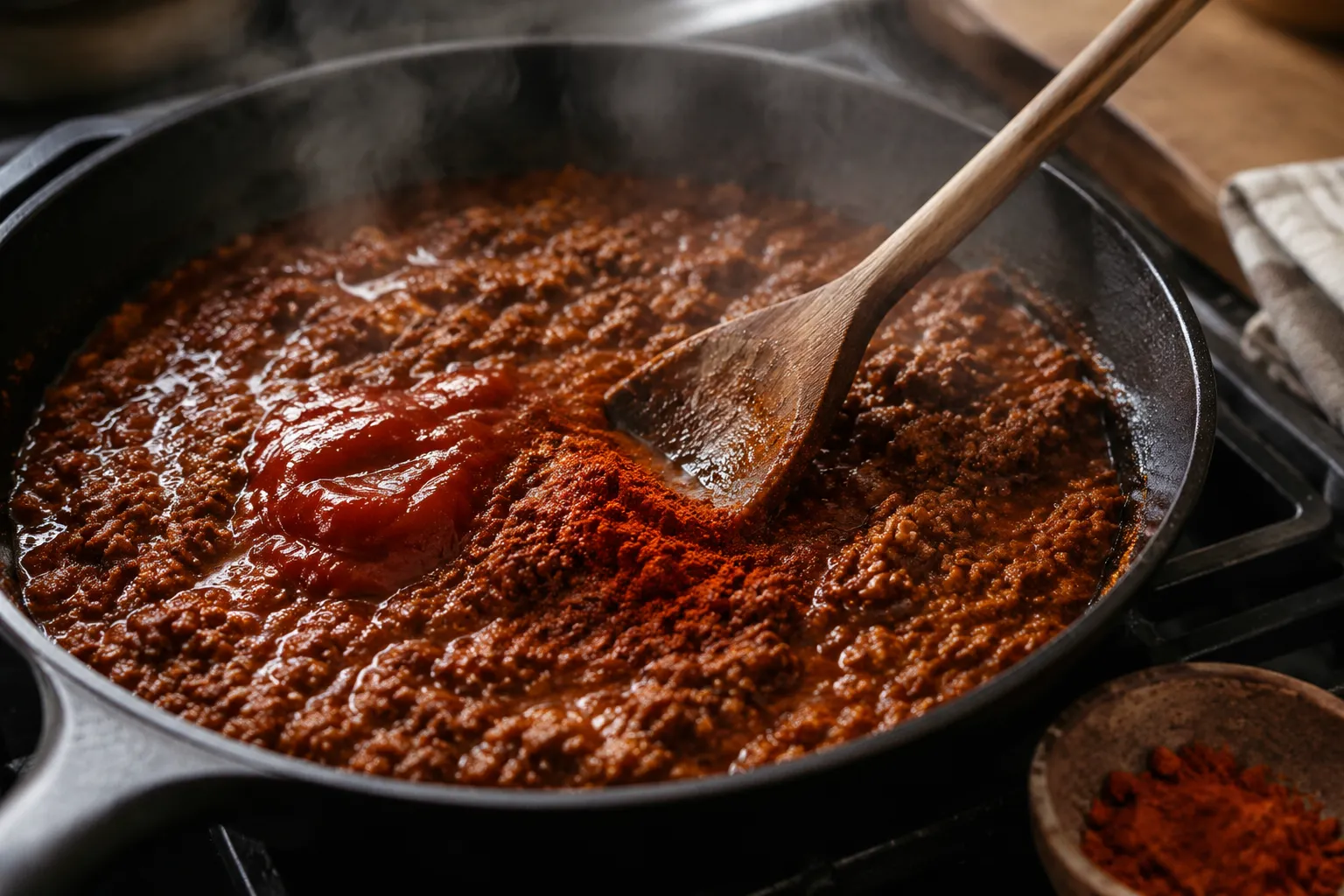
Once the beef is mostly broken down, the tomato sauce, ketchup, mustard, and spices go in. At this point the mixture will look loose, but the simmer does the work. The liquid reduces, the spices bloom, and the beef absorbs all those savory, smoky, tangy flavors. Keep the heat moderate enough that the sauce bubbles gently rather than splatters aggressively.
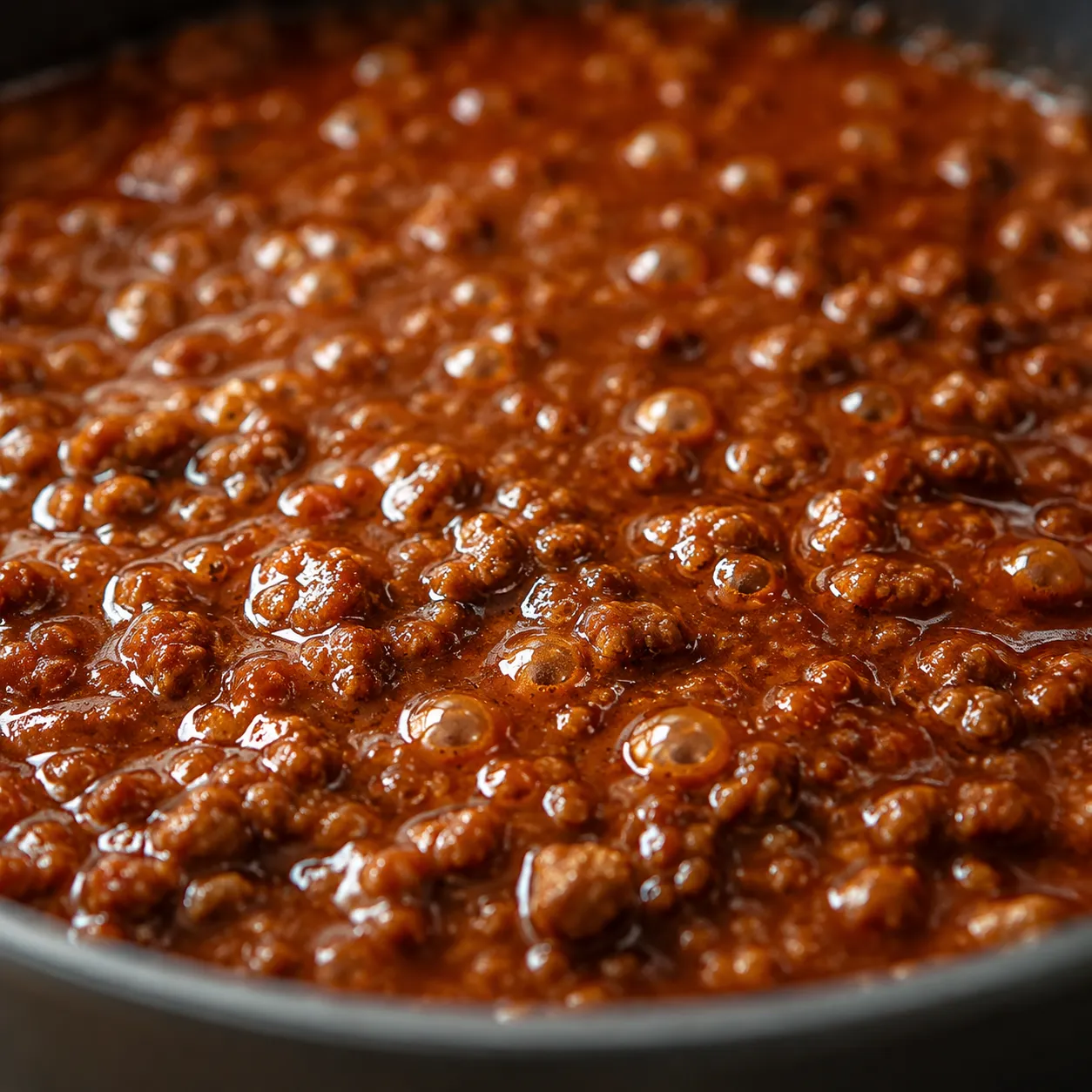
After about 15 to 20 minutes, you will see the sauce turn thick and glossy. It should mound slightly on a spoon, then slowly settle back into the pan. If it gets too thick before you are ready to serve, stir in a splash of water or broth. If it is too loose, let it simmer uncovered for another few minutes, stirring often so the bottom does not catch.
Coney, West Virginia, and Texas-Style Hot Dog Sauces
Hot dog chili is regional, which is part of the fun. The Coney-style version most people associate with Detroit has a finely textured beef sauce, warm spices, yellow mustard, and chopped white onions. It is not usually bean-heavy or chunky, and it is all about balance: savory meat, soft bun, snappy frank, bright mustard, and a little onion crunch. This recipe takes its inspiration from that tradition while staying weeknight-simple.
West Virginia-style sauce tends to be a little sweeter, thicker, and sometimes softer in heat. It is often served with slaw, which adds a cool, creamy contrast to the spiced beef. If that is the flavor you grew up with, you can lean the sauce in that direction by adding a touch more ketchup or a small pinch of brown sugar. It is wonderful with finely chopped onions and a squiggle of mustard.
Texas-style hot dog sauce, despite the name, often points toward a bolder spice profile rather than a single strict recipe. Expect more cumin, more chili powder, and sometimes cayenne or hot sauce. If you like a little extra heat, this base can absolutely handle it. Just remember that the goal is still a hot dog topping, not a bowl of chili, so keep the texture fine and spoonable.
Building the Perfect Chili Dog
Start with a hot, juicy frank and a soft bun that can hold up to sauce. All-beef natural-casing dogs are especially good because they have that satisfying snap, but your favorite brand will work. Steam, griddle, or grill the hot dogs until heated through, then nestle them into warm buns. If you are making grilled hot dogs for a cookout, this sauce can simmer on the stove or in a small slow cooker while everyone gathers around.
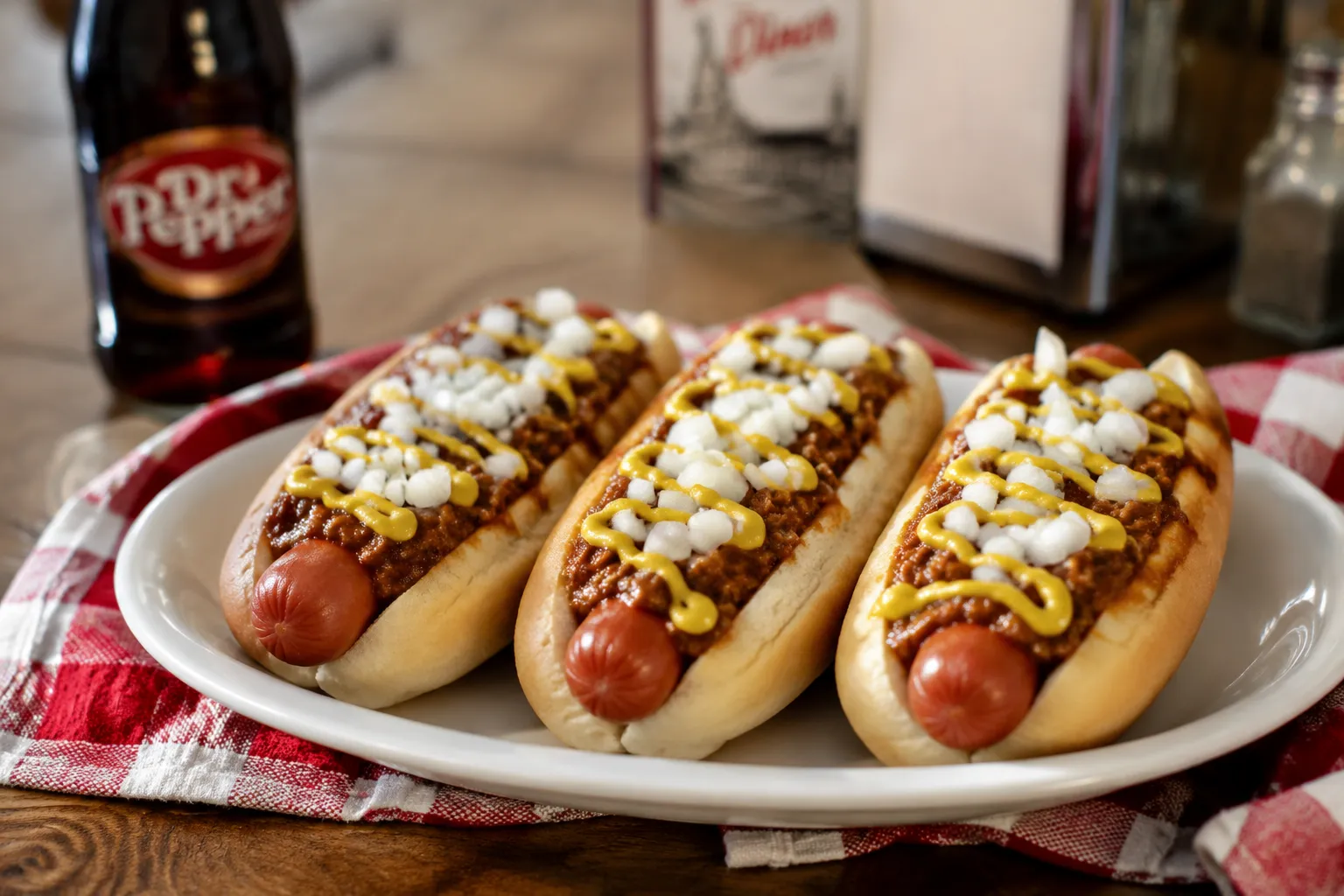
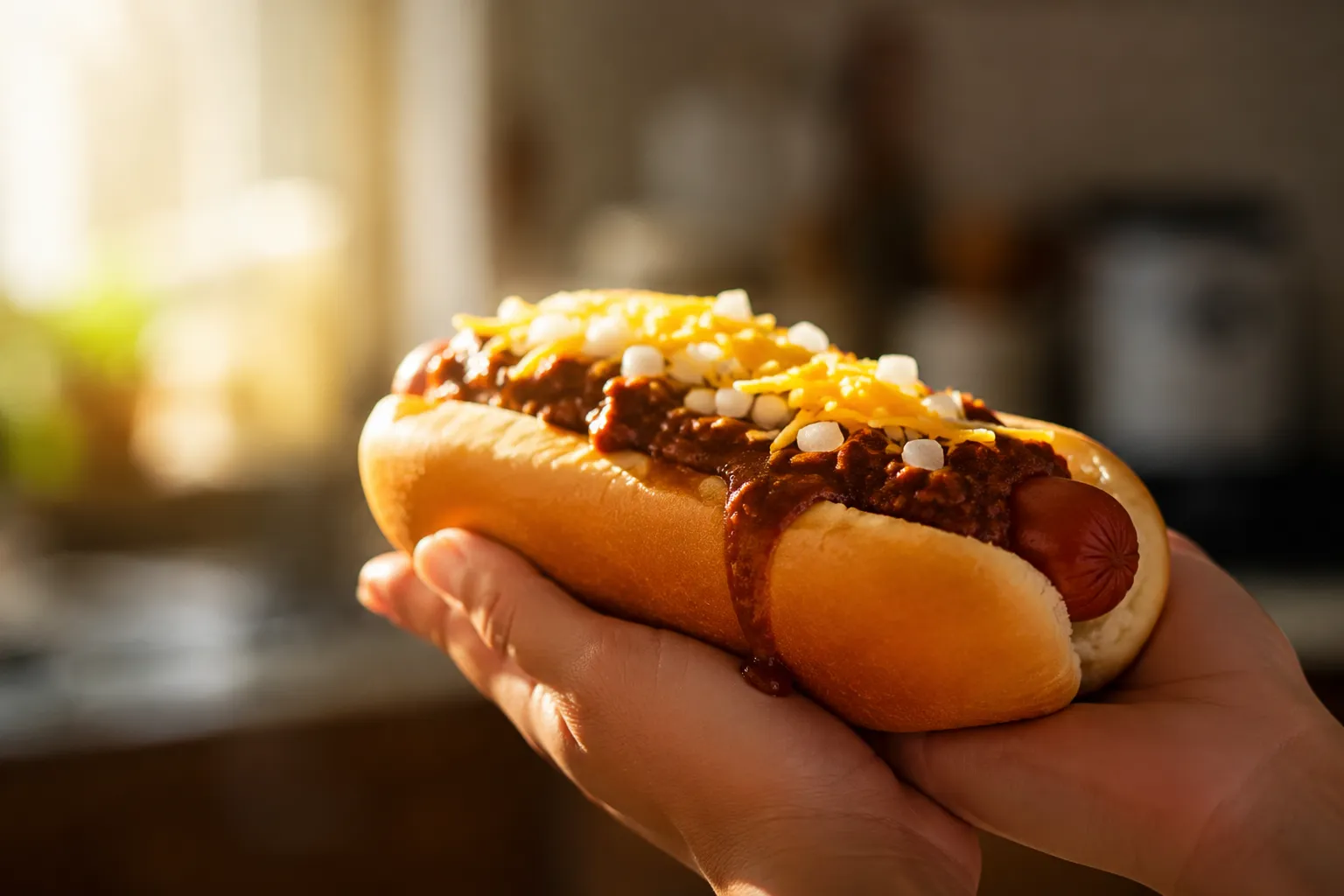
For classic assembly, spoon a generous line of chili over the frank, then add yellow mustard and finely diced white onion. Shredded cheddar is optional, but very welcome if you like a richer, melty finish. If you are baking hot dog buns from scratch, keep them soft and slightly sweet so they soak up the sauce without falling apart. Store-bought buns are absolutely fine too; a quick toast on the cut sides makes them sturdier and more flavorful.
This is also a great recipe to serve family-style. Set out a pot of warm sauce, a platter of hot dogs, buns, mustard, onions, cheese, pickles, and a few classic American sides like potato salad, coleslaw, baked beans, or corn on the cob. People can build their own chili dogs exactly the way they like them, which makes the meal feel relaxed and festive. It is one of those hot dog recipes that works for game day, summer holidays, birthday parties, and Friday-night dinners alike.
More Ways to Use the Sauce
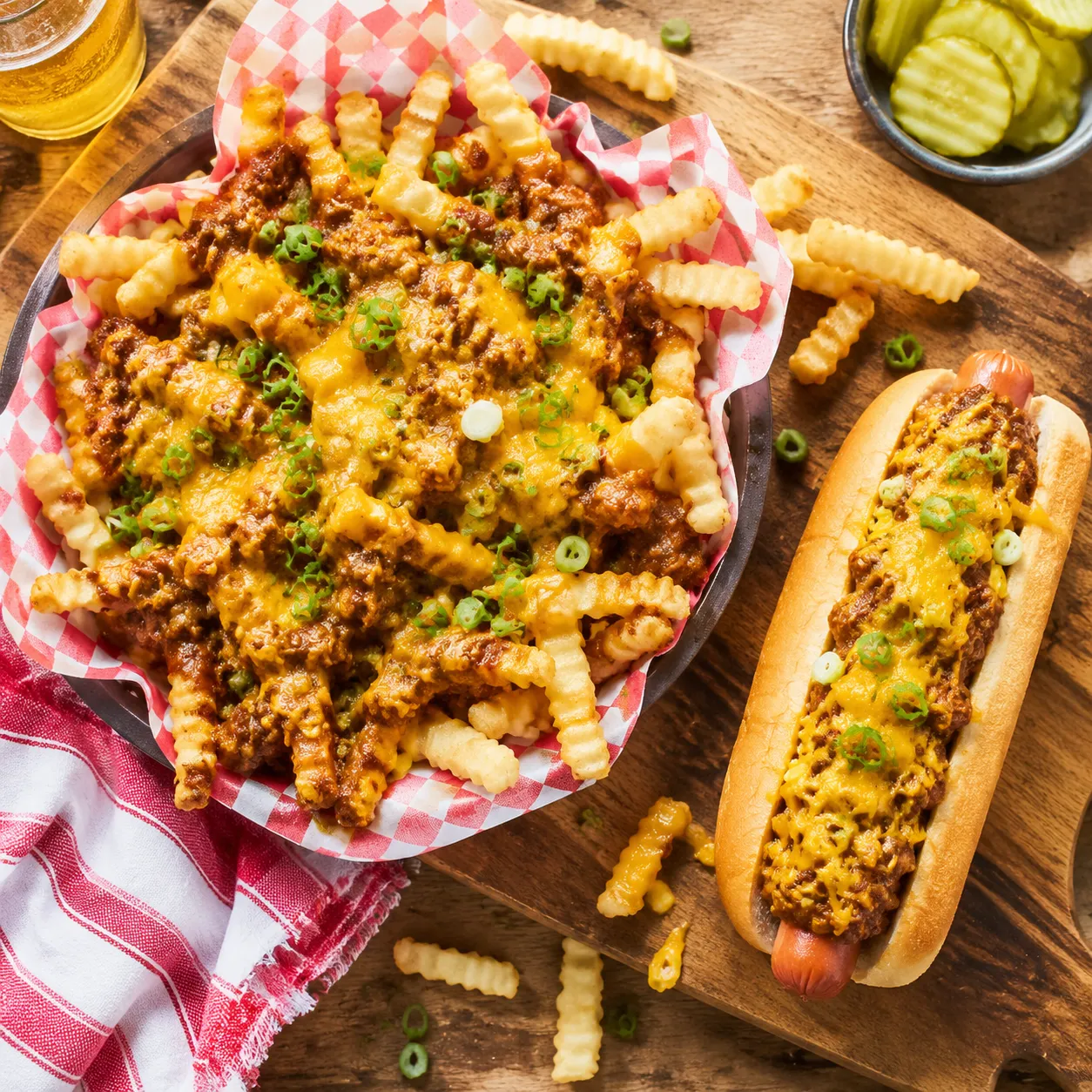
This sauce is not limited to buns. Spoon it over a basket of crispy fries, add cheddar, and you have loaded chili cheese fries that disappear fast. It is also excellent over tater tots, baked potatoes, tortilla chips, or a cheeseburger when you want that drive-in flavor at home. Because it is smooth and no-bean, it spreads evenly and warms up beautifully without turning heavy.
If you are planning a casual party, turn it into a topping bar. Keep the sauce warm and offer fries, chips, mini hot dogs, slider buns, and shredded cheese so guests can make their own plates. This is a smart way to stretch one pot into several hot dog dishes recipe ideas without cooking multiple mains. It also makes leftovers feel intentional rather than repetitive.
For a quick lunch, reheat a scoop and spoon it over scrambled eggs with toast, or tuck it into a flour tortilla with cheese for a chili dog-inspired wrap. It is also surprisingly good spooned over macaroni and cheese when you want something cozy and low-effort. The flavor is bold enough to stand up to creamy, cheesy bases, but not so spicy that it takes over the dish.
Make-Ahead Notes for Cookouts and Game Day
This is one of those sauces that tastes even better after it sits. The spices settle into the beef, the tomato mellows, and the whole pot becomes richer and more cohesive. If you are planning a party, make it the day before and reheat it gently before serving. You can keep it warm in a slow cooker on the low or warm setting, stirring occasionally and adding a splash of water if it thickens too much.
For cookouts, portion the sauce into a small saucepan, insulated container, or slow cooker so it stays hot and food-safe. Set toppings in bowls and keep buns covered until serving so they do not dry out. A batch serves about eight generously topped hot dogs, but you can double the recipe easily for a crowd. If you do double it, use a wide pot so the sauce reduces evenly and keeps that glossy, spoonable finish.
A Final Spoonful
There is something deeply satisfying about a recipe that takes simple ingredients and turns them into pure nostalgia. This hot dog chili recipe does exactly that: it gives you a smooth, savory, no-bean sauce with enough spice to taste special and enough familiarity to feel like home. It is fast enough for a weeknight, sturdy enough for a party, and flexible enough to top everything from franks to fries.
Serve it with mustard and onions for the classic route, or add cheese, jalapeños, slaw, or pickles and make it your own. However you top it, the key is that fine, saucy texture and deep beefy flavor. Once you make a pot from scratch, it is hard to go back to canned chili for chili dogs again.
💡 Expert Tips
Do not brown the beef first. Simmering it in water is what gives the sauce its classic fine texture; browning creates larger, firmer chunks.
Use a wooden spoon or potato masher. Press and stir the beef as it cooks so it breaks into small, even pieces.
Simmer uncovered. This lets excess liquid evaporate and turns the mixture glossy, thick, and spoonable.
Adjust at the end. Add salt after simmering, since ketchup, mustard, and tomato sauce all bring their own seasoning.
Keep it warm gently. If serving for a party, use a slow cooker on warm and stir in a splash of water if the sauce tightens.
🔄 Variations & Substitutions
This base recipe is classic and balanced, but it is easy to steer toward your favorite regional style or spice level. Keep the fine, no-bean texture and adjust the seasonings in small amounts so the sauce still tastes like a hot dog topping rather than a bowl of chili.
Spicier: Add cayenne, hot sauce, or finely diced jalapeño during the simmer.
Sweeter West Virginia-style: Add 1 to 2 teaspoons brown sugar or an extra tablespoon of ketchup.
Smokier: Increase smoked paprika or add a tiny splash of liquid smoke.
Texas-inspired: Add extra cumin, chili powder, and a pinch of crushed red pepper.
Cheesy chili dog sauce: Stir in a handful of finely shredded cheddar just before serving for a richer finish.
🧊 Storage & Leftovers
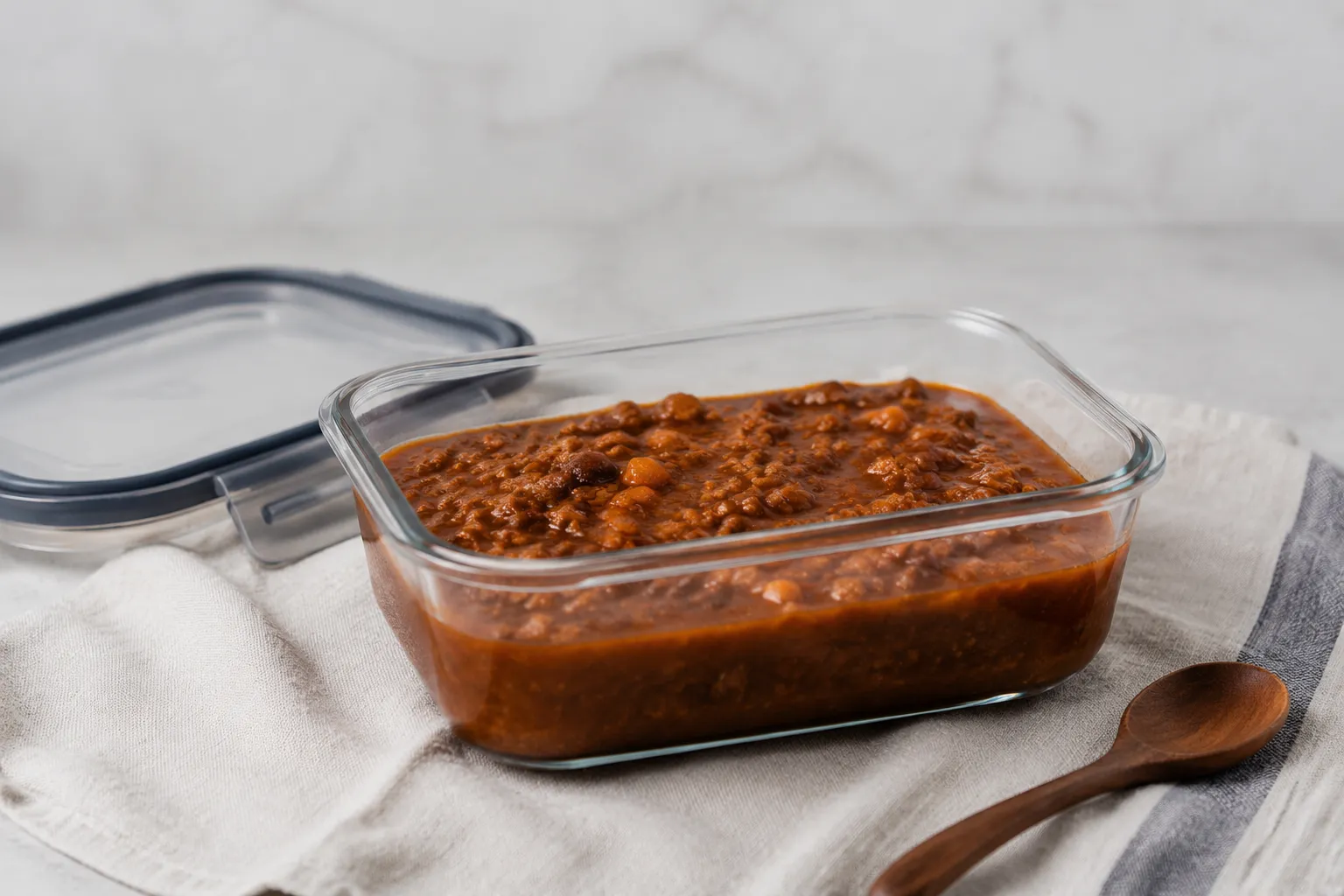
Let leftover hot dog chili cool, then transfer it to an airtight container. Refrigerate for up to 4 days, or freeze in small portions for up to 3 months. Flat freezer bags or 1-cup containers are especially handy because they thaw quickly and make it easy to reheat just what you need.
Reheat gently on the stovetop over medium-low heat, stirring often and adding a splash of water or broth to loosen the sauce. You can also microwave it in short bursts, stirring between each one, until hot all the way through.
Frequently Asked Questions
What's the difference between hot dog chili and regular chili?
Hot dog chili is made to be a topping, so it is smoother, finer, and usually thinner than regular bowl chili. It is typically a no-bean sauce with finely broken-down ground beef, tomato, spices, and just enough liquid to spoon over a frank. Regular chili often includes beans, chunky tomatoes, peppers, or larger pieces of meat and is meant to be eaten by the bowl. Hot dog chili should coat the hot dog and bun without overwhelming them.
Why do you cook the beef in water instead of browning it?
Cooking the beef in water helps it break down into very small, tender crumbles instead of firm browned chunks. That is the key to the classic Coney-style texture, where the chili feels more like a smooth meat sauce than a skillet of ground beef. As the mixture simmers, the water reduces, the spices bloom, and the beef absorbs the seasonings. It may look unusual at first, but it creates the best texture for chili dogs.
Can I make hot dog chili ahead of time?
Yes, and it is actually a great make-ahead recipe because the flavor improves as it rests. Cook the sauce completely, cool it, then refrigerate it in an airtight container for up to 4 days. You can also freeze it for up to 3 months in small portions. Reheat it gently on the stovetop with a splash of water or broth, stirring until it returns to a thick, glossy consistency.
What hot dogs work best for chili dogs?
All-beef natural-casing franks are excellent because they have a firm snap and bold flavor that stands up to the chili. You can steam, griddle, or grill them depending on the texture you like best. A soft bun is important too, since it should cradle the hot dog and sauce without falling apart. Toasting the cut sides lightly helps the bun hold up to the warm chili and toppings.
Can I make this hot dog sauce recipe spicier?
Absolutely. Add a pinch of cayenne, a teaspoon of hot sauce, crushed red pepper flakes, or a finely diced jalapeño during the simmer. Start small, then taste and adjust once the sauce has thickened because heat can become more concentrated as liquid reduces. If you are serving a crowd, keep the base mild and offer hot sauce or pickled jalapeños on the side so everyone can customize their chili dogs.
Hot Dog Chili Recipe: Classic Coney-Style Sauce in 30 Minutes