Your electric kettle is secretly a one-appliance kitchen. These 15 kettle recipes turn boiling water into real meals, drinks, and snacks in minutes.
Why You'll Love This Recipe
Fast, real meals: These ideas turn hot water into satisfying breakfasts, lunches, dinners, and drinks in minutes.
Small-space friendly: Perfect for dorms, offices, hotel rooms, tiny kitchens, and days when the stove is not an option.
Budget-conscious: Pantry staples like oats, couscous, noodles, rice, and beans stretch beautifully with just a few fresh toppings.
Flexible and customizable: Add eggs, tofu, vegetables, herbs, sauces, or leftovers to make each bowl feel new.
Beginner-friendly: If you can boil water and cover a bowl, you can make every idea in this guide.
A kettle is the quiet little appliance that can turn a handful of pantry staples into breakfast, lunch, dinner, and something cozy to sip in between. If you have boiling water, a heatproof bowl, and a few smart ingredients, you can make tender noodles, fluffy couscous, creamy oats, soft eggs, and café-worthy drinks without turning on the stove.
This guide is for the busy mornings, tiny apartments, late-night study sessions, office lunches, hotel-room dinners, and all the moments when cooking needs to be fast but still feel like real food. Think of these as practical, flexible kettle recipes rather than fussy projects: each one leans on heat, steeping, and a little patience to do the work for you.
Why Cook With an Electric Kettle?
An electric kettle heats water quickly because the element is designed to transfer energy directly into the water, not into a big pot, burner, or surrounding air. That speed is what makes it so helpful for quick meals: you can have boiling water ready before you have finished chopping scallions or measuring oats. It is also typically more energy-efficient than heating a saucepan on the stovetop, especially when you only need one or two cups.
For students, office workers, travelers, and small-kitchen cooks, this appliance can function like a compact meal starter. It is one of the most useful electric kettle uses because it gives you hot water on demand for noodles, grains, soups, and drinks without needing a full kitchen setup. In dorms and studio apartments, that convenience can mean the difference between ordering takeout and making something warm, filling, and inexpensive.
A standard model works beautifully for most of the ideas here, but a variable temperature kettle gives you even more control. Lower temperatures are ideal for green tea, delicate pour-over coffee, and miso soup, while full boil is best for oats, couscous, ramen, and instant rice. If you are buying one with cooking in mind, look for a stainless steel interior, a clear water level marker, and an opening wide enough to clean easily.
What You Can Make With Boiling Water
The best foods for this style of cooking are ingredients that soften by steeping rather than simmering. Rolled oats, quick-cook steel-cut oats, couscous, instant noodles, rice vermicelli, instant rice cups, powdered grits, miso paste, dried mushrooms, and dehydrated soups all work well because boiling water can fully hydrate them. You can also use hot water to gently warm tofu, soften greens, or cook a whole egg in its shell with careful timing.
The foods to avoid are the ones that foam, starch heavily, or need constant bubbling. Traditional pasta, dry beans, thick porridge cooked directly in an appliance, milk-based mixtures, and anything sugary or sticky should stay out of the water chamber. Those ingredients can scorch, overflow, or cling to the heating element, and they are much harder to clean than a heatproof bowl.
This is also why these meals work so well as dorm room recipes. You are not really “cooking inside” the appliance; you are using it as a fast, efficient hot-water source. Once you understand that distinction, a whole menu opens up.
5 Fast Breakfasts Using Hot Water
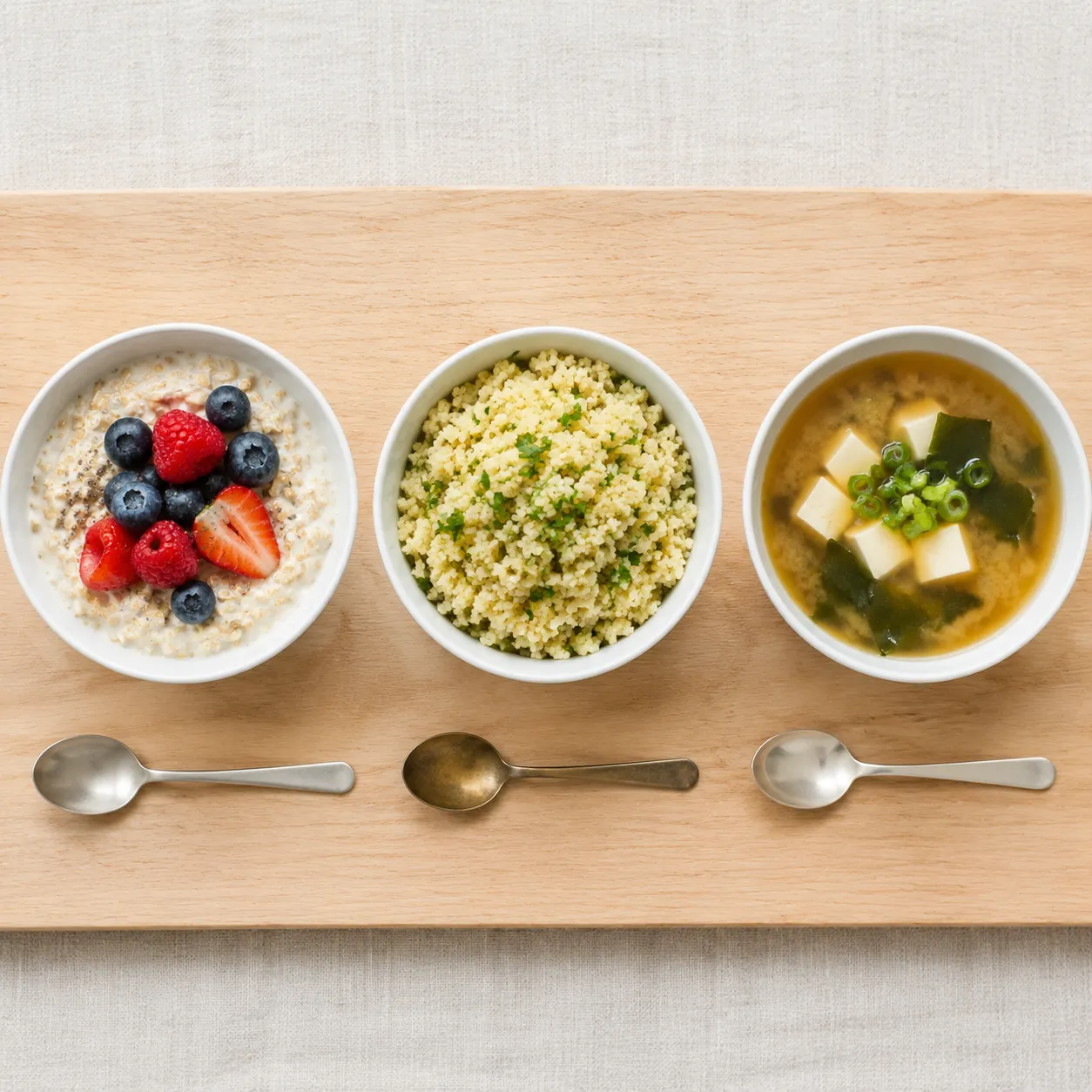
Creamy 5-minute steel-cut oatmeal is the breakfast I reach for when I want something hearty without standing at the stove. Use quick-cooking steel-cut oats, a pinch of salt, and boiling water in a lidded bowl, then finish with brown sugar, berries, nut butter, or a splash of milk. If you already love an instant oatmeal recipe, this version feels a little more grown-up while staying just as easy.
For a couscous breakfast bowl, combine dry couscous with a pinch of cinnamon and salt, pour over hot water, cover, and fluff after five minutes. Add Greek yogurt, honey, blueberries, toasted almonds, or sliced banana for a bowl that lands somewhere between oatmeal and a grain bowl. It is a lovely option to keep in your rotation of quick breakfast ideas because couscous cooks almost instantly.
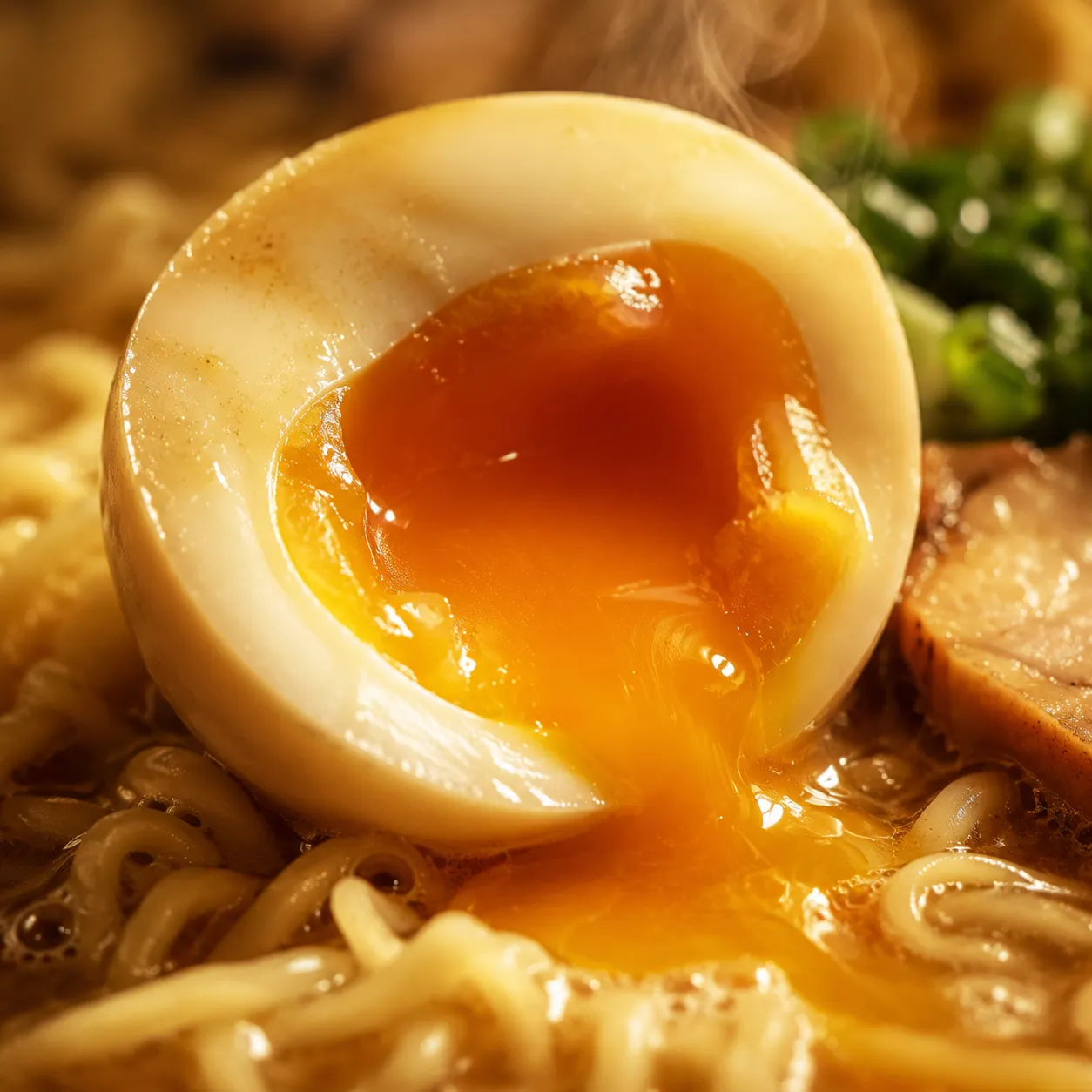
Soft-boiled eggs are surprisingly doable with a heatproof mug and just-boiled water. Place an egg in the mug, cover it fully with hot water, cover the mug with a small plate, and let it sit until the white firms and the yolk becomes jammy. Timing varies by egg size and starting temperature, so treat the first one as your test run.
French press coffee is another morning win. Warm the press with hot water, discard that water, add coarsely ground coffee, pour in fresh hot water, stir, steep, and plunge. If your model lets you set temperature, aim just off boil for coffee that tastes rich rather than harsh.
Instant grits with cheddar may be the coziest savory breakfast in the lineup. Stir quick grits with salt and hot water, cover until thick, then fold in shredded cheddar, black pepper, and a tiny knob of butter. Add a soft egg if you want to turn it into a spoonable breakfast bowl.
5 Easy Lunch and Dinner Ideas
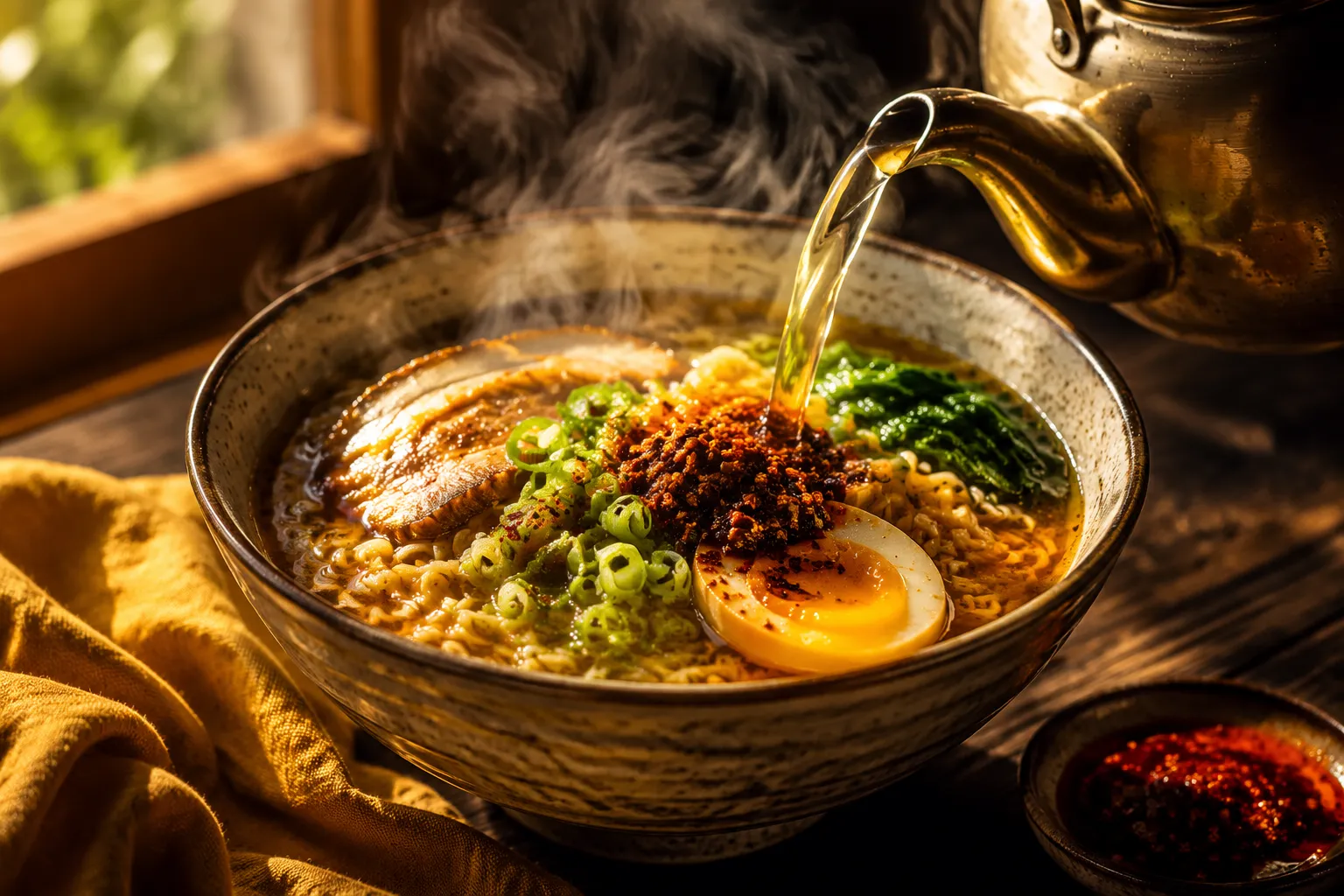
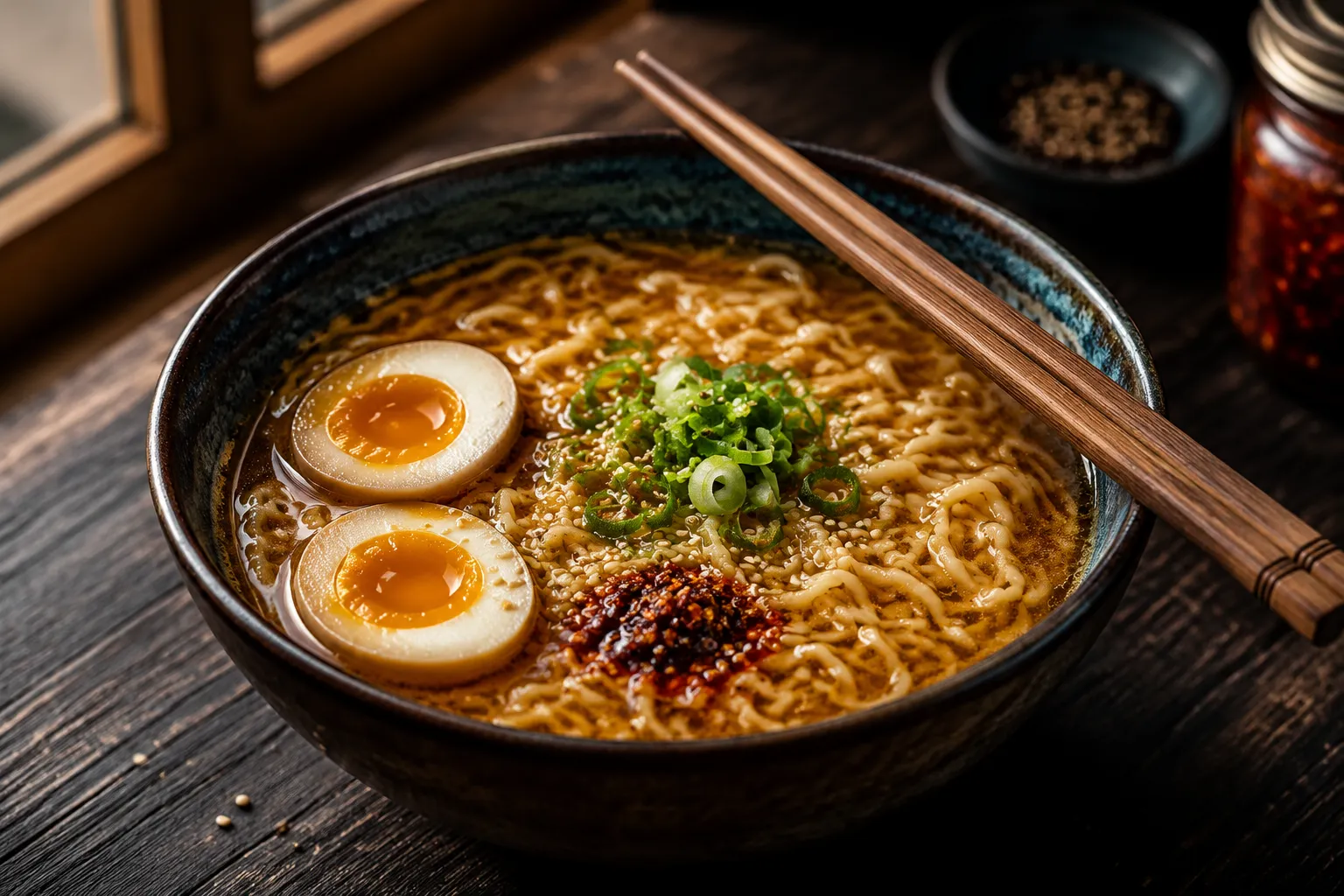
Upgraded ramen is the classic for a reason: it is fast, comforting, and endlessly adaptable. Start with instant noodles, then build flavor with soy sauce, sesame oil, scallions, chili crisp, and a soft-cooked egg. A handful of spinach, shredded rotisserie chicken, sliced mushrooms, or frozen peas can make it feel more like dinner than a snack.
A 10-minute couscous and chickpea bowl is one of the simplest 5-minute meals once you have a few pantry staples on hand. Steep couscous with hot water, then stir in drained chickpeas, olive oil, lemon juice, chopped herbs, and crumbled feta. It is bright, filling, and perfect for a no-stove lunch.
Quick miso soup with tofu is all about gentle heat. Add miso paste to a bowl, loosen it with a splash of warm water, then stir in more hot water along with diced tofu, sliced scallions, and a few pieces of wakame. Avoid boiling miso directly; the flavor stays sweeter and more nuanced when it is stirred into hot water off the heat.
An instant rice and black bean burrito bowl is ideal when you want something substantial. Use an instant rice cup or quick-cook rice pouch that only needs hot water, then add black beans, salsa, shredded cheese, avocado, and crushed tortilla chips. A squeeze of lime makes it taste fresh in a way pantry dinners often need.
For a pho-style noodle cup, place rice vermicelli, a spoonful of bouillon or broth base, grated ginger, scallions, and thinly sliced vegetables in a heatproof bowl. Pour over boiling water, cover, and let the noodles soften, then finish with lime, herbs, and sriracha. It is not traditional pho, but it captures that fragrant, steamy comfort beautifully.
5 Cozy Drinks to Make Fast
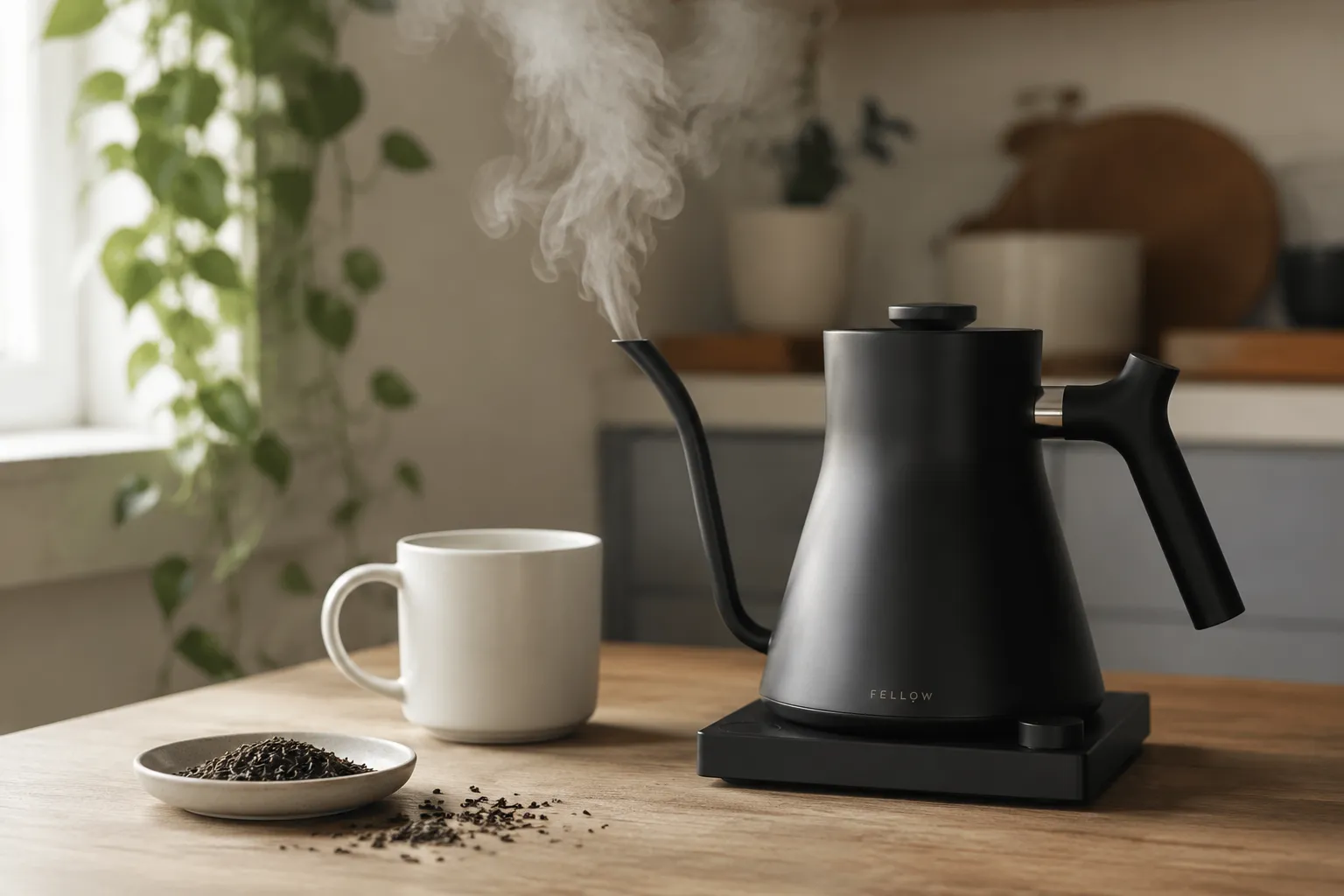
Loose-leaf tea is where a variable temperature kettle really earns its spot on the counter. Green tea tastes best below boiling, black tea can handle hotter water, and herbal infusions often benefit from a full boil. Paying attention to temperature gives you smoother, more aromatic cups and fewer bitter edges.
Pour-over coffee at home is also easier when you can heat water quickly and pour steadily. A gooseneck spout helps you wet the grounds evenly, but even a basic model works if you pour slowly. Bloom the grounds first, then continue in small circles for a clean, bright cup.
Spiced apple cider is as easy as warming apple cider separately in a heatproof measuring cup with cinnamon, cloves, orange peel, and a little maple syrup. Pour hot water into the cup first to warm it, discard, then add cider and steeping spices if you are using shelf-stable concentrate or a cider packet. It is one of those hot drink recipes that makes the whole kitchen smell like fall.
Honey-ginger lemon tea is my go-to when I want something soothing and sharp. Add fresh ginger slices and lemon to a mug, pour over hot water, and sweeten with honey once it has cooled slightly. The ginger grows stronger as it sits, so leave the slices in if you like a little bite.
Hot chocolate from scratch takes only cocoa powder, sugar, a pinch of salt, and hot water to make a glossy paste. Stir in warm milk or powdered milk mixed with hot water, then finish with vanilla or cinnamon. It is richer than a packet but still beautifully low-effort.
Cooking Safely With One Appliance
The golden rule is simple: food goes in bowls, not in the appliance. Even if a video online shows noodles, eggs, or milk inside the water chamber, skip it. Direct contact can leave residue on the heating element, create lingering smells, and in many cases void the warranty.
Heatproof bowls, wide mugs, glass measuring cups, insulated jars, and French presses are your best tools. Look for containers labeled heat-safe or made from tempered glass, ceramic, or stainless steel, and leave room at the top so water does not spill when you stir. A small plate or silicone lid helps trap heat while grains or noodles soften.
Cleaning matters because mineral buildup and stray splashes can dull flavor over time. If you are using the appliance several times a day, rinse the outside of the spout area and wipe the base regularly. Descale on a routine schedule so tea tastes clean, coffee stays bright, and your quick meals do not pick up any stale mineral notes.
Featured Recipe: 5-Minute Hot-Water Ramen Bowl
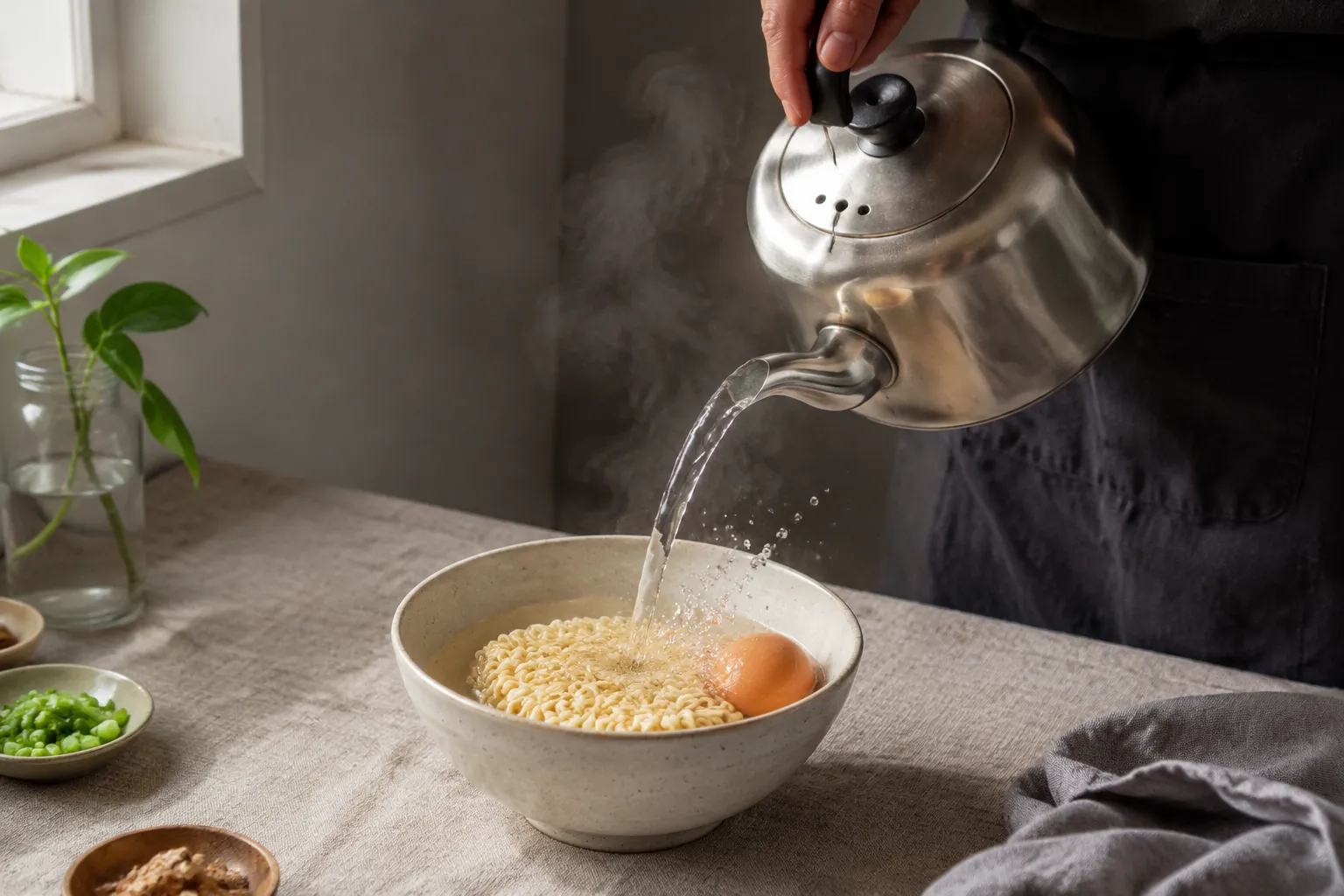
This featured ramen bowl is the recipe I would hand to anyone who thinks instant noodles can only be basic. The method uses a deep heatproof bowl, a whole egg, and freshly boiled water to soften the noodles while the egg gently cooks in its shell. Soy sauce, sesame oil, scallions, and chili crisp add depth without requiring a saucepan, skillet, or extra dishes.
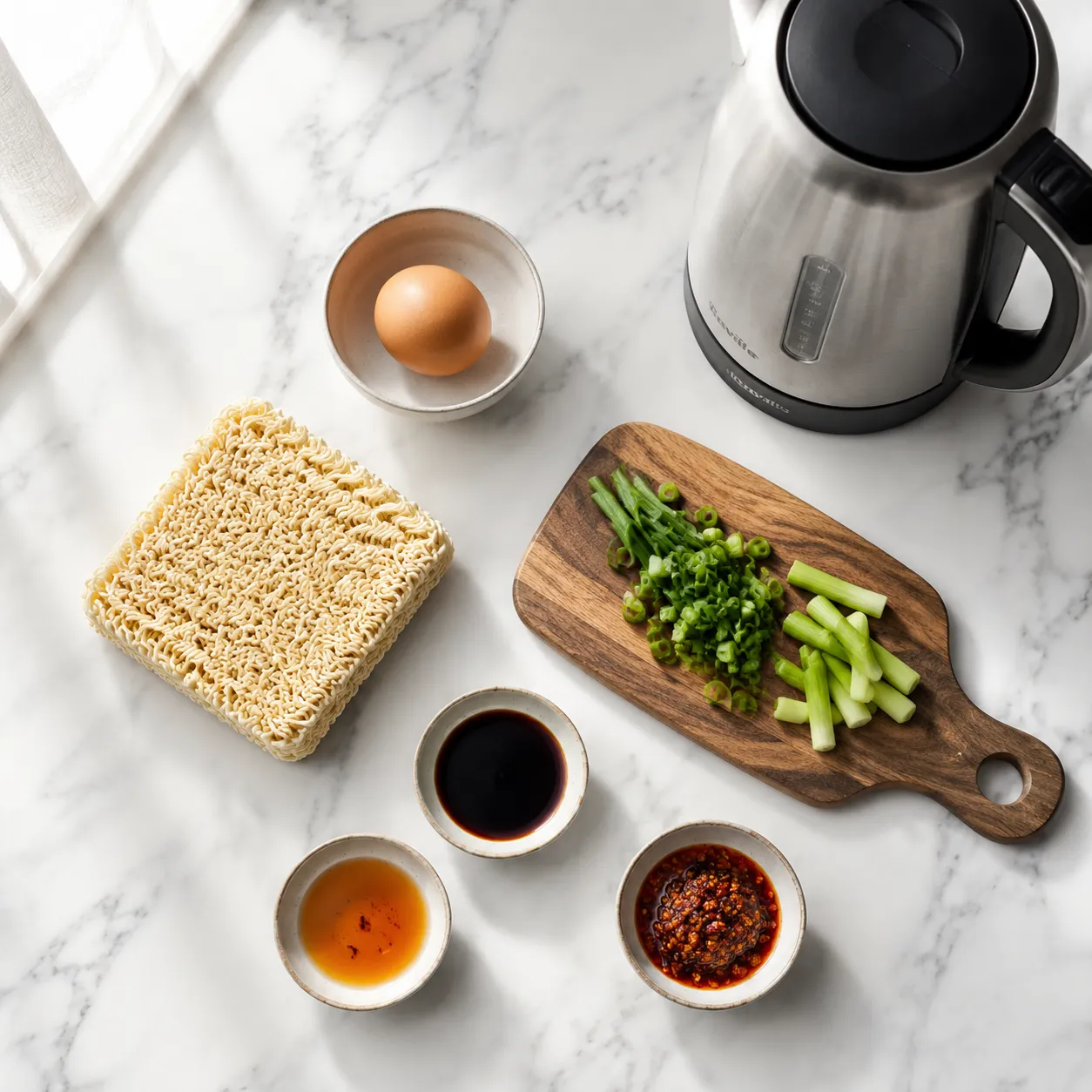
You will need one package of instant ramen noodles, one large egg, two cups of boiled water, a sliced scallion, soy sauce, sesame oil, and chili crisp. The egg is the only part that needs a little attention: if you like a firmer yolk, let it sit a minute longer before cracking and halving. If you prefer a looser yolk, use a room-temperature egg and cool it briefly before peeling.
To make the bowl feel more like a full meal, add baby spinach, shredded cabbage, corn, tofu cubes, leftover chicken, or a spoonful of peanut butter whisked into the broth. The base is intentionally simple so you can dress it up with whatever is in the fridge. That is the beauty of these kinds of quick meals: they are practical first, but still leave room for flavor.
Serving Suggestions for a Better Bowl
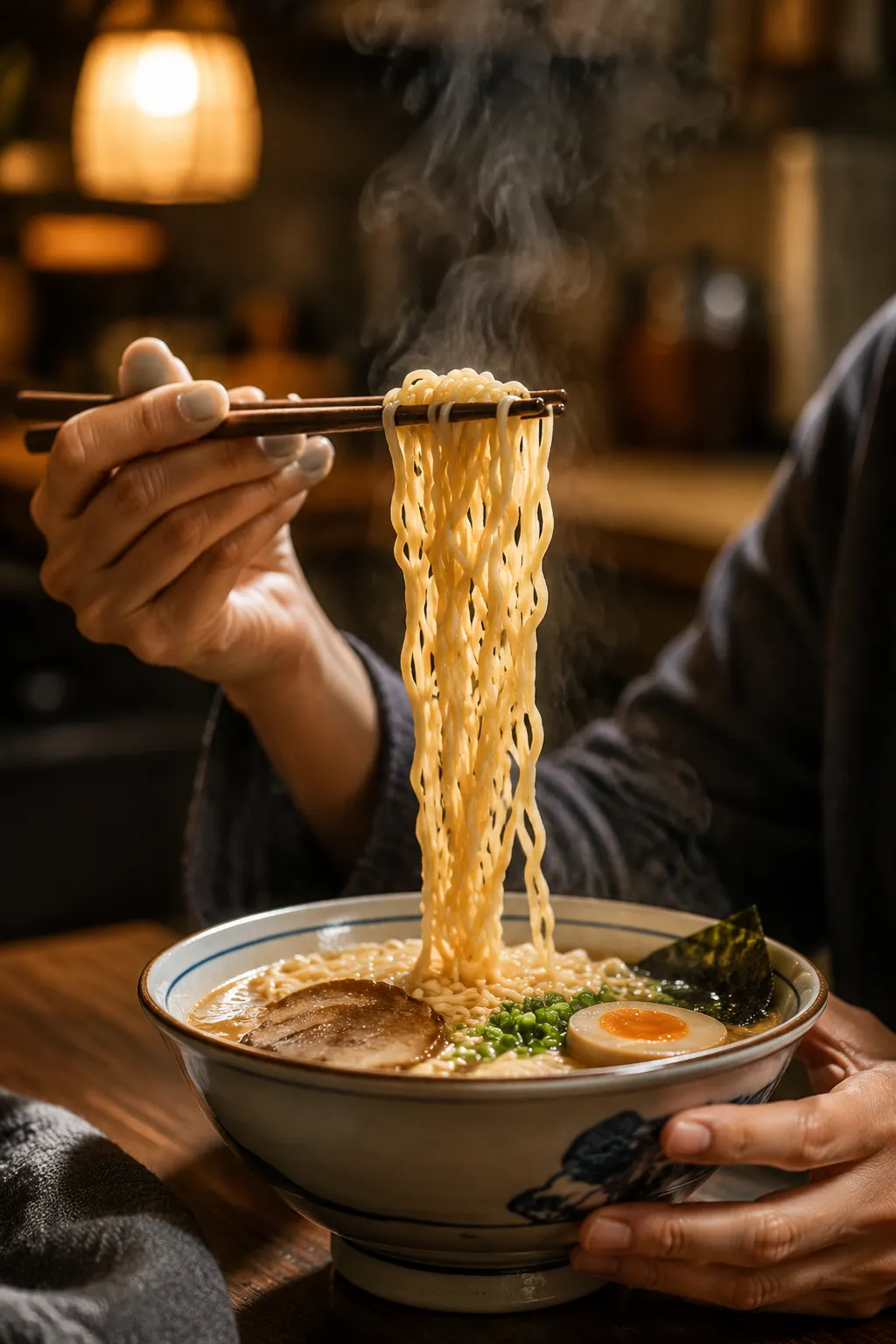
Serve the ramen immediately, while the broth is hot and the noodles still have spring. Chopsticks make it fun, but a soup spoon is essential for catching the chili-flecked broth, scallions, and bits of egg yolk. A squeeze of lime, a shower of sesame seeds, or a handful of cilantro can brighten the bowl in seconds.
If you are making this at work or in a dorm, pack the toppings separately in a small container. Keep soy sauce, sesame oil, and chili crisp in tiny leakproof jars, then add them after the noodles soften. This keeps the flavors fresh and lets you control the saltiness of the seasoning packet, which can vary a lot from brand to brand.
The same approach works for many of the meals in this guide: choose a base that hydrates quickly, add protein or vegetables, then finish with something punchy. Acid, herbs, spice, and a little fat make hot-water meals taste intentional rather than improvised. Once you get the rhythm, you will start seeing dinner possibilities in every packet of grains or noodles in the pantry.
A Final Word on Small-Kitchen Cooking
You do not need a full stove setup to make food that feels warm, nourishing, and personal. With a good hot-water routine, pantry staples become bowls of oats, couscous, soup, noodles, coffee, tea, cider, and cocoa. The trick is choosing ingredients that are meant to soften quickly and giving them enough covered steeping time to become tender.
These ideas are not trying to replace long-simmered soups or homemade pasta nights. They are here for the in-between moments: the rushed mornings, late classes, busy workdays, and evenings when the sink is already full. Keep a few of these combinations in your back pocket and your next fast meal can be just a boil away.
💡 Expert Tips
Choose the right bowl: Use a deep, heatproof ceramic, tempered glass, or stainless steel bowl so the food has room to hydrate safely.
Cover while steeping: A plate, lid, or silicone cover traps steam and helps noodles, grains, and oats soften evenly.
Season after hydrating: Taste before adding the full seasoning packet, soy sauce, or salt; instant ingredients can be surprisingly salty.
Prep toppings first: Slice scallions, open sauces, and gather garnishes before the water boils so the finished bowl stays hot.
Mind the egg timing: Egg doneness varies with size and temperature, so adjust by a minute once you know how your setup behaves.
🔄 Variations & Substitutions
Use the featured ramen bowl as a template and change the flavor direction with sauces, proteins, and vegetables you already have. The heatproof-bowl method stays the same; only the toppings and seasoning shift.
Miso sesame: Whisk a spoonful of white miso into the broth and finish with sesame oil, tofu, and nori.
Peanut chili: Stir in peanut butter, soy sauce, lime juice, and chili crisp for a creamy, spicy broth.
Veggie-loaded: Add baby spinach, shredded carrots, frozen peas, corn, or thinly sliced mushrooms before covering.
Protein boost: Top with rotisserie chicken, baked tofu, edamame, canned tuna, or a second soft egg.
Herby fresh: Finish with cilantro, basil, mint, lime, and sliced jalapeño for a bright noodle bowl.
🧊 Storage & Leftovers
The featured ramen bowl is best eaten immediately because the noodles continue absorbing broth as they sit. If you need to prep ahead, portion the dry noodles, seasonings, and shelf-stable toppings in a container, then add hot water and fresh garnishes right before eating.
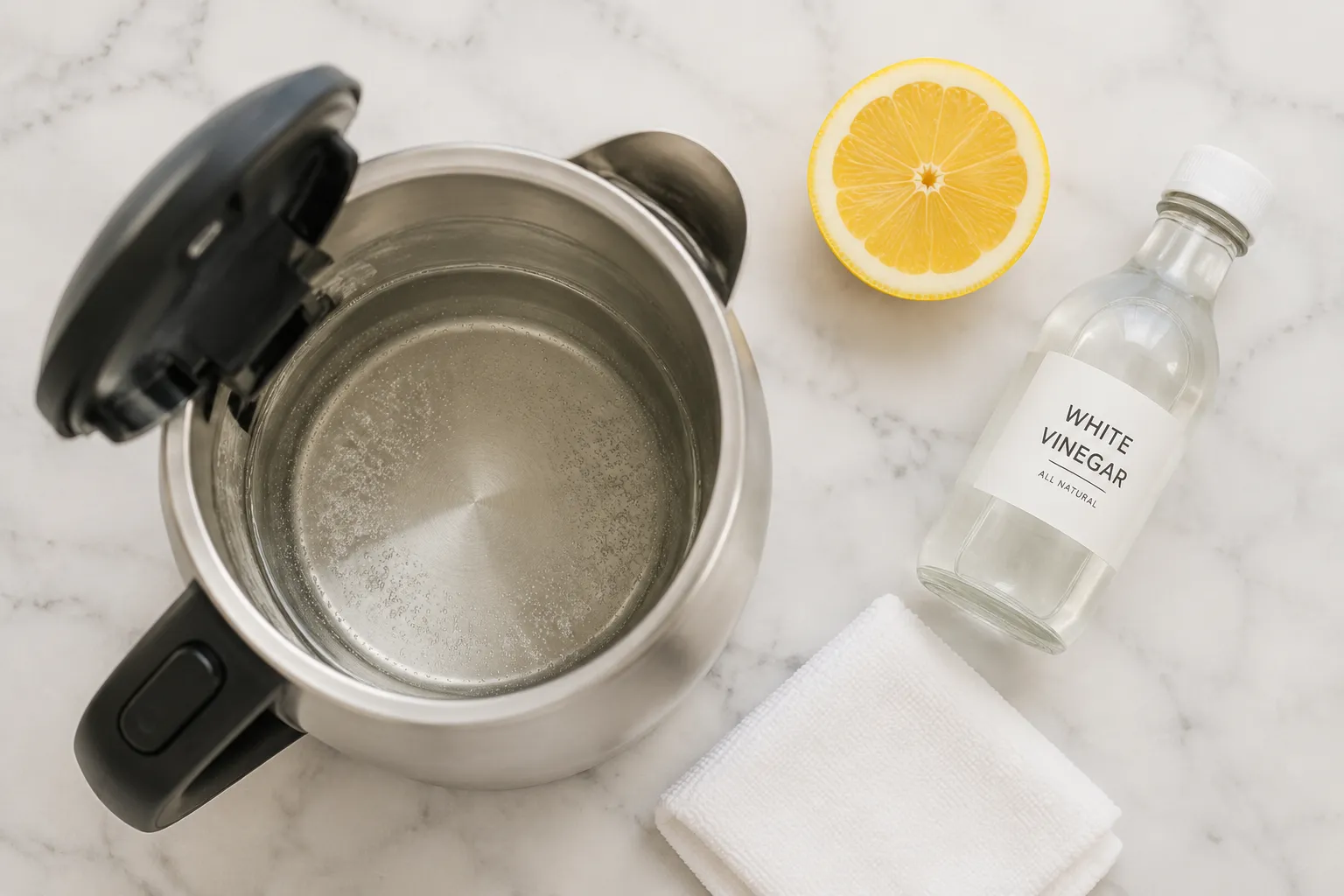
For appliance care, empty any remaining water after use and leave the lid open so the inside can dry. Descale monthly, or more often in hard-water areas, with equal parts white vinegar and water: boil, let sit for 10 minutes, discard, and rinse thoroughly twice before using again.
Frequently Asked Questions
Can you cook food directly inside an electric kettle?
No, you should not cook food directly inside the water chamber. Noodles, grains, milk, eggs, and sugary mixtures can stick to the heating element, cause foaming or overflow, leave odors, and damage the appliance. Direct food contact also voids many warranties. The safer method is to boil plain water only, then pour that water into a heatproof bowl, mug, jar, or French press with your ingredients.
What is the best electric kettle for cooking recipes?
The best choice is a 1- to 1.7-liter model with a stainless steel interior, easy-to-read water markings, and a wide enough opening for cleaning. A variable-temperature model is especially useful because you can use lower heat for tea and coffee, then full boil for oats, couscous, ramen, and rice noodles. A gooseneck spout is nice for pour-over coffee, but not required for most quick meals.
Is it cheaper to boil water in a kettle than on the stove?
In most cases, yes. Electric kettles heat water quickly and efficiently because the heating element is in direct contact with the water, so less heat is lost to the surrounding air. Compared with a gas or electric stovetop, that can use roughly 20 to 30 percent less energy for small amounts of water. The savings per boil are modest, but they add up if you make tea, coffee, oats, or noodles often.
Can I make pasta in an electric kettle?
Avoid cooking traditional pasta inside the appliance or relying on hot water alone for thick pasta shapes. Pasta releases starch, can foam, and usually needs active simmering to cook properly. Instead, use thin noodles that are designed to soften by soaking, such as instant ramen, rice vermicelli, glass noodles, or some quick-cook noodle cups. Place them in a heatproof bowl, cover with freshly boiled water, and let them steep until tender.
How do I clean my kettle after making recipes?
If you are only boiling plain water, cleaning is simple: empty leftover water and let the inside air-dry with the lid open. For mineral buildup, descale monthly with equal parts white vinegar and water. Bring the mixture to a boil, let it sit for about 10 minutes, pour it out, and rinse at least twice with clean water. Wipe the exterior and spout area regularly, especially if you cook nearby.