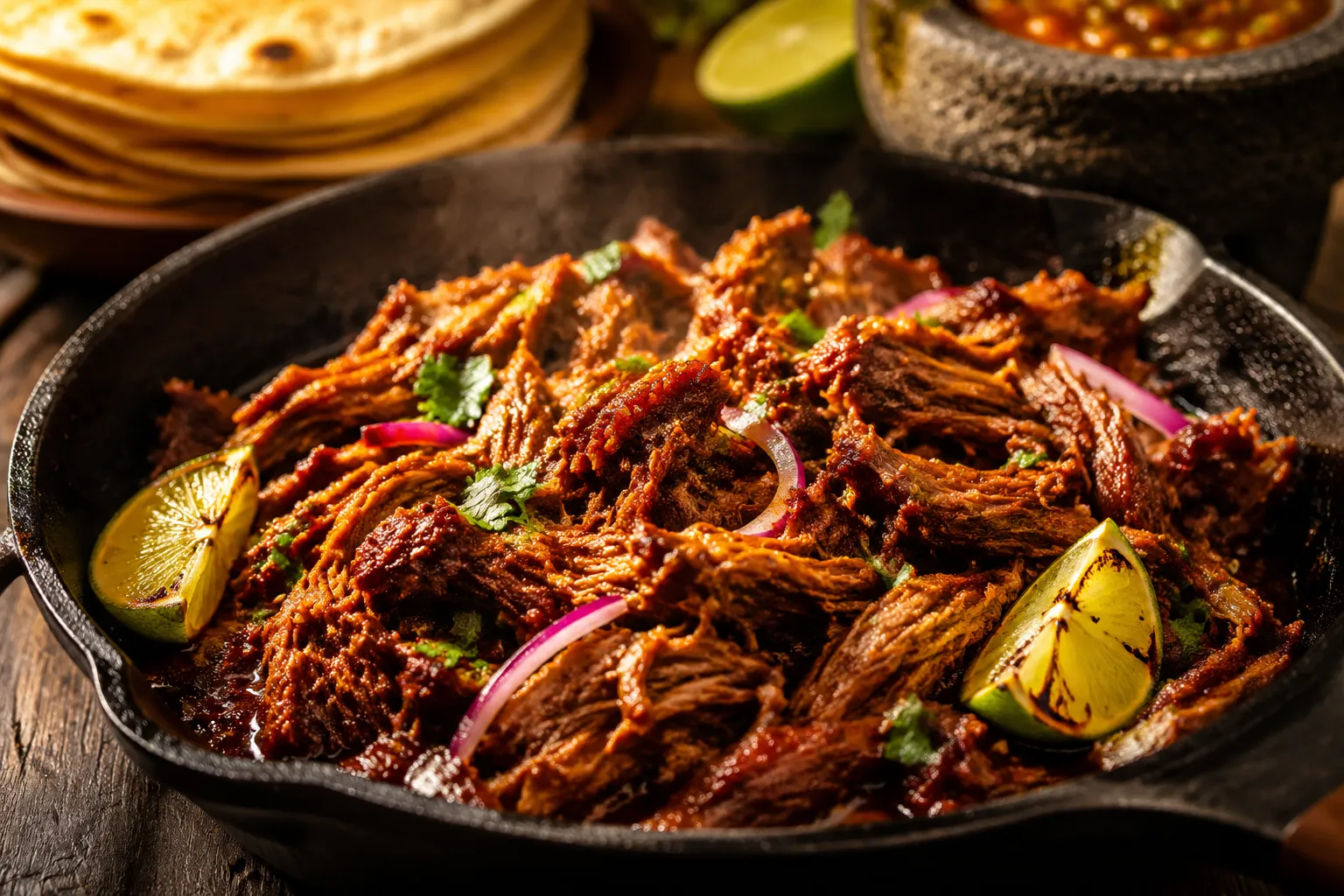
Slow-braised, hand-shredded, and simmered with smoky chiles and sweet tomatoes, this machaca is the kind of Mexican shredded beef you'll want in everything.
Why You'll Love This Recipe
Deep, smoky flavor: Toasted ancho and guajillo chiles give the beef a rich red sauce with gentle heat and earthy sweetness.
Perfectly tender texture: Chuck roast braises until it pulls into juicy strands that hold onto every bit of sauce.
Versatile all week: Use it for tacos, burritos, breakfast eggs, tostadas, nachos, rice bowls, and quesadillas.
Traditional spirit, modern method: You get the flavor inspiration of Sonoran carne seca without needing to dry beef for days.
Great for meal prep: The leftovers reheat beautifully and taste even better after the flavors have time to settle.
Machaca is the kind of slow-braised Mexican shredded beef that makes the whole kitchen smell like toasted chiles, garlic, and Sunday supper. This version starts with a well-marbled chuck roast, dried ancho chiles, guajillo chiles, fire-roasted tomatoes, and a squeeze of lime, then cooks low and slow until the meat falls into saucy, tender strands. It is rustic, deeply savory, and built for piling into tortillas, folding into eggs, or spooning over rice and beans.
Traditional northern Mexican versions often begin with carne seca, or dried beef, which is pounded and rehydrated before being cooked with tomatoes, peppers, and aromatics. For a home kitchen, this modern braised approach gives you the same big, smoky, concentrated flavor without needing several days of drying time. Think of it as a bridge between heritage technique and a cozy pot of beef you can make on a weekend, then enjoy all week long.
What Is Northern Mexican Shredded Beef?
In northern Mexico, especially Sonoran cooking, this beloved beef dish has long been tied to practicality: preserving meat in a hot, dry climate and turning it into something intensely flavorful. The traditional method used thin strips of beef that were salted, dried in the sun, and later pounded or shredded before being cooked with onions, tomatoes, and chiles. That dried beef, known as carne seca, has a chewy, savory intensity that gives the dish its signature character. Today, many home cooks recreate the spirit of the original by braising beef until tender, then simmering the shreds in a chile-tomato sauce.
The flavor is different from barbacoa, which is typically richer, earthier, and often cooked with warming spices or in a pit-style environment. It is also distinct from carnitas, which are pork-based and cooked until juicy with crisp browned edges. Here, the beef stays a little drier and more concentrated, with brightness from tomato and lime and gentle smoke from dried chiles. If you love carne asada for its beefy simplicity, this gives you that same savory satisfaction in a tender, spoonable form.
Essential Ingredients and Flavor Builders
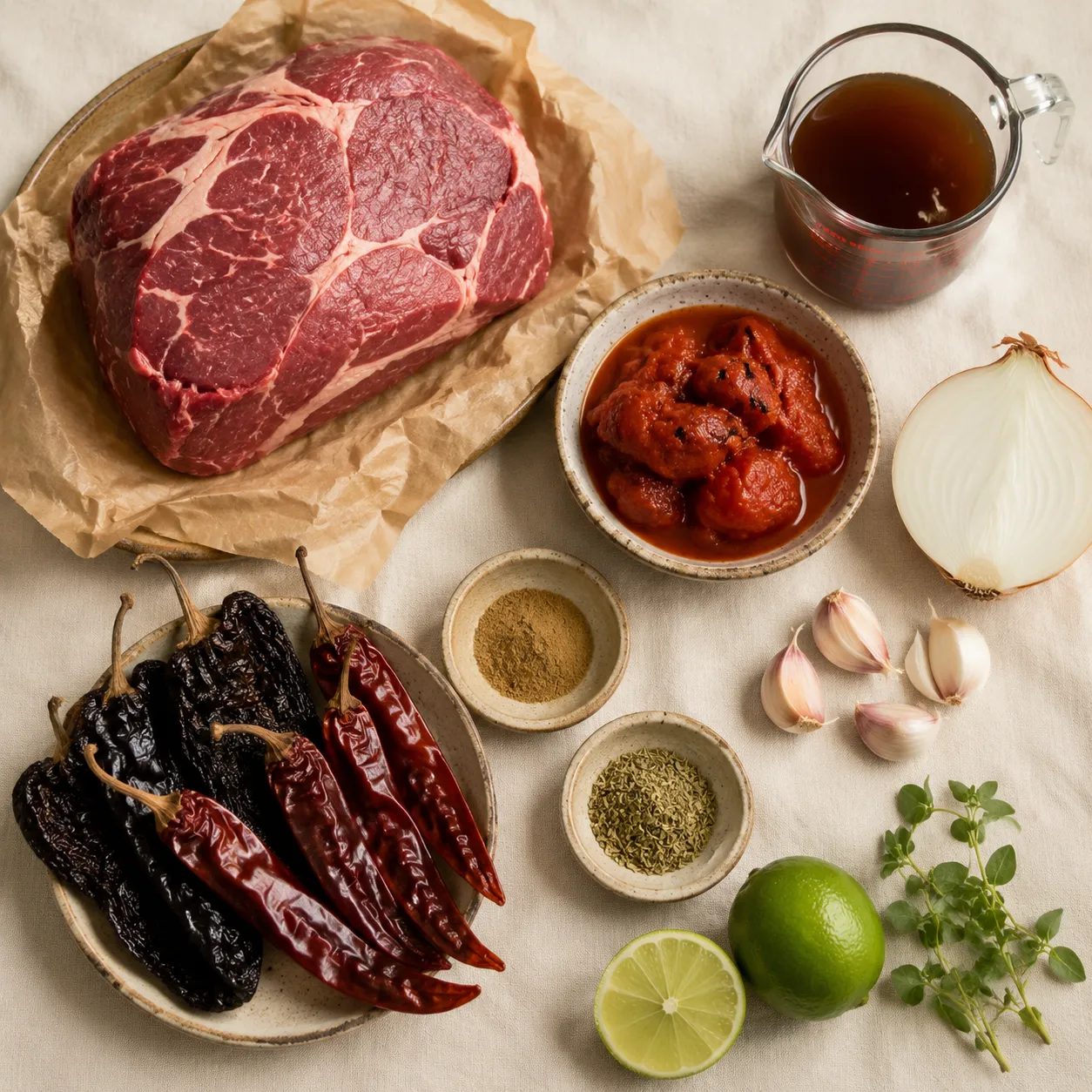
The best starting point is chuck roast because it has the marbling and connective tissue needed for a tender shred. As it cooks, the fat melts into the braising liquid and the collagen softens, leaving beef that pulls apart with very little effort. Look for a roast with visible white marbling throughout rather than one that is completely lean. A leaner cut can work, but it usually needs extra care and enough liquid to keep it from drying out.
Dried ancho chiles bring a mellow, raisin-like depth, while guajillo chiles add fruitiness, color, and a mild, earthy heat. Toasting them briefly wakes up their oils and makes the sauce taste rounder and more complex. Fire-roasted tomatoes add sweetness and a little char, while onion, garlic, cumin, and Mexican oregano create the savory backbone. Beef broth keeps the braise hearty, and lime at the end sharpens everything so the final dish tastes lively rather than heavy.
You can make smart substitutions while keeping the soul of the dish intact. New Mexico chiles can stand in for guajillos, and a small chipotle in adobo can add smokiness if you want more heat. If you only have crushed tomatoes instead of diced fire-roasted tomatoes, use them, but consider adding a pinch of smoked paprika. The goal is a balanced sauce: smoky, gently sweet, savory, and bright enough to cling to the beef without overwhelming it.
Building the Chile-Tomato Sauce
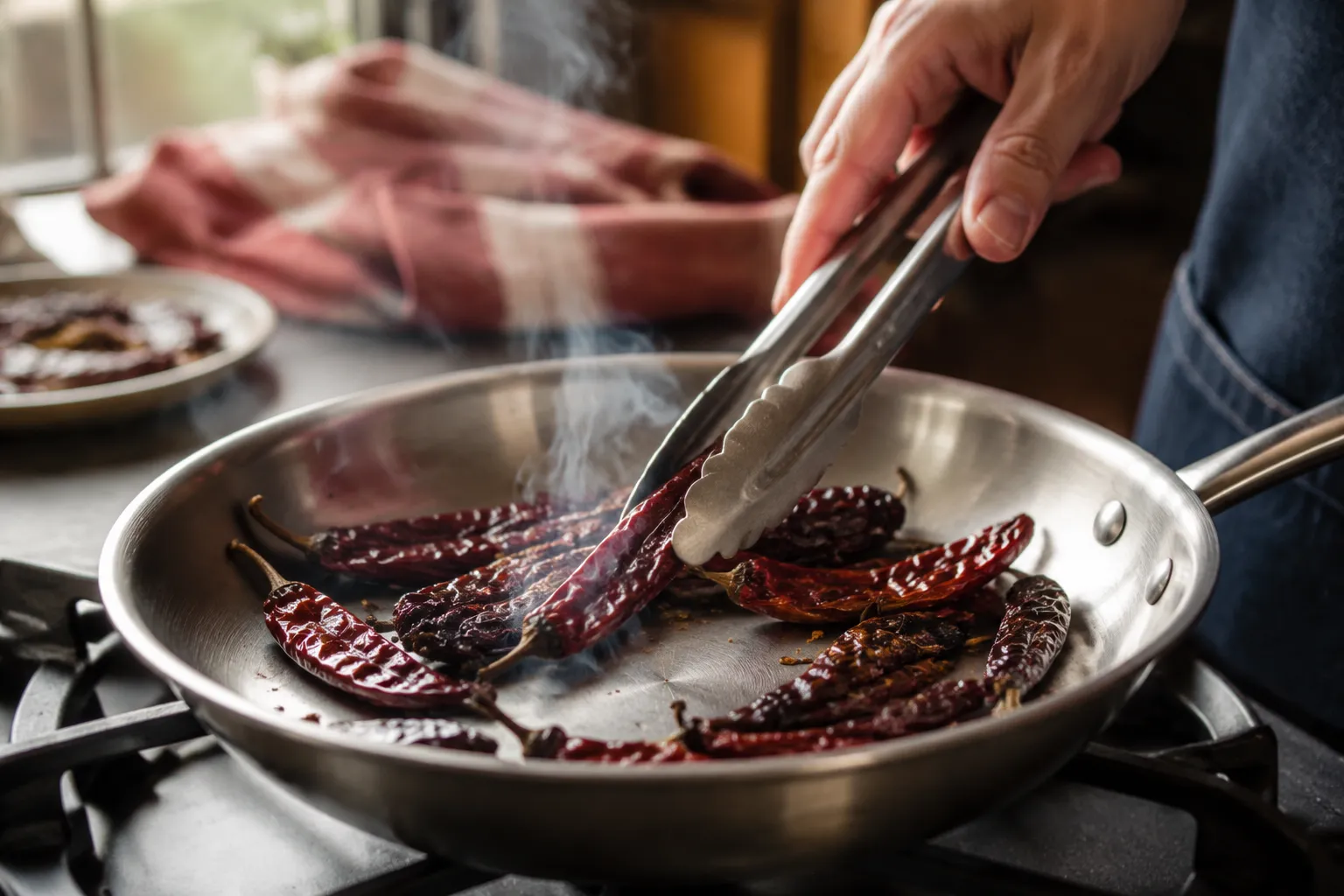
The sauce is where the dish gets its signature red color and slow-cooked flavor. Start by removing the stems and seeds from the dried chiles, then toast them in a dry skillet just until they become fragrant and pliable. This step only takes a minute or two, but it makes a real difference; too long and the chiles can turn bitter. After toasting, soften them in hot broth so they blend into a silky base.
Once the chiles are softened, blend them with tomatoes, garlic, onion, cumin, oregano, and some of the soaking broth. The mixture should look smooth, brick-red, and pourable, with just enough body to coat a spoon. If your blender struggles, add a splash more broth and strain the sauce for an extra-polished texture. That said, a little texture is welcome here; this is a rustic beef dish, not a delicate purée.
How to Cook the Beef Until Tender
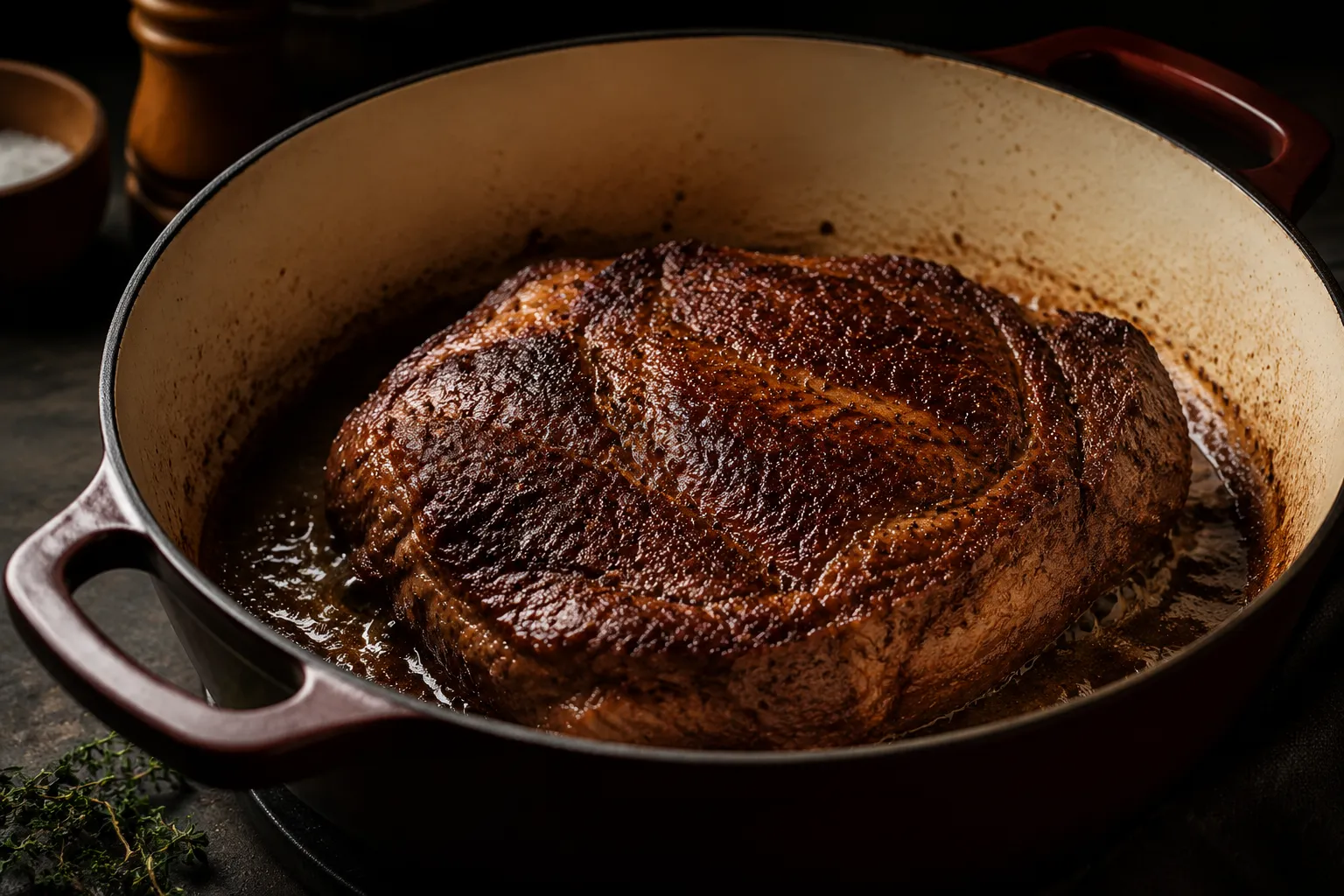
Before the roast ever meets the sauce, give it a good sear. Pat the beef dry, season it generously, and brown it in a heavy Dutch oven until a deep crust forms on all sides. Those browned bits on the bottom of the pot are flavor gold, and they dissolve into the braising liquid as everything cooks. This is one of the reasons the Dutch oven method tastes so full and layered.
After searing, the sauce and broth go into the pot with the beef, and the whole thing cooks gently until the roast is fork-tender. Low, steady heat is the secret; a hard boil can make the meat tough before it has time to relax. You will know it is ready when a fork twists easily in the thickest part and the beef starts to separate along its natural grain. Let it rest briefly before shredding so the juices settle back into the meat.
Shred, Simmer, and Finish the Sauce
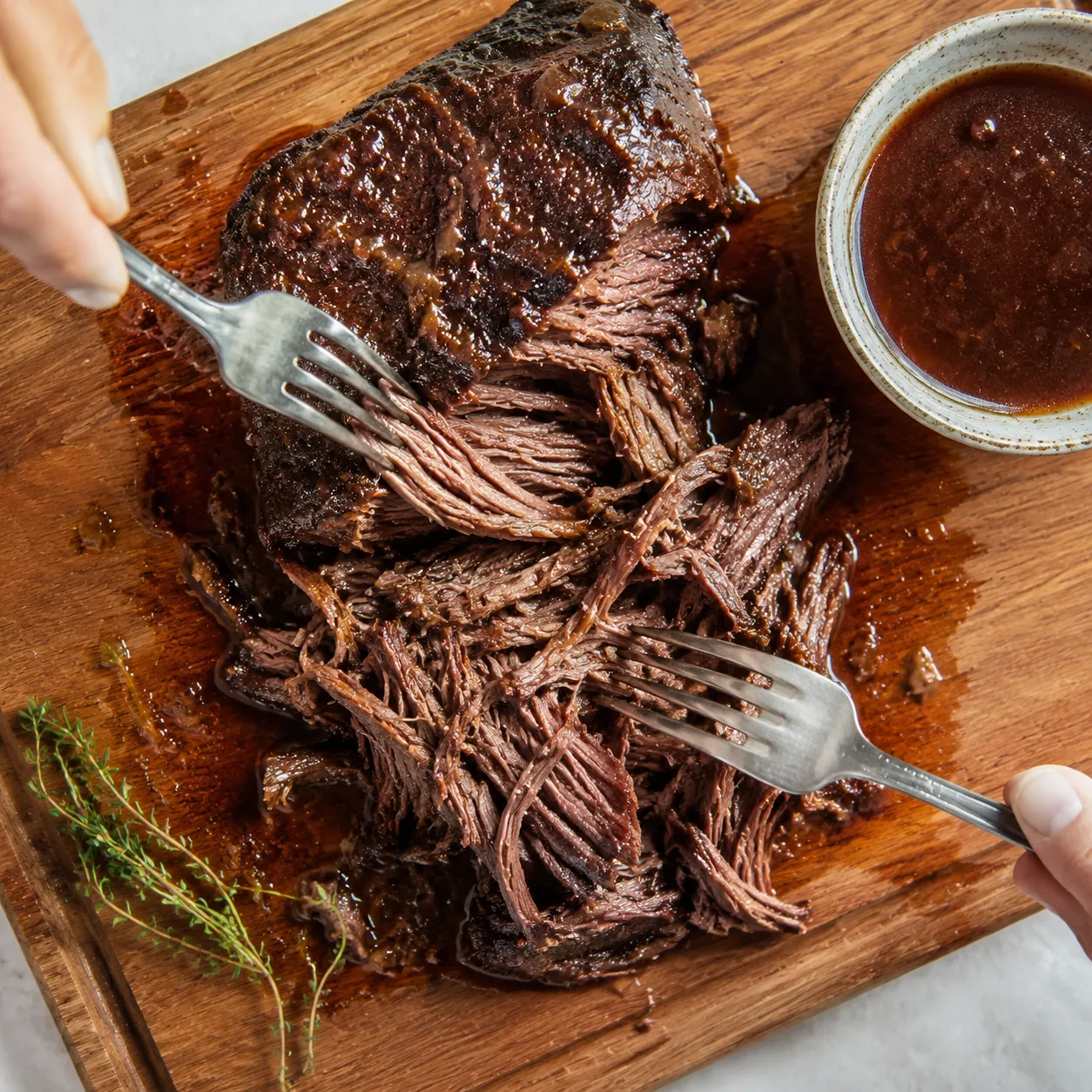
Once the beef is tender, transfer it to a board and pull it into long shreds with two forks. Keep some pieces thicker and some finer so the finished dish has texture; it should not look like paste. Skim excess fat from the braising liquid if needed, then return the shredded beef to the pot. As it simmers uncovered, the sauce reduces and clings to every strand.
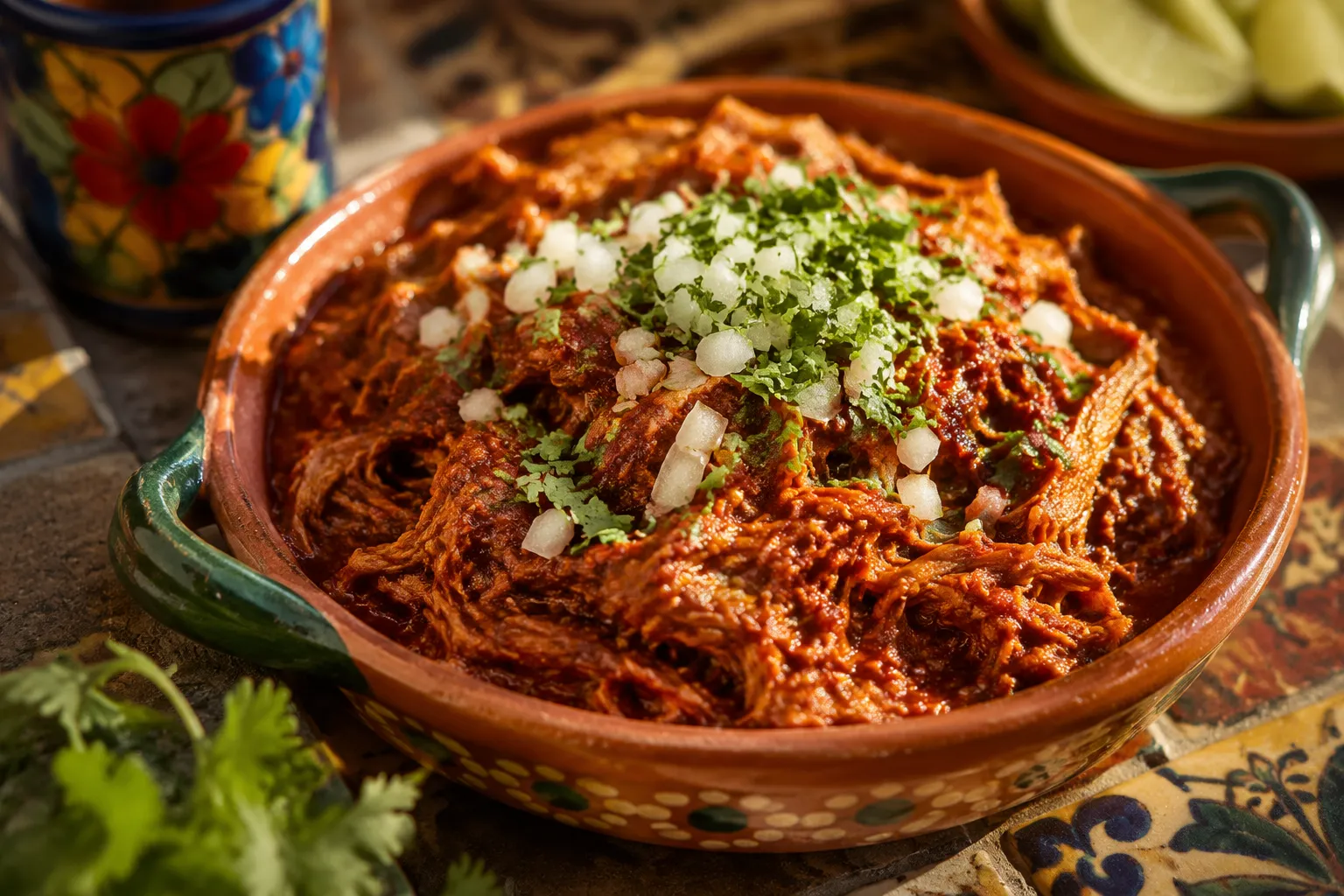
This final simmer is where the dish moves from simple braised beef to something truly craveable. The tomato sweetness concentrates, the chiles deepen, and the beef absorbs the sauce rather than just sitting in it. Finish with fresh lime juice and taste for salt, because the final seasoning determines whether the flavors feel muted or vibrant. The texture should be moist and saucy, but not soupy.
Slow Cooker, Instant Pot, and Dutch Oven Methods
The Dutch oven gives the most classic result because searing, simmering, and reducing all happen in the same pot. It also lets you monitor the texture of the sauce as it thickens around the shredded beef. If you are cooking on a relaxed weekend afternoon, this method is deeply satisfying and fills the house with the best aroma. It is also the easiest way to control moisture at the end.
For a slow cooker version, sear the beef first if you can, then transfer it to the slow cooker with the blended chile-tomato sauce and broth. Cook on low until the roast pulls apart easily, usually 7 to 8 hours depending on the size and shape of the meat. Shred the beef, then simmer it with the sauce uncovered in a skillet or saucepan to reduce. That last reduction step keeps the dish from tasting watery.
For the Instant Pot, use the sauté function to brown the roast and briefly cook the sauce, then pressure cook until tender. A natural release helps the beef stay juicy, especially with a larger roast. After shredding, use sauté again to reduce the sauce until glossy and concentrated. This method is perfect when you want the flavor of a long braise in a shorter window.
Serving Ideas for Breakfast, Tacos, and Bowls
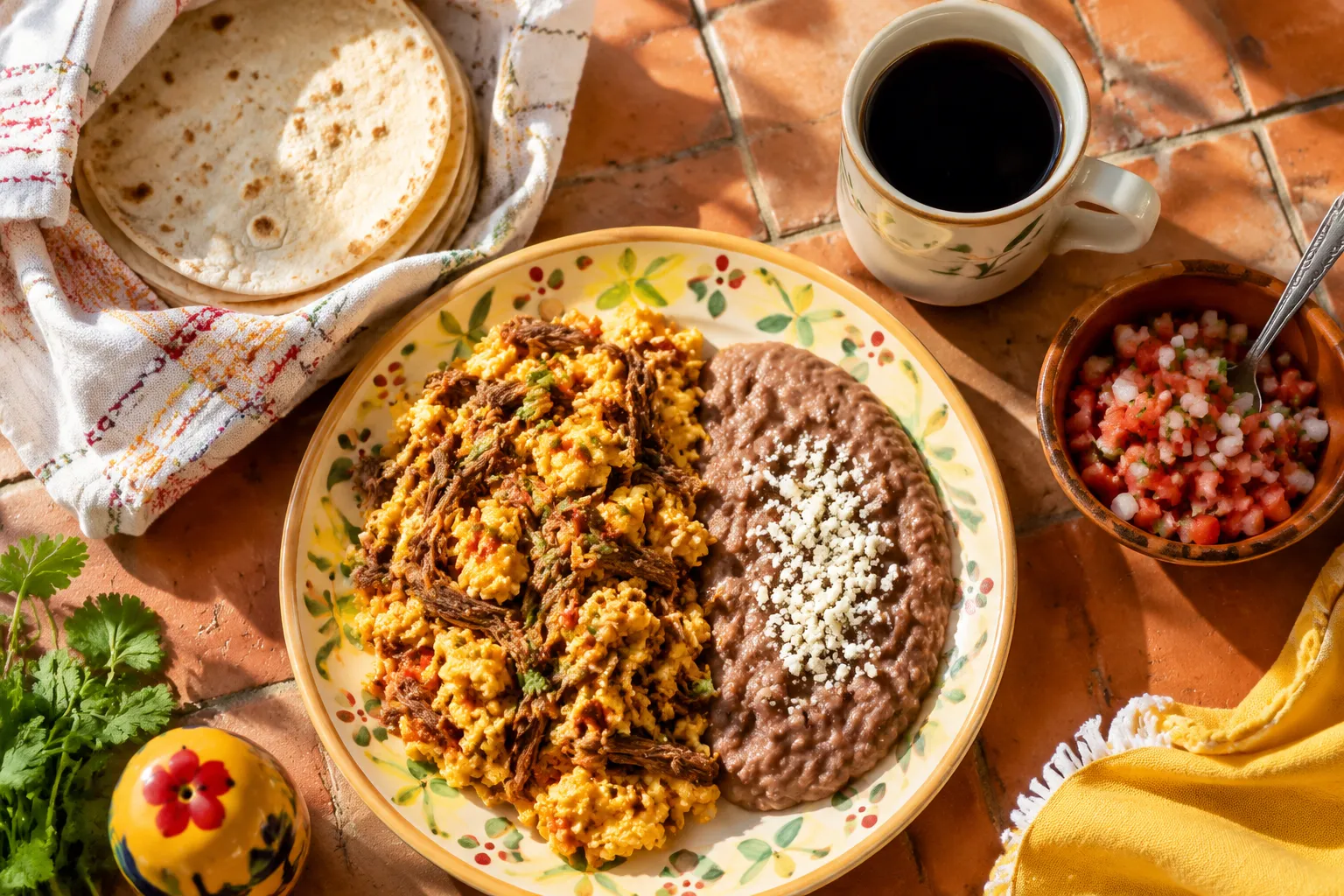
One of the most iconic ways to serve this beef is with eggs. Scramble a few eggs softly, fold in warm shredded beef, and serve the mixture with homemade flour tortillas, salsa, and refried beans. The eggs mellow the chiles and turn the whole plate into a hearty, comforting breakfast. Add sliced avocado, pico de gallo, or a sprinkle of cotija if you want a little extra brightness.
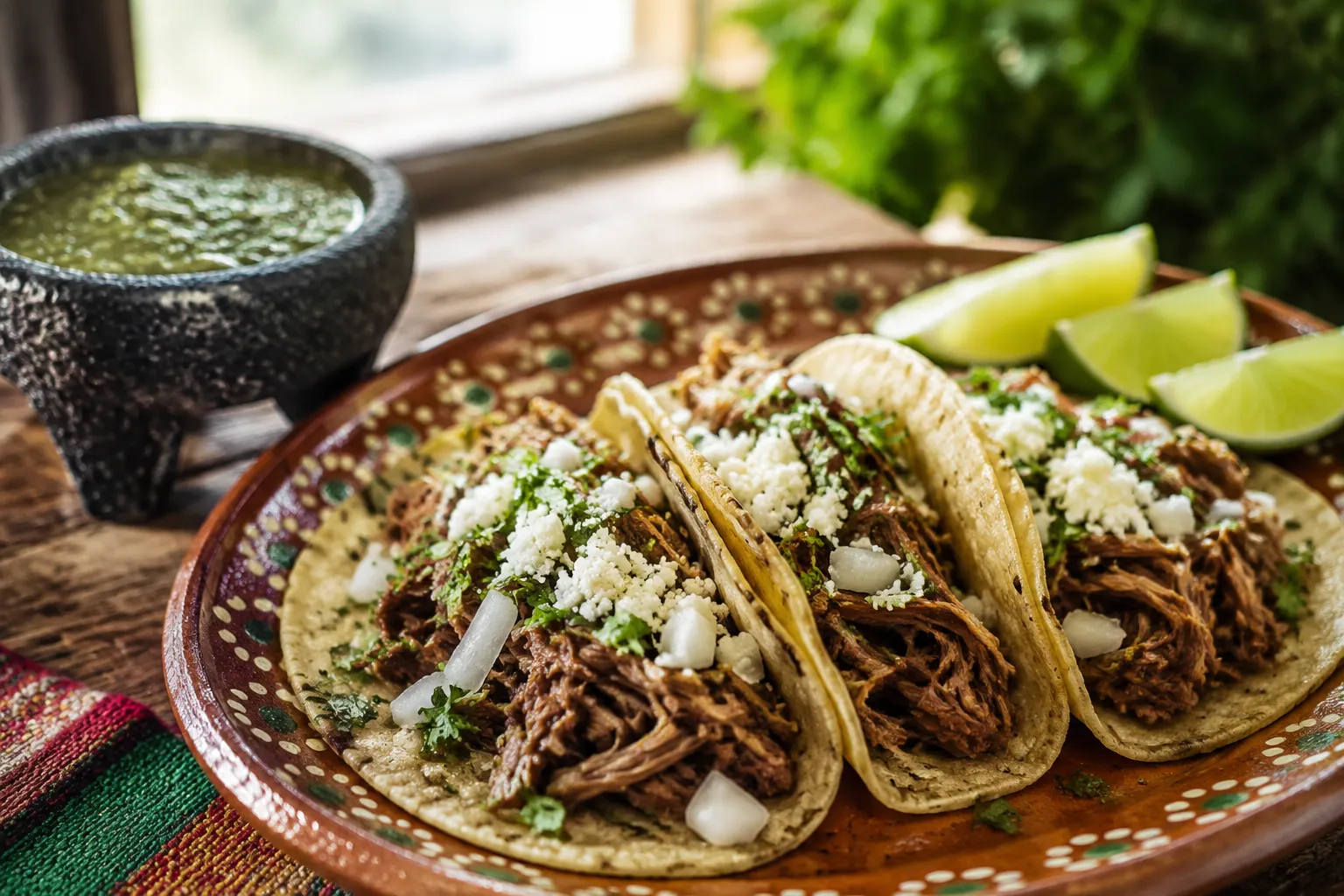
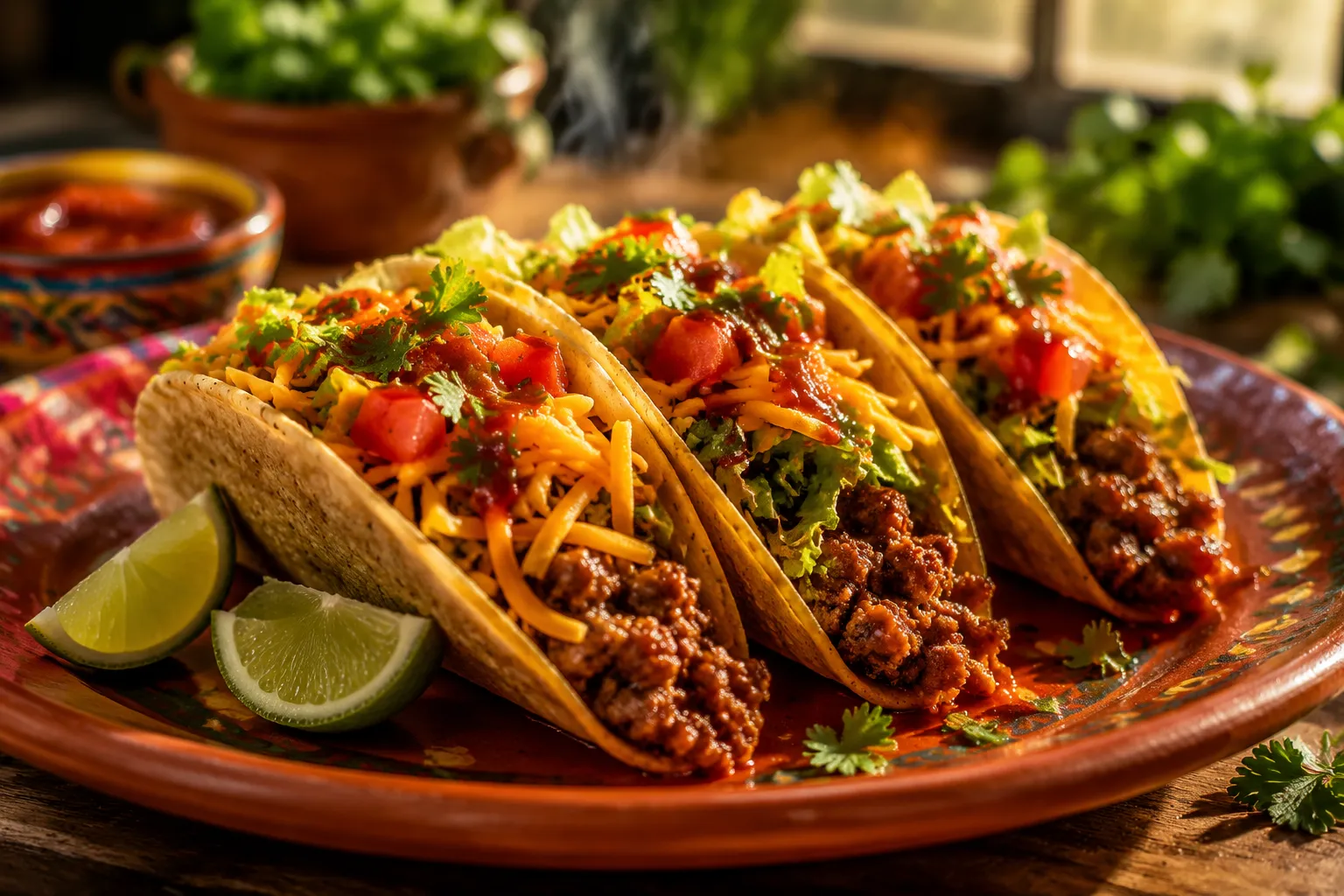
It is also fantastic tucked into beef tacos with onion, cilantro, lime, and a spoonful of salsa verde. For burritos, layer the beef with Mexican rice, beans, cheese, and roasted peppers, then griddle the tortilla until golden. You can spoon it over tostadas, stuff it into quesadillas, or scatter it over nachos with pickled jalapeños and crema. The flavor is bold enough to stand alone but flexible enough to play well with almost any Mexican-inspired spread.
A Complete Sonoran-Style Meal
To make the meal feel abundant, serve the beef with warm tortillas, lime wedges, a simple salsa, and something creamy or cooling on the side. A pot of beans balances the smoky chiles, while rice soaks up the extra sauce beautifully. A crunchy cabbage slaw with lime and cilantro adds freshness, especially if you are serving tacos or tostadas. For drinks, try agua fresca, Mexican beer, or strong coffee if you are leaning into the breakfast plate.
This is also a wonderful make-ahead centerpiece for gatherings because the flavor improves as it rests. You can prepare the beef a day in advance, then reheat it gently and set out tortillas, toppings, and sides so everyone can build their own plate. It feels special enough for a weekend meal but practical enough for leftovers, which is exactly why this dish has endured. Once you have a pot of this beef in the fridge, tacos, breakfast plates, rice bowls, and late-night quesadillas are all just minutes away.
💡 Expert Tips
Toast the chiles briefly. They should smell fragrant and become slightly pliable, but they should not blacken or scorch.
Sear the beef well. A deep brown crust adds savory depth to the sauce and makes the finished dish taste slow-built.
Cook until truly fork-tender. If the beef resists shredding, it needs more time, not more force.
Reduce after shredding. Simmering the shredded beef in the sauce concentrates flavor and gives the dish its signature clingy texture.
Finish with acid. A squeeze of lime at the end brightens the chiles, tomatoes, and rich beef.
🔄 Variations & Substitutions
This recipe is built to be classic and balanced, but it is easy to nudge in different directions depending on how you plan to serve it.
Spicier: Add 1 chipotle pepper in adobo or a dried chile de árbol to the sauce.
Smokier: Use smoked salt or a pinch of smoked paprika with the cumin.
Tomato-forward: Add 2 tablespoons tomato paste when blending the sauce for a deeper red color.
Breakfast-style: Warm the beef in a skillet, then fold in softly scrambled eggs for a classic machaca con huevos plate.
Extra-crispy: Spread the shredded beef in a hot skillet and let the edges brown before serving.
🧊 Storage & Leftovers
Store cooled shredded beef with its sauce in an airtight container in the refrigerator for up to 4 days. The flavor often improves overnight as the chiles, tomatoes, and beef settle together.
For longer storage, freeze in meal-size portions for up to 3 months. Thaw overnight in the refrigerator, then reheat gently in a covered skillet or saucepan with a splash of broth or water to loosen the sauce without drying out the meat.
Frequently Asked Questions
What is machaca made of?
Machaca is made from shredded beef seasoned with dried chiles, tomatoes, onion, garlic, and Mexican spices such as cumin and Mexican oregano. Traditionally, it began as sun-dried beef, or carne seca, that was pounded and cooked with aromatics. In many modern home kitchens, chuck roast is braised until tender, shredded, and simmered in a chile-tomato sauce to capture the same savory, concentrated flavor in a more accessible way.
What is the difference between machaca and barbacoa?
Barbacoa is usually slow-cooked until very tender and juicy, often with deep, earthy seasonings and sometimes a pit-roasted style. Machaca is typically drier, brighter, and more concentrated, with a flavor profile built around dried chiles, tomatoes, onion, and garlic. It is especially common in northern Mexican cooking and is often served for breakfast with eggs, while barbacoa is more often served as a rich taco or consommé-style meal.
What cut of beef is best for machaca?
Chuck roast is the best choice because it has enough marbling and connective tissue to become tender and shreddable during a long braise. As it cooks, the fat and collagen break down, giving the beef juicy texture and deep flavor. Brisket can also work well, though it may taste a bit richer. Flank steak is another option, but it is leaner and needs careful cooking so it does not turn dry.
Can I make machaca in a slow cooker or Instant Pot?
Yes, both methods work well. For a slow cooker, sear the beef first if possible, then cook it with the chile-tomato sauce on low for 7 to 8 hours, or until it shreds easily. For the Instant Pot, cook on high pressure for about 60 minutes with a natural release. In either case, shred the beef and simmer it with the sauce afterward so the liquid reduces and coats the meat.
How do you serve machaca?
Serve it with scrambled eggs and tortillas for a classic breakfast plate, or tuck it into tacos, burritos, tostadas, and quesadillas. It is also excellent over nachos, rice bowls, or alongside beans and salsa. For a simple meal, warm the beef in a skillet, add lime, cilantro, and onion, then serve with tortillas and your favorite Mexican sides.