Copycat Little Caesars Pizza (Photos & Step-by-Step Recipe)
Ingredients
Scale
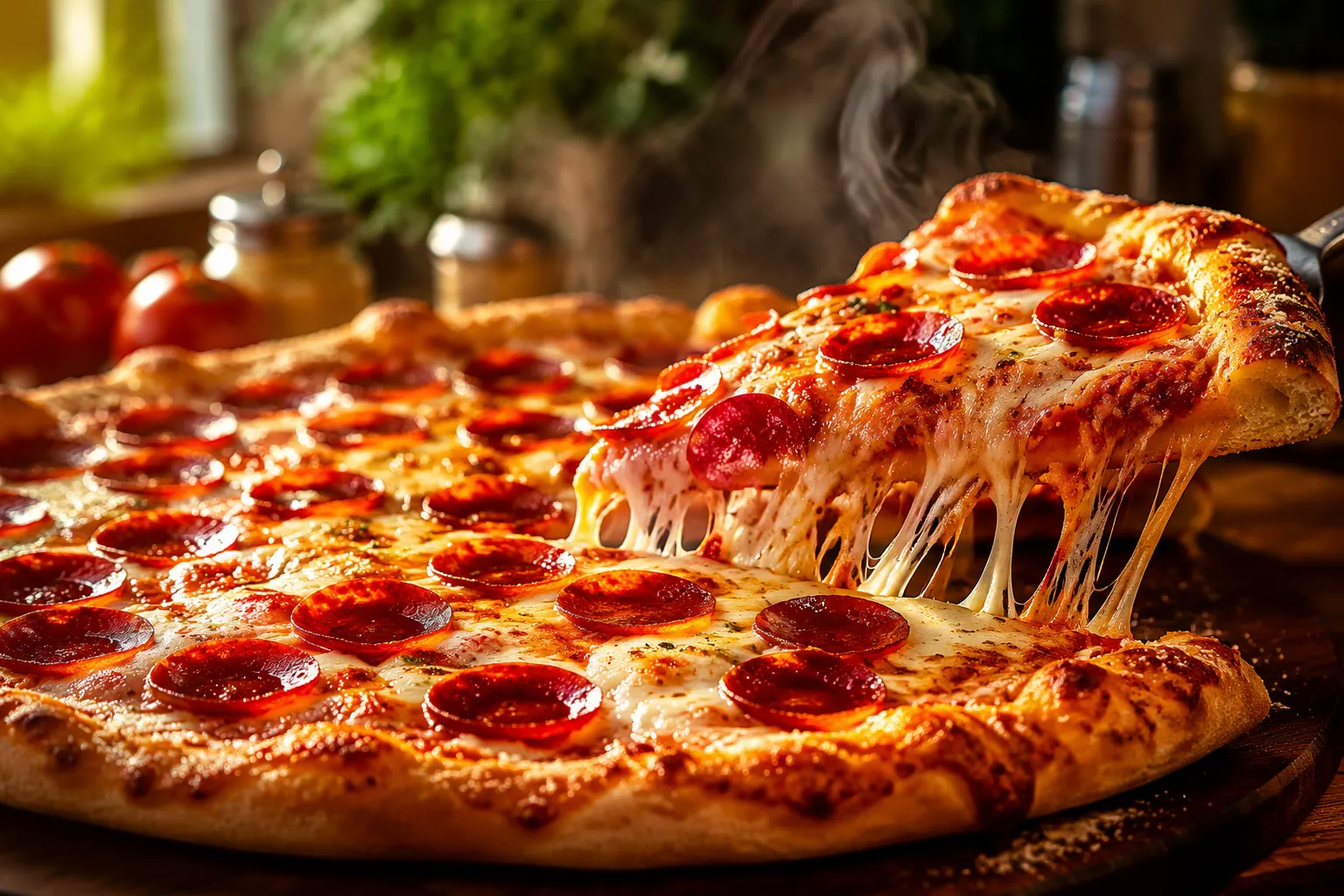
We analyzed dozens of Little Caesars pizza photos to crack the code on their famous crust and cheese. Here is the ultimate homemade Hot-N-Ready copycat!
If you've ever scrolled through little caesars pizza photos late at night and felt that nostalgic craving hit harder than a Friday paycheck, this recipe was built for you. We're talking about that unmistakable rectangular-ish, cheese-bubbled, oil-glossed pepperoni pie that defined countless soccer-practice dinners and after-school snacks across America. The good news? You can absolutely recreate it in your own kitchen, and the result is honestly better than the drive-thru version because you control the crust, the cheese pull, and the toppings.
I spent an embarrassing number of hours studying side-by-side comparison shots, freeze-framing TikTok unboxings, and analyzing crumb structure to nail the texture. The secret isn't one trick — it's a layered approach: a high-hydration pan dough, a touch-of-sugar tomato sauce, and (most importantly) a cheese blend that goes way beyond plain mozzarella.
Below you'll find every step photographed, plus the bonus crazy bread recipe that turns this into a complete pizza-night spread. Let's get into it.
Most copycat recipes online lean on text-heavy explanations, but the magic of a hot-n-ready pie is fundamentally visual. The slightly orange-tinted melt. The thick, golden-fried crust edge. The way the pepperoni cups and chars at the rim. You can't reverse-engineer those details from a paragraph — you need pictures.
So we collected reference shots from menu boards, customer reviews, and our own takeout boxes. The pattern was clear: this pizza isn't trying to be artisan Neapolitan. It's a comforting American pan pizza with a soft-but-crispy bottom and a cheese layer that stretches into theatrical strands when you pull a slice.
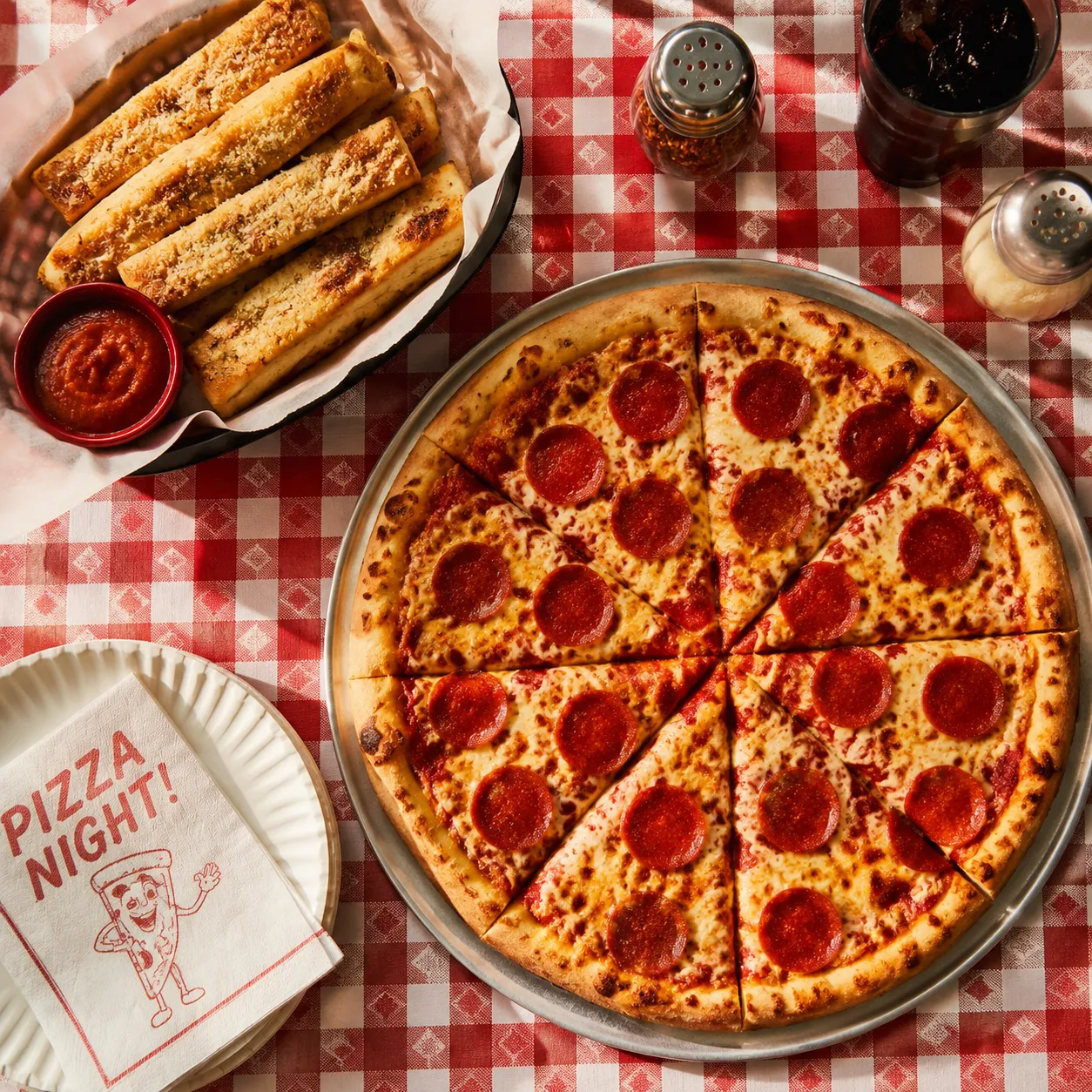
Once we identified those visual markers — pan-baked crust, dual cheese blend, slightly sweet tomato sauce, evenly distributed pepperoni — recreating it became a methodical exercise rather than guesswork. The result is a copycat recipe you can make for under five bucks per pie that genuinely passes the photo test.
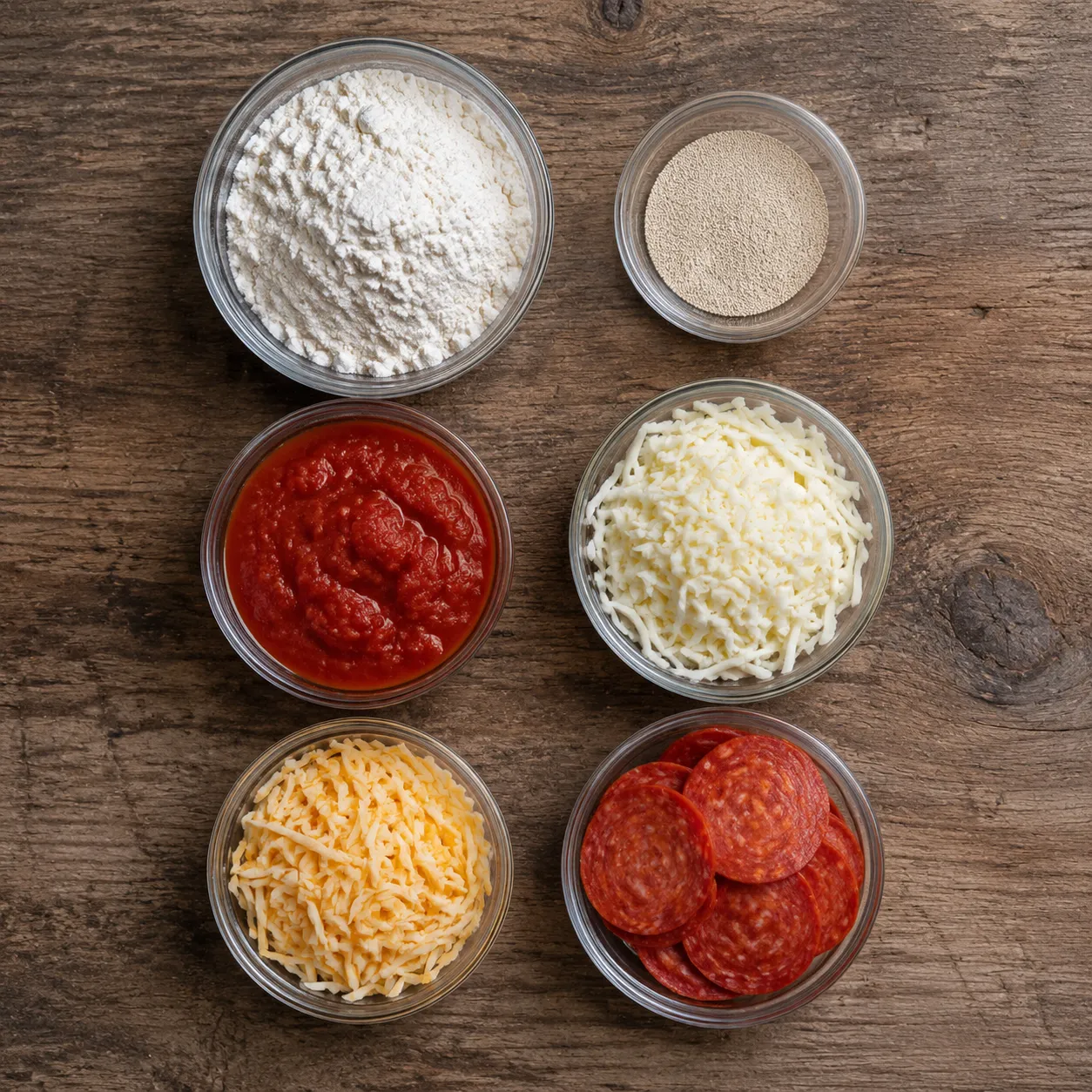
Each component matters here. Skimp on the cheese blend or use cold dough straight from the fridge and you'll lose the signature look. Here's what to grab and why.
The crust is the soul of this pizza. We're using a simple homemade pizza dough built around all-purpose flour, active dry yeast, warm water, olive oil, sugar, and salt. The sugar feeds the yeast aggressively, helping the dough puff up tall and golden in a hot pan. Olive oil in the dough — plus more in the pan — creates that signature shallow-fried bottom layer that you can hear crackle when the slice is lifted.
Forget complicated simmered marinaras. The trick to an easy pizza sauce that mimics the chain version is uncooked crushed tomatoes whisked with sugar, garlic powder, oregano, basil, and a pinch of salt. The sugar balances the acidity and gives that subtle sweetness people remember without being able to name. Spread it cold, straight onto the dough — no pre-cooking required.
Here's the detail almost every copycat misses. Little Caesars famously uses a blend of mozzarella and muenster — a 70/30 ratio works beautifully at home. Muenster melts into a creamier, slightly orange-tinted layer with a mild tang that low-moisture mozzarella alone simply doesn't produce. Shred both yourself from blocks; pre-shredded cheese is coated in anti-caking starch that mutes the melt and ruins your cheese pull.
The full numbered method lives in the recipe card below, but here's the visual walkthrough so you know exactly what each stage should look like in your kitchen.
Mix and knead the dough. Bloom your yeast in warm water with a pinch of sugar for five minutes until foamy. Combine with flour, salt, and olive oil, then knead by hand for 8 minutes or in a stand mixer for 5. You want a smooth, slightly tacky ball that springs back when poked.
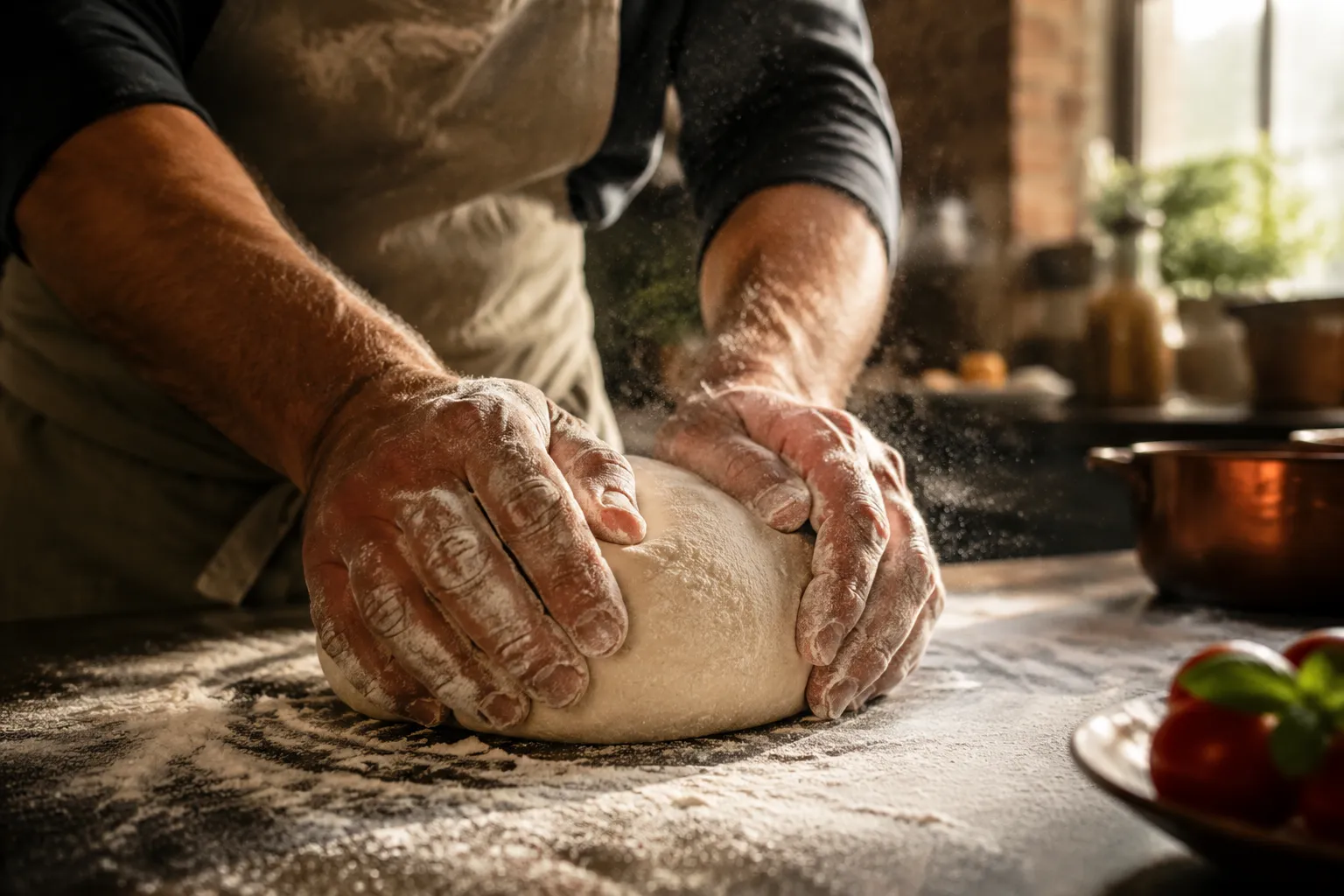
First rise. Cover the dough and let it rise in a warm spot for about an hour, until doubled. If you have time, a cold ferment overnight in the fridge develops noticeably better flavor and a more bubbly crumb.
Press into a pan. Generously oil a quarter sheet baking sheet or a 12-inch cast iron pan pizza skillet. Press the dough out edge to edge with oiled fingertips. If it springs back, let it rest 10 minutes and try again.
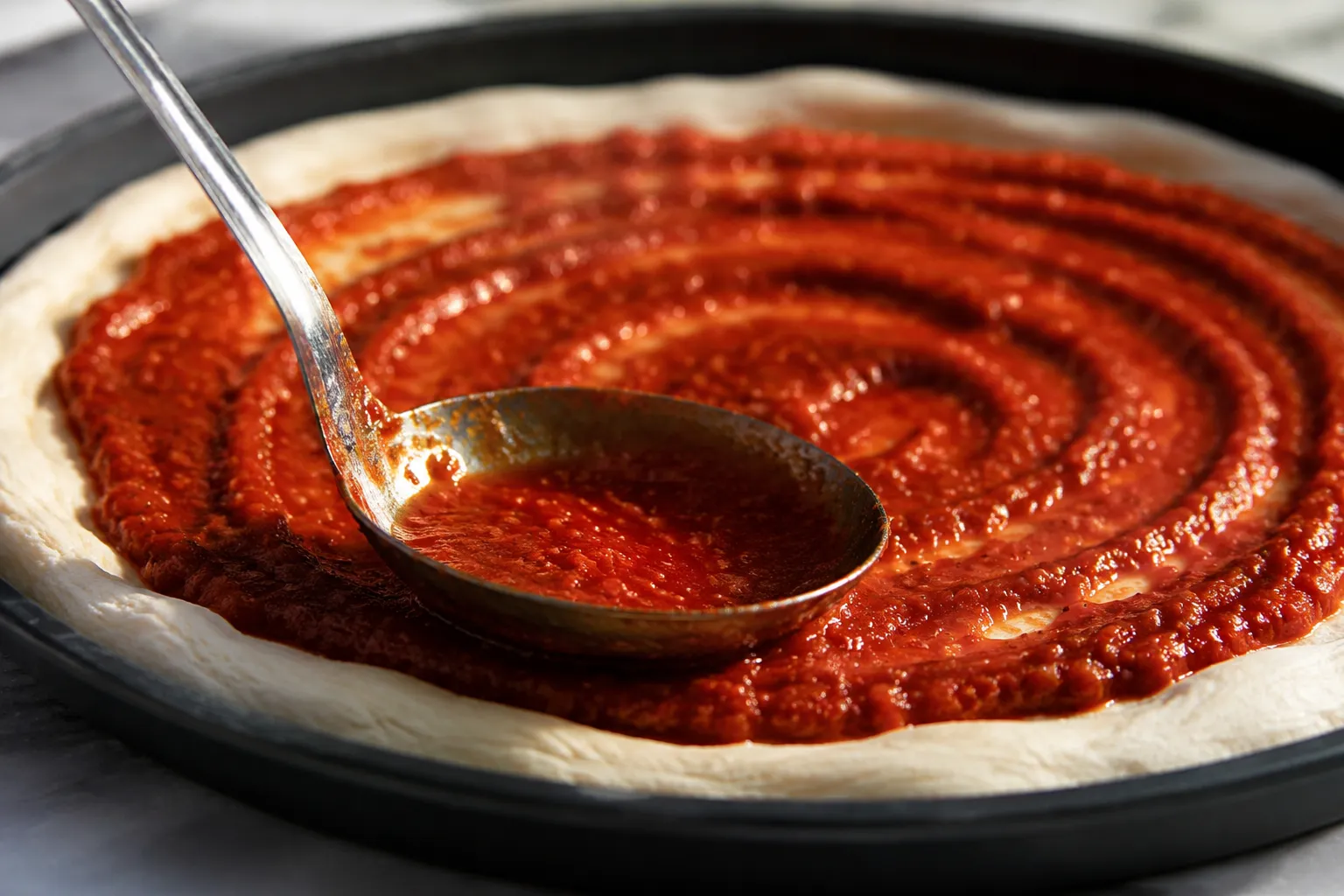
Sauce and top. Ladle on a generous half cup of sauce, leaving a small bare border. Then come the toppings in classic pepperoni pizza recipe fashion — cheese first (the blend!), then pepperoni evenly distributed so every slice gets four to five rounds.
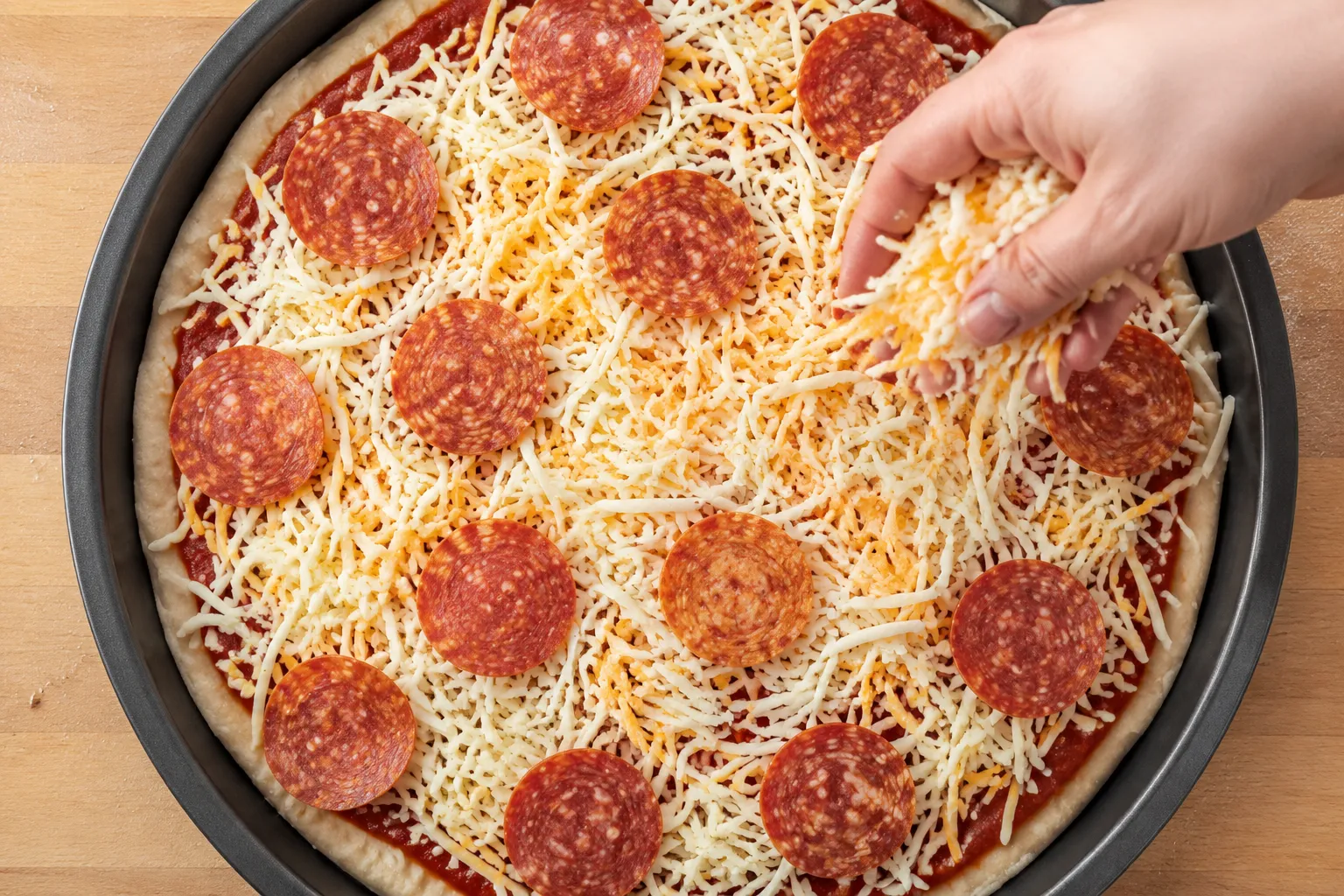
Bake hot and fast. Slide into a 500°F oven on the lowest rack for 12-15 minutes. The bottom should be deep golden-brown, the cheese bubbling with toasty spots, and the pepperoni curled and glistening.
Visual authenticity comes down to three details. First, oil the pan like you mean it — at least two tablespoons. This is what produces the slightly fried, crackly crust bottom that defines the hot-n-ready experience. A dry pan gives you a soft, bready crust that just doesn't read the same in photos.
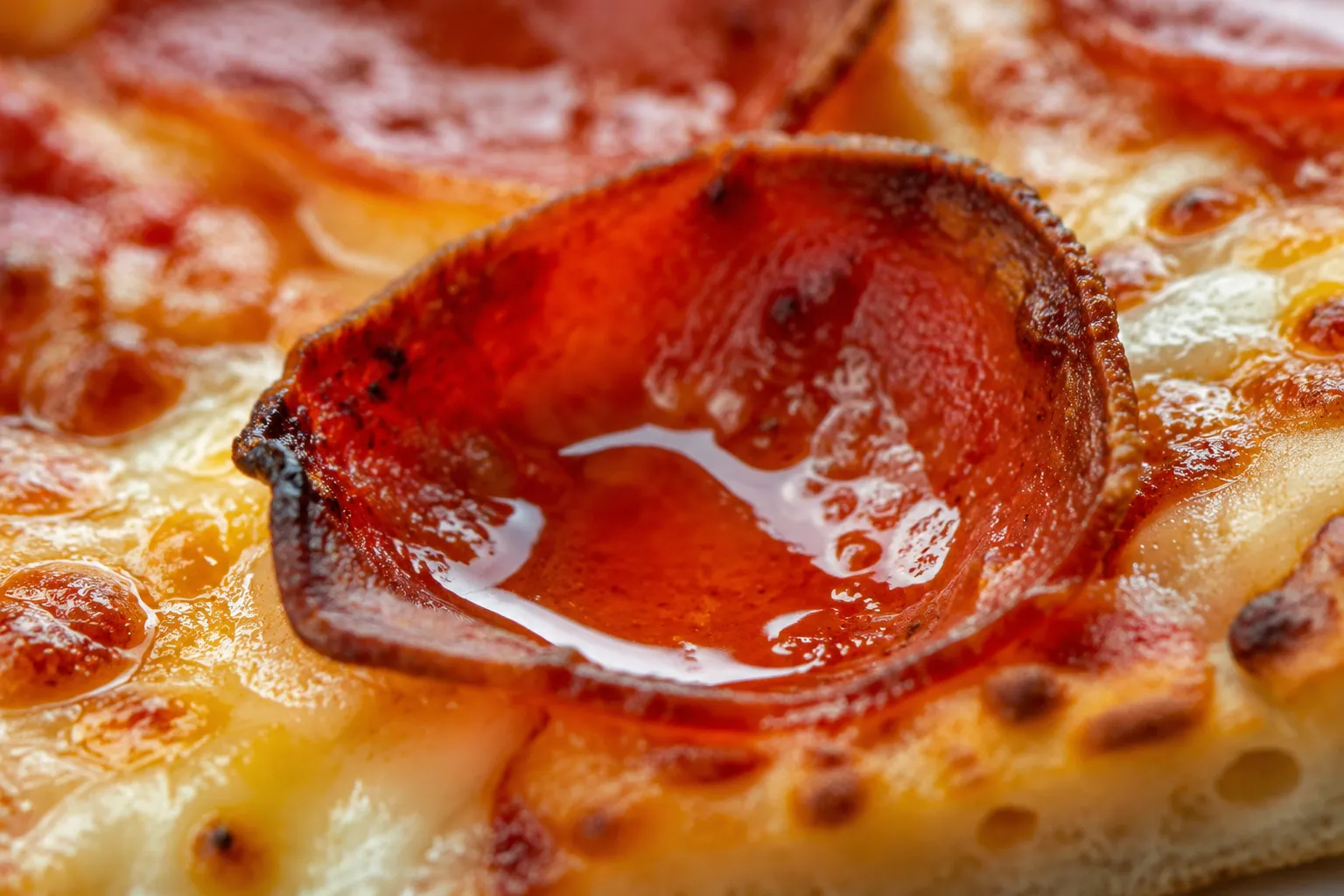
Second, push the cheese blend right to the edge of the dough. The original is famous for cheese-to-the-crust coverage, with caramelized lacy bits that crisp into the pan. Don't leave a naked border like you would on a Neapolitan.
Third, use small-diameter pepperoni — the cheap stuff in the deli case actually works better than fancy artisan rounds. The smaller cups curl tighter, hold those tiny pools of bright orange oil, and char around the edges exactly the way you remember.
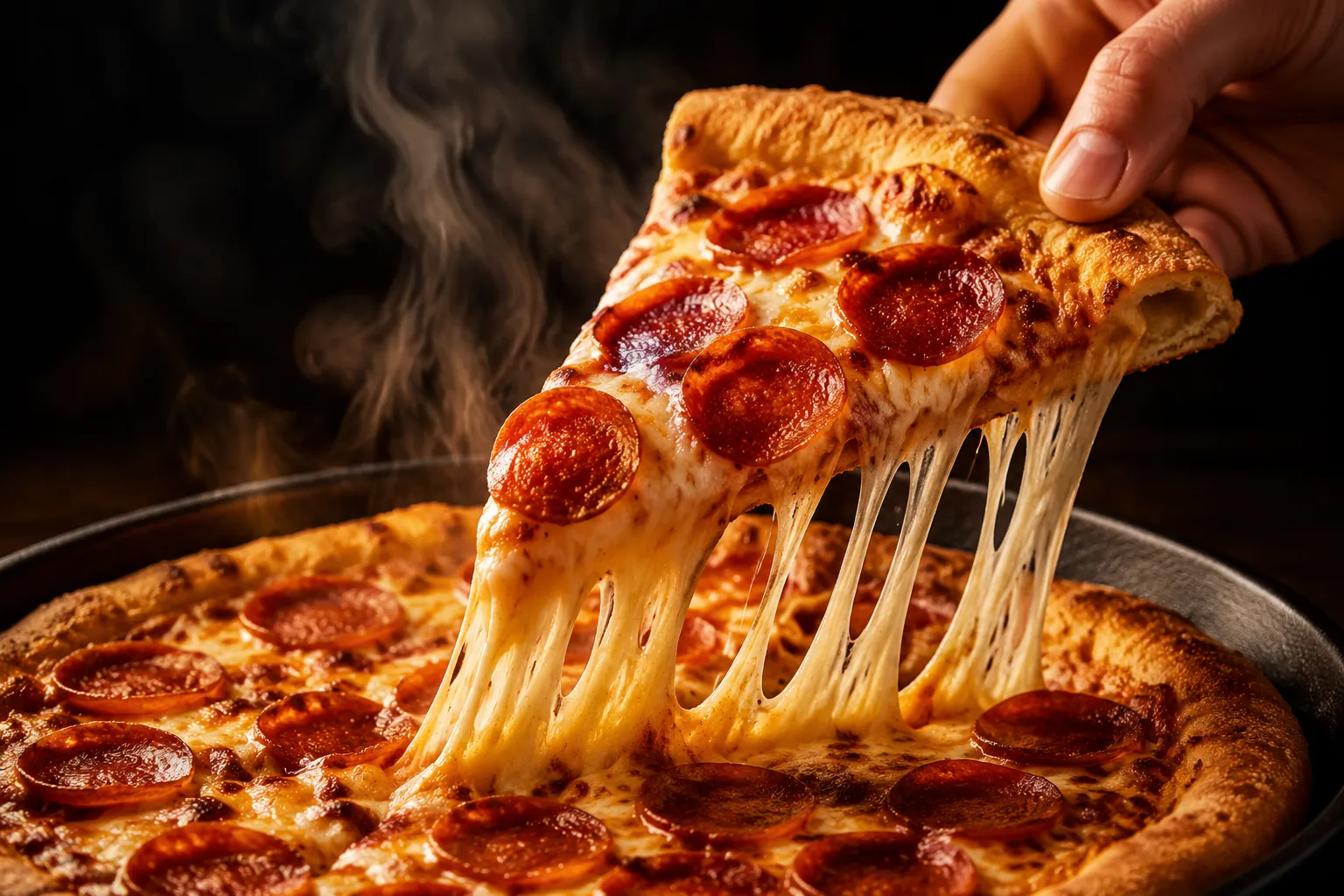
Pull the pizza, let it rest exactly two minutes (long enough for the cheese to set without going rubbery), and slice with a rocking pizza cutter. That's the moment the cheese pull happens — and yes, it photographs beautifully.
No little caesars pizza photos lineup is complete without a basket of crazy bread on the side. The good news is you don't need a separate dough — just double your pizza dough recipe and reserve half. Press it into a second oiled pan, bake it plain at 500°F for 8-10 minutes until pale golden, then slice into eight breadstick fingers.
While they're warm, brush generously with garlic butter (melted butter, fresh minced garlic, a pinch of salt) and dust heavily with grated parmesan and dried parsley. These garlic butter breadsticks are honestly addictive, and they take three extra minutes of active work. Serve with a small dish of warm pizza sauce for dunking.
Leftover slices keep beautifully for 3-4 days in the fridge if stored properly. The single biggest mistake people make is reheating in the microwave — it turns the crust to rubber and makes the cheese weep oil. Don't do it.
Instead, reheat slices in a dry nonstick skillet over medium-low heat for 4-5 minutes with a lid on. The lid traps steam to remelt the cheese while the dry pan re-crisps the bottom. It's the closest you'll get to fresh-out-of-the-oven texture, and the cheese pull comes right back.
Once you've nailed the base recipe, this dough and method become a launchpad for every classic pizza-night riff. The pan format is forgiving and works with almost any topping combination you'd order off the menu.
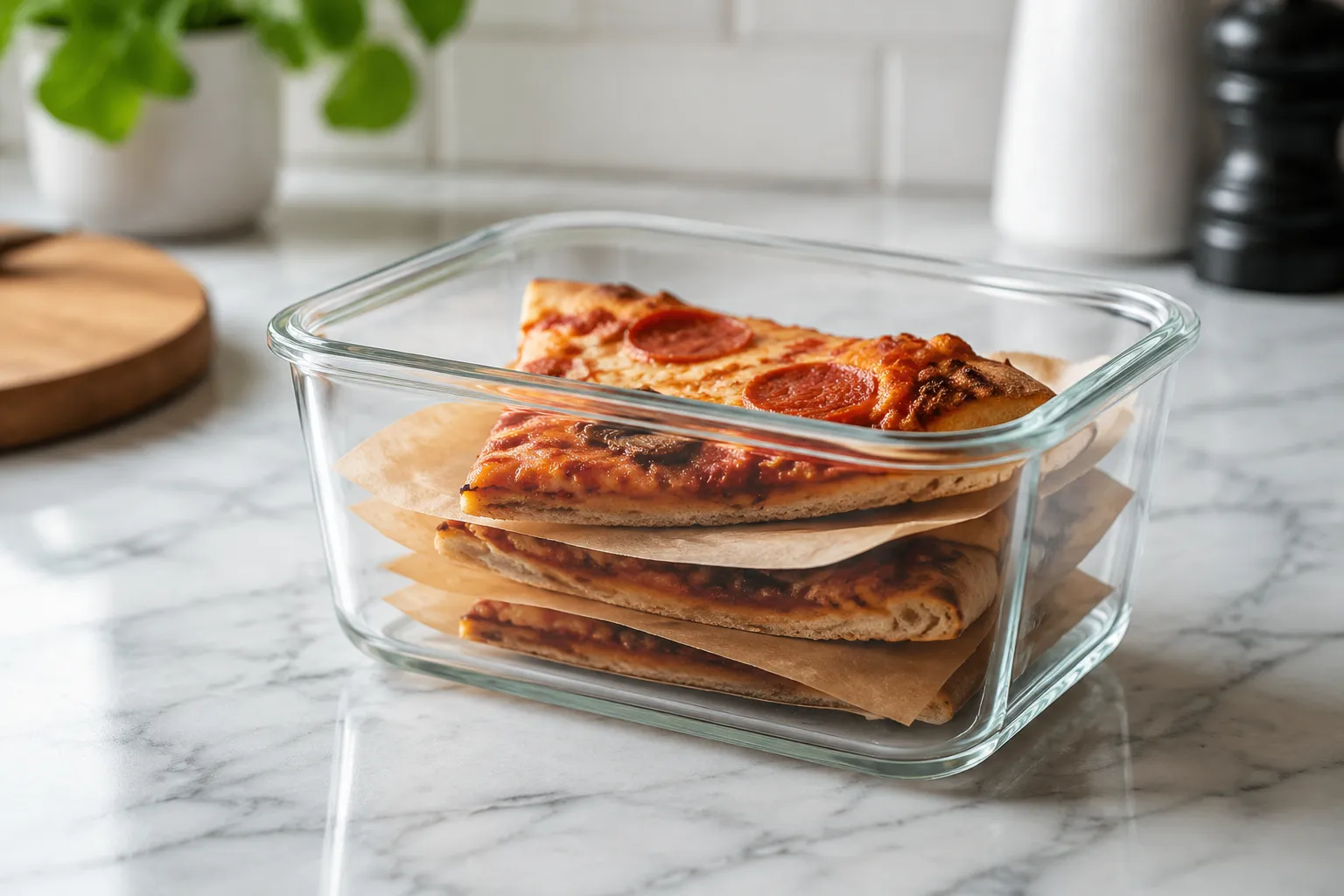
Store fully cooled leftover slices in an airtight container, separated by parchment squares to prevent sticking, for up to 4 days in the refrigerator. For longer storage, wrap individual slices in plastic and freeze in a zip-top bag for up to 2 months — they reheat surprisingly well from frozen.
To reheat, always use a covered nonstick skillet over medium-low heat for 4-5 minutes, or a 400°F oven on a wire rack for 6-8 minutes. Both methods restore the crispy bottom and remelt the cheese without turning the crust into a chewy hockey puck like the microwave does.